Beyond Expo 2026 arrived with a clear message for the tech world, AI has moved past the screen and into the objects people wear, hold, and live with every day. Our own preview of the show framed this year’s edition as a turning point, arguing that AI software was only the warm-up for what the industry was really building toward. The event ran from May 28 to 30 at The Venetian Cotai Expo in Macau, centered on the theme of AI moving from digital to physical. That theme played out across robotics, smart machines, wearable intelligence, and real-world utility products on the show floor. It set up exactly the kind of environment where a product built around ambient AI communication could land with real meaning.
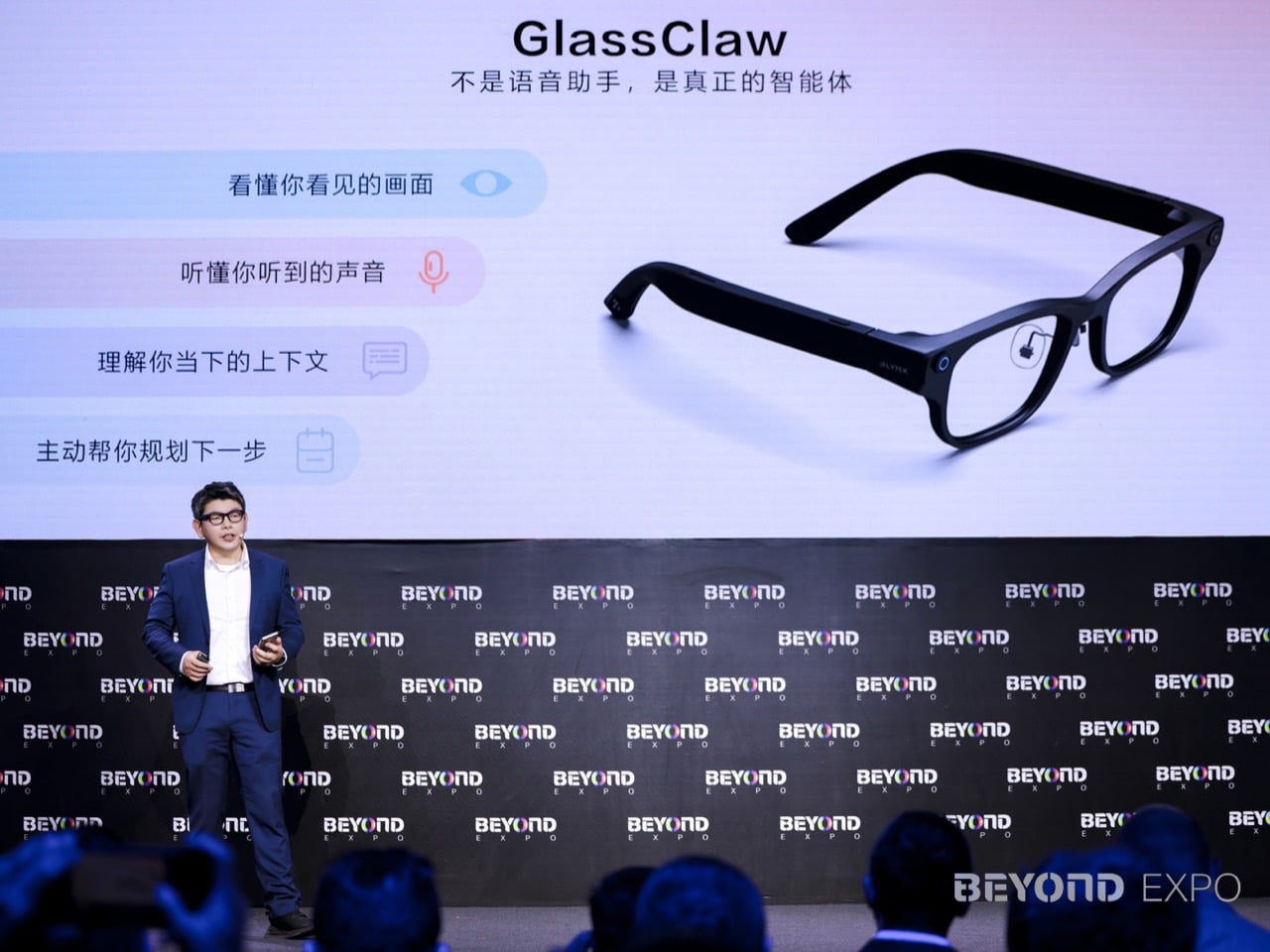
That made Macau the perfect stage for iFLYTEK’s AI Glasses, a 40 gram wearable built around communication, translation, and ambient intelligence. Announced at BEYOND Expo 2026, the glasses pair a lightweight magnesium-aluminum frame with a resin waveguide display, real-time translation, teleprompting, advanced noise recognition, and the GlassClaw AI agent, all wrapped into a device designed to keep information in sight and conversation in flow. iFLYTEK, the Shenzhen-listed AI company founded in 1999 and best known for its speech and language technology, framed the launch under the theme “Communication Without Boundaries, the World Before Your Eyes.” For a company whose core competency has always been understanding and generating human language, a glasses product aimed at communication is a logical next step. The pitch is a strong one: AI belongs in the line of sight, ready when you need it, invisible when you do not.
Designer: iFLYTEK
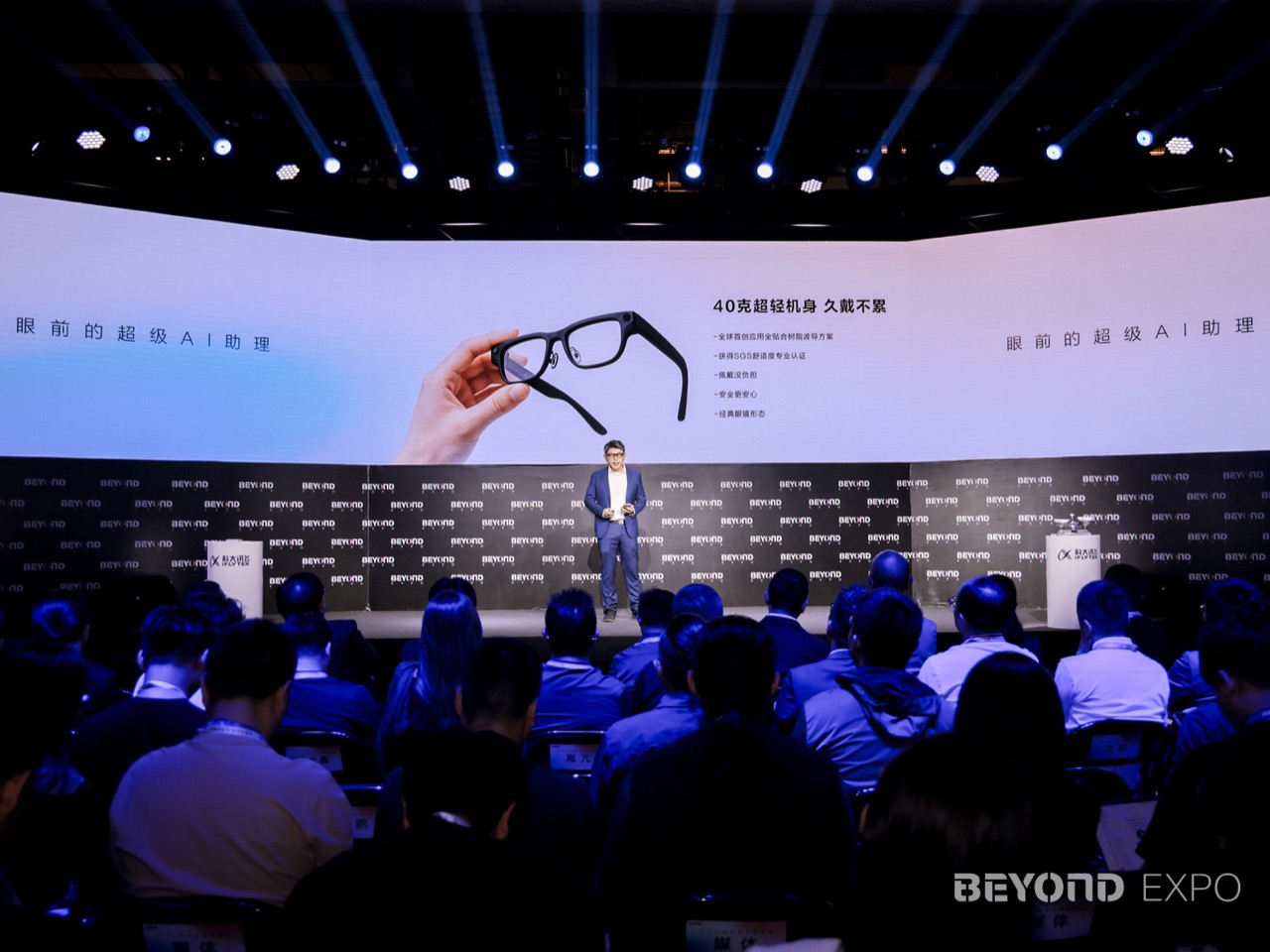
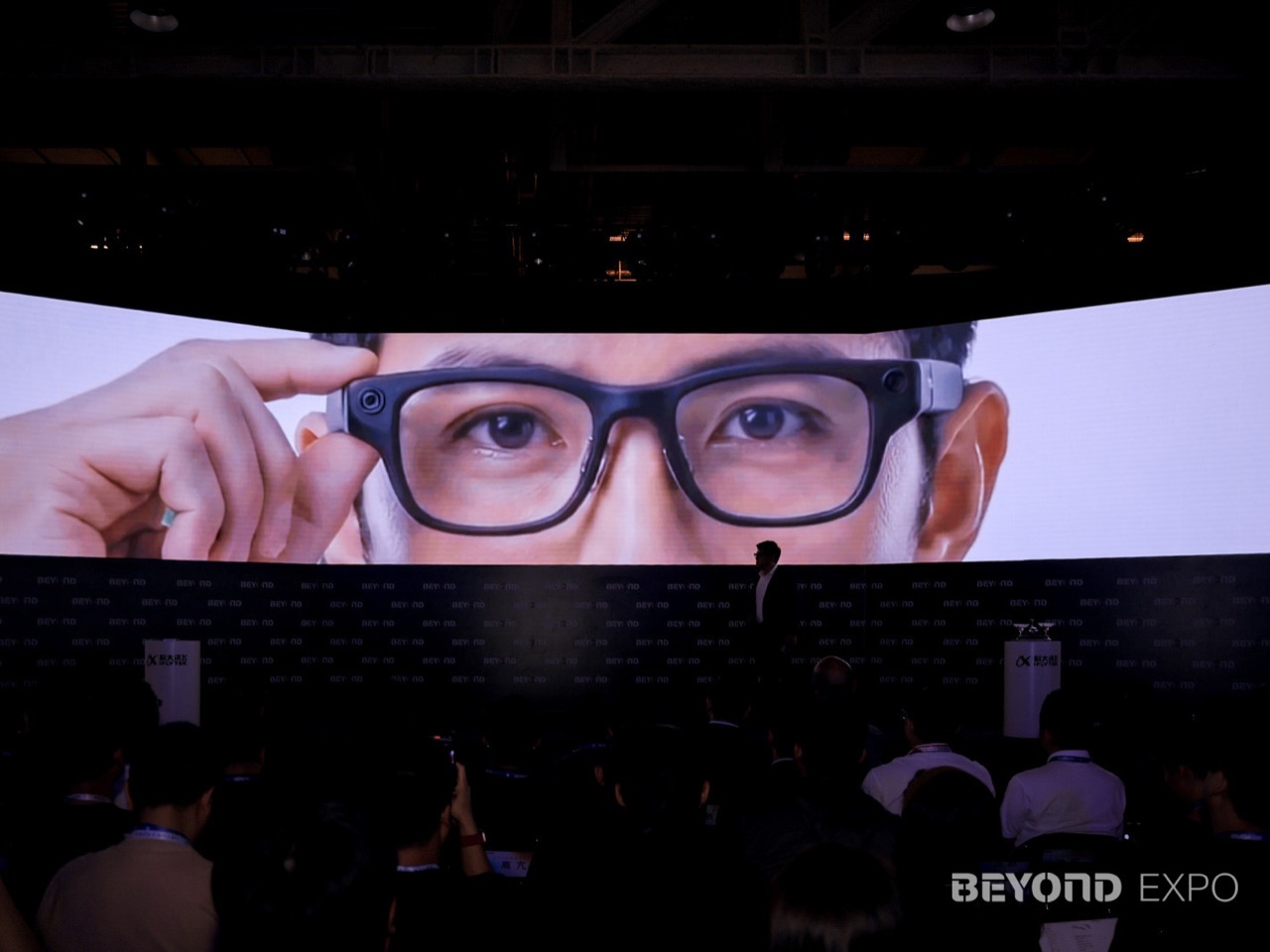
Getting a display, waveguide, processing stack, and speaker array under 40 grams in a glasses form factor is not a given, and the material choices iFLYTEK made to hit that number tell most of the hardware story. The frame uses an aerospace-grade magnesium-aluminum alloy, keeping the structure rigid without the front-loaded weight that makes smart glasses genuinely uncomfortable after twenty minutes. The display runs on a resin waveguide paired with a customized micro-optical module, a combination chosen to balance visual quality against physical footprint. Ergonomic adjustments calibrated specifically to Asian facial structures add another layer of intent, signaling that the wearability goal goes beyond a marketing claim. That kind of constraint-driven design work is what separates a considered wearable from a concept render that happens to ship.
GlassClaw, the AI agent built into the glasses, handles the intelligence layer across multiple modes (not related to OpenClaw). It captures conversations, generates AI meeting summaries, enables full-scenario real-time translation, and pulls in life services, functioning as a persistent contextual companion rather than a novelty voice assistant. The teleprompter feature stands out from a practical design standpoint, giving the glasses a repeatable use case in presentations, live video, and multilingual business settings. Advanced noise recognition ties the system together by giving the speech-processing layer a cleaner audio signal in conference halls, trade floors, and the ambient chaos of travel. iFLYTEK’s deep history in speech AI means the noise handling and translation accuracy are the features most likely to determine whether these glasses earn daily wear.
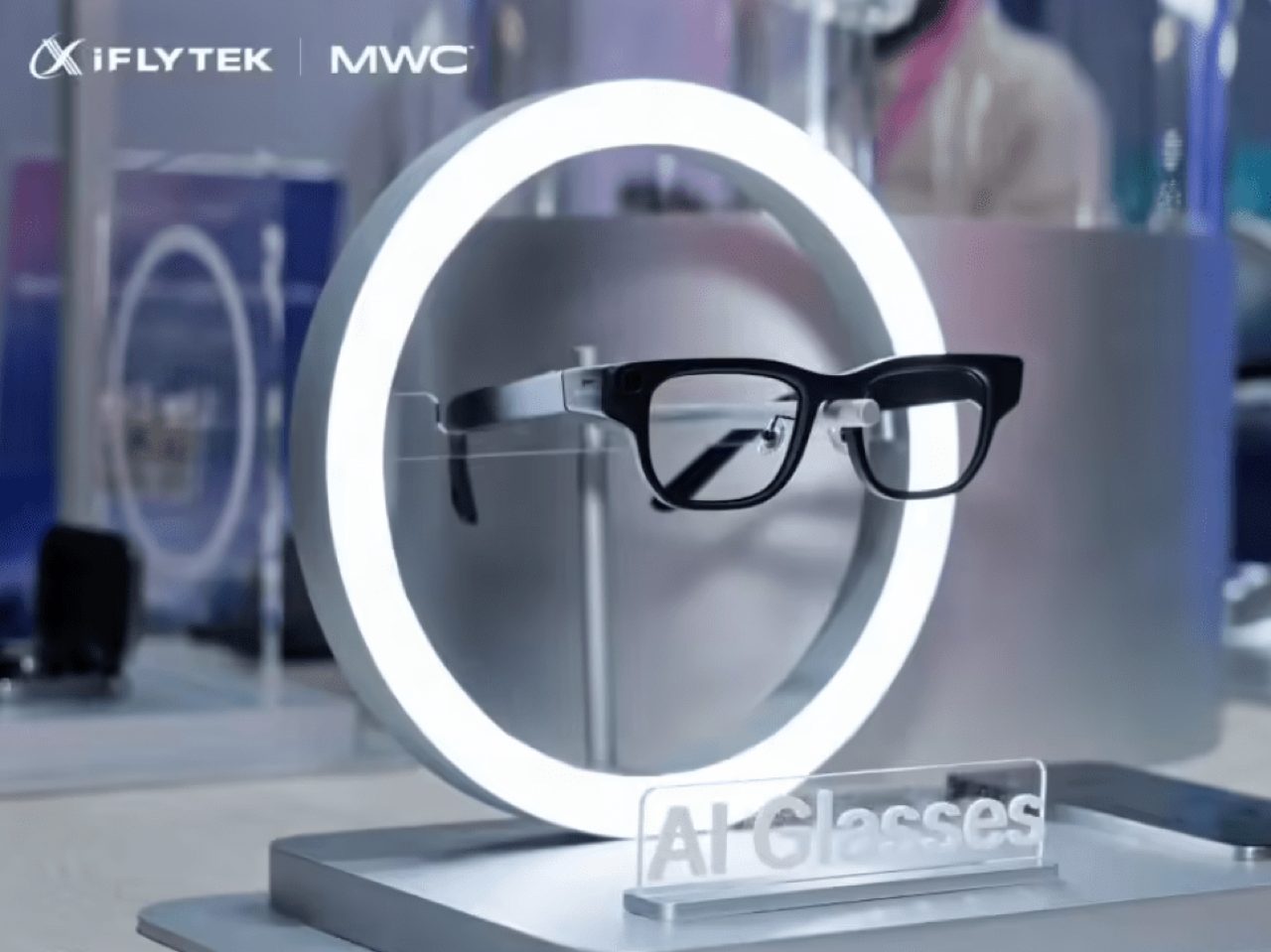
The iFLYTEK AI Glasses are priced at 4,299 yuan, roughly $635, with presales beginning June 15. iFLYTEK also staged an ecosystem partner forum at the expo alongside Sunny Optical, Wanxin Optical, and Conant Optics, treating the launch as the beginning of a product line rather than a one-time debut. For a product category that has struggled to articulate a daily reason to exist, iFLYTEK’s communication-first positioning is a credible answer. The Ray-Ban Meta glasses proved that lightweight wearable audio could build a real user base when the form factor stopped fighting the face, and iFLYTEK is making a similar bet with a display and translation stack on top. At 40 grams, with a clear professional use case and a company whose entire identity is built around understanding human language, these glasses have the ingredients to matter.