Every fall, the same ritual plays out in backyards across the country. Someone drags out the fire pit, gets the flames going, and within twenty minutes the whole group has rearranged their chairs at least three times, all chasing the same goal: getting away from the smoke. It’s such a normal part of fire pit ownership that most people just accept it as the cost of doing business. You want warmth and ambiance, you pay for it with watery eyes and a jacket that smells like a campfire for the next two days.
That’s the actual problem the AirFlow 8-Panel Fire Pit is built to solve. Smoke isn’t some unavoidable side effect of burning wood outdoors. It’s mostly a sign that the wood isn’t burning completely, and Sanyo Works, the Japanese company behind this design, spent decades in metal processing before deciding to fix that at the source instead of asking people to just deal with it.
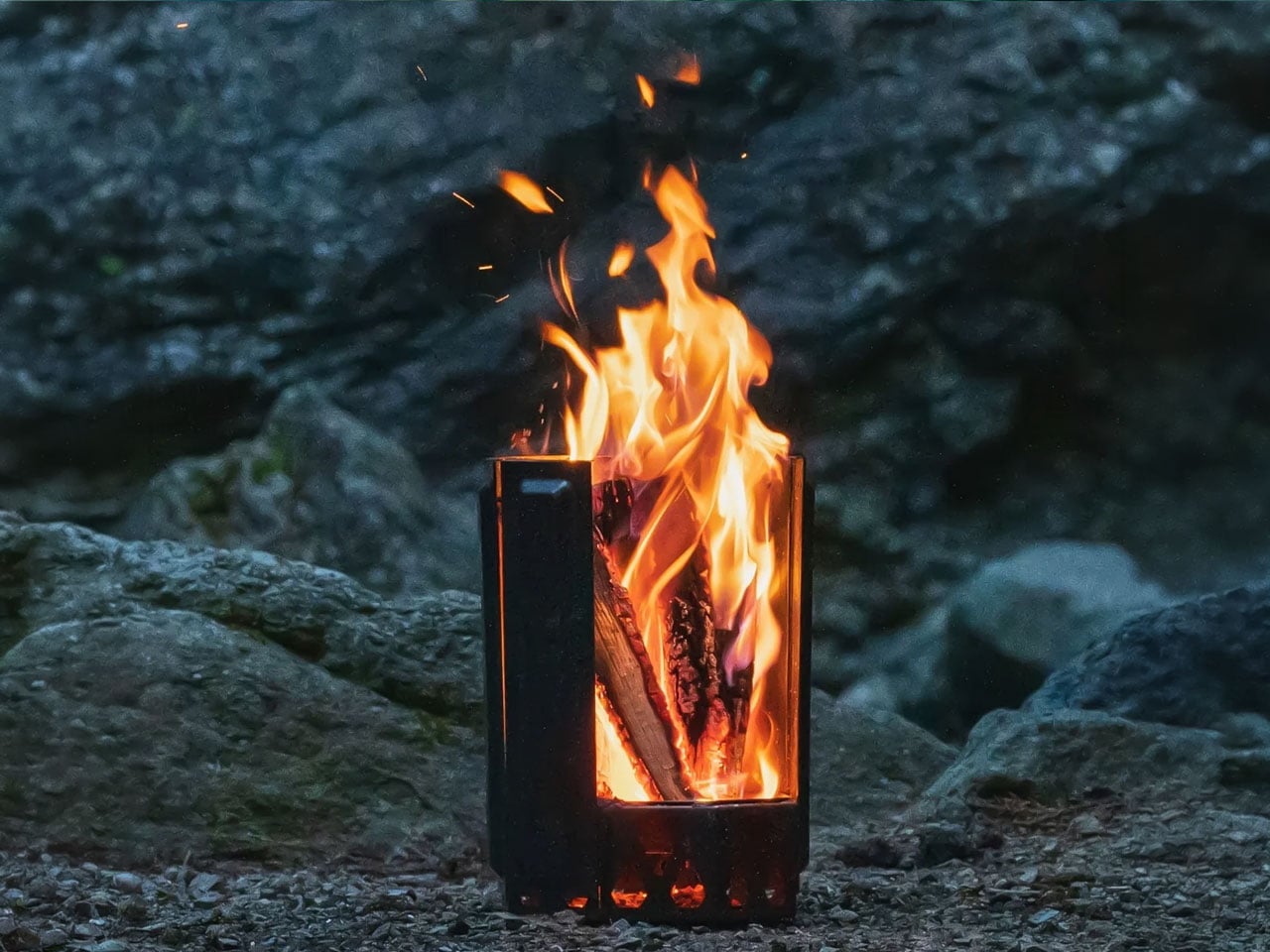

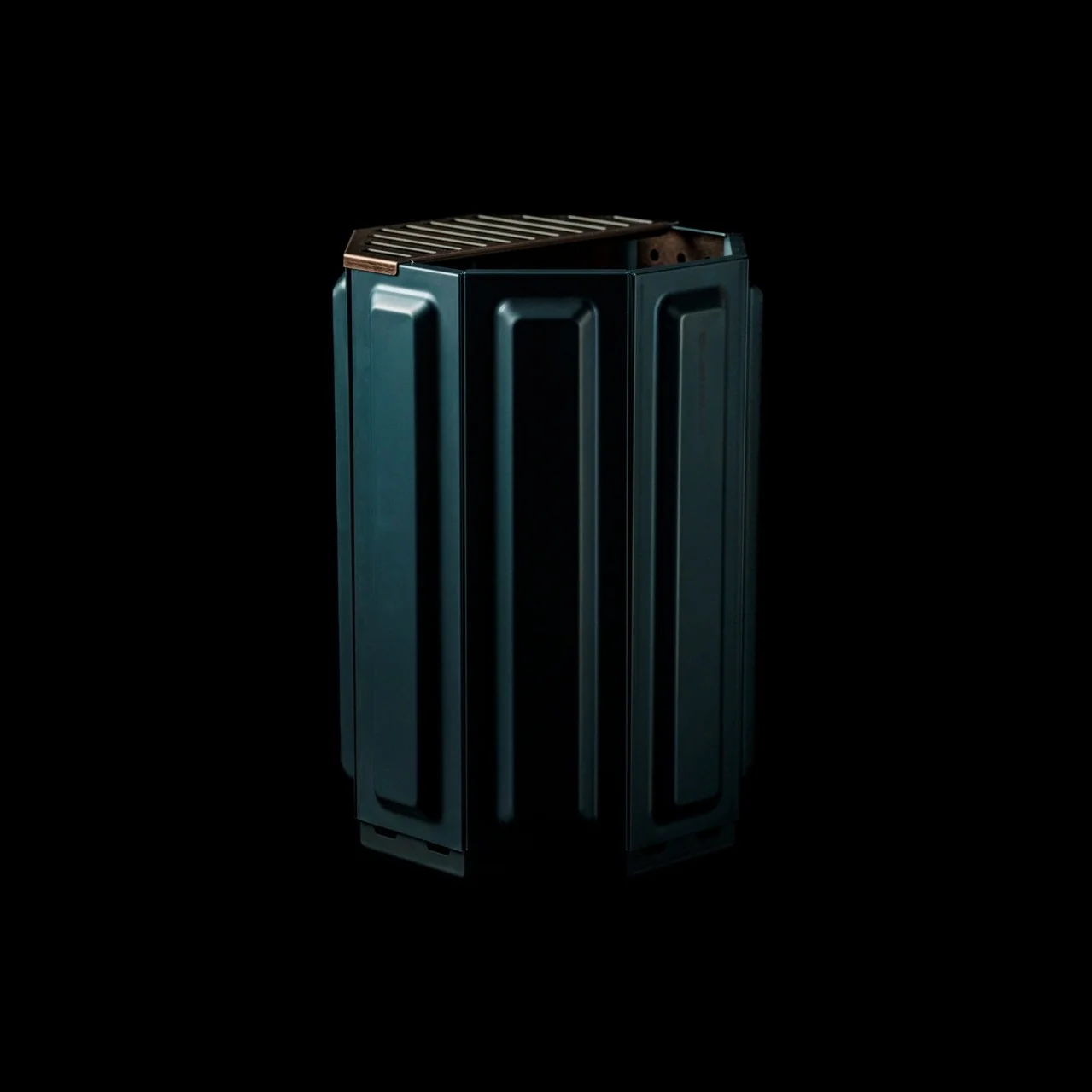
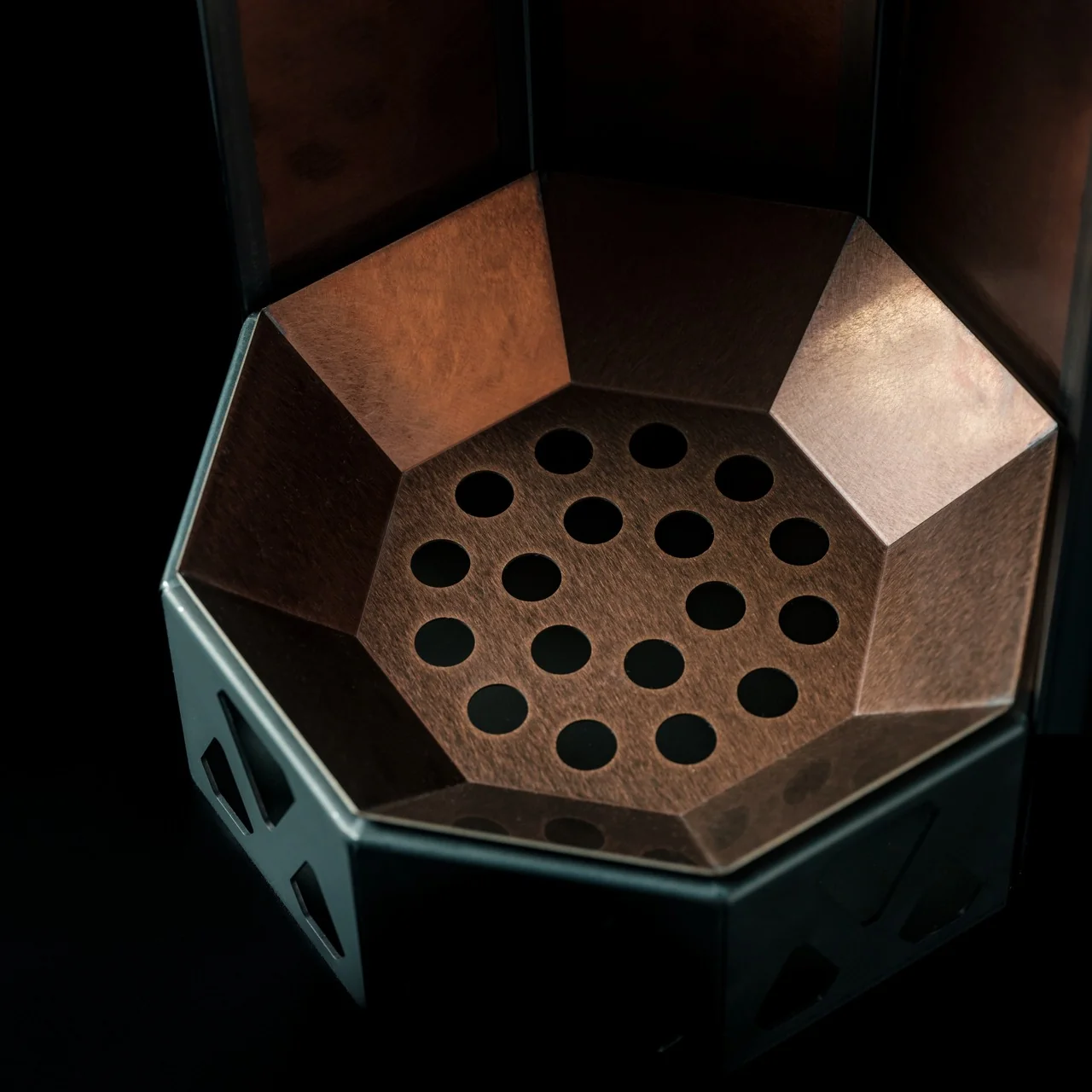
The engineering here is simple once you understand it, even if the payoff feels like magic in practice. Eight removable panels lock together into an octagonal cylinder, and each panel has holes at the base that feed fresh air straight to the wood for primary combustion. That’s step one, and it’s not particularly novel on its own. What makes this pit different is what happens next. The heated air doesn’t just disappear. It rises through a double walled cavity and exits through vents near the top, where it reignites gases that would normally just float away as smoke. That second burn is called secondary combustion, and it’s the reason a Yanko Design review of this exact pit called the smoke reduction “physics, not a marketing claim.” I appreciate that framing, because it’s easy for outdoor gear to lean on vague promises. This one has a mechanical reason for working the way it does.
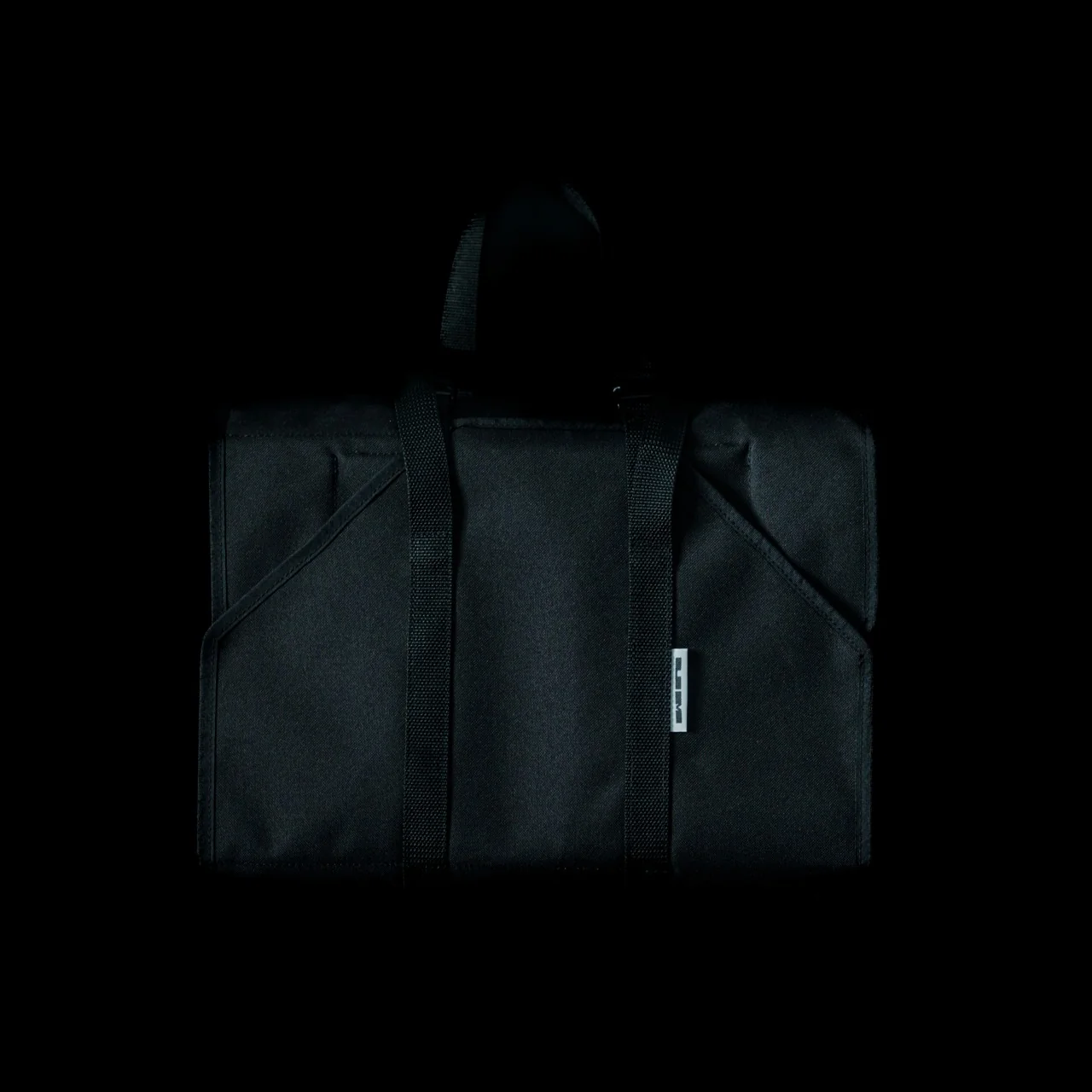
I’ll admit the modular panel system is what actually sold me on this thing as a design object, separate from the smoke science. You can pull one or two panels off mid-evening and change how the fire breathes entirely. Want a roaring blaze while you’re cooking dinner? Leave it fully assembled. Want something calmer for the part of the night where everyone’s just talking and the temperature has dropped? Pull a panel and let it settle. Most fire pits give you one setting, and you either build a bigger fire or a smaller one and hope for the best. This one lets you adjust the actual airflow, which feels less like a workaround and more like the product was designed by people who understood fire before they started welding steel.
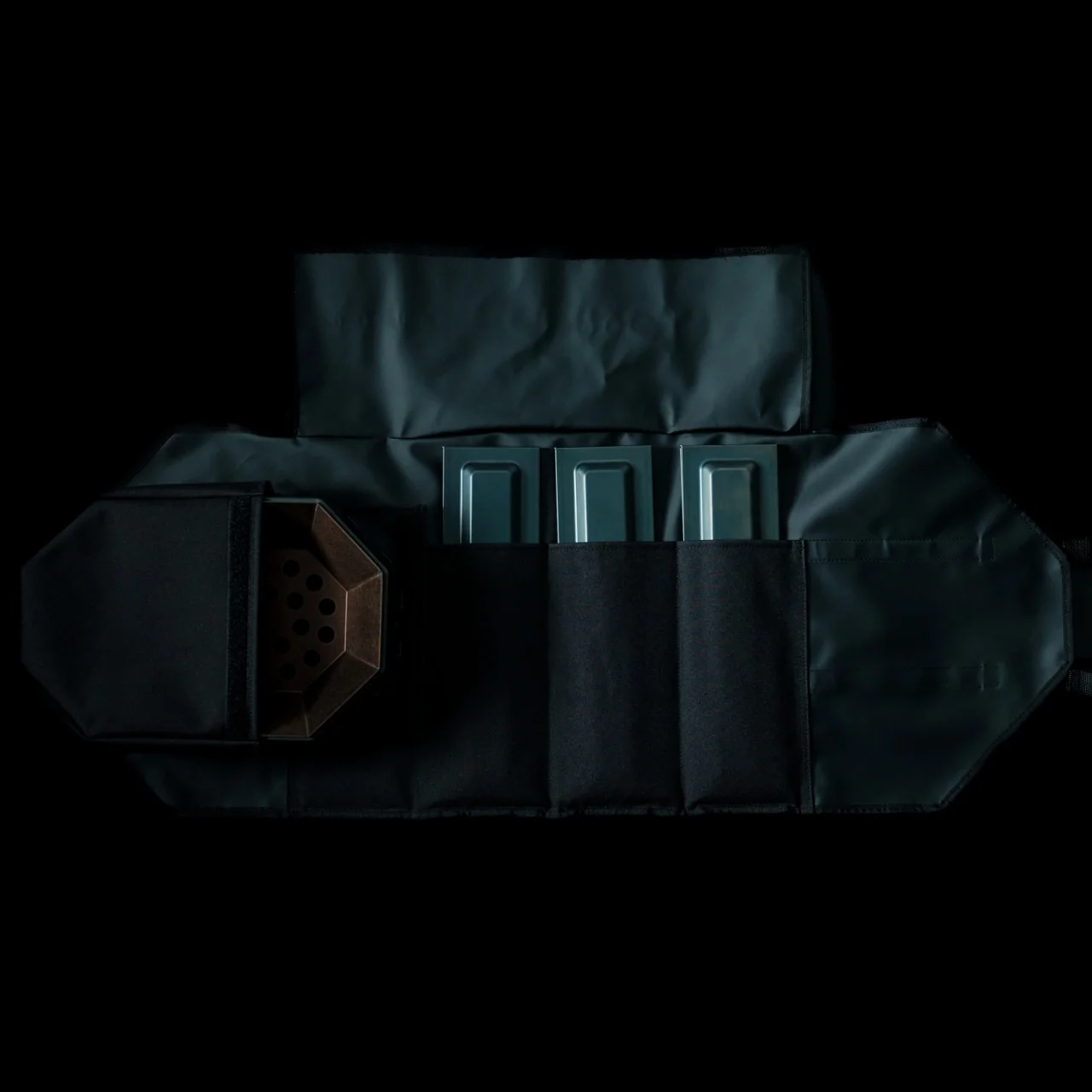
The materials back that up too. The interior uses corrosion resistant stainless steel that’s meant to age into a natural patina rather than just rust out and get replaced, while the exterior panels are built to take the abuse a real campsite delivers. There’s a grill grate attachment included as well, which turns the whole setup into a cooking platform without messing with the airflow logic that makes the pit work in the first place. Ash falls and collects at the bottom, so cleanup is mostly a matter of dumping it out rather than scraping char off a grate.
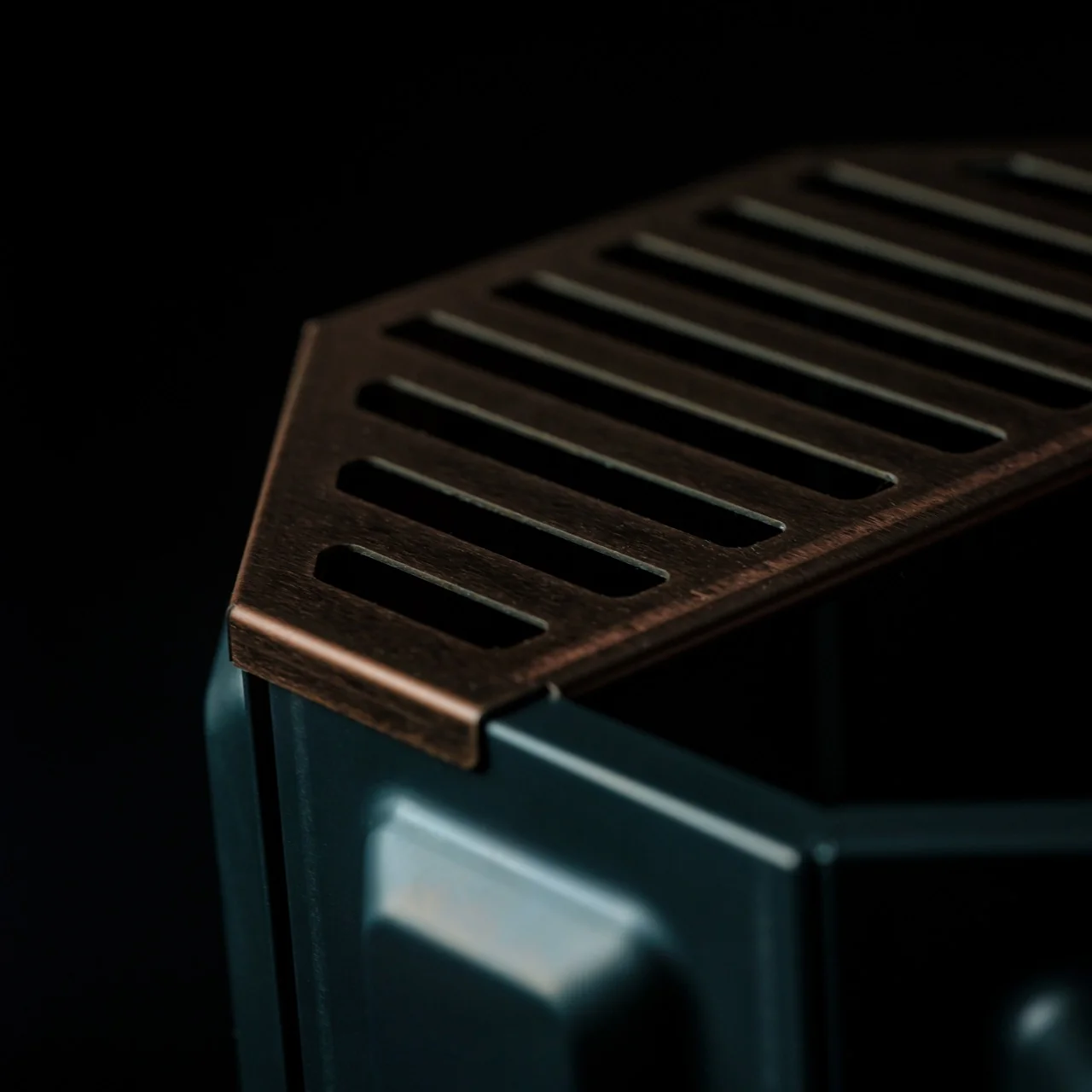
None of this matters much in July, but fall is exactly when a fire pit stops being a novelty and starts being the actual center of gravity for a backyard. Evenings get dark earlier, the air turns crisp enough that people actually want to stand near a flame, and suddenly the fire pit you own either makes those nights better or gives everyone a reason to go back inside. At $325, this one isn’t an impulse buy, but it’s priced like something meant to be a long term fixture rather than a seasonal throwaway.
What I keep landing on is that good outdoor design usually solves a problem people stopped noticing because they’d just gotten used to it. Nobody wakes up thinking their fire pit smokes too much, they just accept it as part of the deal. The AirFlow 8-Panel Fire Pit quietly argues that they shouldn’t have to.
SHARE