A convention booth usually announces itself with a flat screen bolted to a wall, competing for attention against a hundred identical setups doing the same thing. Samsung’s Spatial Signage skips that entirely, using glasses-free 3D technology to make a single 85-inch panel look less like a display and more like a window into somewhere else. At Tokyo Game Show 2026, that window happened to open straight into the world of an upcoming fantasy RPG.
The trick behind it is Samsung’s patented 3D Plate technology, engineered to create genuine visual depth without asking anyone to put on glasses or a headset first. Characters from Astrae Oratio appeared to occupy real physical space rather than sit flat behind glass, convincing enough that some visitors reportedly assumed there was something solid mounted behind the screen itself, only to realize afterward it was a single flat panel doing all the work.
Designer: Samsung
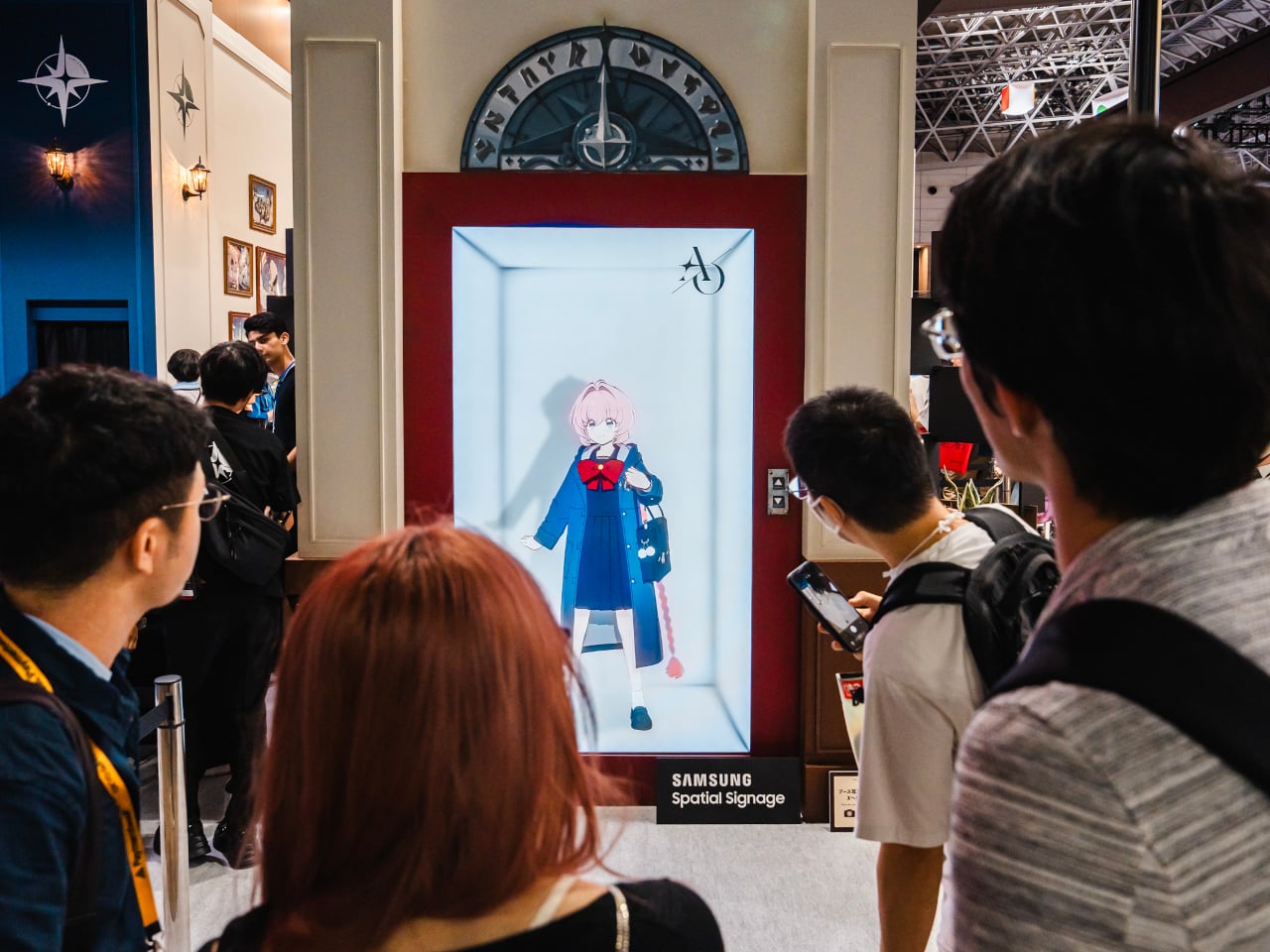
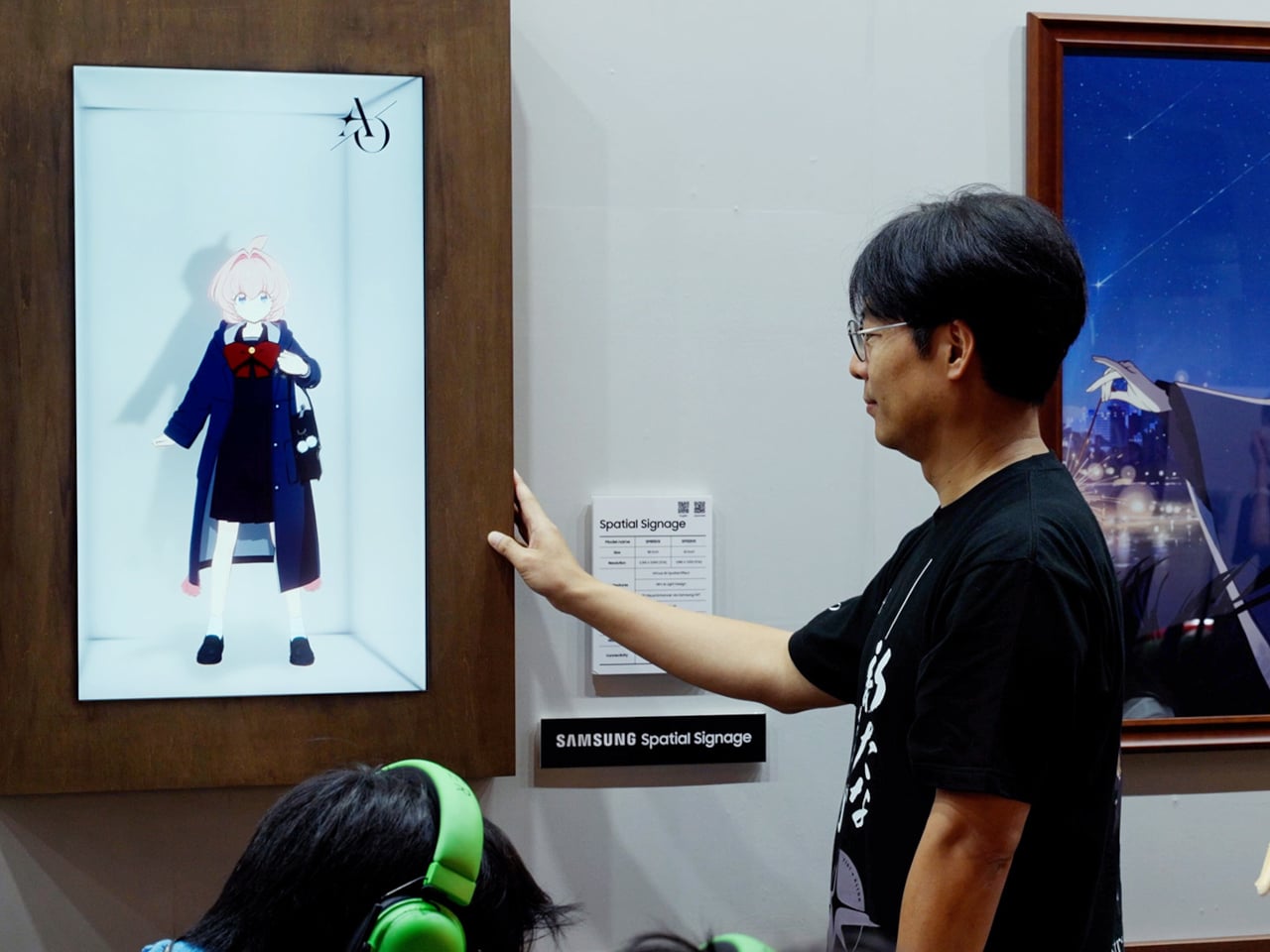
That illusion matters most in the exact moment a convention booth usually wastes: the wait in line. Fans standing outside an exhibit rarely have anything worth their attention beyond a poster or a looping trailer, dead time that adds up across a four-day show. Placing a lifelike character directly in that queue turns idle waiting into part of the experience itself, giving people a reason to record it, share it, and stay curious before ever stepping inside.
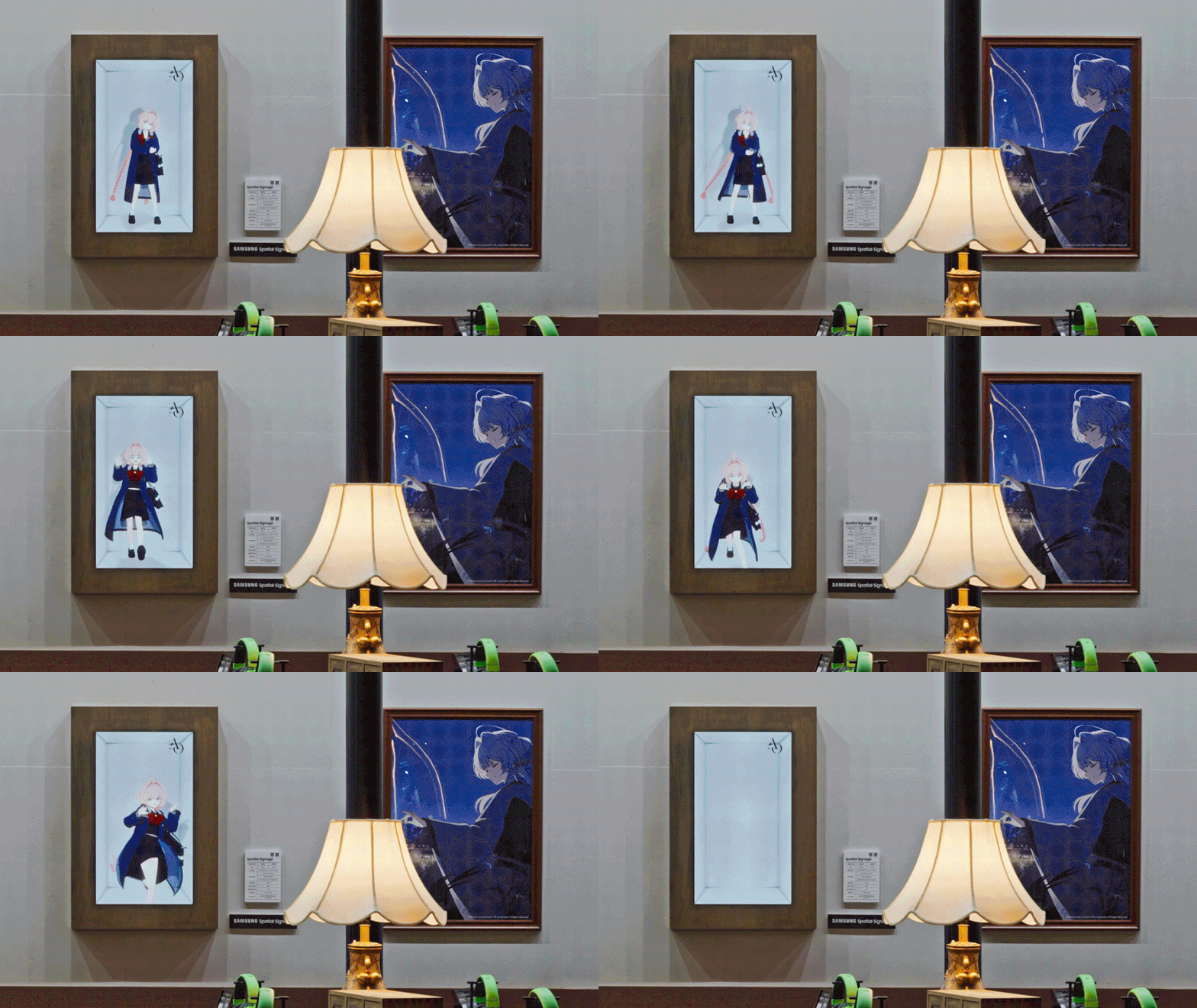
Slim physical dimensions make that placement possible in booths that were never designed around bulky hardware. Traditional volumetric or holographic displays tend to demand deep enclosures, dark rooms, or dedicated staging, none of which convention floors have room to spare. A flat panel thin enough to mount like ordinary signage sidesteps that constraint entirely, letting a booth designer drop genuine spatial depth into a footprint no larger than a normal screen would need.
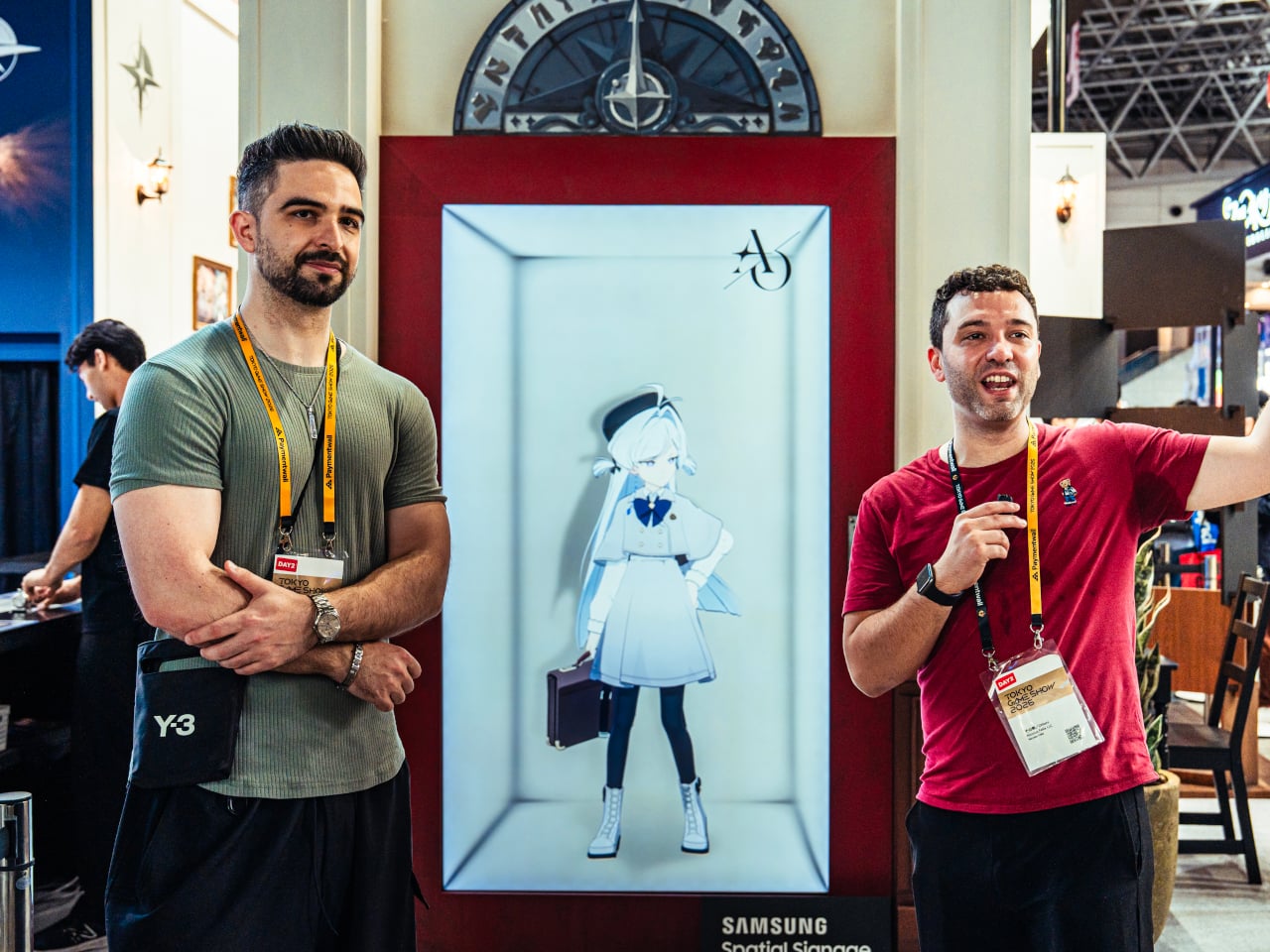
That thinness also changes how quickly a booth can actually go up and come down. A four-day convention leaves little room for elaborate rigging or custom enclosures built just for one display technology. Something that mounts and behaves like a standard panel means setup crews can treat it the same way they’d treat any other screen, without scheduling extra time for specialized installation.
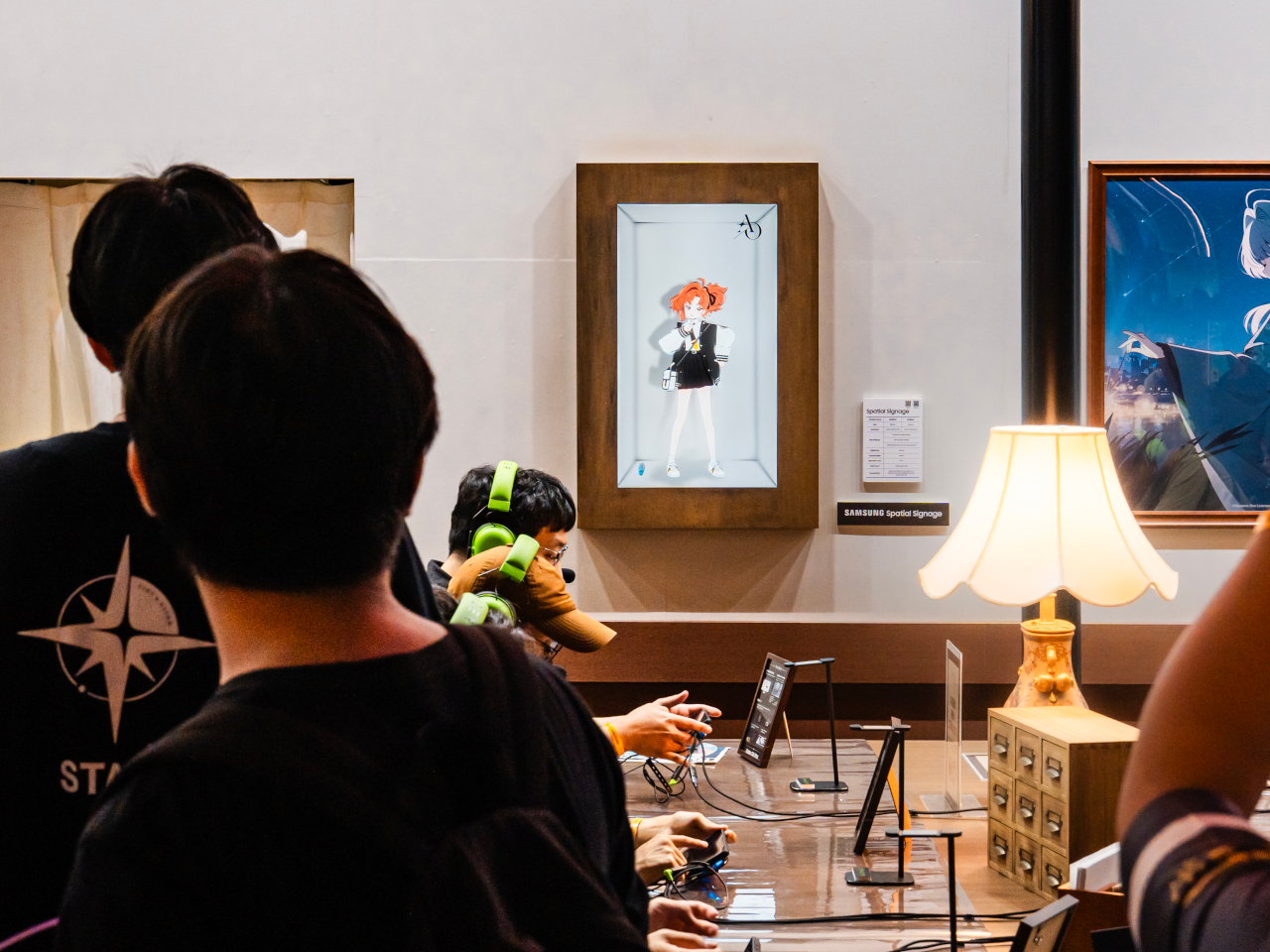
None of this stays confined to gaming conventions either. Samsung has signaled plans to bring Spatial Signage into retail spaces and pop-up shops, environments that share the exact same problem convention booths do: limited square footage and a need to grab attention fast. A flagship store window or a pop-up activation could use the same glasses-free depth to make a product or character feel present without demanding a renovation to fit it in.
A retail window built this way wouldn’t need mannequins or physical props stacked behind glass to suggest presence. The screen itself would carry that weight, switching between campaigns or characters as easily as updating a video file, something a physical display window can never do without tearing everything down and starting over.
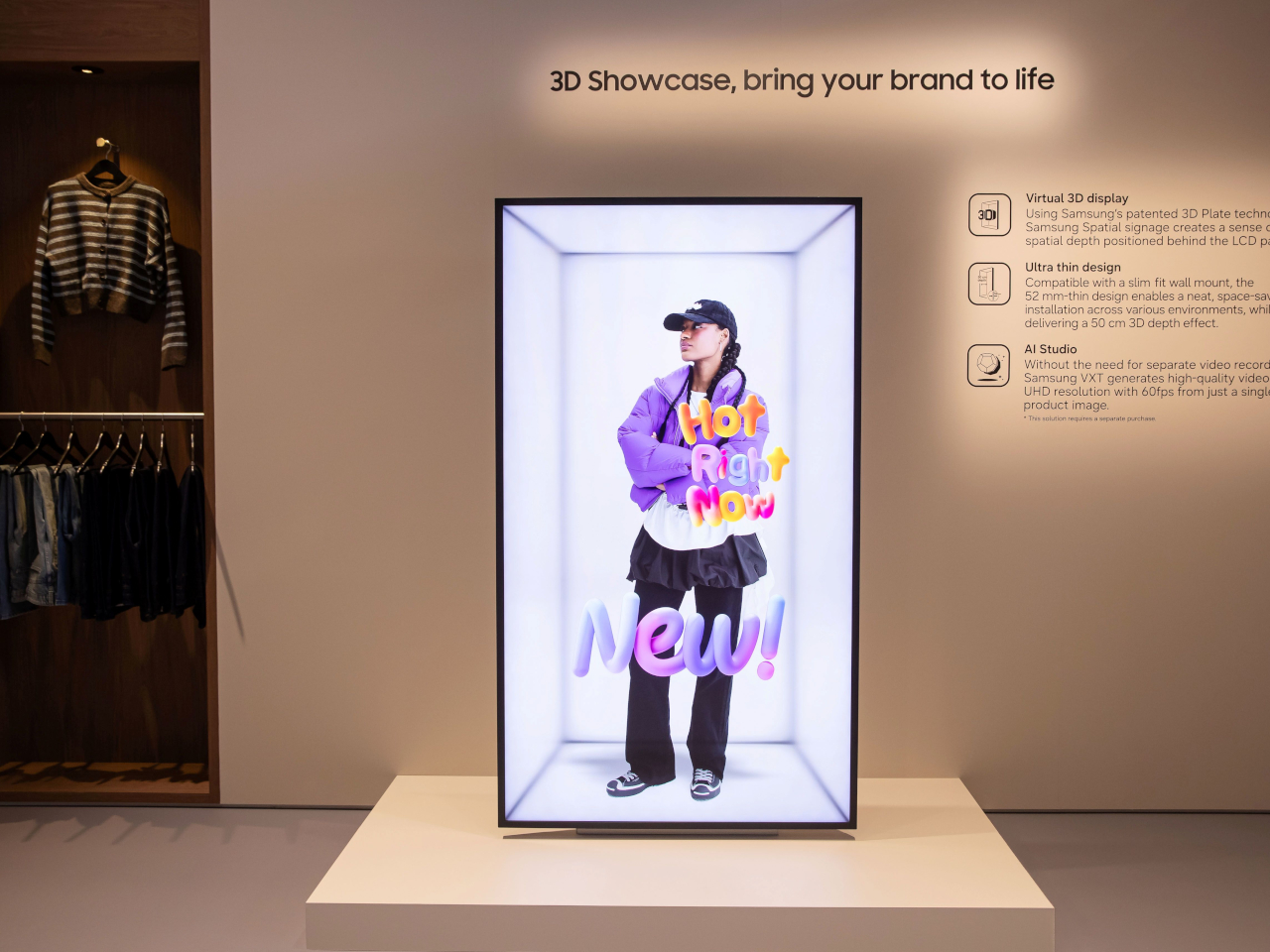
Resolution numbers and brightness specs rarely explain why a display actually gets noticed on a crowded show floor. What Spatial Signage changes is simpler than any of that: a flat panel now does a job that used to require carving out actual volume from a room. Getting someone to briefly believe a character is standing there changes what people expect the next screen they walk past to do.
SHARE