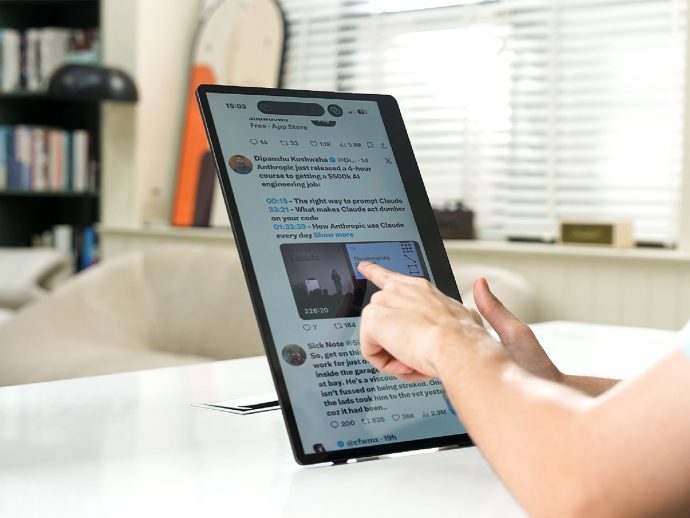
Most of us know the feeling. You pick up your phone to check one notification, and forty-five minutes later you’re three hundred posts deep into content you didn’t choose and can’t remember. It isn’t a willpower problem so much as a design problem. The apps on your phone are built by teams whose entire job is to keep your eyes on the screen a little longer, and they’re very good at it. Screen time limits and app blockers try to fight that with rules, and rules are easy to ignore when nobody’s watching. That’s the real gap. We need something that makes the cost of scrolling feel immediate and personal, not a stat buried in a settings menu.
A YouTuber who goes by brenpoly figured out a clever way to do that, and it involves guilt-tripping you with a tiny plastic creature. The project is called PolyMO, and it works like a 90s Tamagotchi with a very different agenda. Feed it, talk to it, keep it company, and it thrives. Doomscroll for too long, and it gets visibly sick. Keep ignoring it, and it can die. If that sounds a little dramatic for a hunk of plastic and code, that’s kind of the point. Nostalgia is doing real emotional labor here, and it works because most of us who grew up with a Tamagotchi still remember the specific guilt of killing one.
Designer: brenpoly
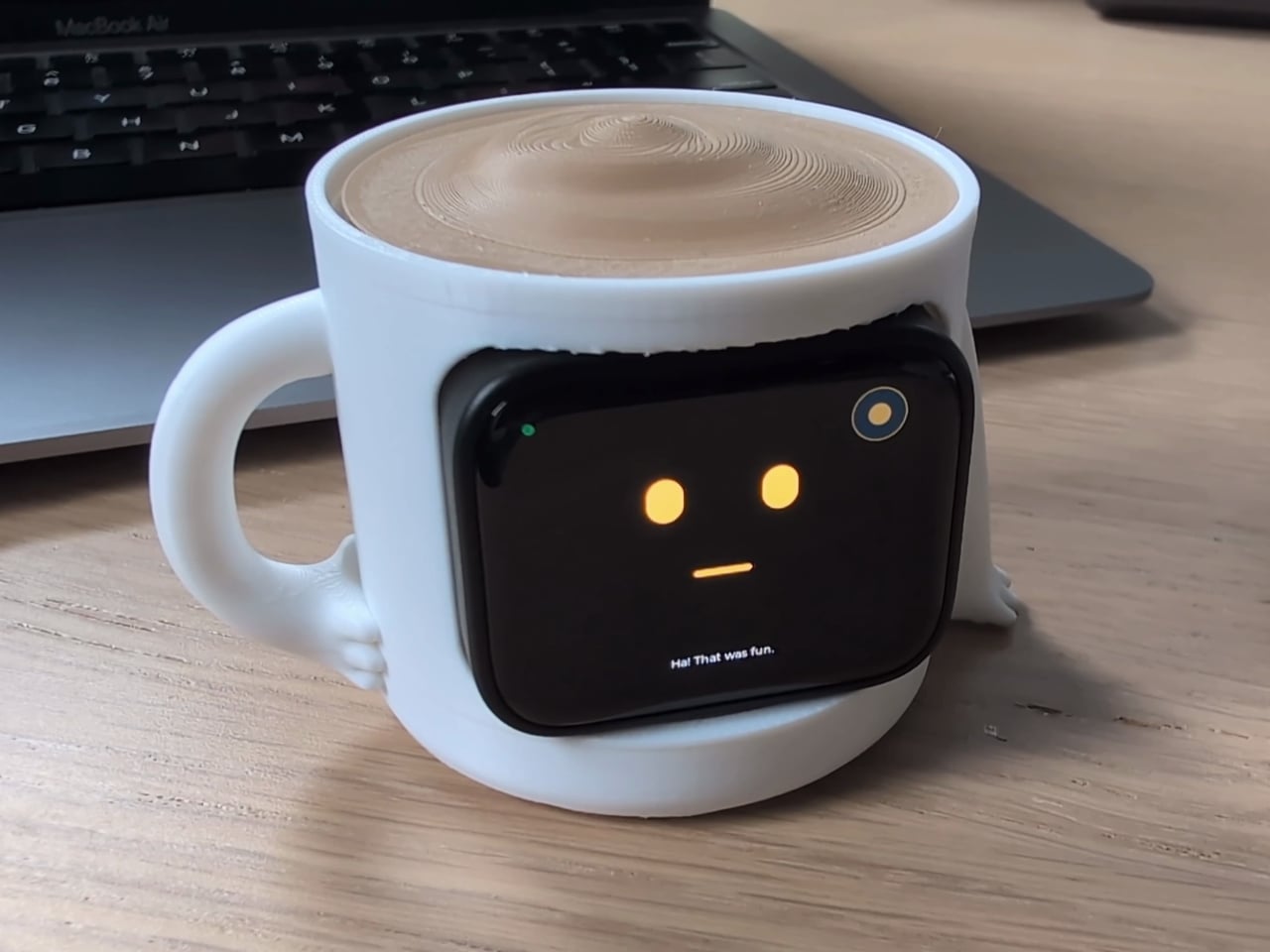
What makes PolyMO worth paying attention to isn’t the emotional trick alone, though. It’s the engineering underneath it. The device runs on a cheap ESP32 board tucked into a friendly 3D-printed shell, paired with an Android phone that handles the heavier computing. Brenpoly calls it a split-brain setup: the phone quietly runs a local language model, a Whisper speech recognition model, and a Piper text-to-speech model, while the ESP32 manages the pet’s face, its animations, and the Bluetooth link between the two. None of it touches a server. Every conversation, every mood swing, every “my tummy feels yucky” moment happens entirely on your own hardware.
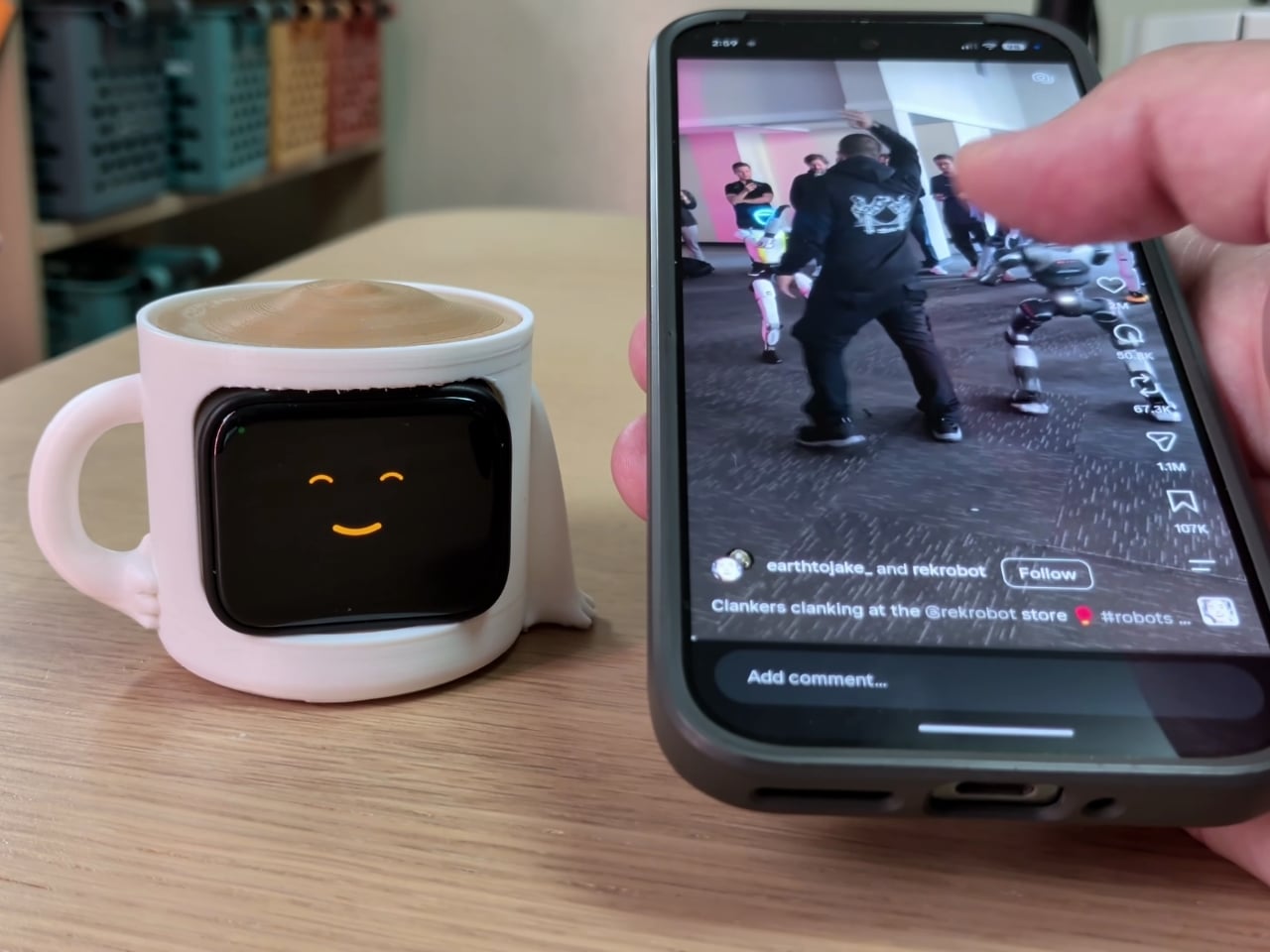
That detail matters more than it might seem at first glance. We’ve spent years handing our data to companies in exchange for convenience, often without thinking too hard about where it goes. A project like this refuses that trade entirely. There’s no subscription, no cloud account, no company harvesting your screen habits to sell you something later. You build it once, for around fifty dollars in parts, and it belongs to you in the fullest sense of that word.
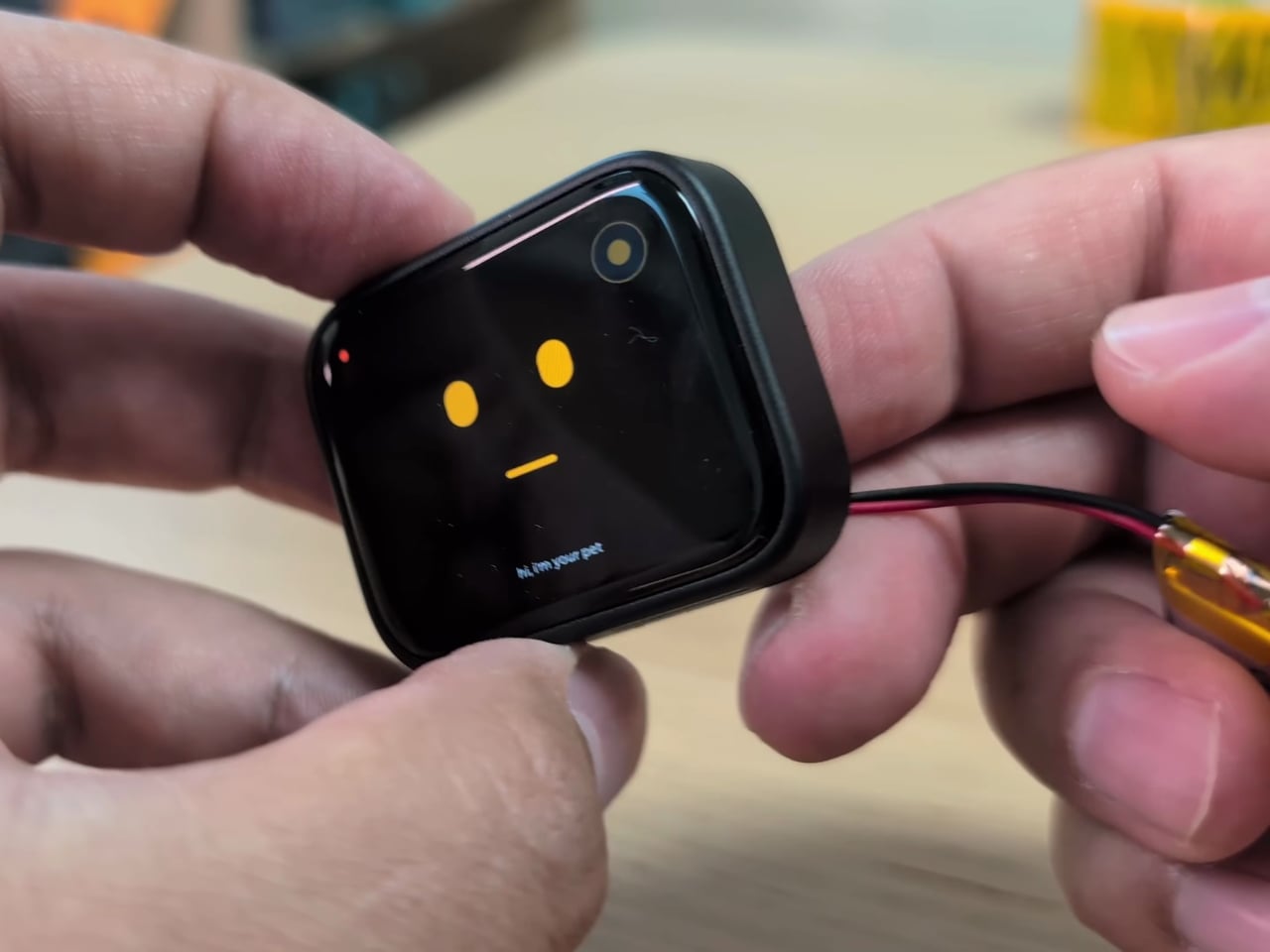
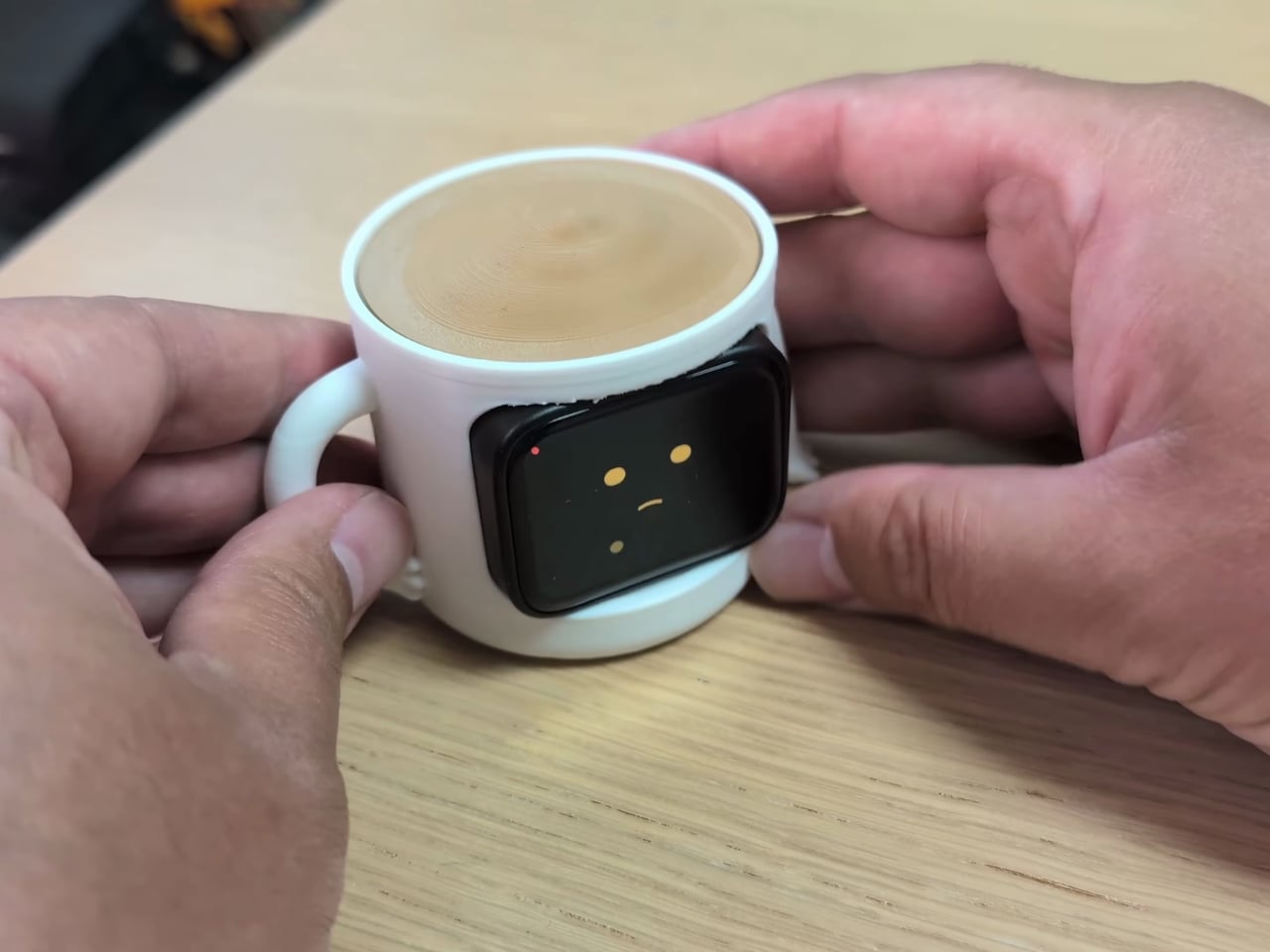
The personality layer is where it gets genuinely charming. You can pick from a handful of pet moods, set quiet hours so it isn’t nagging you at 2 a.m., and even flip on a dark mode for the display. It’s a small, playful layer on top of something that’s actually addressing a real problem, and that balance is hard to get right. Too preachy and people abandon it in a drawer. Too cute and it does nothing. PolyMO seems to land in between, closer to a companion than a scold.
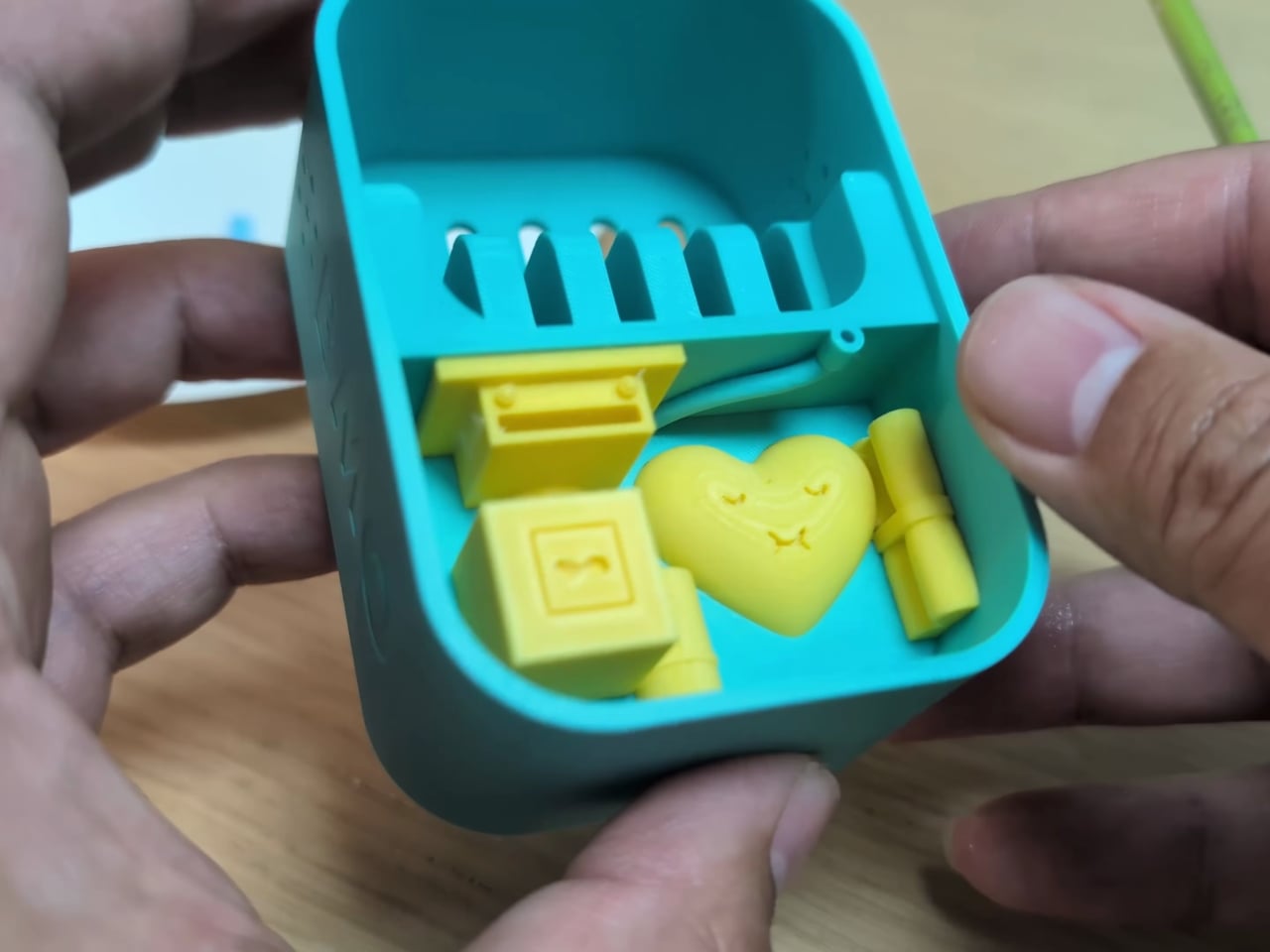
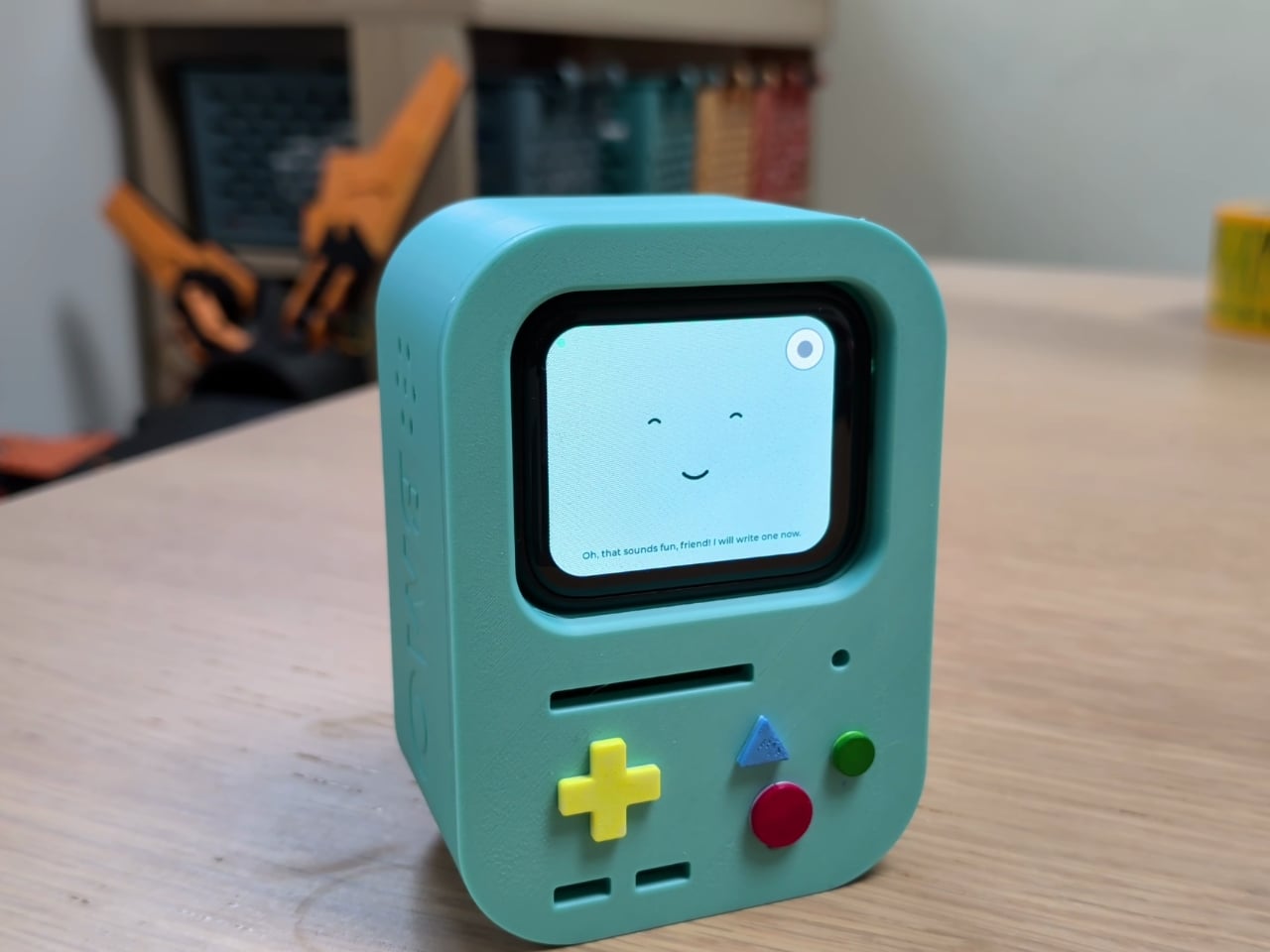
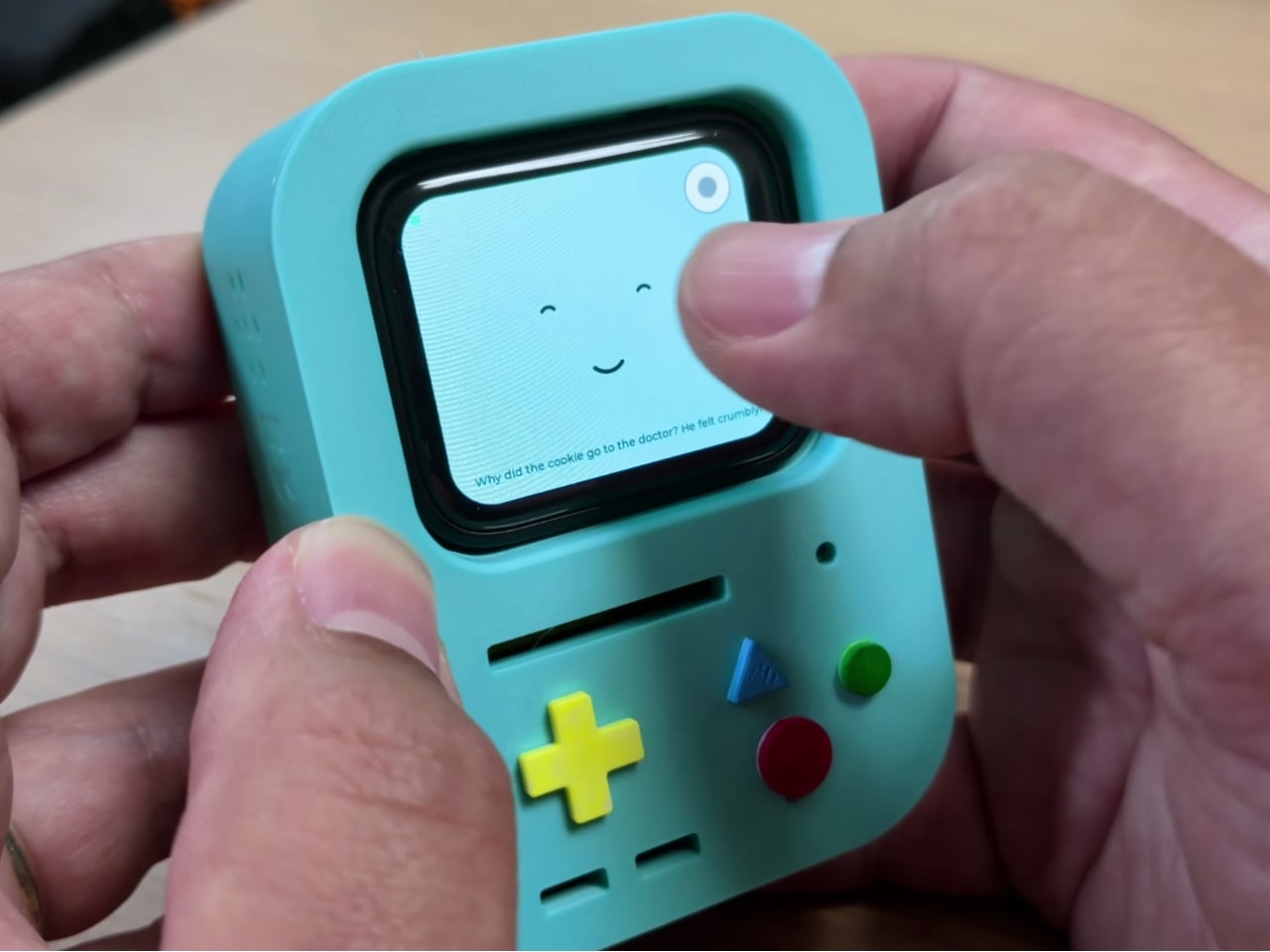
I don’t think a virtual pet is going to single-handedly fix anyone’s relationship with their phone, and brenpoly doesn’t claim that either. He’s been open about the fact that this comes on the heels of real conversations about social media addiction, including recent lawsuits that put the industry’s design choices under a spotlight. A device like this isn’t a cure. It’s friction, and sometimes friction is exactly what a habit needs to break.
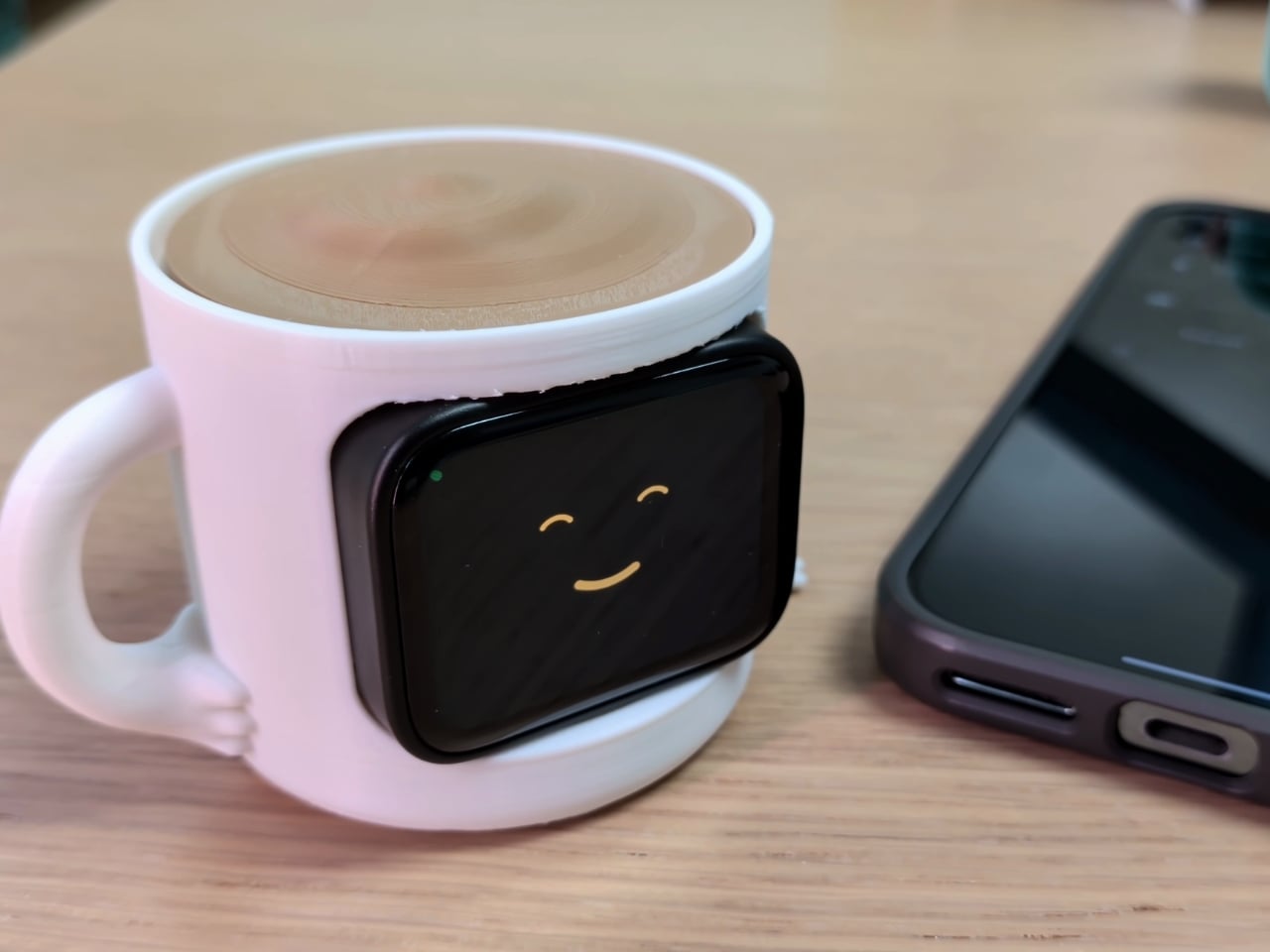
What I appreciate most is that the whole thing is open source. Brenpoly posted the build files, the code, and the assembly steps on GitHub, so anyone with a soldering iron and a free weekend can make their own version, or tweak it into something better. That’s a very different model from the apps we’re trying to escape, where the incentive is always to keep you inside a walled garden. PolyMO hands you the keys instead. It’s a strange kind of comfort, being kept honest by something smaller than your hand and dumber than your phone. But maybe that’s exactly why it works.
SHARE