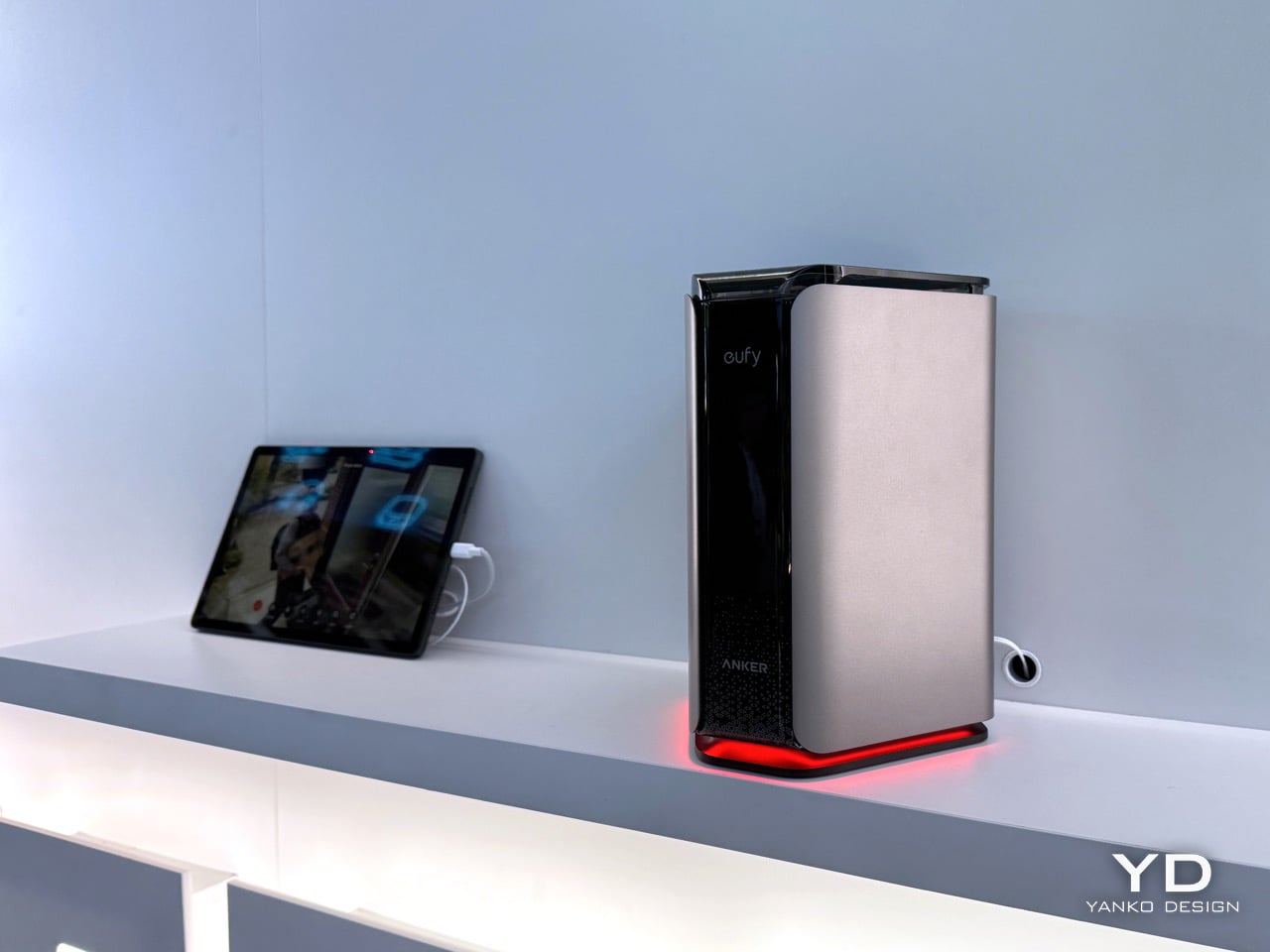
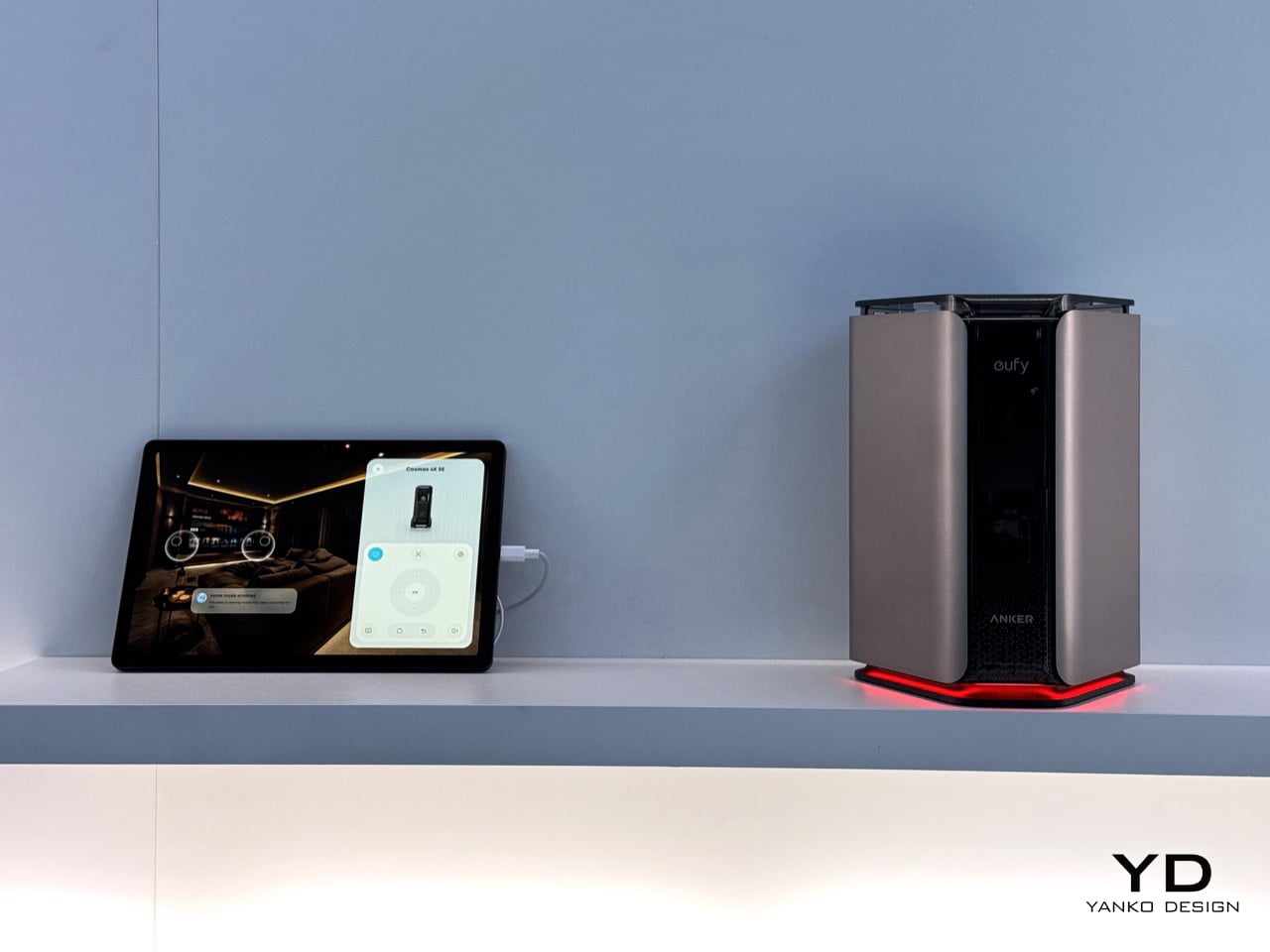
If you already own eufy cameras, the useful sentence in Anker’s IFA 2026 announcement is buried under the AI talk: your HomeBase S380 footage transfers straight across to the MindBase. Anker built the new hub to work with the eufy security gear people bought years ago, then bolted on a two-bay drive enclosure holding up to 48TB and a 26 TOPS compute card running an in-house language model locally. Your old cameras stay. They get a brain. That is a far rarer offer than a new camera, and considerably cheaper than replacing four of them.
The scale of what it absorbs is the part worth sitting with. MindBase acts as a Matter 1.5 controller with Thread and Zigbee support built in, and it works alongside HomeKit, Alexa, Google Assistant and Home Assistant rather than replacing any of them. It supports 20 cameras and 34 sensors, close to 100 Anker devices, and hundreds of third-party Matter products. Two Gigabit Ethernet ports and three USB 3.0 ports handle the wiring, with 64GB of onboard flash before you add a single drive. Anker wants to be the thing everything else plugs into, not another gadget competing for shelf space.
Designer: Anker
Getting there meant Anker had to kill its own family tree. eufy, soundcore, SOLIX and eufyMake are all being folded into the Anker name over the next couple of years, split into two groups called Anker For You and Anker For Home. CEO Steven Yang put it plainly on stage: category brands made sense when categories were separate, and they no longer are. Anker opened its first standalone store in Berlin the same week. A box asking to be the single brain of your house cannot credibly sit next to four differently branded limbs feeding it data, so the limbs had to go.
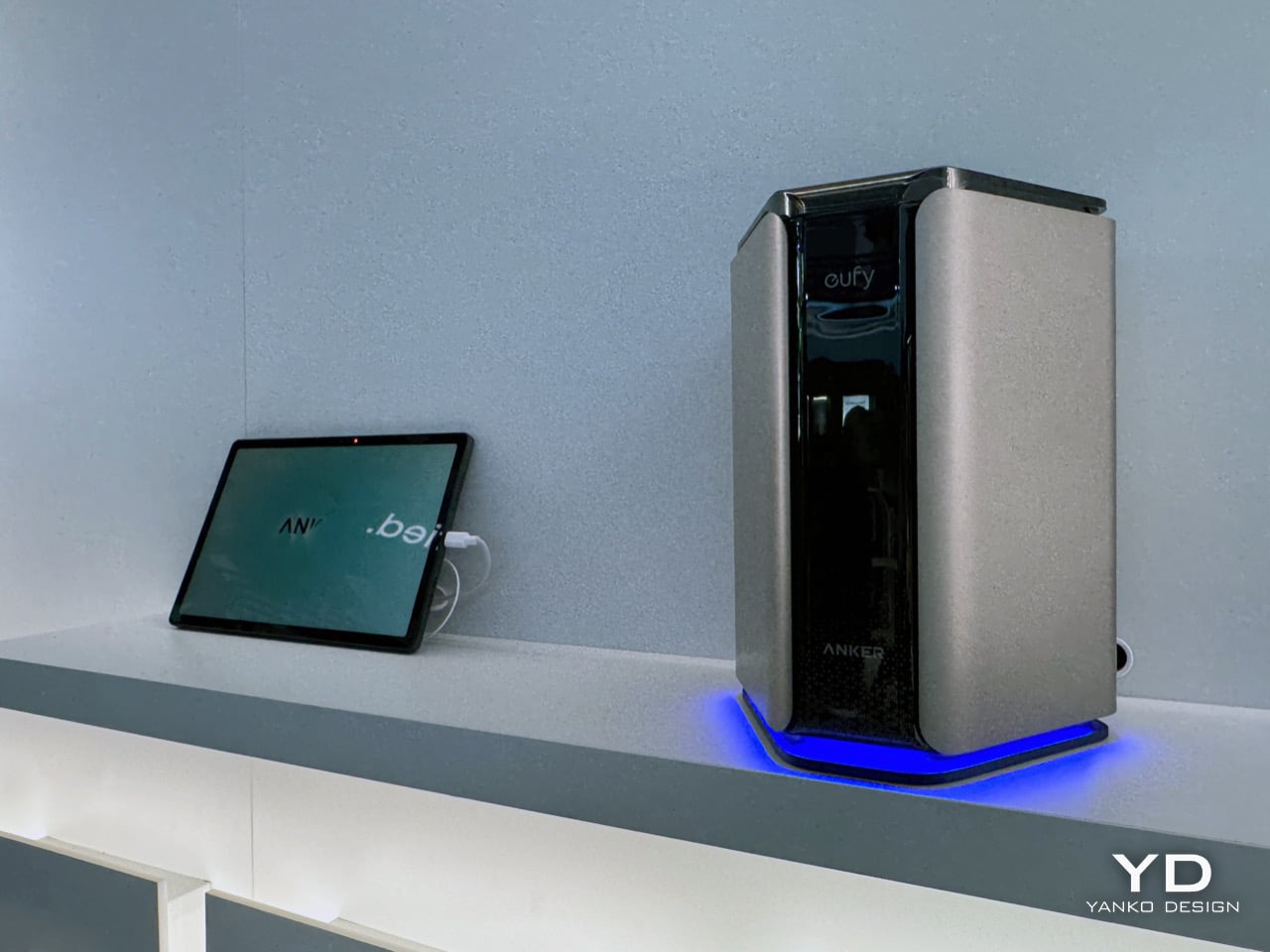
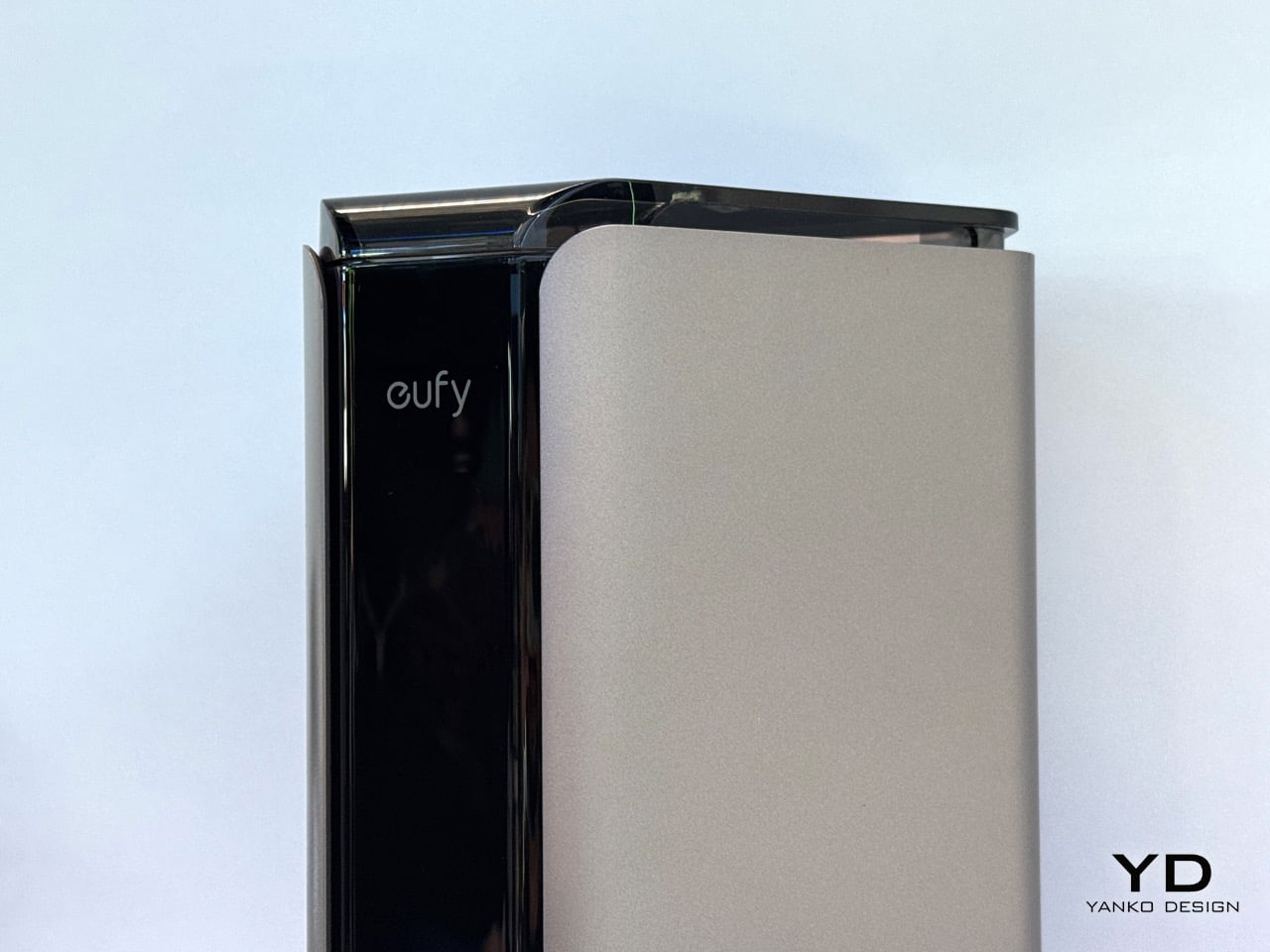
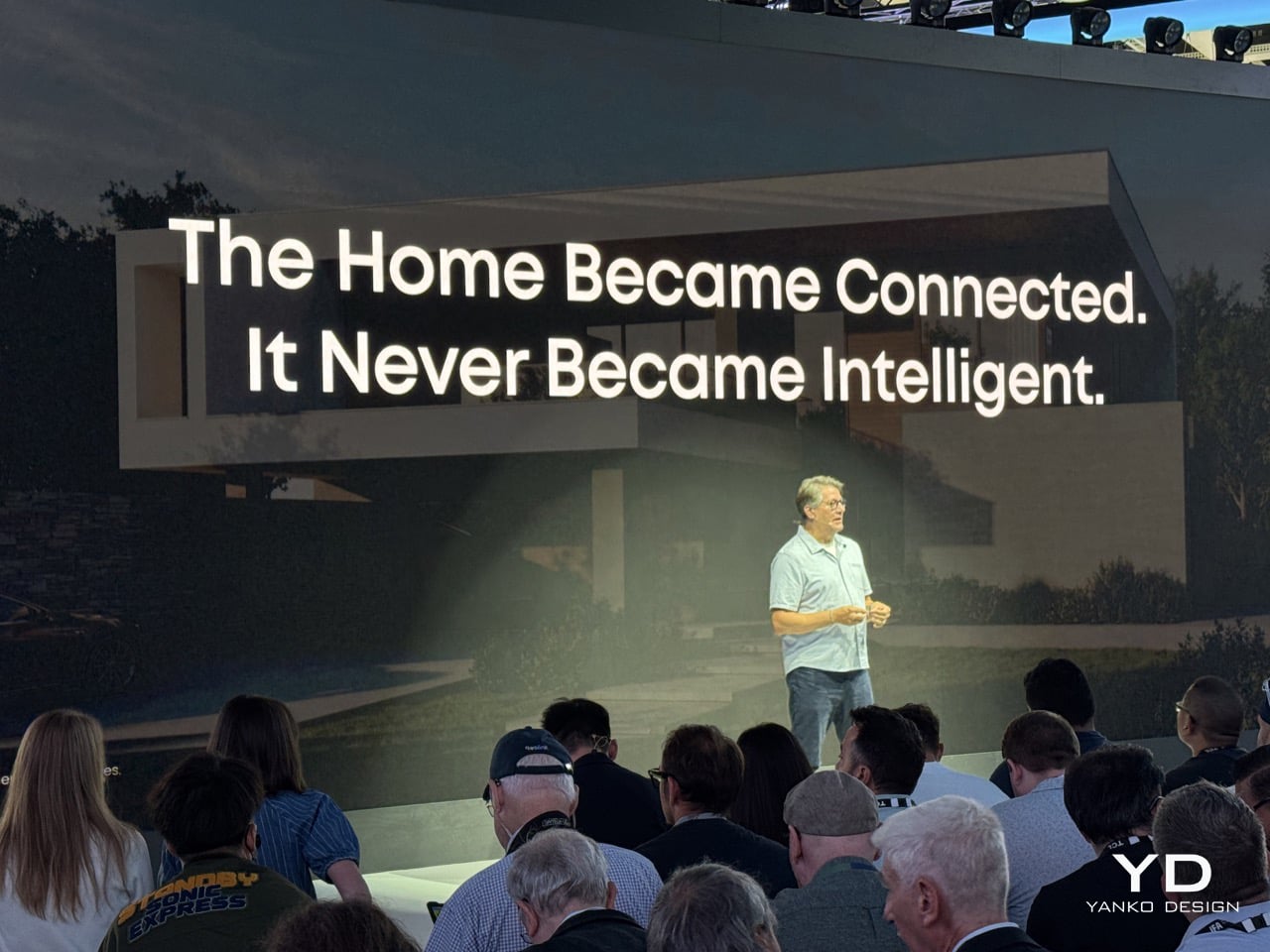
Physically, MindBase is trying to solve a problem NAS makers have ignored for two decades. Synology and QNAP enclosures still read as networking equipment, built for a closet, not a living room shelf. Anker’s two-bay chassis takes standard 3.5-inch drives and is styled to sit in the open, which is a real design bet given that spinning disks and a compute card generate heat that needs somewhere to go. Anker Innovations speaker Eric Villines framed the whole product around a gap that has bugged smart home owners for years: our houses are connected, not intelligent. A rule-based sensor cannot tell a raccoon from your kid, and MindBase’s pitch is that local memory finally lets it.
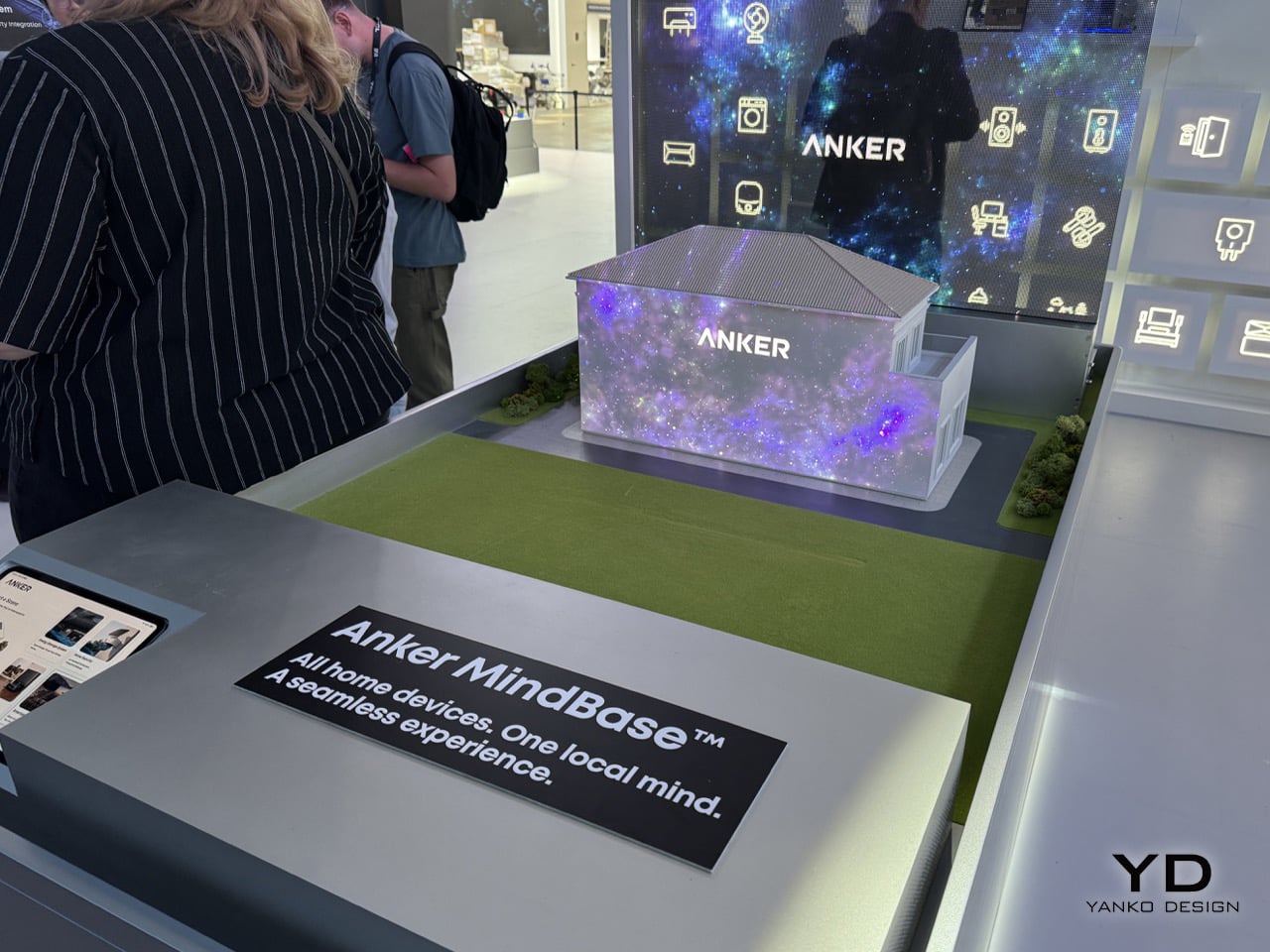
The security agent shows how far Anker is willing to let the box act alone. A yard sensor spots strangers at 15 meters and identifies family by phone credential at 30, then MindBase escalates on its own from a light, to a verbal warning, to active deterrence. For context, an entry-level Copilot+ laptop carries 40 TOPS and mostly uses it for background blur in video calls. Anker is asking for less silicon to make judgment calls about who belongs in your driveway at 2am, which is either the most useful application of on-device AI I have seen this year or the one I would want a very clear off switch for.
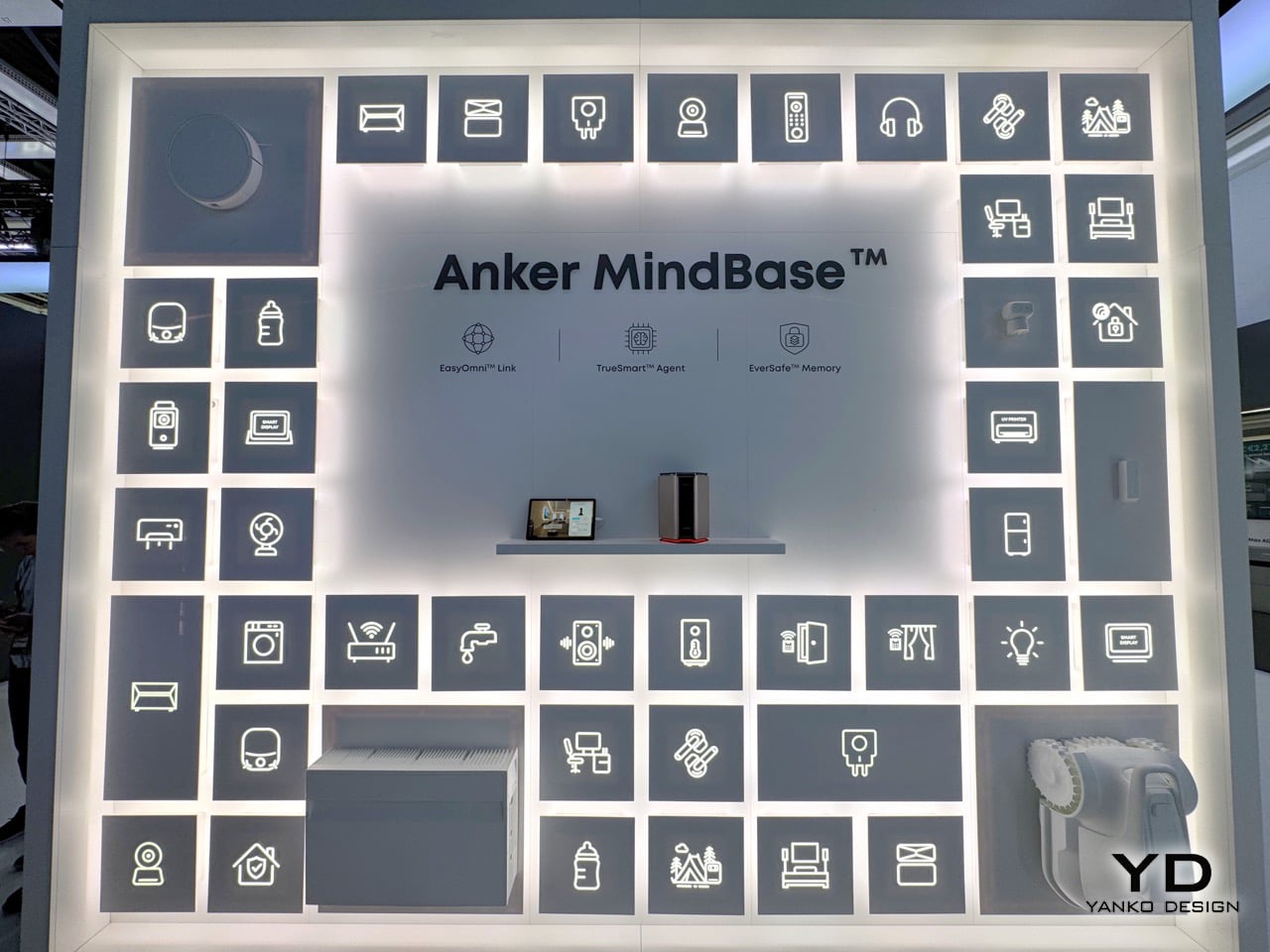
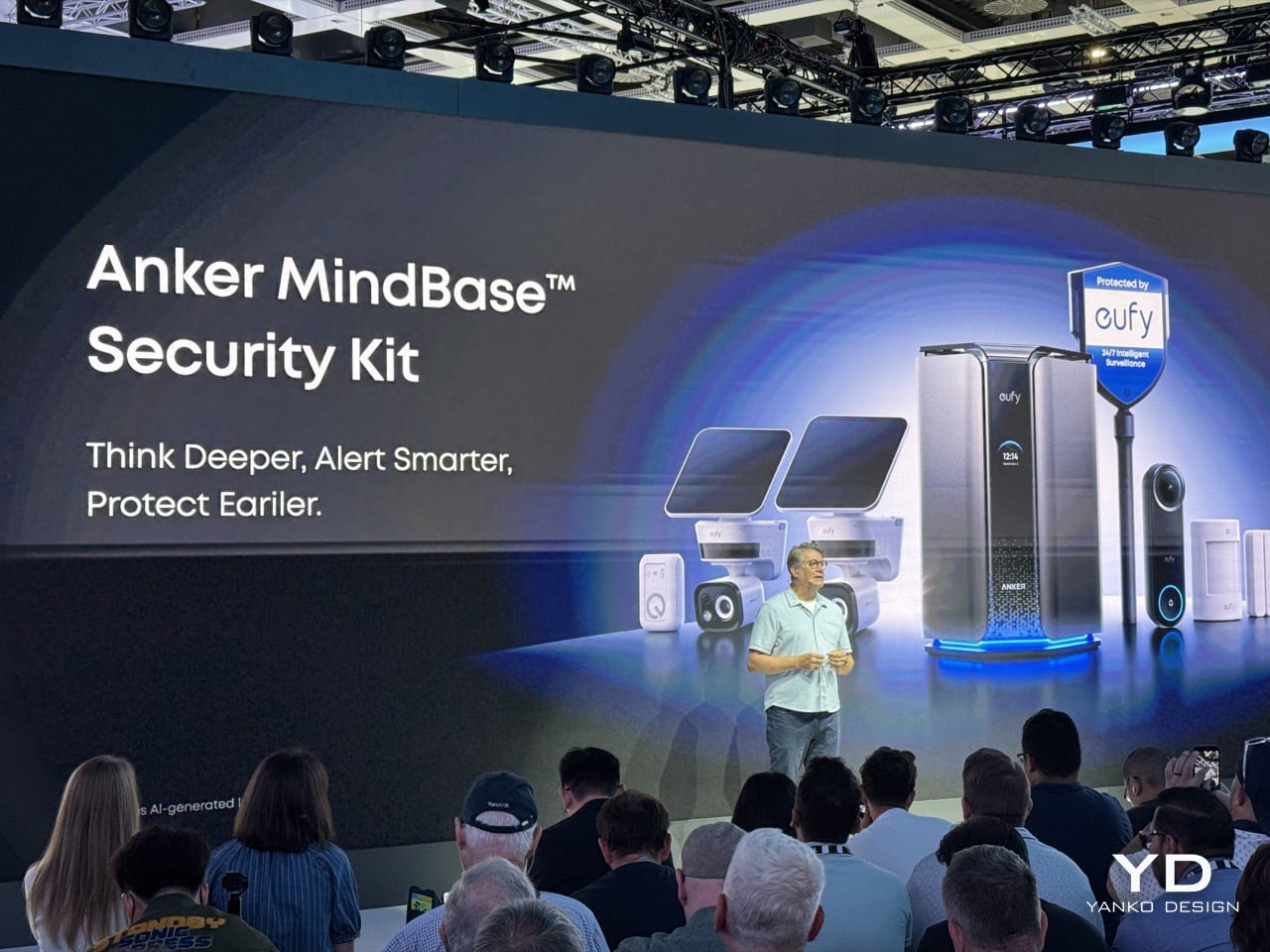
None of it has a price or a ship date yet, which is an odd silence for the product Anker built its entire rebrand around. Nest, Ring and Aqara are all circling the same local-hub idea without the drive bay, and that storage layer is MindBase’s real differentiator if Anker can actually ship it at a price regular households will pay. Whether the eufy hardware you already own is enough reason to wait and see is the only honest cliffhanger this launch leaves behind.