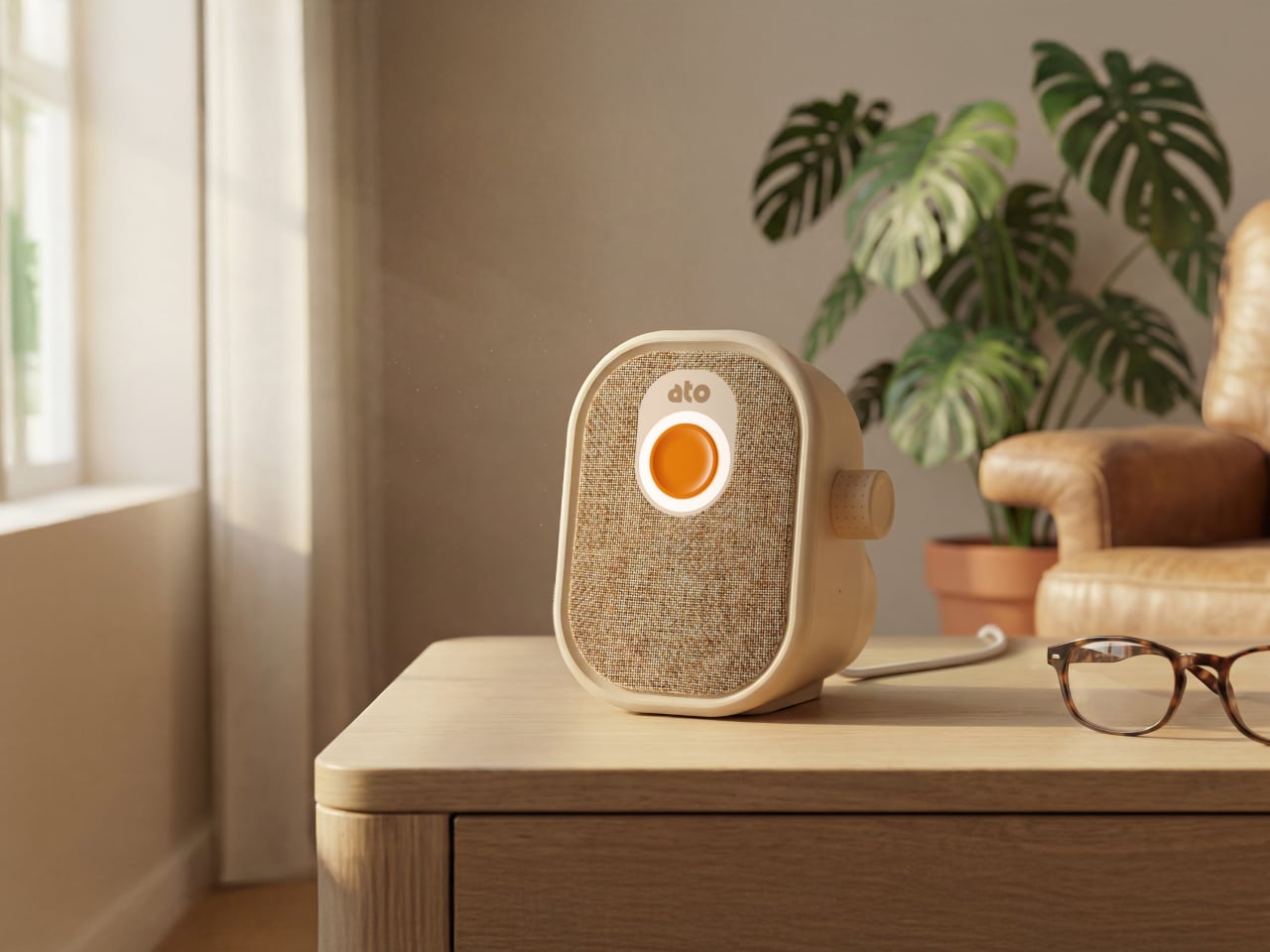
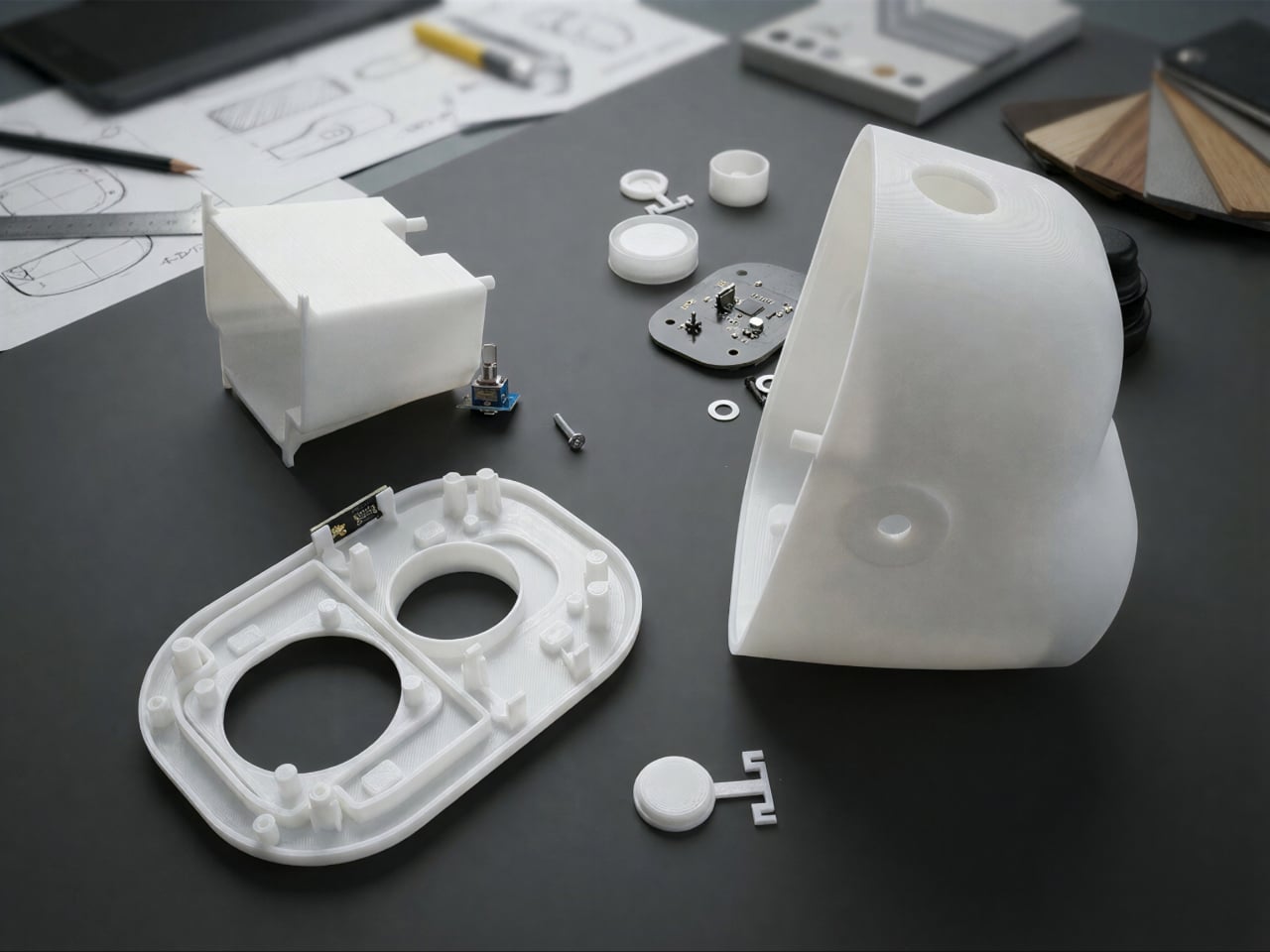
Keeping in touch shouldn’t require learning another app, but small icons and unfamiliar menus can turn a simple family message into an unwanted chore. Ato approaches that problem with a screen-free AI voice assistant for older adults, packaged more like a tabletop radio than a computer. Designed by Boostep for Ato, the new version has progressed through physical prototypes, with customer deliveries scheduled for the future.
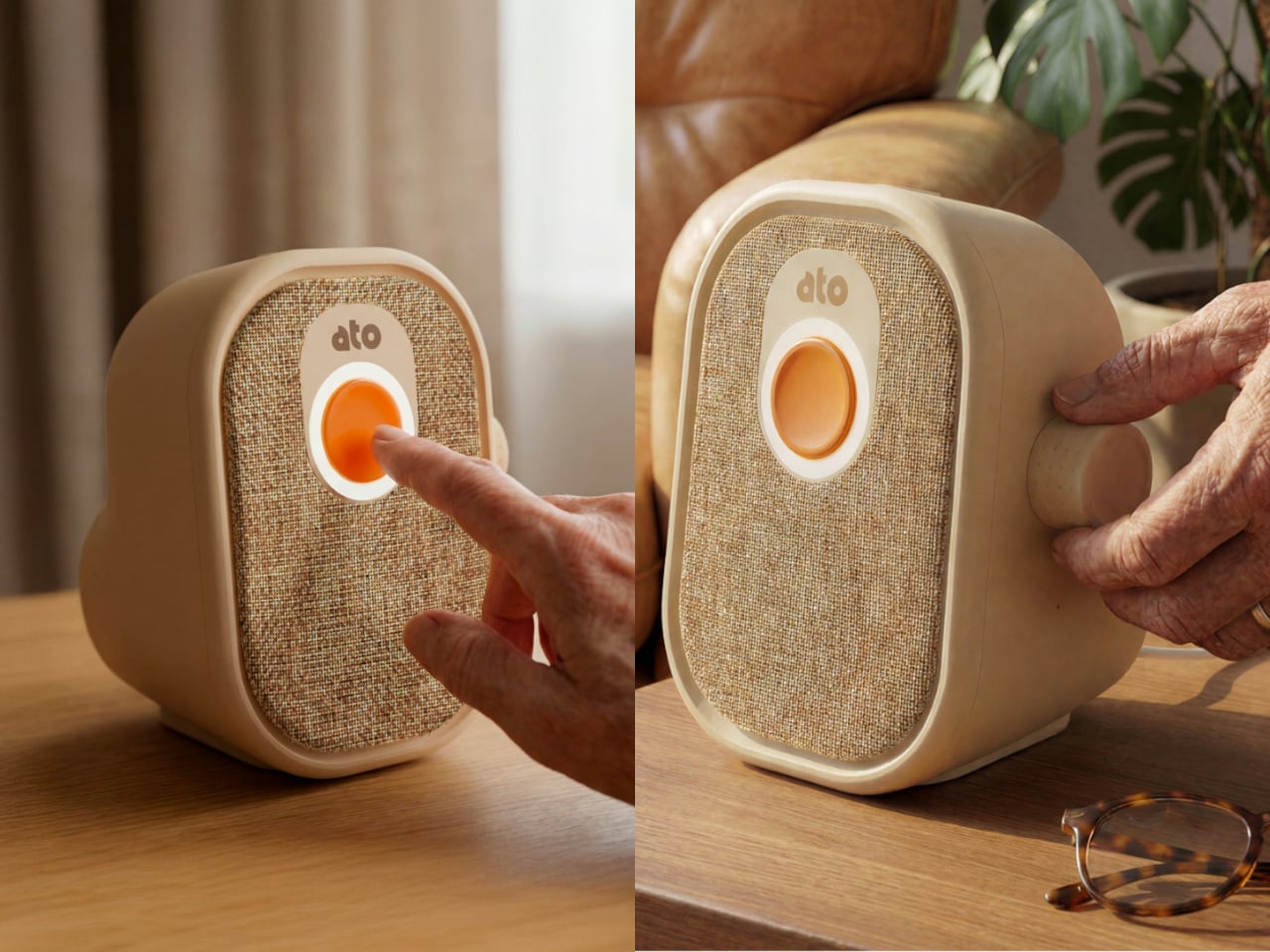
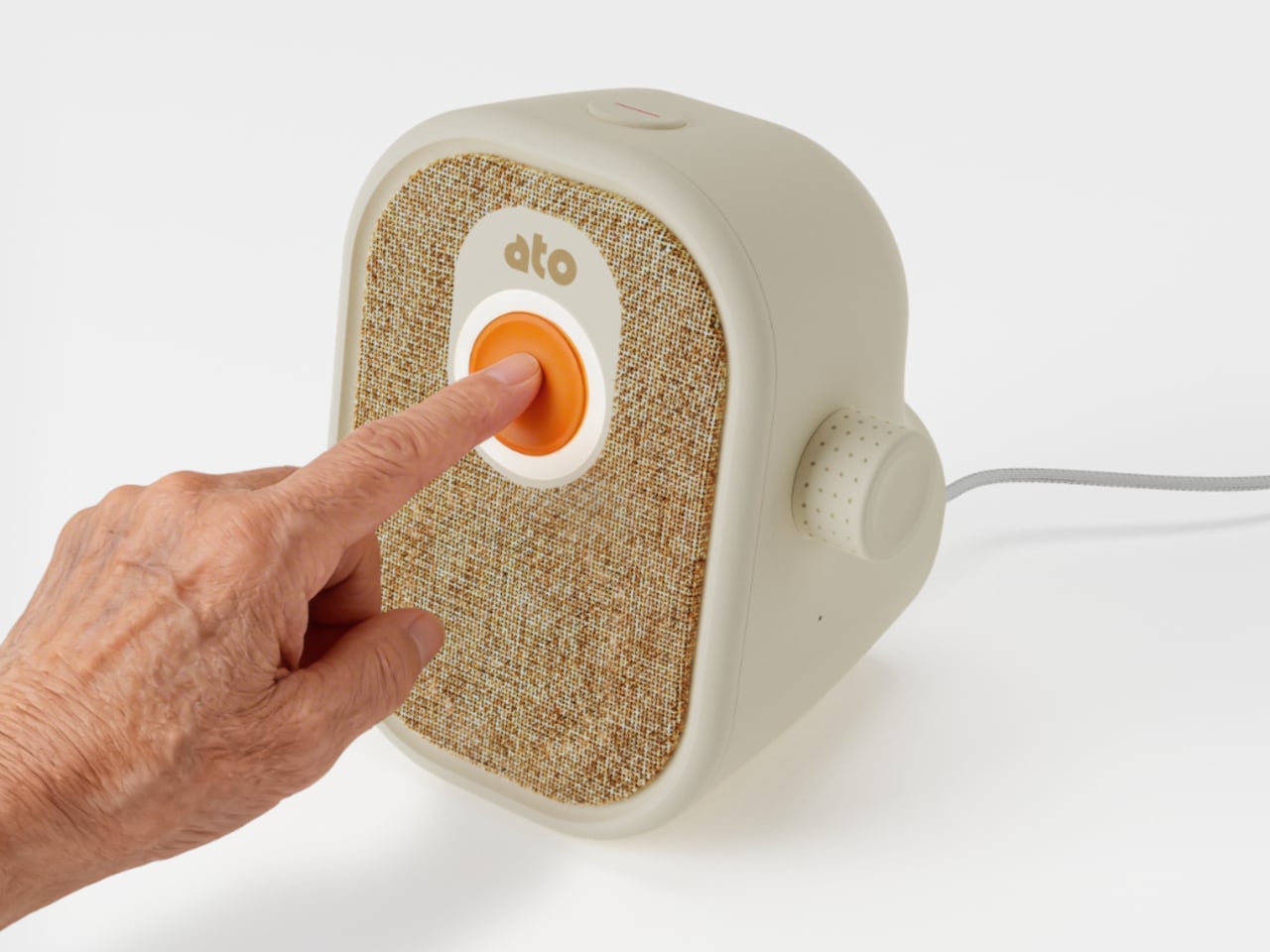
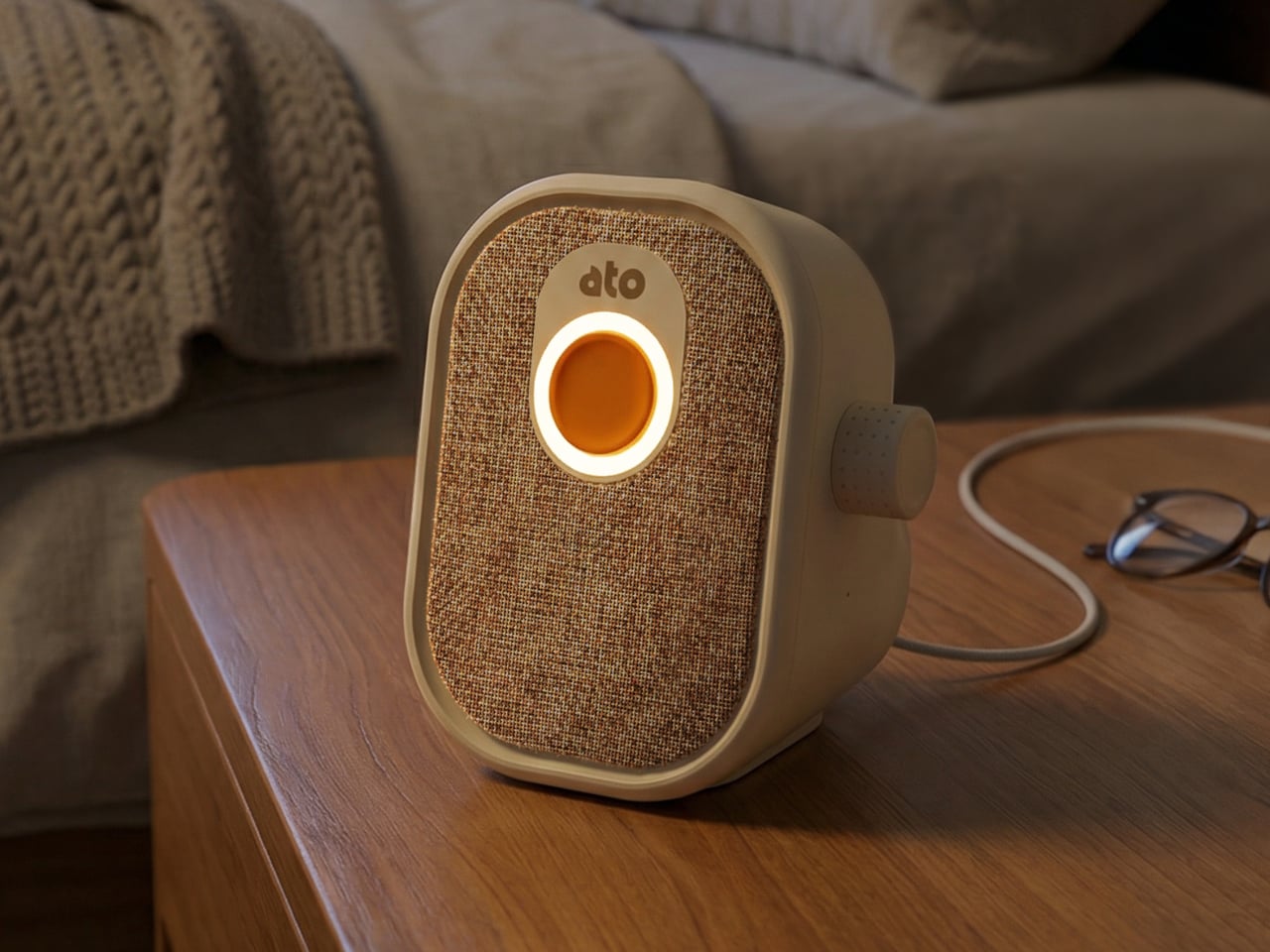
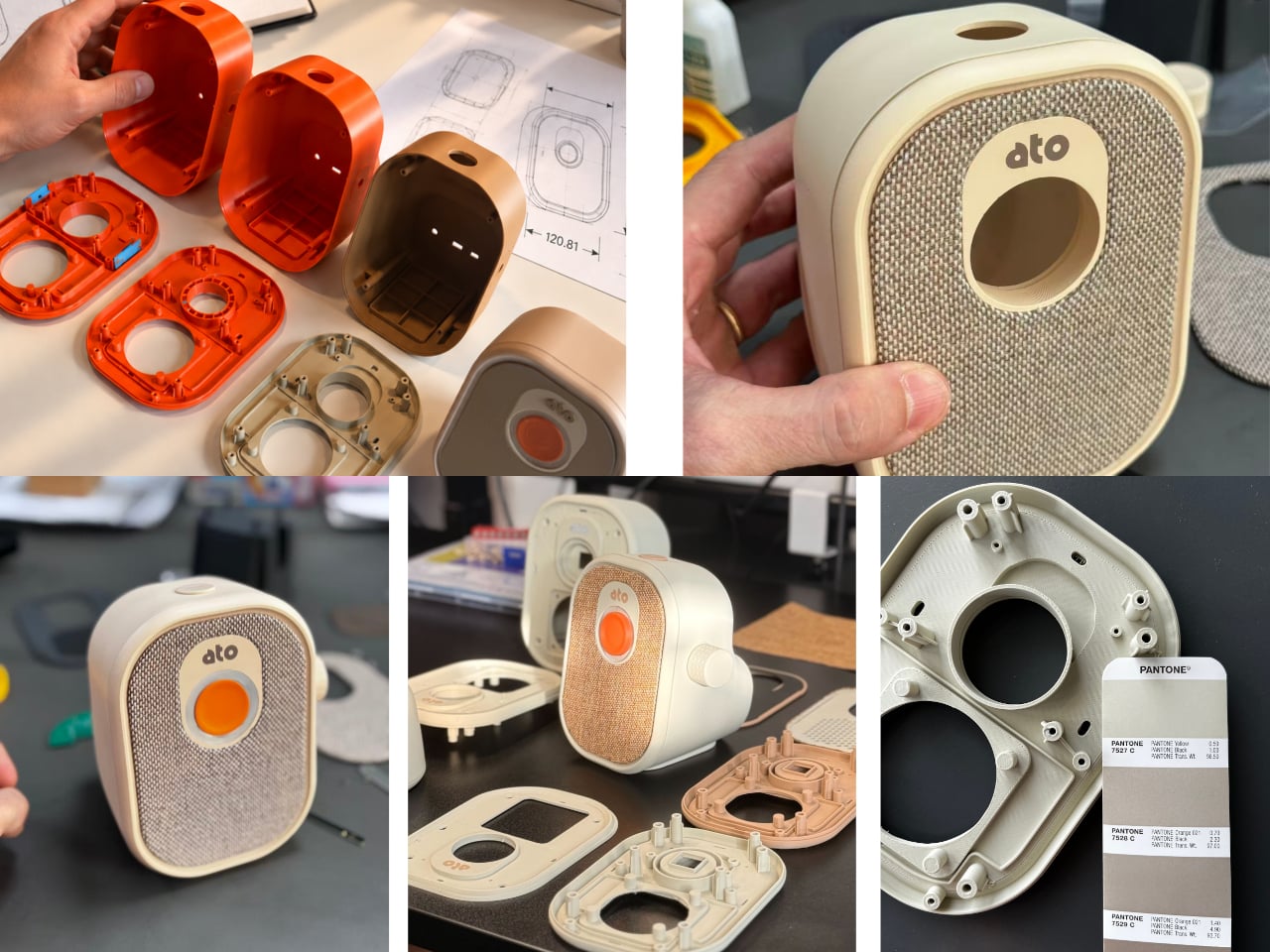
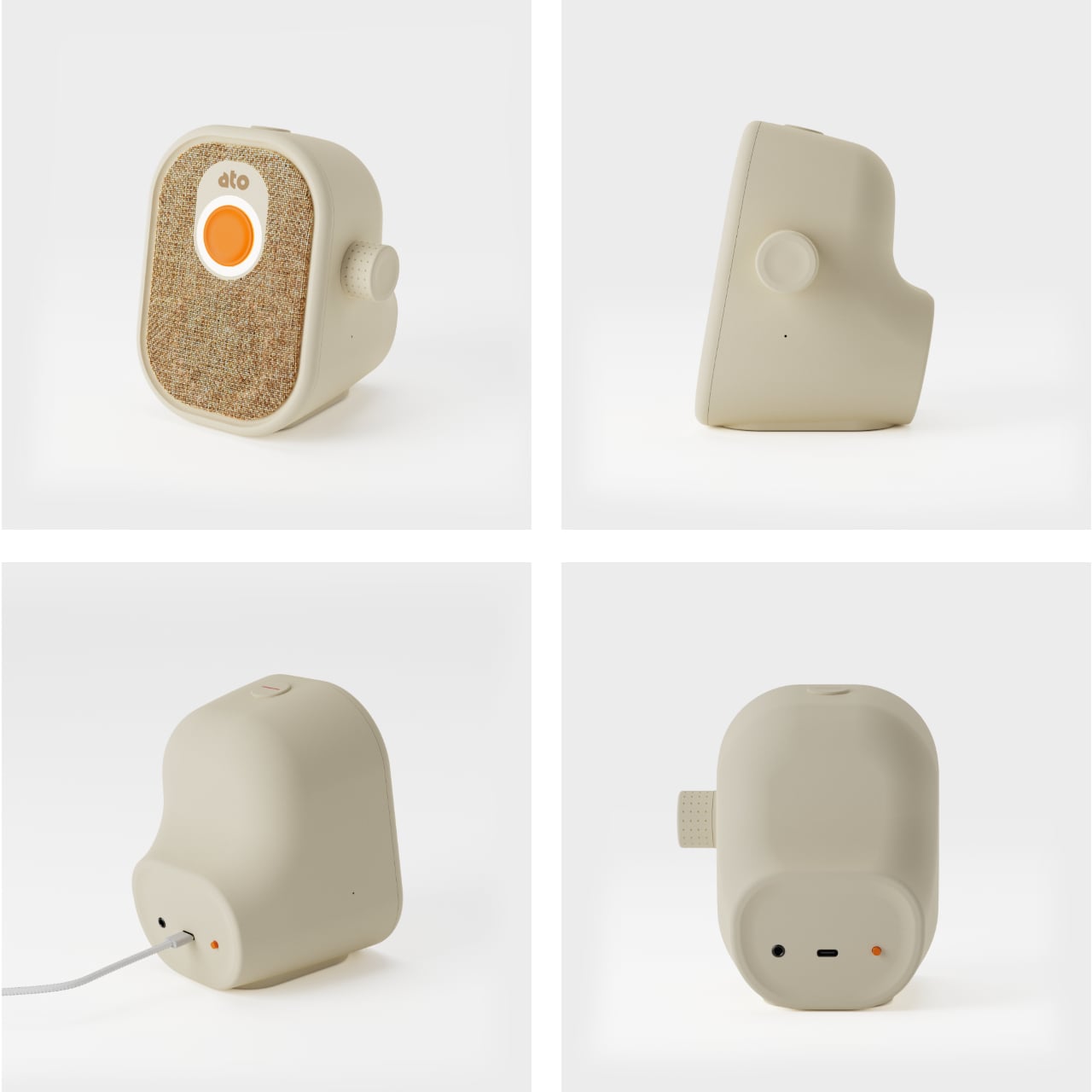
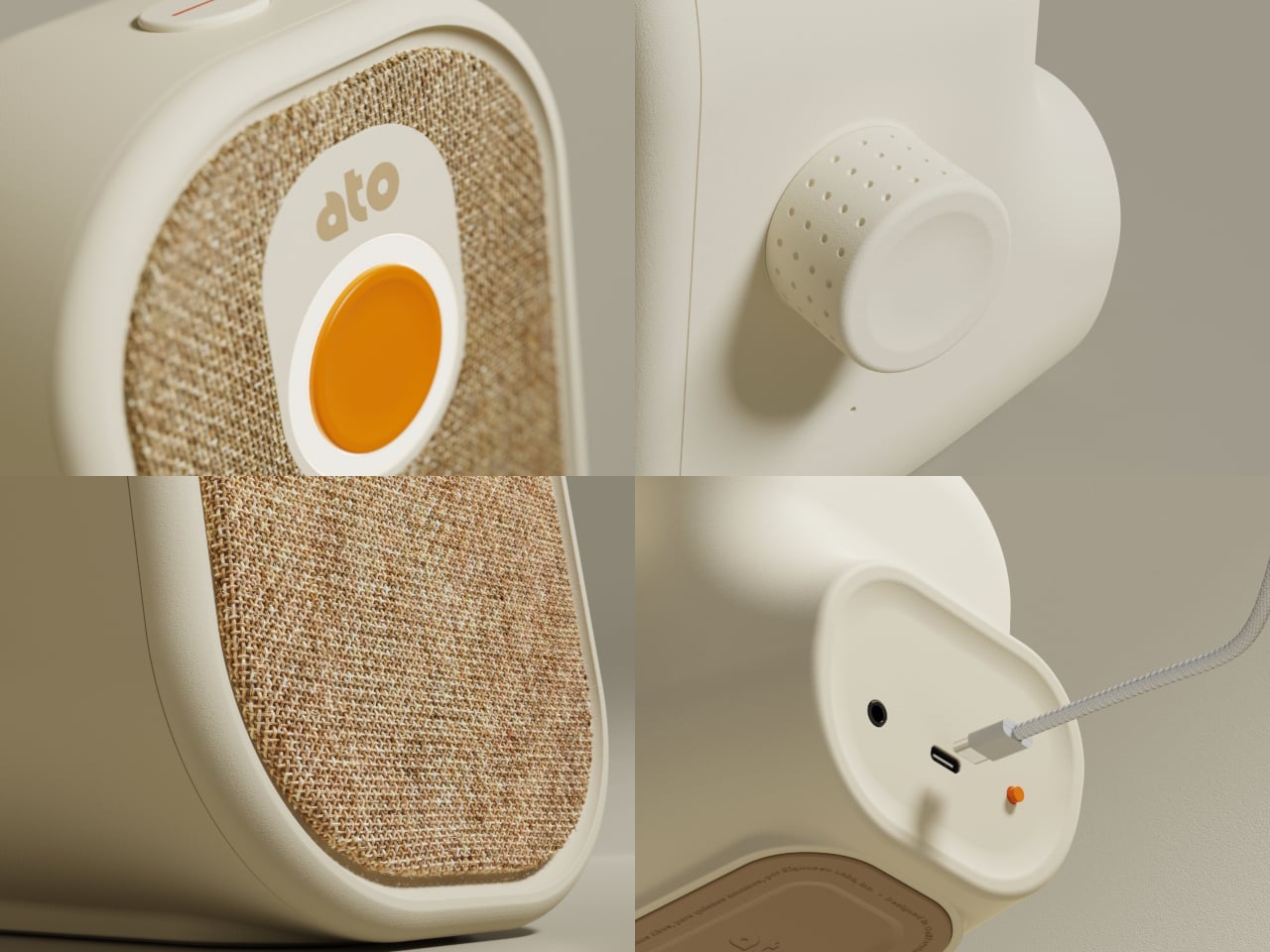
The rounded cream housing and woven front borrow their character from familiar domestic electronics. There’s no glossy display competing with the room, just a textured face and a bright orange button. The resemblance is intentional, drawing on radios, record players, and televisions. It gives the assistant something recognizable to wear without pretending that everyone over a certain age wants the same thing.
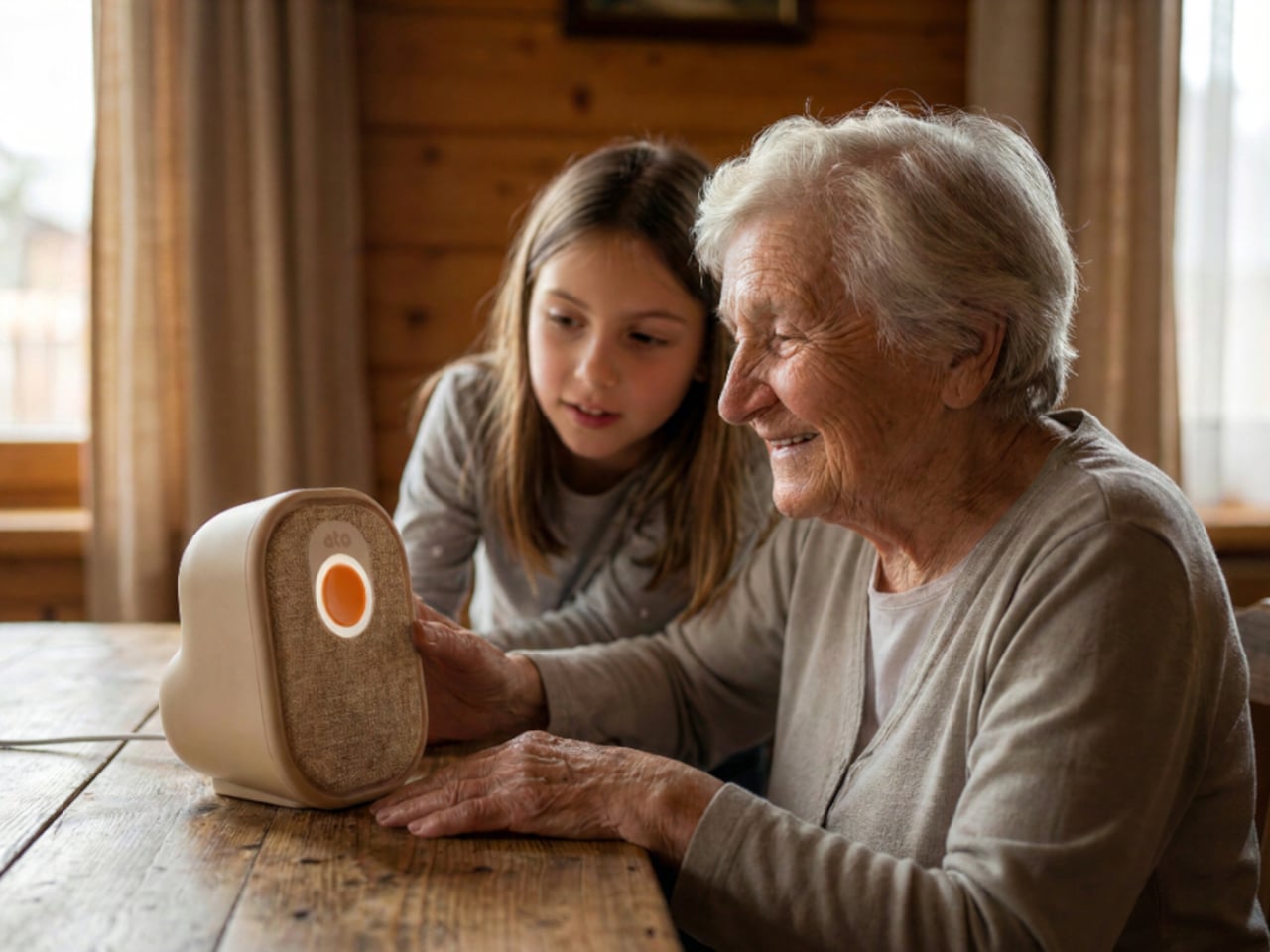
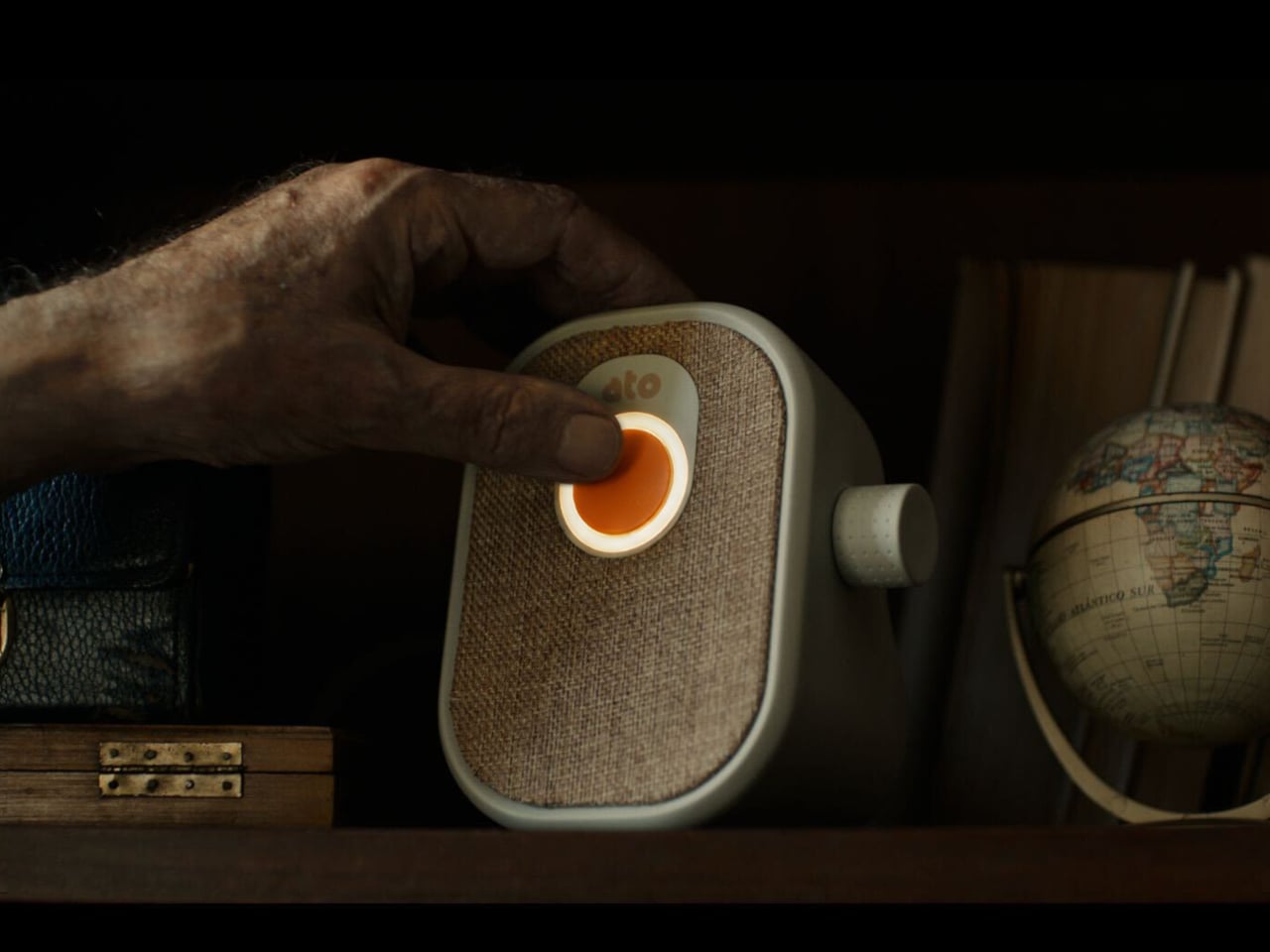
That orange button gives the voice-first interface a physical starting point. Press it and begin talking, rather than remembering which icon opens a conversation. A large volume knob projects from the side, with small dimples around its edge. Turning something you can locate by touch seems a sensible alternative to searching for tiny volume symbols on a smooth and otherwise featureless surface.
The family side of the arrangement still uses a smartphone app. Relatives can set reminders and send messages, while the person at home interacts through speech. An appointment reminder or a note about Sunday lunch could arrive without making the recipient navigate the same interface. The complexity hasn’t disappeared altogether; it’s been placed where family members can manage it more conveniently.
Of course, Ato isn’t intended to wait silently for instructions all day. The company describes proactive check-ins and conversation, alongside radio and spoken information. That gives the device reasons to stay near a favorite chair instead of becoming something used only for reminders. Companionship is the intention, though, not evidence that an AI conversation can replace time spent with other people.
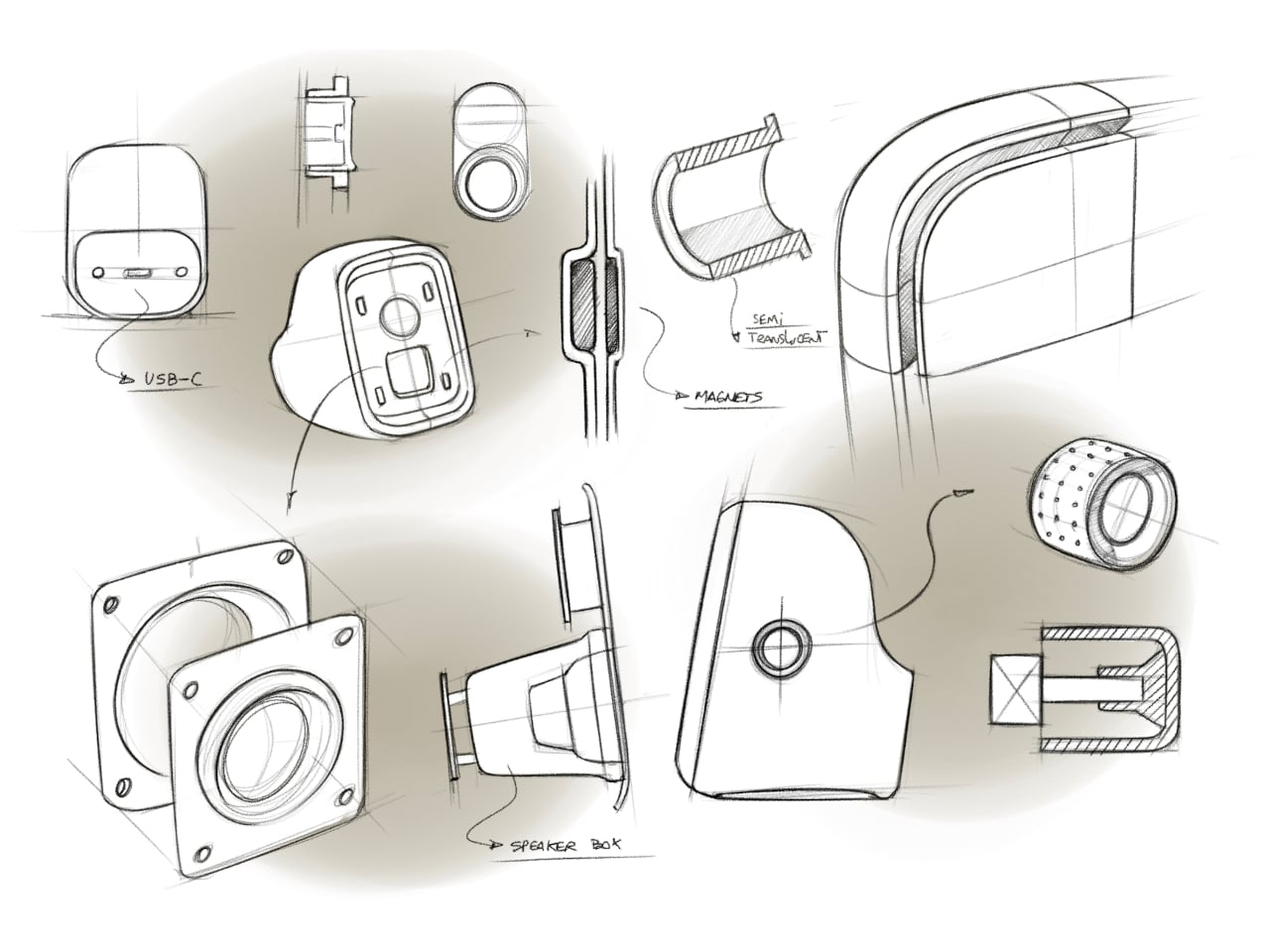
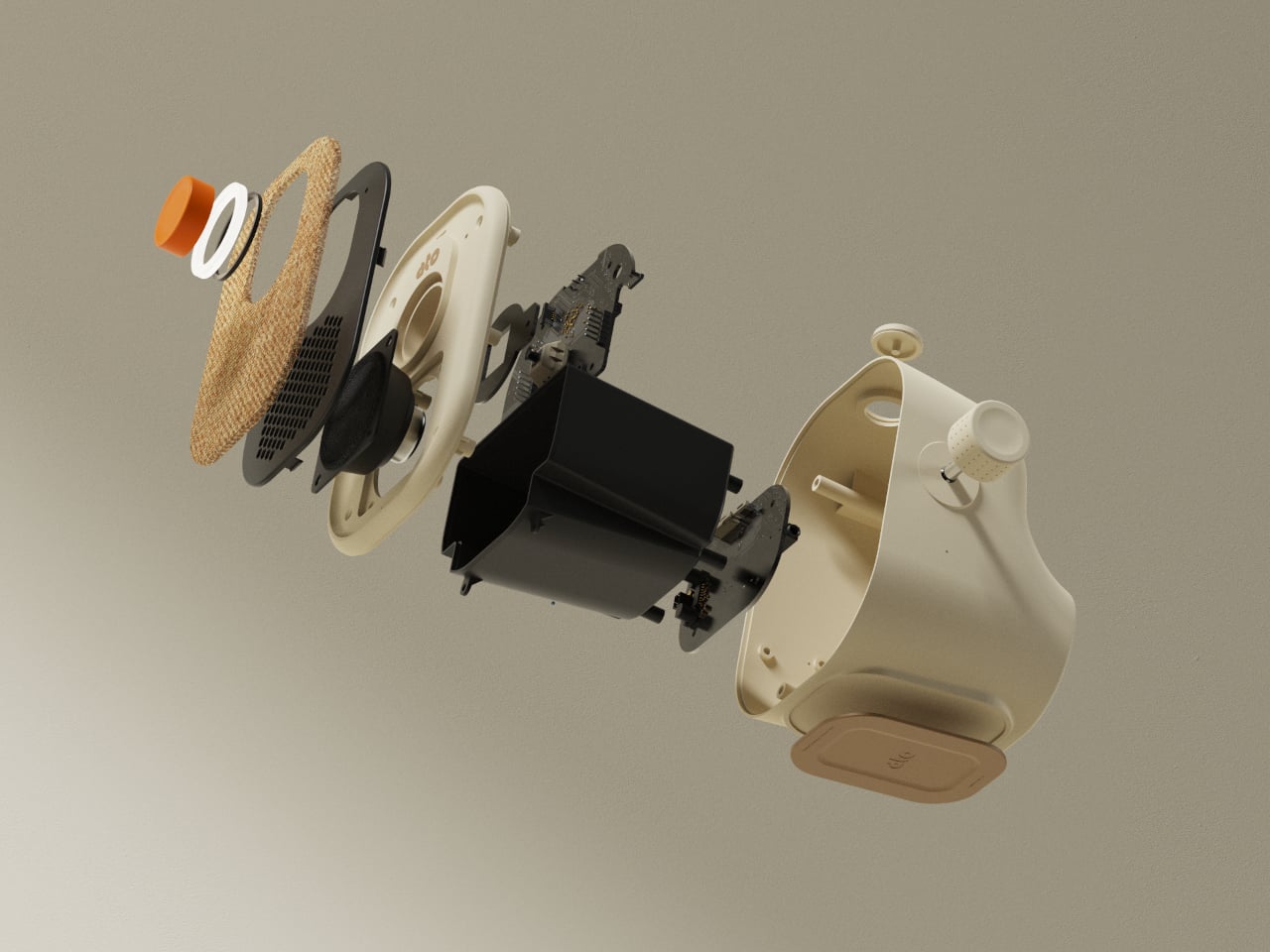
At approximately 5.5 inches tall, the enclosure is small enough to sit beside a chair rather than dominate a shelf. USB-C supplies power, and there’s no battery inside, so its place on a shelf still needs an outlet nearby. Wi-Fi is required too. You can move it between rooms, but power and network access determine where it can actually keep you company.
A familiar exterior doesn’t settle questions about listening and privacy, however. Ato says it doesn’t retain audio recordings or let relatives read conversation transcripts, although it stores selected personal facts for future conversations. That matters when conversation is the product’s main purpose. The company also states that Ato isn’t a medical device and cannot contact emergency services, so it isn’t a substitute for dedicated emergency equipment.
The device is listed at $179 plus shipping, with deliveries scheduled for February 2027. Basic messaging, reminders, and radio remain free, while unlimited conversations require an optional membership listed at $249 annually. The upfront price therefore isn’t the whole decision. Someone expecting long daily chats would need to budget for the service, not just find a place for the speaker.