A cyberdeck, as Raspberry Pi defines it in its freshly published official build guide, is something you make to solve a problem that a conventional tablet or laptop simply can’t, or just to build something entirely your own for no reason beyond the satisfaction of doing it. That definition is broad on purpose. The cyberdeck trend has been all over social media and the Internet for months now, and Raspberry Pi has finally stepped in with its own version.
The concept traces back to William Gibson’s cyberpunk novels, where cyberdecks were the portable hacking tools of futuristic underground operators. What people are building now is less dystopian but arguably more interesting: compact, custom computers assembled from parts, housed in whatever enclosure the builder can imagine, running whatever software fits the project. Briefcases, mint tins, old pocket computers, wooden boxes, purses, prop replicas, and more have all served as cyberdeck enclosures.
Designer: Raspberry Pi
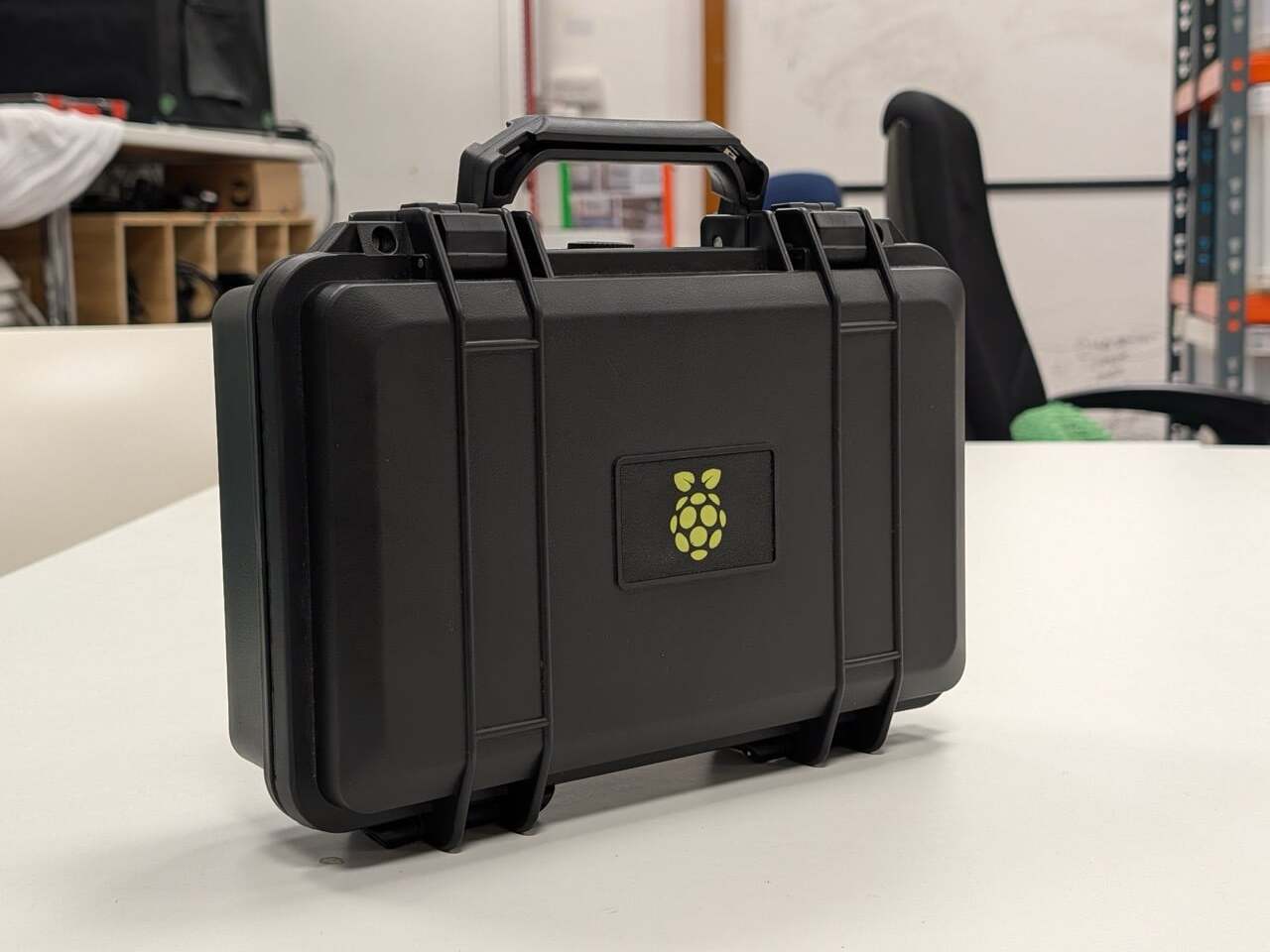
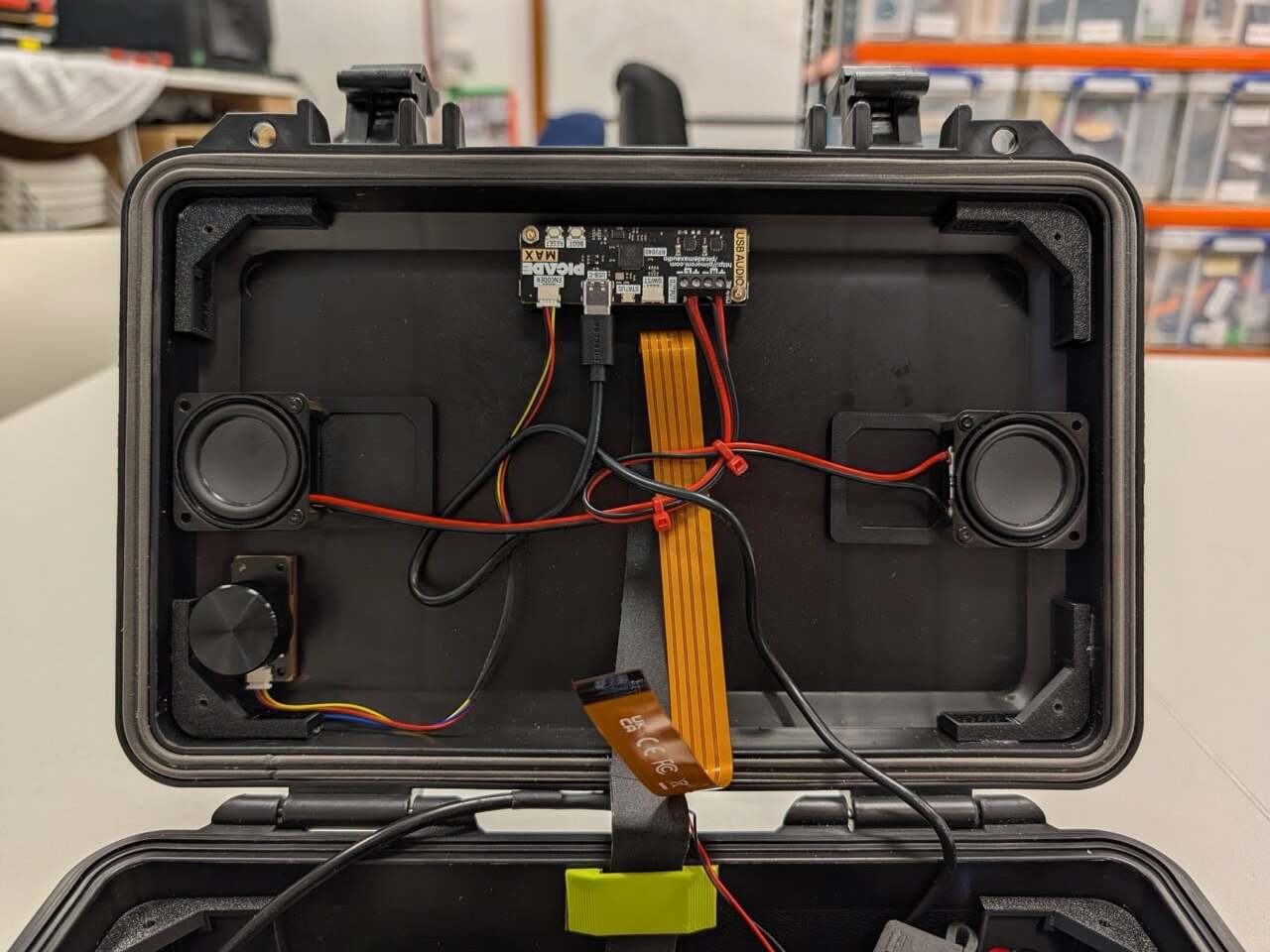
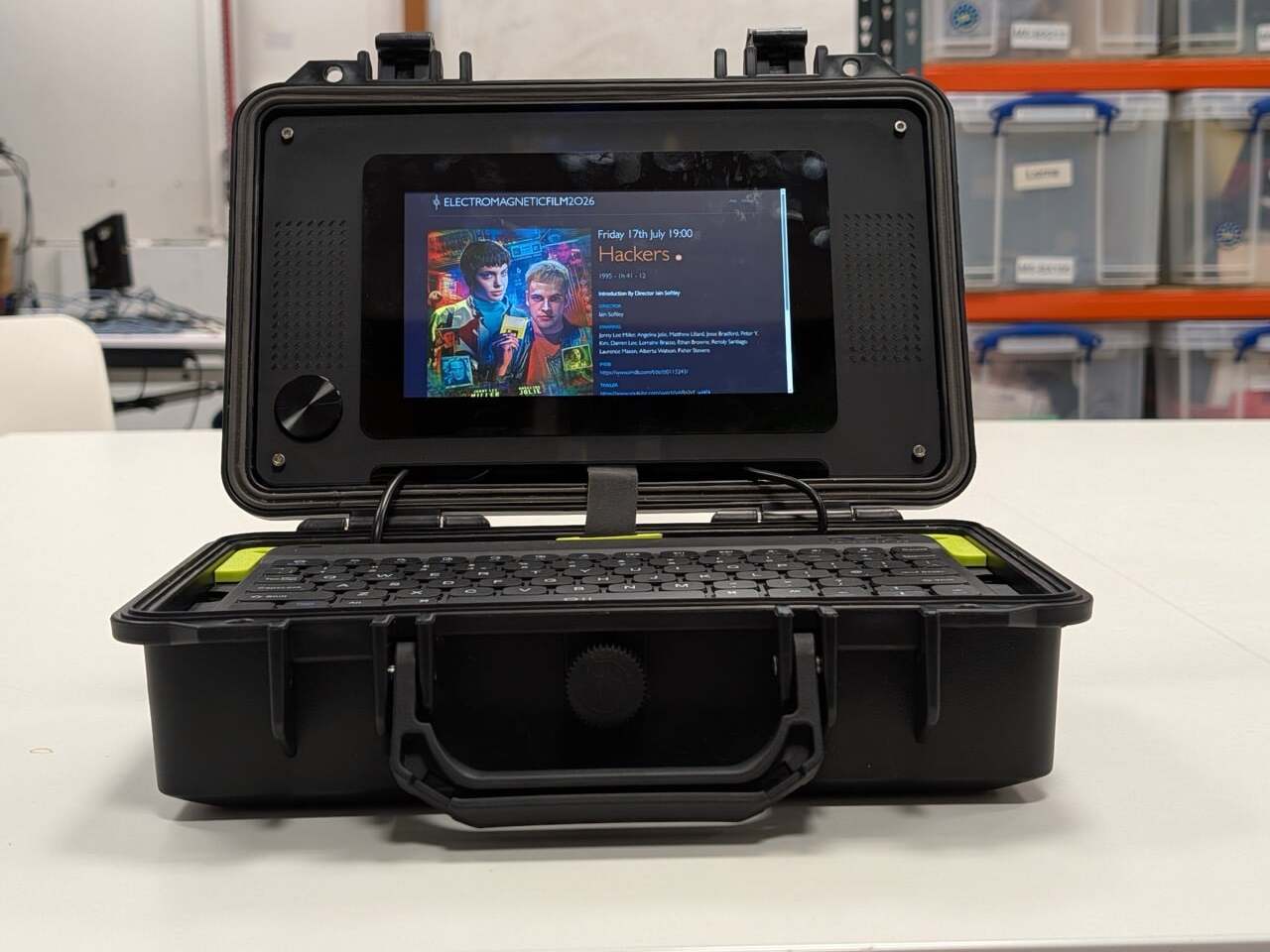
Raspberry Pi’s reference build keeps things approachable for first-timers. The brain of the whole thing is a Raspberry Pi 5 board paired with Raspberry Pi flash storage. The keyboard is the Rii RK302, a low-profile Bluetooth model small enough to fit inside the chosen case. Audio comes from the Pimoroni Picade Max USB Audio, a compact USB-C sound card with a 3W stereo amplifier that handles everything through a single connection, leaving the 40-pin GPIO header completely free for other uses.
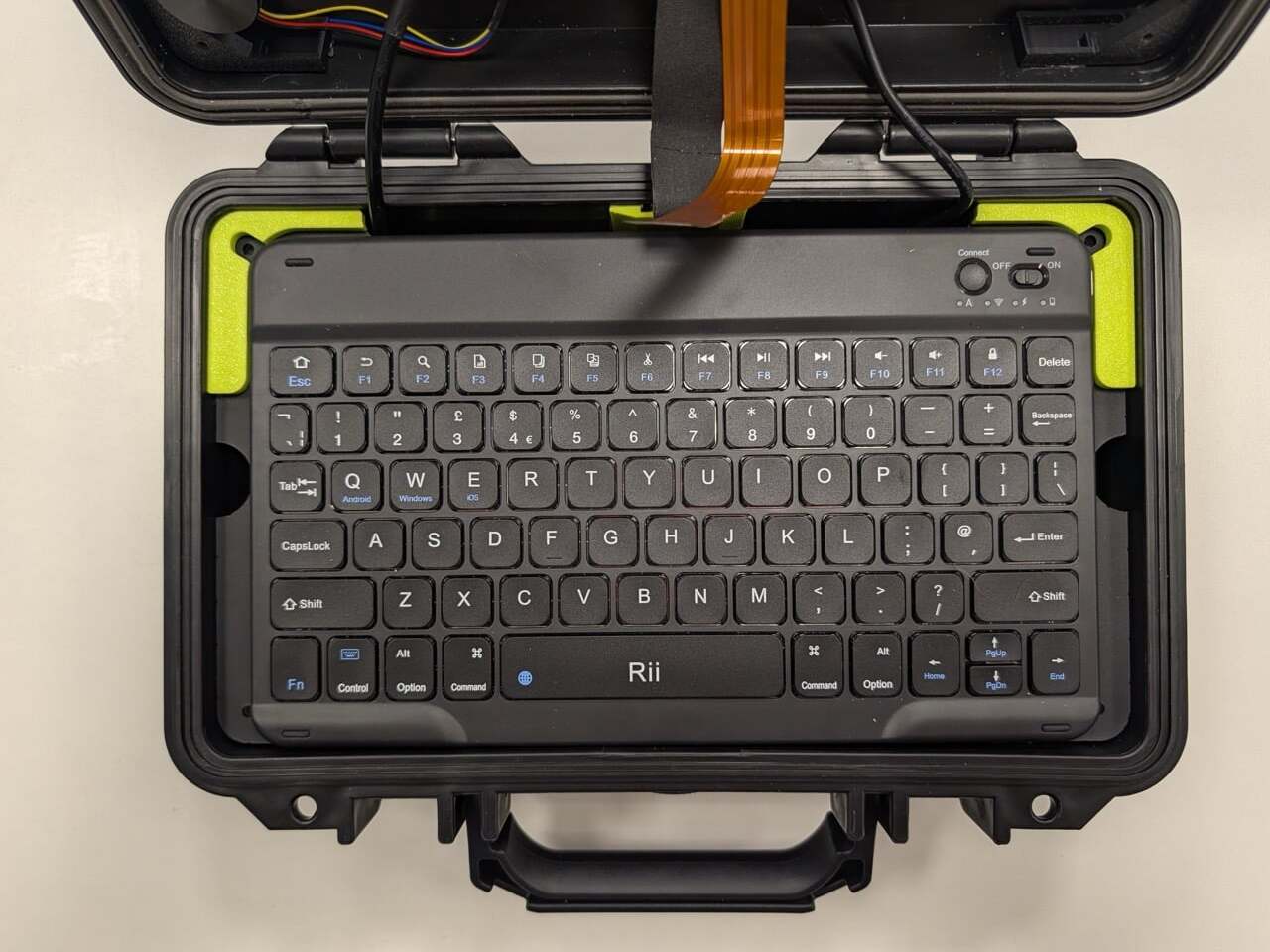
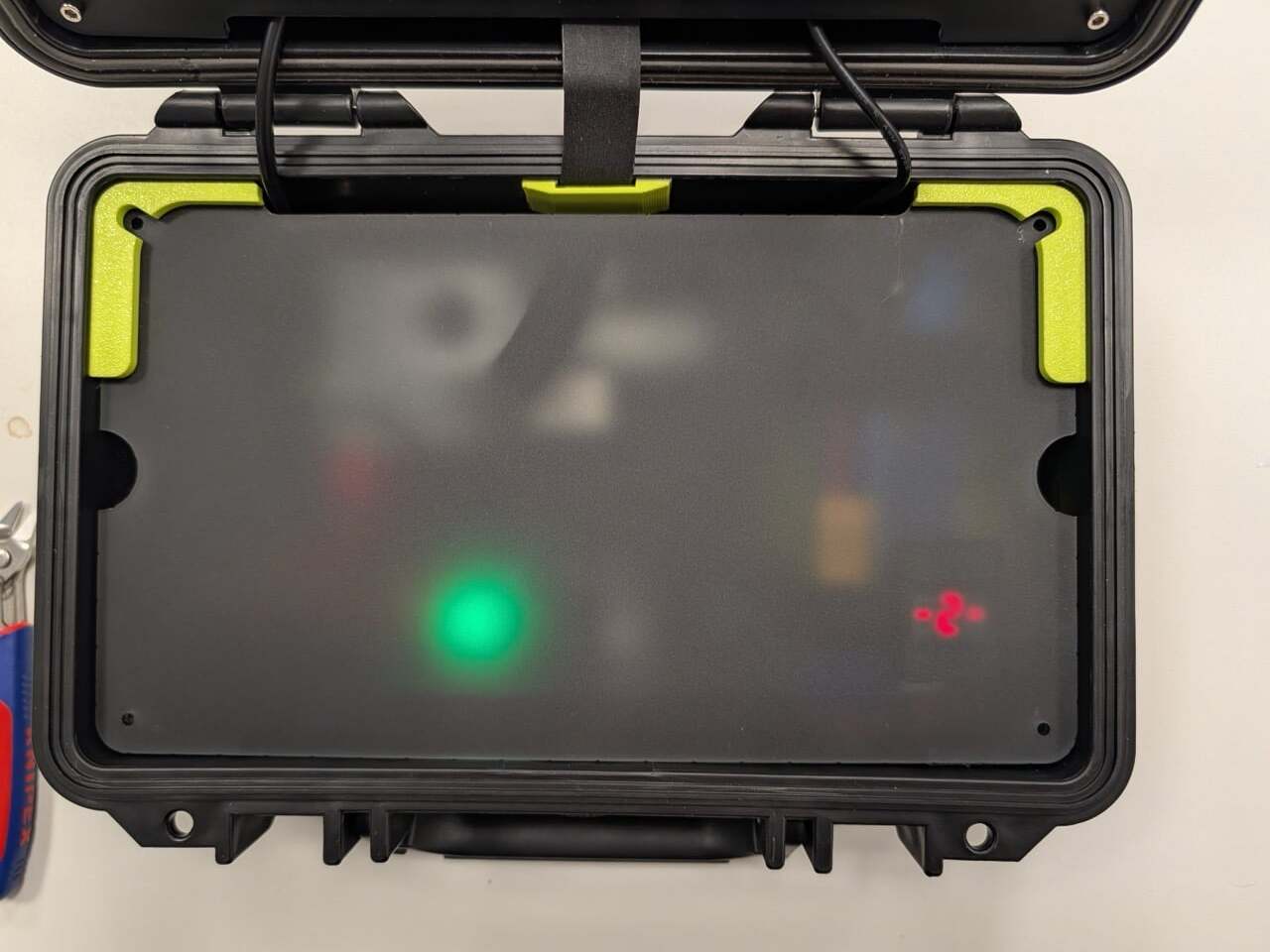
Power comes from a LiPo battery tucked underneath the keyboard plate, a small but deliberate detail that keeps the layout clean while making the computing stack accessible whenever needed. The whole assembly sits inside a black Pelican-style hard case, which is weatherproof, carries a handle, and is widely available at various price points. It’s an unassuming container that happens to hold a working personal computer inside.
The guide is structured around four decisions: brains, peripherals, power supply, and case. Each section walks through the considerations that matter most, power consumption, processing power, fit, and form, without prescribing a single right answer. The Pelican-style case gets the most airtime because Raspberry Pi says the case is what defines a cyberdeck. Pick a different container, and you get a fundamentally different machine.
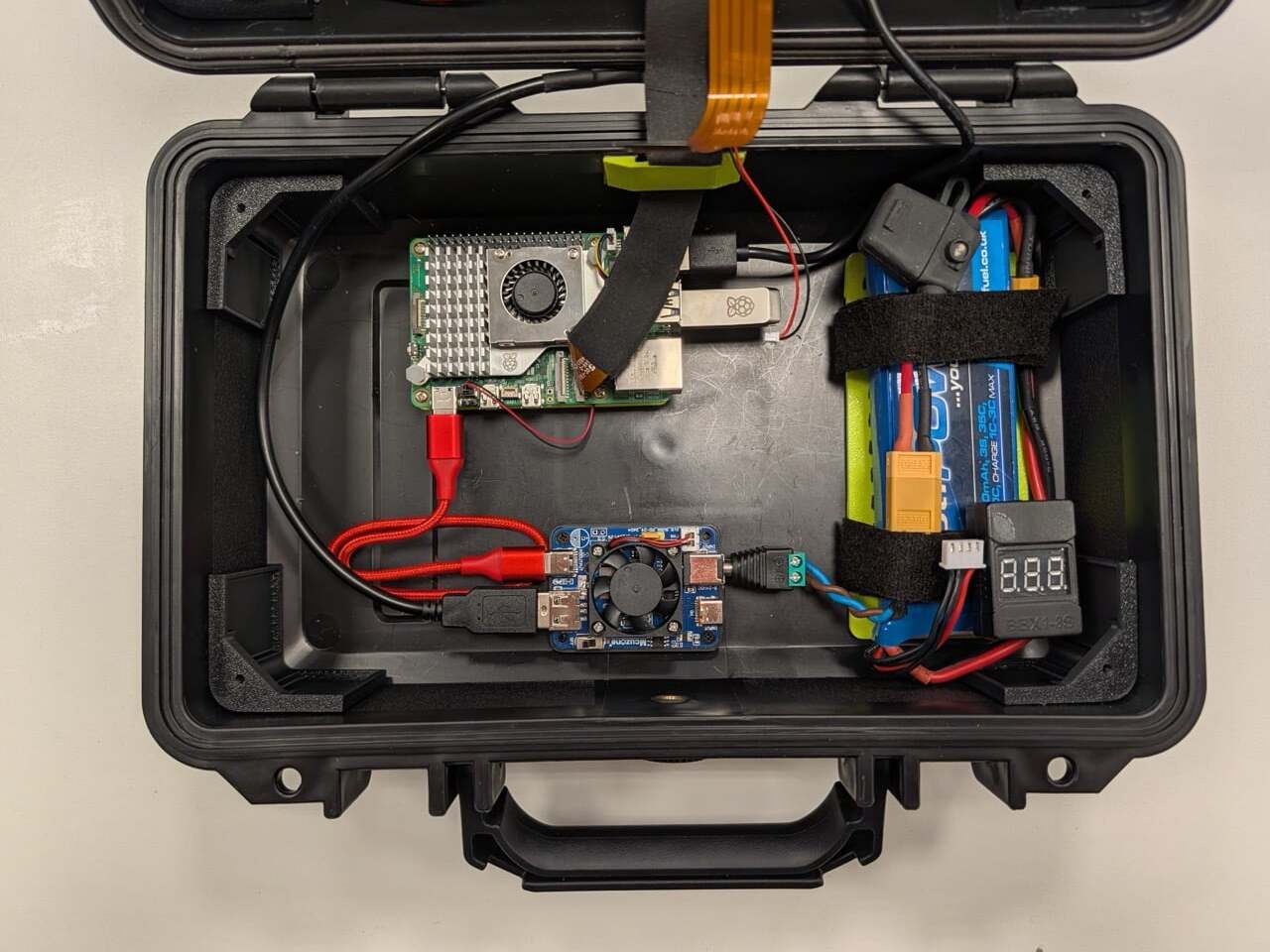
Customization is built into the concept from the start. A Raspberry Pi Pico can be added as a secondary processor to drive a smaller auxiliary display, control LEDs, or monitor the battery level in real time. The guide notes this explicitly and frames it as just the beginning of what you can bolt on. For anyone who wants a project that never really finishes, that’s part of the appeal.
The timing connects to something real. The viral wave of cyberdeck content on the Internet has pulled in creators who’ve built these machines into everything from jewelry boxes to rehabbed thrift store bags. Some have attracted millions of views. Raspberry Pi’s social team admitted it “hasn’t been able to get away from” the trend, which makes the official guide feel less like a product launch and more like the company finally joining a conversation it had been watching for a while.