
Smart glasses have a problem they don’t talk about enough, and it has nothing to do with design or battery life or social awkwardness. It’s heat. Plain, boring, uncomfortable heat. When you pack AI processing, computer vision, translation capabilities, and high-resolution displays into a frame that sits directly on your face, things get warm fast. Not warm in a “this laptop is on my lap” kind of way, but warm in a “I need to take these off because my temple is burning” kind of way. It’s a limitation that has quietly held the entire category back, and it’s one of the reasons smart glasses have struggled to make good on years of very loud promises.
xMEMS Labs is trying to fix that with the XMC-1200, and the approach is genuinely clever. The XMC-1200 is a solid-state micro fan, billed as the world’s smallest active micro fan purpose-built for AR, XR, and AI-powered smart glasses. It measures just 46mm², it’s 1mm thin, and it draws only 70mW of power. For context, that is less energy than most Bluetooth earbuds consume. Yet it still manages to deliver up to a 10°C temperature reduction at a 1W thermal load, which is not a small number when you’re dealing with wearable tech that people expect to use comfortably for hours at a time.
Designer: xMEMS
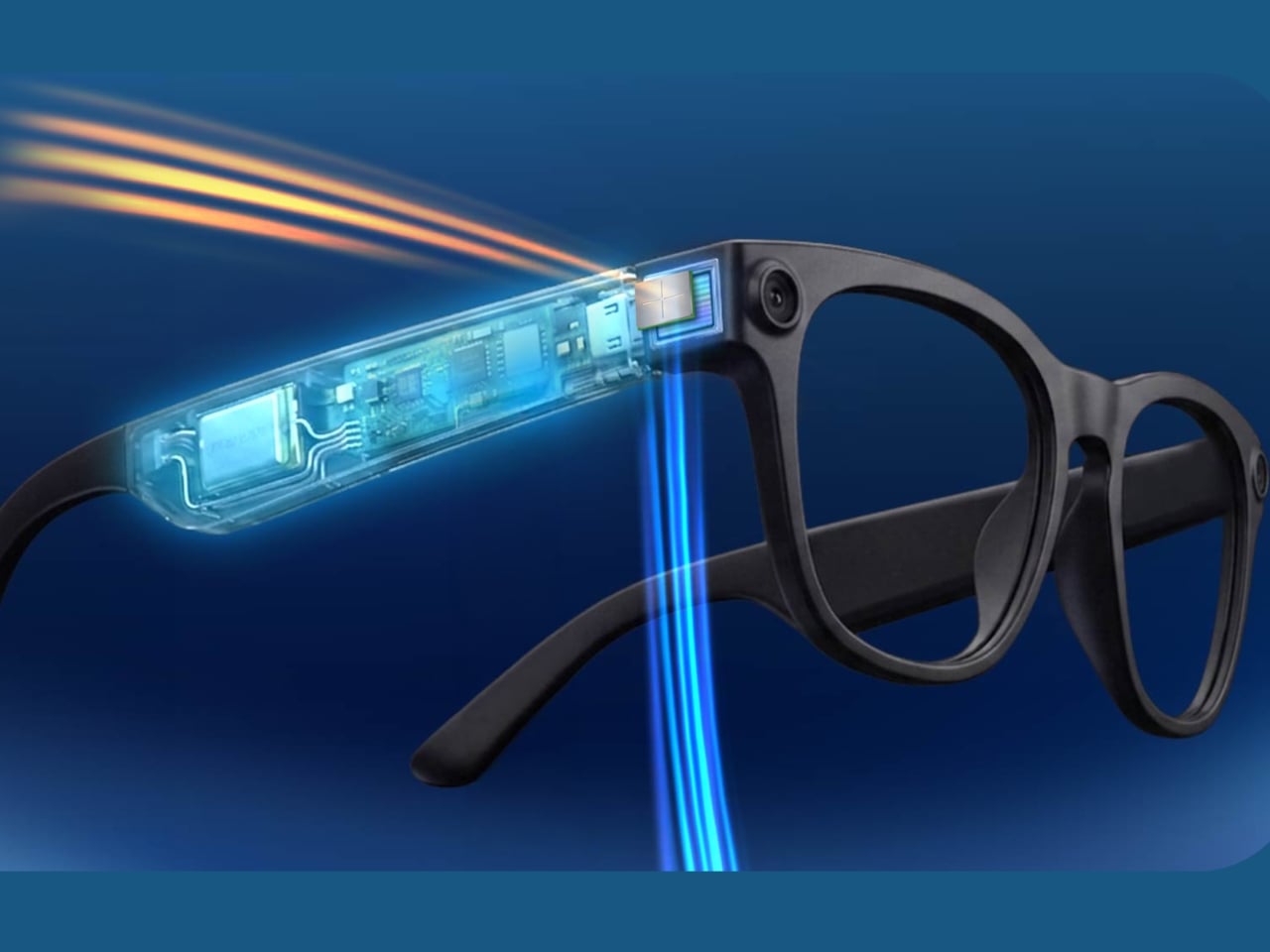
What makes the XMC-1200 different from conventional cooling solutions is that it’s built for the exact spaces those solutions can’t reach. Traditional fans simply don’t fit inside a glasses temple arm. The XMC-1200 does. Paired with xMEMS’ Astra2 drive ASIC, the chip targets heat directly at the source rather than trying to dissipate it passively. It also carries an IP68 rating, meaning it holds up against water and dust, which matters a great deal for something you’re wearing on a humid afternoon or during a light rain.
The timing here is significant. We’re at a point where the smart glasses category is starting to feel real in a way it hasn’t before. Meta’s Ray-Ban smart glasses have sold surprisingly well. Apple continues iterating on Vision Pro. Startups and established brands alike are betting big on the idea that the next dominant computing interface lives on your face. But all of that progress runs into the same wall: you can miniaturize a processor, you can shrink a display, but you can’t compress the laws of thermodynamics. Heat is still heat.

That’s what makes xMEMS’ announcement feel more foundational than it might appear at first glance. This isn’t a headline feature. Nobody is going to choose smart glasses because of the cooling chip inside them. But they will absolutely notice when their glasses throttle performance after 20 minutes of use, or when the frame gets too hot to wear during a long session, or when the display dims because the hardware is desperately trying to regulate its own temperature. These are the friction points that kill user adoption quietly, before anyone stops to ask why.
The XMC-1200 won’t be the last word in wearable thermal management, but it represents a genuinely meaningful step toward smart glasses that actually behave like the always-on, AI-powered tools they’re marketed as. Engineers working on next-generation devices now have an option that doesn’t force them to choose between ambitious performance and a form factor people will actually want to wear.
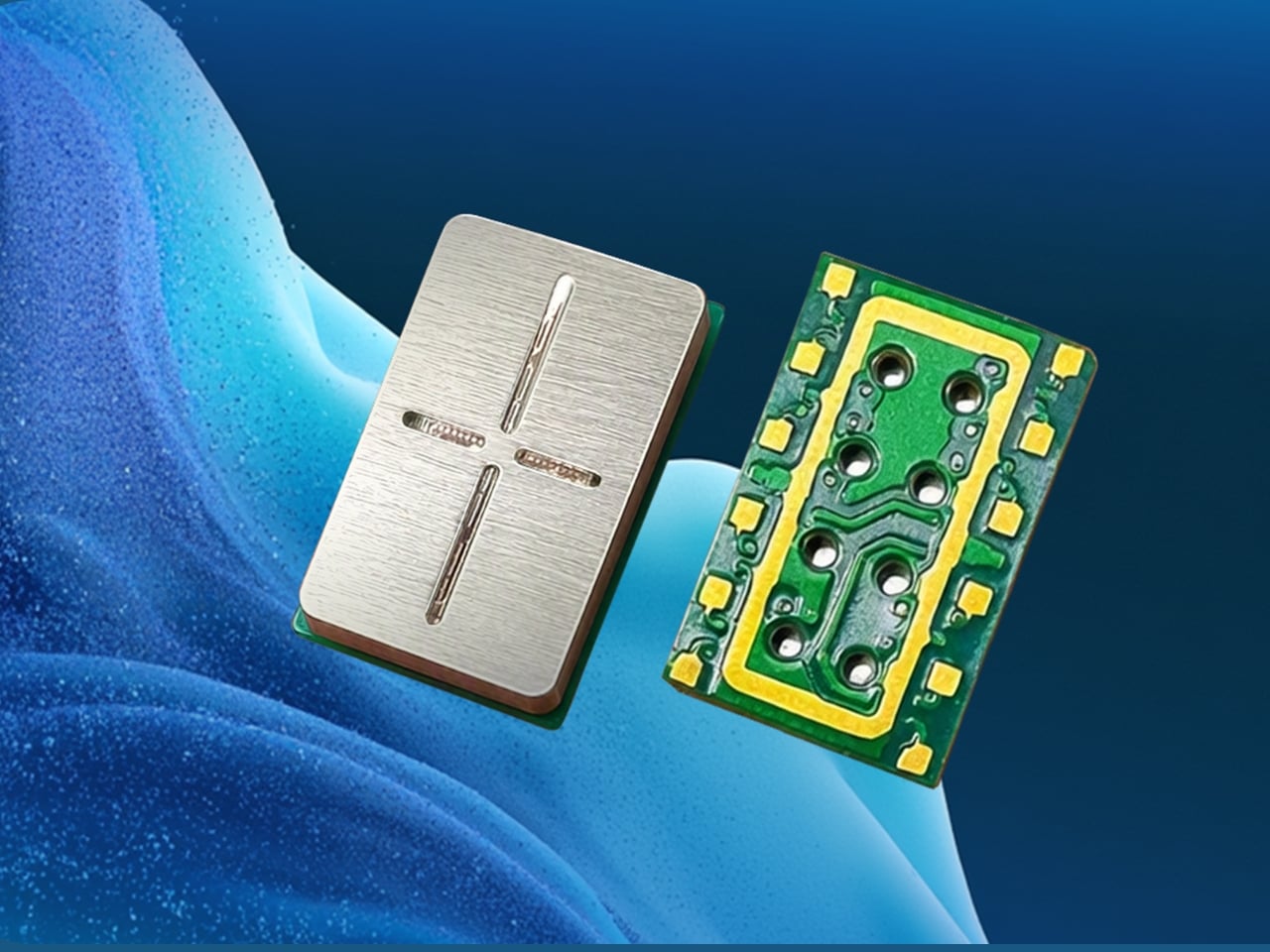
Engineering samples are currently available under NDA for qualified OEMs and technology partners, which means this is still early. Consumers won’t be picking XMC-1200-equipped glasses off a shelf anytime soon. But the fact that a purpose-built cooling solution at this scale exists at all is a signal that the industry is finally treating thermal management as a design priority, not just a footnote in a spec sheet. Good design has always been about solving the problems nobody sees. The XMC-1200 is exactly that. Invisible, necessary, and quietly important to everything the smart glasses category is trying to become.
SHARE