Temperature is one of the few things in fine dining that no one fully controls once a dish leaves the kitchen. A perfectly cooked piece of fish begins losing heat the moment the plate is set down, and by the time a diner has finished admiring the plating, the window for eating it at its intended temperature has already started to close. Most serving vessels are entirely passive about this.
Temper Hold is a modular serving system that addresses this through material rather than technology. Built from basalt, a volcanic stone with a high thermal mass, the system slows temperature change for both hot and cold dishes, extending the window between when food arrives and when it begins drifting from the cook’s intentions. The serving surface stops being passive and becomes part of how the meal unfolds.
Designer: Batuhan Duran
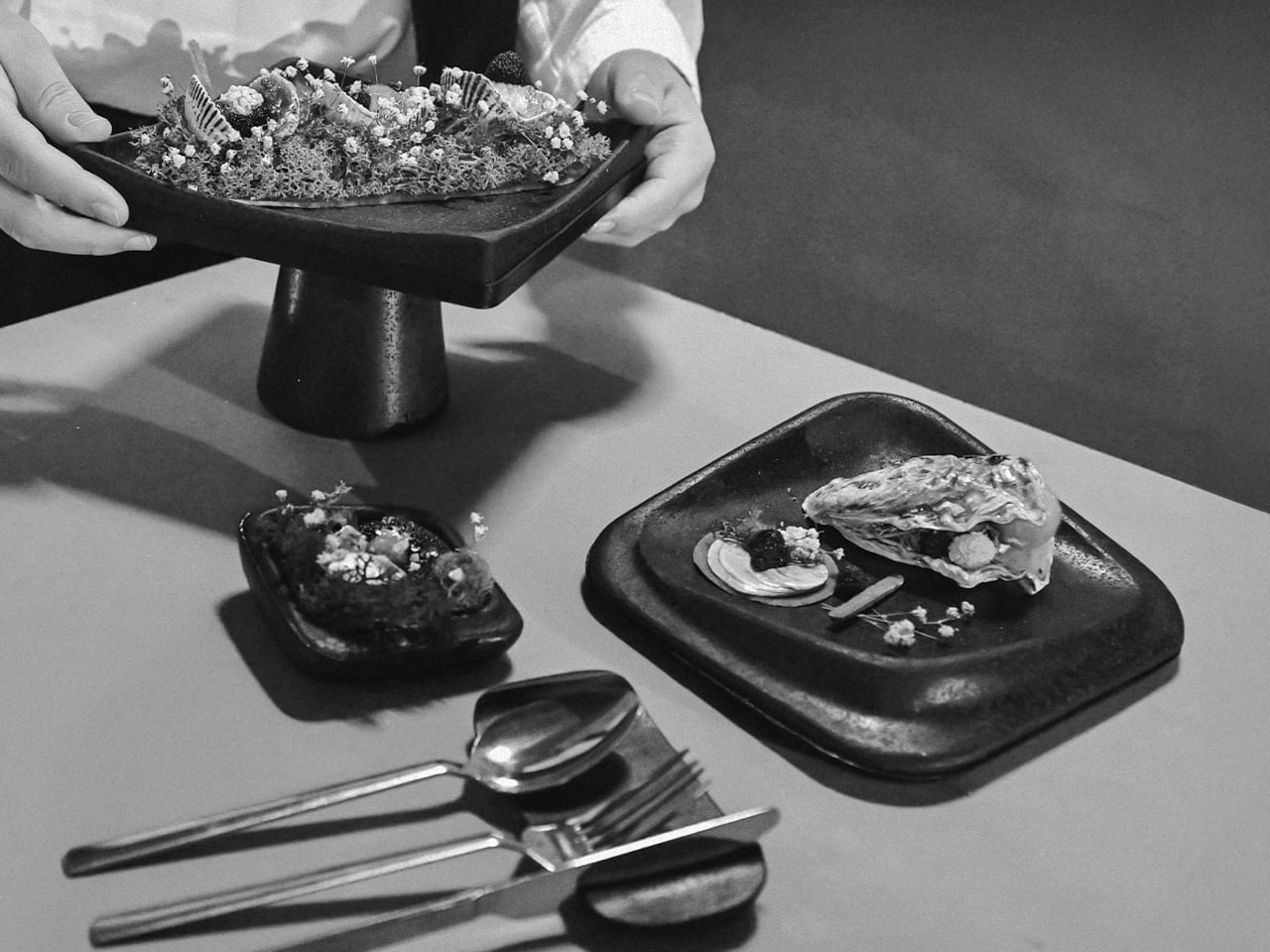
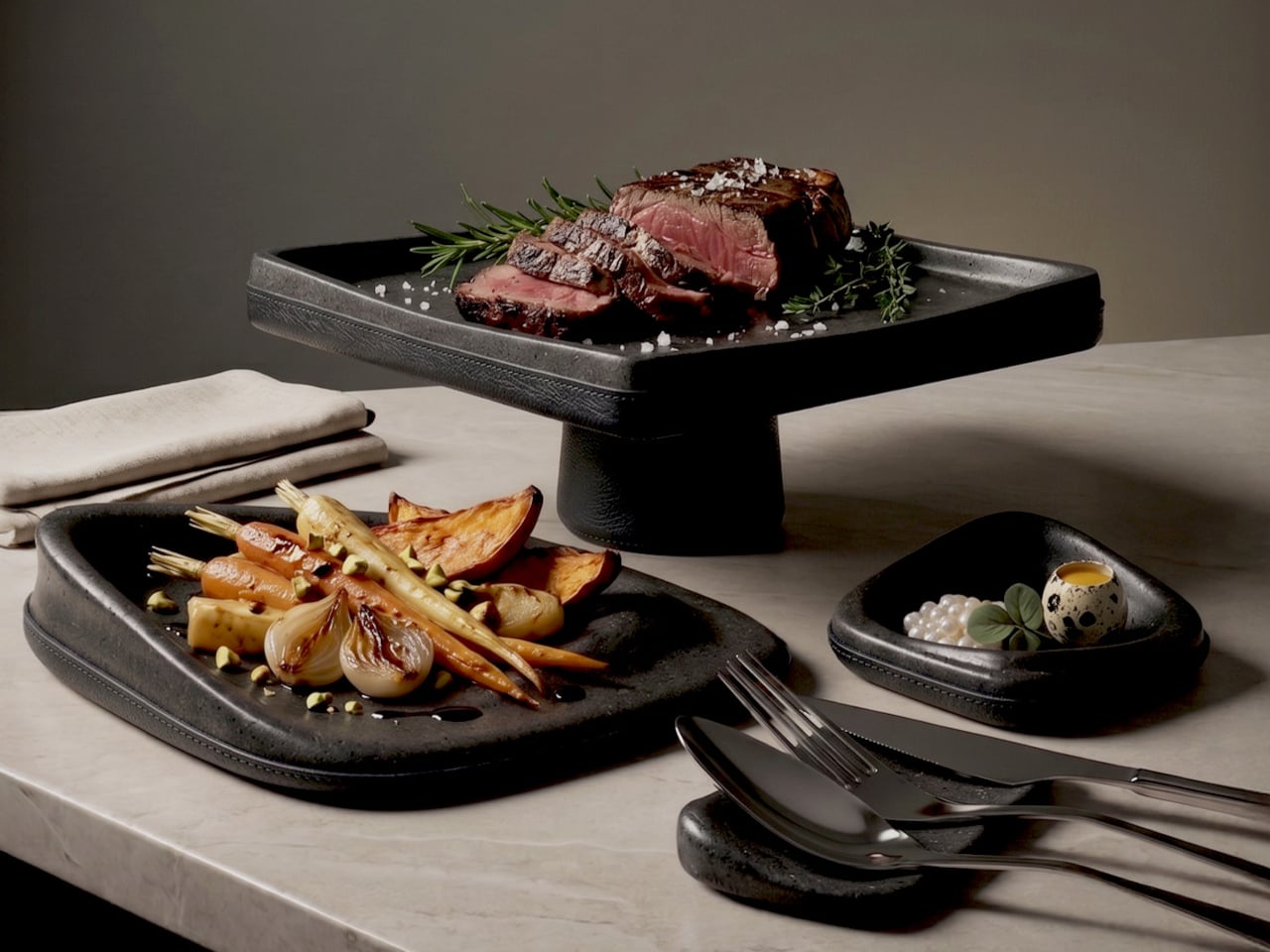
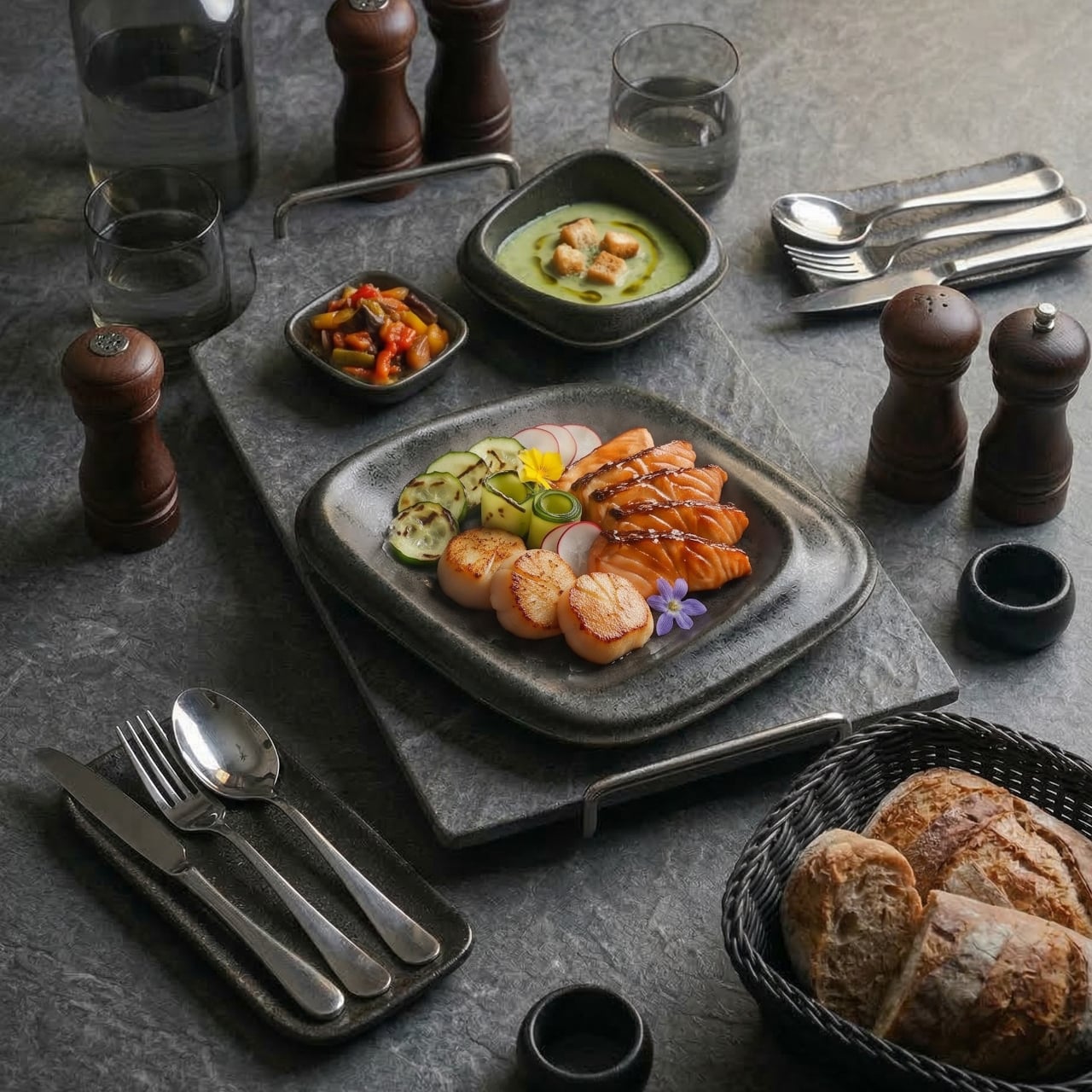
The system comprises four modules, each assigned a specific role at the table. CORE is the main presentation surface. RISE elevates a featured item on a pedestal base, adding vertical hierarchy to the setting. POUR handles sauce service in a form shaped for controlled pouring. REST organizes cutlery, keeping the table composed between courses. Together, they don’t overcrowd the table or impose formality on the setting.
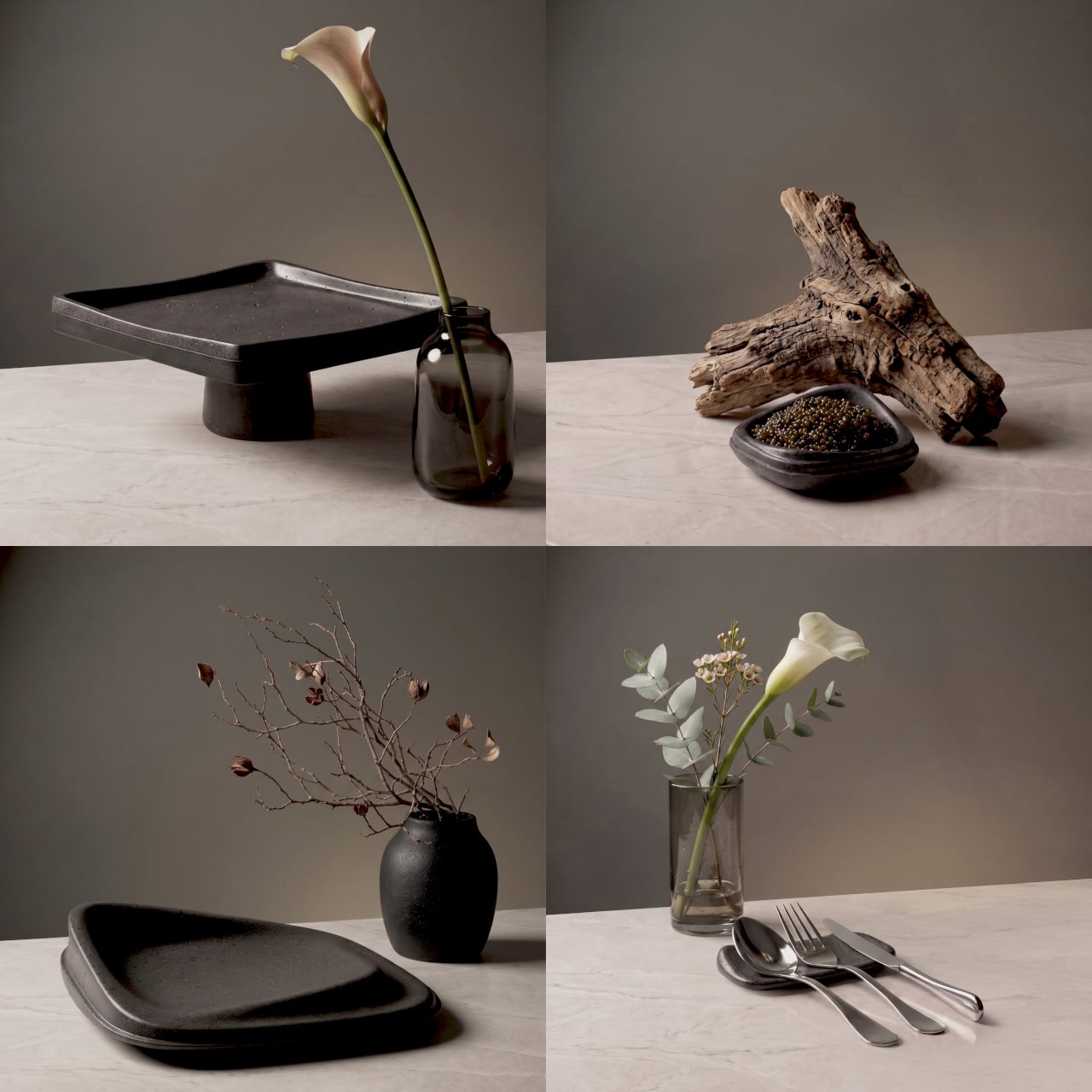
The thermal logic relies on basalt’s natural density. Stone with a high thermal mass resists temperature change, absorbing heat slowly and releasing it gradually, which is the opposite of ceramic or porcelain, which loses heat quickly once it leaves a warming rack. For cold presentations, the same principle applies in reverse; the stone stays cool longer, keeping a dish within its intended temperature range throughout the course.
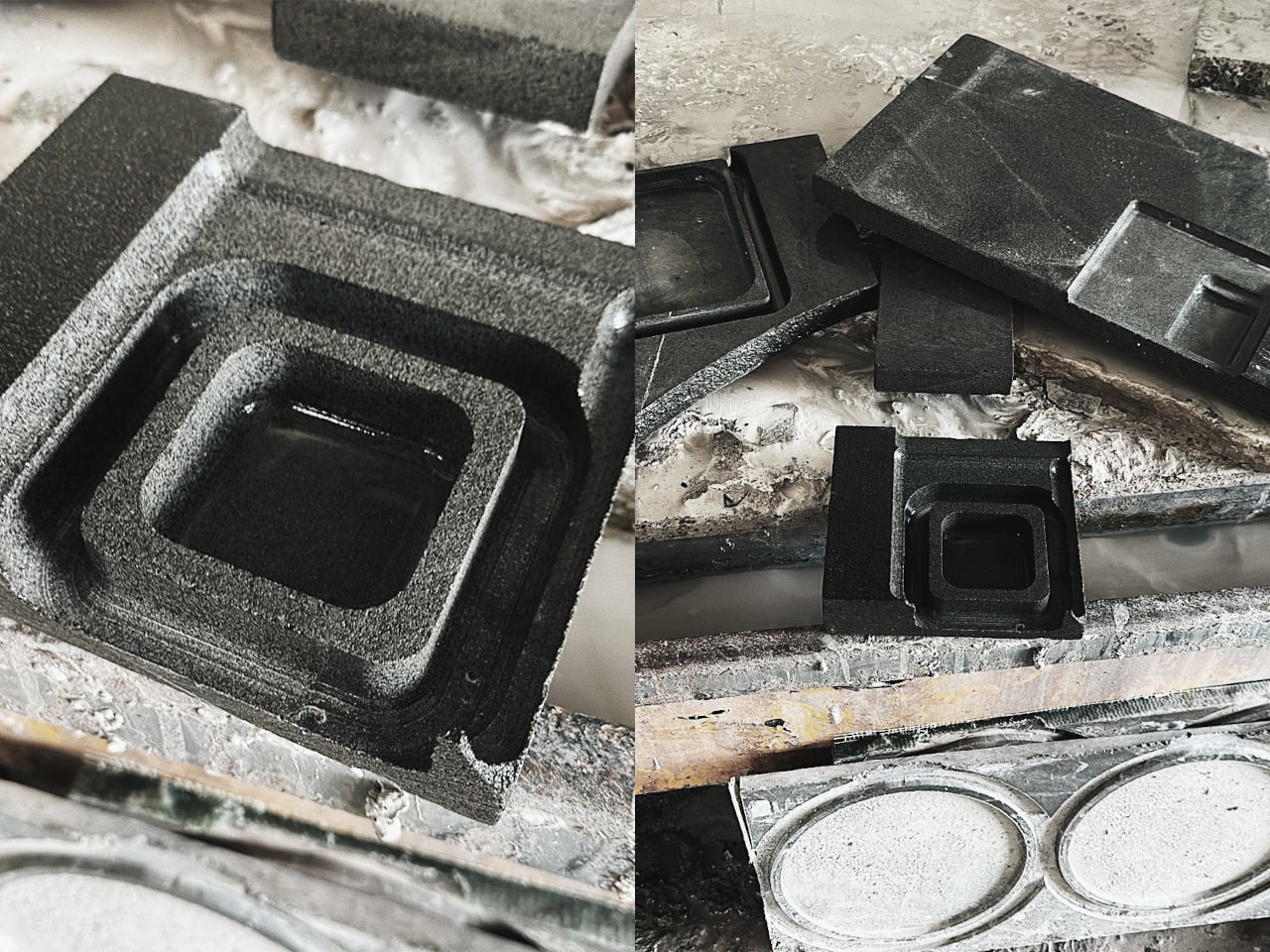
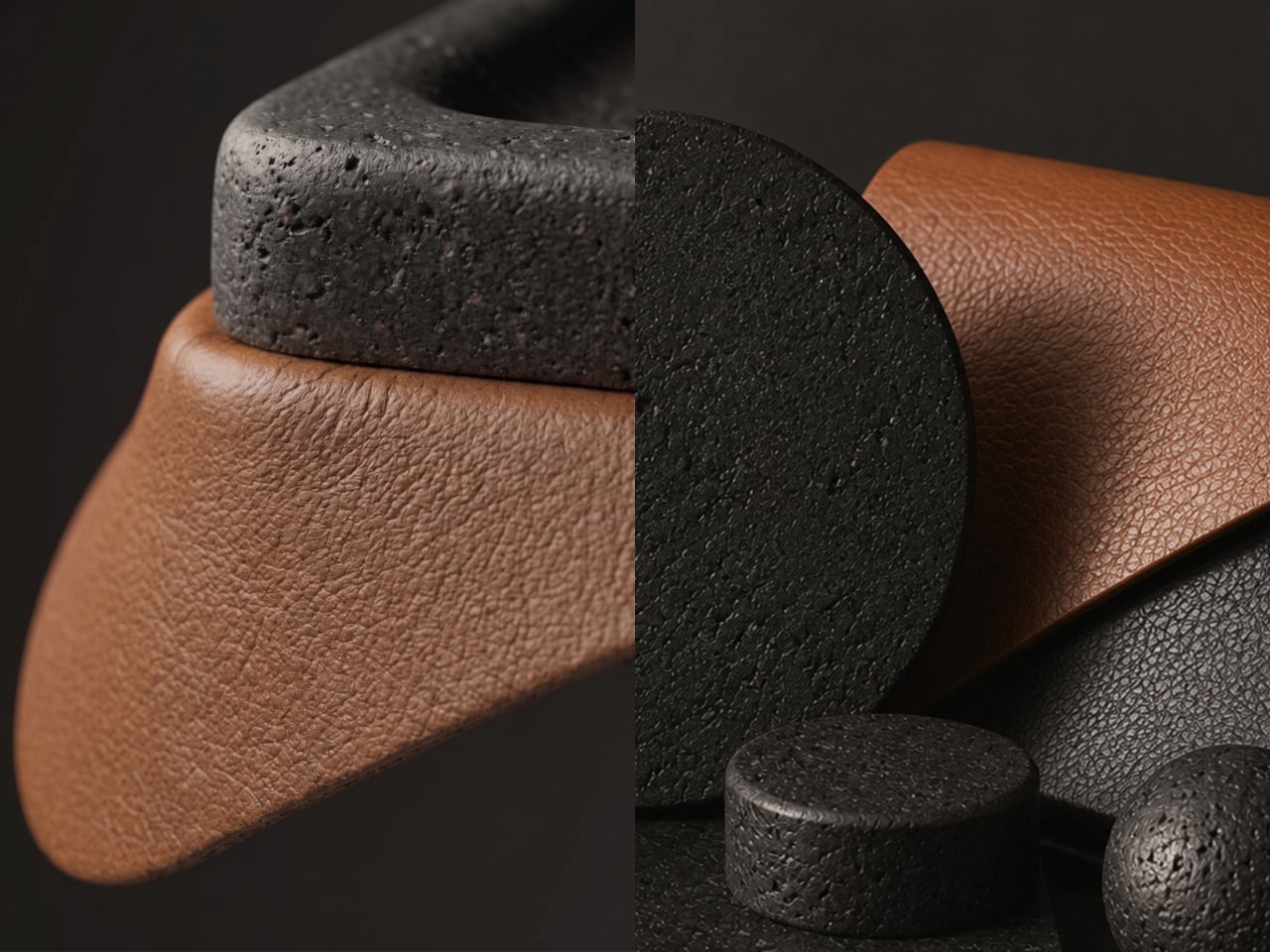
Each piece is shaped from basalt using CNC stone machining, with chamfered edges to reduce the risk of chipping during service. The exterior surface is matte-honed, preserving the volcanic texture of the stone, while the food-contact surfaces are polished to a smoother finish that’s easier to clean. The contrast between the two finishes also serves as an intuitive guide to how each piece is meant to be used.
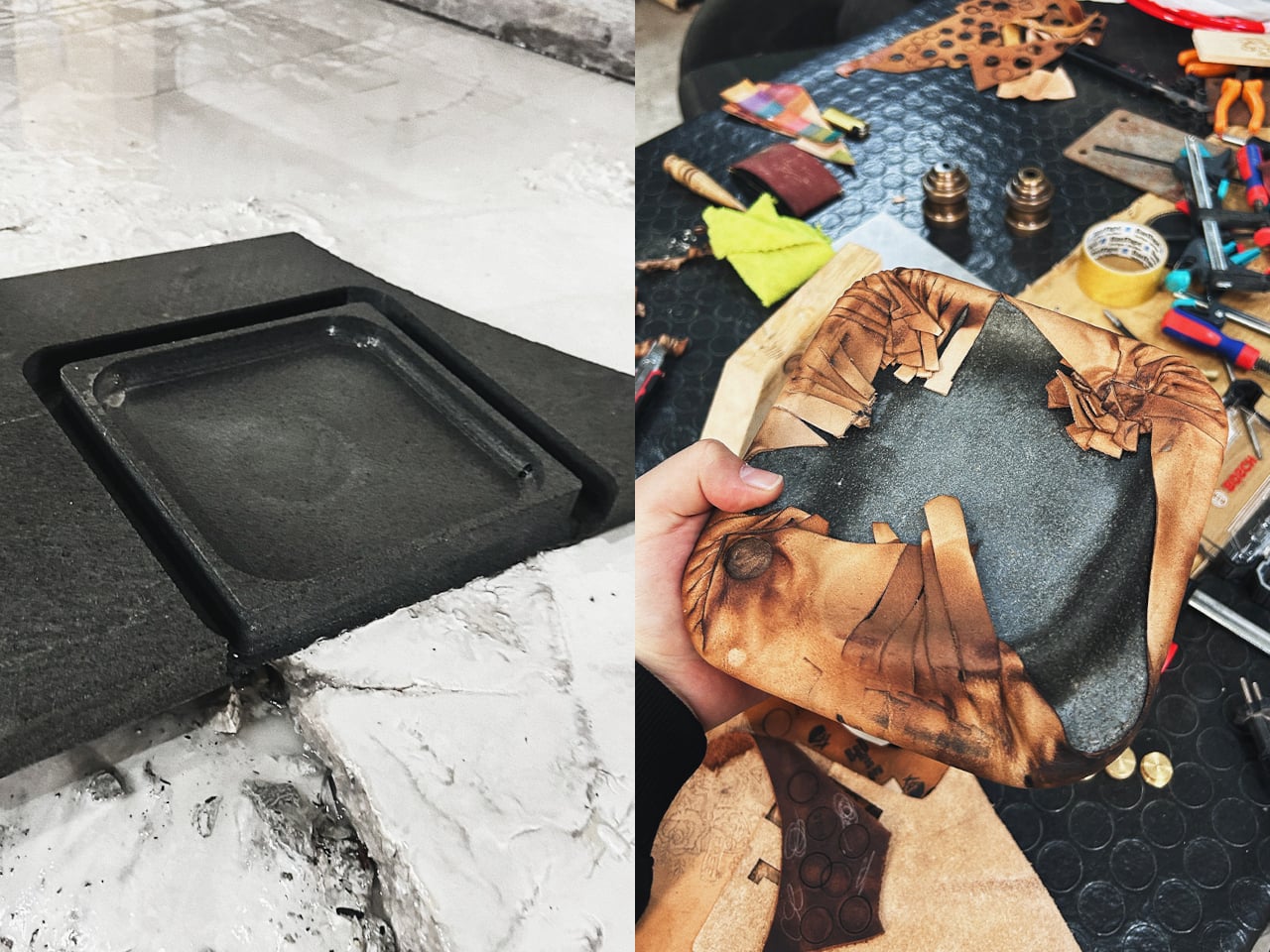
A custom-cut leather sleeve is fitted to the underside of each piece, serving two functions at once. It softens the contact between the stone and the table, protecting both surfaces from the weight and texture of raw basalt, while improving grip when lifting and moving a piece between courses. The leather also introduces a warmer visual element against the predominantly dark, volcanic character of the stone.
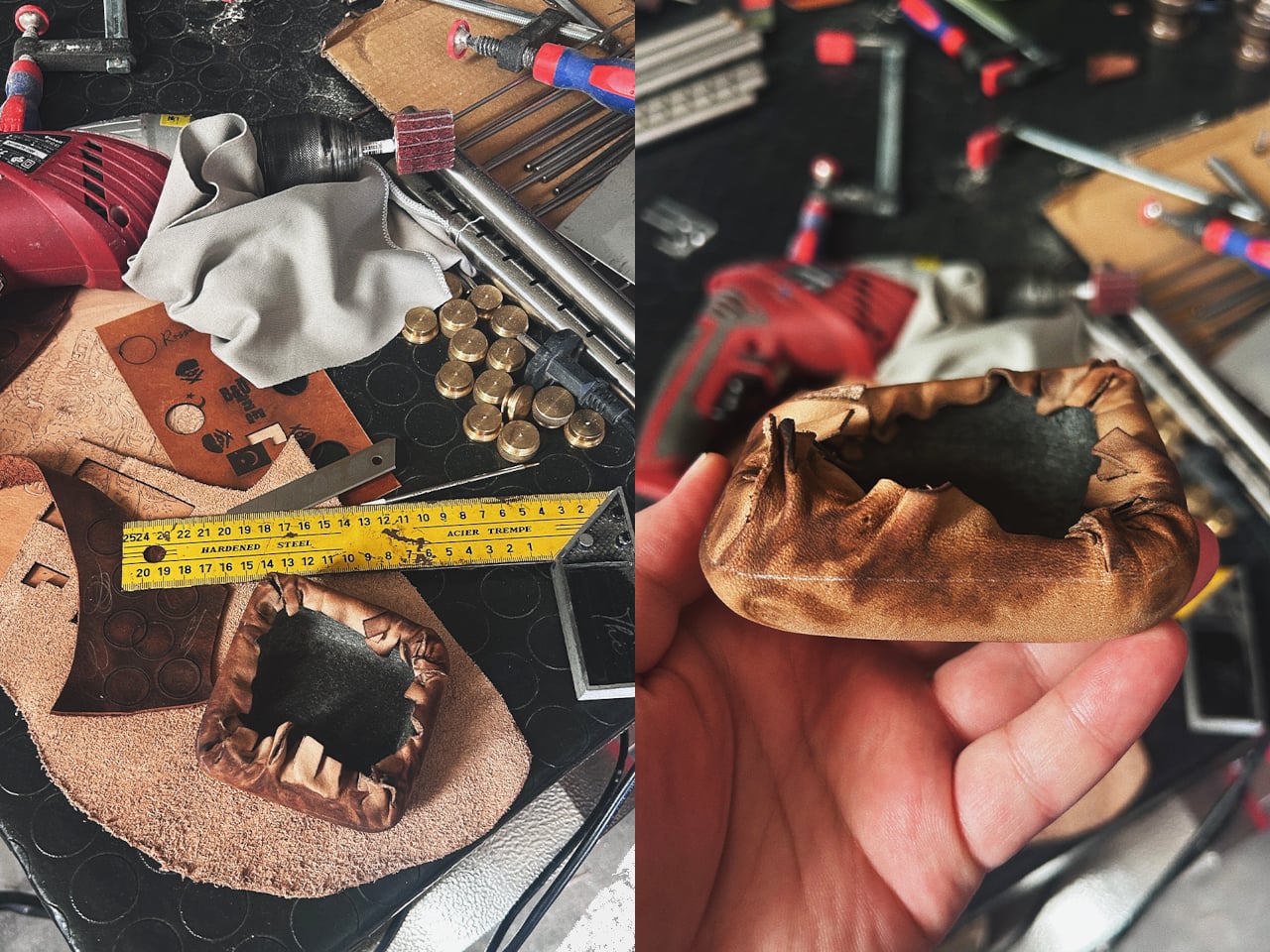
The material palette is intentionally restrained. Black basalt provides the body of each module, and the leather is available in warm brown or black, creating combinations that feel tactile and grounded rather than decorative. Volcanic stone has an inherently irregular surface texture that distinguishes it from polished marble or engineered ceramics, and the matte-honed exterior of each piece preserves that quality rather than smoothing it away entirely.
The concept behind Temper Hold is simple but genuinely underexplored in tableware design. Most dishes arrive on materials chosen for aesthetics, weight, or cost, not thermal behavior. Basalt has been used for cooking on volcanic rock for centuries, and repurposing that thermal property as a serving surface rather than a cooking one is a small but consequential shift in how a piece of tableware is asked to perform.
SHARE