The mosquito has never been bested by elegance. We’ve thrown everything at it: citronella candles that smell like a health food store, zappers that feel more like novelty items than actual deterrents, sprays that coat everything in a layer of chemical suspicion. None of it has really worked. Not comprehensively. Not quietly. Not without trade-offs.
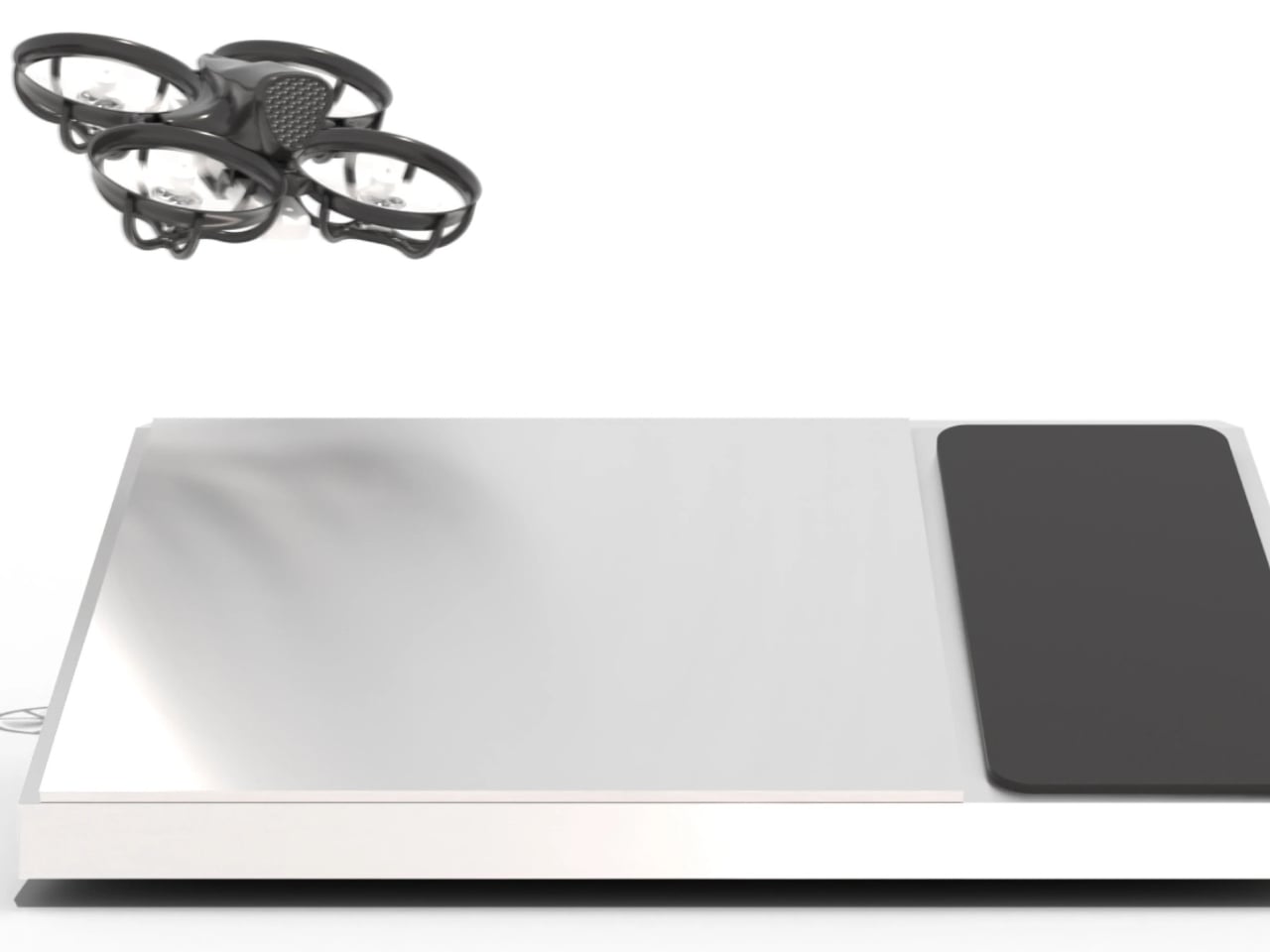
Enter Tornyol’s LeSonar2, a 40-gram autonomous drone that doesn’t just repel mosquitoes. It hunts them. The concept alone is enough to stop you mid-scroll. A micro-drone, roughly the weight of a few sheets of paper, patrols your living space like a silent sentinel, listening for the specific wingbeat frequency of a mosquito and then intercepting it mid-air. No chemicals. No noise you can hear. No action required on your part. It just handles it.
Designer: Tornyol
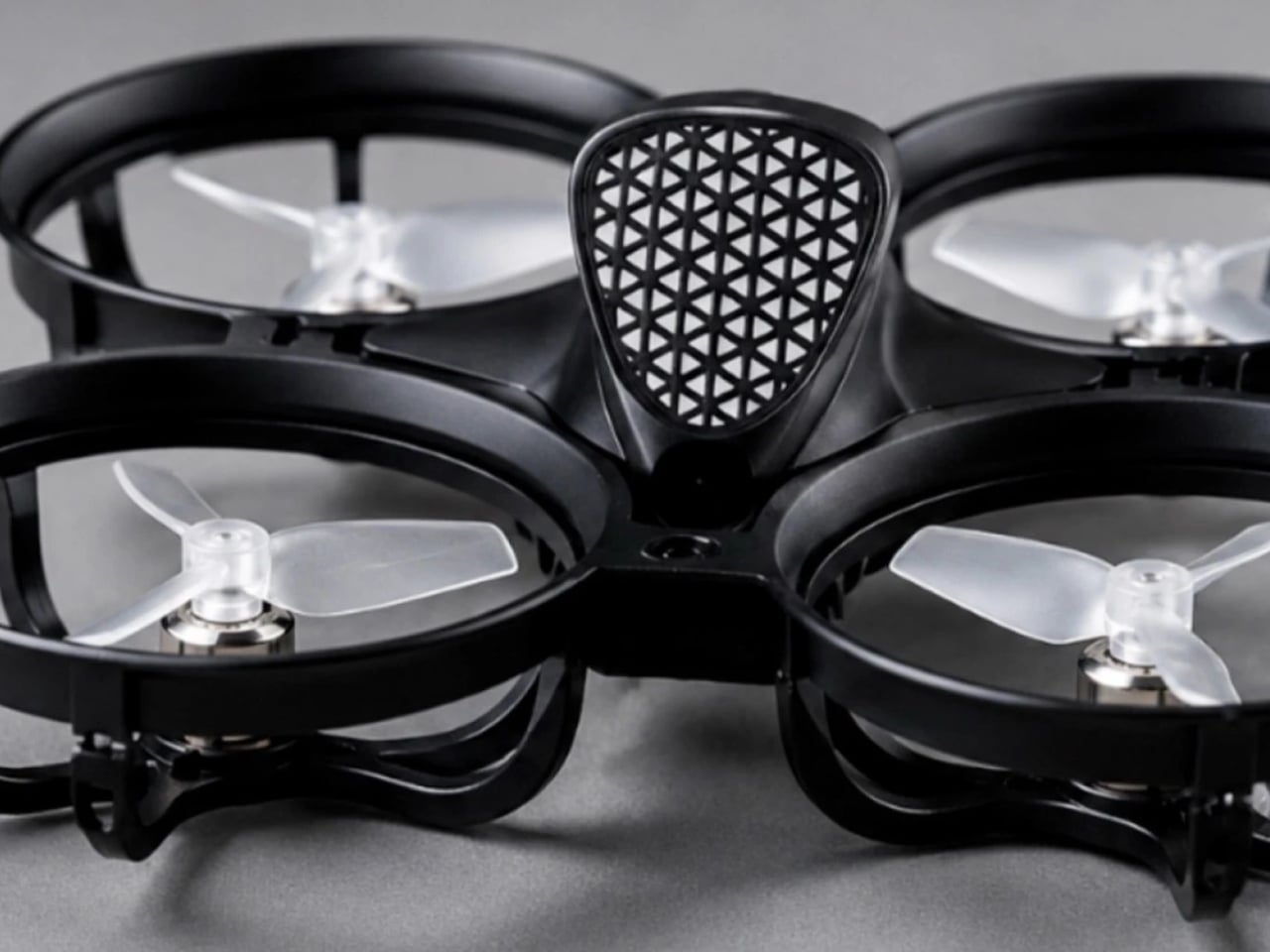
The engineering behind the LeSonar2 is where things get genuinely impressive. The drone uses 32 ultrasonic emitters to send out pulses that bounce off nearby objects and insects, and 380 smartphone microphones to capture the returning data. An Artix-7 FPGA processor handles the real-time beamforming, mapping the environment in 3D and measuring movements down to 0.1 millimeters. To put that in context, that’s the same underlying principle bats use to navigate and hunt in total darkness. Tornyol has essentially built a bat, shrunk it to the size of a large cookie, and given it a mission.
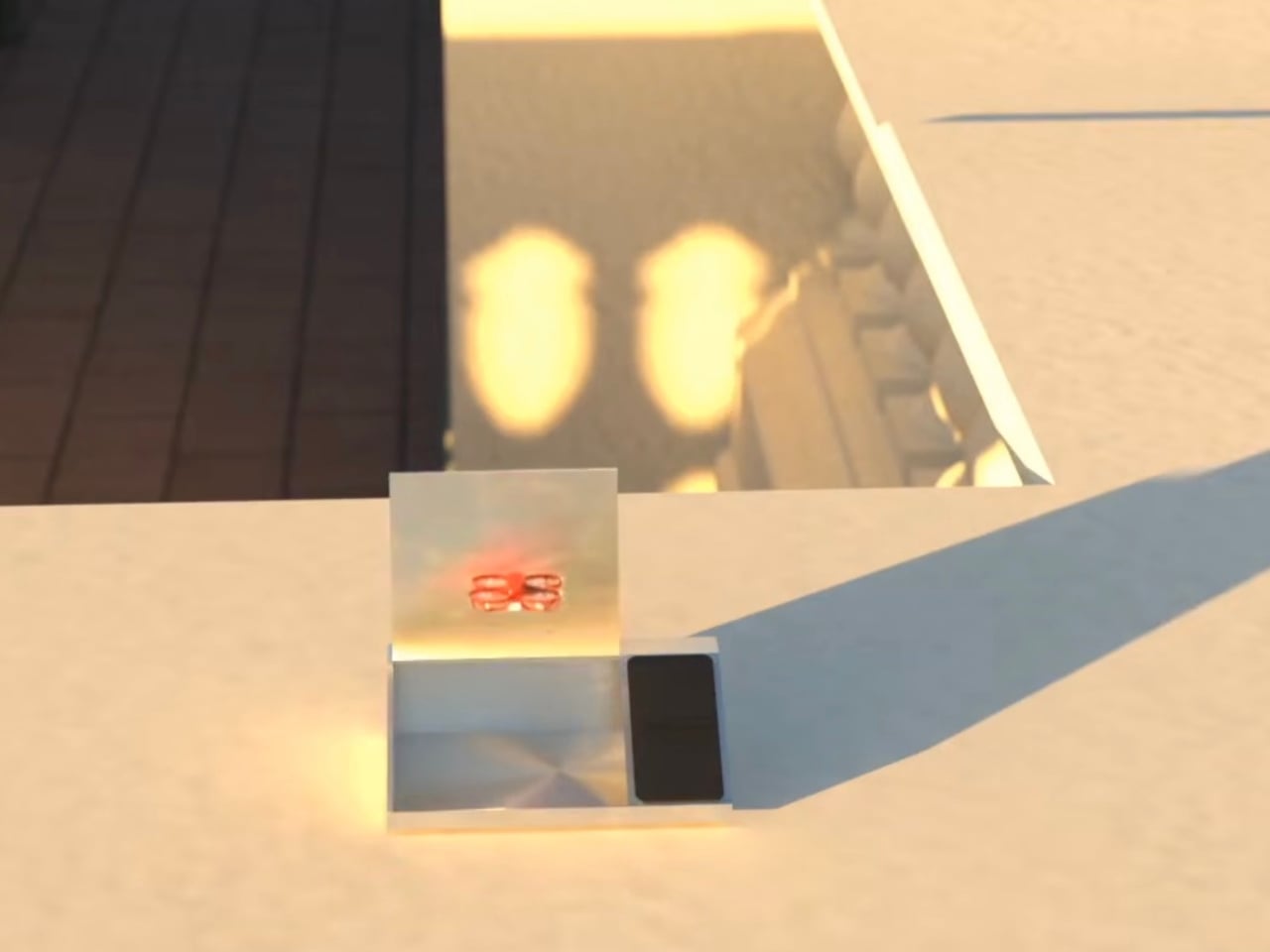
Once the LeSonar2 confirms a target by reading its wingbeat signature, it intercepts and dispatches the mosquito mid-flight using its own propellers. First air-to-air kill by an autonomous micro-drone. That milestone recently landed and it reads like a sentence from a near-future thriller, except it happened in a lab and it’s now available for pre-order.
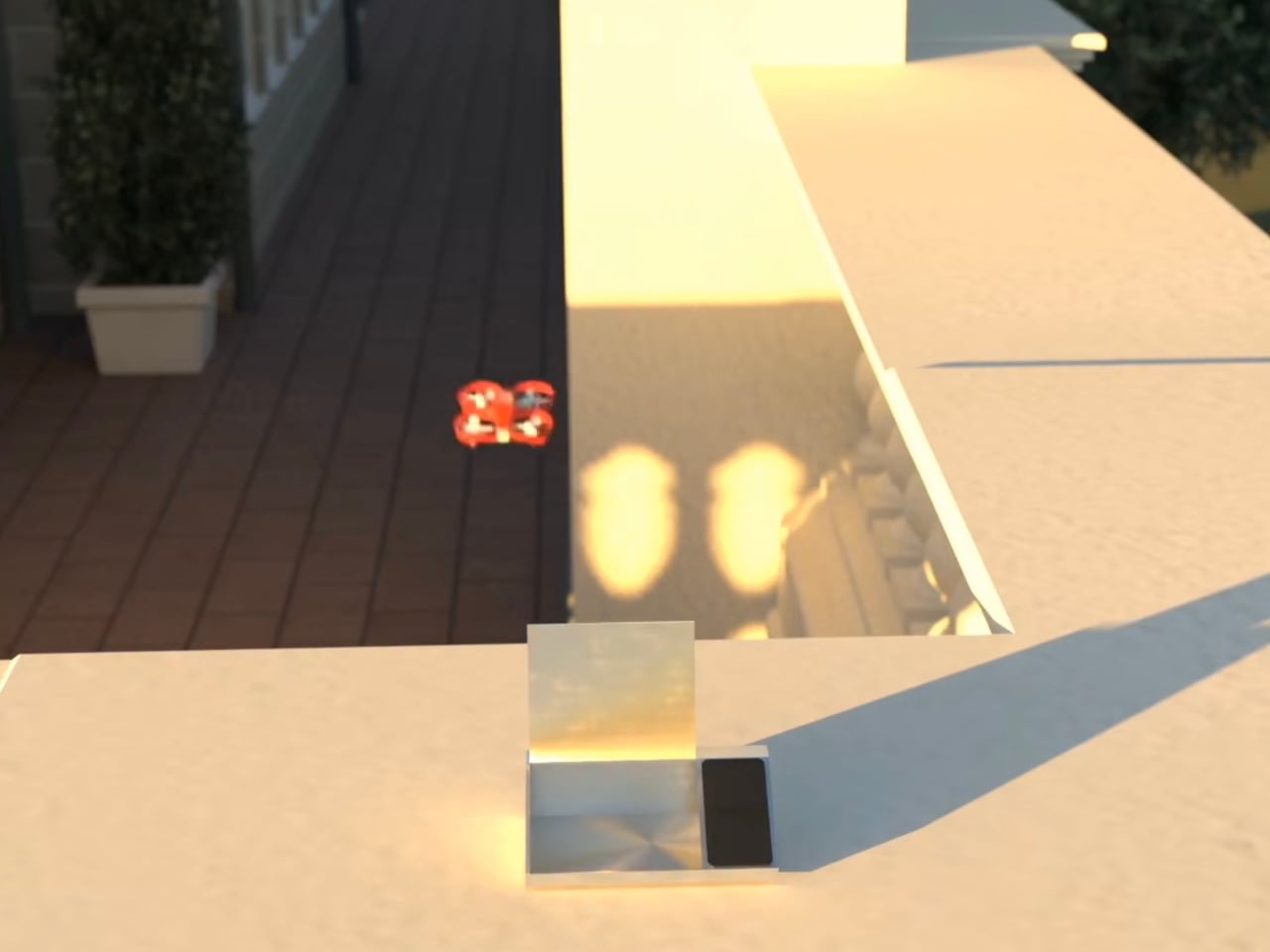
The setup is more straightforward than you’d expect. You draw your protection zone on a base-station map. The drone launches, patrols, returns to charge on its own between passes, and relaunches. The whole system runs 24/7 without you touching it. Tornyol calls it “silent, safe, chemical-free,” and those three words carry more weight than they initially seem, especially for households with children, pets, or anyone wary of pesticide exposure.
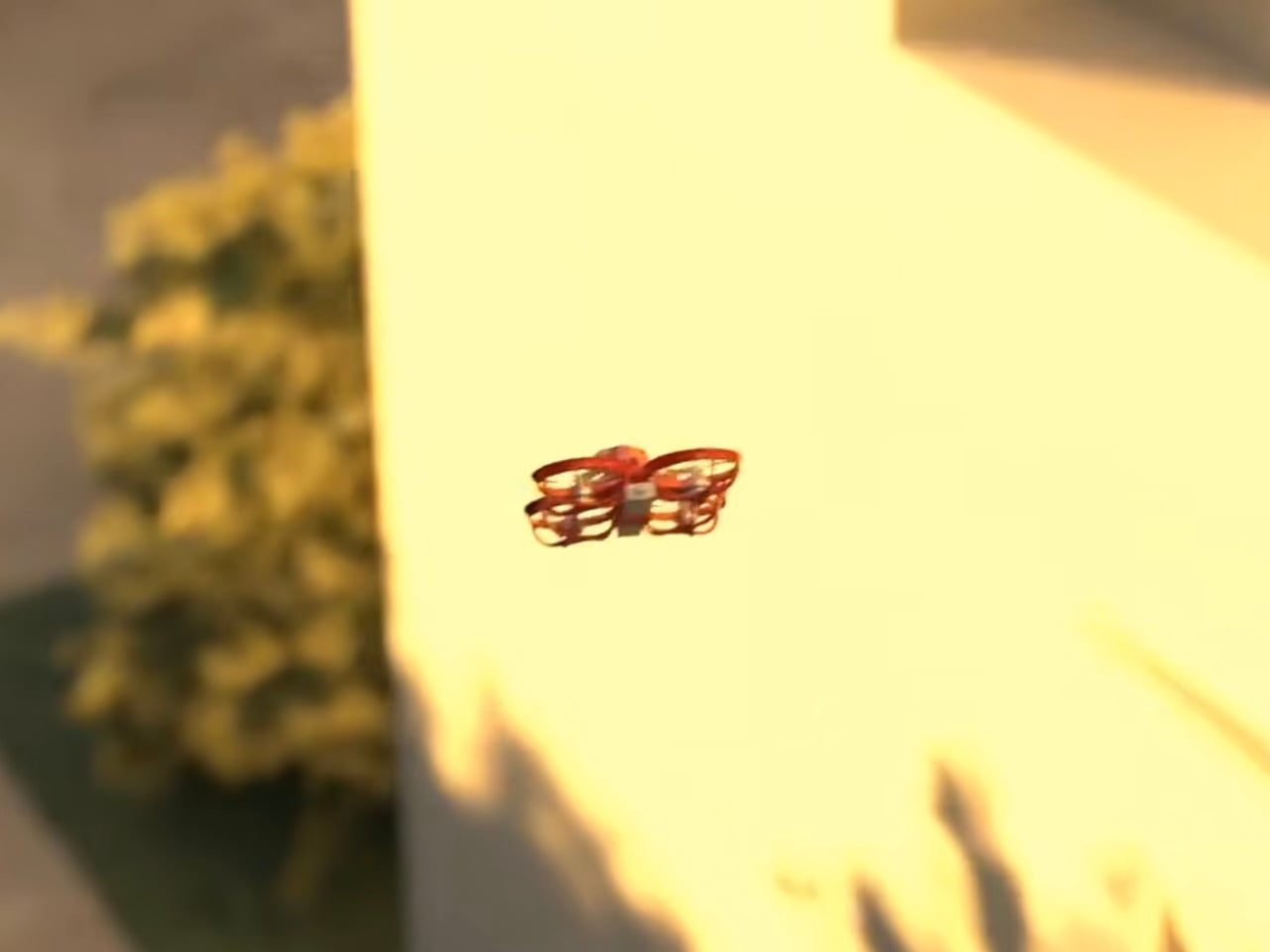
The design thinking here is just as sound as the engineering, and I think that deserves attention. The choice to avoid cameras is notable. Instead of building something that watches your room, Tornyol built something that listens to it. That’s a meaningful distinction in an era where surveillance fatigue is real. A sensor that identifies a mosquito by its wingbeat signature rather than by filming your living room feels like a more considered approach to consumer technology. Privacy, quietly protected alongside you.
The bigger picture is hard to ignore, too. Mosquitoes kill more people every year than any other animal on the planet. Malaria alone accounts for over 400,000 deaths annually, with dengue adding tens of thousands more. Tornyol was founded by two CentraleSupélec graduates with the stated goal of consigning mosquitoes to history, and while a home drone isn’t going to solve a global public health crisis on its own, it’s a serious first step from a company that clearly understands the scale of what it’s attempting.
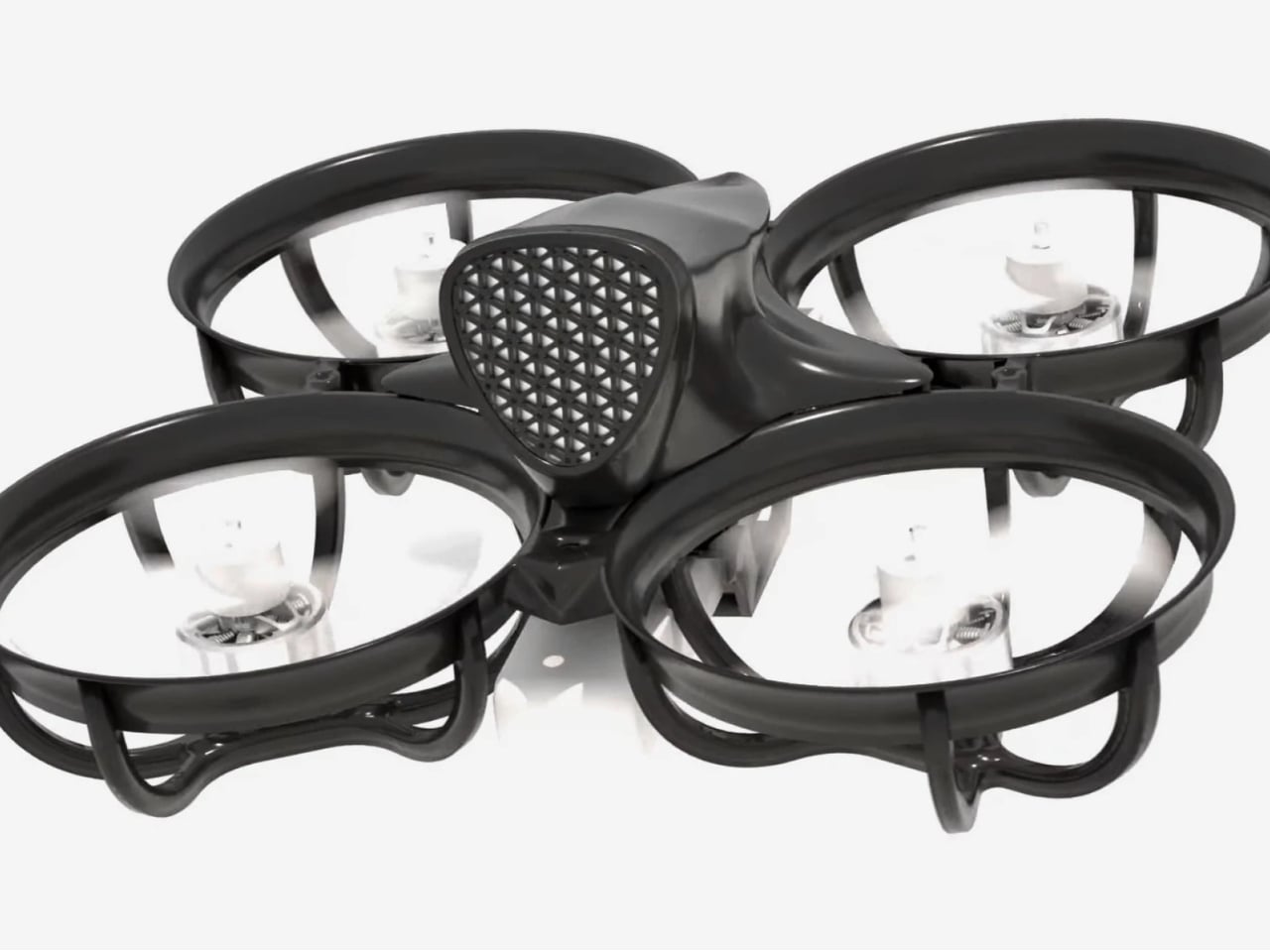
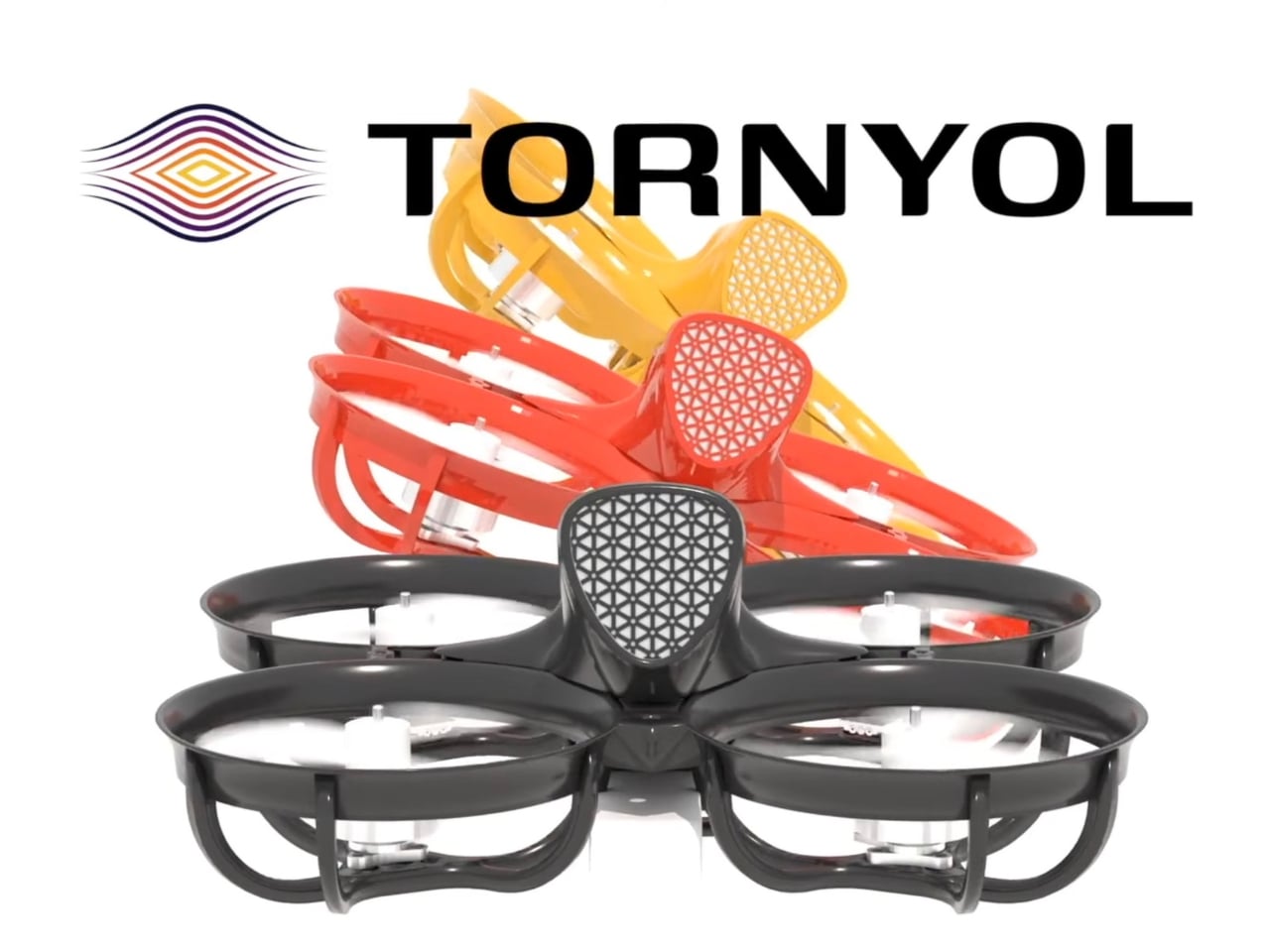
Backed by Y Combinator and currently open for pre-orders with a $100 refundable deposit, the LeSonar2 is targeting US shipping in 2027. The drone comes in black, red, and orange for people who care about that kind of thing, and I think more people do than would admit it. Tornyol’s LeSonar2 is one of those designs that makes you realize how much creative inertia exists in categories we assume are already solved. Bug control felt finished. Candles, sprays, zappers, and screens. We stopped asking for better because we didn’t know better was possible. Now it is, and it weighs less than a slice of bread.
SHARE