Clip-on earbuds were always going to go mainstream; the category just got there in the east first. Huawei’s FreeClip became roughly as ubiquitous as AirPods in Chinese cities, building an installed base for open-ear wearables that Western brands are only now beginning to seriously contest. The appeal is not complicated: a form factor that keeps the ear canal open, lets ambient sound in naturally, and eliminates the sealed pressure that makes conventional in-ears uncomfortable after long sessions. Asia ran that experiment at scale, and the results were settled long before the Western audio press started treating it as a breakthrough.
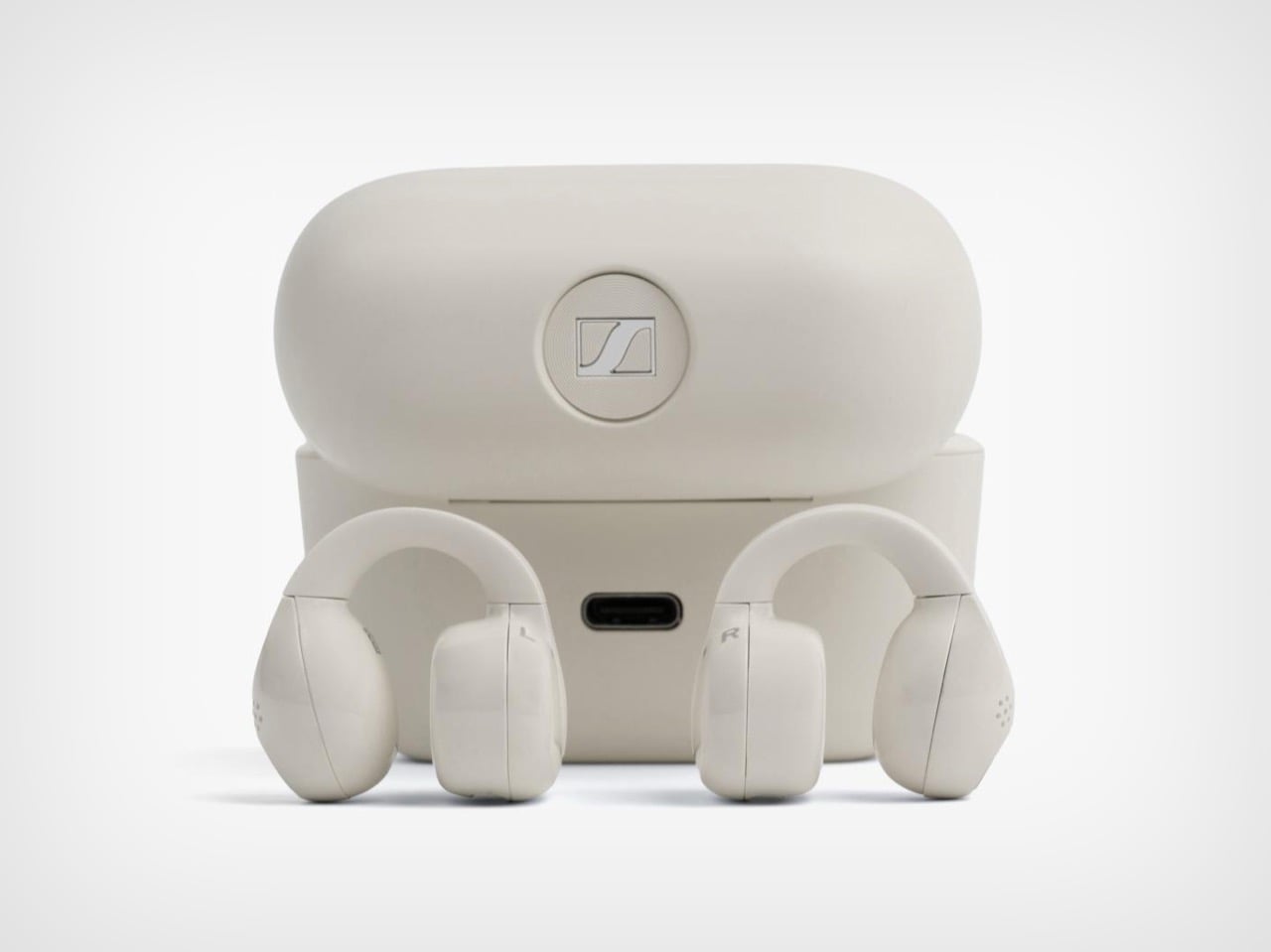
Sennheiser enters the conversation on July 23 with the Accentum Clip, a product priced at £149 that brings Bluetooth 6.0, LDAC support, IP54 protection, and 36-hour total battery life to a category where Bose has been setting the reference point at a higher price. The launch covers the UK, EU, and Canada. For US consumers, the Accentum Clip joins a lengthening list of globally significant products that simply will not be available at their local retailer, a pattern this publication has been tracking across categories as diverse as electric vehicles, smartphones, and now, apparently, open-ear audio.
Designer: Sennheiser
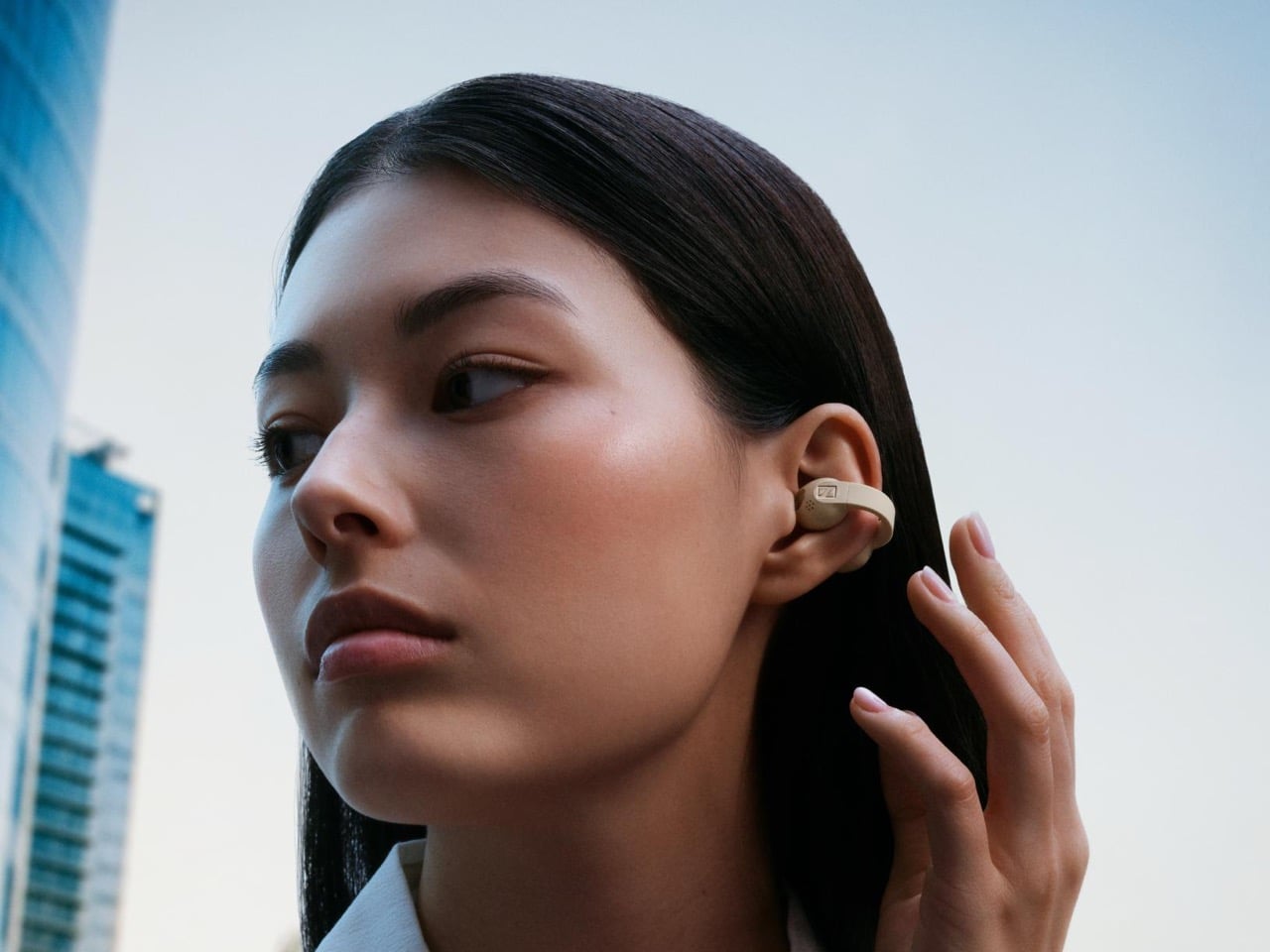
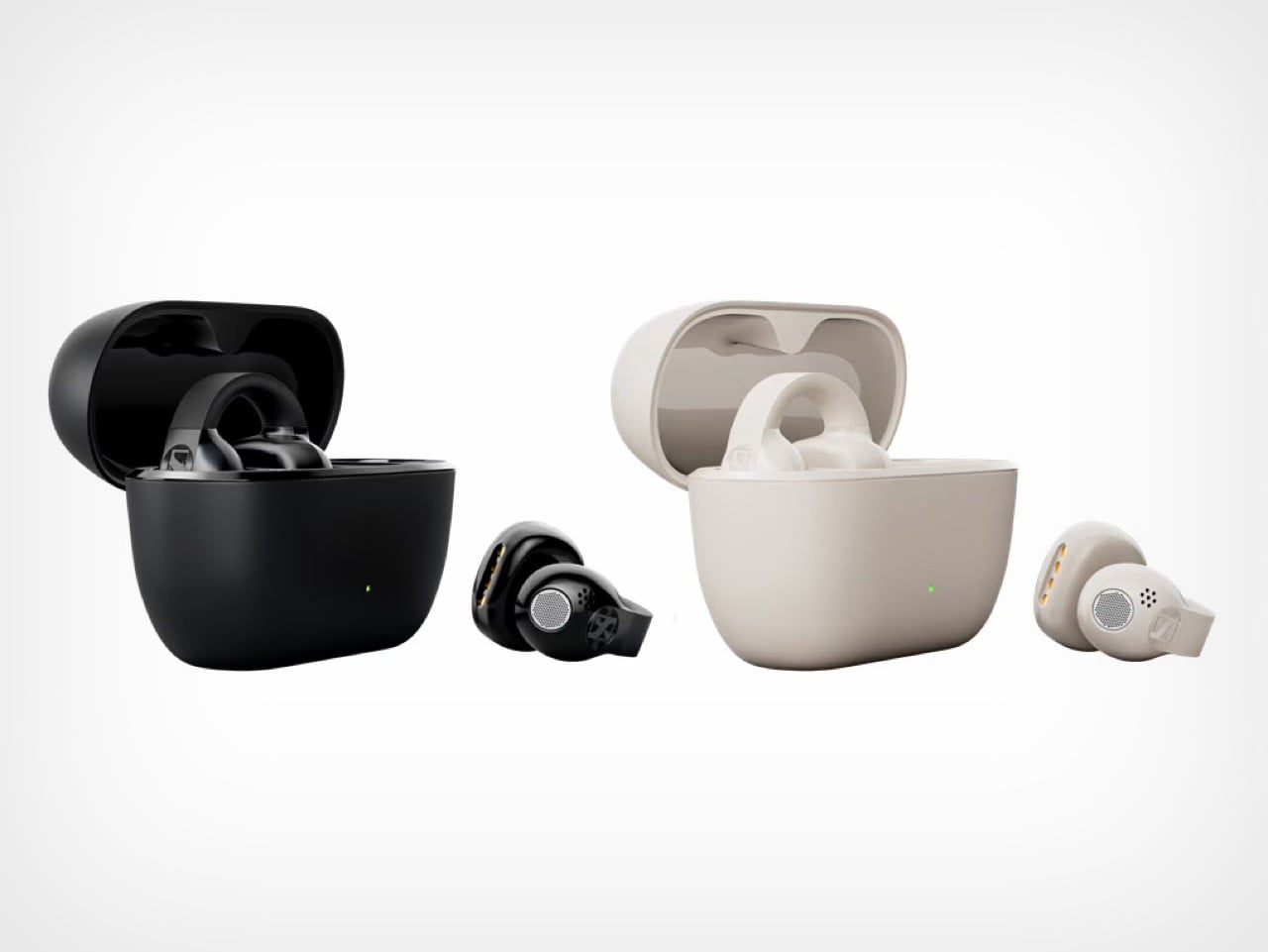
The Accentum Clip earbuds promise nine hours of playback on a single charge, with the case providing a total of 36 hours. This is a deliberate and significant advantage over the Bose Ultra Open Earbuds, which offer around 7.5 hours per charge and a total of 27 hours with their case. In a category built for all-day wear, that extra nine hours is a direct appeal to users who want to leave the charging cable at home.

The Accentum Clip uses a 12mm dynamic driver, but the more interesting detail is its support for the LDAC codec. Including a high-bitrate codec like LDAC is a bold choice for an open-ear design, which by its nature lets sound escape and ambient noise in. It signals a confidence in the driver’s ability to deliver a detailed audio experience, even if it is not a closed, isolating one. Paired with Bluetooth 6.0, which promises more stable multipoint connections, the package is technically robust for commuters and office workers who need to switch between devices seamlessly.
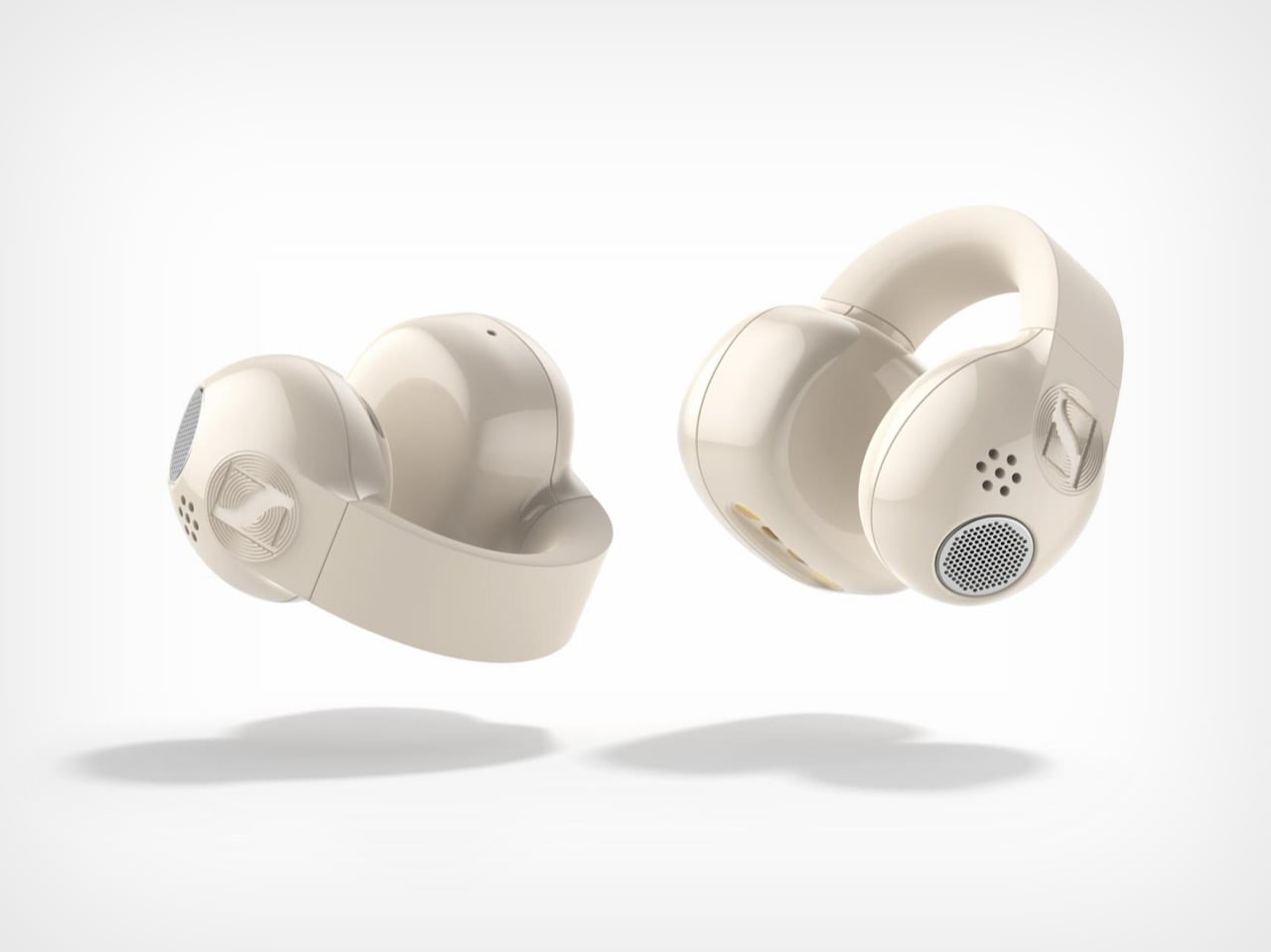
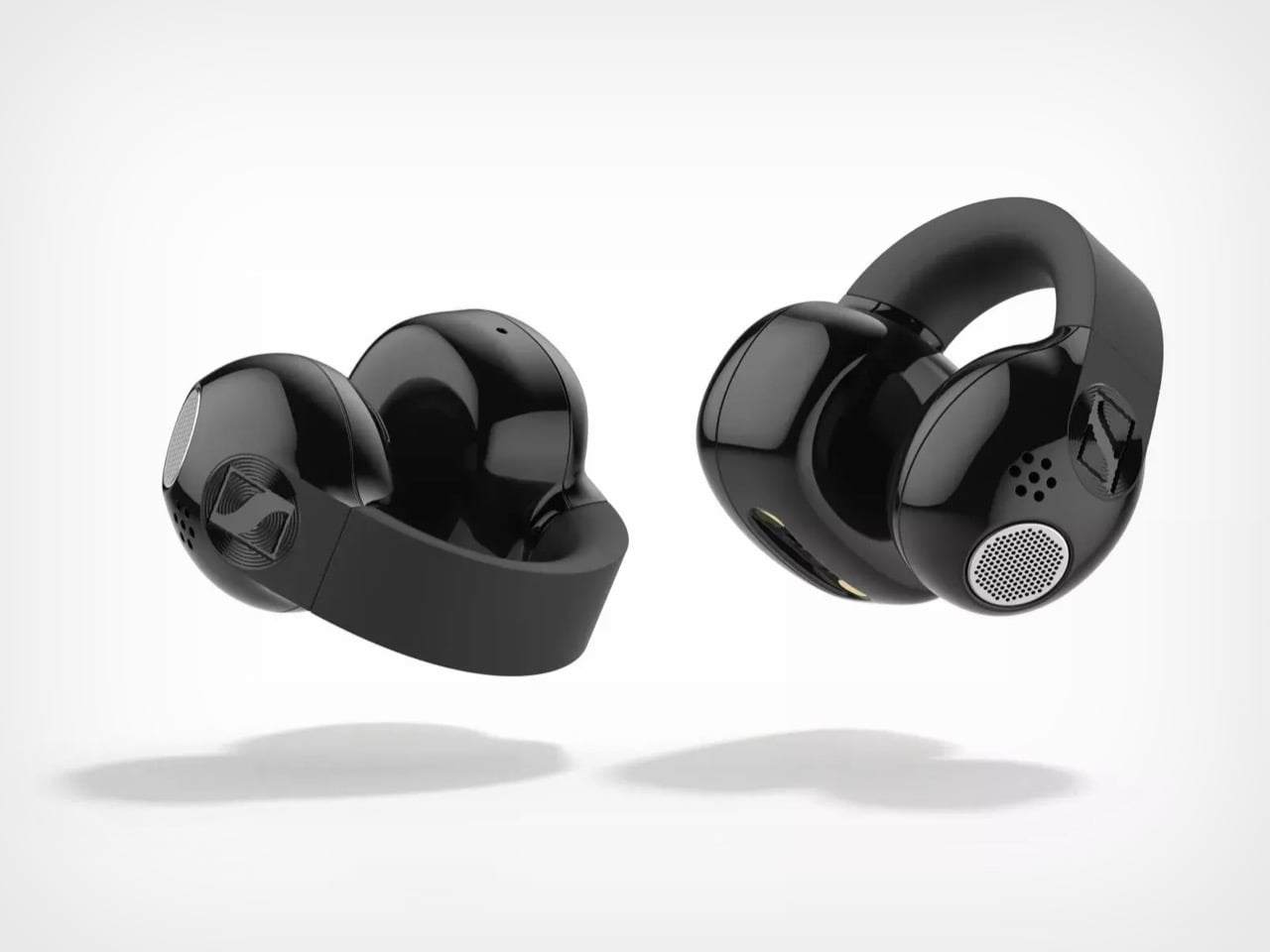
Sennheiser opted for a flexible silicone bridge to connect the driver unit and the battery component, quite like Bose’s offering. At 6.8 grams per bud, the design focuses on a gentle, secure clamping force that distributes weight evenly around the ear’s cartilage. The goal is a “barely there” feeling that encourages leaving them on for hours, which aligns perfectly with the product’s impressive battery life. The IP54 rating for dust and splash resistance makes them durable enough for workouts, even if they are not explicitly marketed as fitness gear.
These engineering choices culminate in a fairly reasonable price tag. At £149 or €179 (around $200 USD), the Accentum Clip is positioned aggressively beneath the Bose Ultra Open, which launched at $299. Sennheiser is not trying to create a new category; it is trying to win the one Bose popularized by being a better value on paper. It is a classic challenger strategy: arrive a little late to the party, but bring a better spec sheet and a more accessible price. For European and Canadian buyers, the choice between the two just became much more interesting.
Which brings us back to that curious launch map. The decision to omit the United States, the world’s largest single market for high-end audio, feels a lot like a symptom of a broader shift in the tech industry. Whether due to the complexities of FCC certification, a desire to test the product in smaller markets first, or the simple fact that the US is becoming a harder place for global brands to operate, the absence is loud.