As digital technologies accelerate daily life, there is a growing cultural shift toward products that encourage slower, more intentional experiences. Designers are responding by creating objects that prioritize emotional comfort, mindfulness, and human connection alongside functional performance. Instead of focusing only on speed or convenience, these products are designed to help individuals engage more deeply with their surroundings.
Through touch, light, sound, nature, and play, emotionally conscious design transforms ordinary routines into meaningful moments. As a result, contemporary product innovation is shaping slow living and supporting emotional well-being in everyday environments.
1. Creating Meaningful Emotional Connections
One of the central goals of emotional product design is to build meaningful connections between users and objects. Stepping beyond passive tools, products are increasingly designed to respond to human interaction in ways that feel personal and reassuring. This responsiveness can create a sense of companionship, especially in environments where people experience stress or isolation.
Through tactile feedback, adaptive materials, and gentle interaction cues, such products encourage users to slow down and engage more mindfully. Over time, these interactions foster emotional attachment and comfort, turning everyday objects into supportive presences within daily life.
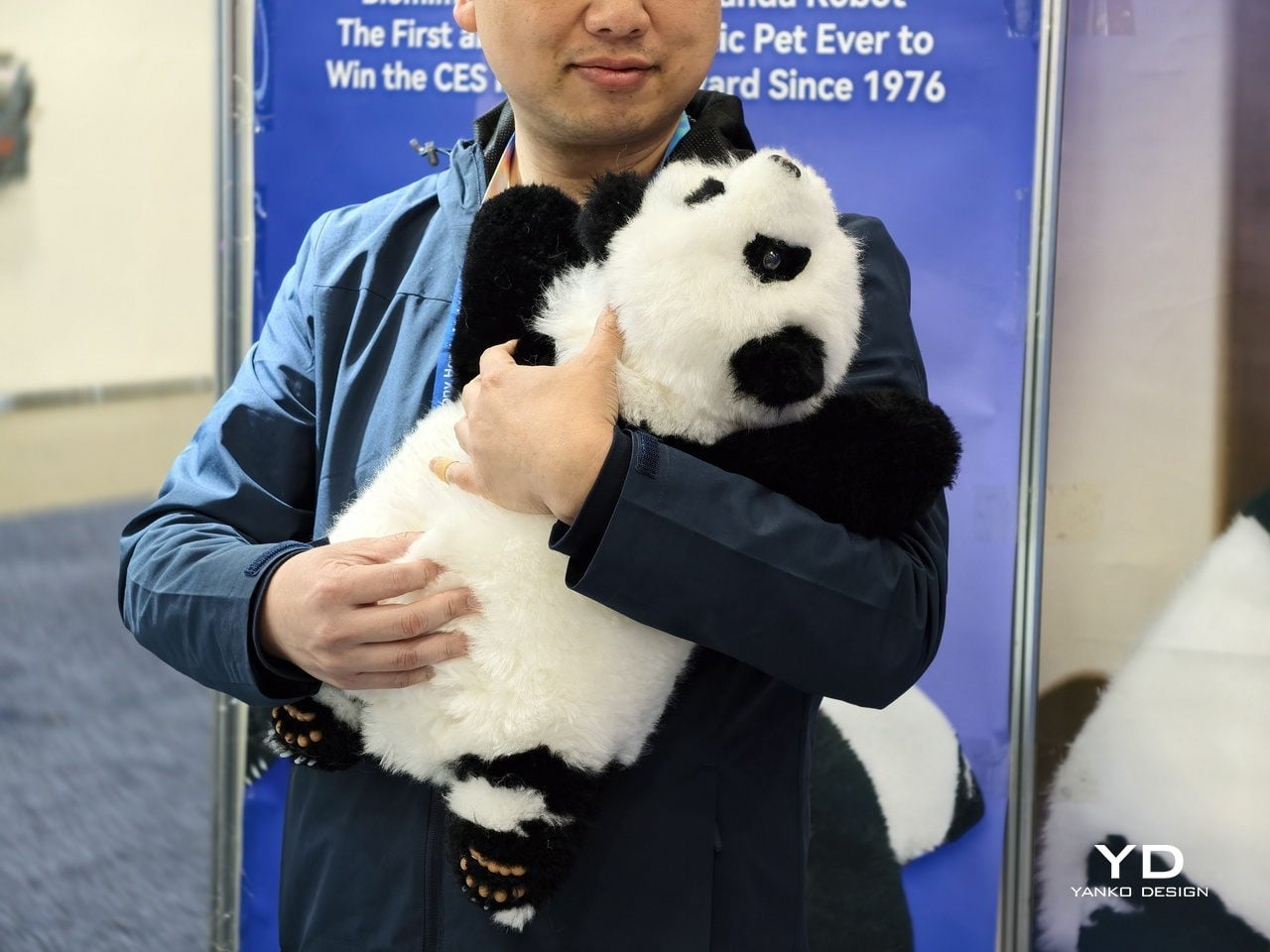
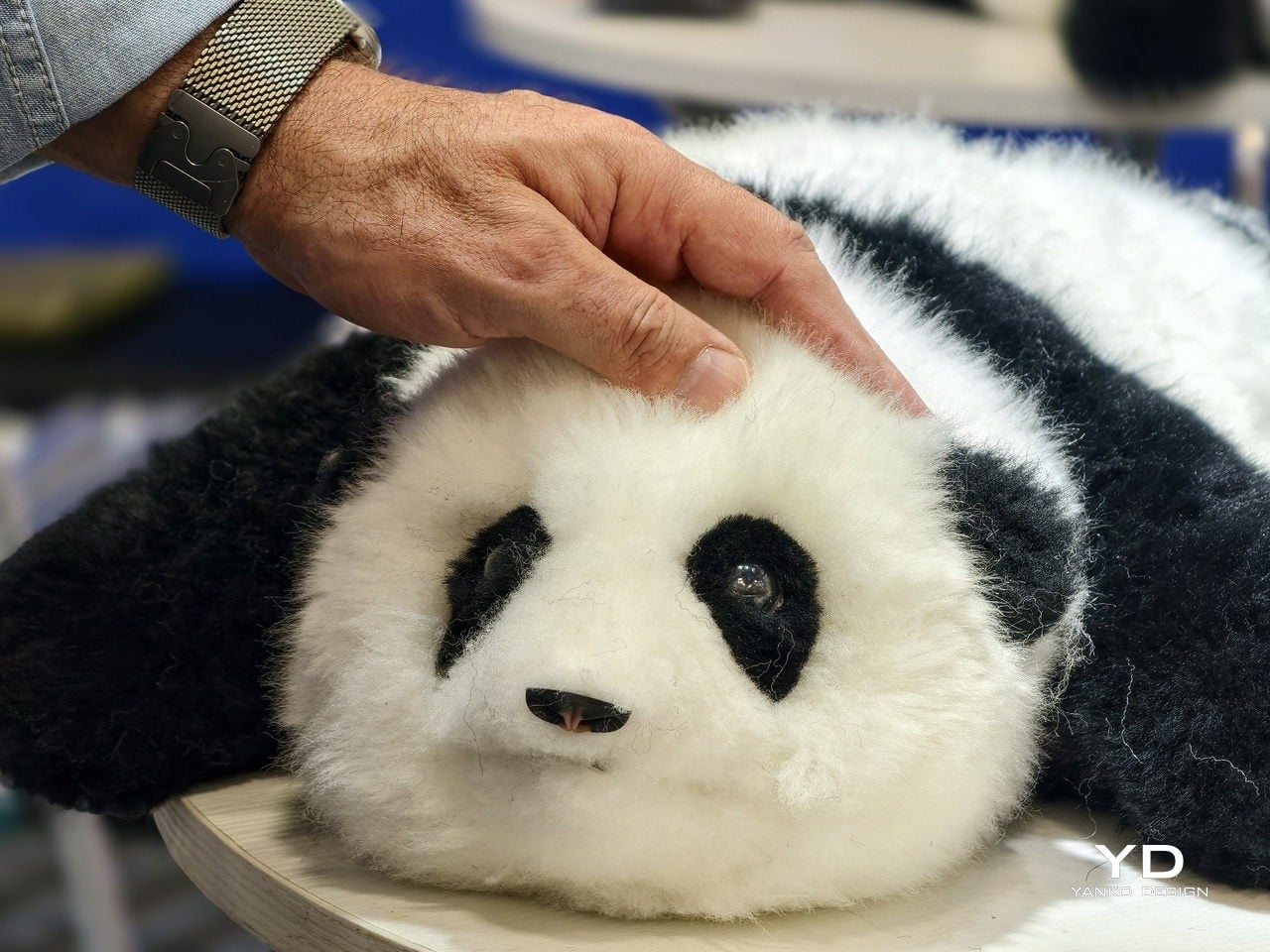
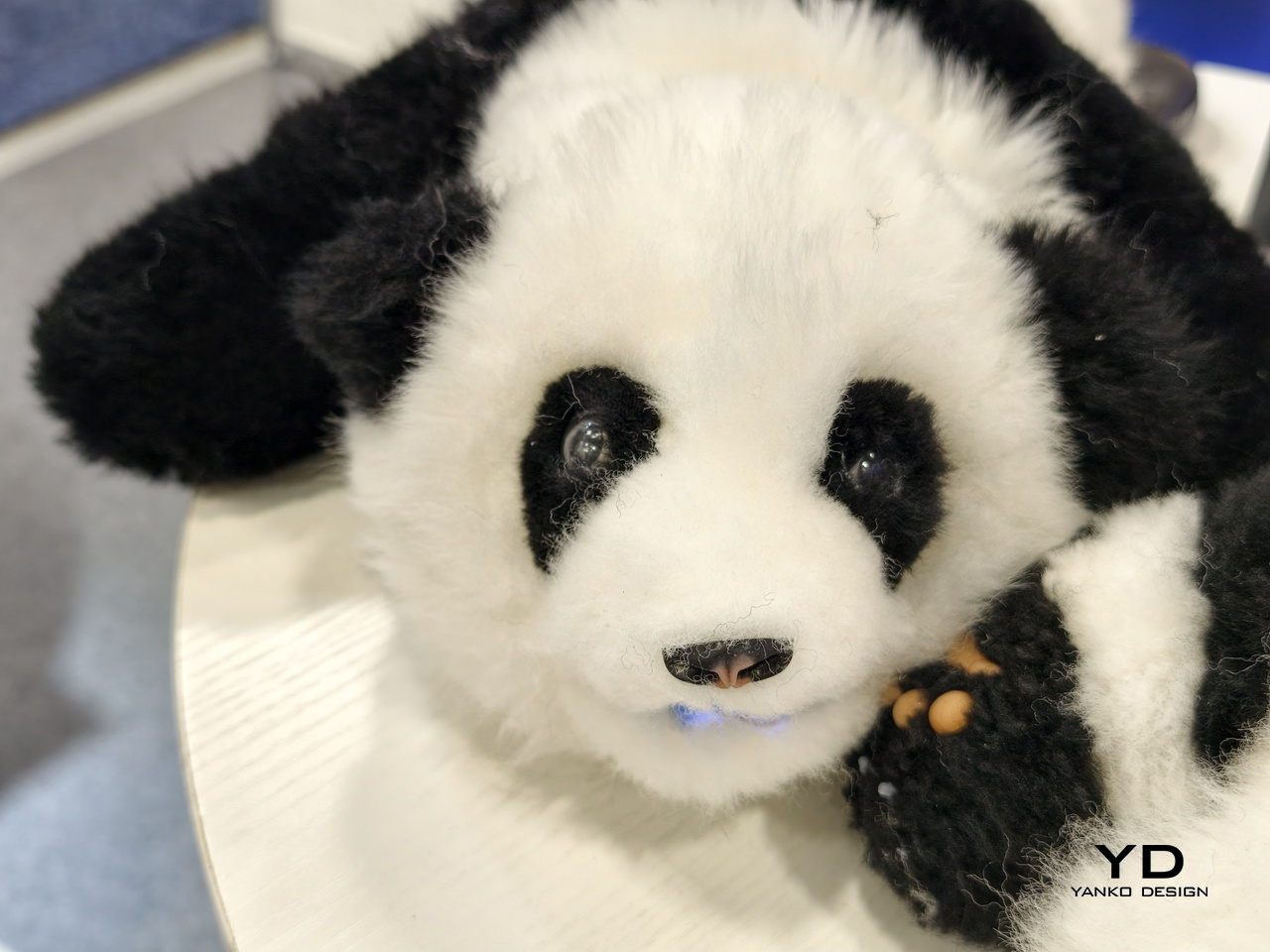
Loneliness often settles quietly into homes where older adults live alone, and daily interaction becomes rare. While video calls and smart speakers offer connection, they remain task-driven, requiring prompts. An’An is designed as a different kind of product: a panda-shaped emotional companion focused on simply being there. Built from Australian wool and sheepskin, it prioritizes tactile warmth and comfort, encouraging touch, holding, and calm interaction.
Its soft biomimetic form avoids clinical aesthetics, allowing it to sit naturally in living spaces without feeling like medical equipment. The intent is to make companionship feel intuitive and stigma-free, so users can reach for it during quiet or difficult moments without hesitation or self-consciousness.
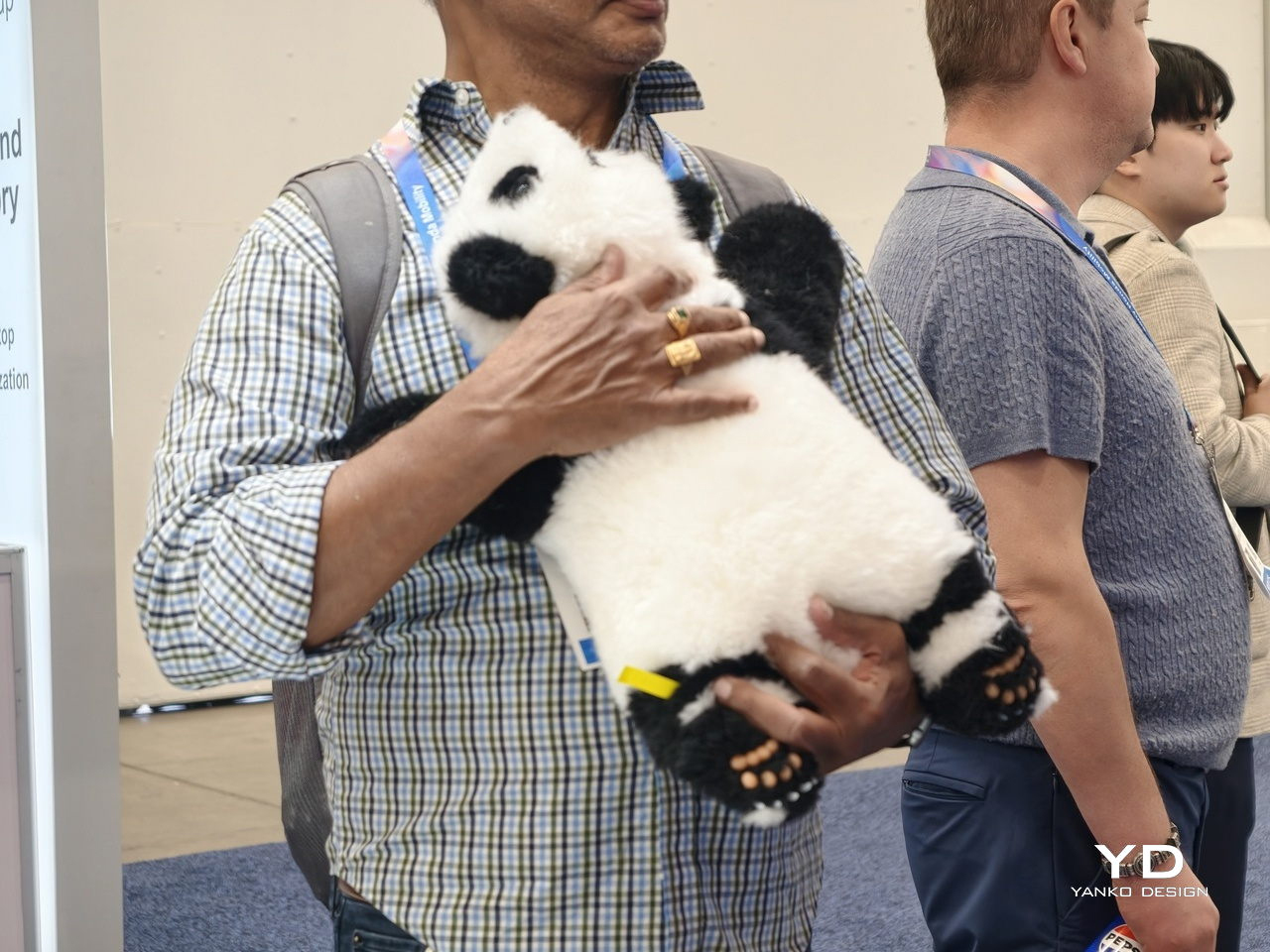
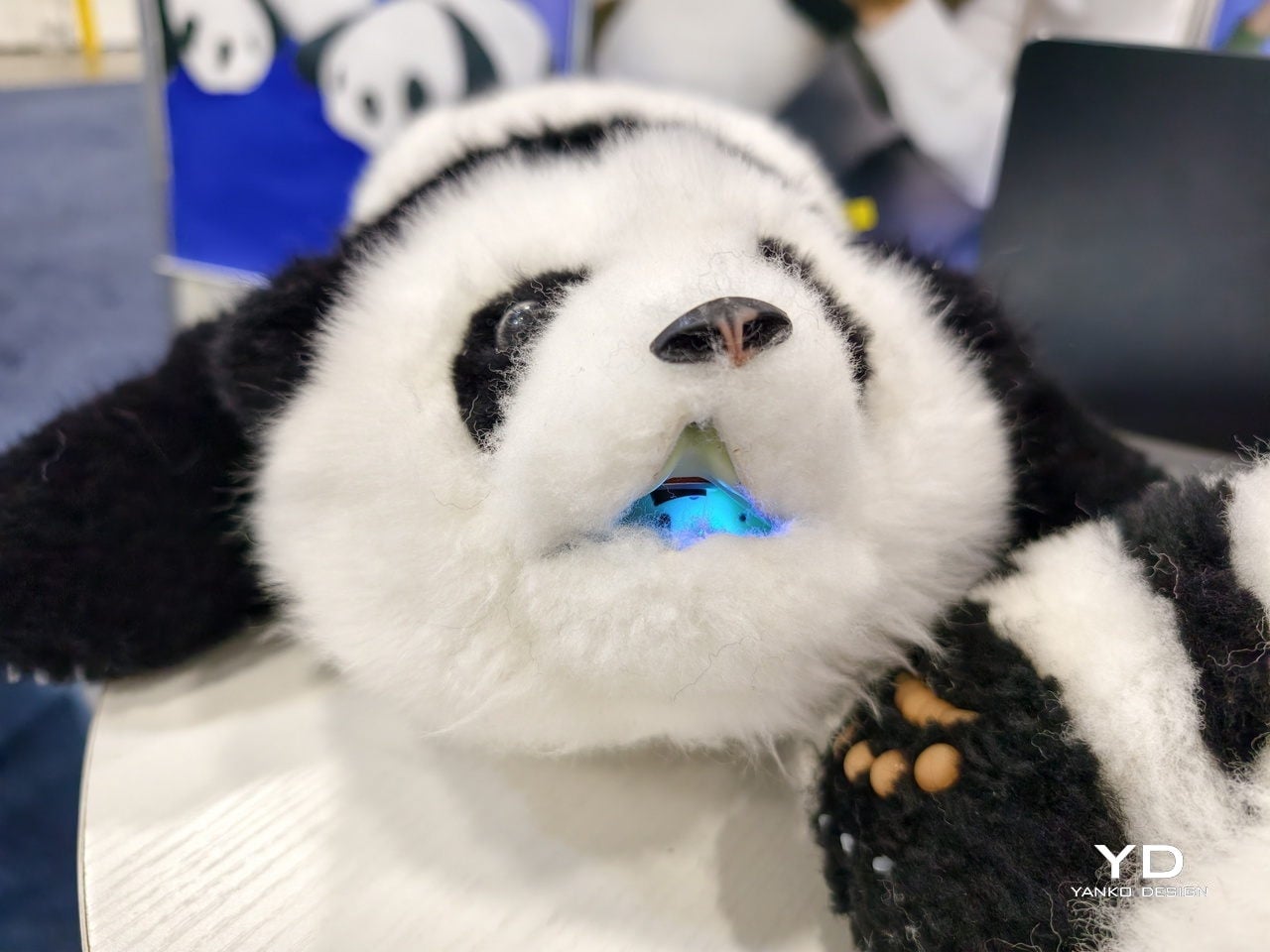

Inside, An’An integrates tactile sensors and affective AI that learns over time. It recognizes touch patterns, responds to voice cues, and builds long-term memory of user habits and moods. This allows it to adapt interactions, initiate gentle engagement, and create a consistent sense of presence rather than scripted responses. With offline capability, rechargeable power, and secure data handling, it functions reliably in everyday environments. Used in homes and care settings, it supports emotional well-being by offering sustained, non-judgmental companionship that evolves gradually, making it feel less like a device and more like a familiar presence.
2. Encouraging Mindfulness Through Everyday Experiences
Mindfulness-oriented design focuses on transforming routine interactions into moments of awareness and presence. Designers achieve this by carefully shaping sensory experiences such as light diffusion, material texture, and environmental responsiveness. These subtle design interventions encourage users to pause, observe, and reconnect with their immediate surroundings.
Such products guide it gently, creating calm and reflective experiences throughout the day. This approach aligns with the principles of slow living, where depth of experience is valued more than speed or efficiency. Everyday objects become tools for grounding and emotional balance.
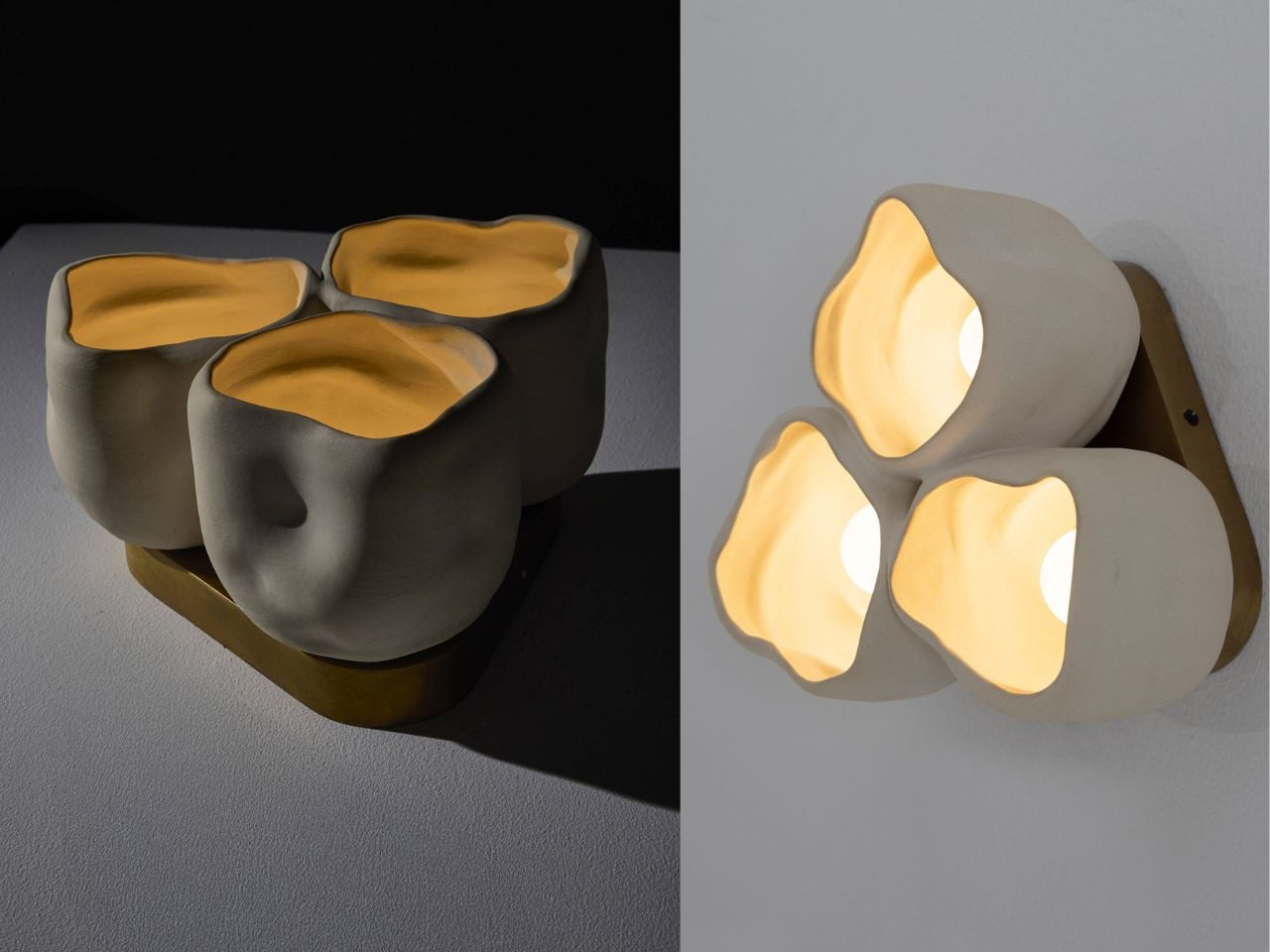
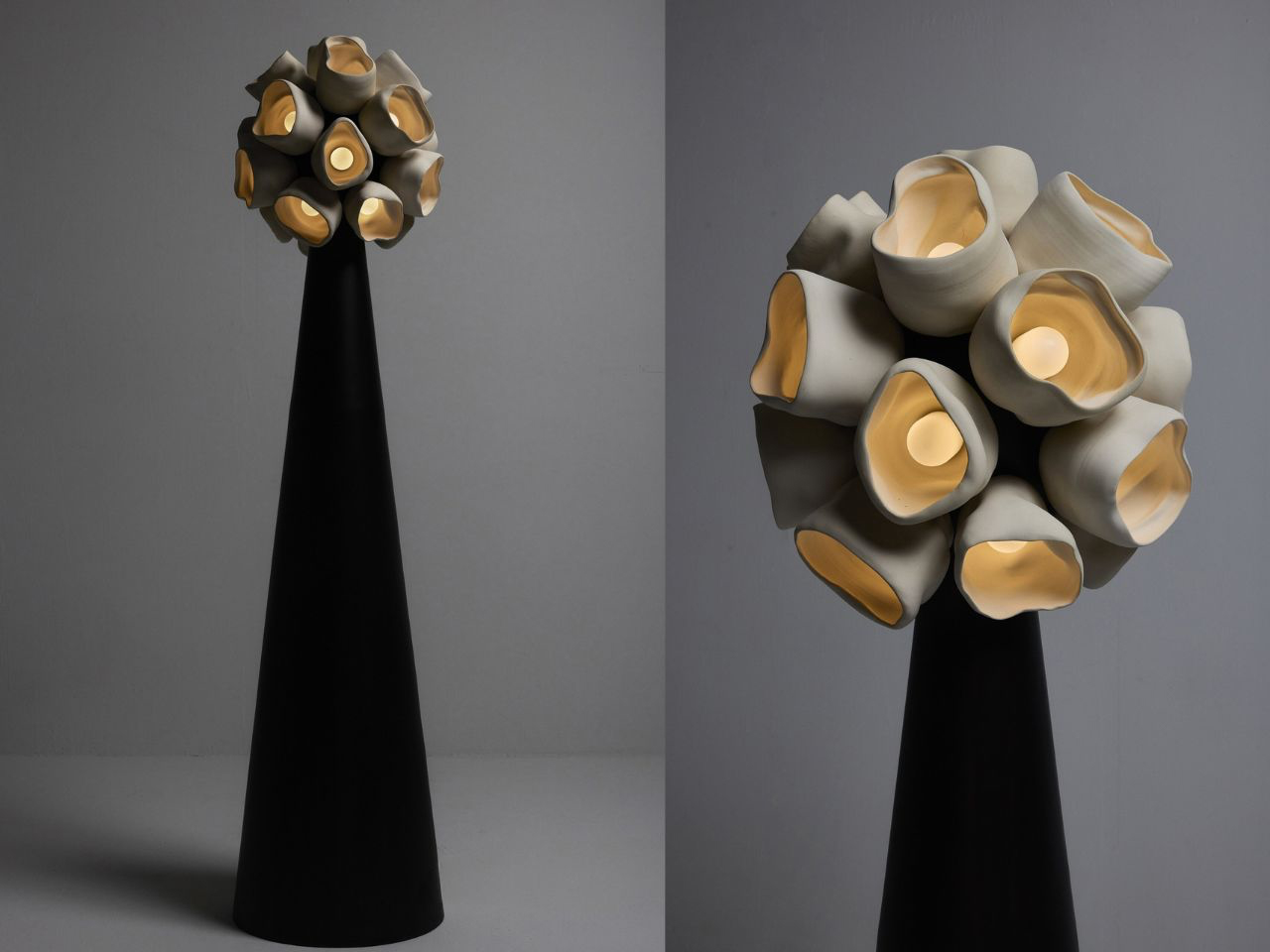
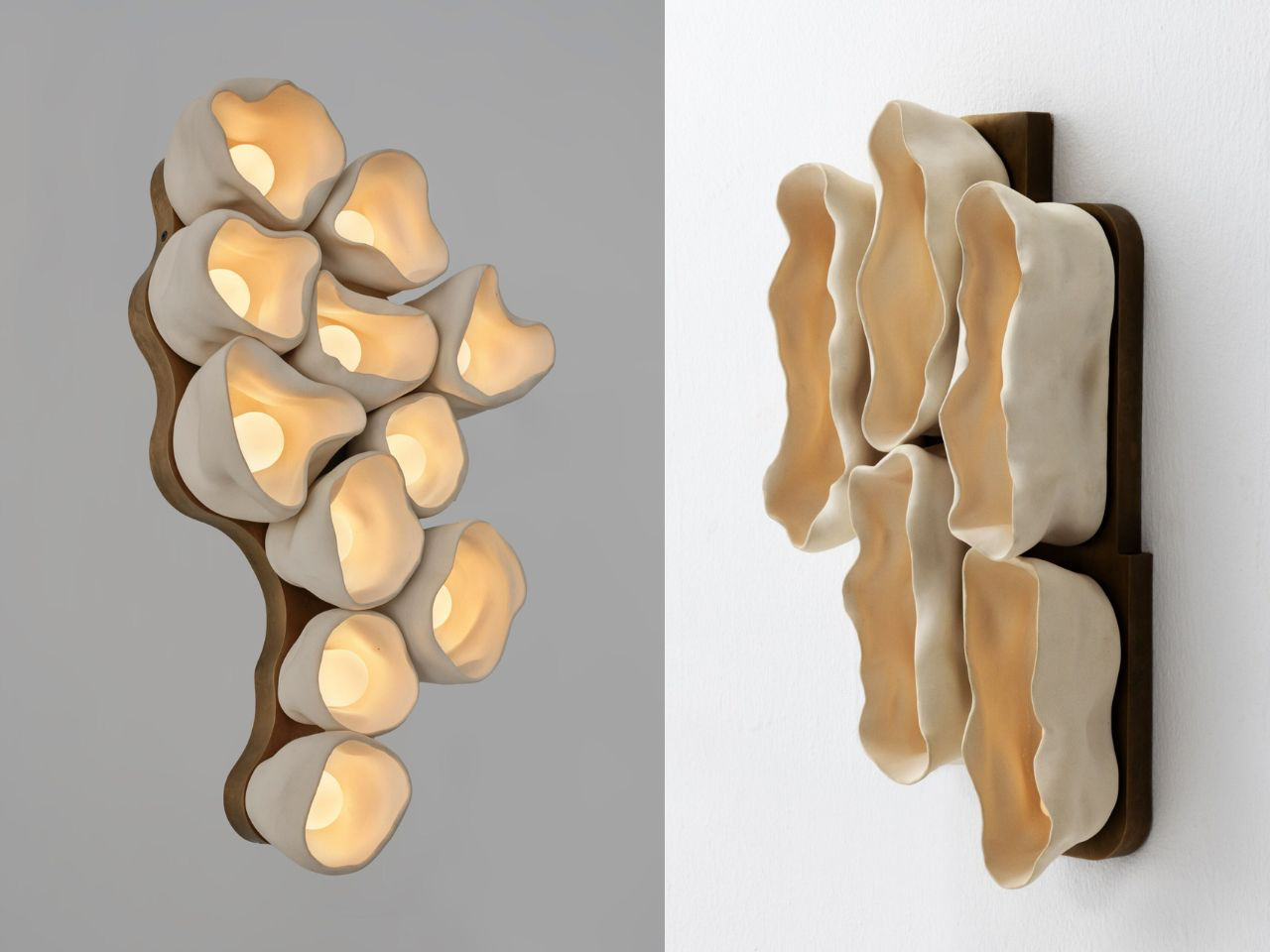
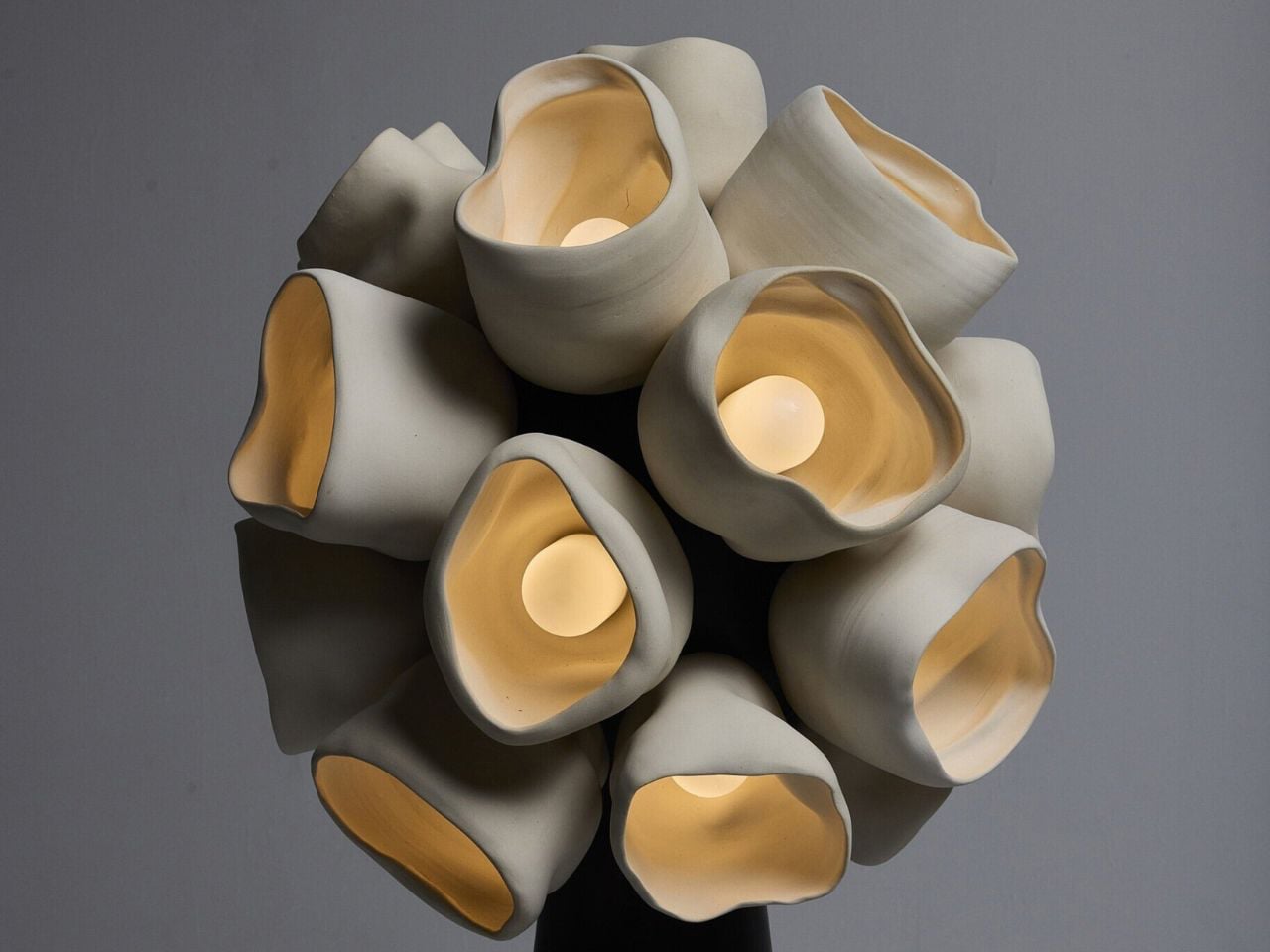
The Vessels collection marks a quieter, more introspective direction for designer Nader Gammas. Known for lighting defined by bold, architectural precision, he shifts here toward softer, organic expression. The forms no longer feel engineered in a strict sense; they feel grown, as if shaped by natural forces rather than controlled design logic. Inspired by cup fungi found close to the ground, the collection translates their clustered growth and rippled edges into lighting objects that feel fluid and calm. Each vessel holds light gently, filtering it through ceramic surfaces that create a slow, atmospheric glow within interior spaces.
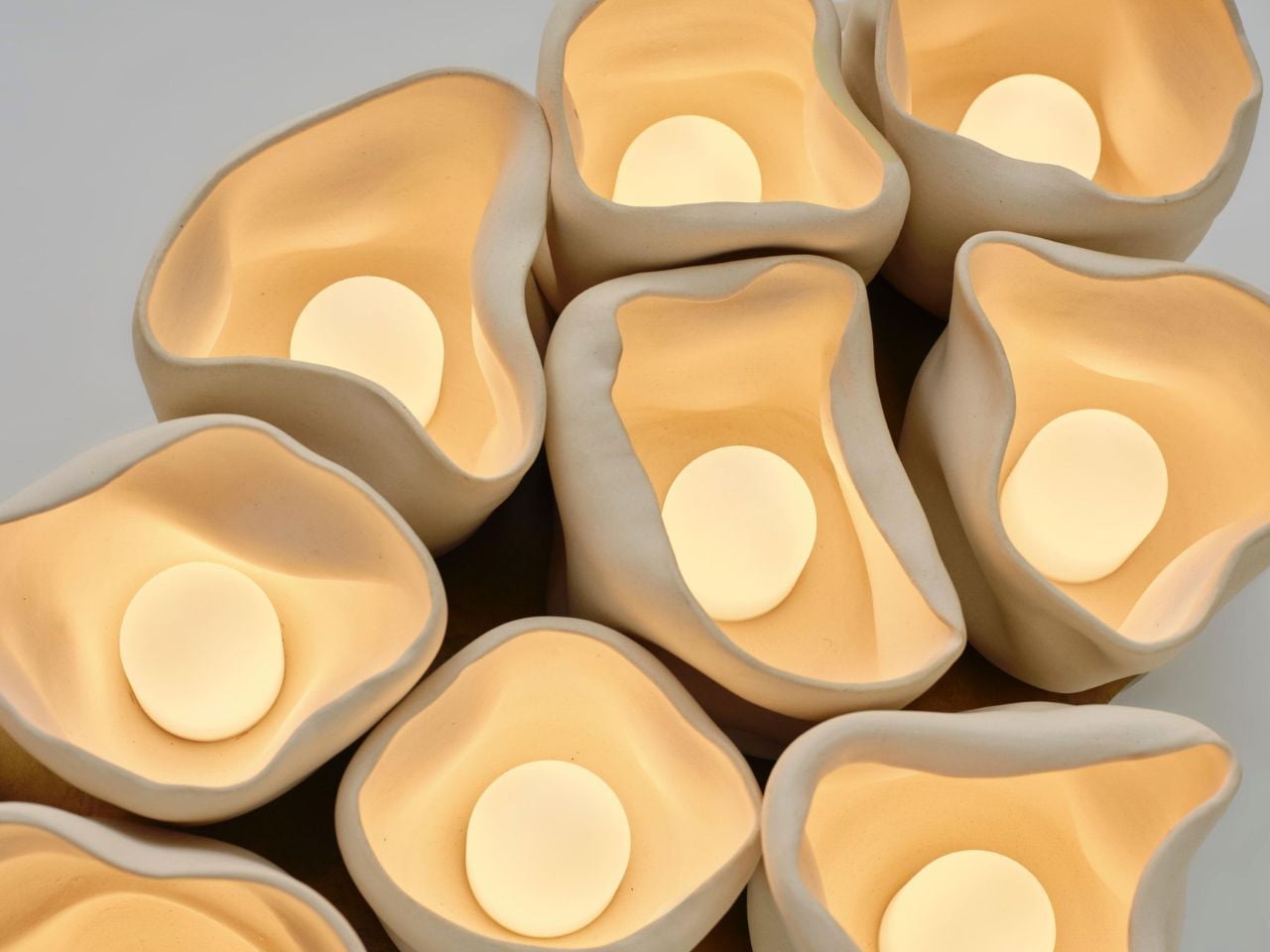
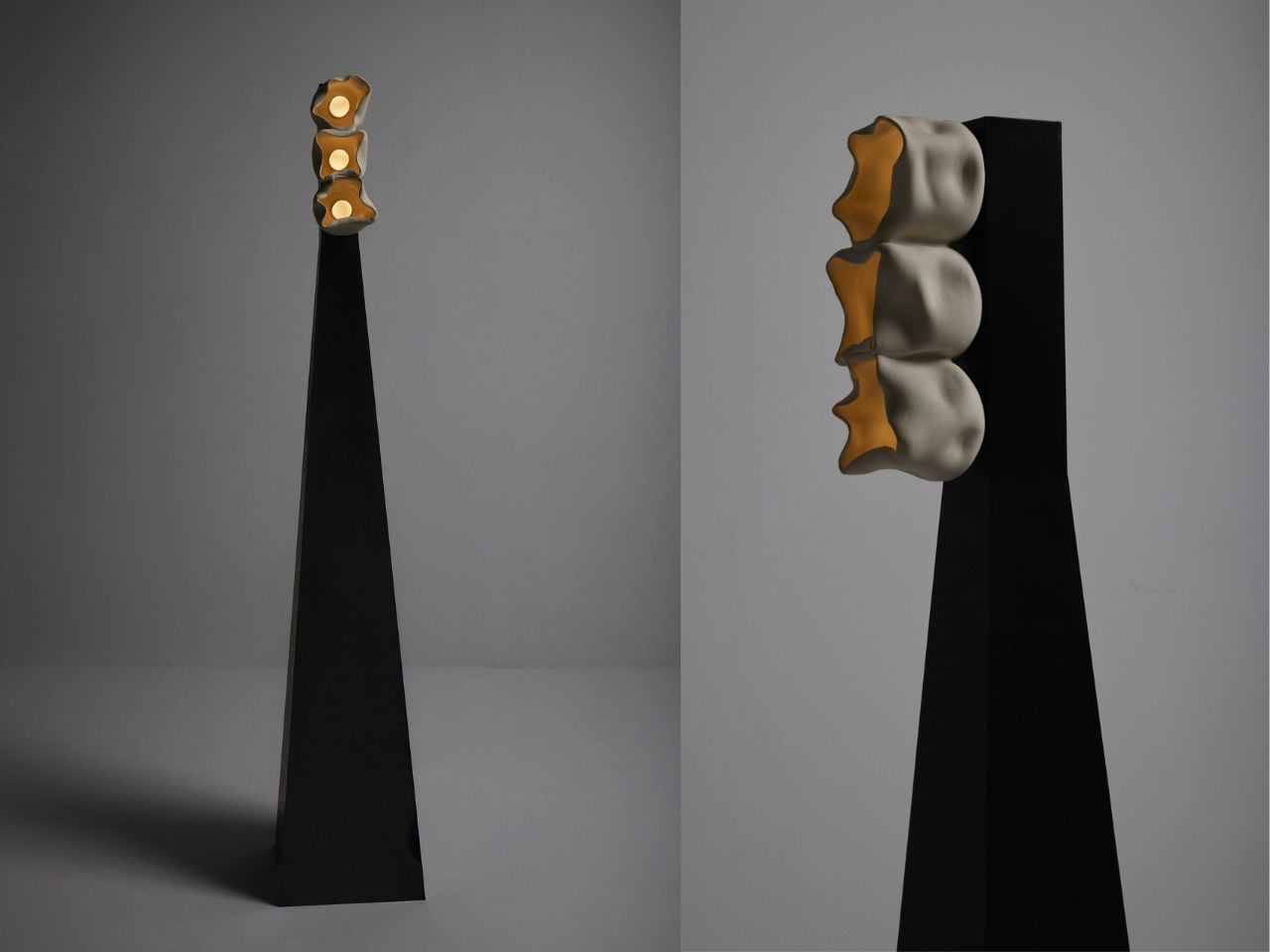
Materiality becomes central to the product experience. Hand-shaped ceramic replaces heavy geometry, offering warmth, variation, and tactile depth in every piece. Brass appears only as a subtle accent, supporting rather than dominating the form. No two vessels are identical, as each is handcrafted without molds, resulting in unique proportions and slight imperfections. This handmade approach makes every light feel individual and present within a space, almost like a living object. Together, they transform illumination into a quiet emotional experience, where light is felt as much as it is seen.
3. Strengthening Human-Nature Relationships
In contemporary urban environments, access to nature is often limited, prompting designers to explore ways of reconnecting people with the natural world. Products in this category aim to make natural systems more visible, interactive, and emotionally engaging. By enabling communication with plants or reflecting ecological rhythms, these designs encourage users to develop a stronger sense of care and responsibility toward living systems.
Such interactions shift nature from being a distant concept to an active presence in daily life. This fosters awareness, patience, and emotional grounding, all of which are central to slow living philosophies.

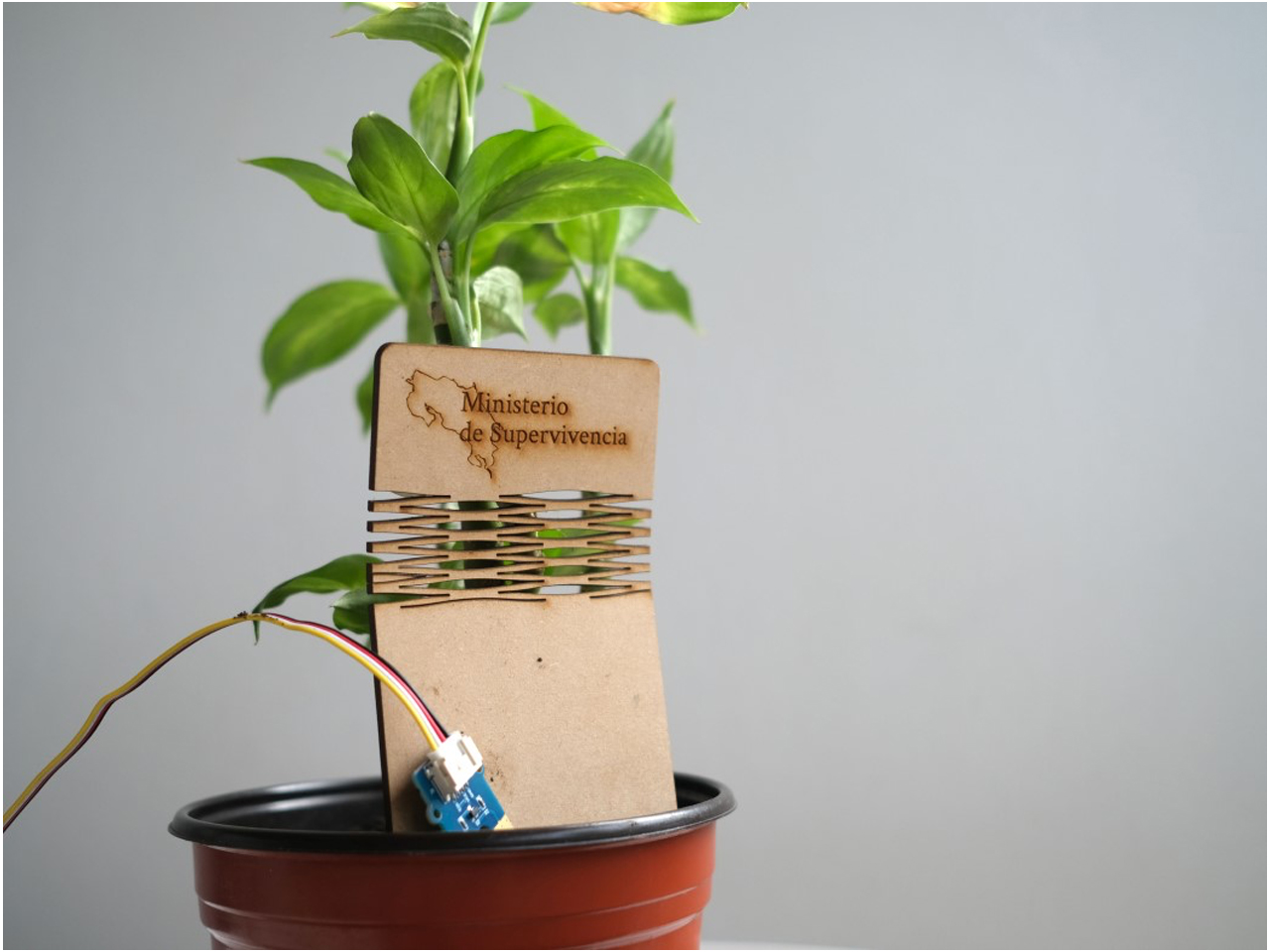
The BioCollar reframes what it means to be a “plant parent” by turning plant care into a responsive, product-driven experience. Designed by students at the Copenhagen Institute of Interaction Design, it addresses a simple gap in everyday gardening: plants cannot communicate their needs in a way humans easily understand. While pets signal hunger or discomfort clearly, plants rely on subtle environmental changes. The BioCollar bridges this divide by pairing a wearable device with a planter-based sensor system, translating plant conditions into direct physical feedback for the wearer.
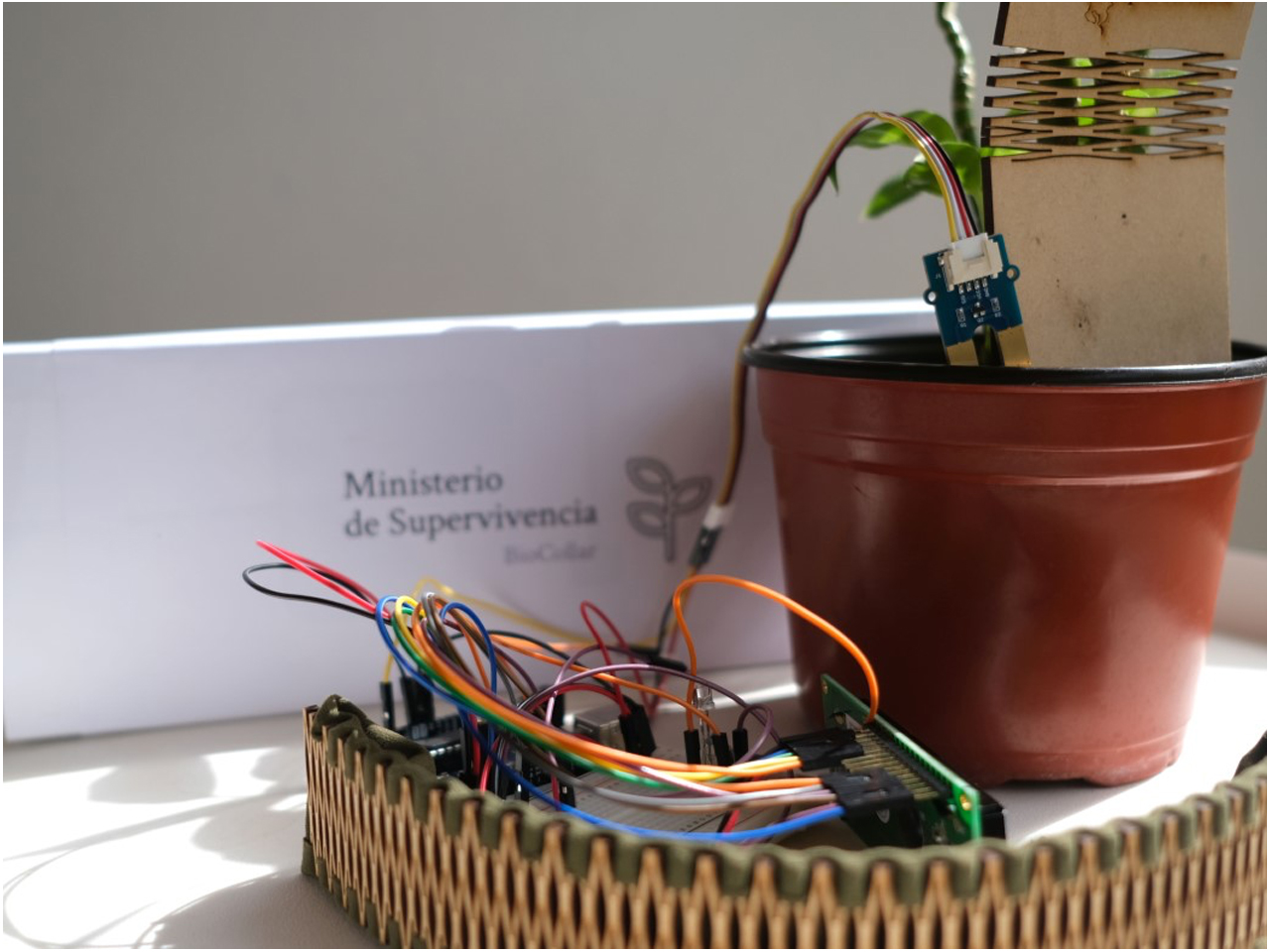
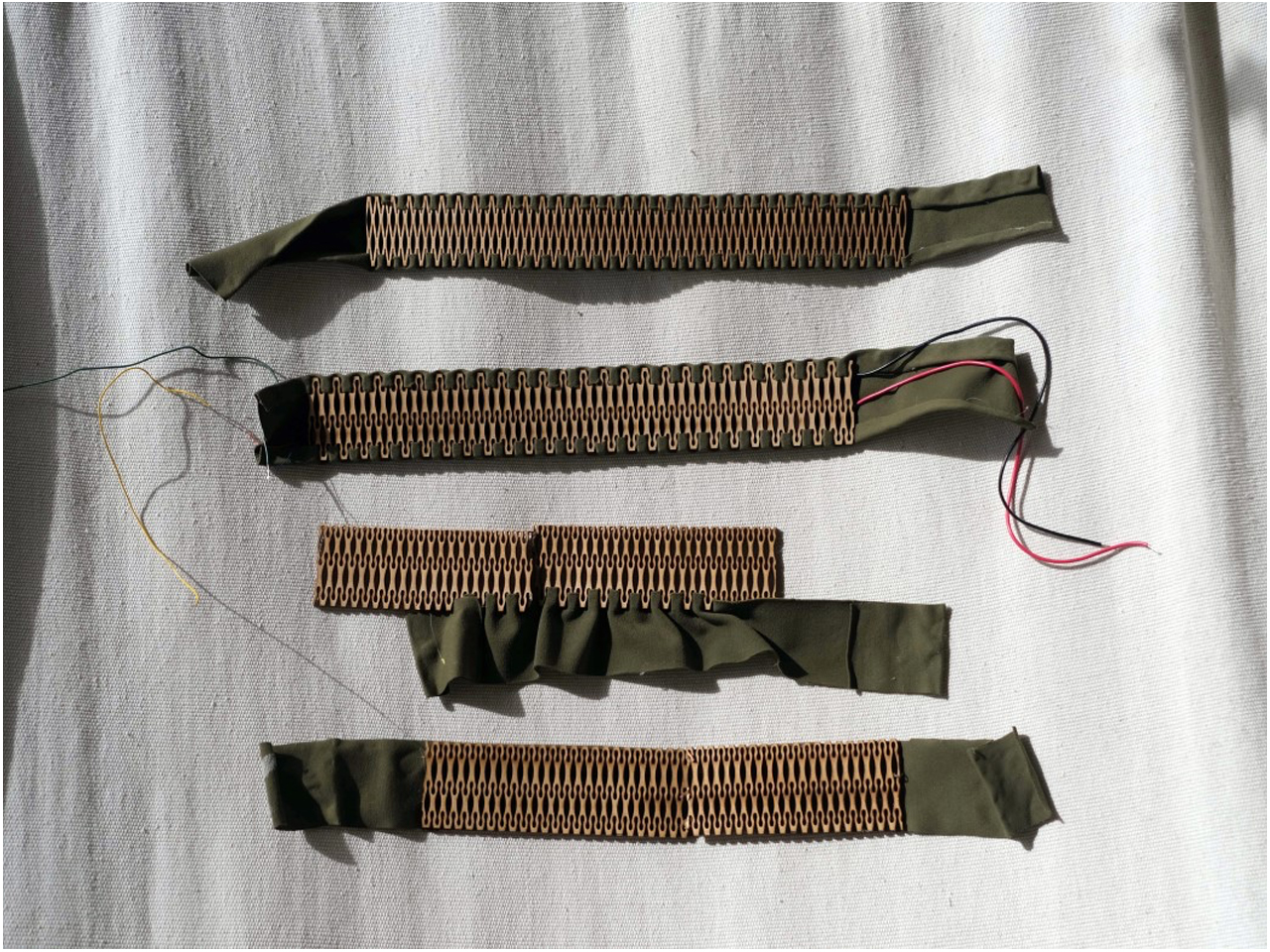
The product works through haptic communication. When a plant needs water, the collar gently tightens; when exposed to excessive sunlight, it warms; and when pests are detected, it vibrates. This transforms invisible plant signals into immediate bodily awareness, encouraging faster and more intuitive care responses. As part of a broader speculative system called BioPermit, the concept explores how empathy-based technologies could shape future caregiving relationships. More than a gadget, the BioCollar positions plant care as an interactive loop between living systems and humans, turning everyday maintenance into a continuous, feedback-driven experience.
4. Designing Calming Rituals for the Home
The home environment plays a significant role in shaping emotional well-being, and designers are increasingly focusing on enhancing domestic rituals. Through the integration of sound, movement, and sensory cues, everyday moments such as entering a home or receiving guests are transformed into calming experiences. These subtle design elements help reduce stress and create a sense of warmth and welcome.
Such products refine simplicity, allowing routines to feel more intentional and soothing. In doing so, they contribute to a home atmosphere that supports rest, emotional stability, and mindful living.
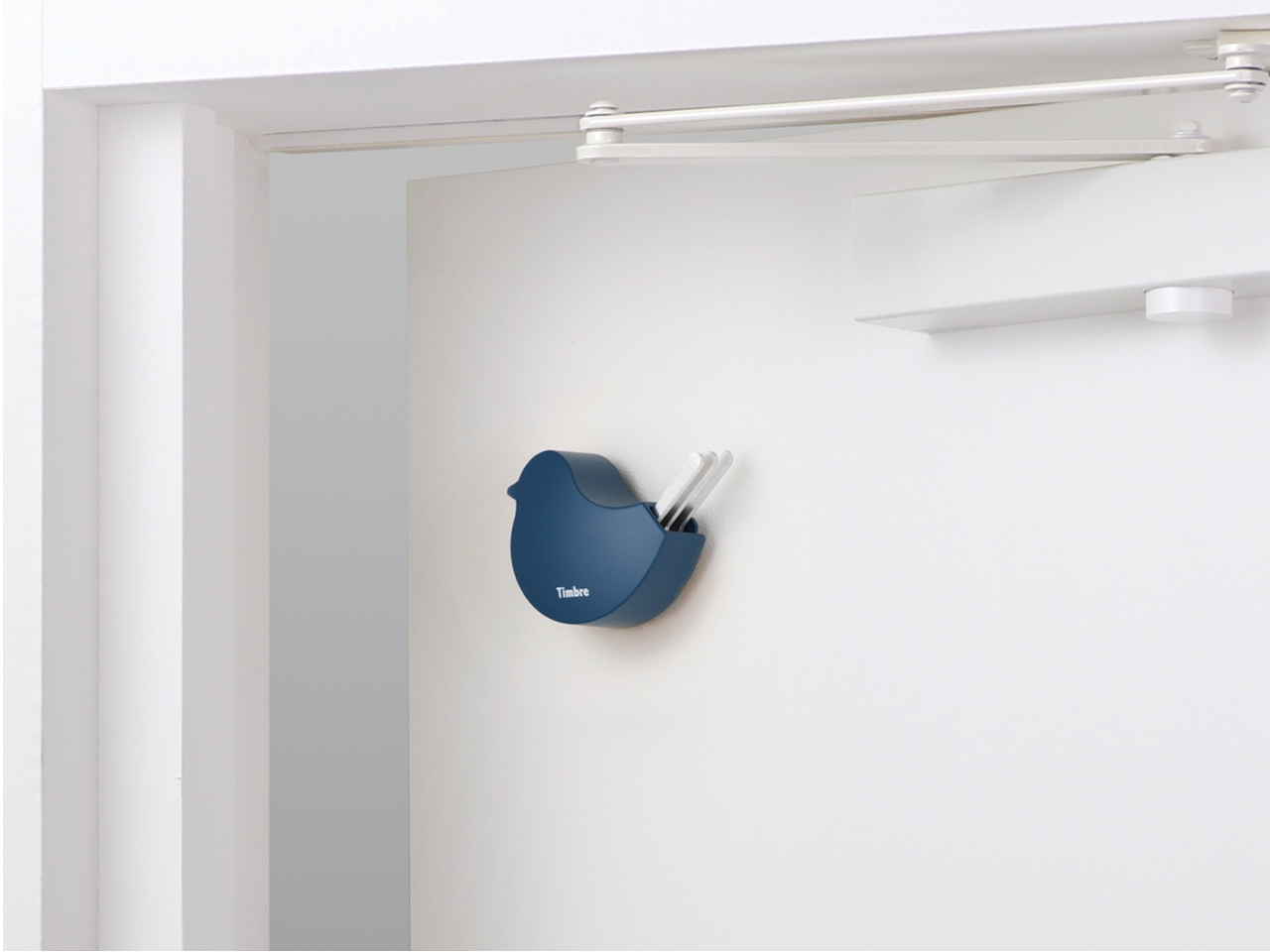
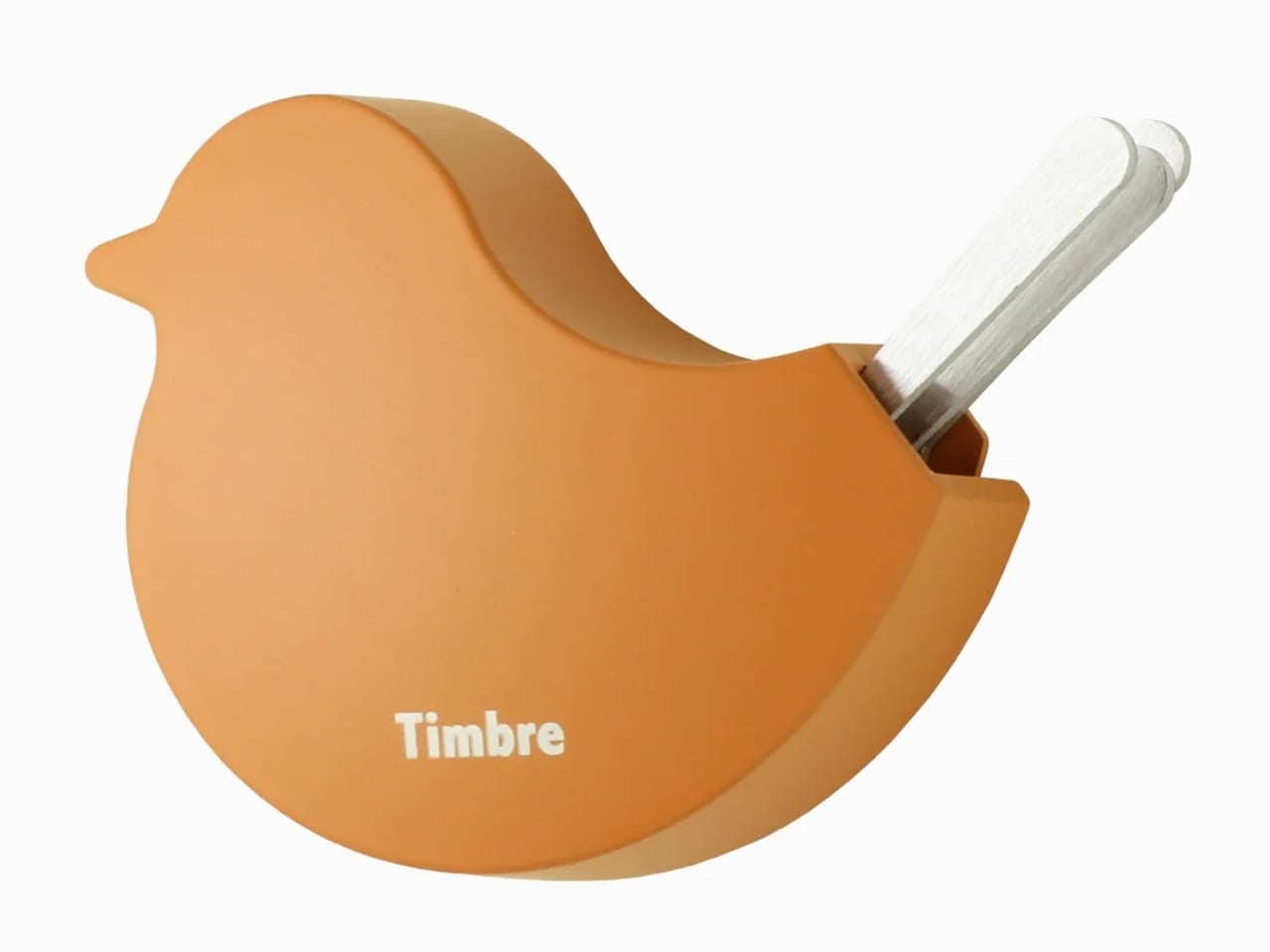
The Tori door chime, designed by Mikiya Kobayashi for Timbre, rethinks a familiar everyday object that usually goes unnoticed until it becomes irritating. Door chimes exist to signal arrival and departure, but many traditional versions rely on harsh metallic strikes or repetitive electronic tones that quickly fade into background noise or even annoyance. Tori reframes this moment as something more considered, turning a functional alert into a gentle sensory experience that people might actually enjoy hearing.
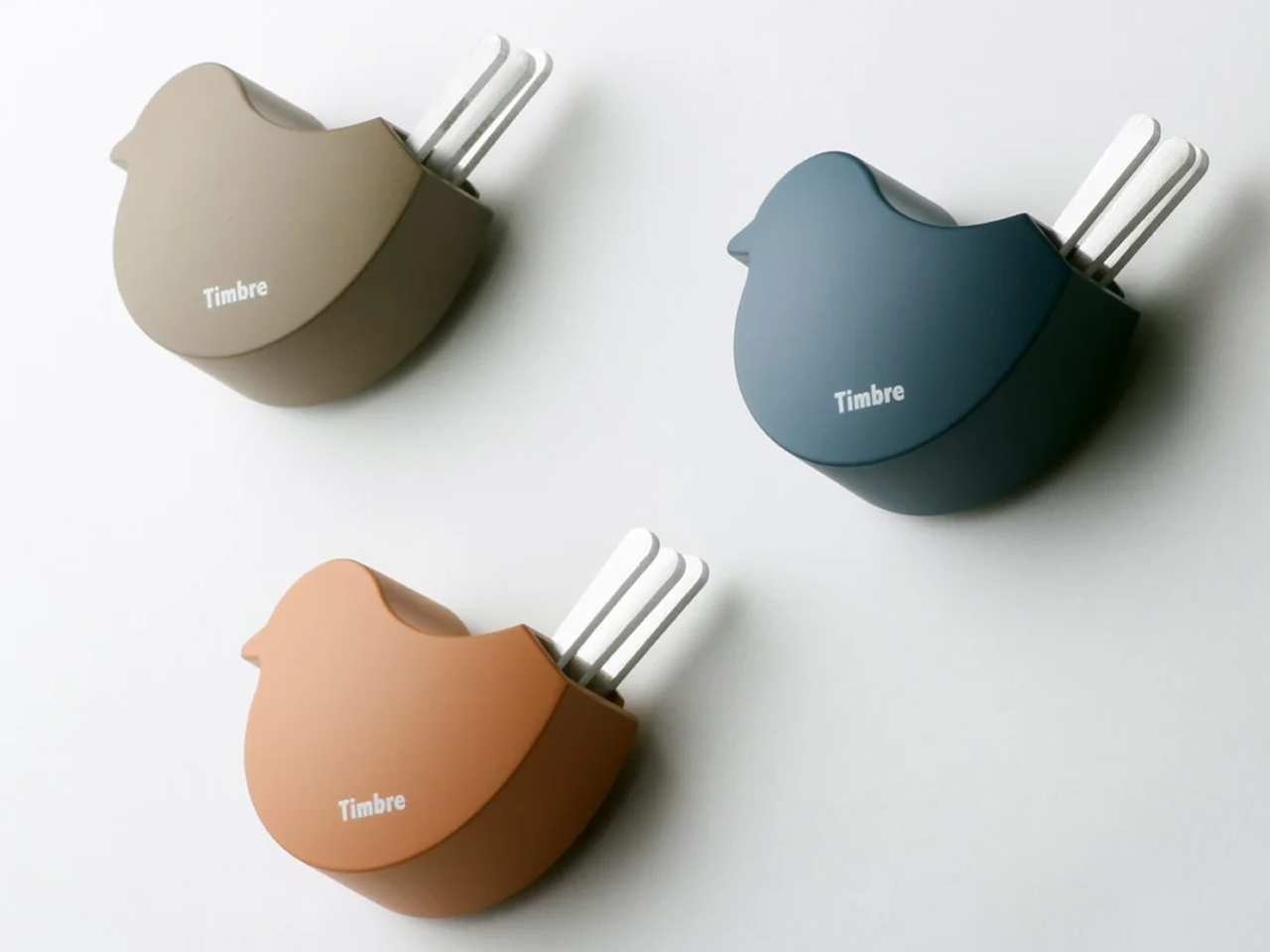
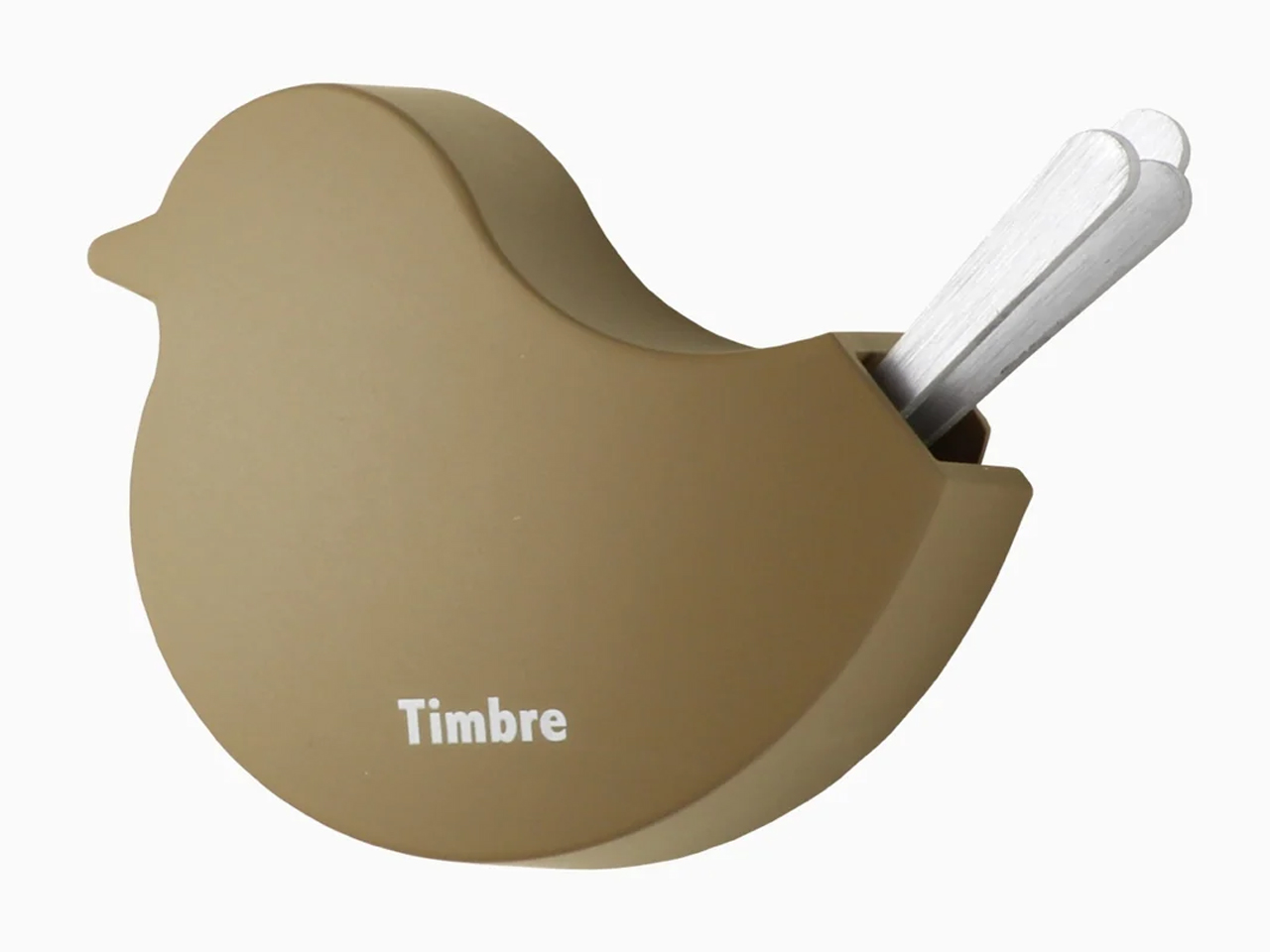
Shaped like a small bird, Tori uses a simple mechanical system where movement activates its metallic tail feathers, producing soft, naturalistic sounds inspired by birdsong. Instead of sharp or intrusive tones, the chime creates calm, airy chirps that feel closer to nature than to machinery. Its die-cast zinc body adds durability while maintaining a playful, sculptural presence near the door, making it visible rather than hidden away. In everyday use, the product transforms a routine moment like opening or closing a door into a brief pause of calm, where sound supports mood instead of disrupting it.
5. Supporting Emotional Intelligence Through Play
Play-based design is being increasingly used as a medium for emotional learning and expression. Interactive games and tools are designed to help individuals explore feelings, build empathy, and improve communication in an accessible and engaging way. These experiences translate abstract emotional concepts into tangible interactions, making them easier to understand and process.
By encouraging reflection and dialogue, such products support emotional intelligence across different age groups. This approach aligns with slow living by prioritizing meaningful engagement over passive consumption, allowing users to grow emotionally through structured yet enjoyable experiences.
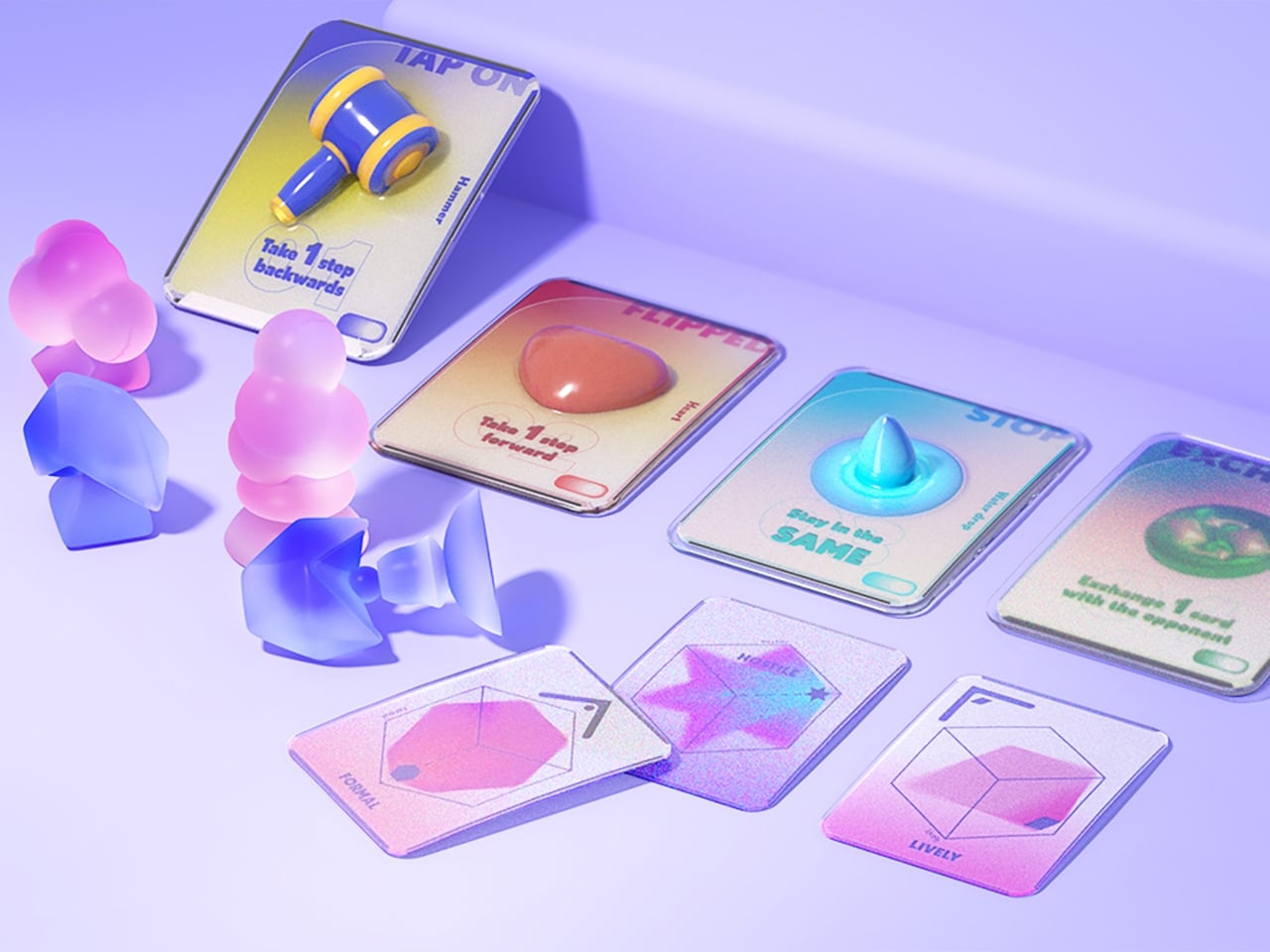
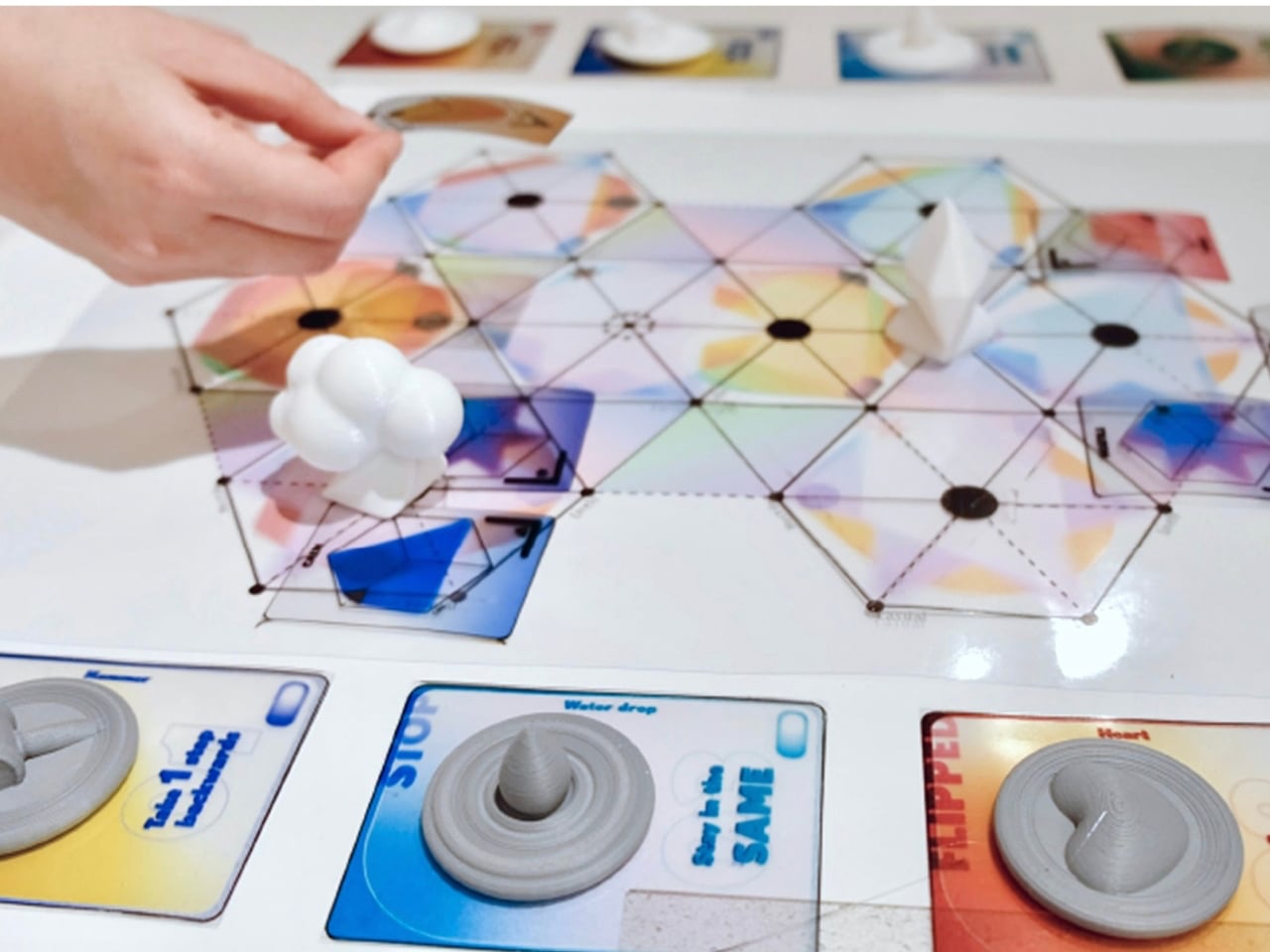
EMO+, designed by Jeni Huang, is a board game that turns emotional expression into a shared, tactile experience. It begins from a simple problem, as people often struggle to name what they feel, and that gap leads to misunderstanding in families, friendships, and relationships. Originally developed as a support tool for adults on the autism spectrum, the product has expanded into a broader emotional communication system for anyone who finds verbal expression limiting or overwhelming.
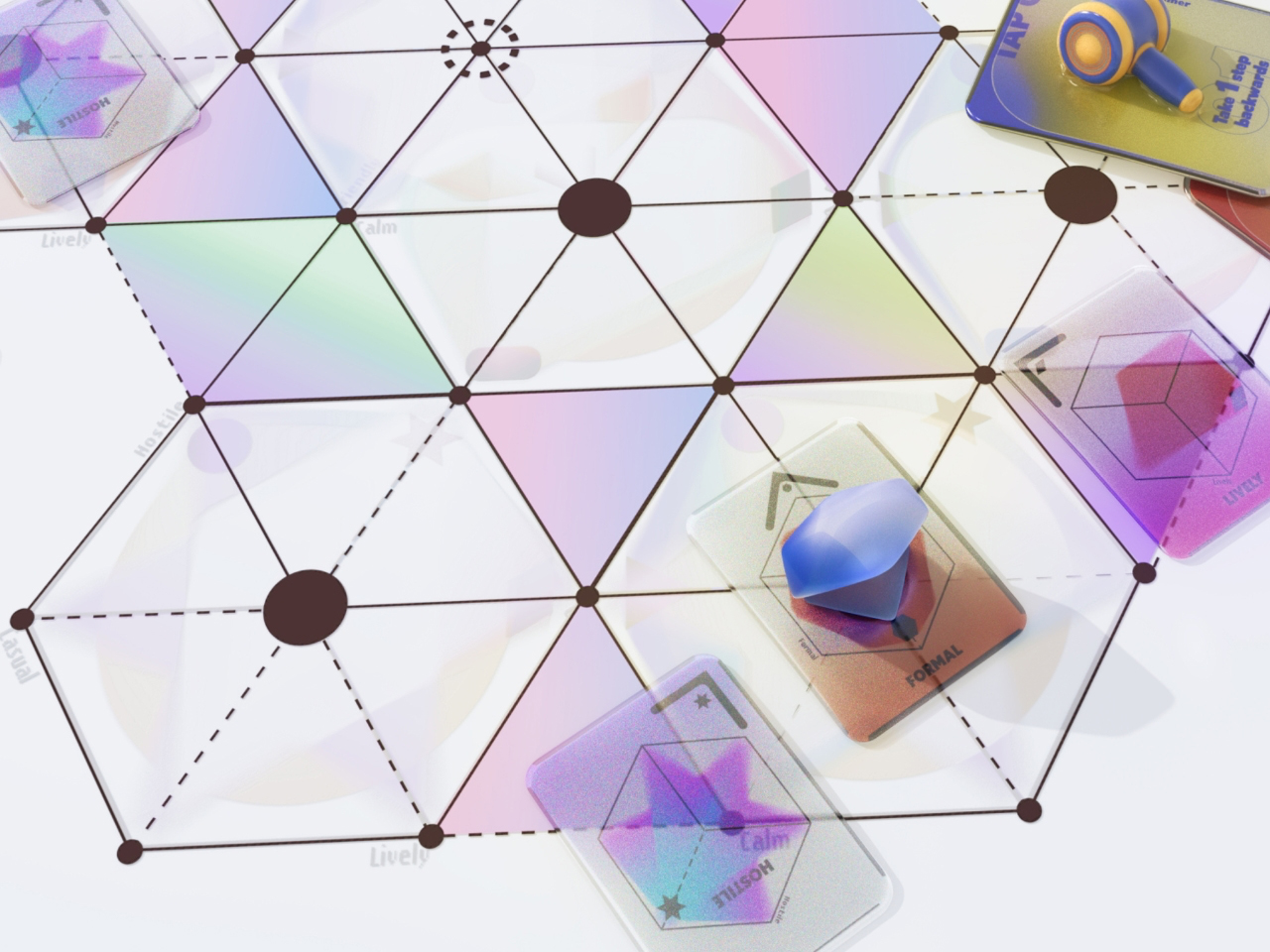
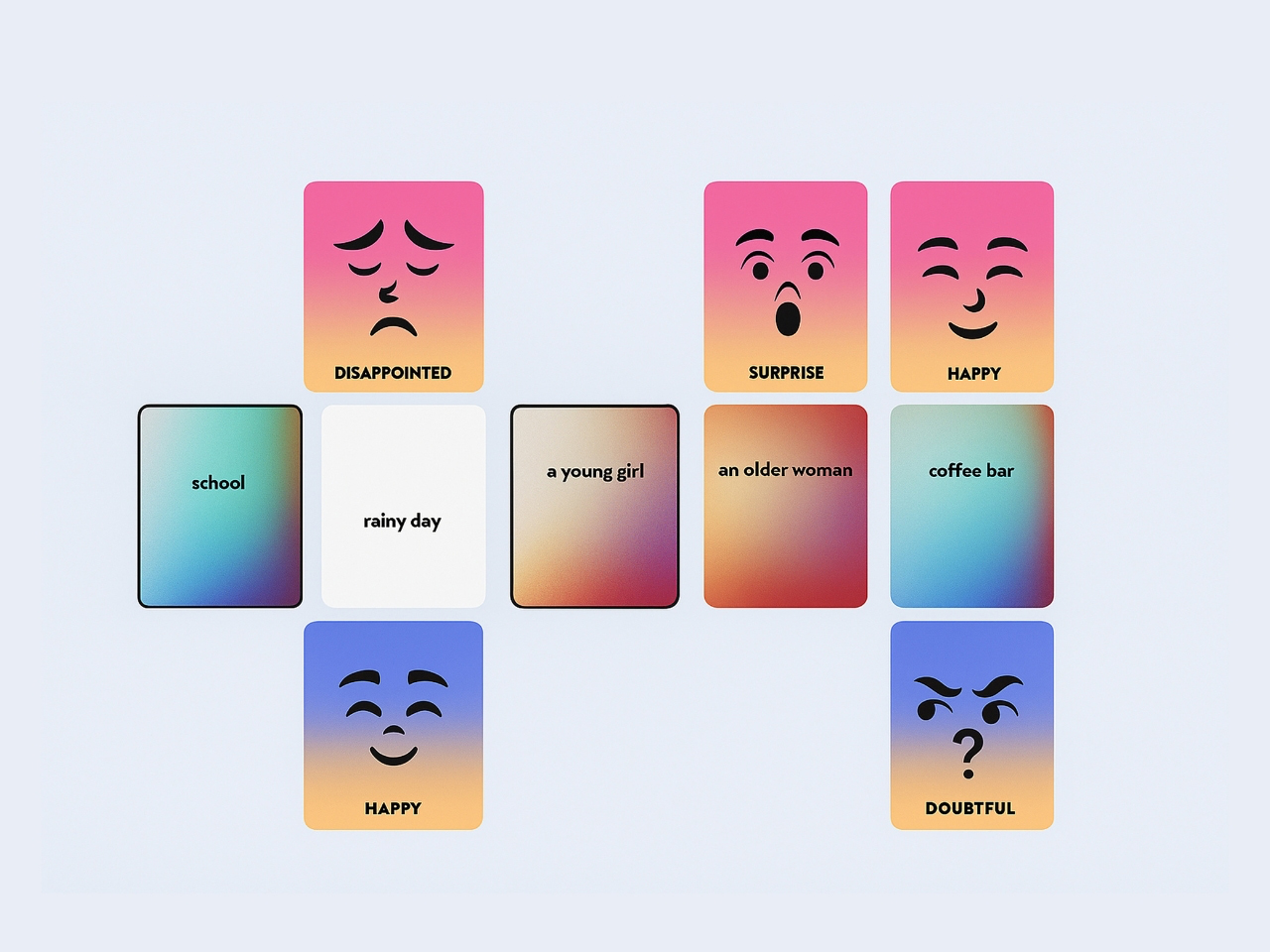
The game is built around soft, approachable design elements like pastel cards, tactile pieces, and a calming board that avoids any clinical feeling. Players use emotion cards and scenario prompts to interpret feelings, then gradually move into real-life situations where they map emotions across structured axes like calm–lively or friendly–hostile. Instead of competition, EMO+ encourages shared exploration through movement-based decisions that help players physically represent emotional distance and connection. By translating feelings into visual, spatial, and playful interactions, the product creates a safe framework for understanding others, making difficult emotions easier to approach without pressure or conflict.
Design focused on emotional comfort and slow living reflects a broader shift toward human-centered innovation. By integrating empathy, mindfulness, and sensory awareness, these products help transform everyday life into a more thoughtful and emotionally balanced experience.