When Jobs pitched the iTunes Music Store to studio execs, he pointed at Napster as the model. Napster won because it was easy, so Jobs set out to build something just as easy that was also legal. The result was a marketplace for individual tracks, or ‘singles,’ which pretty much rewired the audio business, and the iPod (already on shelves since 2001) became the pocket for it. More than two decades later, the iPod is making a comeback. Sure, the retro wave is real, and a new generation wants music without TikTok notifications, but that same crowd also wants to live through an era when music could be owned, stored, and played offline.
The catch is that an iPod plays audio just fine (if you can find a working one), but it can’t talk to Apple’s own AirPods. Sprout, a new replacement motherboard from London studio Certain Things, fixes that for the iPod 3rd generation, 4th generation, and iPod mini, and AirPods bring their noise cancellation with them. The case, screen, and wheel stay exactly as Apple made them, while USB-C charging, Wi-Fi, and a microSD slot for up to 2TB join the party. That 2TB works out to roughly 500,000 songs, which is a lot of owning. A Crowd Supply campaign is coming, with pricing still TBA.
Designer: Certain Things
Same Body, New Brain, Zero Soldering
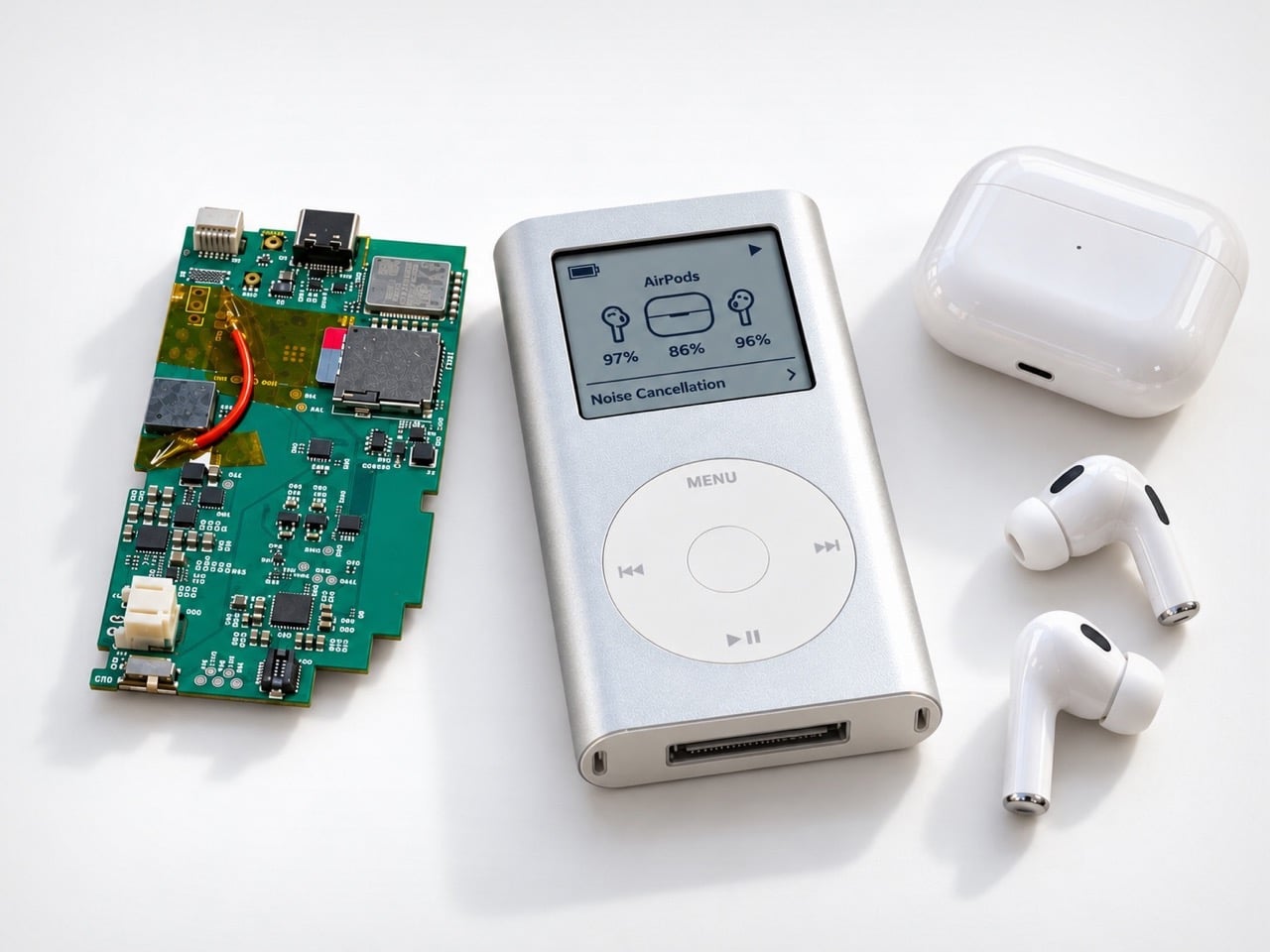
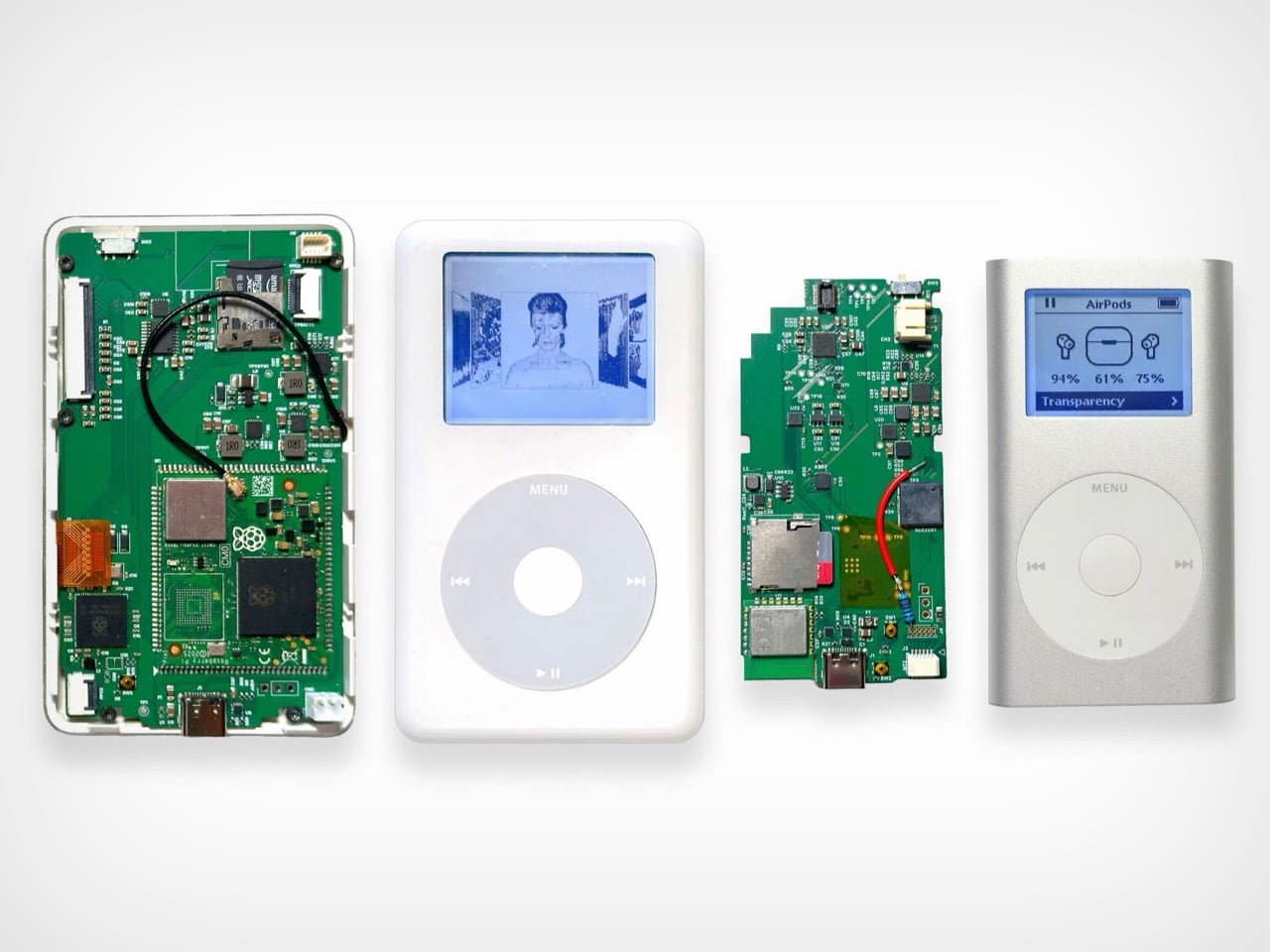
Sprout’s board is cut to the shape of Apple’s original, a flex that tells you how much homework went into this. It measures 2.19 x 3.86 x 0.06 inches (55.5 x 98.0 x 1.6mm) on the 3rd and 4th generation, and the mini board is even slimmer. You open the iPod with a screwdriver and a plastic pry tool, lift out the old board, and reconnect the original ribbon cables to the new one. The monochrome LCD is driven natively, so the screen looks like it always did, chunky pixels included. Installed, the whole thing weighs less than the original iPod, which is a sentence nobody expects to write about a mod.
Zac Builds soldered a generic Bluetooth transmitter into an iPod Video’s headphone circuit, which works but asks for steady hands and a tolerance for tiny wires. Boxy Pixel’s kit needs hardly any soldering and keeps Apple’s motherboard in play, but its machined aluminum shell with glass panels costs $155 plus $13 for buttons and switches. The finished iPod also comes out chunkier than the original, which is a fair trade for haptic feedback and wireless charging but a hard sell for purists. Sprout takes the invisible route, where the iPod looks untouched and only the internals know what happened. For anyone who loved how these things looked in the early 2000s, that keeps the nostalgia fully intact.
Bluetooth, a Proper DAC, and Two Flavors of Sprout
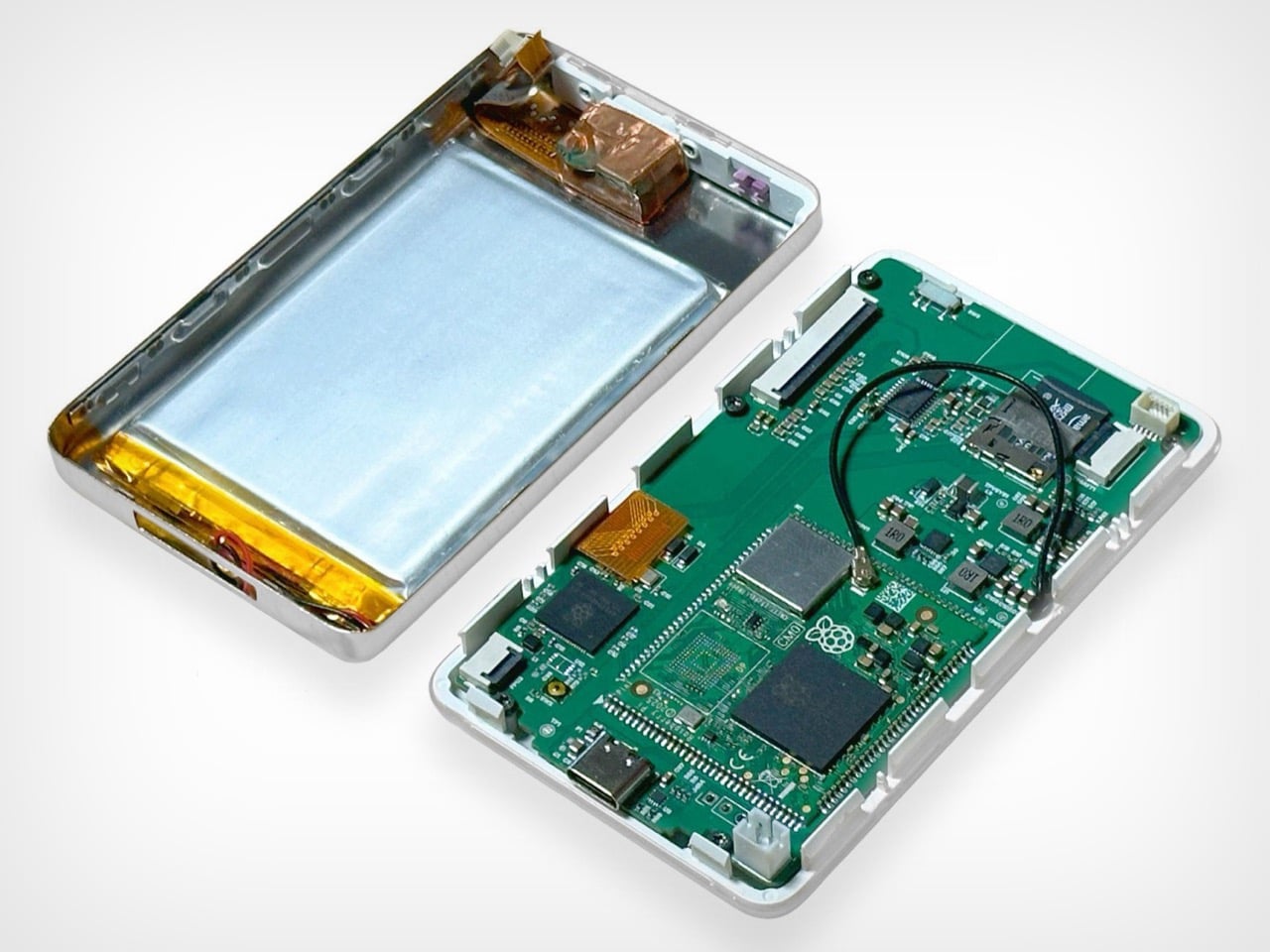
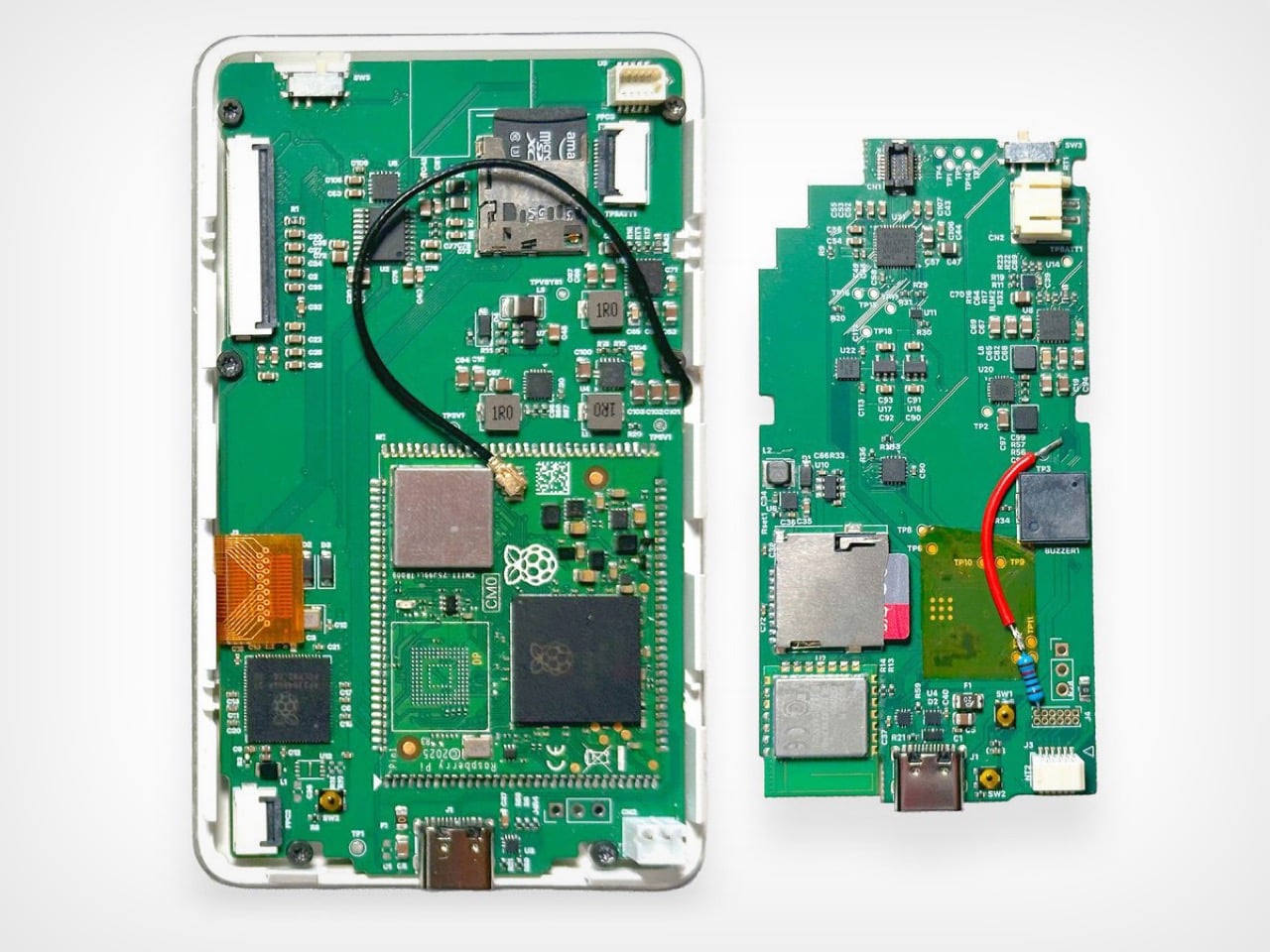
Bluetooth is the headline, and it lets AirPods and any other wireless headphones or speakers pair with an iPod 3G, 4G, or mini. Wired listeners get a CS43131-class DAC from Cirrus Logic, the chip that turns digital audio into the analog signal your headphones play, feeding the original 3.5mm jack. Files drag and drop over USB-C in MP3, AAC, ALAC, FLAC, or Opus, so iTunes never gets invited to the party. The 3rd and 4th generation boards target 40 hours of continuous Bluetooth playback on a 2,500mAh cell, a full workweek of desk listening between charges. The mini aims for 20 hours on a 1,200mAh cell, and a microSD slot up to 2TB retires the aging hard drive.
Sprout Pico runs on a Raspberry Pi RP2350, a small microcontroller that wakes instantly, and plays your own library and Wi-Fi podcast downloads on all three iPods. Sprout Pi, offered for the 3rd and 4th generation, adds a Compute Module Zero, a tiny Raspberry Pi computer, for Spotify, Apple Music, AirPlay, and custom apps. The studio calls the streaming features working proofs of concept as of September 2026, so launch features may differ. The firmware is written from scratch and adds Cover Flow, a 2007 Apple trick, to a monochrome iPod, alongside Podcasts and Search. On Sprout Pi, a Linux computer hides underneath, and demo clips labeled apps show a classic Mac and a PlayStation.
Open Source Gives Sprout Legs
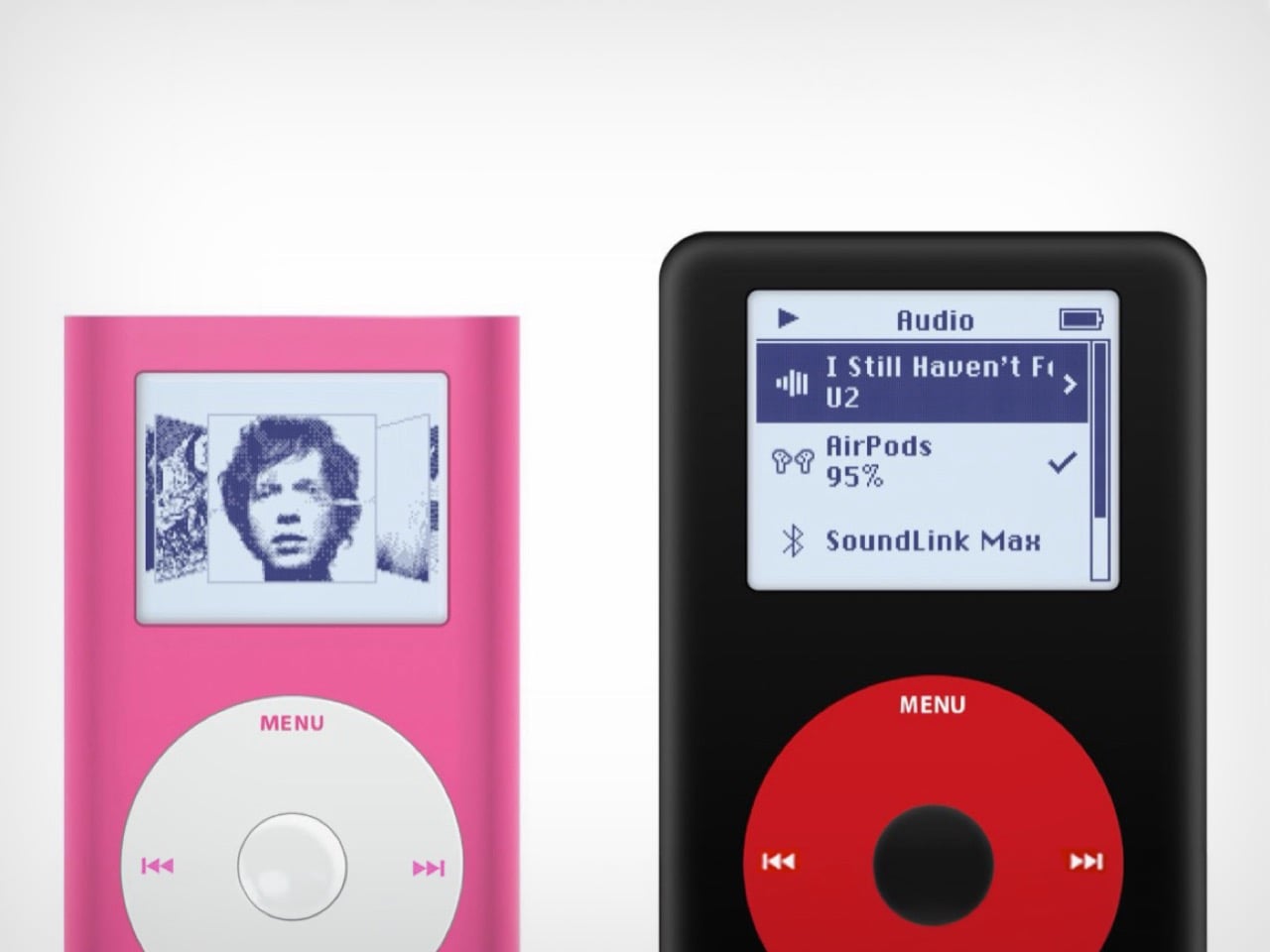
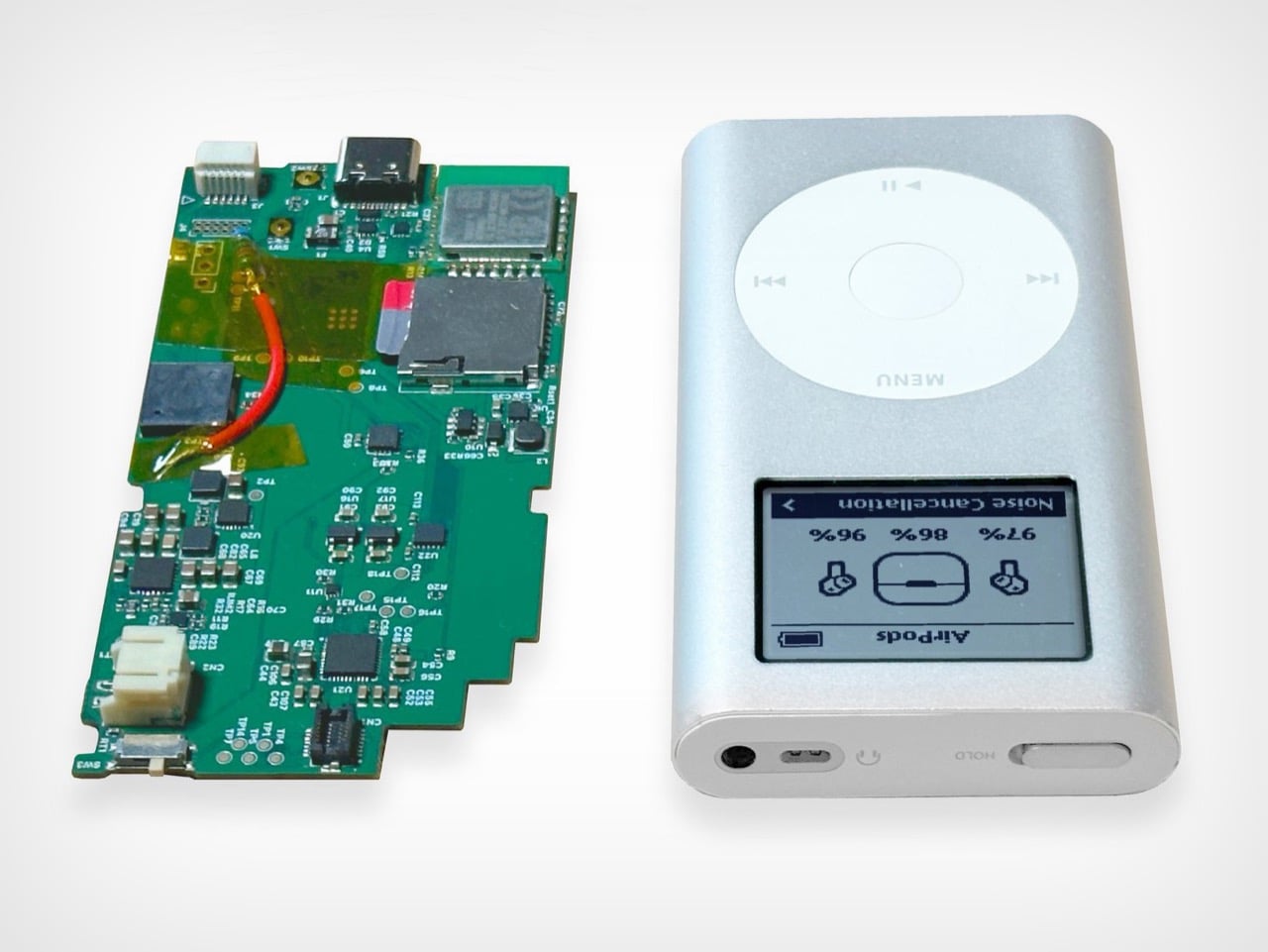
Schematics, board layouts, and the bill of materials (the full parts list) will be released under CERN-OHL-S v2, while firmware lands under MPL-2.0 and documentation under CC BY 4.0. That documentation includes reverse-engineering notes on the iPod’s display, click wheel, and headphone connectors, so the next tinkerer starts with a map. All of it is due on GitHub before the campaign ends, so anyone can poke at it. Guy Dupont’s 2021 sPot is the obvious ancestor, a Raspberry Pi Zero W inside a 4th generation iPod that streamed Spotify but kept only the case and click wheel. Sprout keeps the original monochrome screen and a working headphone jack, which turns a clever one-off into a repeatable design.
Moonlit Market’s Classic Connect 2 covers the 5th, 6th, and 7th generation, so the 3rd, 4th, and mini finally get their own project. Sudo, the $249 player betting on a wheel and a library you own, is a new device built to feel old, while Sprout is an old one made to behave new. You supply the iPod (cheaper in these overlooked generations), and no price or ship date has been announced. Launch updates are available through Sprout’s Crowd Supply page, where the project is listed as launching soon. Jobs sold the world on easy, legal music you could own, and the best way to keep that promise now might be an old iPod with a new brain.