I’ve stayed at enough hotels chasing a “wellness experience” to know the disappointment routine by heart. You book a place that advertises a spa, and what you get is a lukewarm hot tub next to a gym nobody uses. Meanwhile the properties that actually nail recovery, the ones with proper saunas and cold plunges, always seem to be the ones that spent a year and a small fortune on construction to get there. That gap between what guests now expect and what most operators can realistically build is exactly the problem Nokken is trying to close with its new Super Sauna.
The company’s co-founder has been straightforward about the core tension: guests no longer treat recovery as a bonus amenity, they arrive expecting it as a baseline. The problem for operators is that delivering it properly has traditionally required a full capital project, with planning permissions, groundworks, months of construction and the disruption that comes with all of it. Most either keep pushing the project back or end up with something that doesn’t quite meet the mark. That’s the quiet frustration sitting underneath a lot of hotel wellness marketing. Everyone wants to offer contrast therapy because guests are asking for it, but almost nobody wants to shut down a section of their property for half a year to build it.
Designer: Nokken
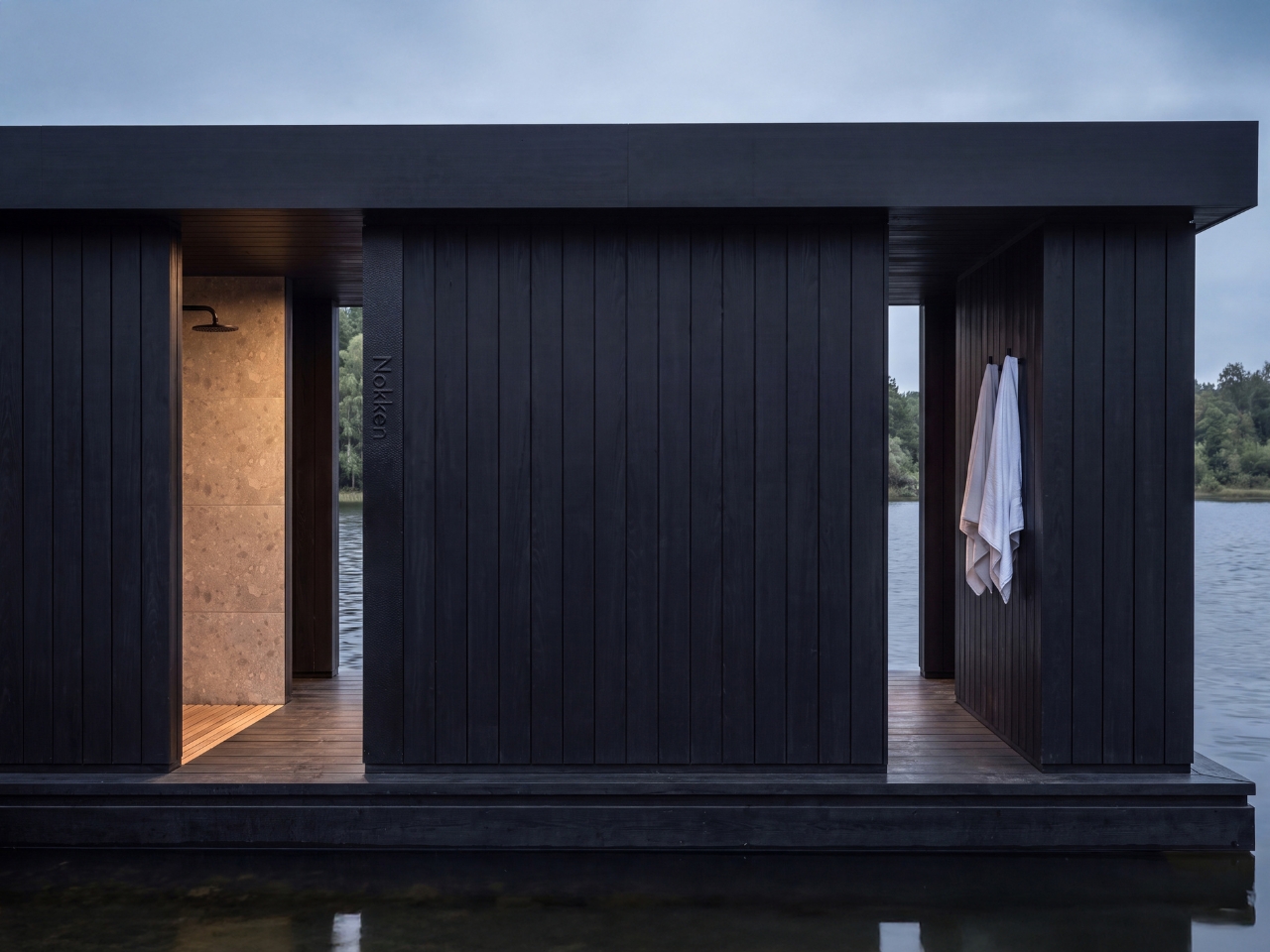
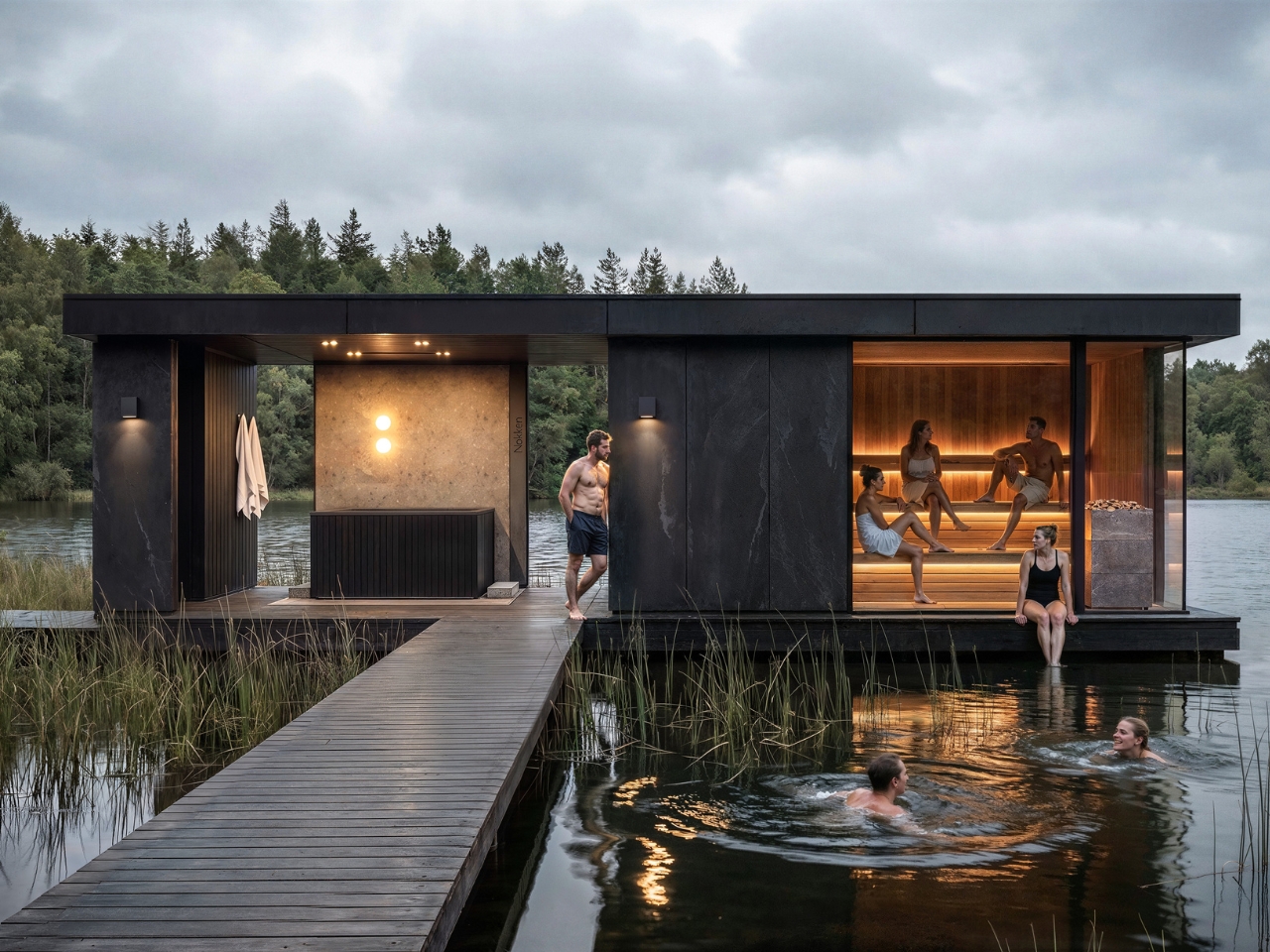
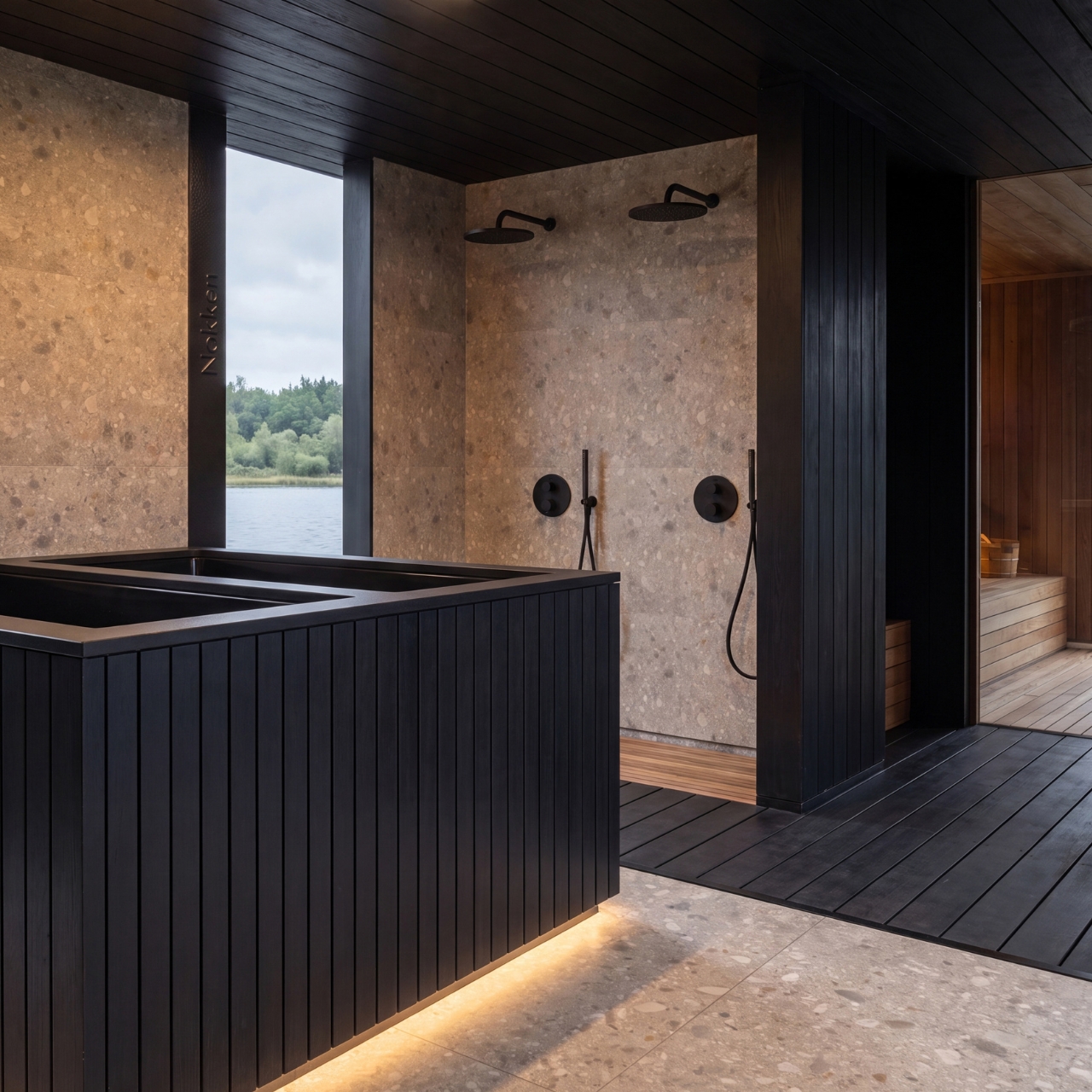
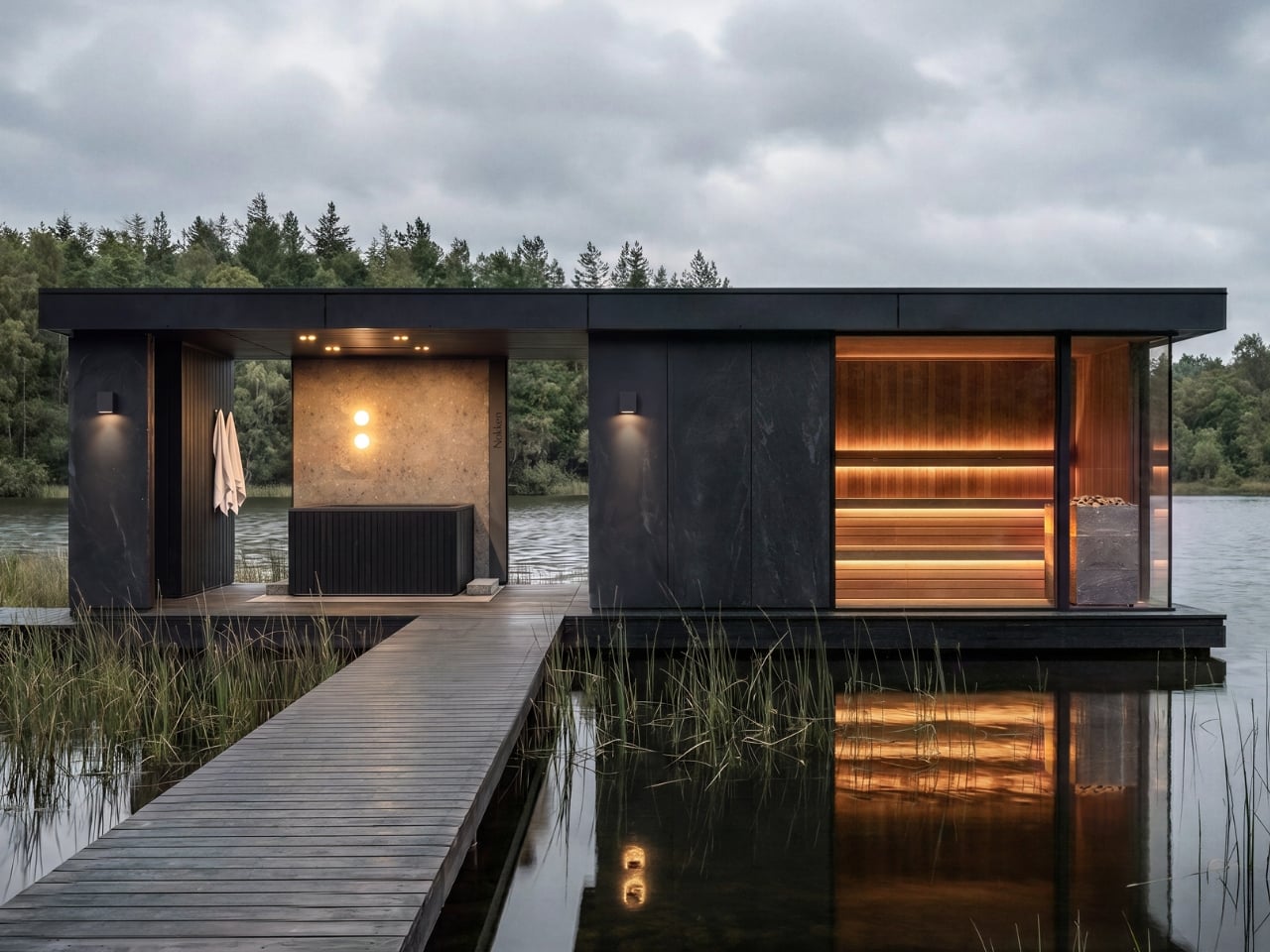
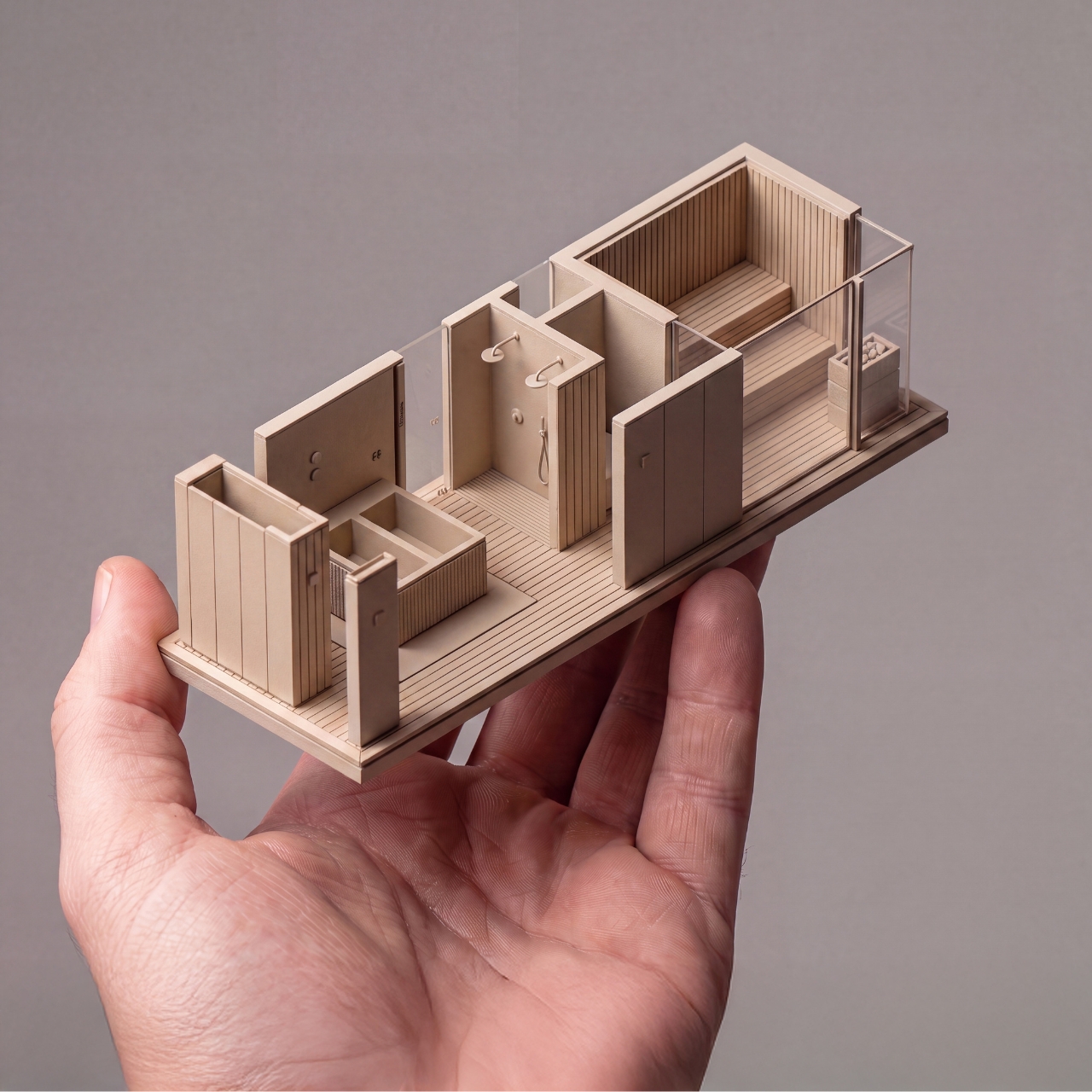
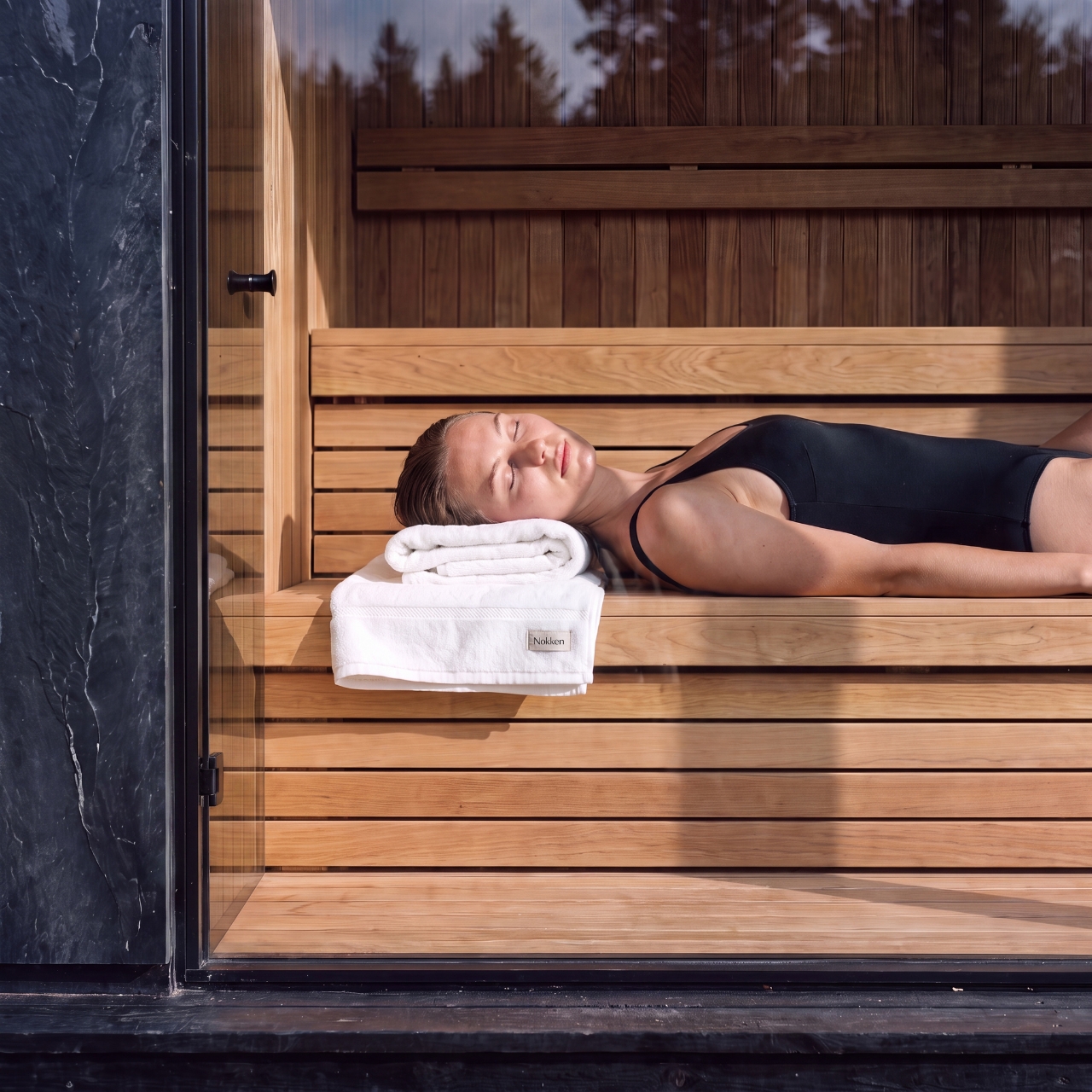
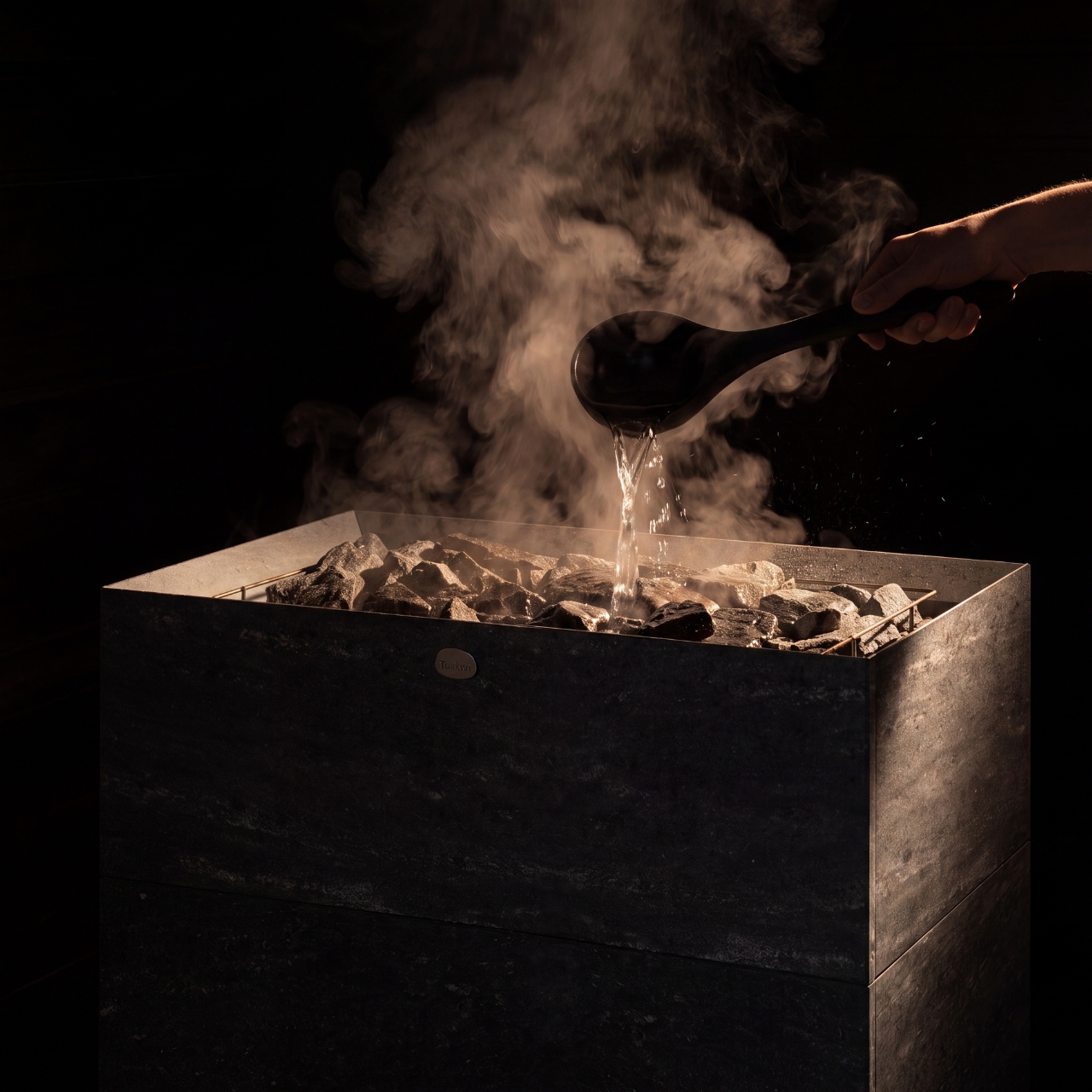
Super Sauna’s answer is refreshingly literal. It’s a hotel-grade structure combining a ten-person sauna, dual cold plunge and external showers, delivered fully assembled and operational within 24 hours. Not a kit. Not a renovation. It arrives on site as a single, fully built unit, craned onto pre-prepared foundation points, with services connected through an integrated base outlet, cutting project timelines by an estimated 25 to 50 percent against traditional construction. Operators get to add a premium amenity in days instead of months, which sounds almost too convenient until you consider how much money a shuttered pool deck actually costs a property in lost bookings.
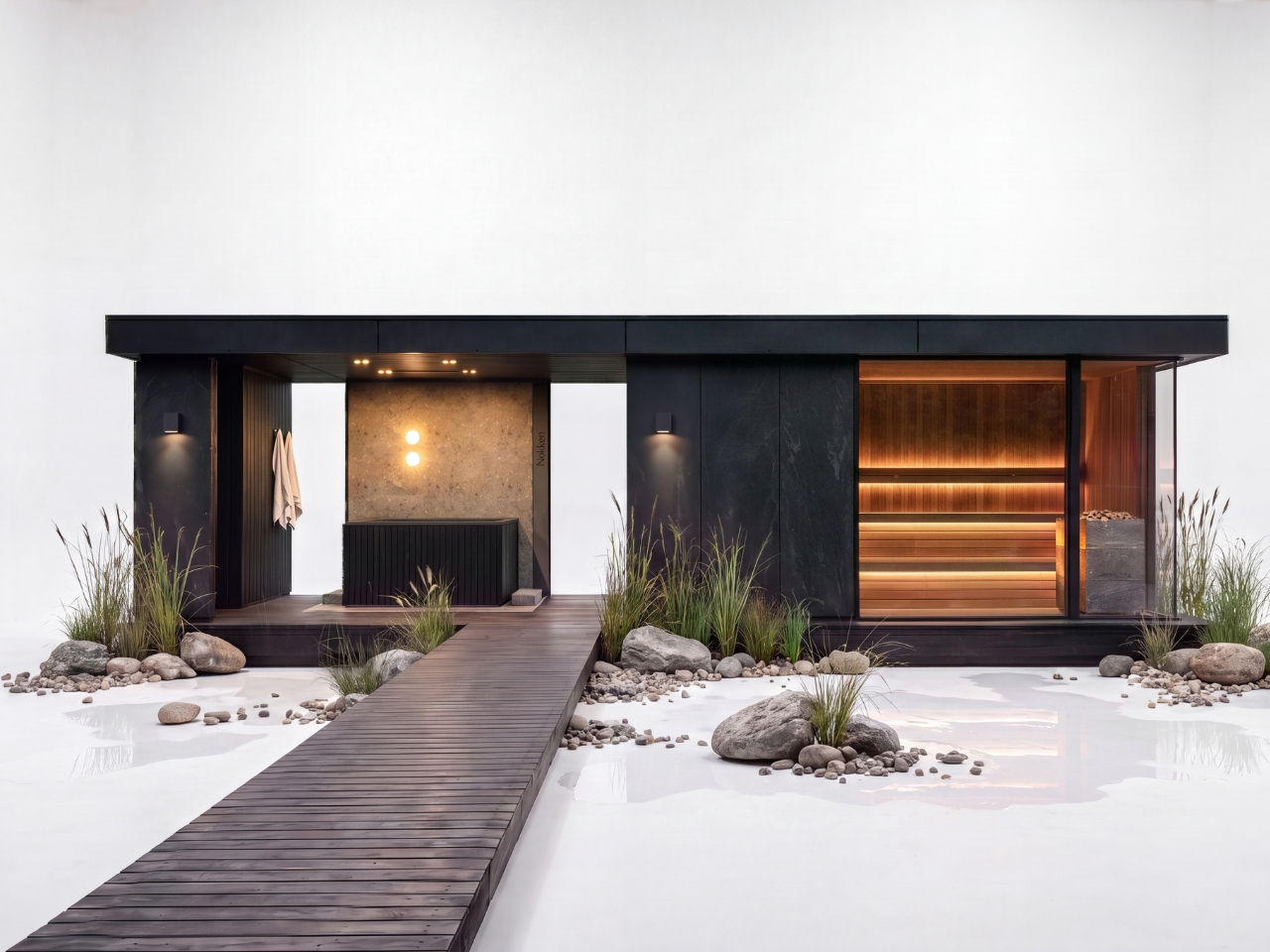
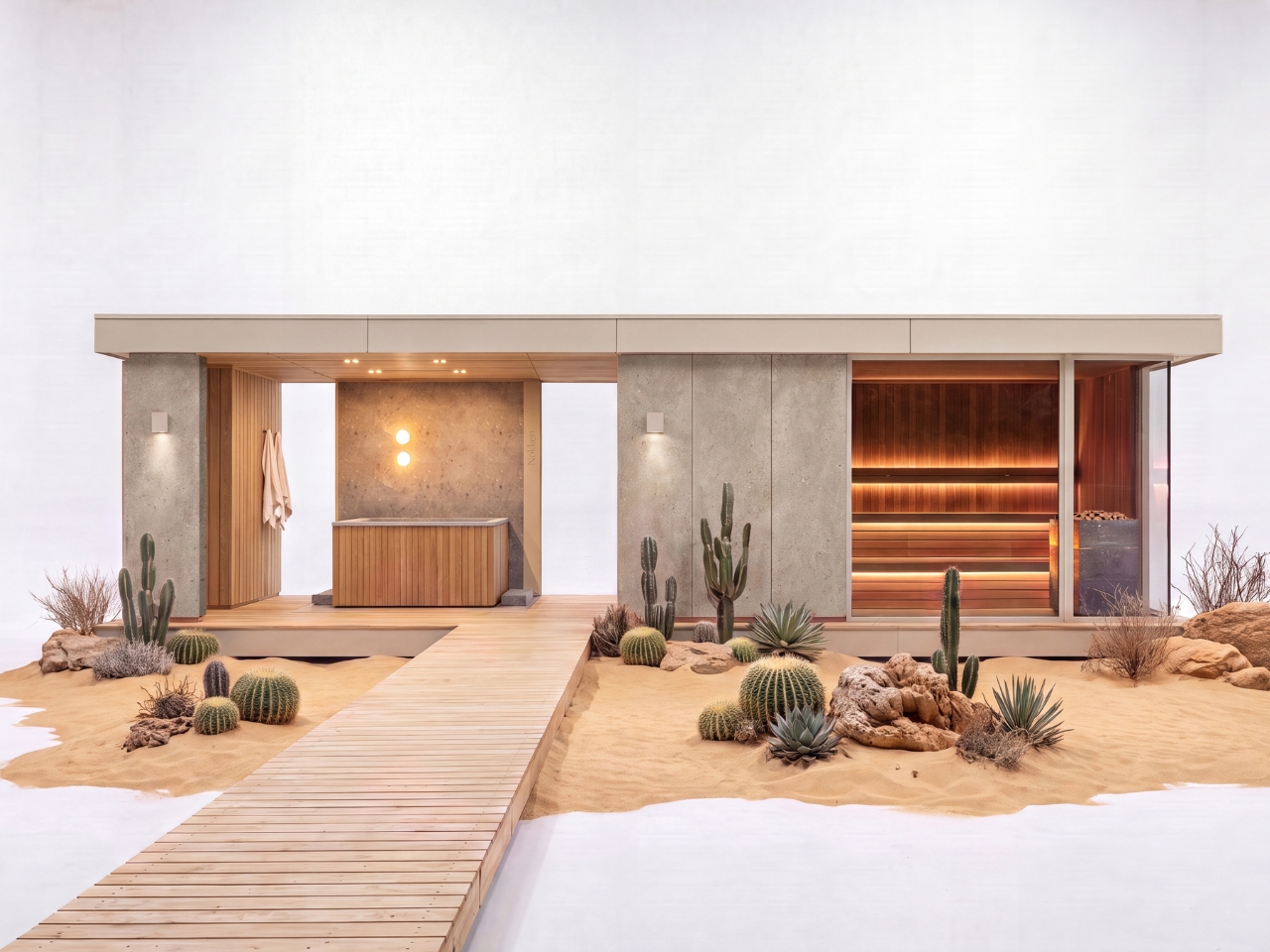
I actually appreciate that Nokken didn’t try to overcomplicate the design choices either. The product is deliberately standardised: operators make one core specification decision, choosing between a two-tier or three-tier bench configuration, while the remaining architecture, equipment and fixed components are pre-specified as part of the complete system. There’s a confidence in that restraint. Instead of drowning a buyer in customization options, the brand is essentially saying: we’ve already solved this, just pick a bench height and get on with it.
The bigger context here matters too. Global Wellness Institute research valued the global wellness economy at $6.8 trillion in 2024, projected to reach $9.8 trillion by 2029, a scale that makes wellness a larger economy than global tourism itself. That statistic used to feel abstract to me until I started noticing how many friends now plan entire trips around a sauna schedule rather than a sightseeing one. Contrast therapy and cold-water immersion have moved from elite athlete routines into ordinary weekly habits, and increasingly guests want to share that ritual with other people rather than do it alone, which is presumably why Nokken built this thing to fit ten people instead of just two.
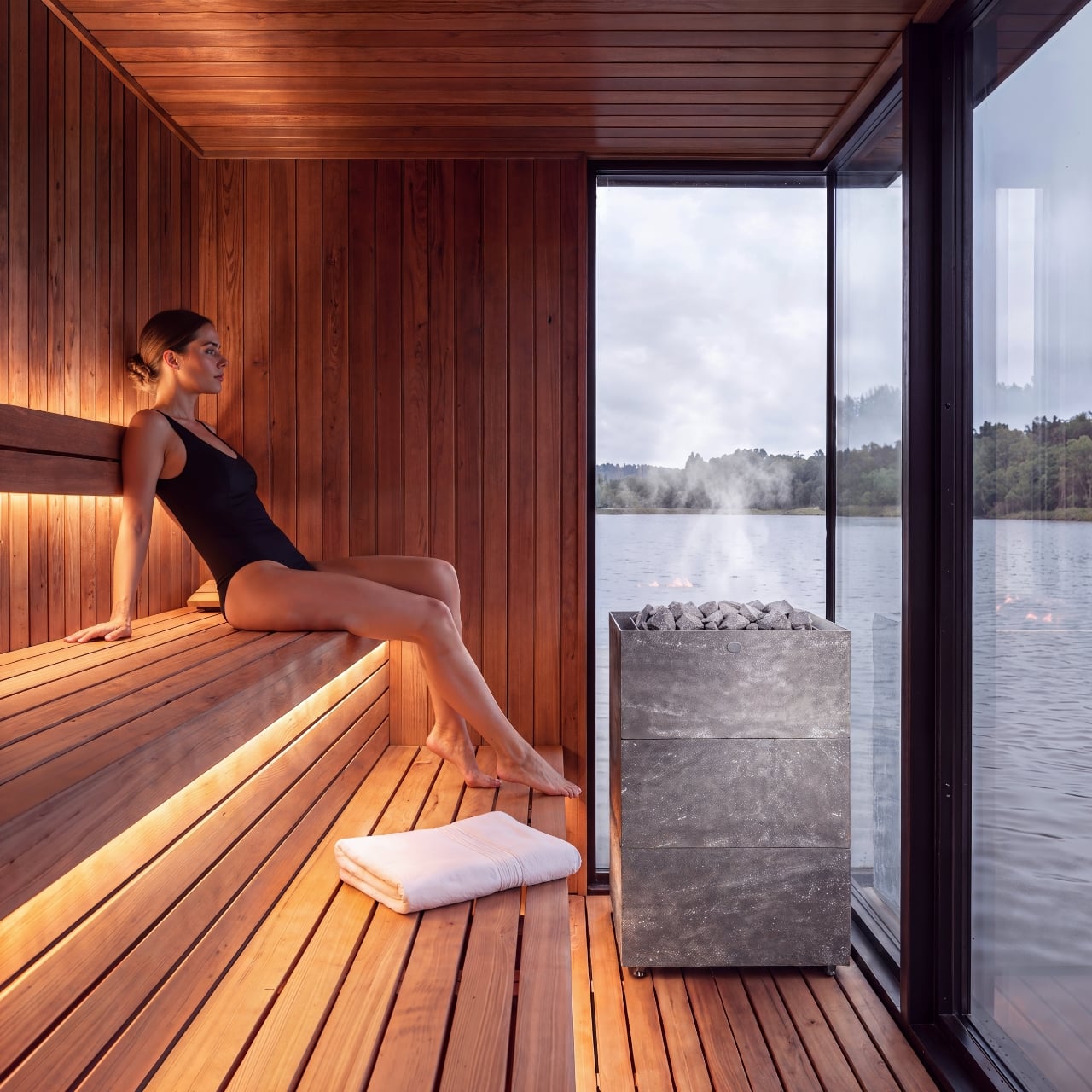
What sells me on this one is that it’s already living somewhere real rather than sitting in a press deck. The first Super Sauna is already installed and in use at the Silverlake Estate, a luxury, sustainable lakeside holiday home resort and nature reserve in Dorset, UK. The team behind the property described wanting to build a more complete wellness experience around it, one where guests could engage with recovery while still feeling genuinely connected to the landscape. A concept is easy to pitch. A working sauna on a working dock, with guests actually swimming past it, is a different kind of proof.
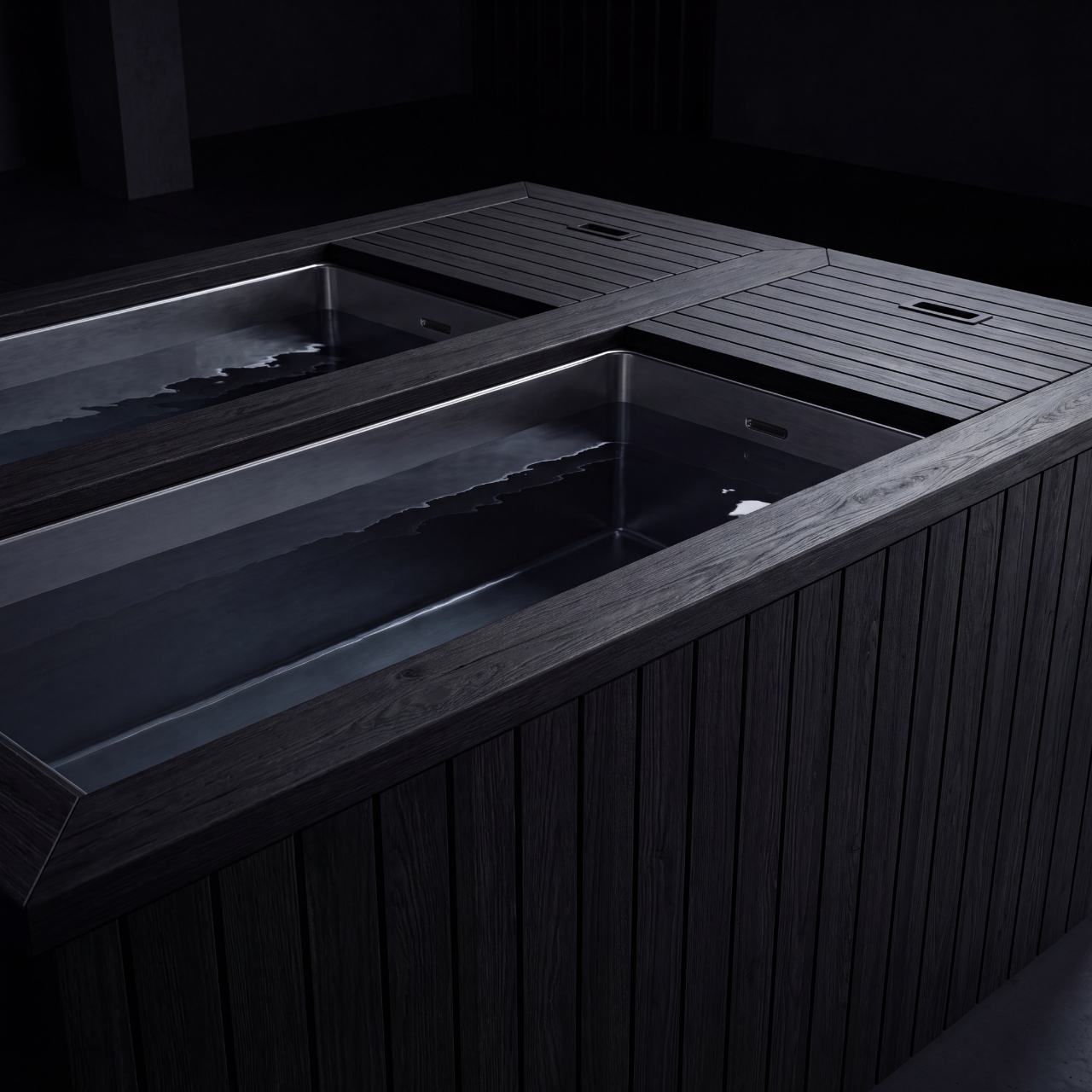
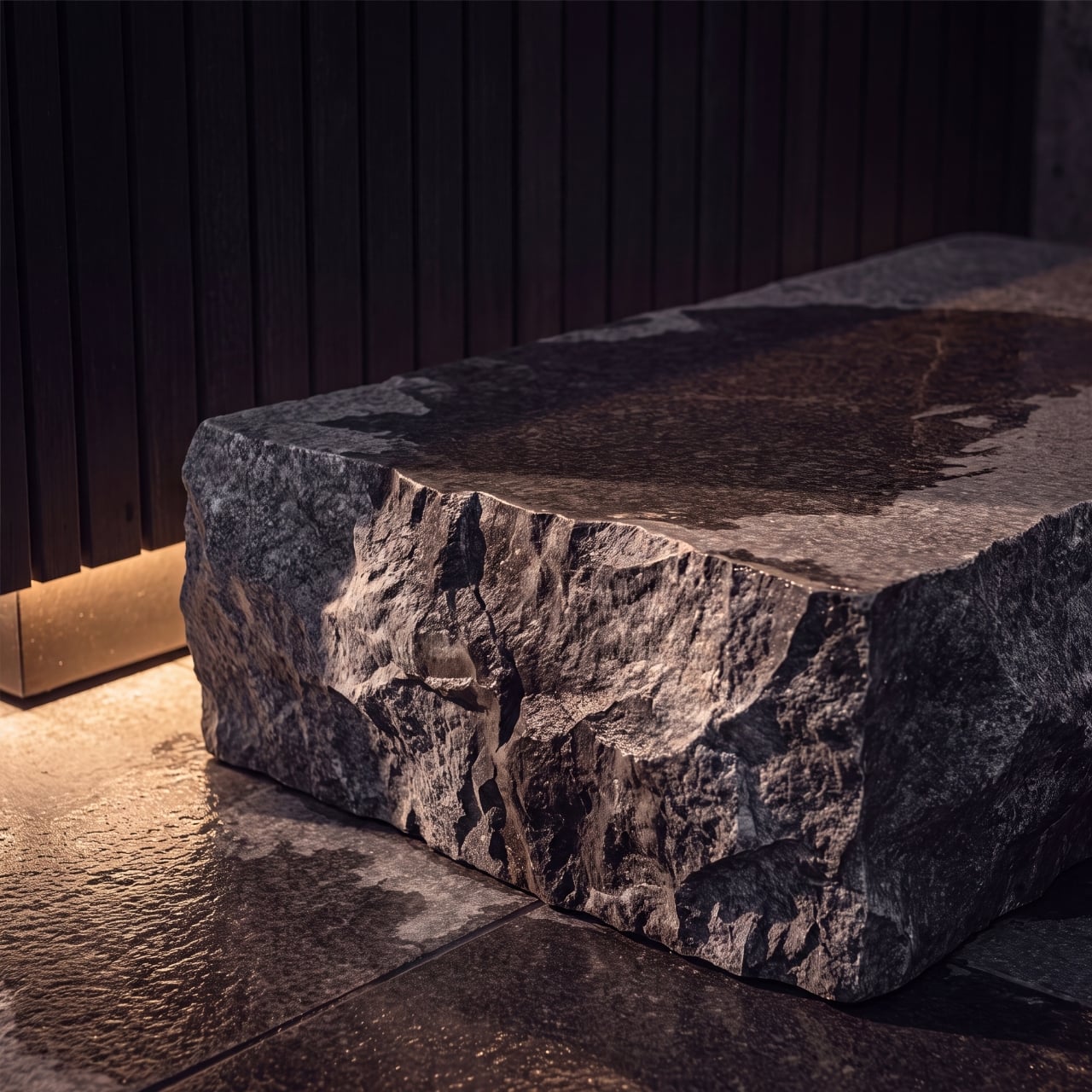
None of this makes Super Sauna cheap. It carries a recommended retail price of €98,500 or $149,000, excluding shipping and installation, which are quoted per project. But measured against the traditional alternative, a multi-month build that closes off part of a property and still might not match guest expectations, the price starts to look less like an indulgence and more like a shortcut worth paying for.
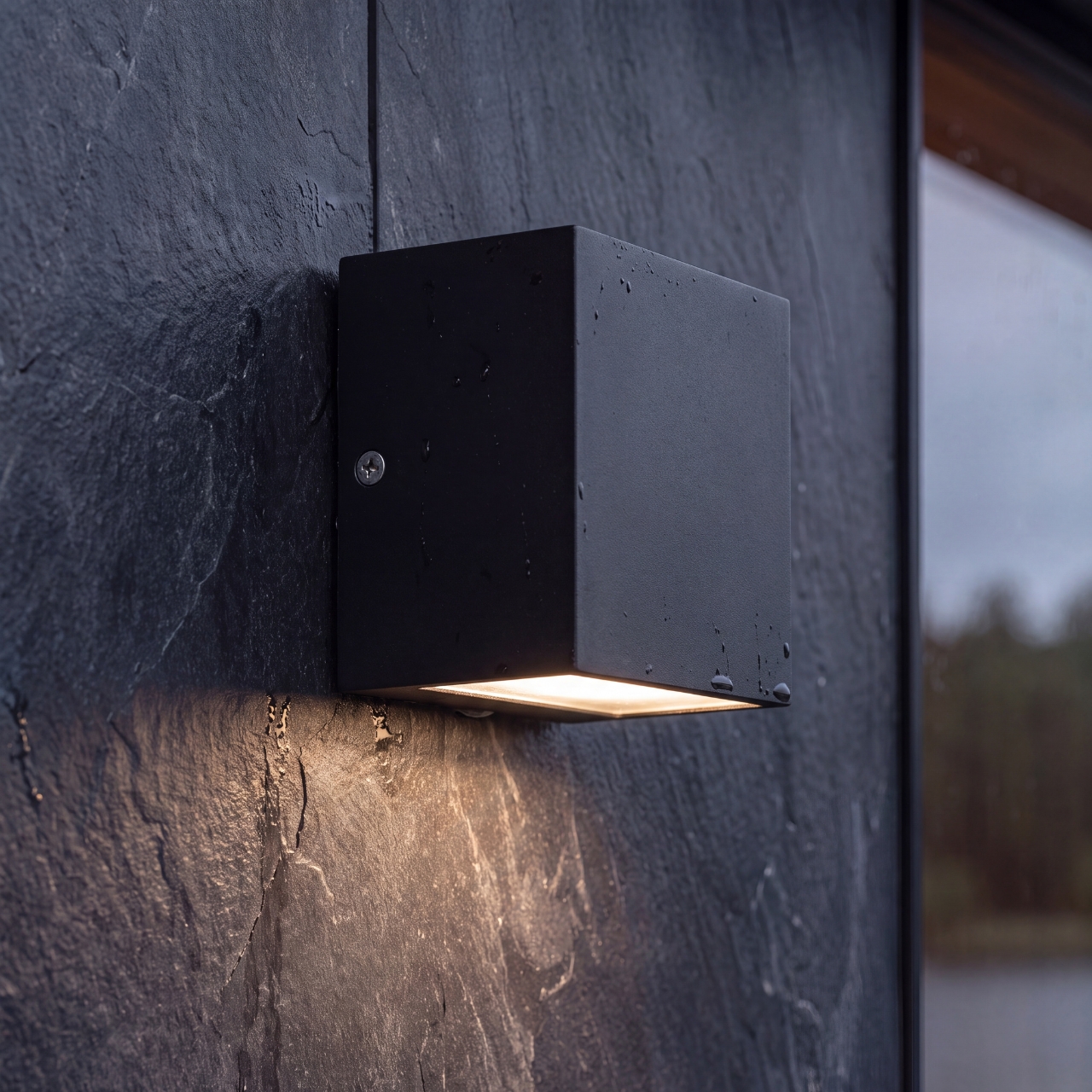
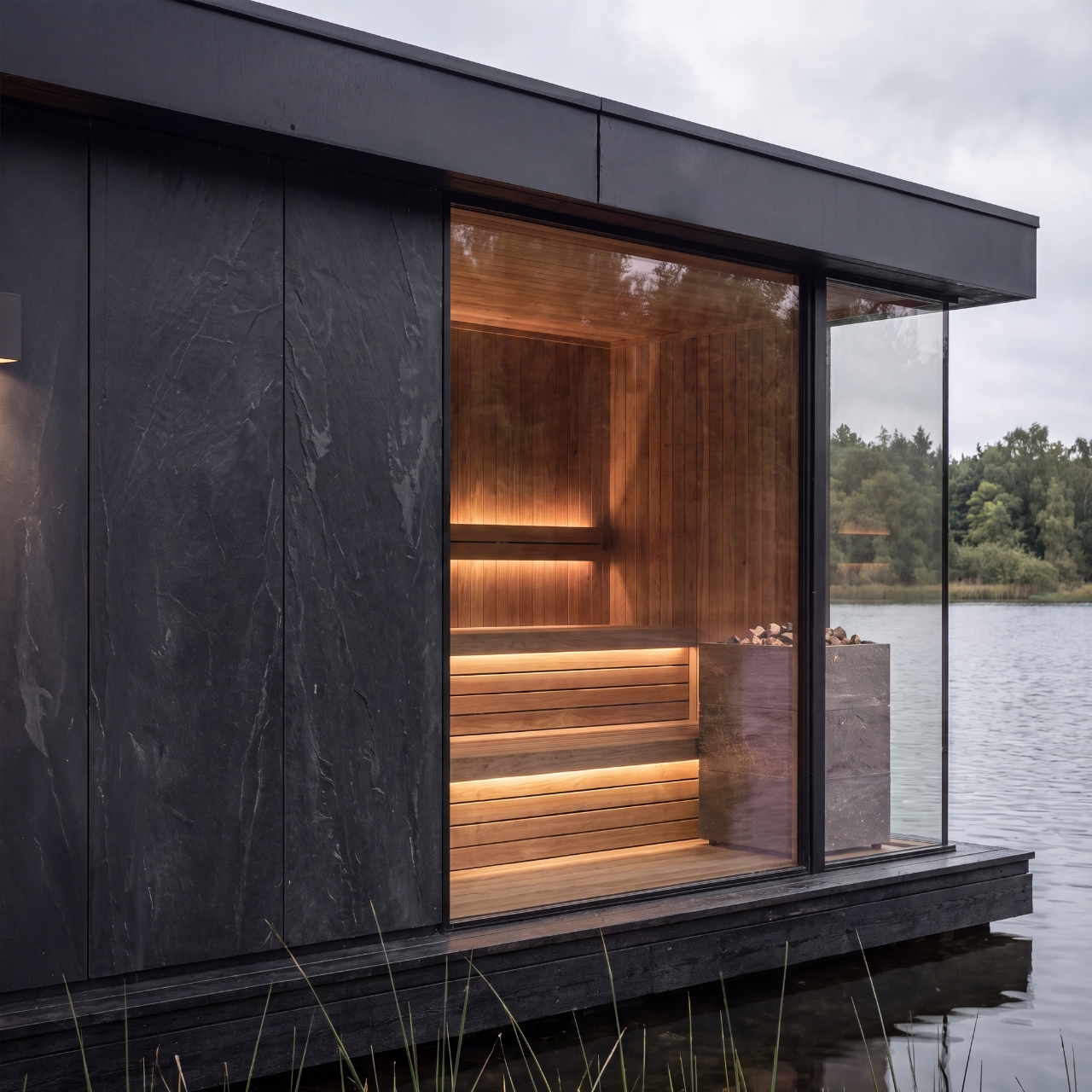
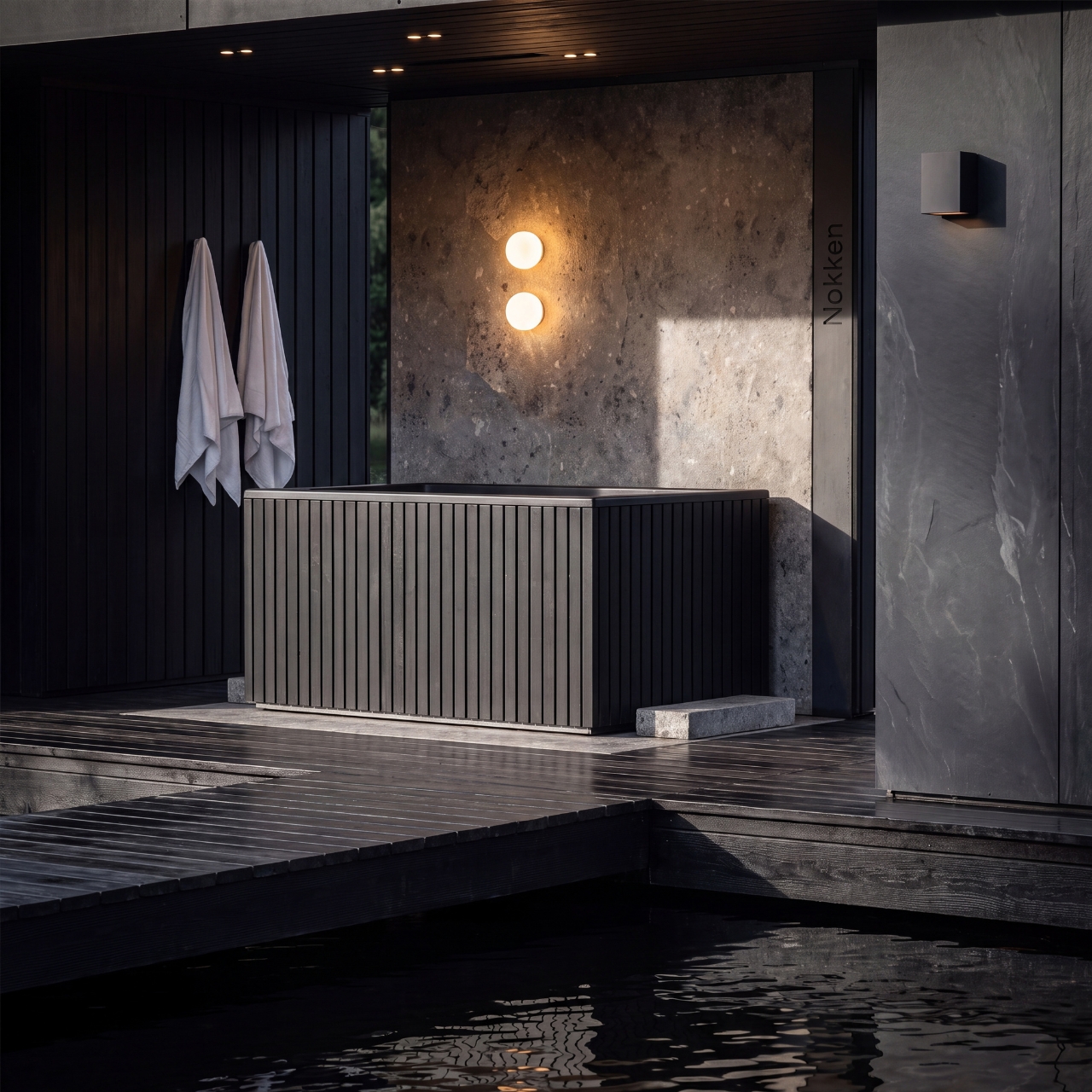
What Nokken has actually built isn’t a sauna so much as a workaround for an industry that’s been promising recovery amenities faster than it can construct them. It’s a small, specific fix, but it’s aimed at a real and growing appetite, and that’s usually where the more interesting hospitality products come from.