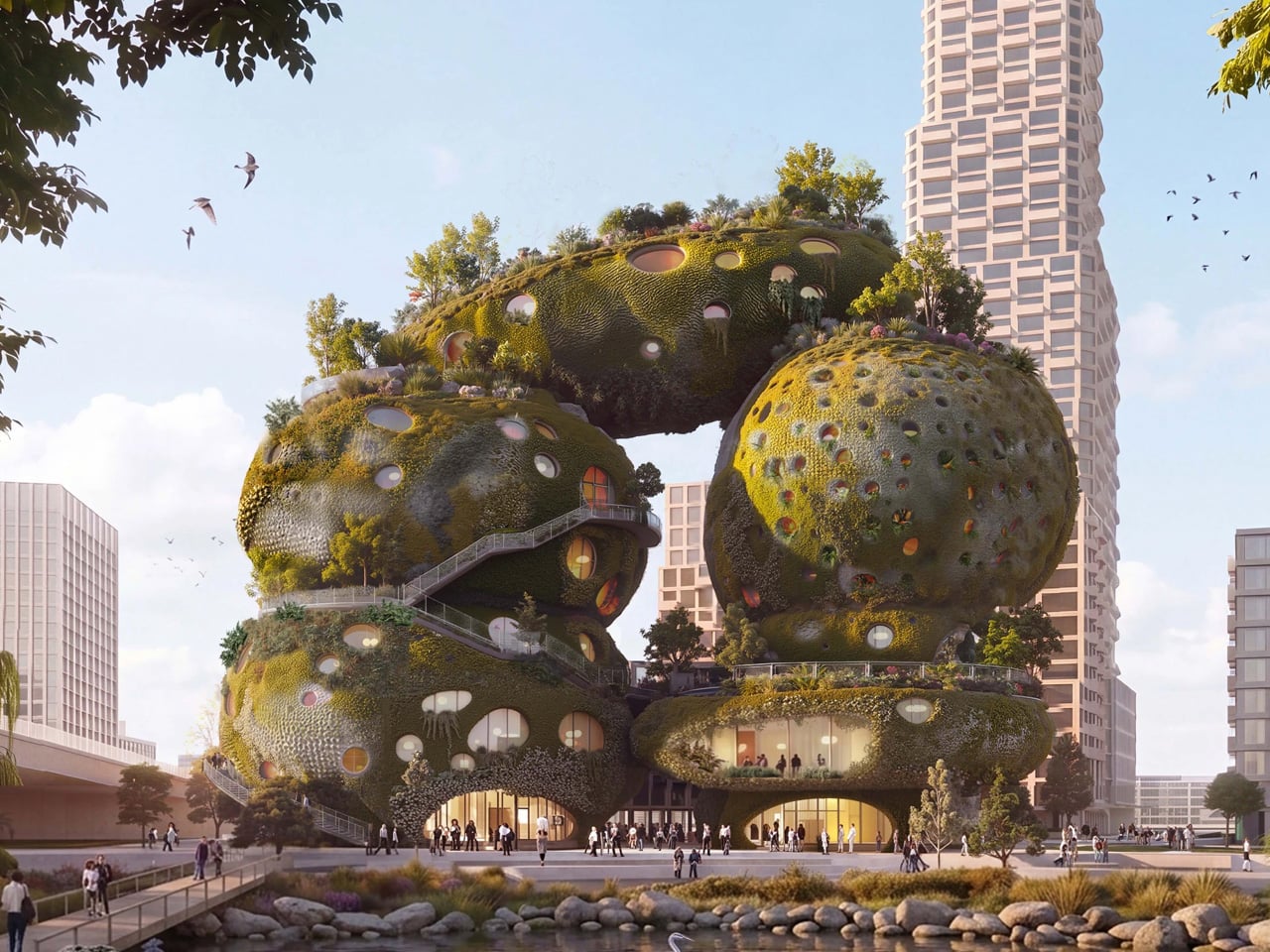
What does a building look like when it’s designed for birds, insects, and plants just as much as people? According to MVRDV, it looks like a mountain that grew out of the Maas riverbank — rough, porous, and unapologetically massive.
Rotterdam ROCKS! is MVRDV’s winning entry in Shift’s international design competition, which called for proposals for a “new world wonder” capable of motivating people to act on the climate and biodiversity crises. The €240 million project beat out a formidable shortlist that included Heatherwick Studio, Mecanoo, Office for Political Innovation, and Ecosistema Urbano. The jury — which included Zaha Hadid Foundation director Aric Chen and UNS founder Ben van Berkel — called the proposal “remarkably bold.”
Designer: MVRDV
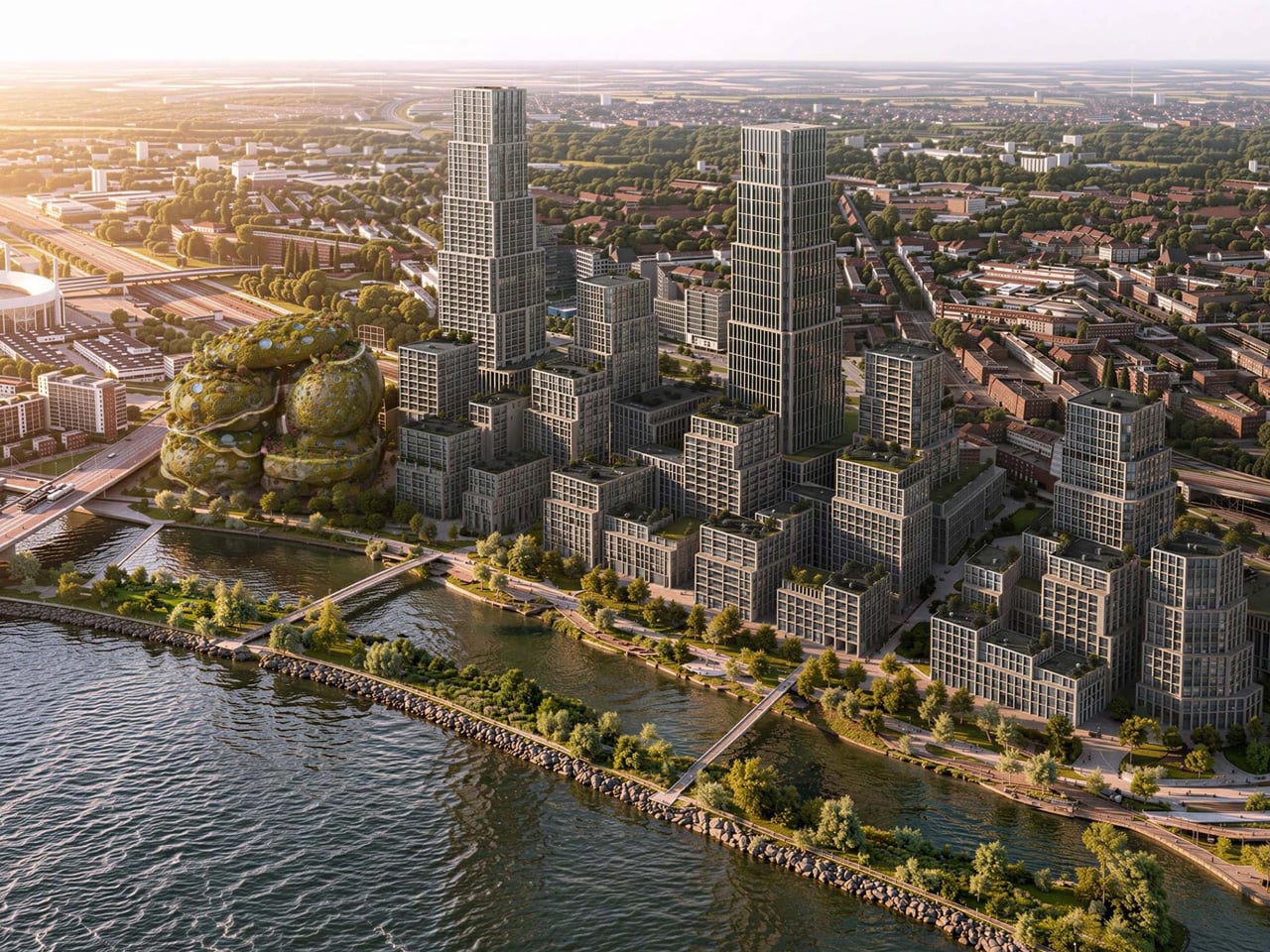
That’s an understatement. The design takes the form of seven giant stacked rocks arranged into two towers on the south bank of the Maas, in Rotterdam’s emerging Waterkant district. The district itself is slated to deliver over 3,500 homes alongside schools, offices, and a new train station — Rotterdam ROCKS! is meant to be its cultural heartbeat.
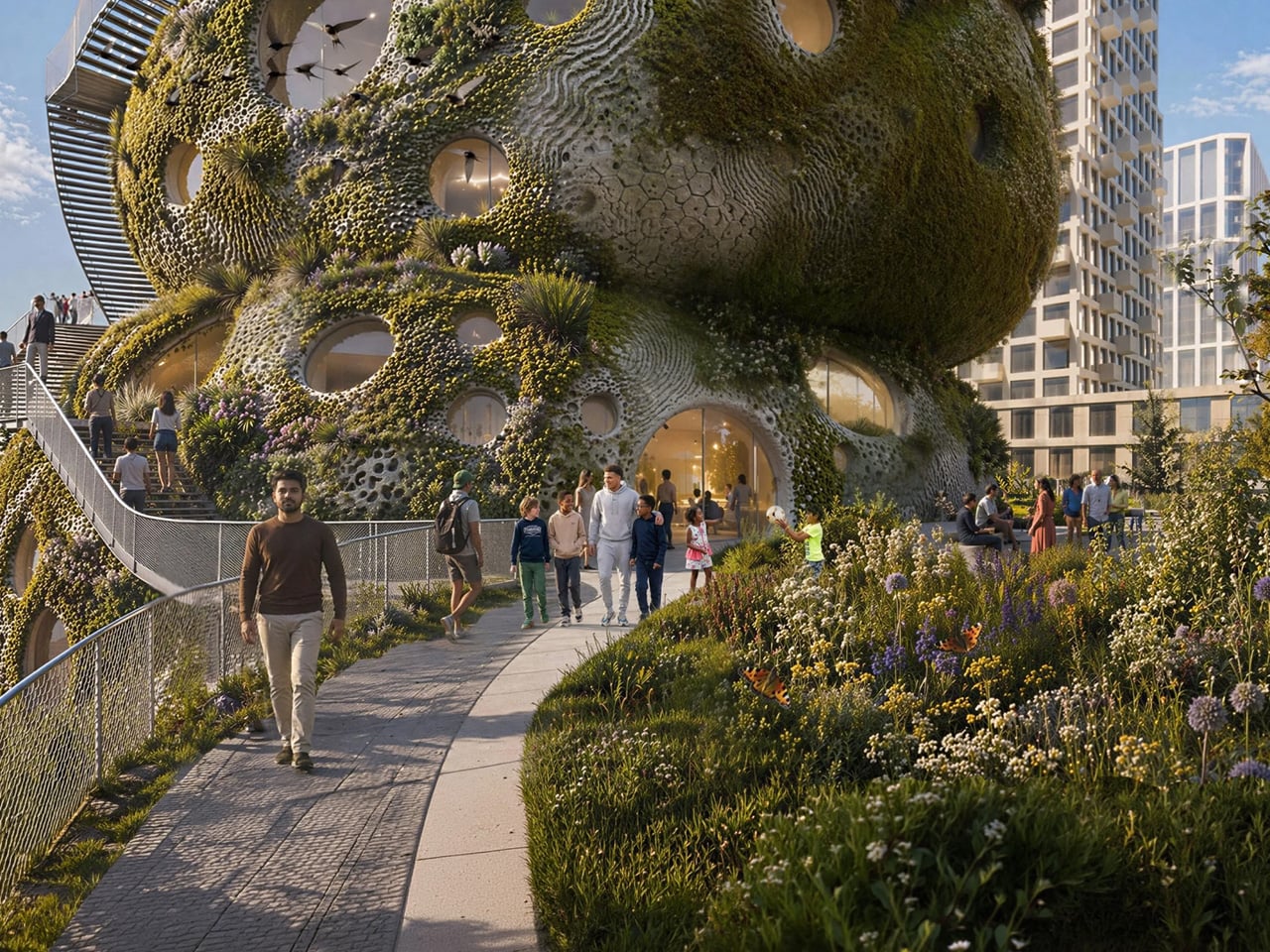
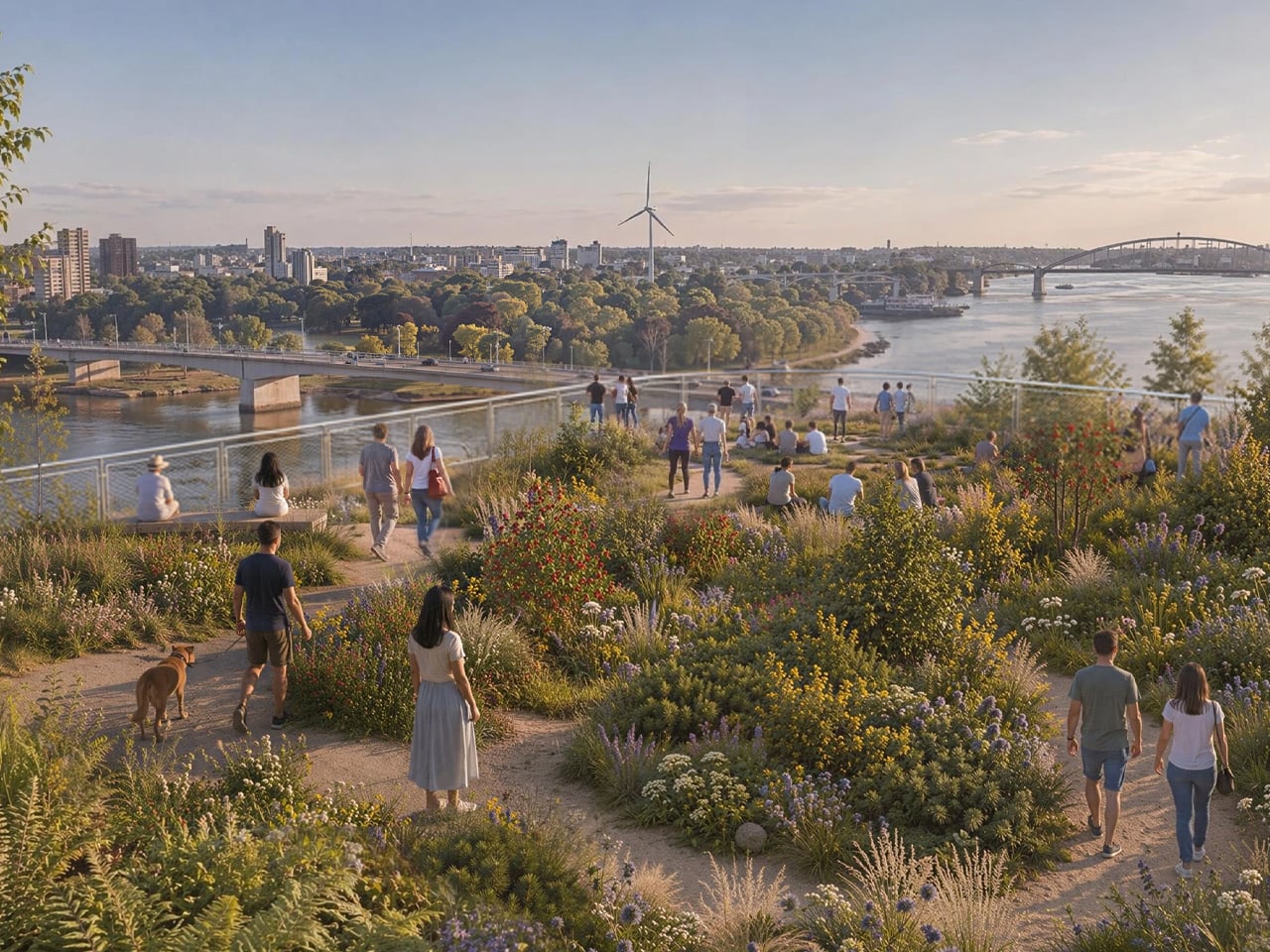
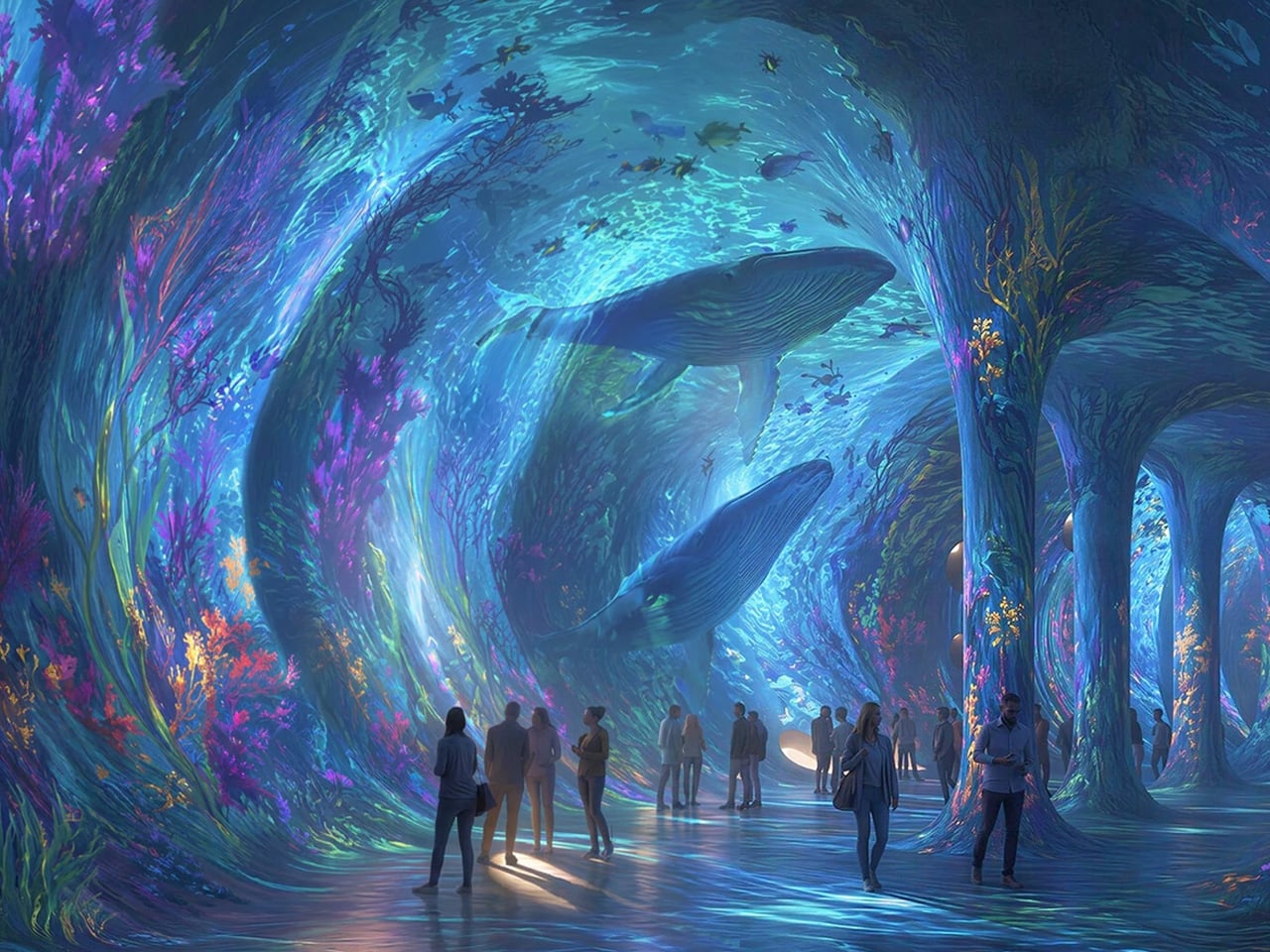
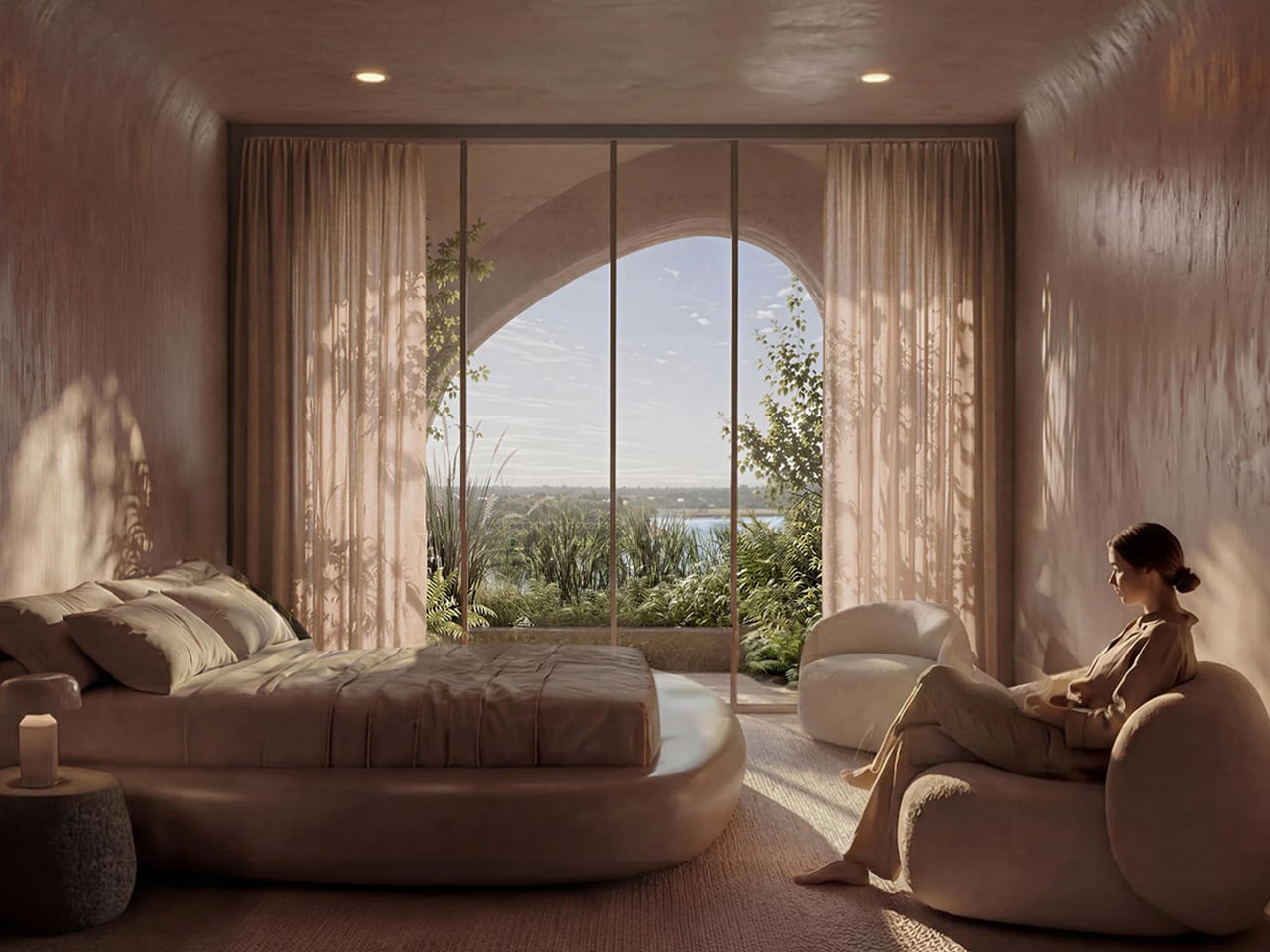
At 30,000 square metres, the building is organized around two internal circulation routes and a series of cave-like exhibition spaces carved into the rock forms. A third route wraps the exterior of the structure, leading visitors through an immersive area called The Elysium before arriving at a viewing terrace overlooking the city. Below that, the program includes a 200-room hotel, a conference centre, a food court, and event spaces — essentially a vertical neighborhood compressed into a geological fiction.
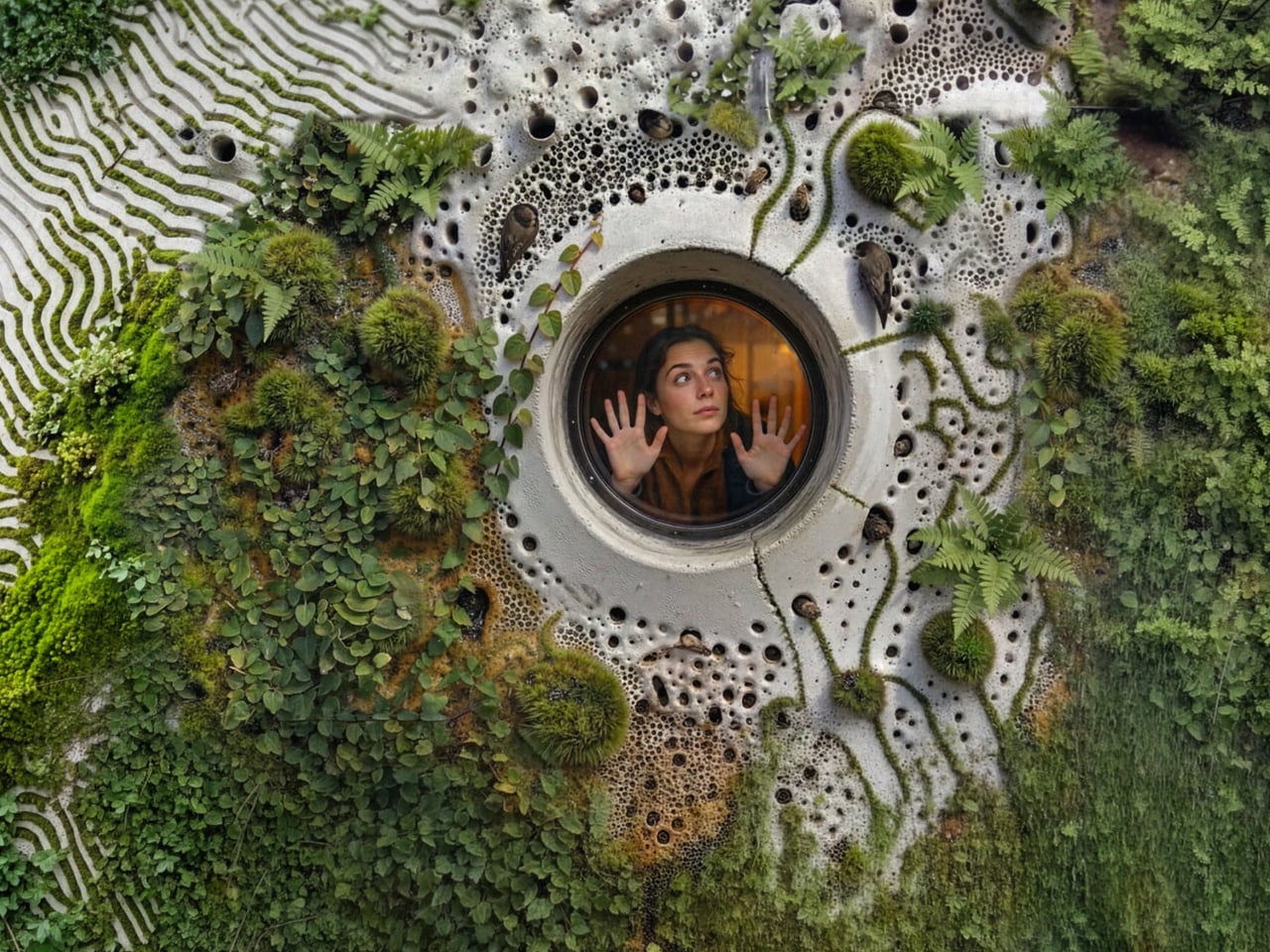
The facade is designed to be genuinely alive. Pockets built into the exterior hold soil, water, plants, and nesting habitats for birds and urban wildlife. MVRDV has said the building will “showcase the latest innovations in low-carbon construction,” though specific materials have yet to be disclosed. Founding partner Winy Maas described the design logic directly: “We need to reduce carbon dioxide emissions and to create inclusive spaces for people, trees, plants, for water, air, and for animal habitats, balancing the need for new built space with new landscapes to compensate our ecological impact.”
The project is the first-ever Shift Embassy — a new typology conceived by the social enterprise as a permanent physical institution for ecological and societal change. Shift is targeting a 2032 launch, which gives the design time to move through further development and public consultation. Rotterdam already has the Markthal, De Rotterdam, and the Cube Houses. It’s building a reputation for architecture that refuses to be quiet. Rotterdam ROCKS! might be its loudest statement yet.
SHARE