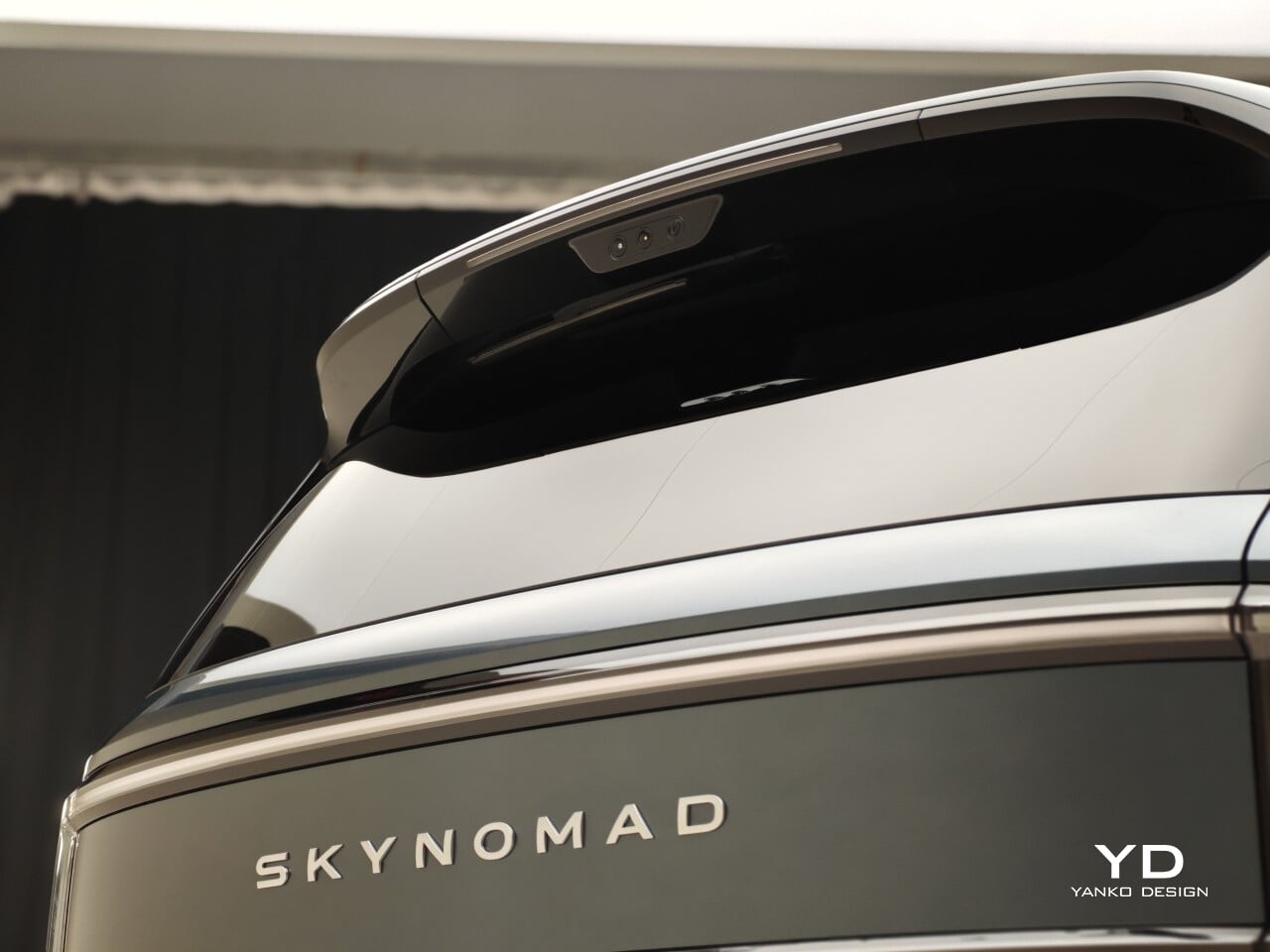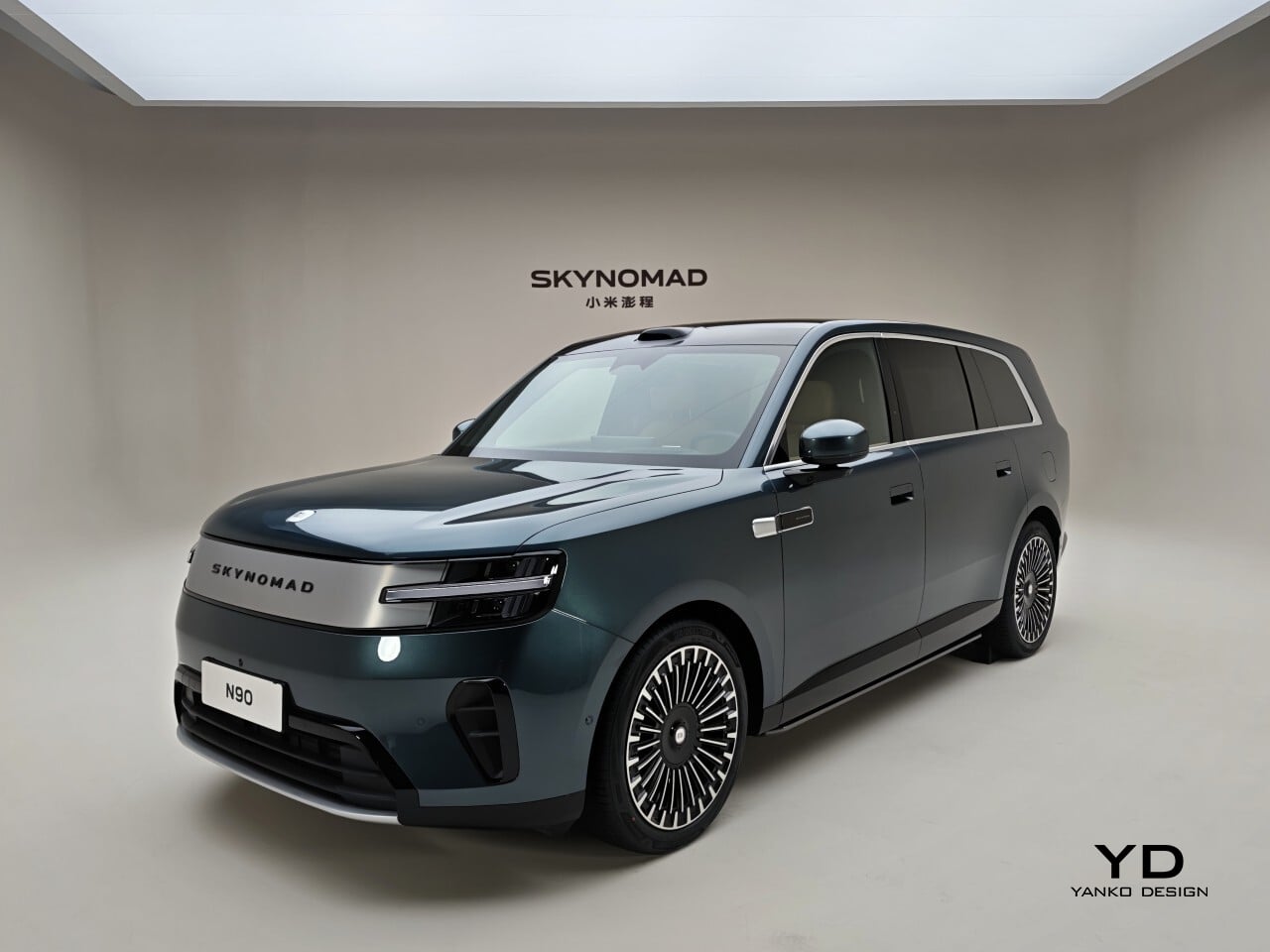
Xiaomi is broadening its automotive ambitions with the SkyNomad series, a new SUV line built around space, flexibility, safety, and family-focused practicality. The range launches with two models, the SkyNomad N90 and the SkyNomad N70, giving Xiaomi a wider reach beyond the more driver-oriented SU7 and YU7 lineup.
Both models are built on Xiaomi’s newly designed Kunlun platform, which underpins the brand’s push into large, versatile SUVs. One of the platform’s defining features is a completely flat floor. That packaging decision supports easier movement through the cabin and gives Xiaomi more freedom to shape the interior around comfort, modularity, and open space.
Designer: Xiaomi
Two SUVs with different seating priorities
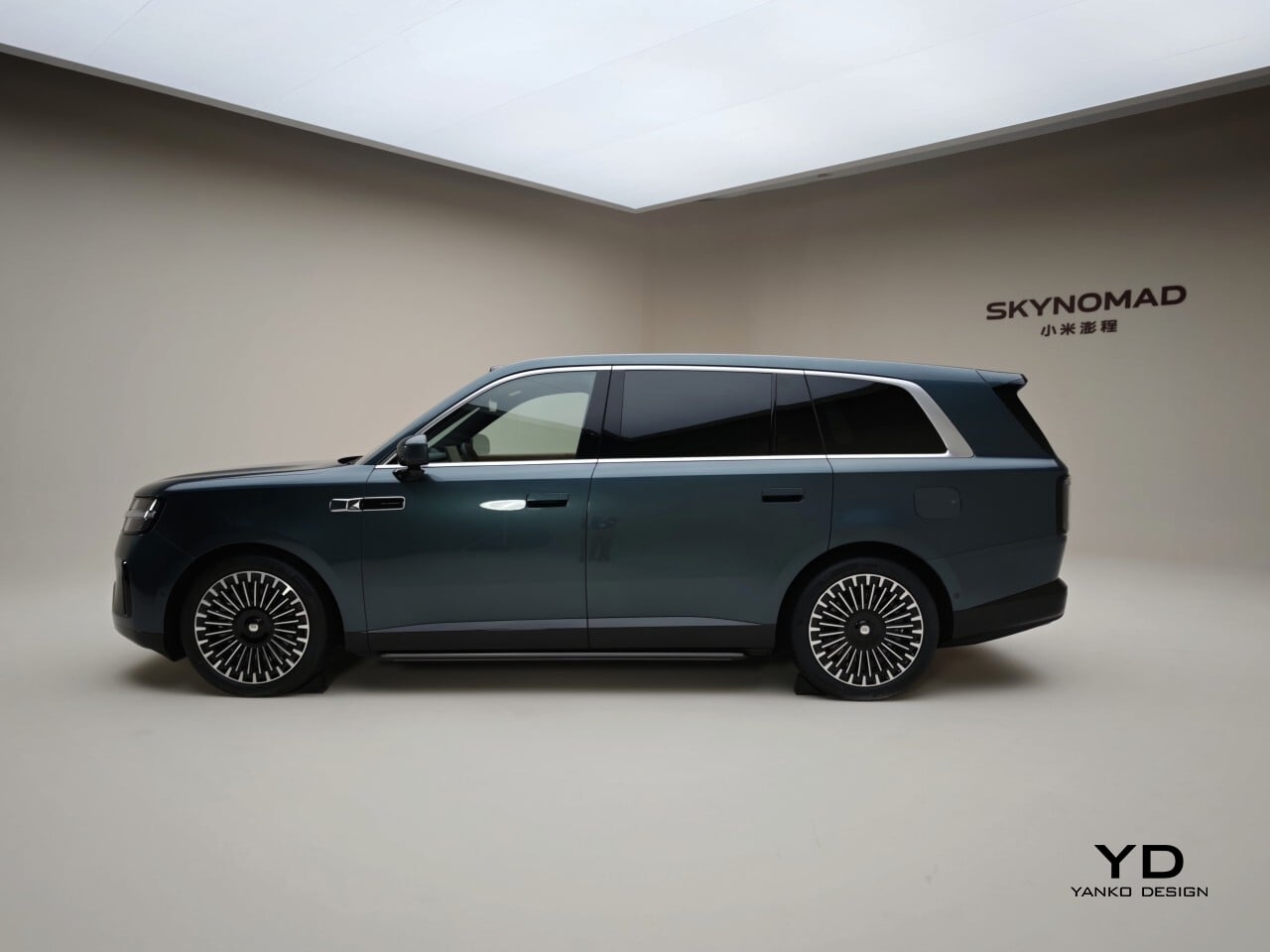
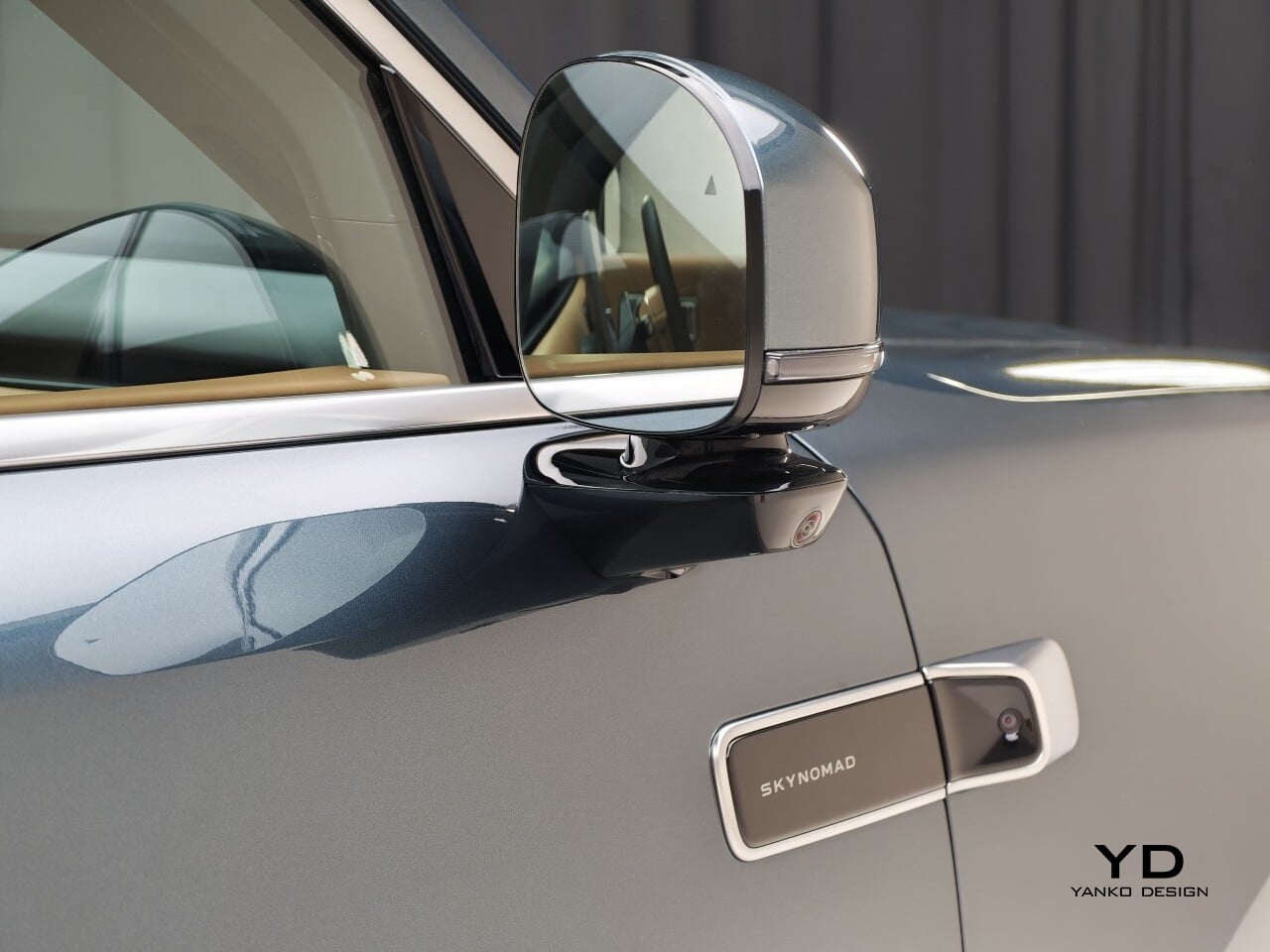
The SkyNomad N90 Max is positioned as the larger and more versatile of the two. It uses a 2+2+3 seating layout, giving it seven seats and a configuration aimed at larger families, multi-generational travel, and mixed personal and business use. Measuring 5,285 mm long with a 3,080 mm wheelbase, it sits firmly in full-size SUV territory.
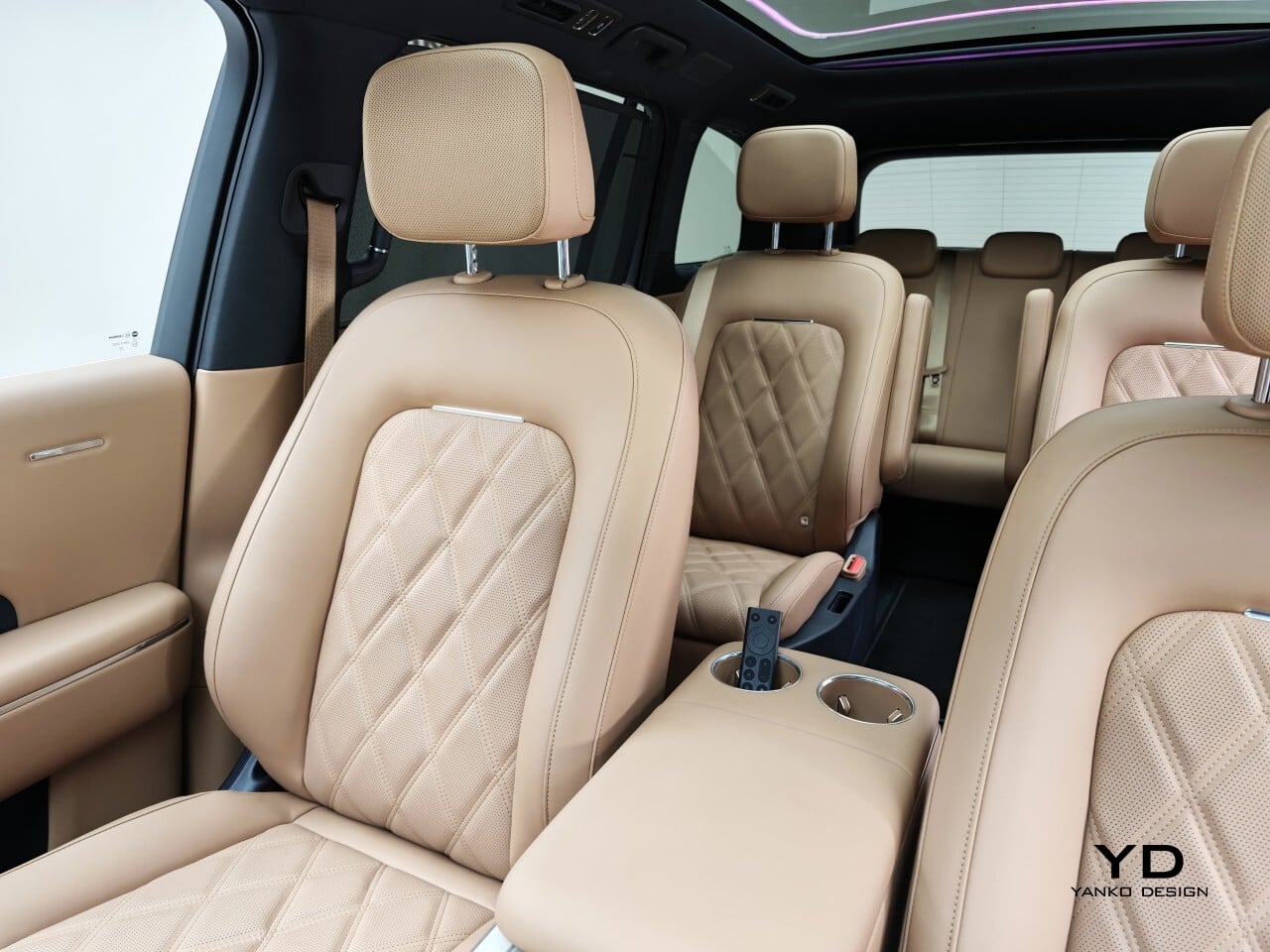
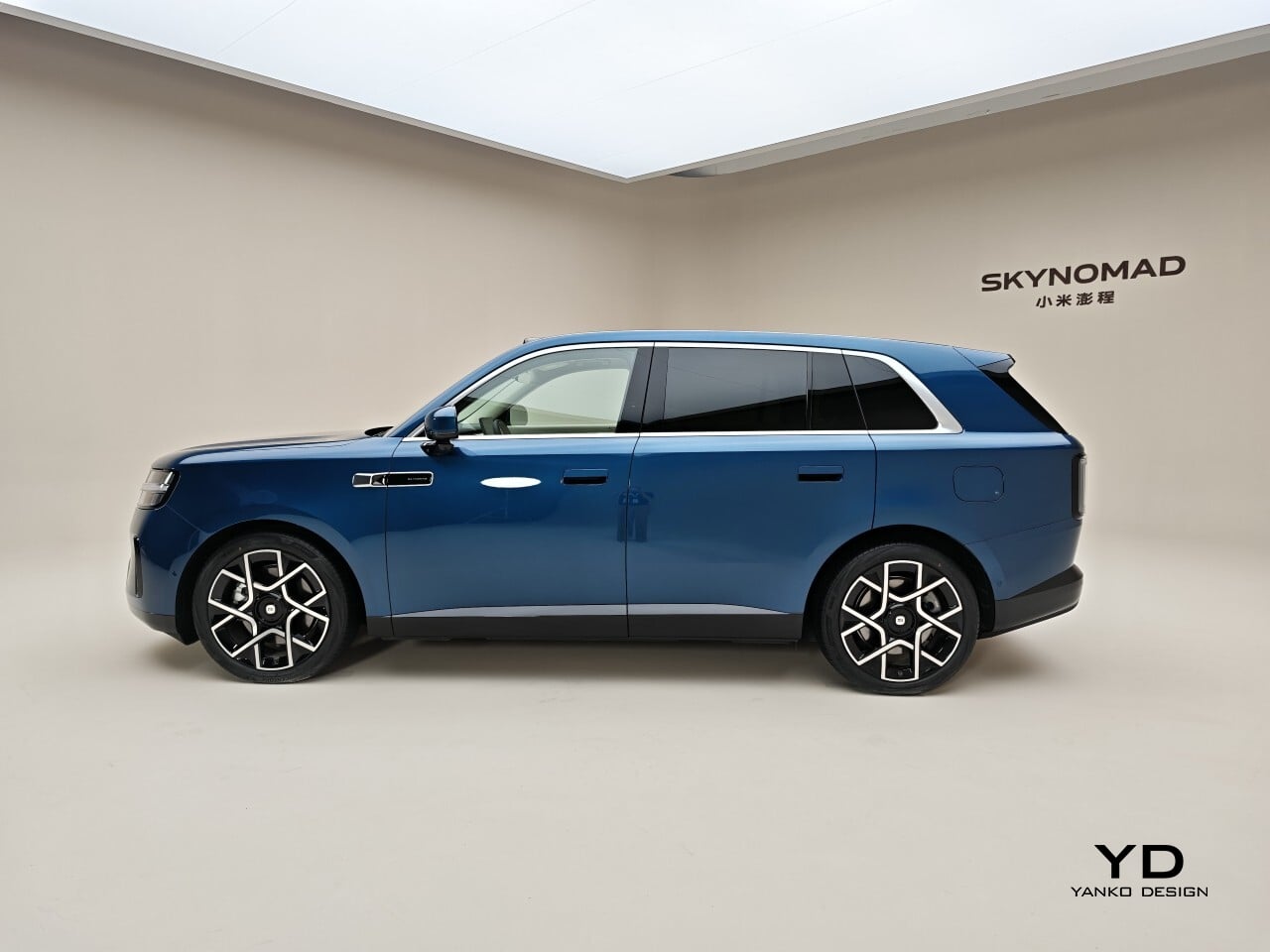
Alongside it, the SkyNomad N70 Max takes a sportier approach with a confirmed 2+3 seating layout. That five-seat format makes it the more straightforward option for buyers who want the SkyNomad concept in a two-row package, while still benefiting from the same emphasis on cabin openness and flexibility enabled by the Kunlun platform. At 4,960 mm long with a 2,950 mm wheelbase, it is the more compact of the pair, though it still feels substantial in person.
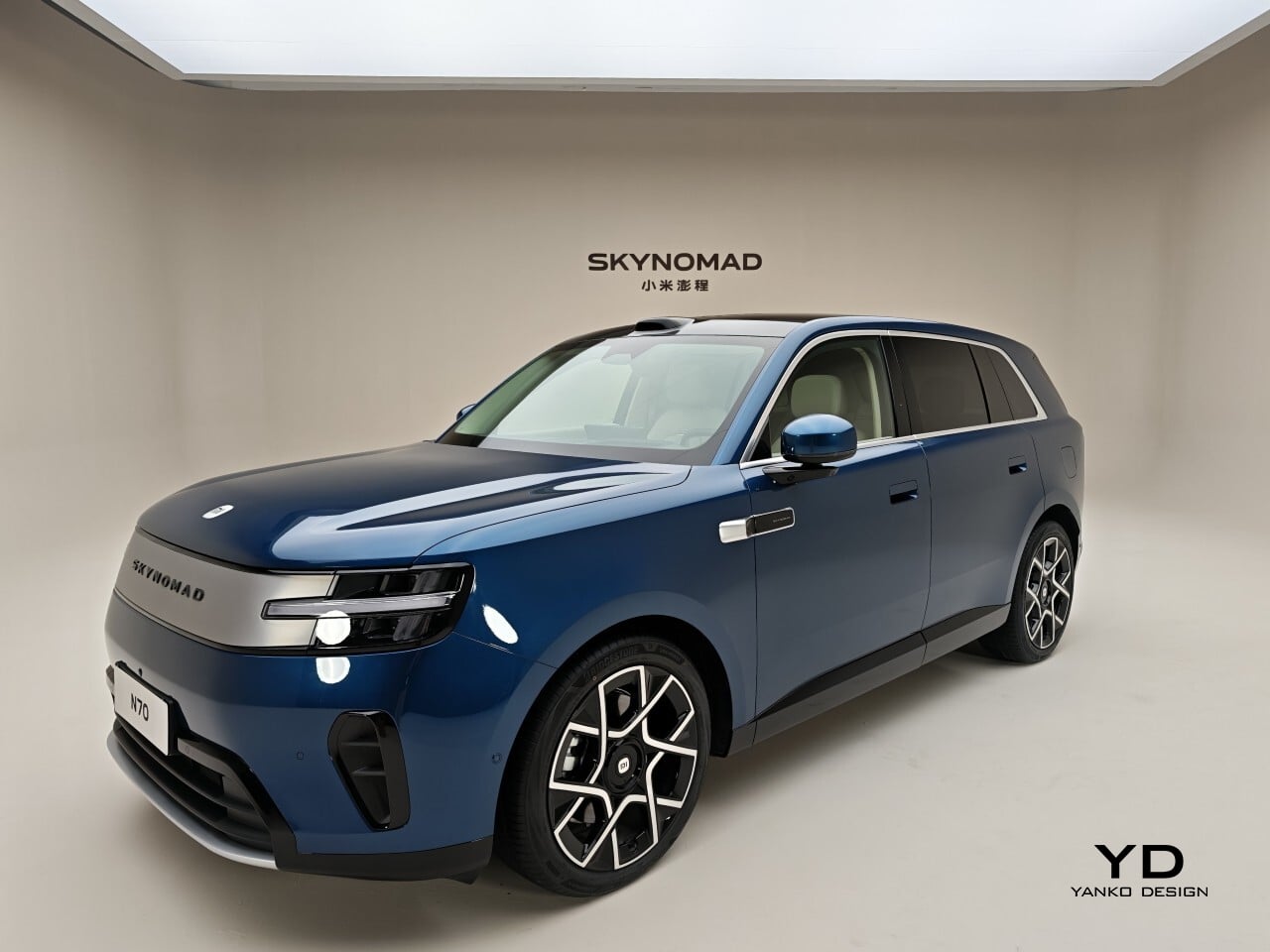
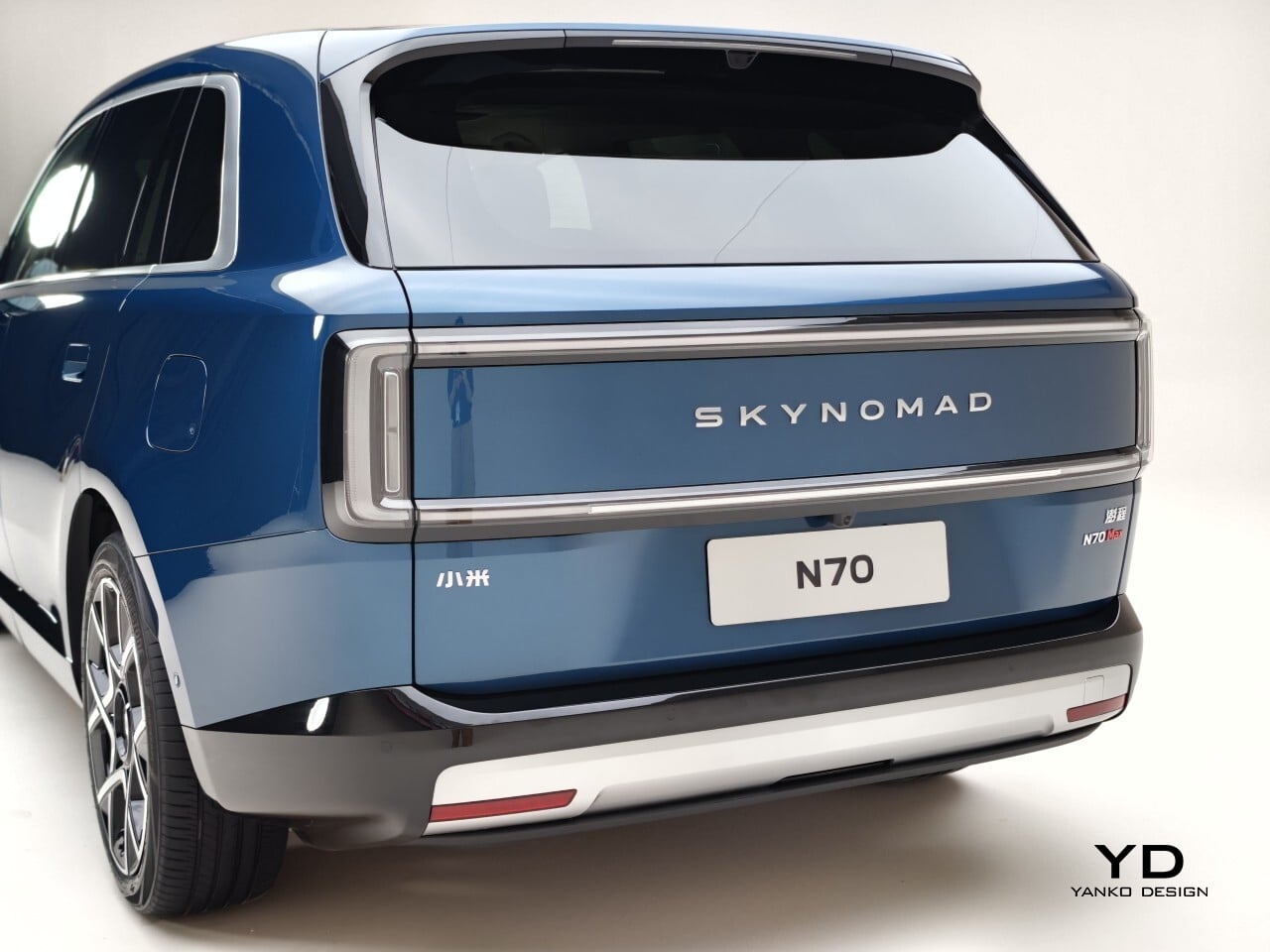
SkyNomad N70 Max
Flat-floor platform defines the cabin
The completely flat floor is more than a technical detail. It is central to how Xiaomi wants SkyNomad to feel and function. By removing the usual floor intrusion, the platform helps create a more lounge-like interior, improves second-row and third-row usability, and makes it easier to reconfigure the cabin for different scenarios.
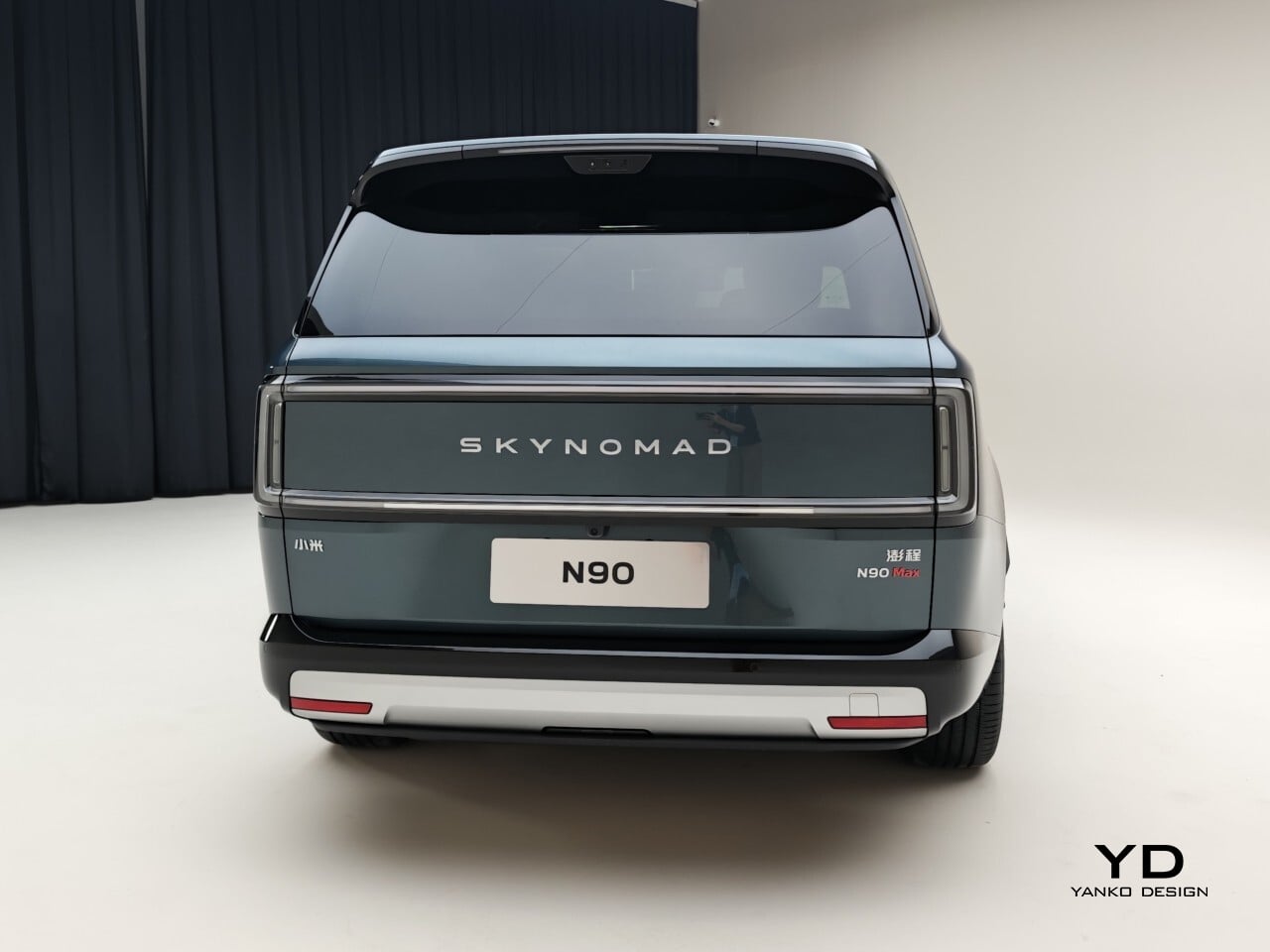
In the N90 Max, Xiaomi pushes that idea further with six sliding rails and a center console that can move 650 mm back and forth. The setup allows the cabin to be used with tables, bed arrangements, and other furniture-style layouts, giving the vehicle a more modular character than a conventional family SUV. Features such as a roughly 9-liter fridge and a 21.4-inch rear display with Xiaomi TV and remote control further underline the living-space concept.
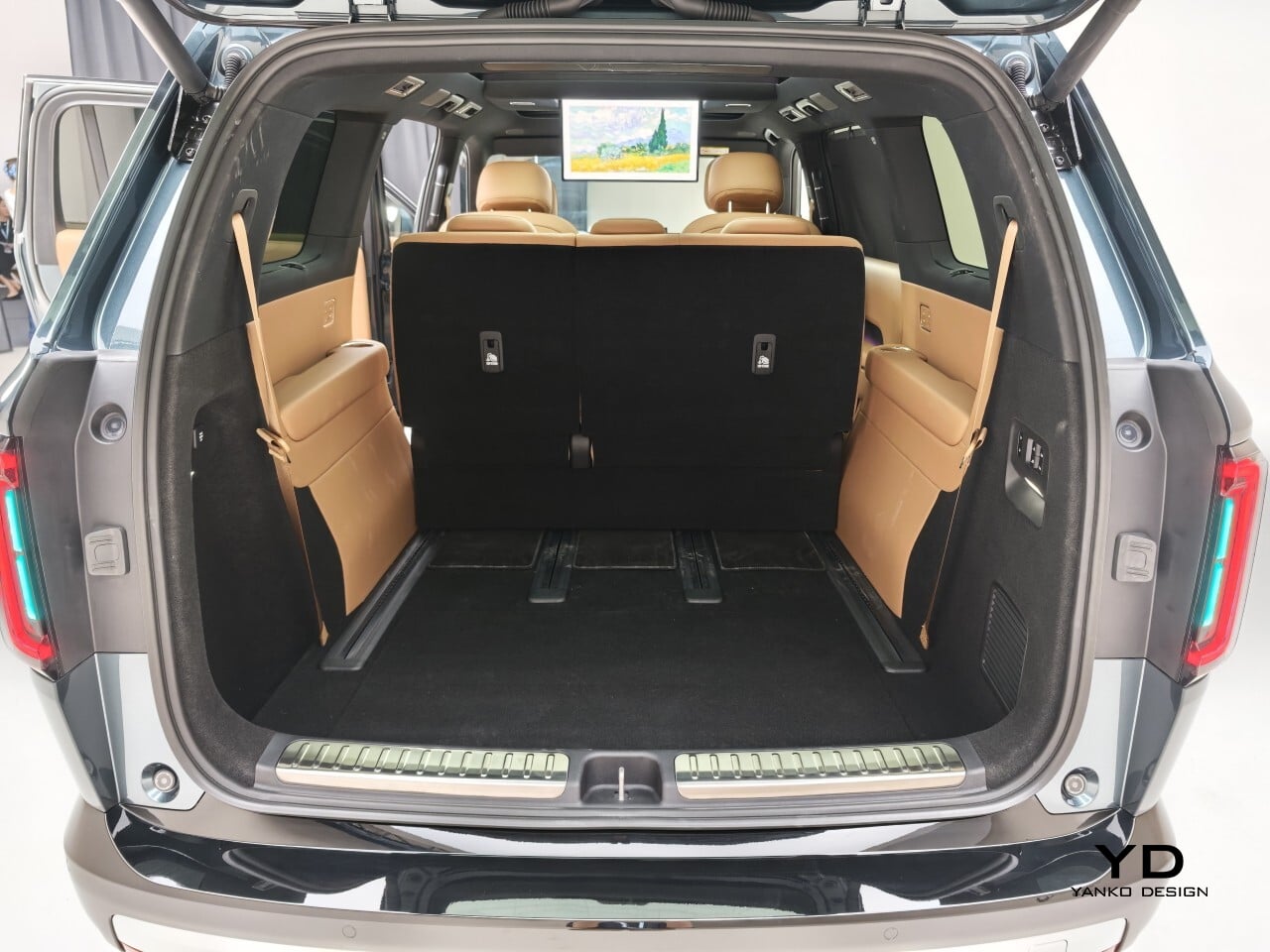
The N70 Max carries the same thinking into a sportier two-row package. It supports face-to-face seating and a full bed mode, while Xiaomi claims up to 1,400 mm of maximum rear legroom and around 1,002 liters of rear cargo space. Even without the third row, it is clearly designed to prioritize comfort and usability over a traditional SUV layout.
Safety is a major part of the pitch
Xiaomi is also using the SkyNomad launch to underline the safety credentials of the new Kunlun Technology Architecture. The company says it has been carrying out real-life road load testing since 2024. As of June 30, 2026, more than 500 test vehicles had accumulated 4.28 million kilometers over 628 days.
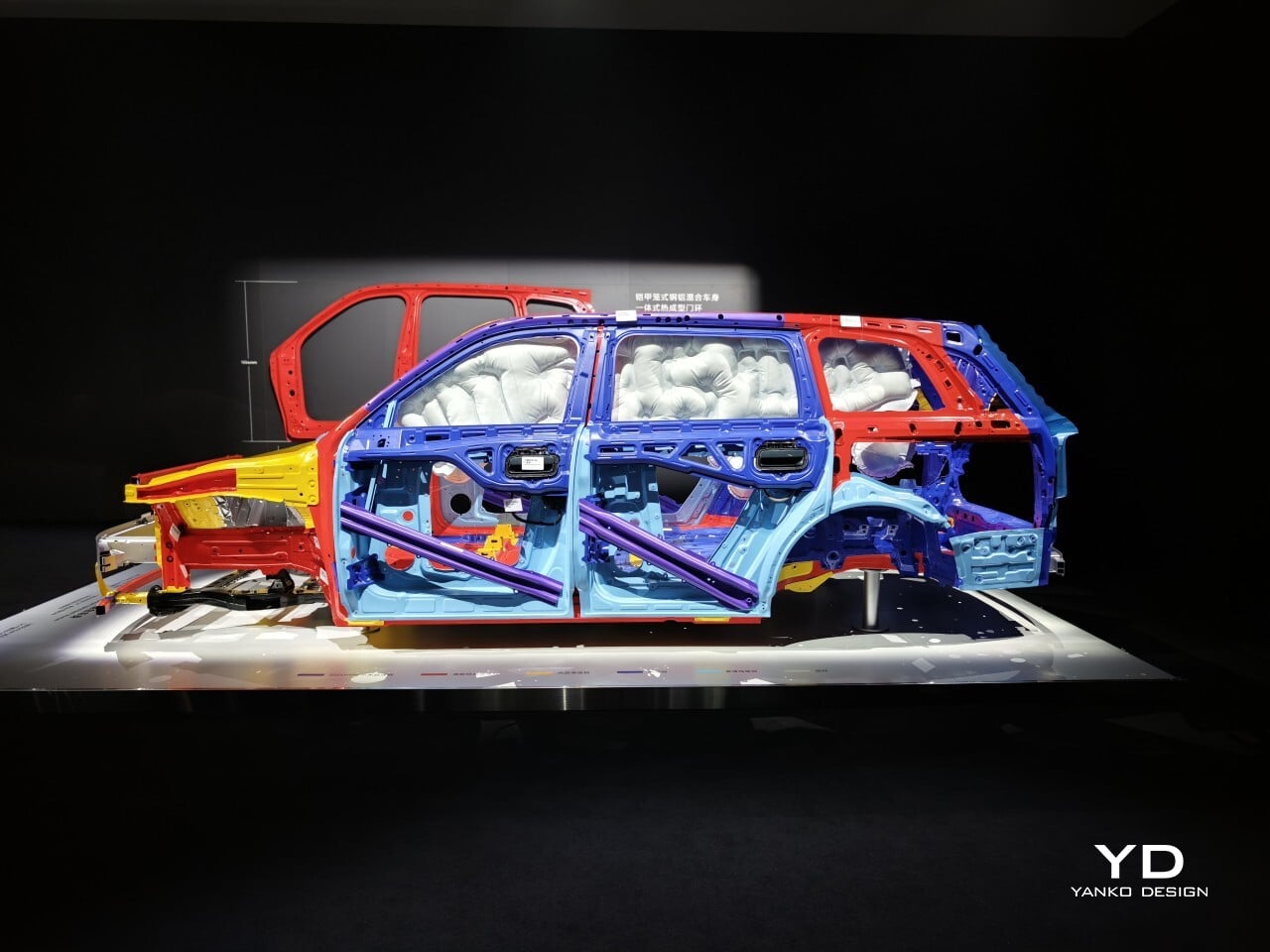
The body structure makes extensive use of 2200 MPa Xiaomi Hyper Strength Steel across 16 key areas. According to Xiaomi, that includes a 13-in-1 integrated design spanning the A, B, C, and D pillars, a layout intended to improve lateral body load capacity and strengthen the passenger cell. The N90 Max also comes equipped with 12 airbags, reinforcing its positioning as a large family SUV where occupant protection is expected to be a central selling point.
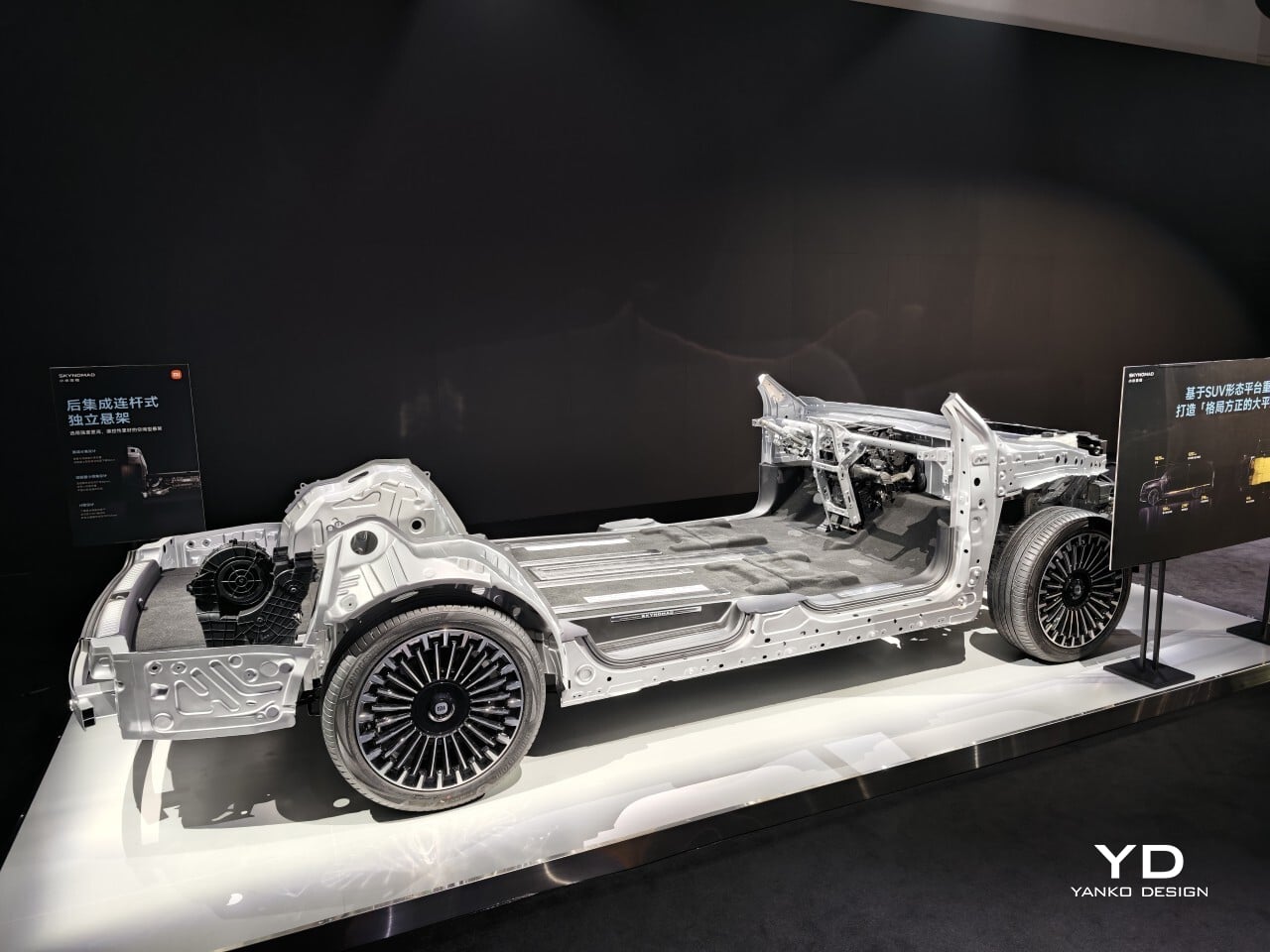
Xiaomi also highlighted battery durability and protection as part of the Kunlun platform package. The company claims a cell lifecycle of more than 2,000 charge cycles, which it says is roughly double the national standard. It also says the battery unit is protected by an 18-layer safety structure, while the floor has been reinforced to improve fire resistance, impact protection, and overall structural security around the pack.
Performance and range round out the package
Both the N90 Max and N70 Max use dual-motor all-wheel drive and a 76 kWh battery. Xiaomi quotes a 0 to 100 km/h time of 5.9 seconds for the N90 Max and 5.5 seconds for the N70 Max, while both models have a top speed of 190 km/h.
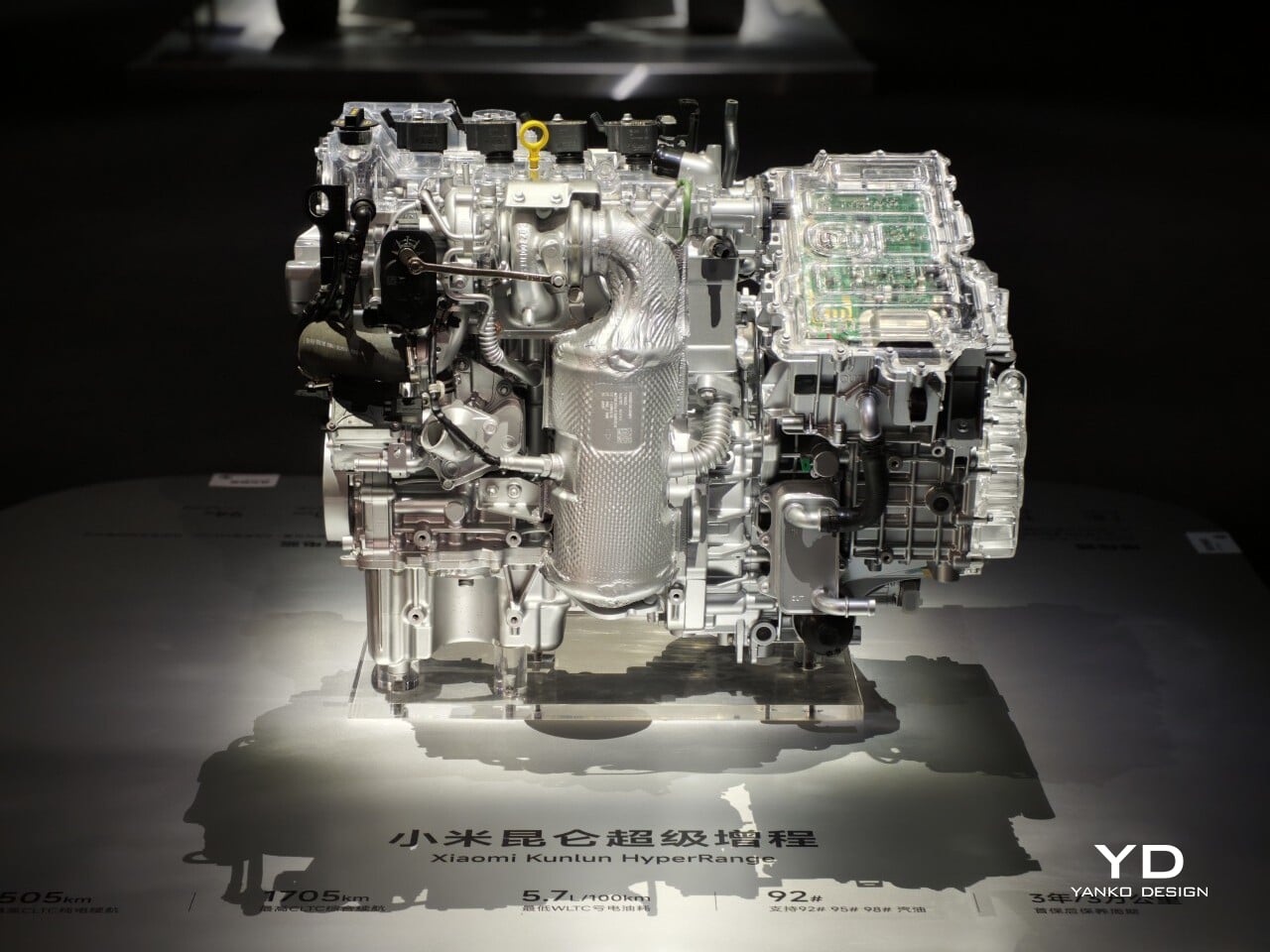
Range figures are also notable. Xiaomi lists the N90 Max with a CLTC combined range of 1,705 km and a CLTC pure electric range of 464 km. The N70 Max is rated for a CLTC pure electric range of 505 km.
First-hand impressions from the briefing
During a media briefing and hands-on session, both the N70 Max and N90 Max stood out for their reconfigurable seating and spacious cabins. Even in a short test, both SUVs felt notably roomy, and the seats themselves came across as comfortable and well suited to the space-first character Xiaomi is trying to establish for the series.
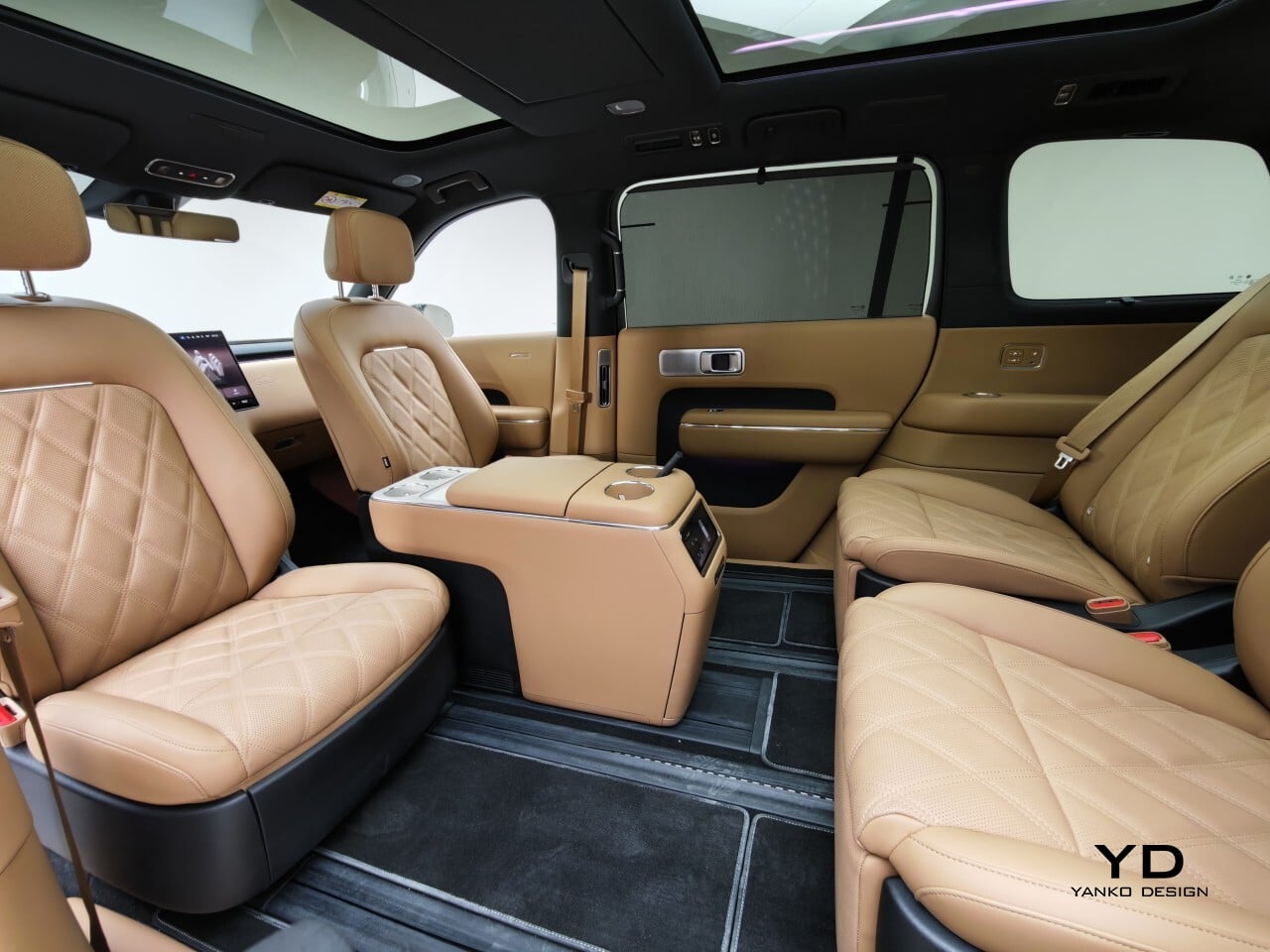
The N90 Max in particular showed how far Xiaomi is pushing the concept. One of the most striking demonstrations was its face-to-face seating reconfiguration, which transformed the cabin into something closer to a lounge than a traditional SUV interior. That setup reinforced Xiaomi’s broader pitch that SkyNomad is meant to function as more than transport, serving as a flexible living space for travel, rest, and family use.
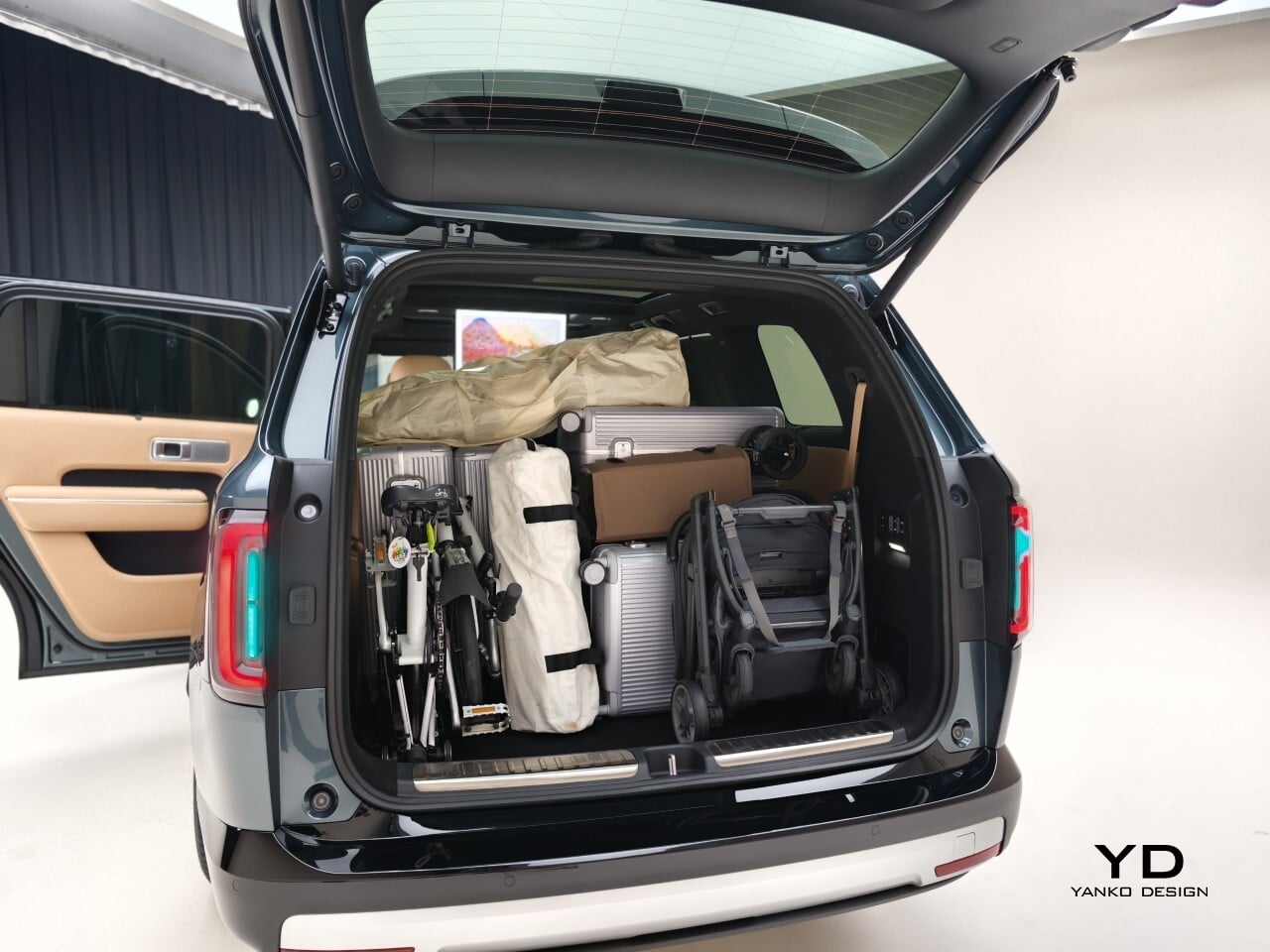
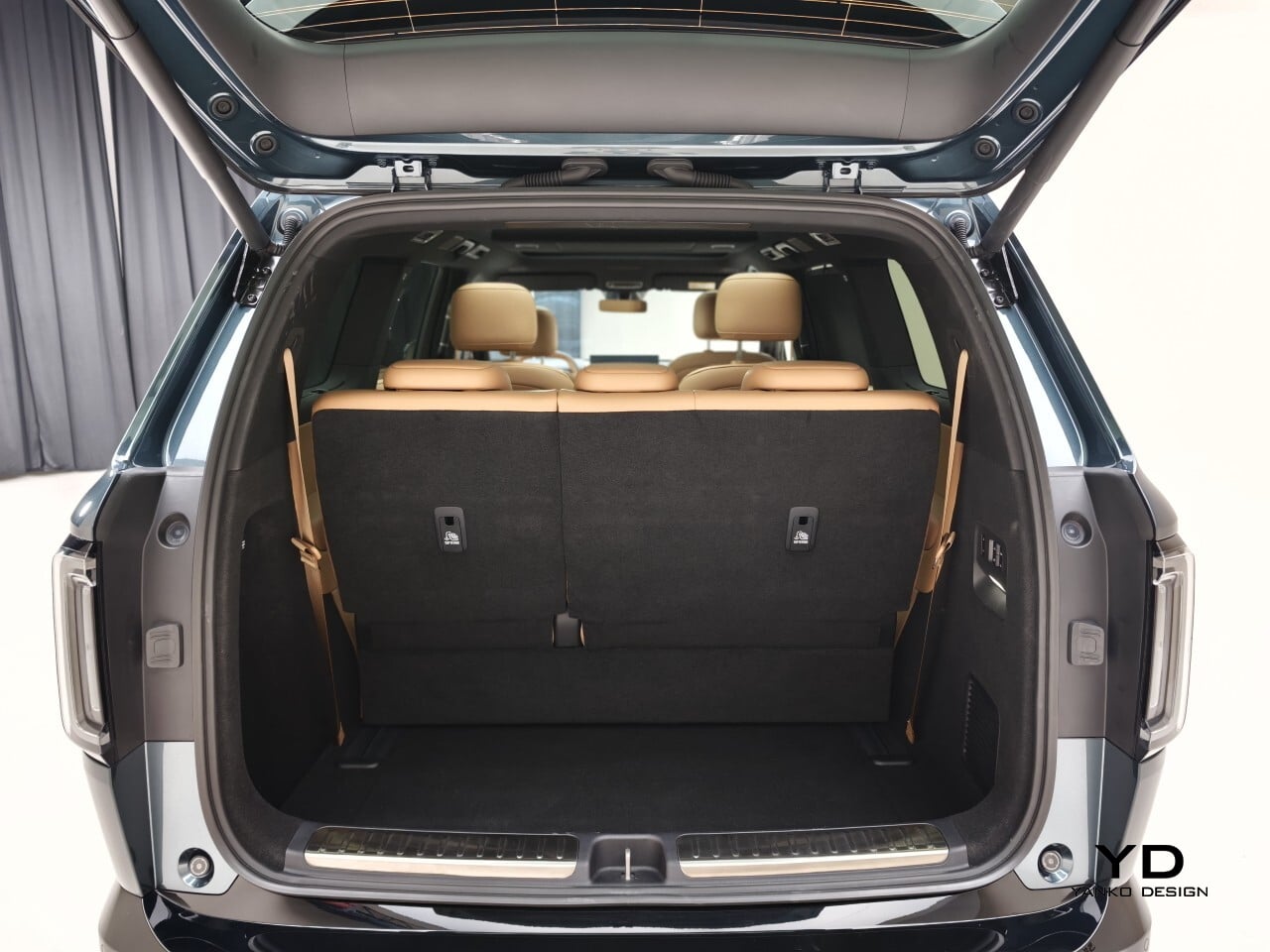
Cargo capacity was another standout. In its maximum rear trunk space configuration, the N90 Max was loaded with six 20-liter carry-on cases, a foldable bicycle, a folded baby stroller, and additional camping gear, while still leaving plenty of room in the back. The demonstration underlined the SUV’s family and lifestyle focus, especially for buyers who need genuine carrying ability rather than just a large exterior footprint.
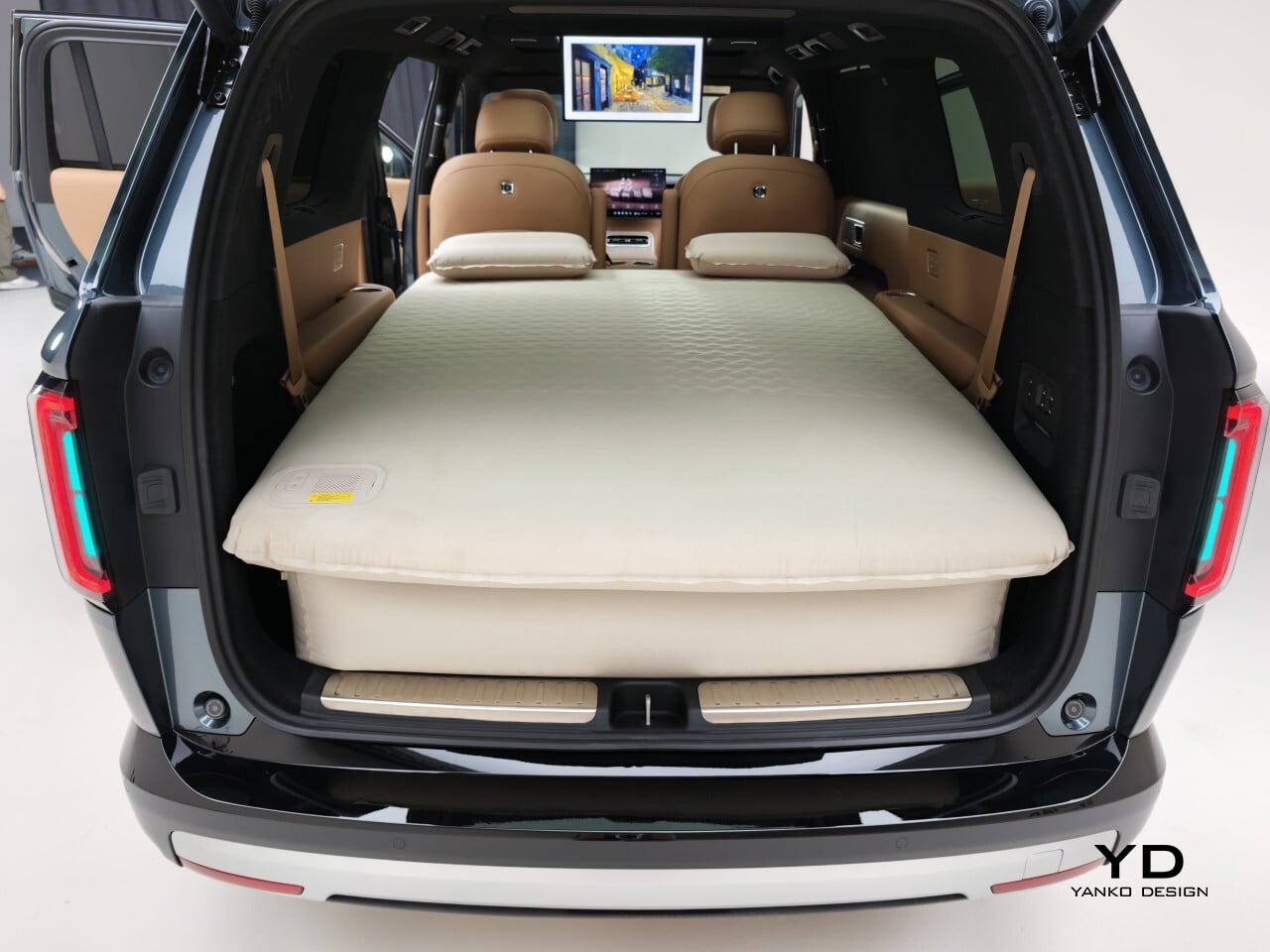
Xiaomi also showed the N90 Max in a more leisure-oriented setup with an air mattress laid out in the cabin. Lying down inside, the space felt comfortable, and the panoramic sky roof gave a clear view upward. That added to the sense that the vehicle is being designed as a place to spend time, not just a machine for getting from one point to another.
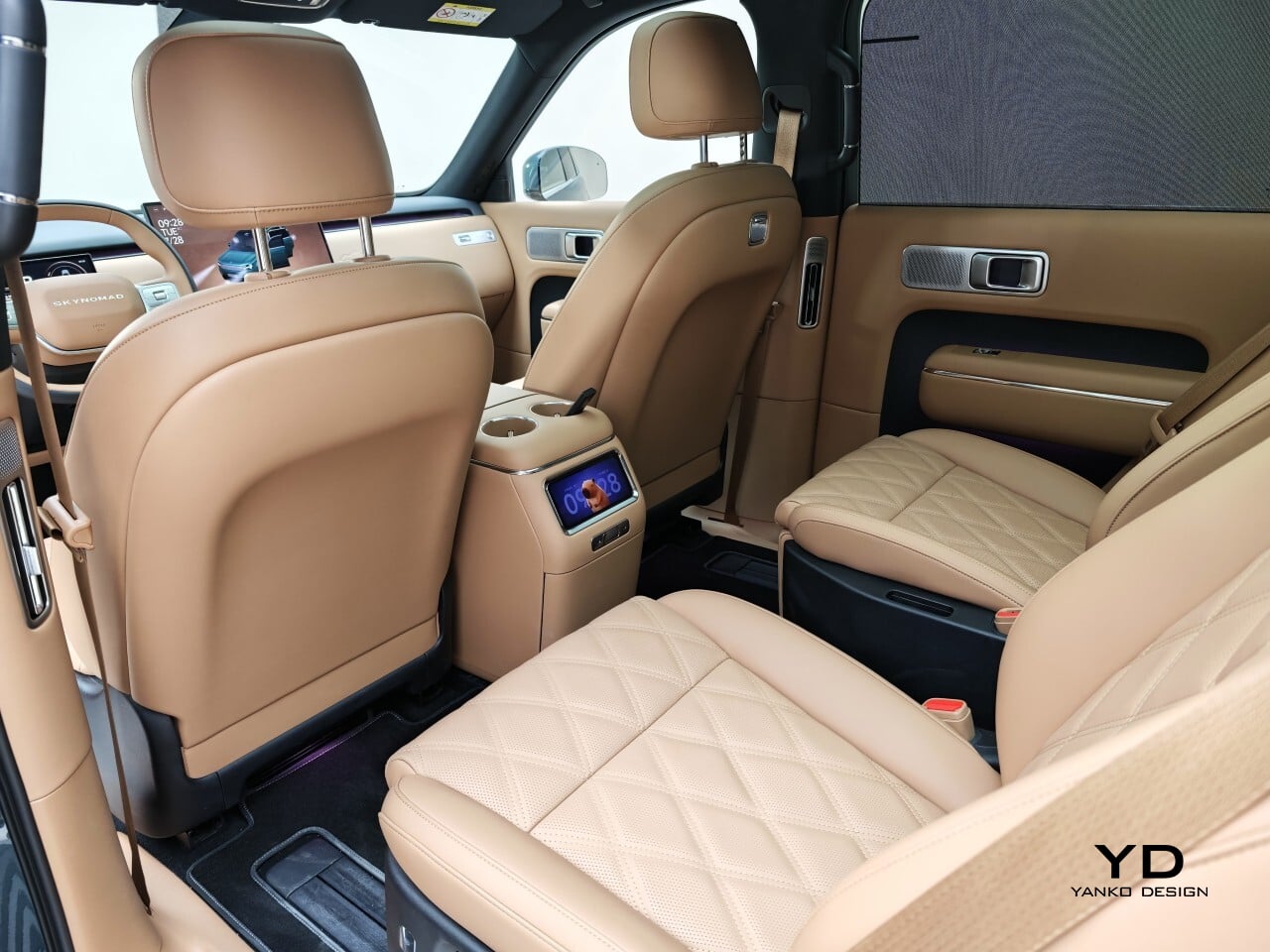
That impression carried across both models. Even with limited time behind the scenes, the N70 Max and N90 Max both felt impressively roomy, and Xiaomi’s emphasis on reconfigurable seating did not come across as a gimmick. Instead, it felt like a practical extension of the Kunlun platform’s flat-floor packaging and the brand’s attempt to create SUVs that are genuinely adaptable to modern family life.
A broader move into family SUVs
With SkyNomad, Xiaomi is moving beyond the more driver-focused identity of its earlier vehicles and into a segment where comfort, flexibility, safety, and interior usability matter just as much as technology. The N90 and N70 are not just larger additions to the lineup, but a clear signal that Xiaomi sees family-oriented, space-led SUVs as an important part of its next phase in the auto market.
On first impression, that strategy looks thoughtful. Between the flat-floor Kunlun platform, the emphasis on reconfigurable interiors, and the effort to pair lifestyle versatility with serious safety messaging, SkyNomad gives Xiaomi a distinctive angle in an increasingly crowded field of large electrified SUVs.