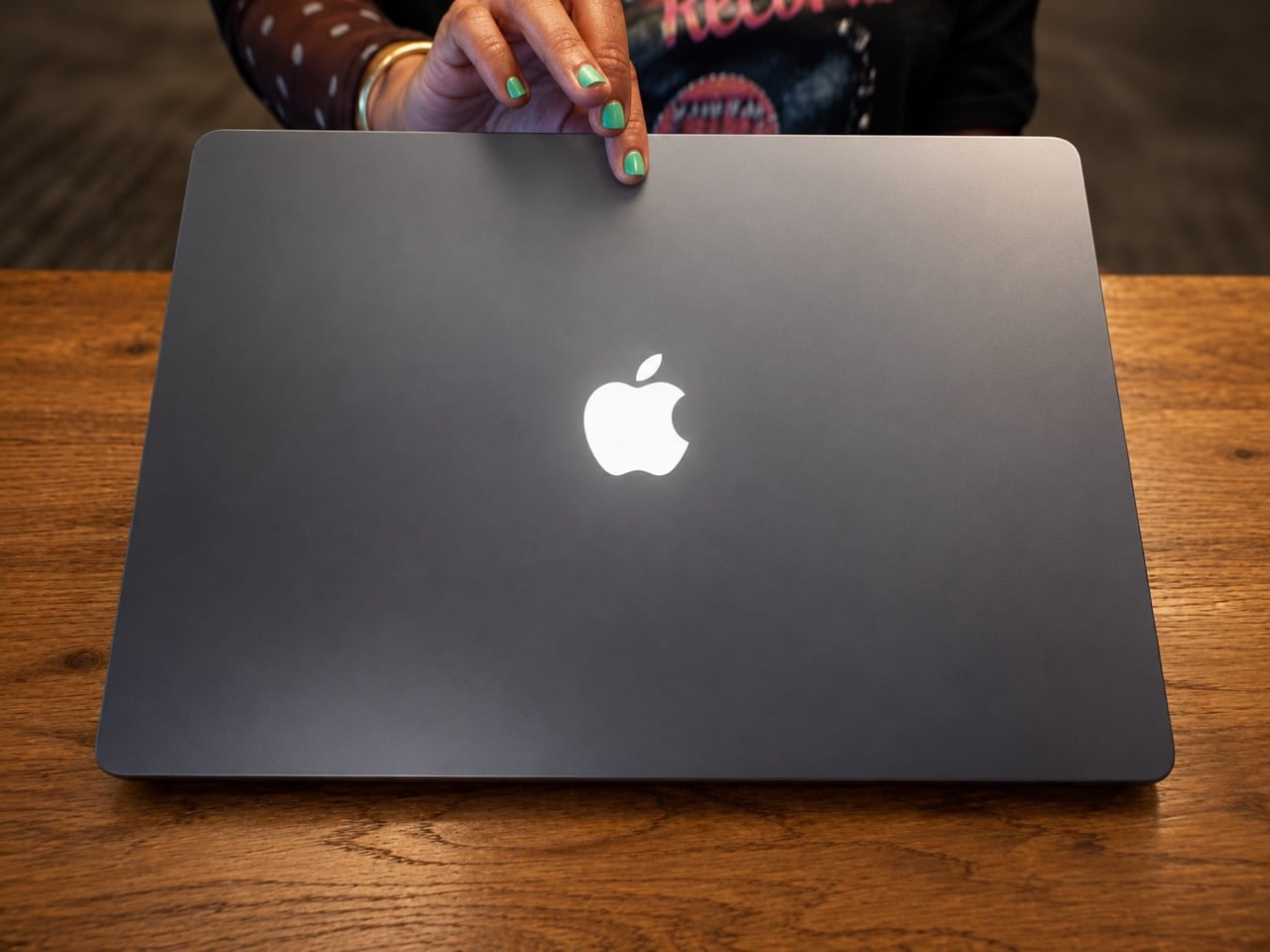
If you owned a MacBook before 2016, you remember the glowing apple on the lid. It lit up dorm rooms, airport gates, and every TV show where someone typed dramatically in a cafe, and it told the whole room you’d spent real money on your laptop. Apple started switching it off in 2015 with the 12-inch MacBook, and the MacBook Pro followed in 2016, all in the name of thinner lids. Eleven years later, the light is back on the new MacBook Pro with PROLED XDR Display, Apple’s first touchscreen Mac. This time, Apple has turned it into a full-blown status symbol.
OLED made the comeback harder, because the old logo ran on spare light from the LCD backlight, and OLED pixels make their own light with nothing to spare. So Apple had to rig up a separate light source just for the badge, and it hasn’t explained how. It even kept the old behavior, with the logo dimming and brightening along with your screen. Then it put the glow on exactly one model, leaving the standard MacBook Pro and the $1,999 M6 version with plain mirror logos. Nostalgia is officially a premium feature now, and it starts at $2,899.
Designer: Apple
Thinness killed the glow in 2015
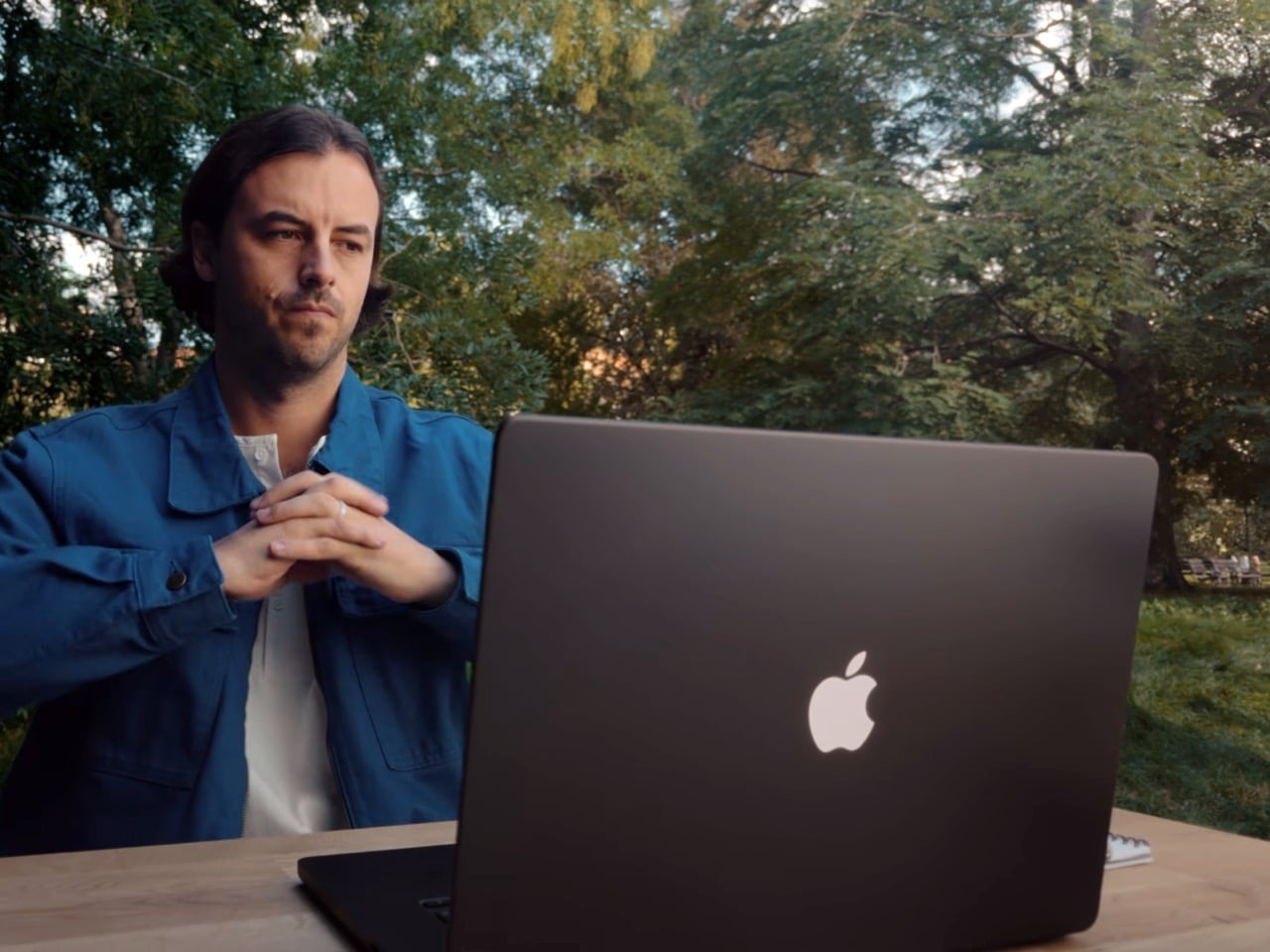
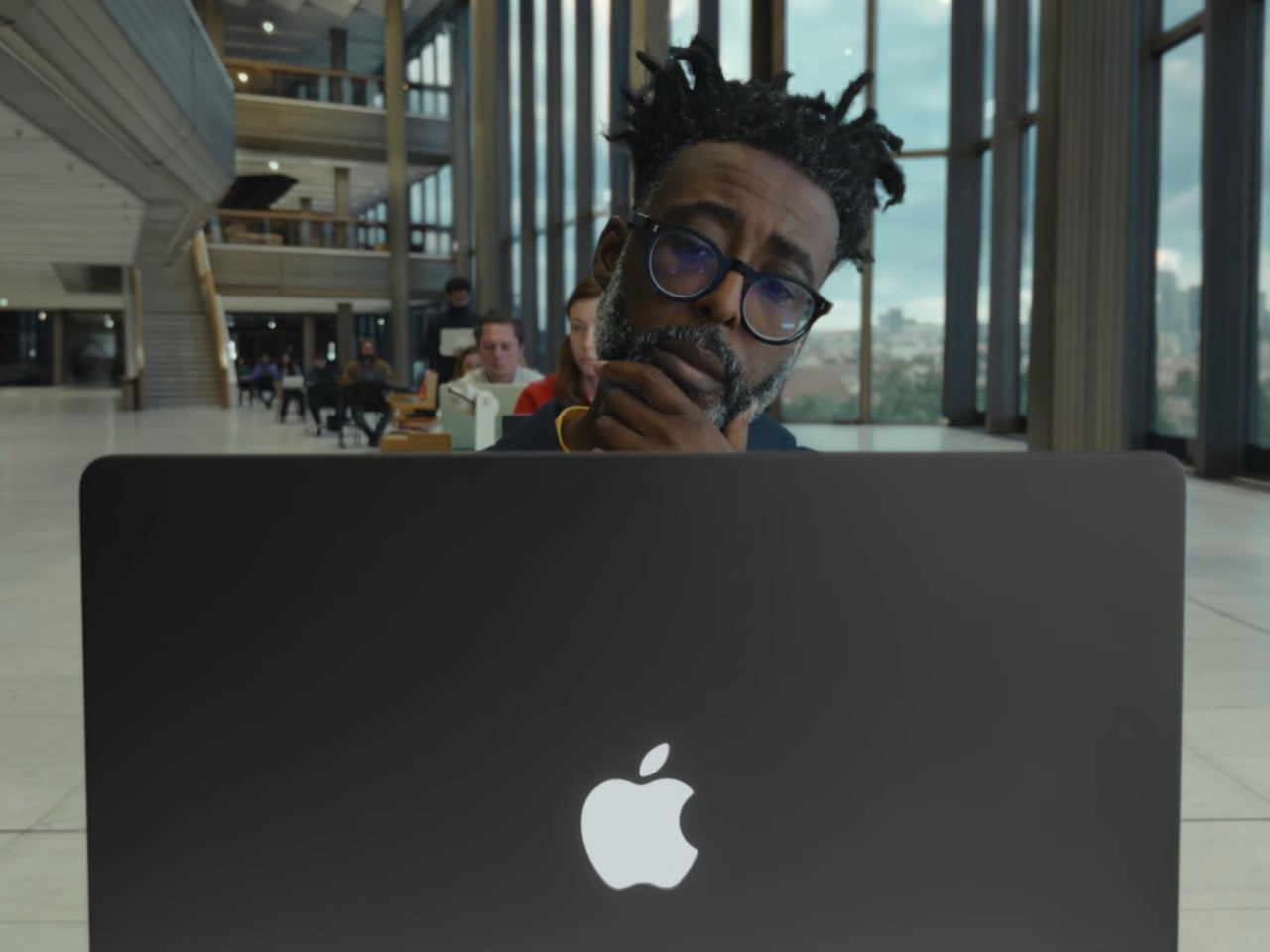
The old glow cost Apple nothing. An Apple-shaped hole was cut into the aluminum lid, filled with translucent plastic, and lit by leftover light from the LCD backlight sitting right behind it. That free light came with baggage, though, because the cutout was an extra layer Apple had to make room for in a lid it badly wanted thinner. As panels got slimmer, there were reportedly worries about the cutout creating a bright hot spot on the display, a nightmare for a screen Apple sells on uniform brightness. So when the 12-inch MacBook arrived in 2015, thinness won, and a polished, unlit logo took over.
Losing the glow meant losing the best billboard Apple ever owned. Apple always knew that logo was aimed at onlookers, and Steve Jobs proved it years earlier. Early PowerBooks and iBooks placed the apple so it faced the owner with the lid closed, which made it look upside down to everyone else once the laptop opened. Jobs eventually reversed that, reasoning that opening a laptop from the wrong end fixes itself in seconds while an upside-down logo stays upside down forever. Hollywood reportedly played a part too, since some filmmakers were sticking decals over loaned laptops so the apple looked right on camera.
Apple now pays for a light it used to get free
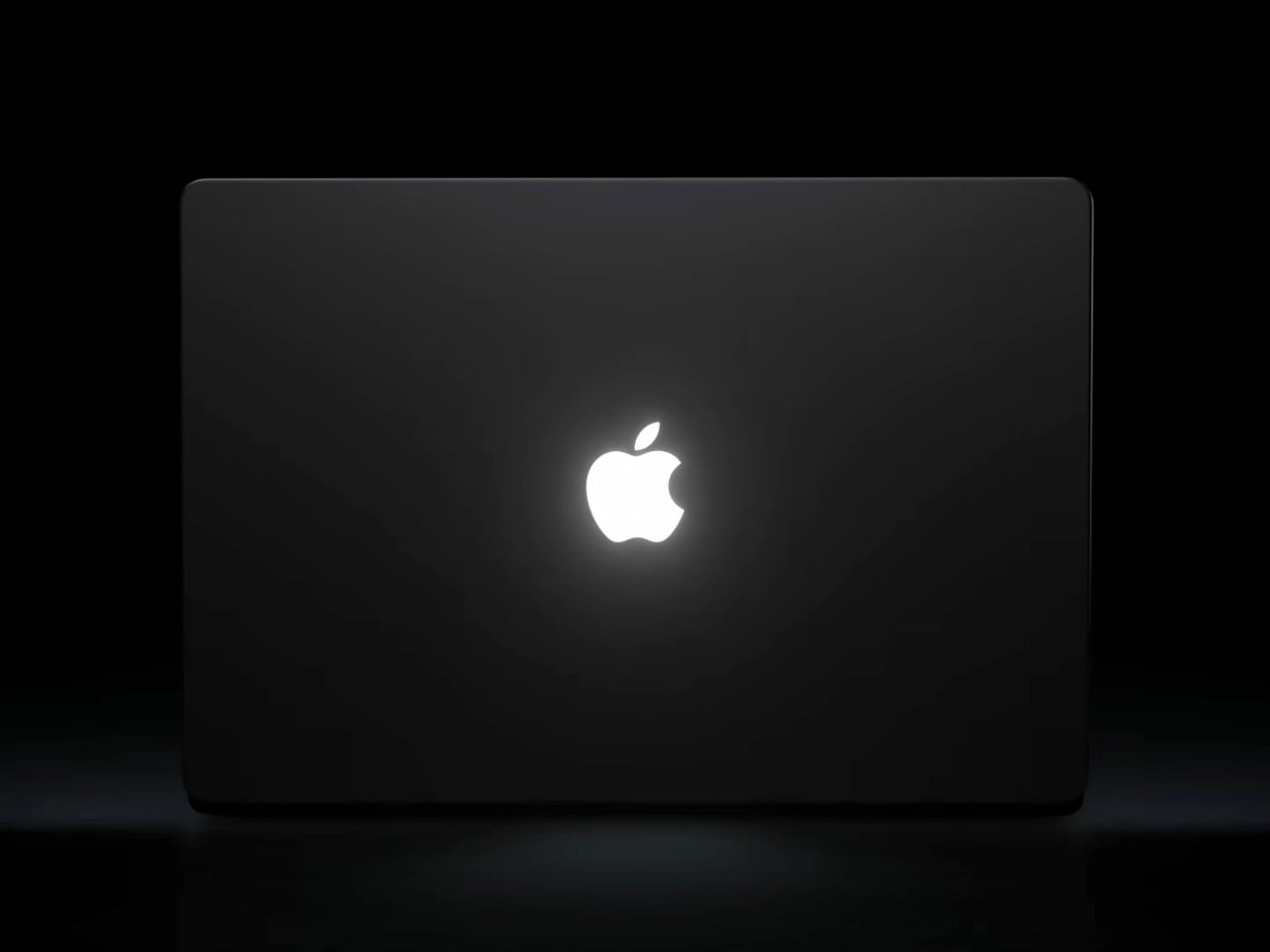
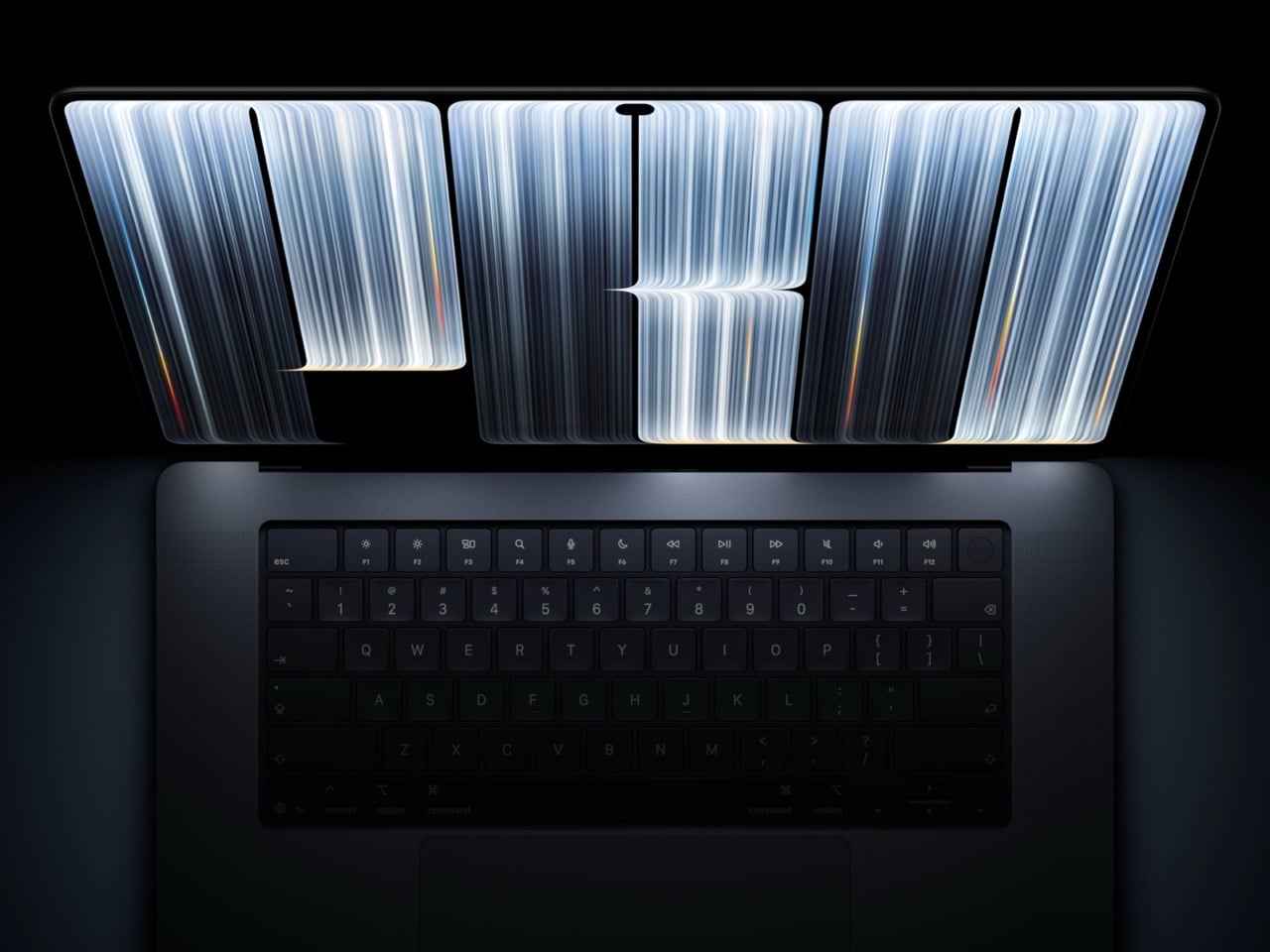
OLED changed the math, because each pixel makes its own light and nothing spills out the back of the panel for a logo to borrow. The best clue to Apple’s fix is a 2022 patent for a backlit, partially reflective mirror that looks shiny when off and lets internal light through when lit. That lines up with what people saw at the launch, a mirror-finish apple that glows when the lid opens and goes dark when it shuts. Apple hasn’t confirmed the patent is the one in use, so treat it as an educated guess. Either way, somebody in Cupertino had to design, source, and power a light whose only job is to be admired by strangers.
Then Apple made that light exclusive. The standard MacBook Pro and the $1,999 M6 model keep unlit mirror logos, so the glow only shows up on machines starting at $2,899. Luxury carmakers have run this play for over a decade, ever since Mercedes dealers started offering an illuminated three-pointed star in 2013. BMW answered with its Iconic Glow kidney grilles, Rolls-Royce lit up its grille, and Bentley made its winged B glow. Those lights do almost nothing for driving, and Apple’s logo does nothing for rendering, which is exactly the point. A badge that glows is a badge people paid for.
Apple is in the status symbol business again
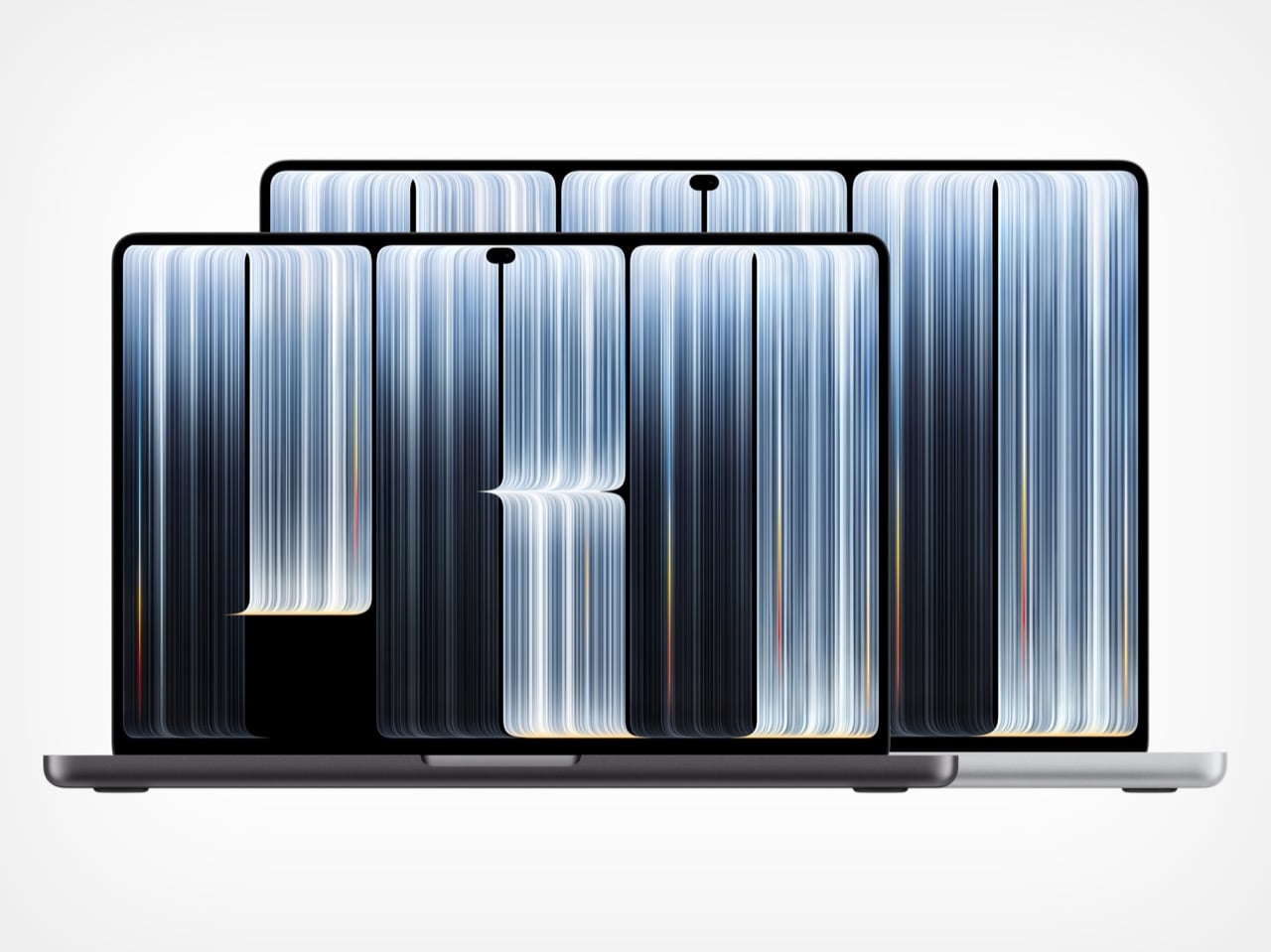
Apple used to sell status by default. Owning an iPod in the 2000s turned those white earbuds into a flex, and standing in line for the first iPhone in 2007 made you the most interesting person at dinner. Under Tim Cook, Apple shifted toward putting a slice of the pie in every hand, with cheaper SE iPhones, budget iPads, and a $999 MacBook Air. That strategy sold a staggering number of devices, and I’d argue it also made owning an Apple product feel ordinary. When everyone has the apple, the apple stops saying much about you.
The Ternus era looks like a deliberate correction. The $1,999 iPhone Duo folds in half and announces itself every time you open it, and the glowing logo now marks the one MacBook Pro that costs $2,899 and up. Ternus clearly knows what he’s selling, because his launch-morning teaser was a wordless clip of that logo lighting up. Jobs, who spent years fussing over which way the apple faced, would have understood the instinct completely. The apple spent 11 years in the dark, and it came back as a velvet rope.