Physical controls are having a moment. Volkswagen and Subaru are bringing back buttons and dials after years of touchscreen regret. Ferrari’s first EV was designed with Jony Ive’s studio around toggle switches and analog-style gauges. Across the design world, the message is clear: tactile isn’t nostalgia, it’s better design.
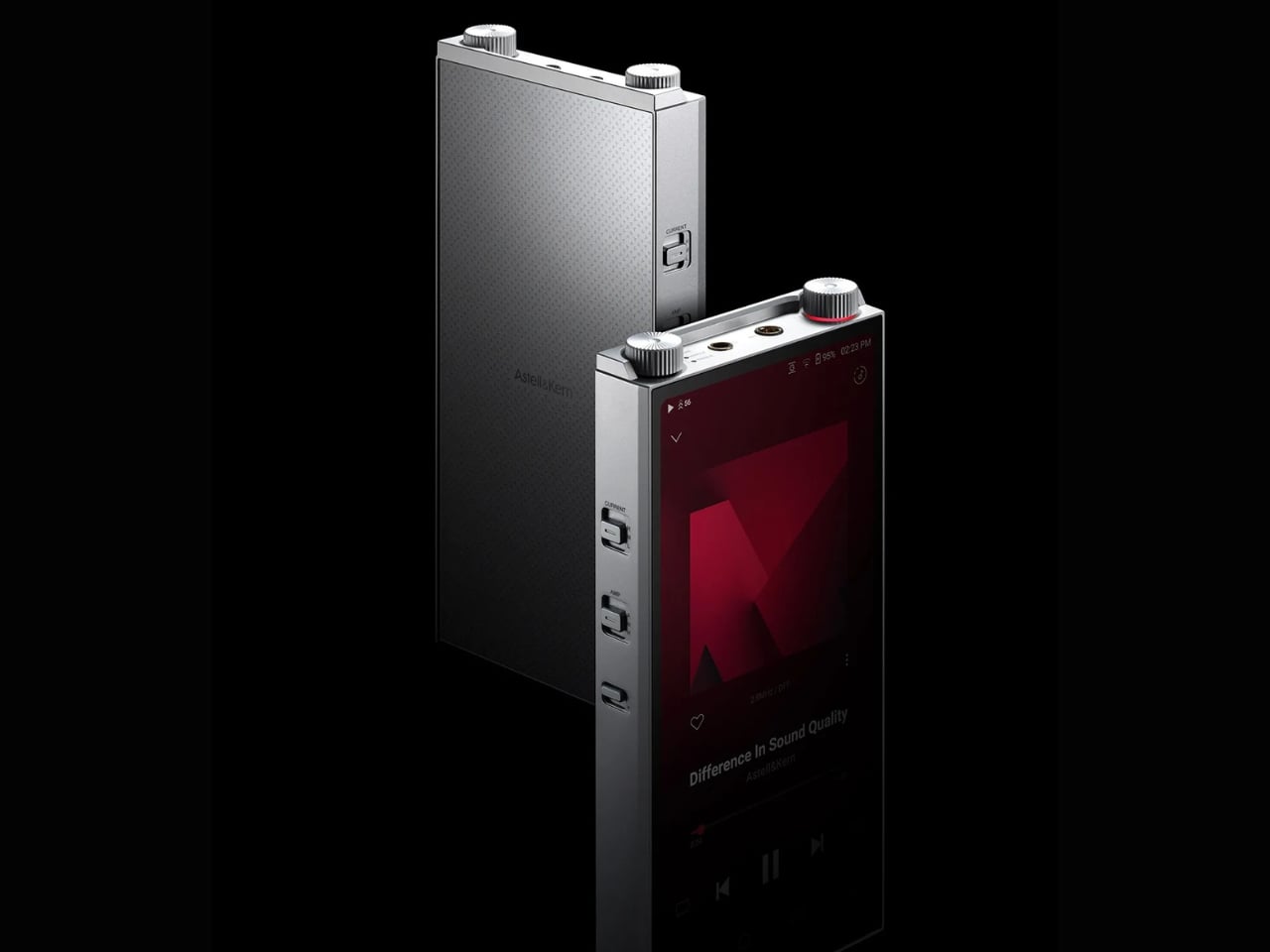
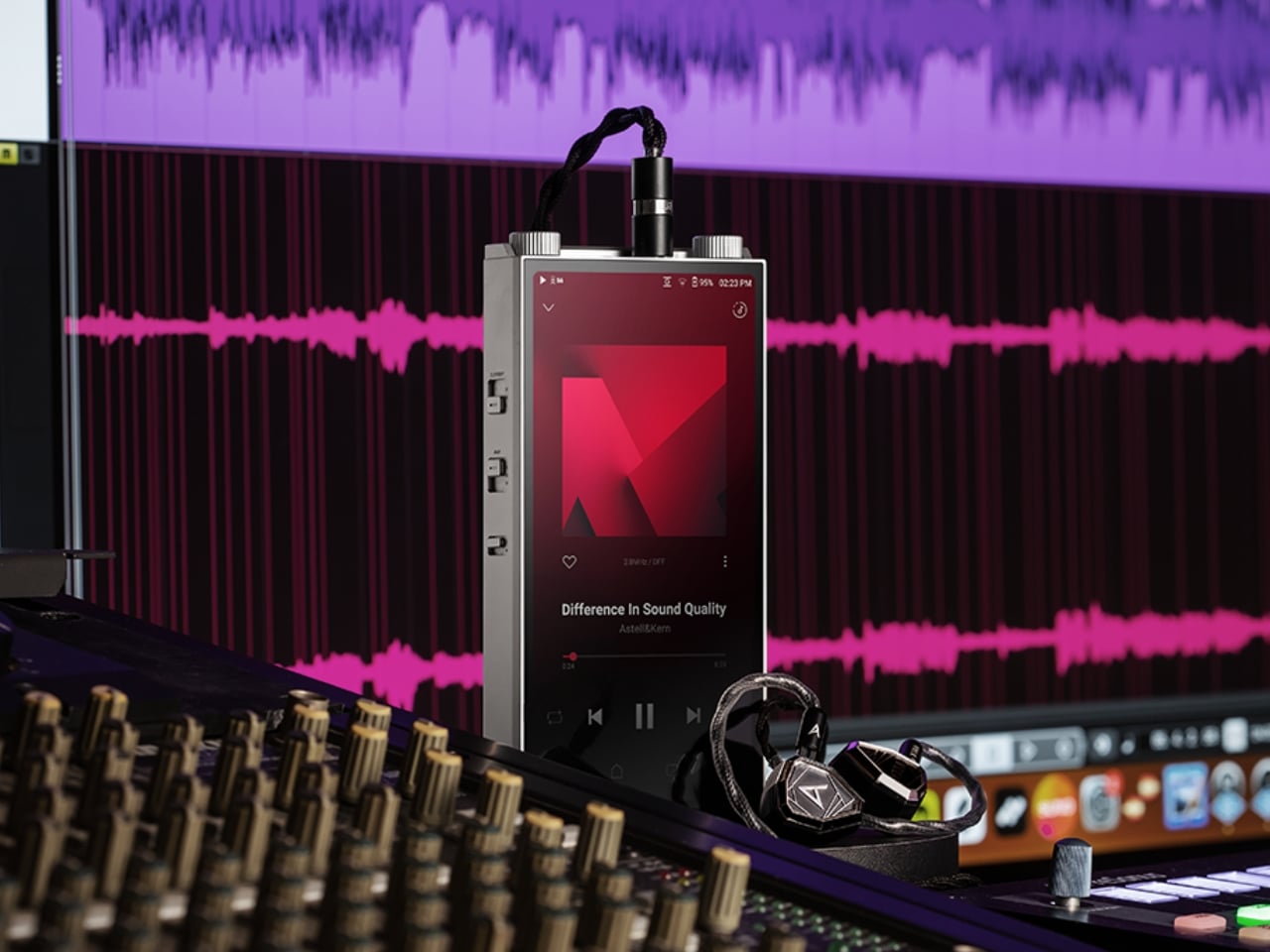
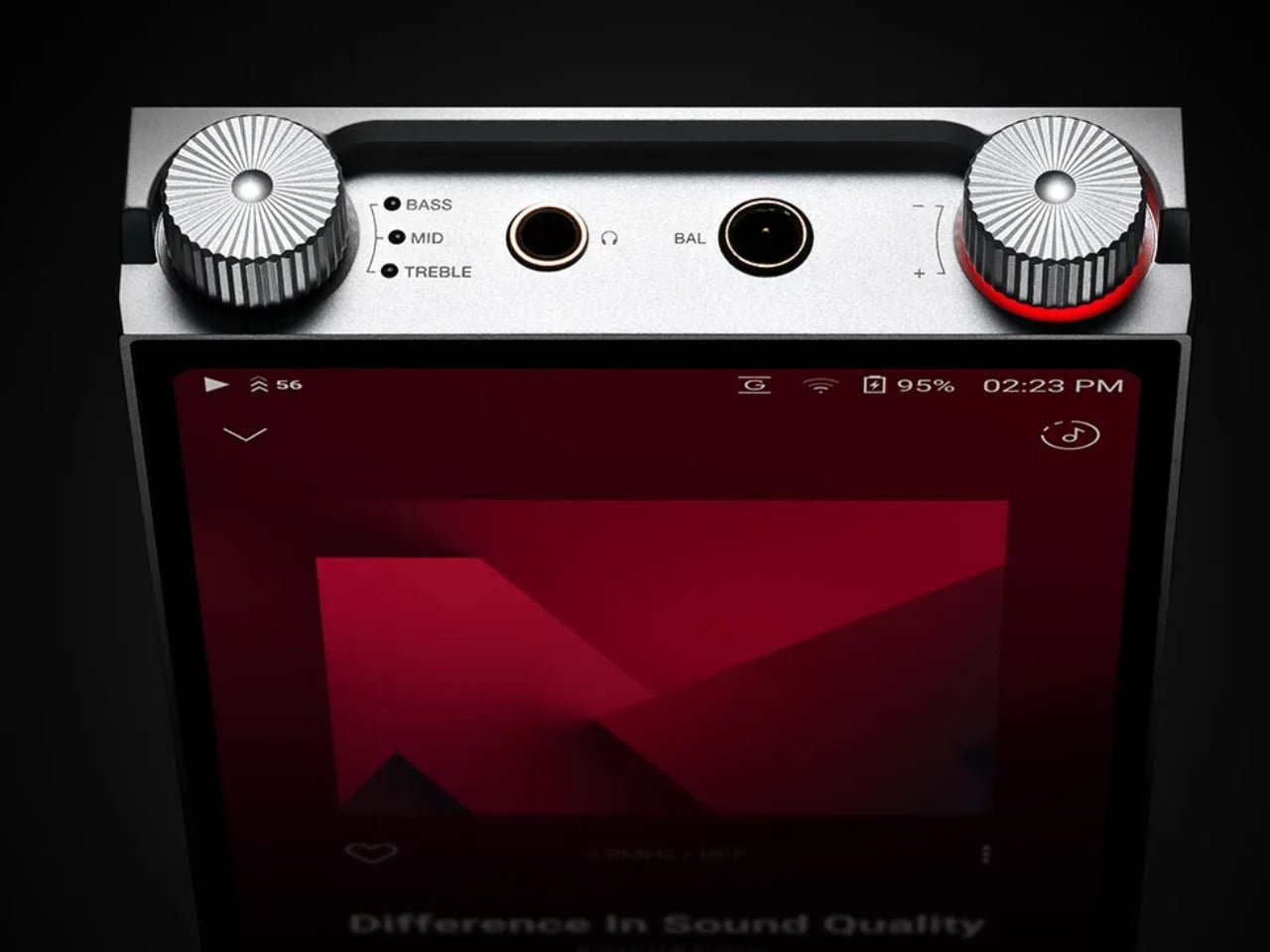
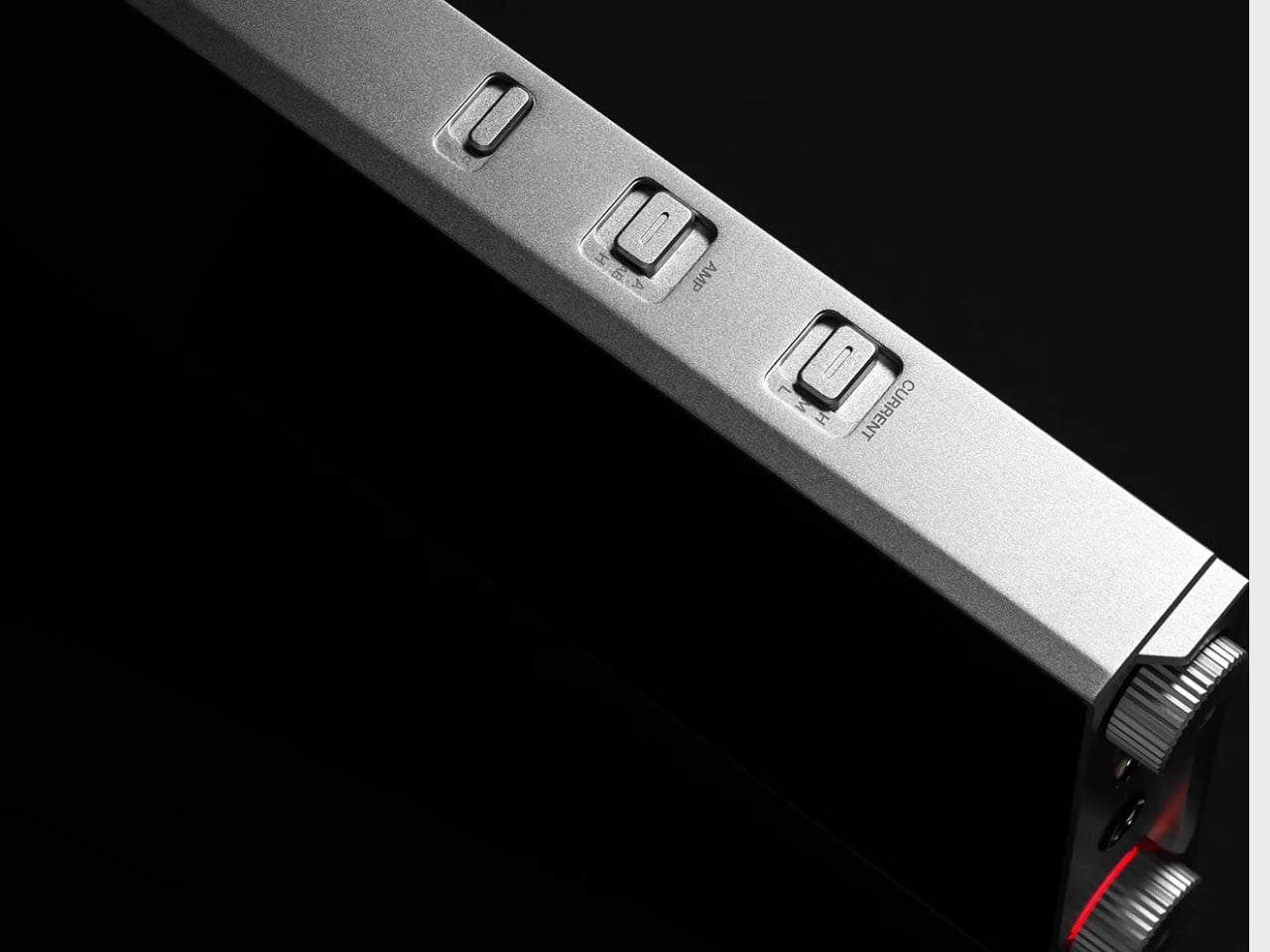
The Astell&Kern PD20 arrives right in the middle of this shift, and it might be the purest expression of it yet. This $1,970 portable digital audio player could have easily been just another black rectangle with a touchscreen. Instead, Astell&Kern built what it calls a “Sound Lab Control,” a device whose entire design philosophy revolves around physical interaction. Two wheels sit on top of the player, one for volume and one for sound tuning, positioned symmetrically like the controls on a vintage mixing console. On the side, physical slide switches let you toggle between amplifier modes and current levels without ever touching a menu. An LED ring around the power button glows different colors depending on the bit depth of whatever you’re playing. The whole thing is machined from aluminum and feels like something an engineer would be proud to leave on a desk.
Designer: Astell&Kern
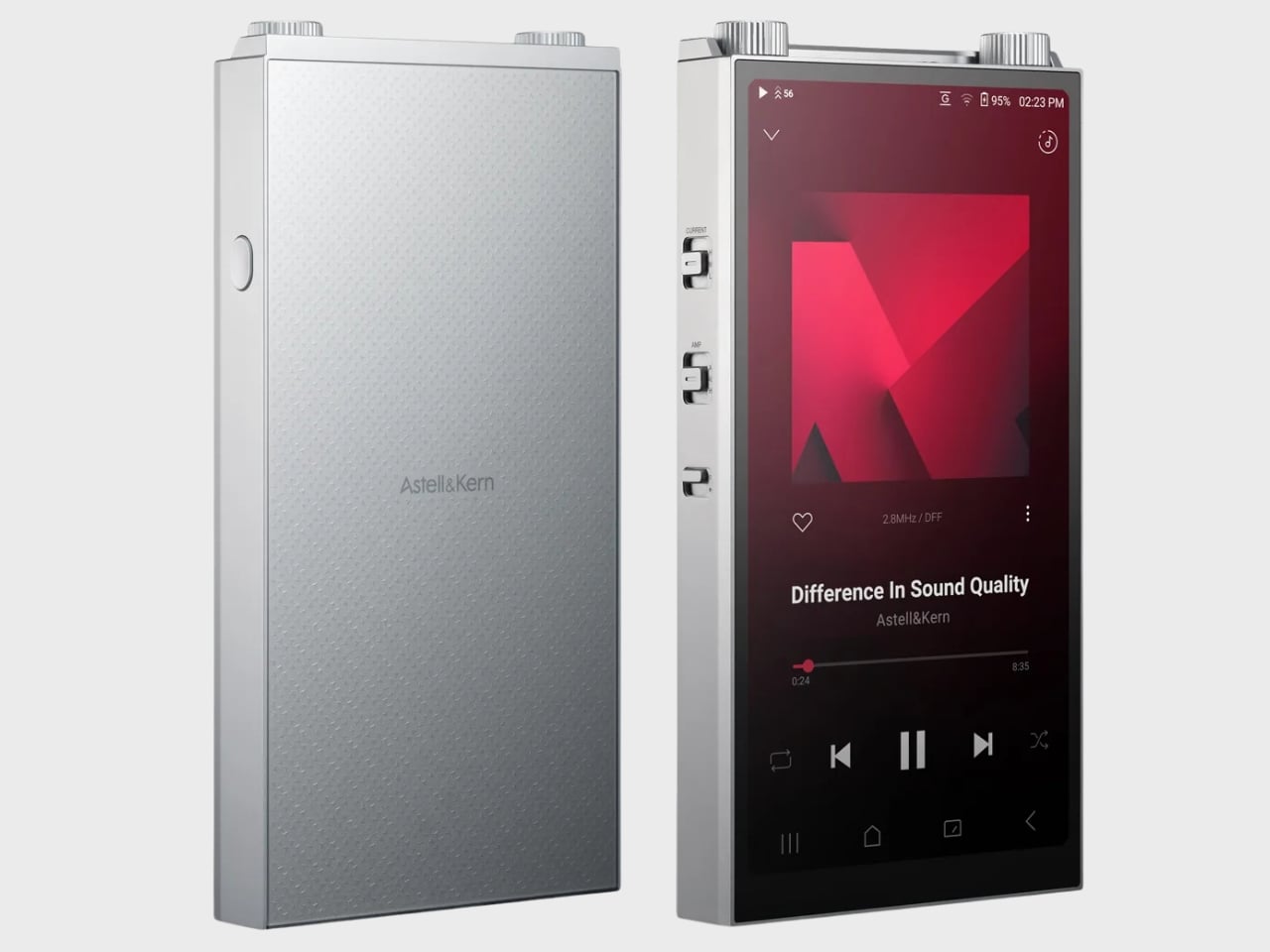
The PD20’s signature feature, the Sound Master Wheel, offers 160 steps of EQ adjustment across bass, midrange, and treble. That means you can nudge your sound profile in tiny, precise increments while a song is playing, feeling each click of the wheel under your fingertip. It’s the kind of control that a touchscreen slider simply can’t replicate. You don’t need to look at anything. You don’t need to navigate a settings page. You just reach up and turn.
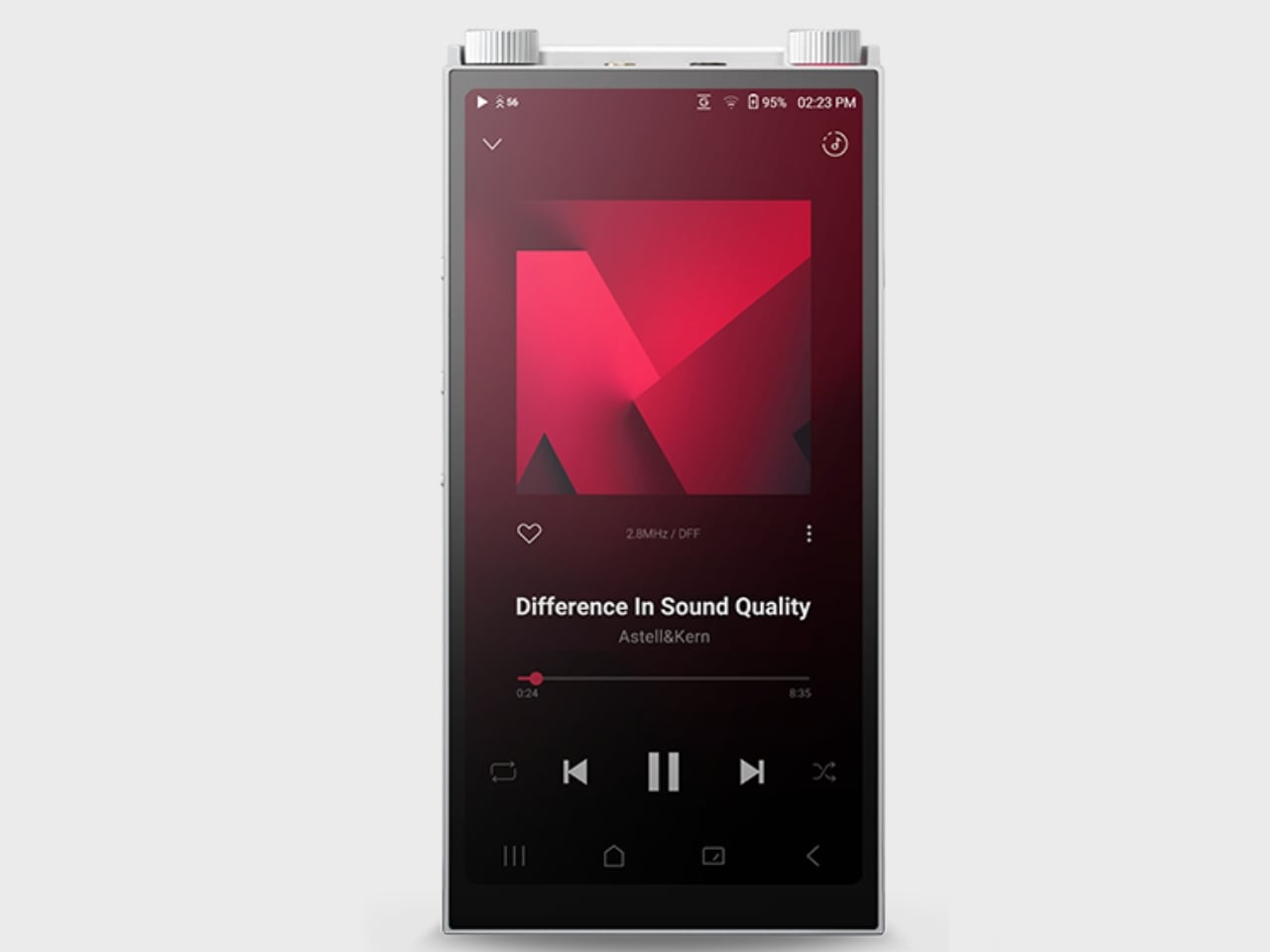
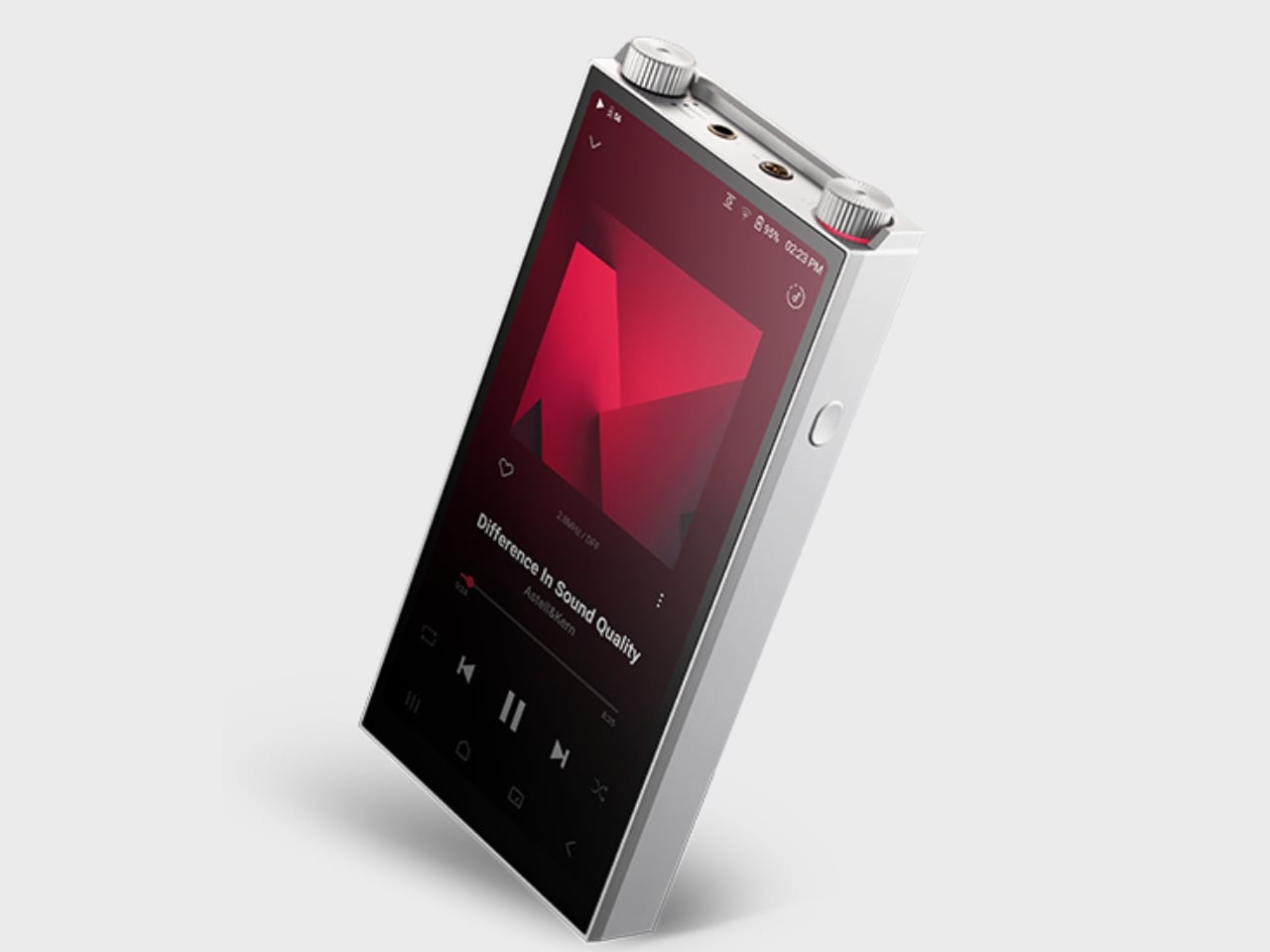
But the PD20 isn’t just a design exercise in retro appeal. Underneath all those physical controls is genuinely forward-thinking audio engineering. Astell&Kern partnered with Audiodo, a Swedish audio company, to build what they call Personal Sound, a system that uses included earphones to run a hearing test and then generates a custom sound profile matched to your specific ears. It compensates independently for left and right channels, which means the equalization isn’t generic. It’s calibrated to how you, personally, perceive sound. No other portable player on the market does this.
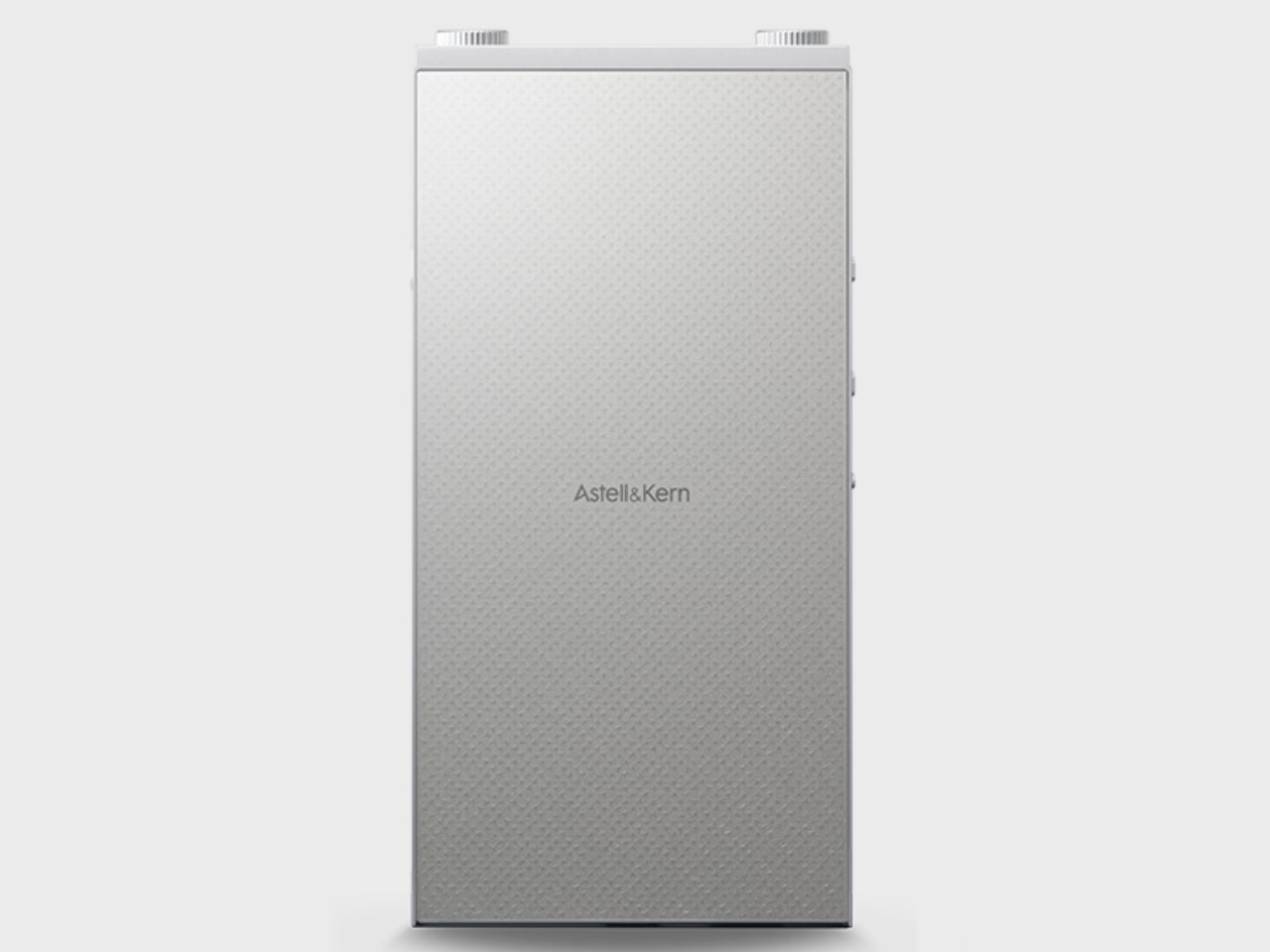
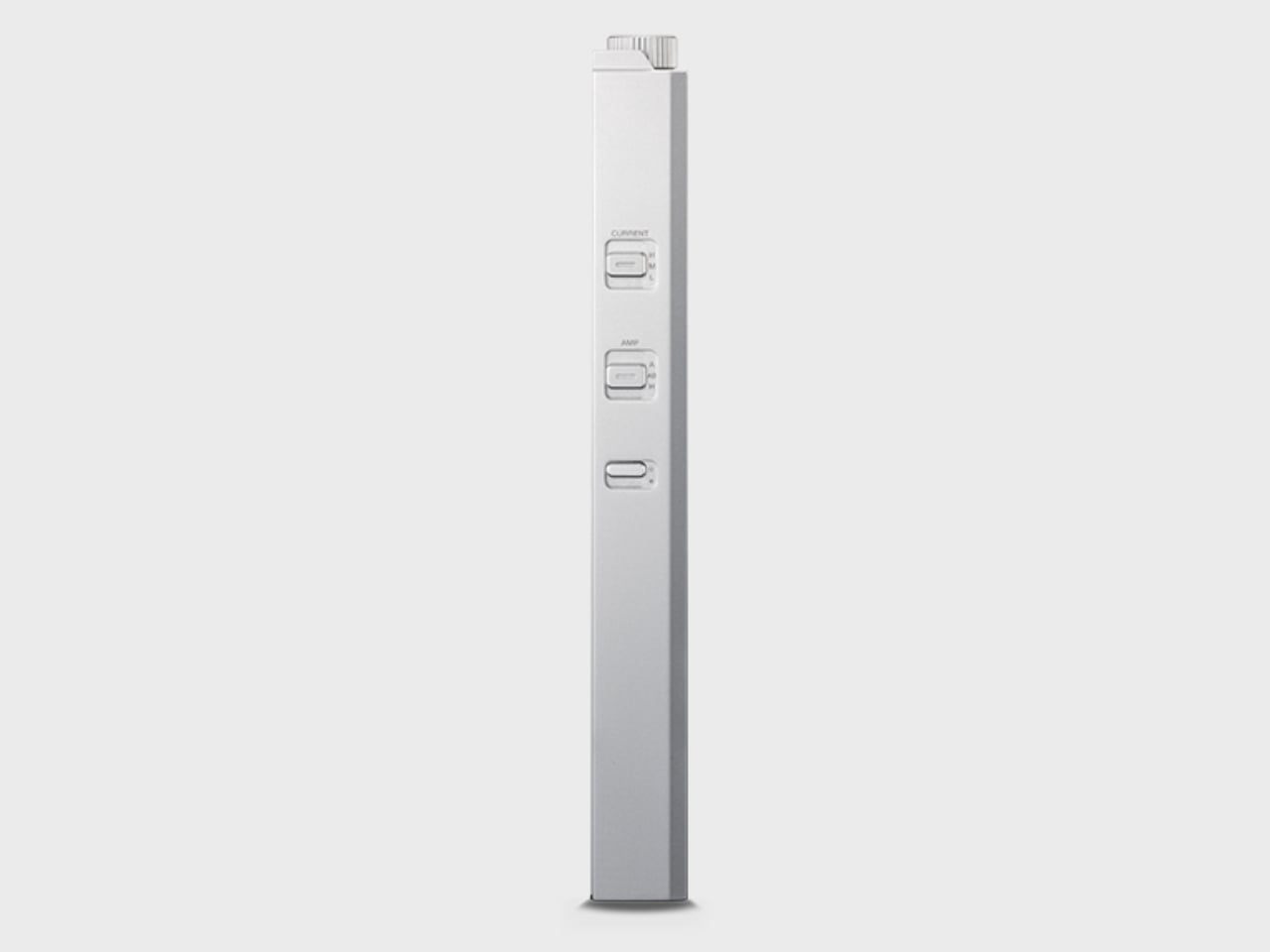
The hardware backs up the ambition. Four ESS ES9027PRO DACs run independently in a quad configuration, and a triple amplifier system lets you switch between Class A, Class AB, and a hybrid mode using a physical slider. Class A delivers that warm, rich analog texture that audiophiles love. Class AB is more efficient and dynamic. The hybrid splits the difference. You can even adjust the amplifier current across three levels to match whatever headphones you’re using, from sensitive in-ear monitors to power-hungry planar magnetics.
Storage won’t be a bottleneck either. The PD20 comes with 256GB built in, expandable to 1.5TB via microSD if you’re the type who carries around a lossless library. It handles everything from standard MP3s up to 32-bit/384kHz PCM and native DSD256 files: formats so high-resolution that most people can’t actually hear the difference, but audiophiles will appreciate having the headroom. There’s also built-in streaming support for Tidal, Qobuz, and other high-res services, which means you’re not locked into offline playback only. The touchscreen is there when you need it for navigation and track selection, but it’s deliberately kept secondary to the physical controls that define the experience.
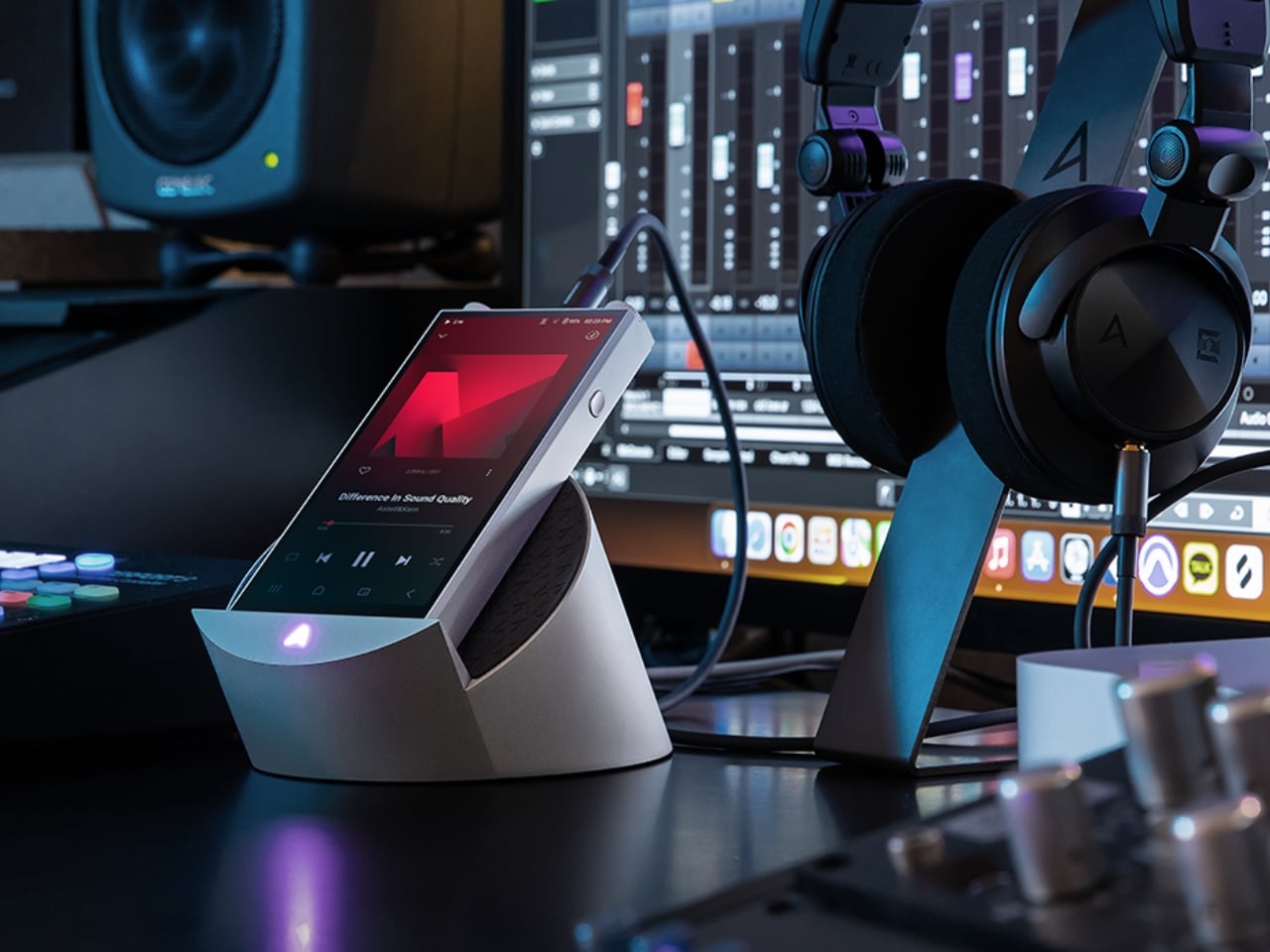
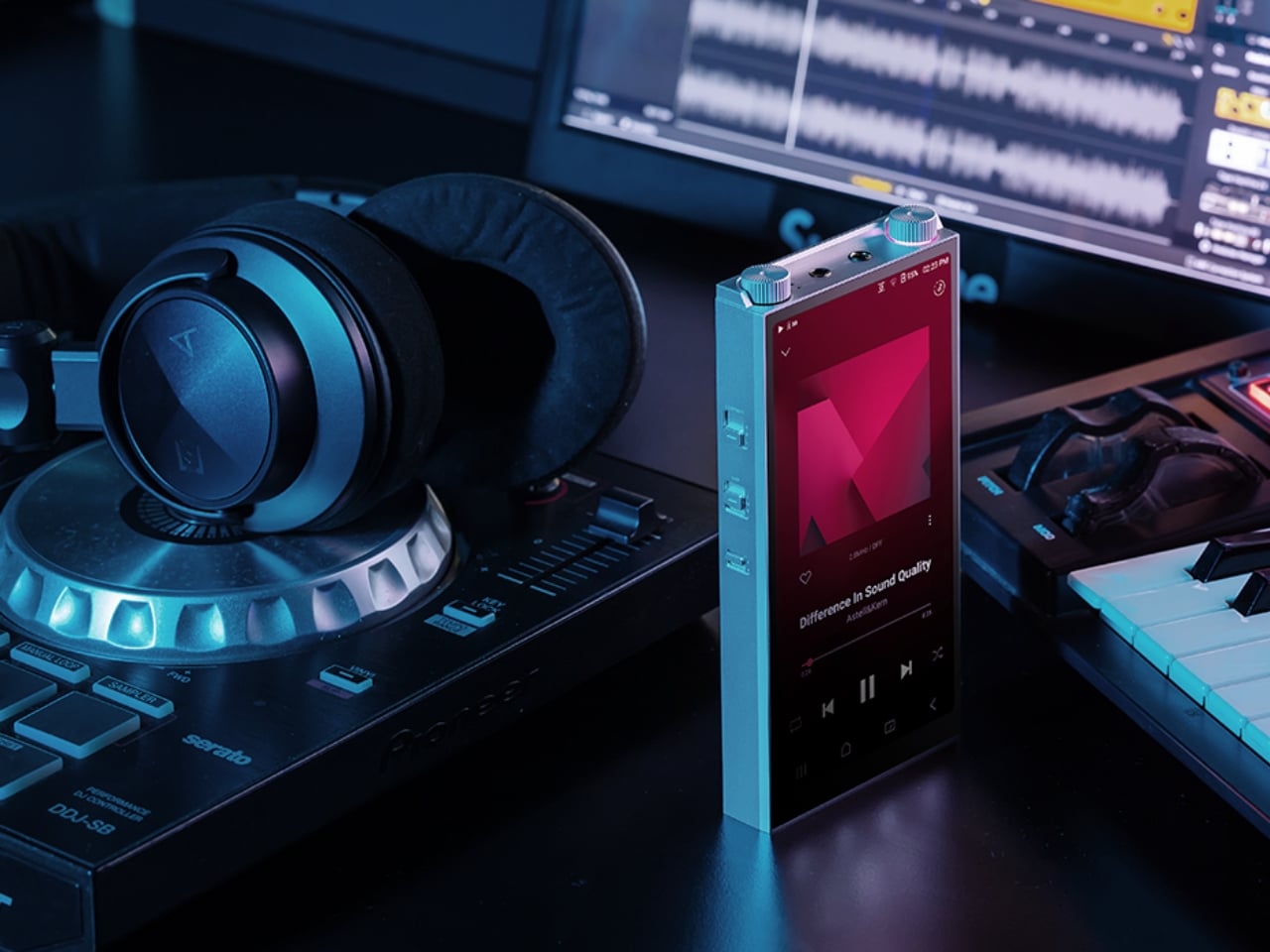
It’s a lot of capability packed into a device you can hold in one hand. And I think that’s the point. The PD20 represents a growing understanding across the tech and design industries that physical controls aren’t a step backward. They’re a different kind of intelligence, one rooted in muscle memory, tactile feedback, and the human preference for tools that feel like extensions of ourselves rather than obstacles between us and what we’re trying to do.
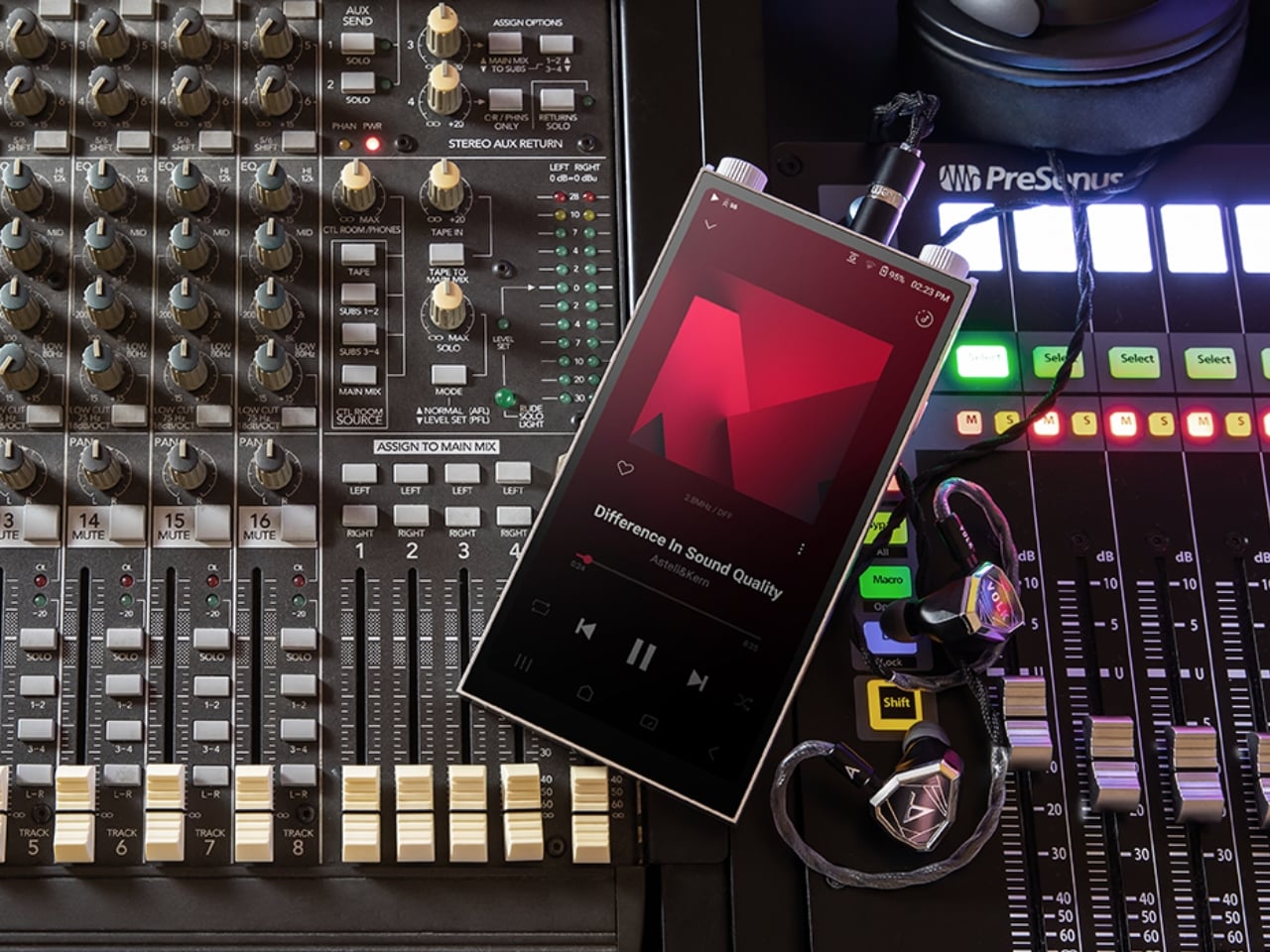
The dedicated music player, as a category, has always been a niche product. Most people are perfectly happy streaming from their phones. But the PD20 isn’t really competing with your phone. It’s competing with the idea that every interaction with technology needs to happen on a flat piece of glass. For $1,970, you get a beautifully built object that invites you to touch it, turn it, and shape your music with your hands. In a landscape full of featureless screens, that feels like a radical proposition.