In the course of using some everyday products, we probably seldom stop to question why things are designed the way they are. Why are appliances like speakers and air purifiers traditionally rectangular and boxy while flashlights and lamps are cylindrical? Sometimes, the answers lie in history and practicality, but other times it’s just a matter of convention and the lack of motivation to think outside the box.
This flashlight design concept, however, isn’t afraid to dare to be different, perhaps even to the point of sacrificing some ergonomics. Embracing a trending design aesthetic, it isn’t just breaking the mold by throwing out most conventions. It is also challenging those conventions to see what’s possible if we’re not afraid to ask “What if?”
Designer: Nikhil Kapoor
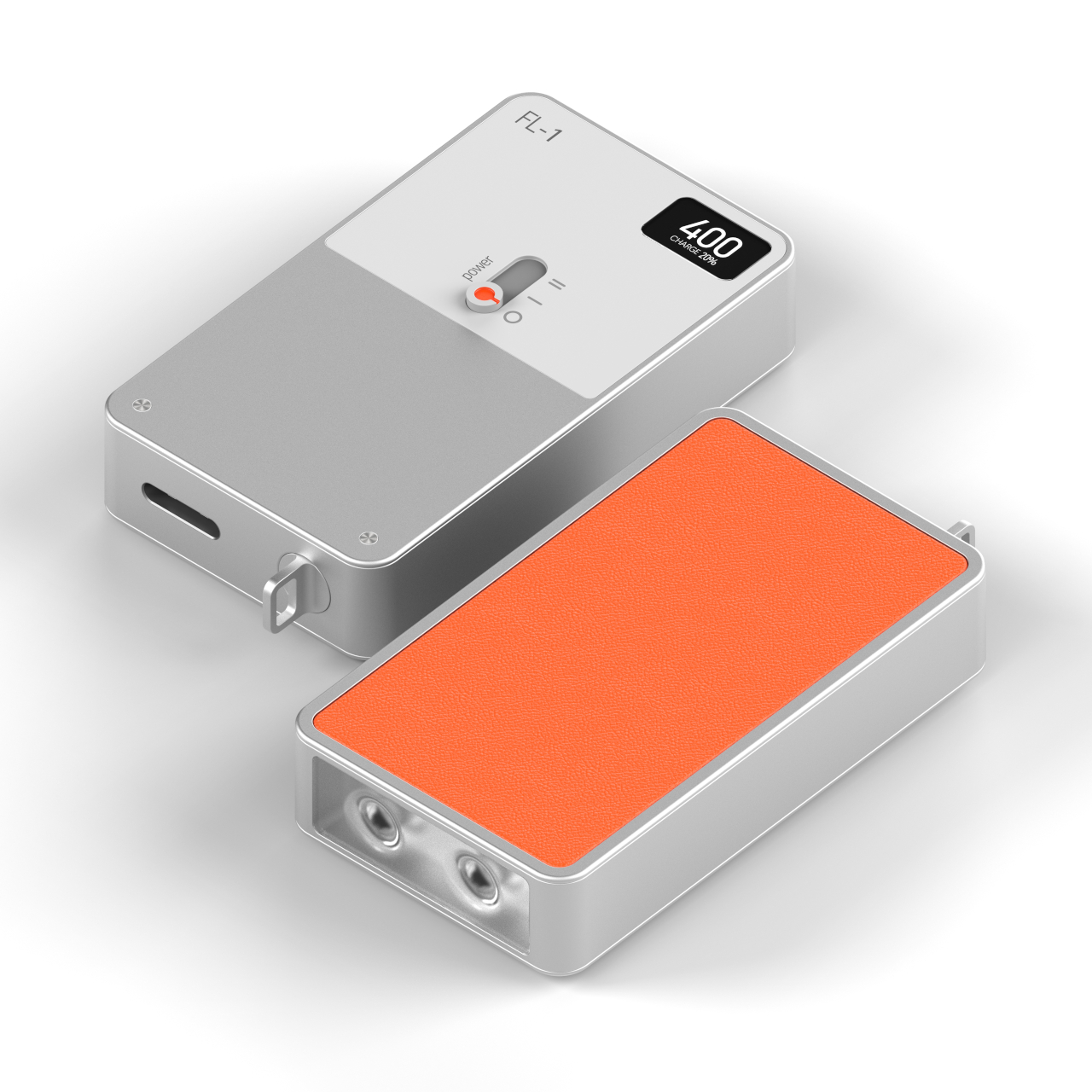
Industrial design aesthetics has carried a rather negative connotation of being cold and impersonal, but recent trends have cast a more positive light on modern renditions of the design language. Teenage Engineering’s products, in particular, have presented a certain flavor of minimalism that embraced the cold surface of metal, the angular and sharp edges of boxes, and an intentionally limited color palette.
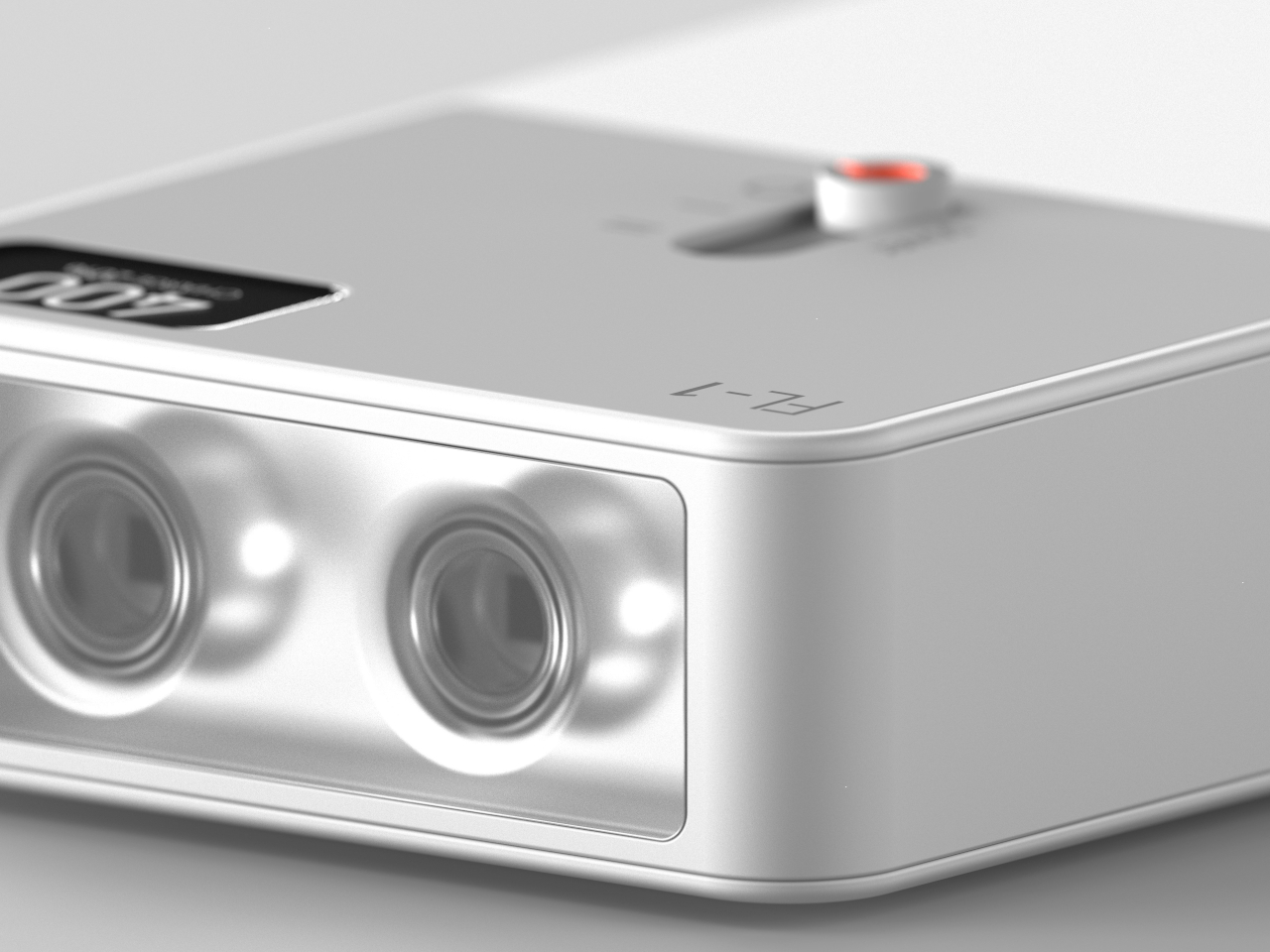
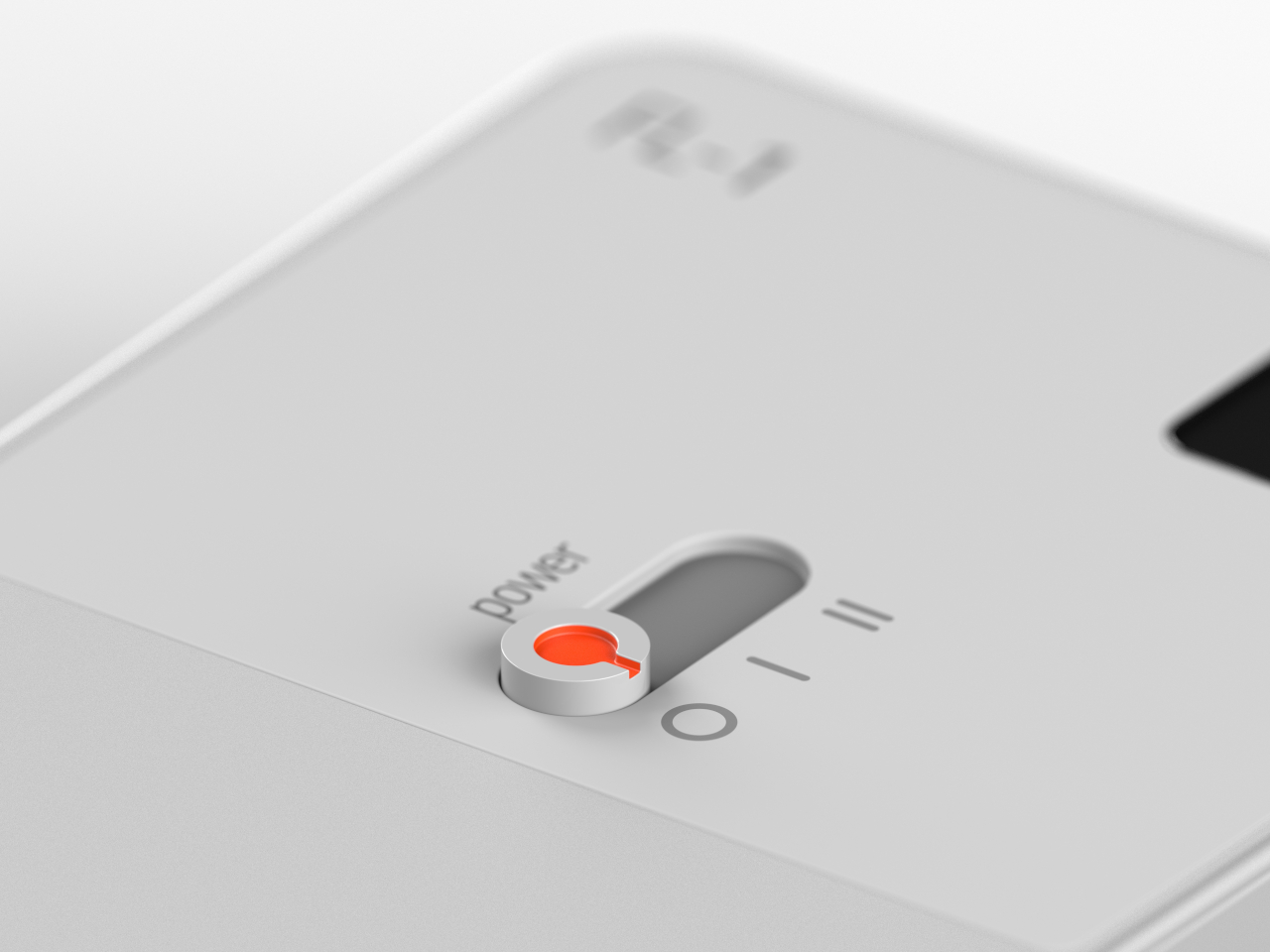
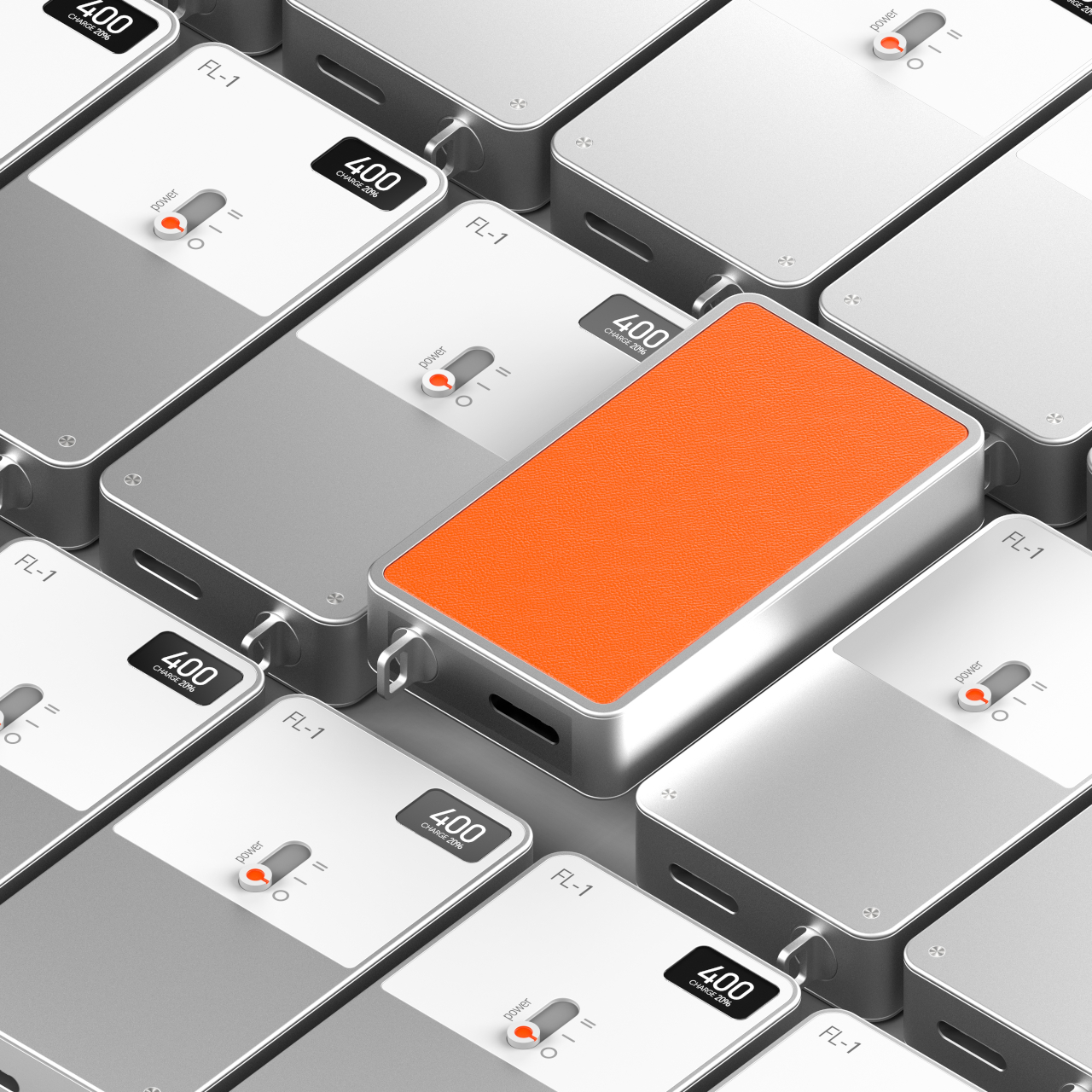
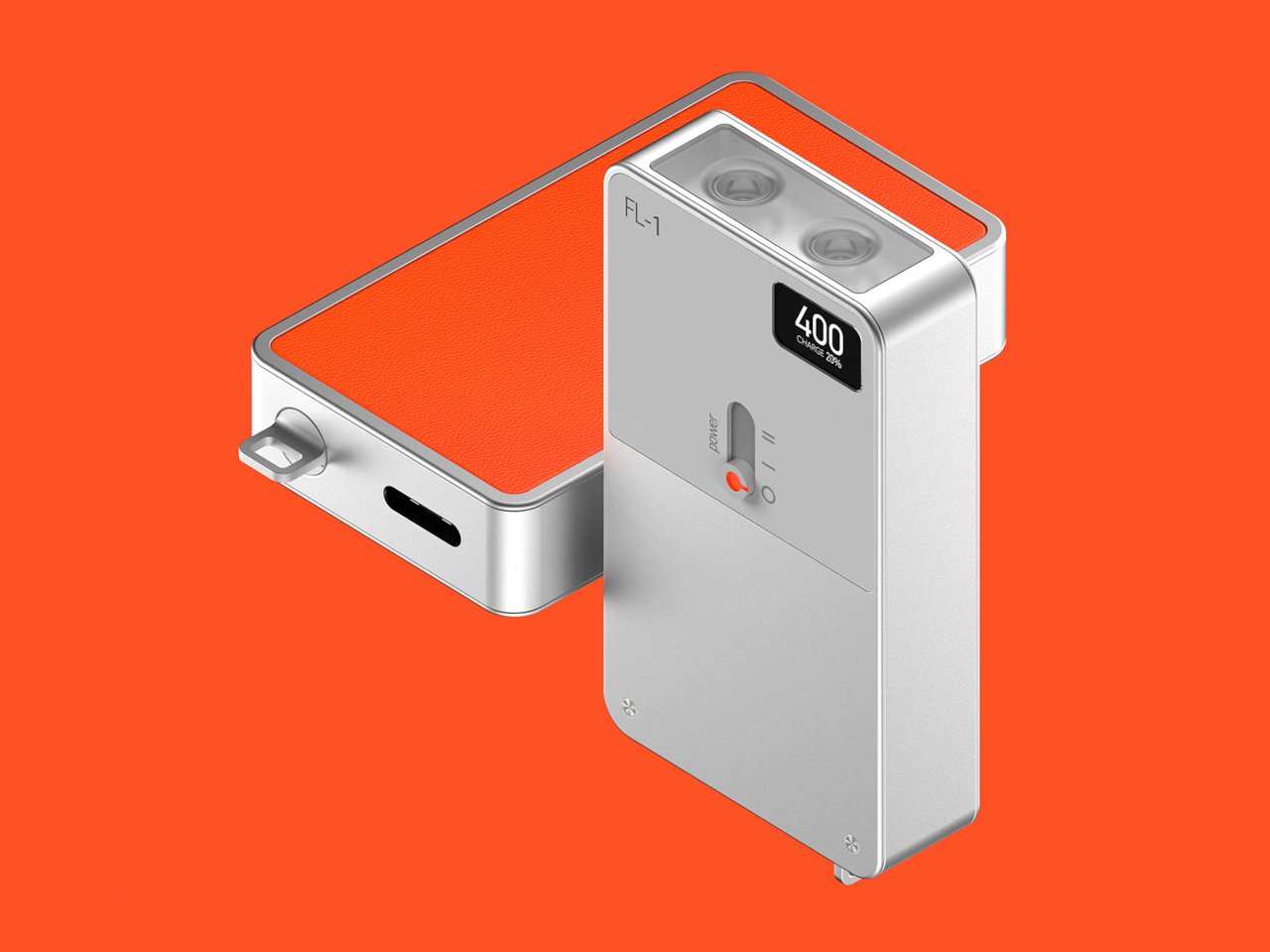
The FL-1 flashlight concept embraces these design elements to shock and confound. Instead of the conventional barrel form, it comes in a box that will admittedly be cumbersome to hold for long periods of time, at least depending on the size. It could easily fit in the palm of your hand, as many EDC flashlights do these days, but the sharp edges could bite into your skin over time.
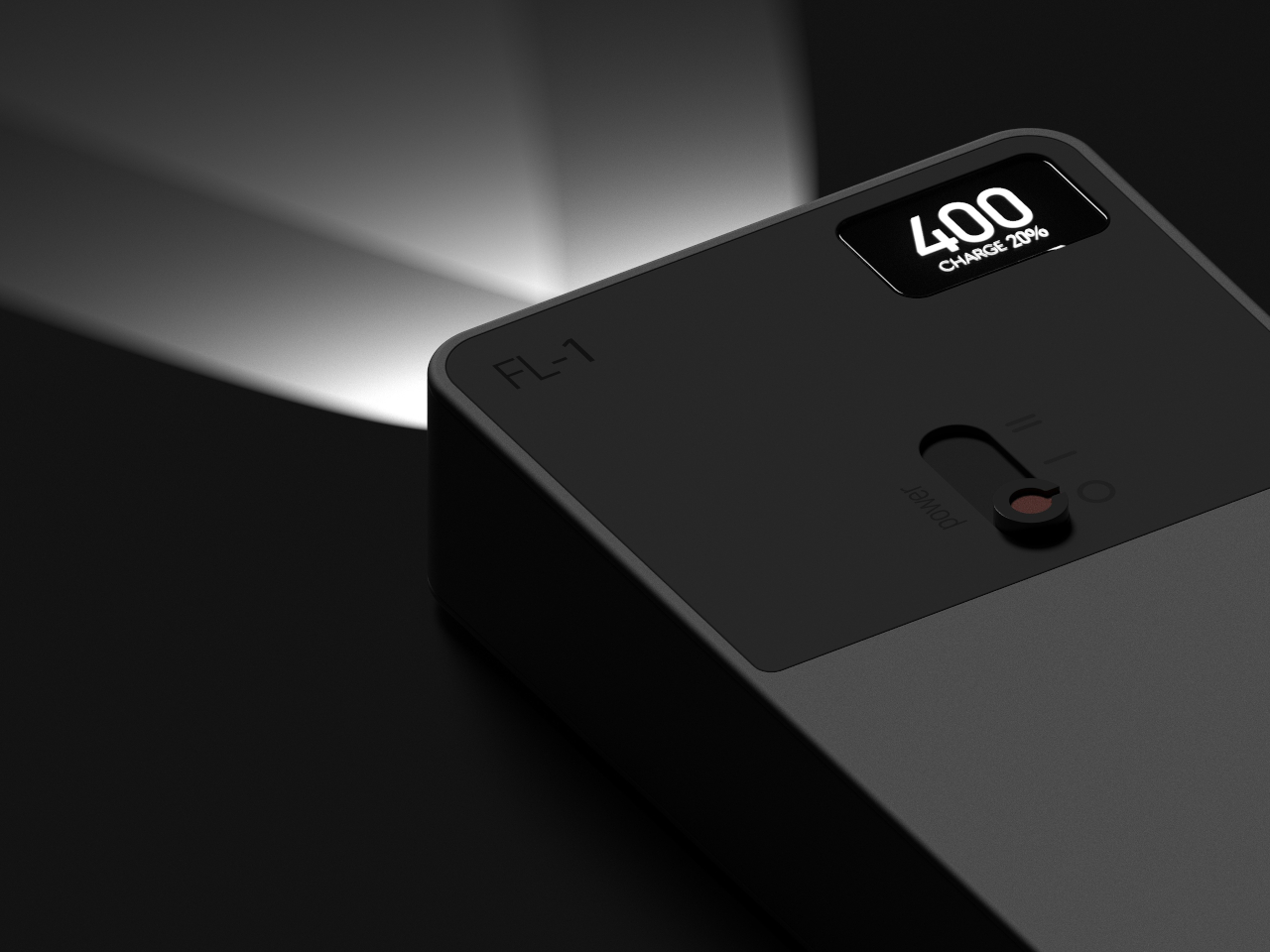
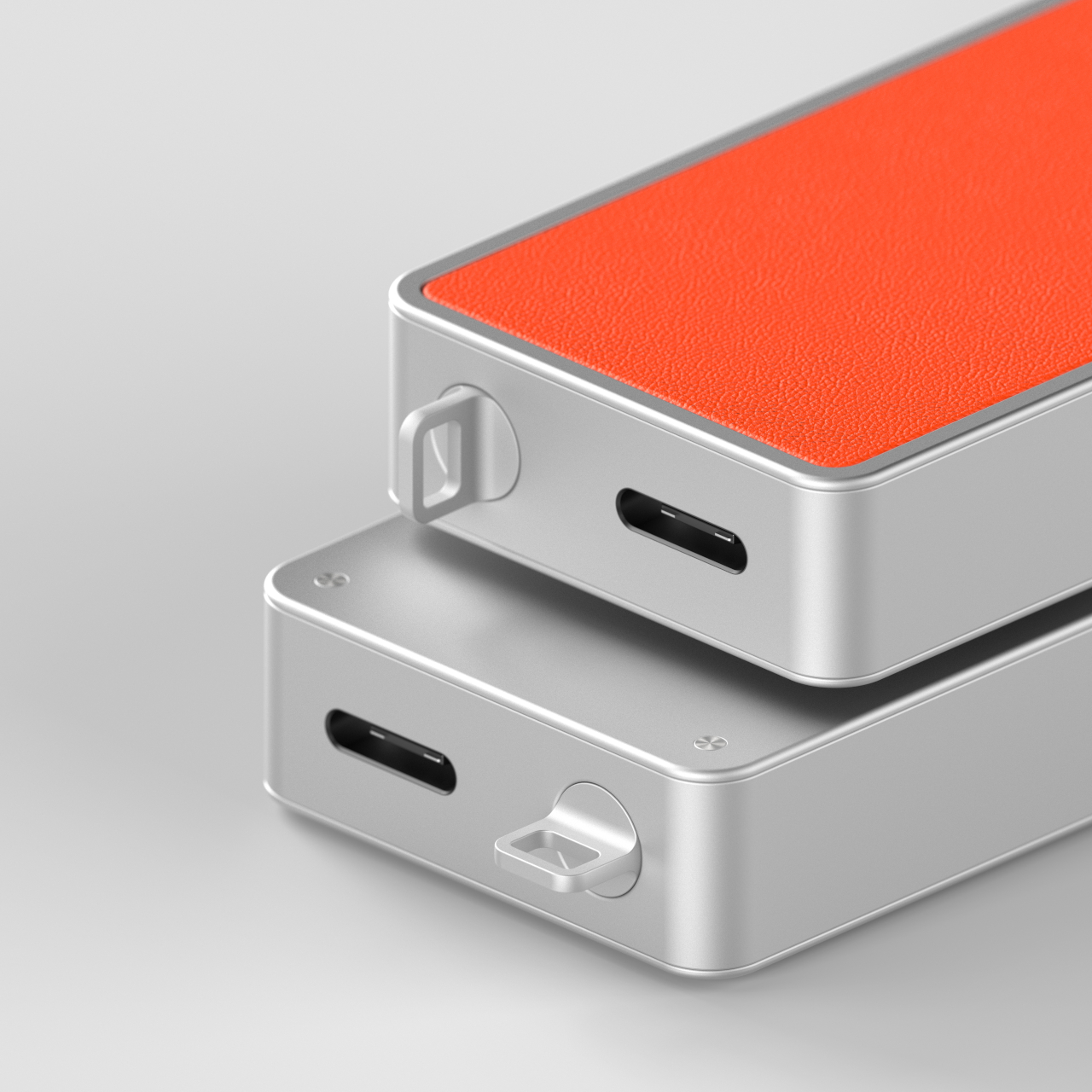
The design does have a few interesting features beyond its industrial aesthetic. The rectangular shape gives it enough room to fit two LED lights, which can be turned on individually or together with a simple sliding switch mechanism. There’s also a display to show the remaining battery charge so you’re never caught unaware. The flashlight is charged via USB-C, which is the only reference to the correct scale of the object.
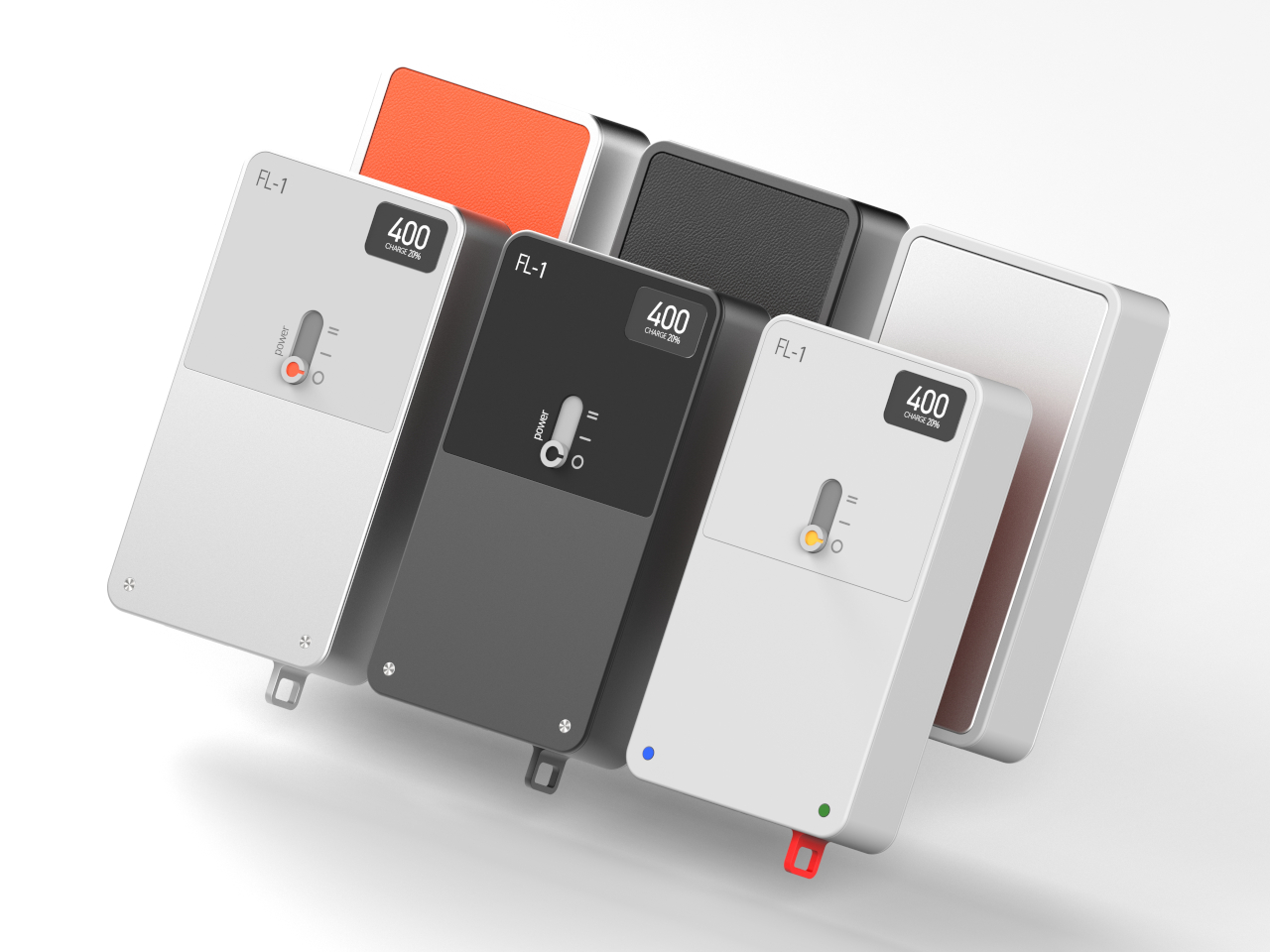
Like Teenage Engineering’s designs, the FL-1 practically uses only two colors, or three if you count the contrasting shade of gray. A vibrant orange backside increases its visibility, but only if it’s upside down, while there’s no method for seeing the flashlight in the dark if it’s right side up. The concept definitely has its flaws, but it is still a worthwhile thought experiment on how we can challenge the status quo and come up with designs that aren’t just different but also even better.