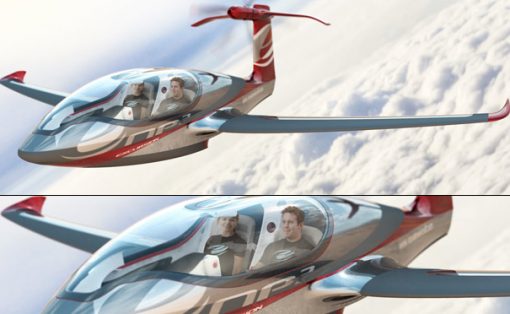
Flying cars were once considered a pipe dream, eventually moving into feasible territory. Now, after years of research and development by visionary minds, the distant dream is almost on the horizon, with prototypes and concepts in their final stages of fruition. Xpeng AeroHT eVTOL has been lurking in the shadows, ready to make the flying car dream a daily affair, Toyota is in hot pursuit with its eVTOL, and Fusion Flight is also in the mix with Axion.
As highways and freeways get even more congested, the idea of flying cars makes even more sense. Eventually, the buck will stop at how aesthetic your flying car is compared to your neighbour, and we are not talking about a very distant time when that’ll happen. Most eVTOL concepts and prototypes we’ve seen thus far are either too boxy or strikingly close to a helicopter design. That leaves no individual personality for a flying car to make itself heard.
Designer: Luigi Memola
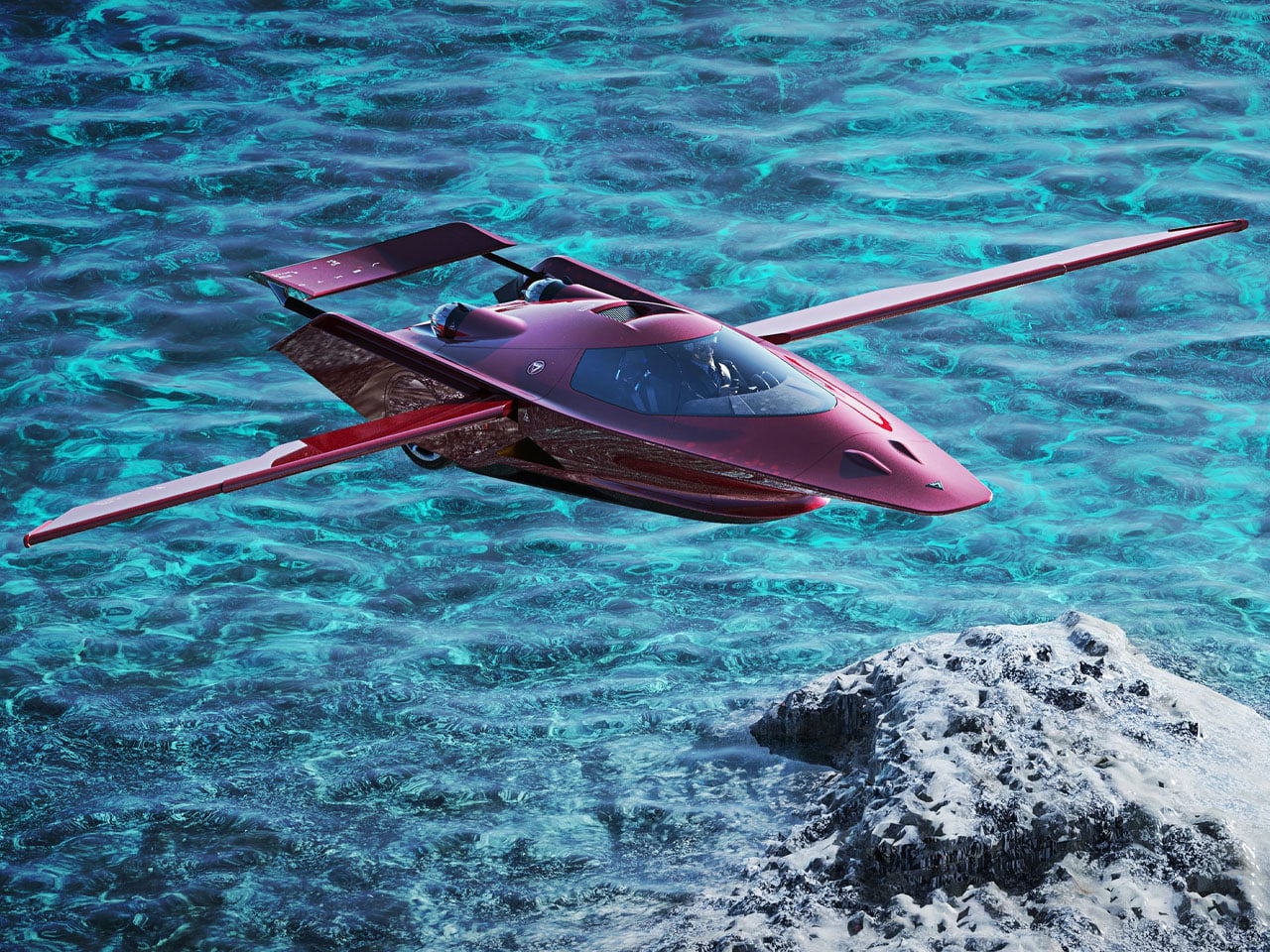
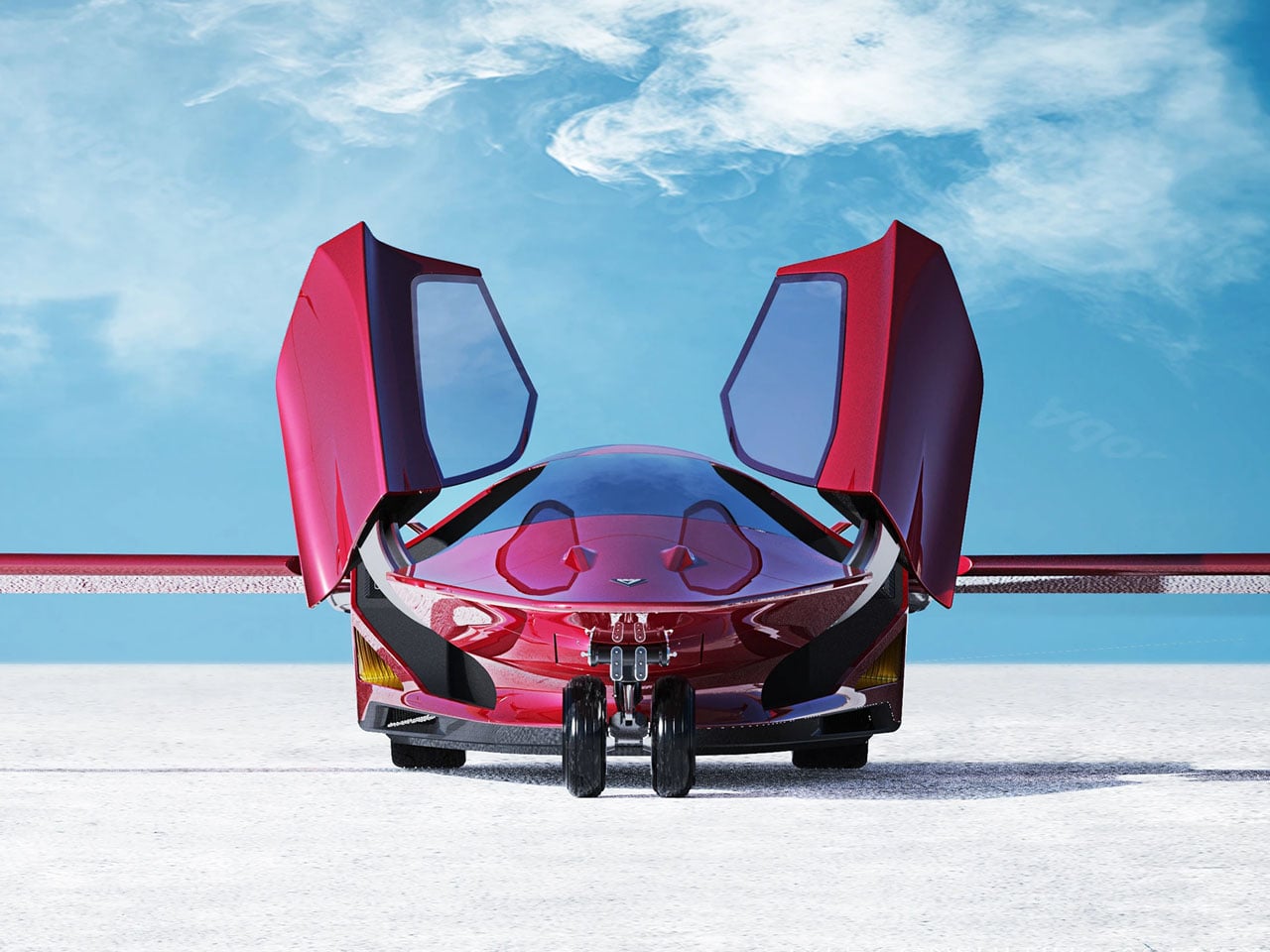
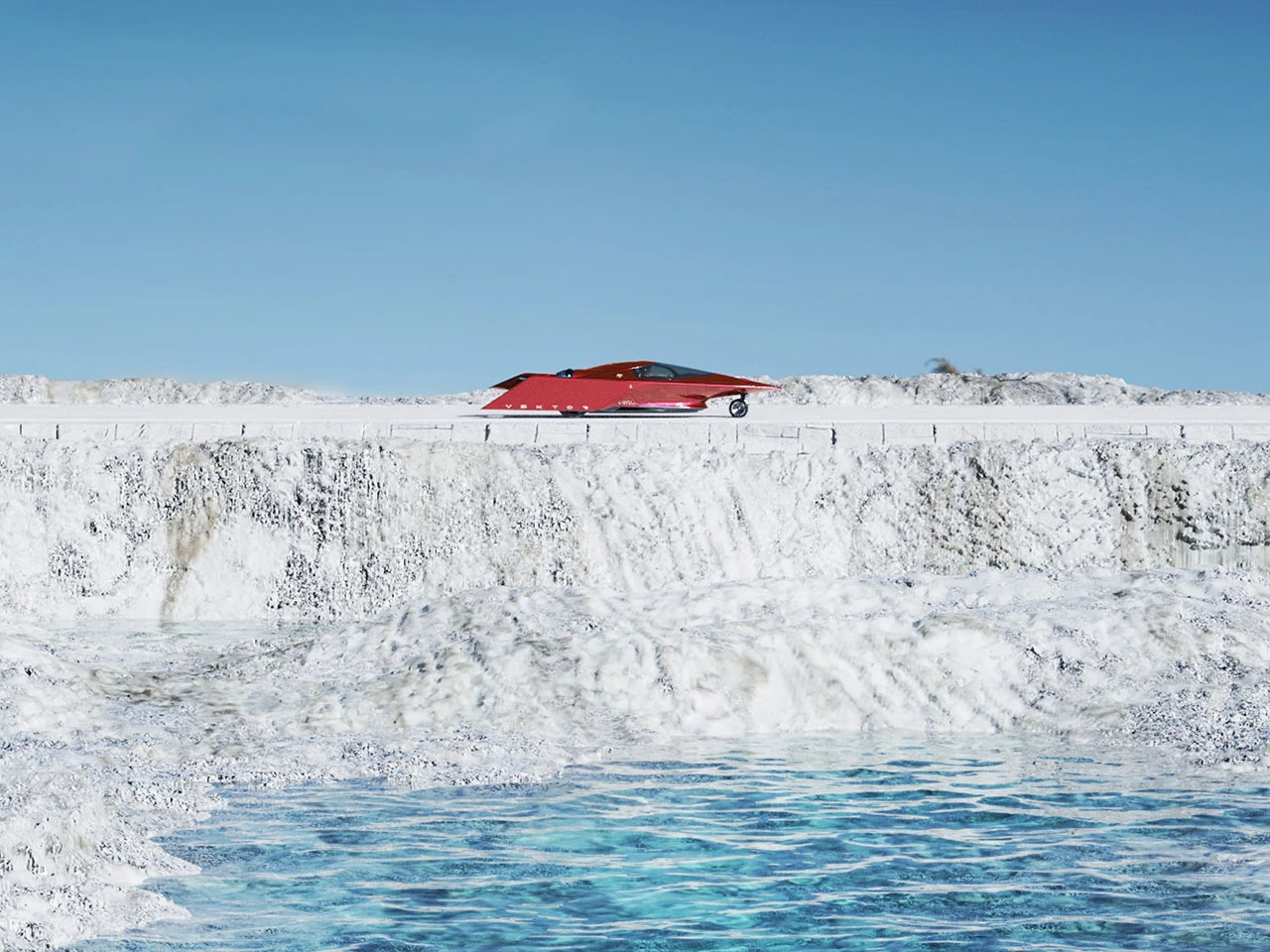
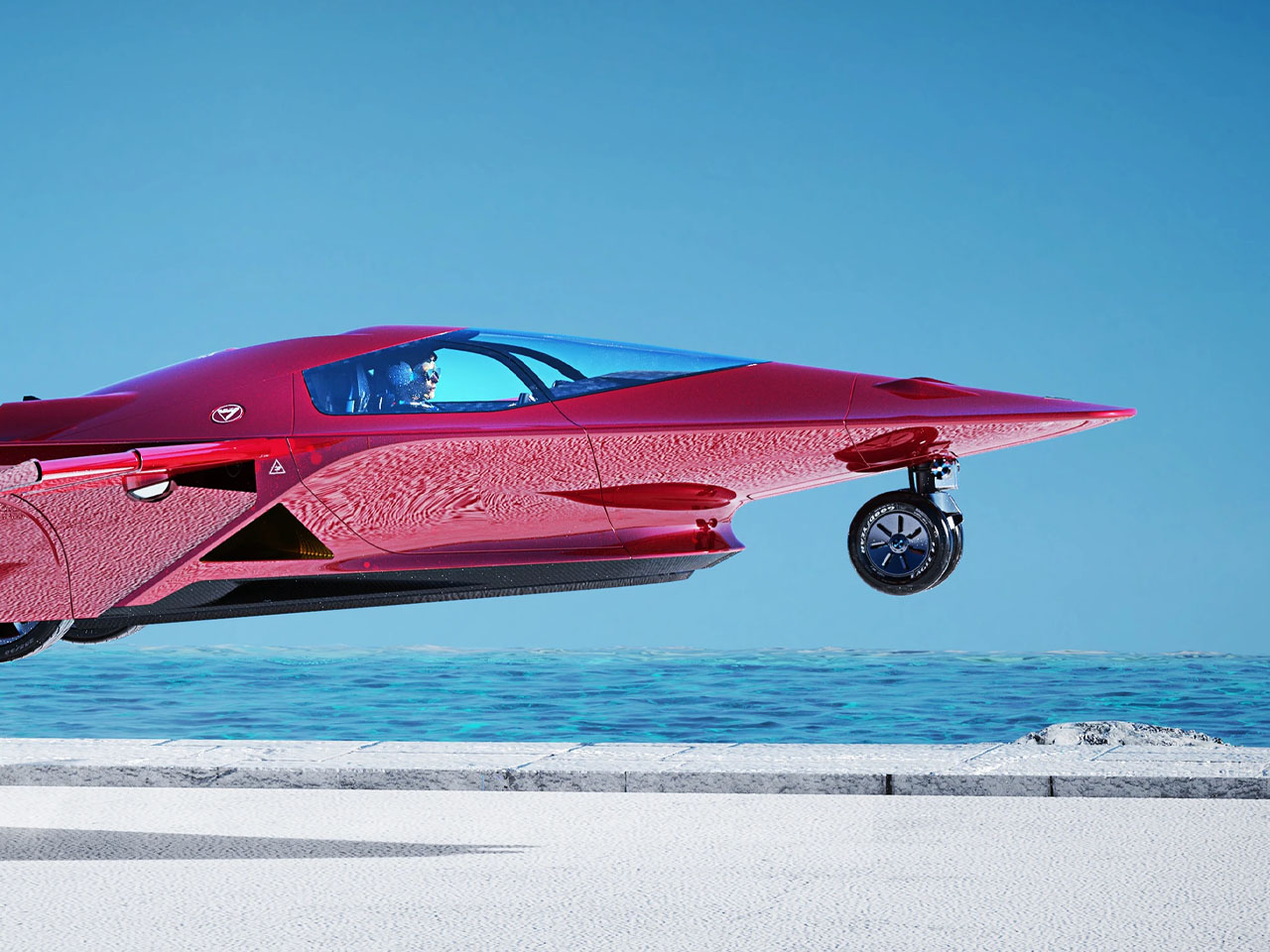
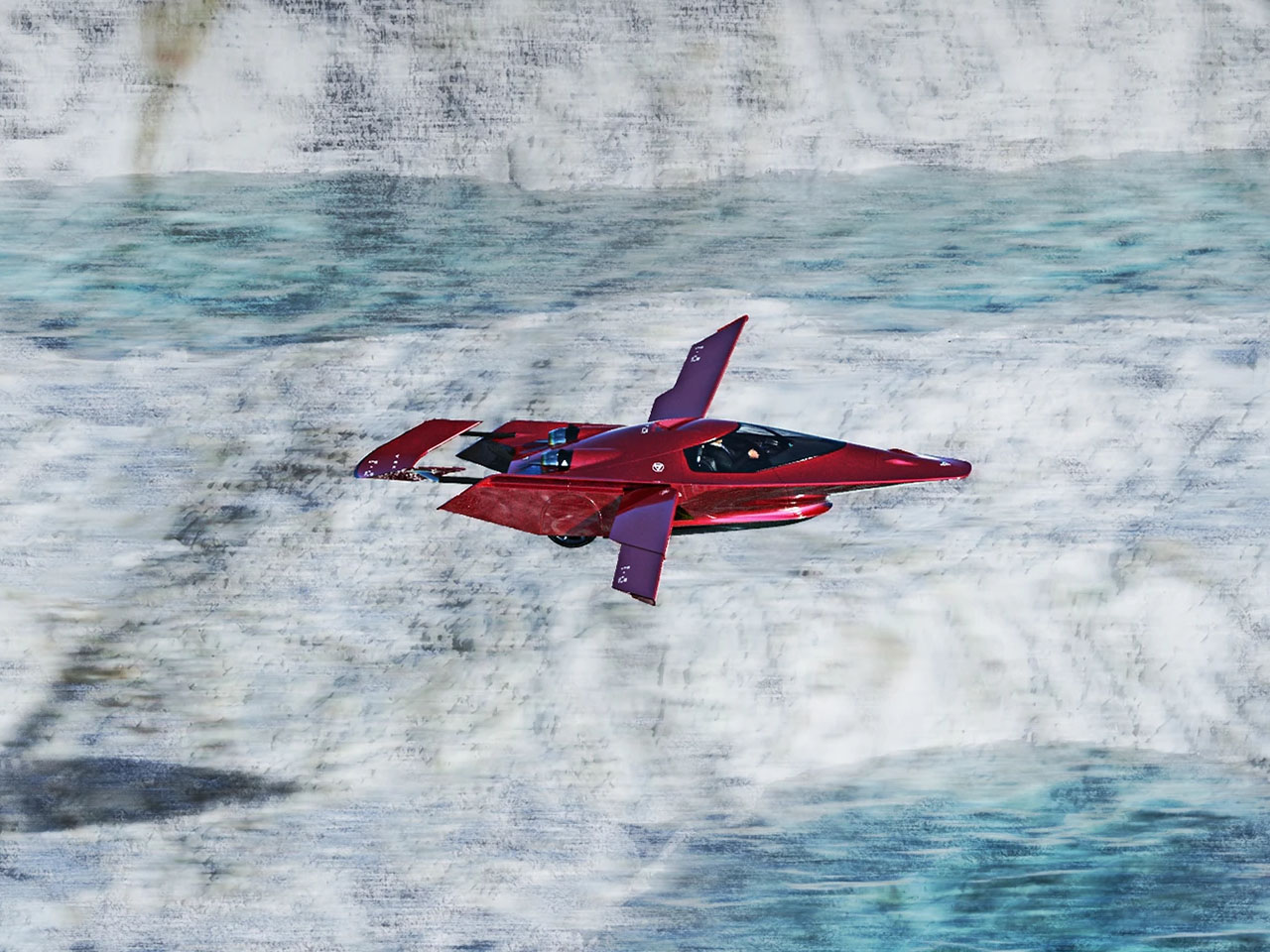
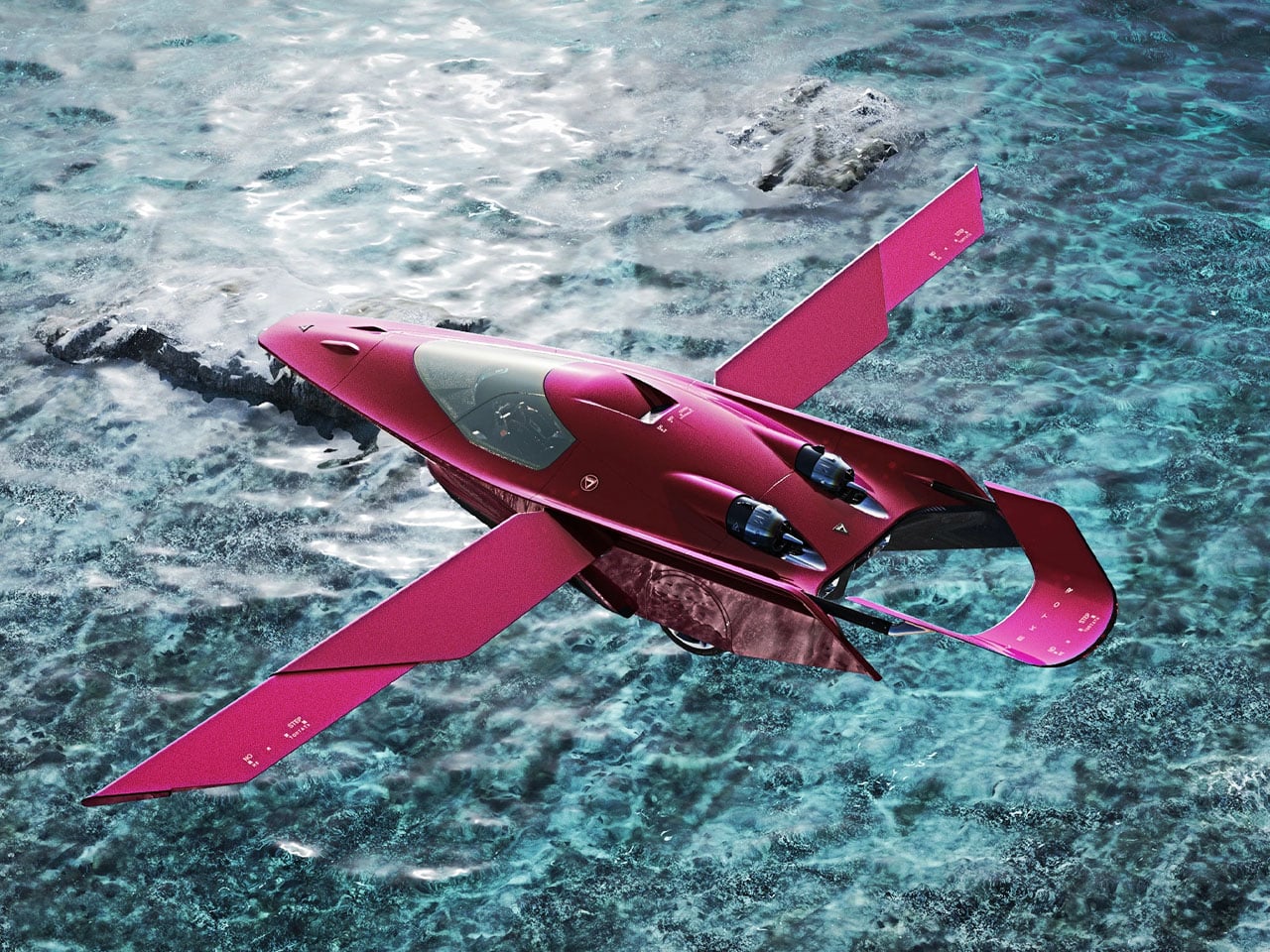
This prompted Luigi to come up with a flying car that has its own unique persona to be confident about while being completely within the realms of practicality. Meet the VEKTOR dual-mode vehicle that is as good on the tarmac as it is when high up in the air. The vehicle looks inspired by the aerodynamic form of fighter jets while adapting a supercar element to keep the motorheads excited about the prospect. The front section of the car is sharp to provide the least resistance to the flow of air, and curves on the sides to provide lift for smooth takeoffs.
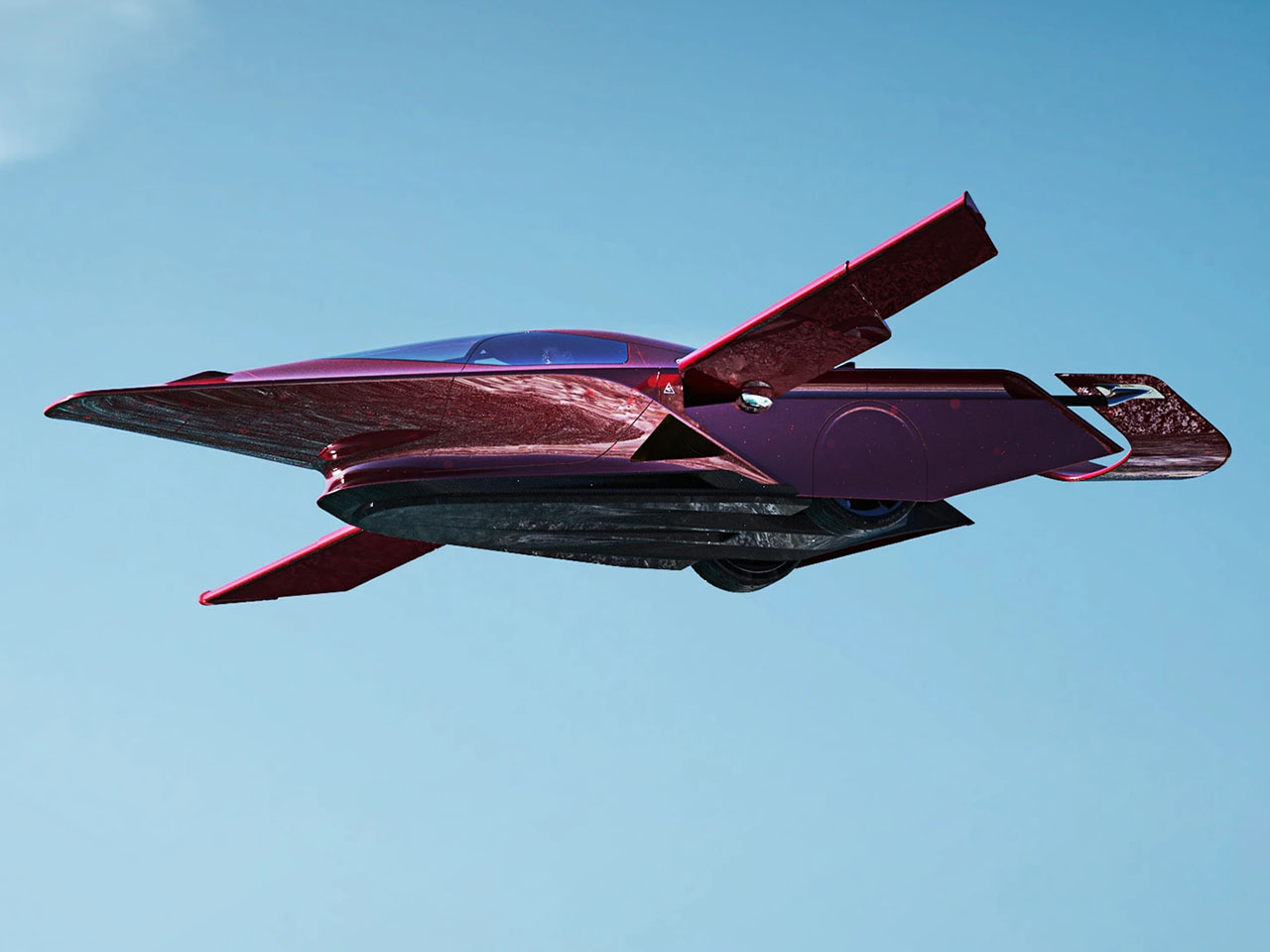
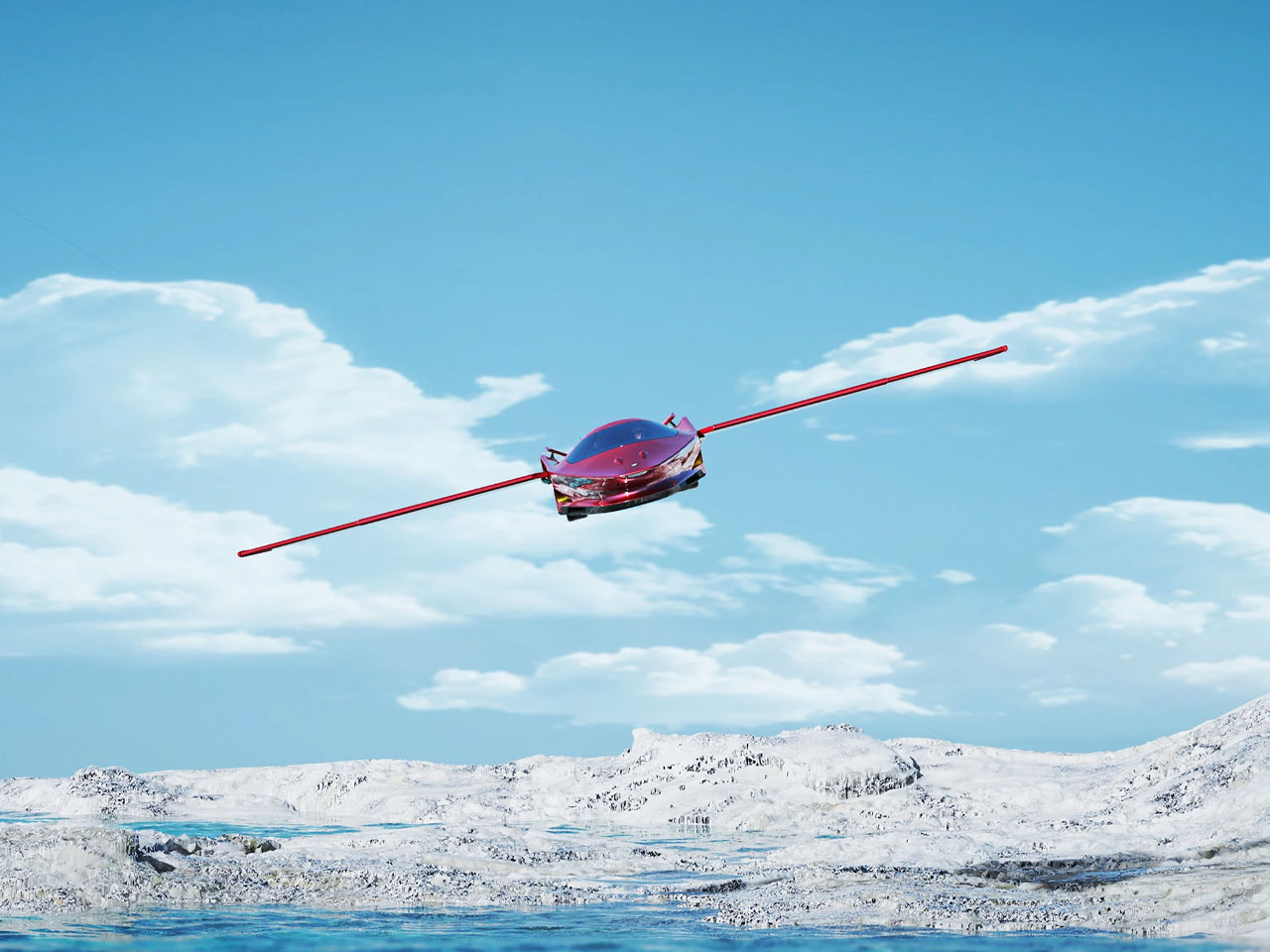
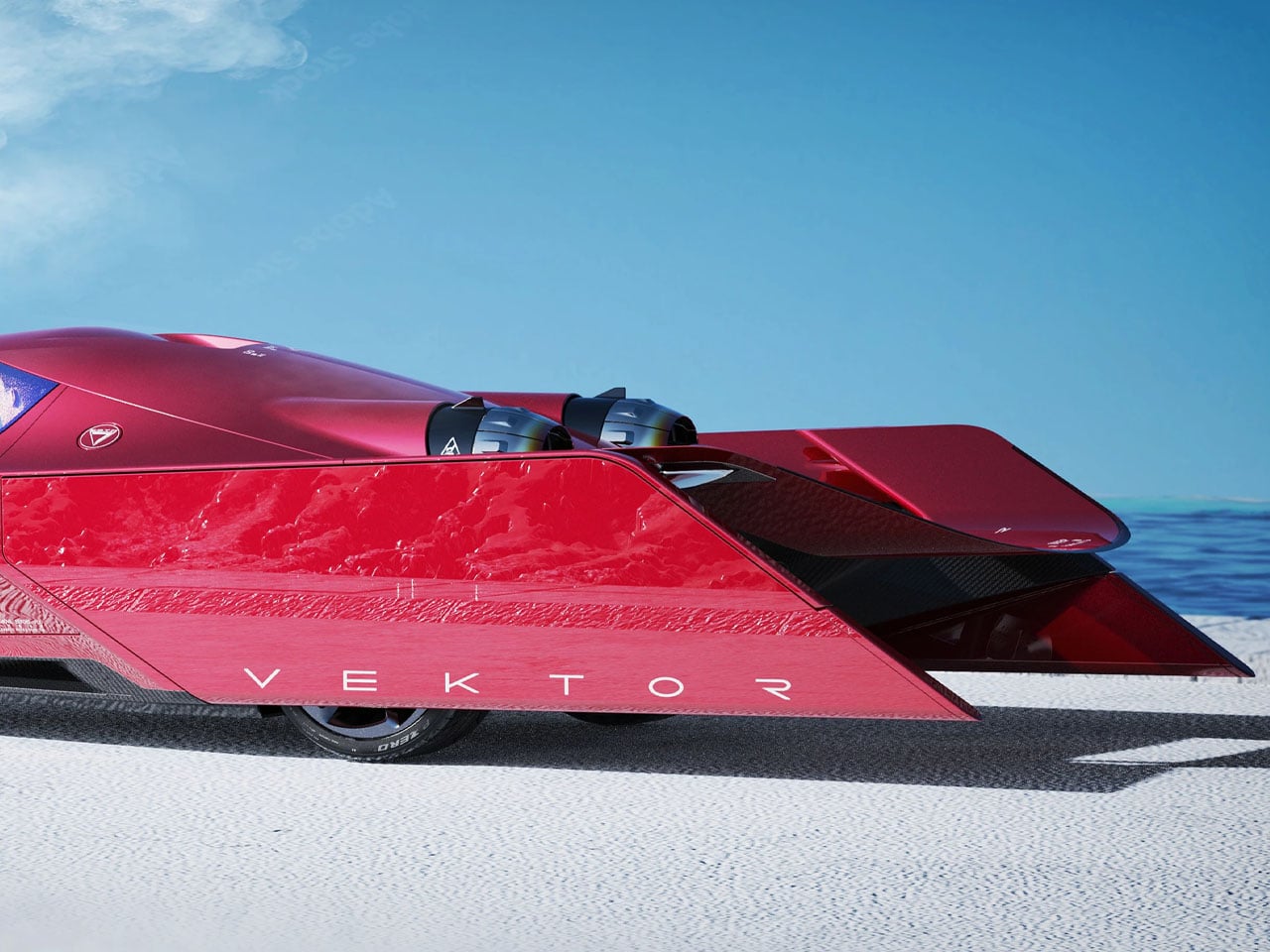
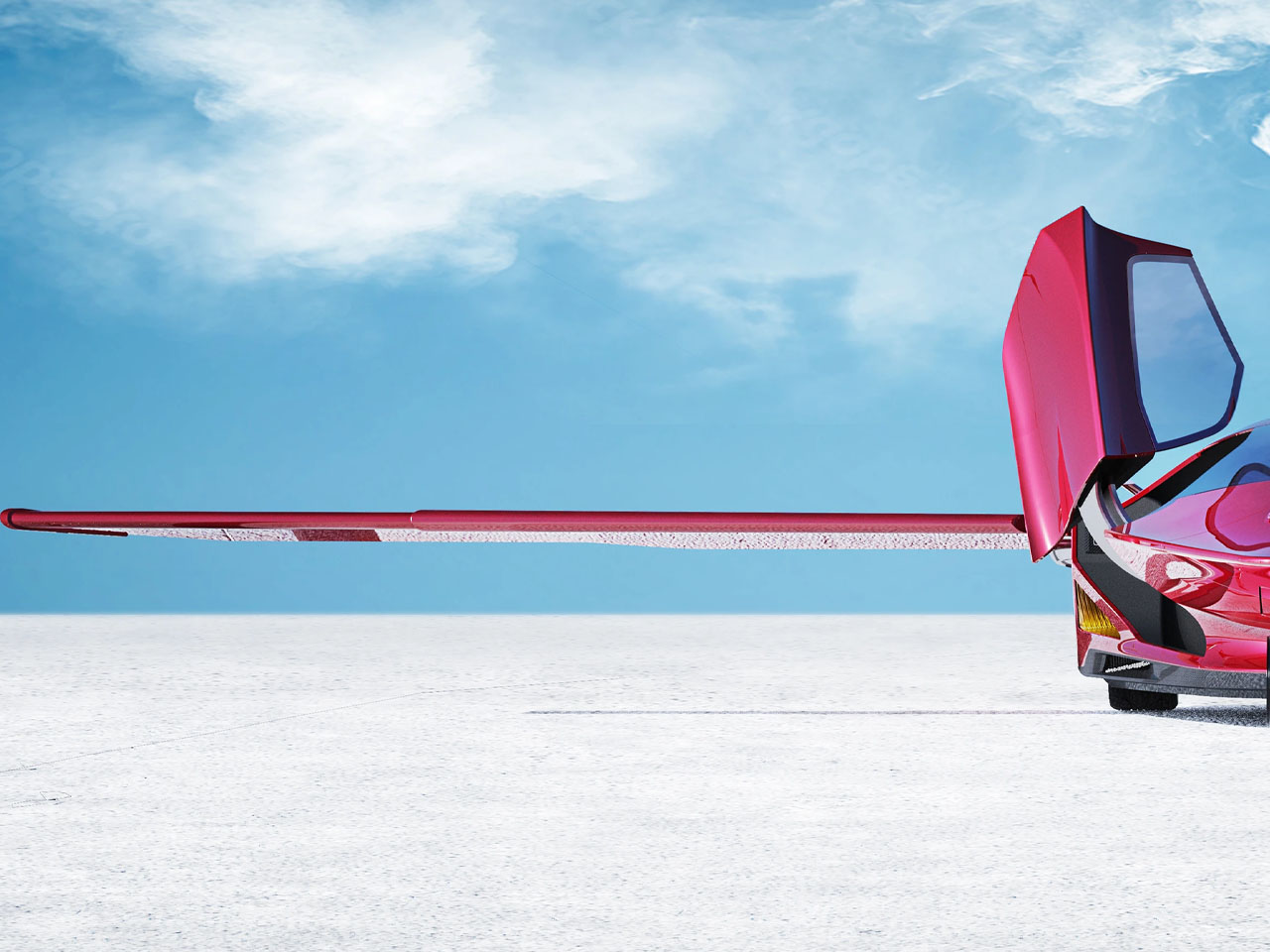
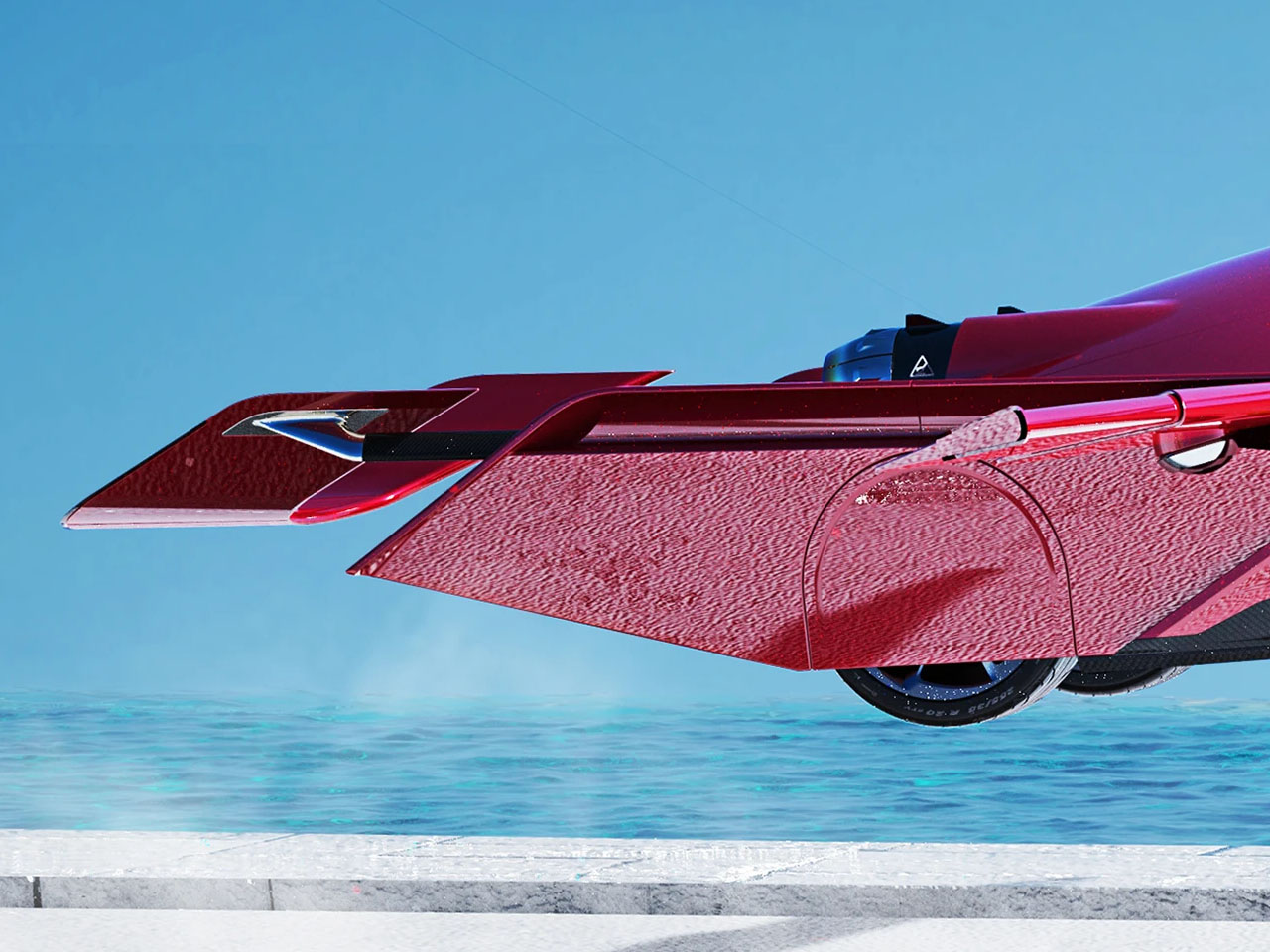
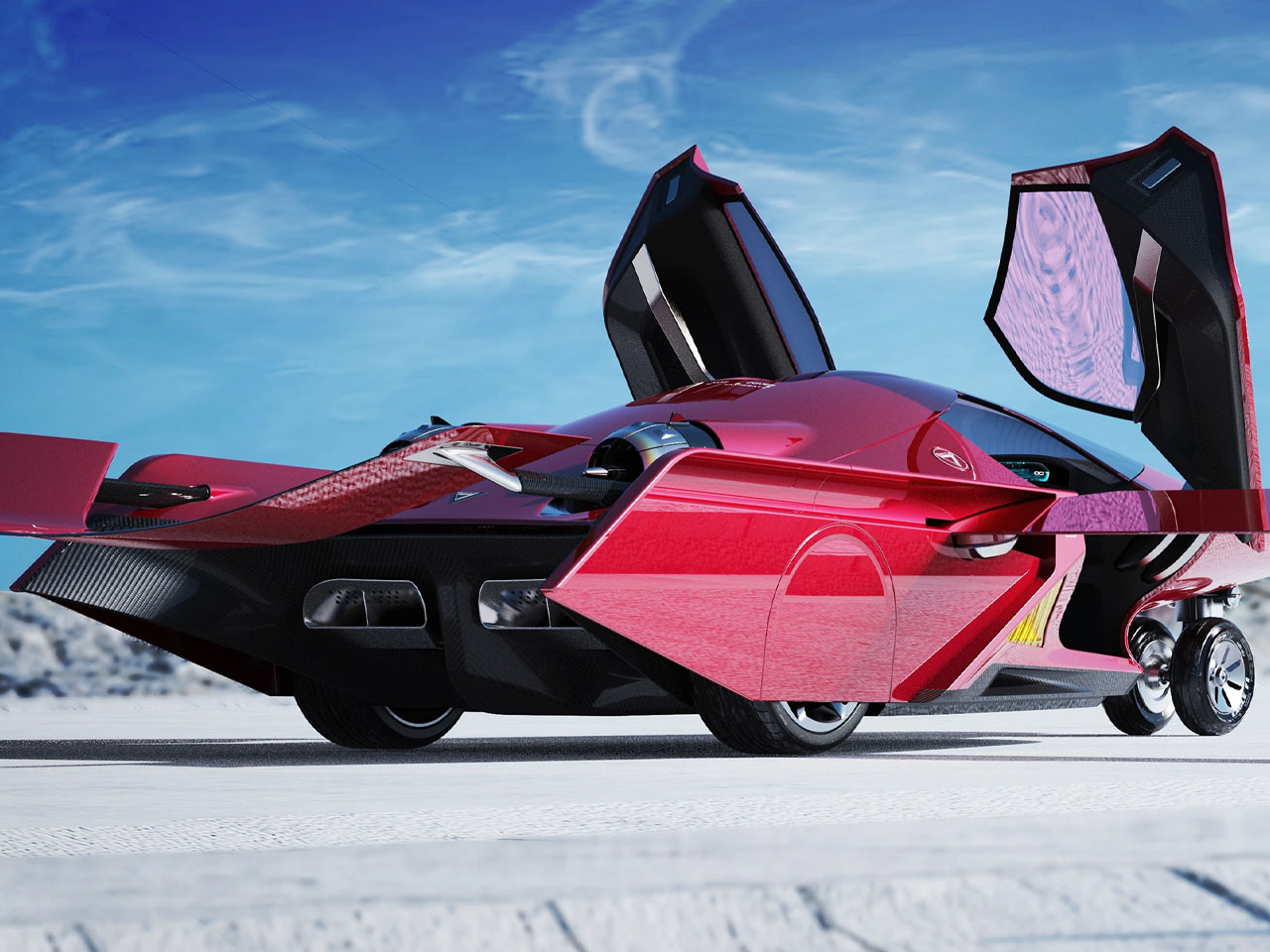
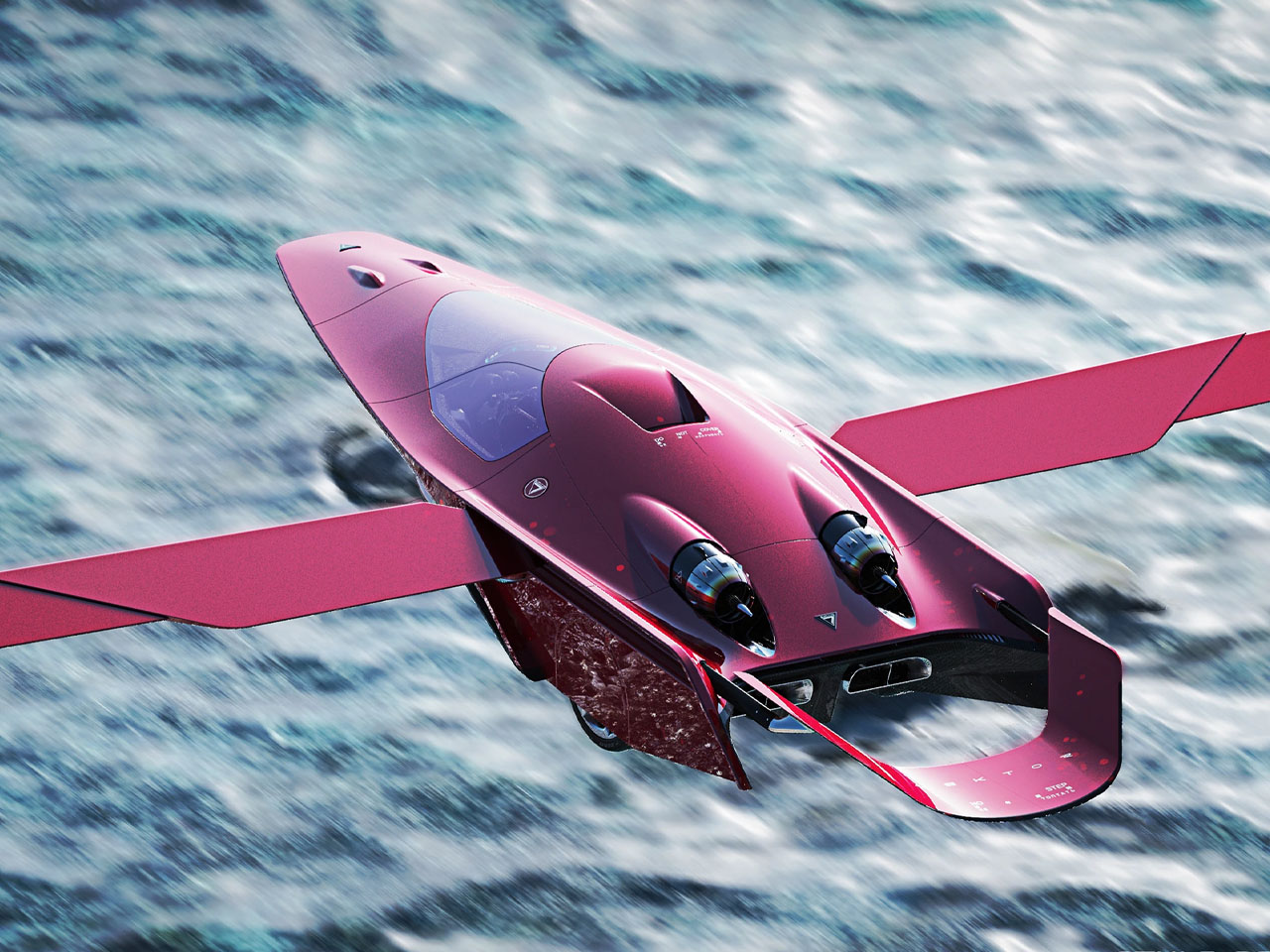
The single-seater flying car is built for adrenaline junkies who have got bored of showing off their exclusive supercars on roads. The next avenue for them is obviously the VEKTOR with its combination of raw power, ultra-manoeuvrability, and attractive looks. The car’s wide wingspan assists in very short take-off and landing, which is important for a smooth transition from riding the freeway tarmac and then taking off at will. The rear section of the flying vehicle has thrusters and exhaust, aided by the optimized spoiler design, which helps in staying airborne without burning too much fuel.
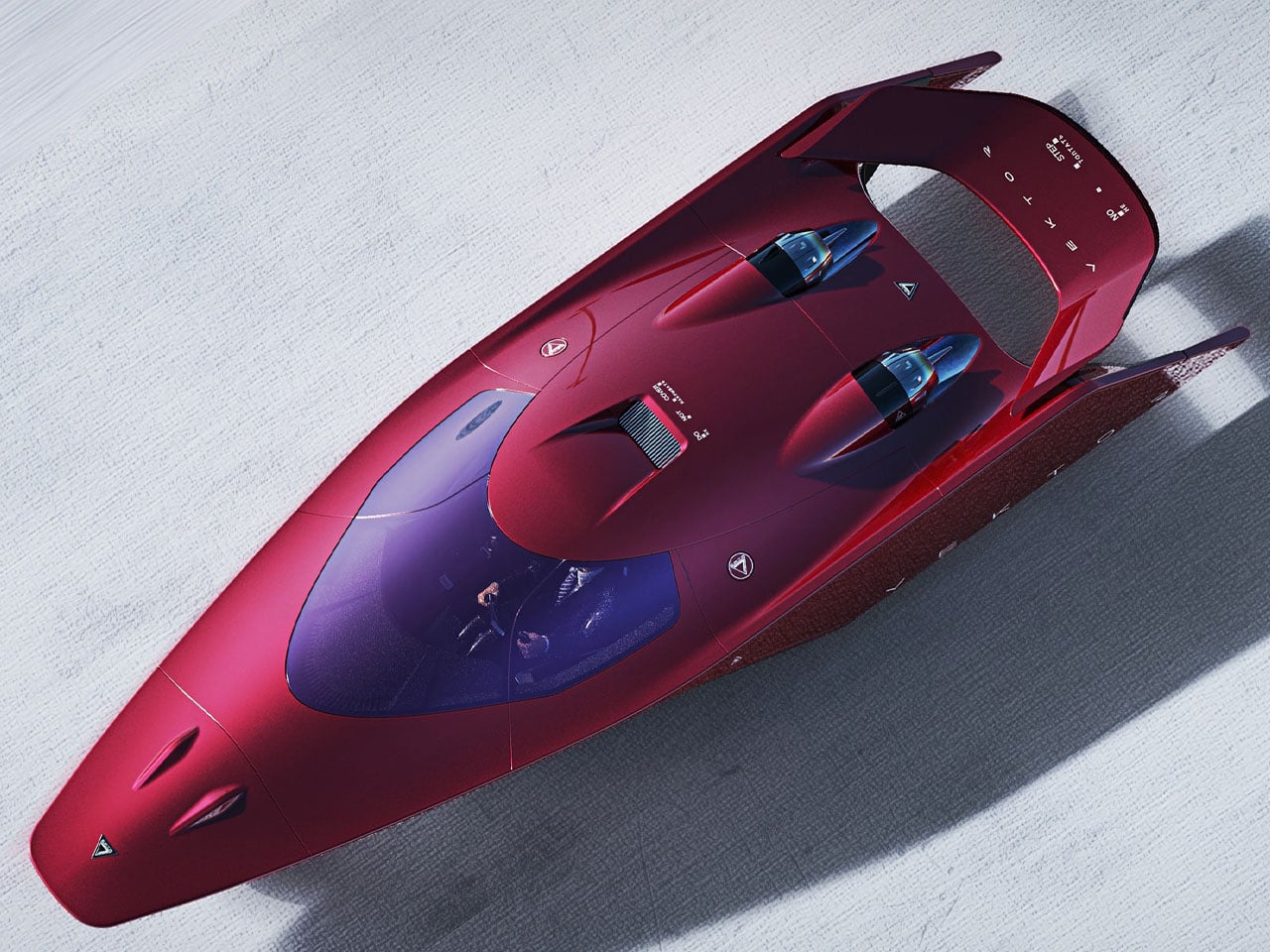
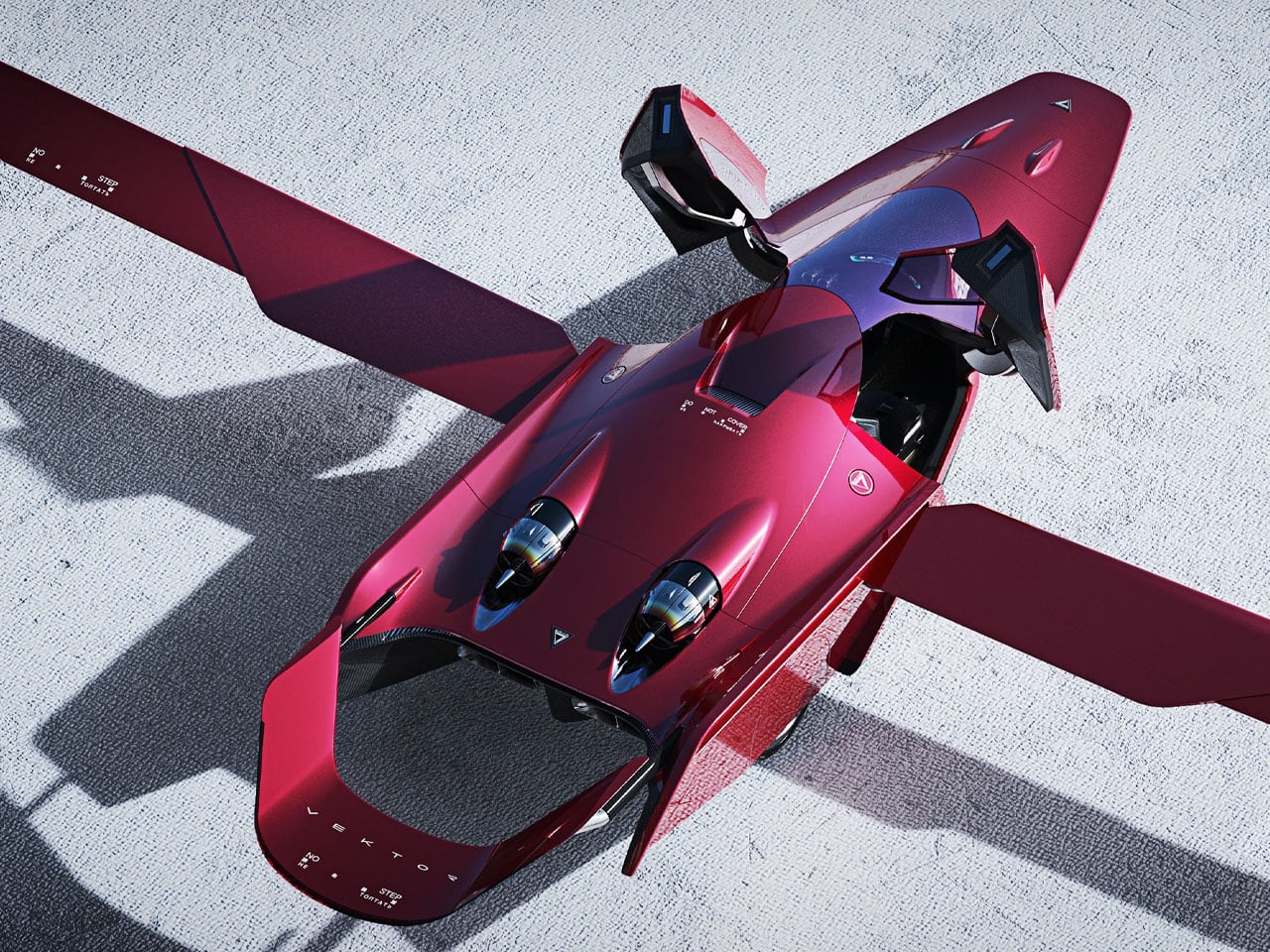
When airborne, the two rear wheels and the bigger front wheel retract back into the underbody to eliminate any drag. On the road, the vehicle’s wings retract sideways, just like the side skirts that go over a modified car. Everything seems like a part of the design, which speaks volumes about the concept iteration. Luigi has managed to complement the sporty performance of this flying vehicle with the beautiful aesthetics, draped in a pearl-finish crimson lake hue. Indeed, something anyone won’t mind paying a premium for in the near future, to be honest.