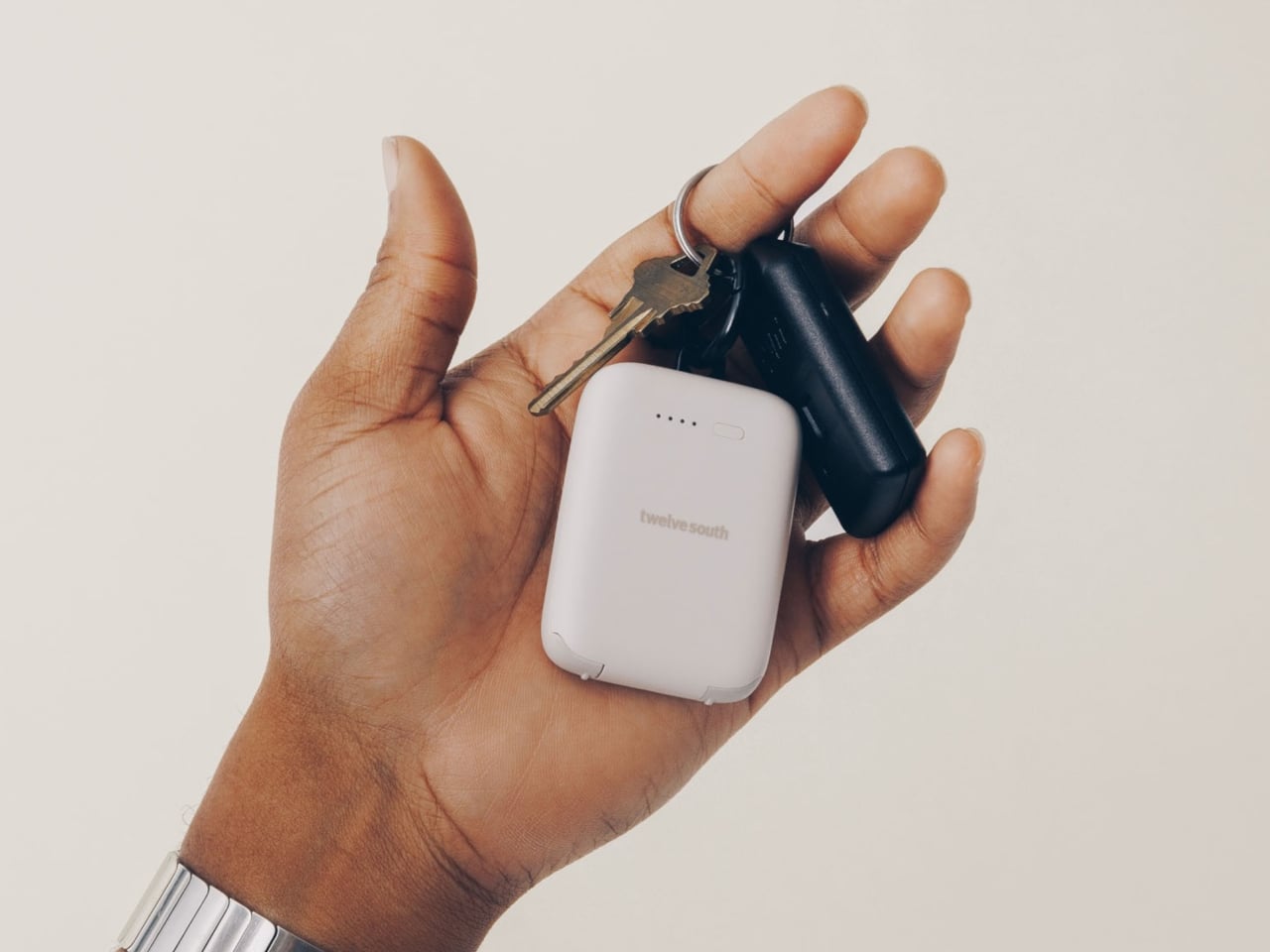
Most people who carry a power bank don’t have it when they need it. It’s in the other bag, on the counter, or still plugged into the wall. The problem isn’t that people don’t want backup power; it’s that a power bank asks too much of them. It’s a separate object with its own place in a routine that’s already too crowded, and the more something demands to be remembered, the more reliably it gets forgotten.
That behavioral friction is the design problem the Twelve South PowerClip is built to solve. Rather than starting with capacity or charging speed, the design starts with a simpler question: what would it take for a person to actually have this on them every day? The answer, apparently, is making it small enough and clipable enough that it attaches to what’s already in your pocket.
Designer: Twelve South
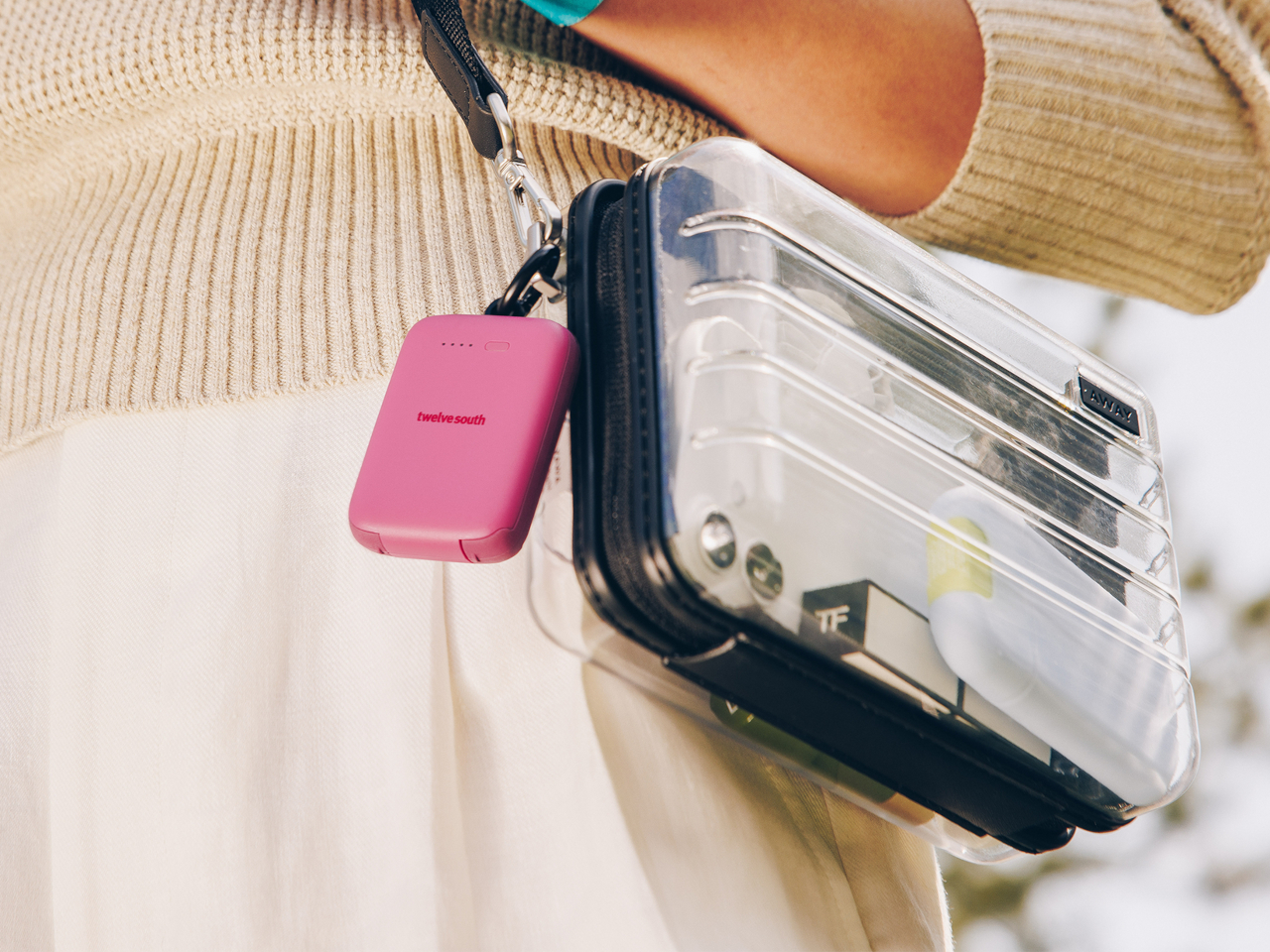
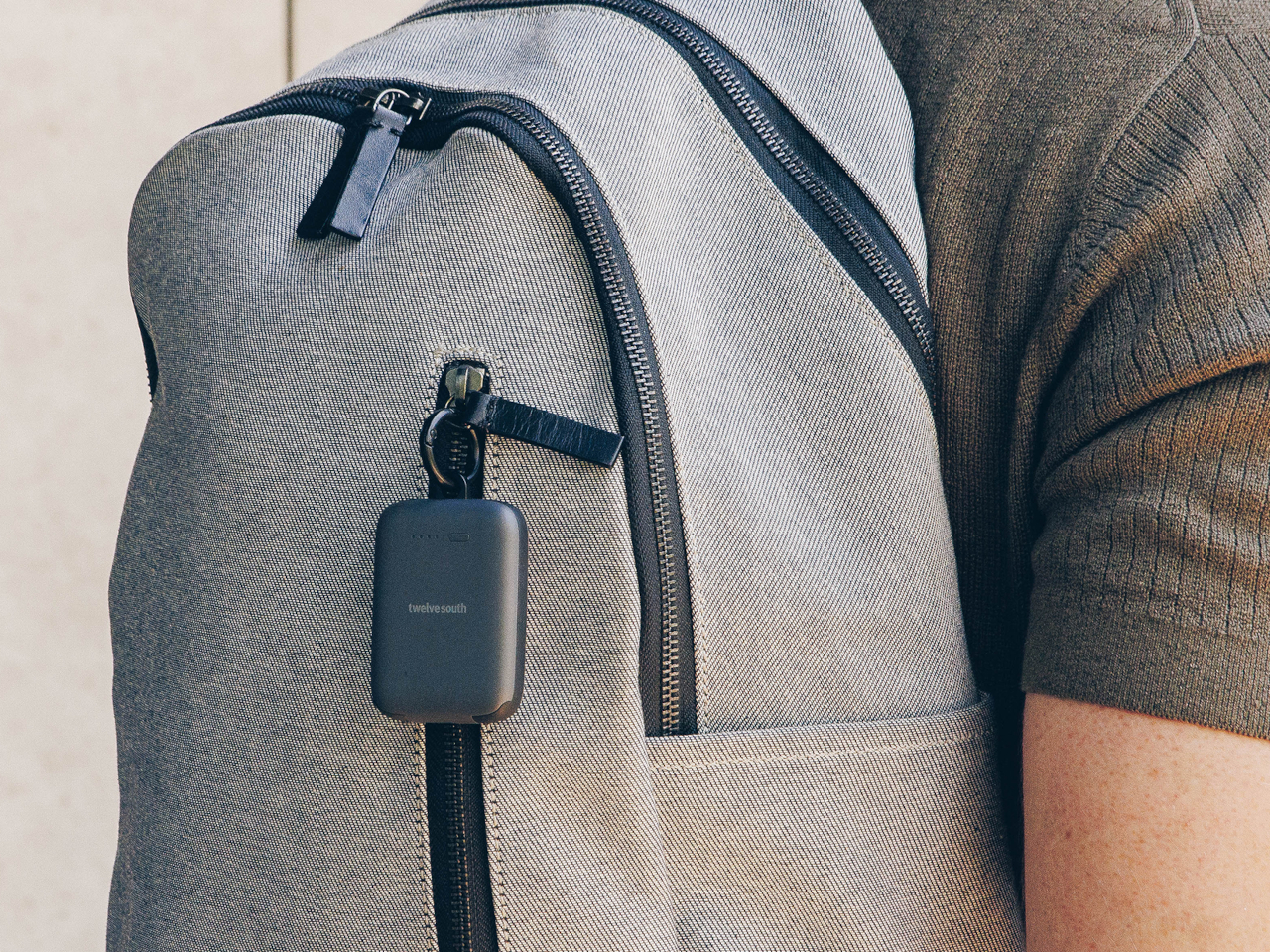
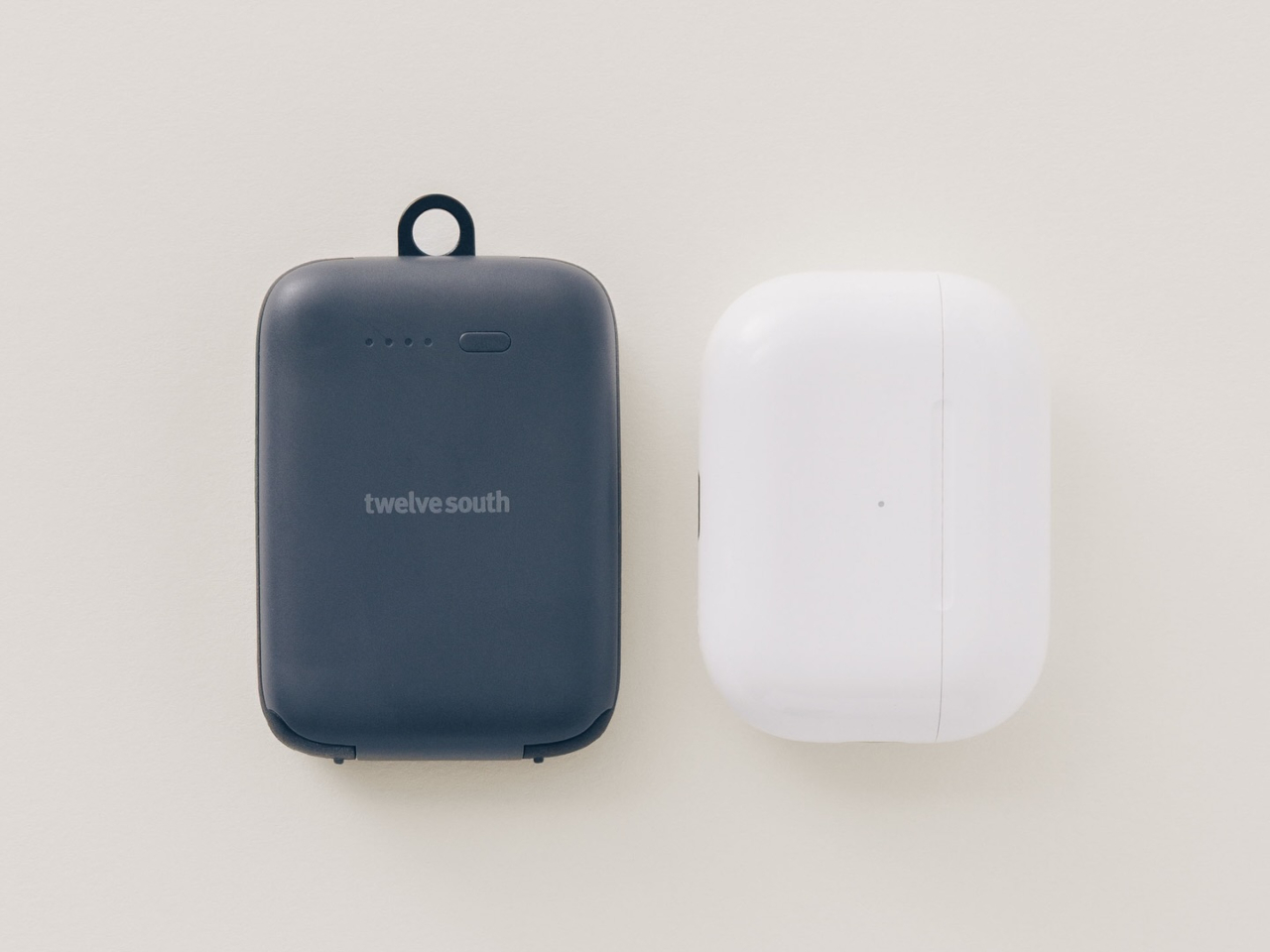
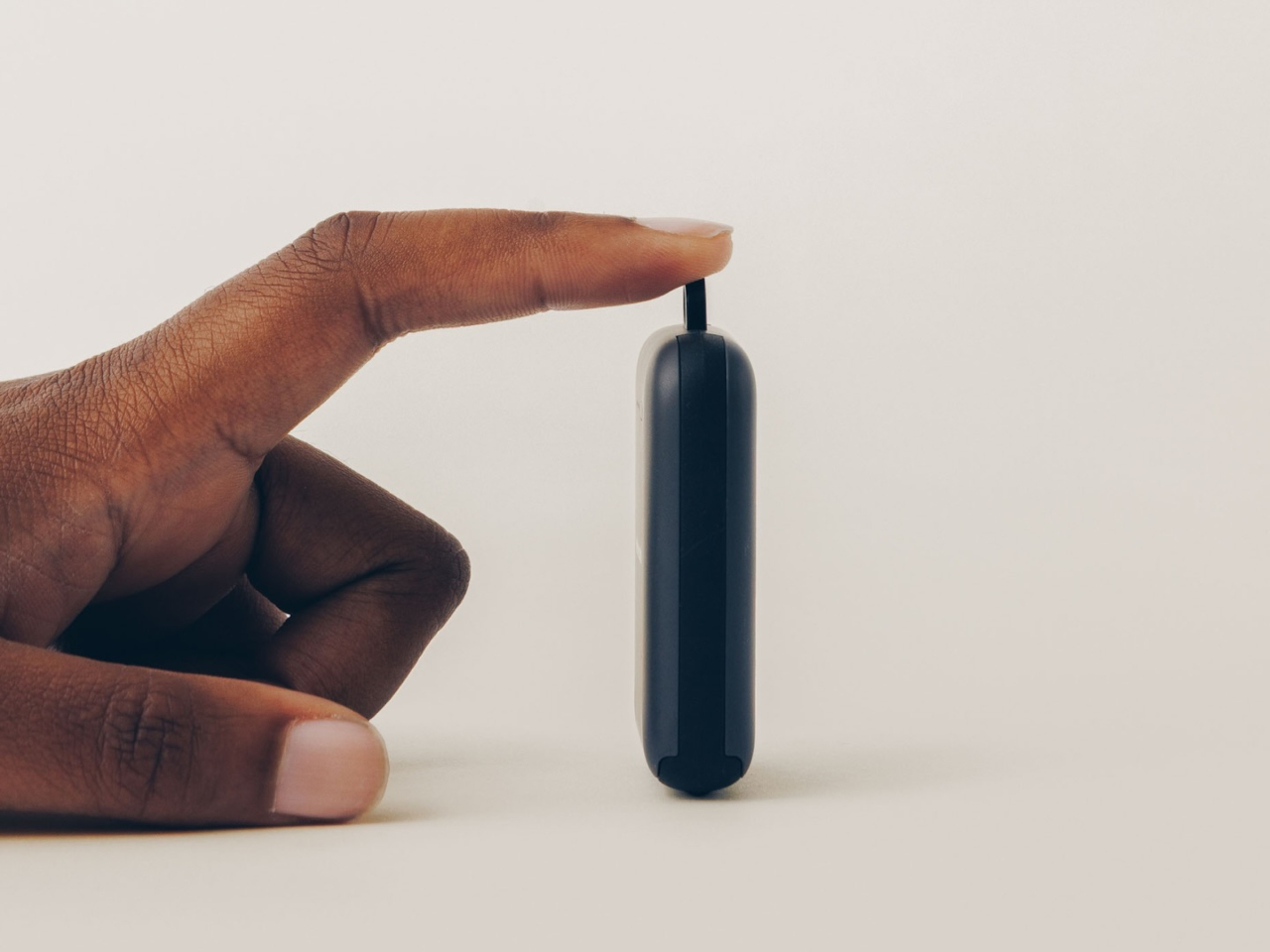
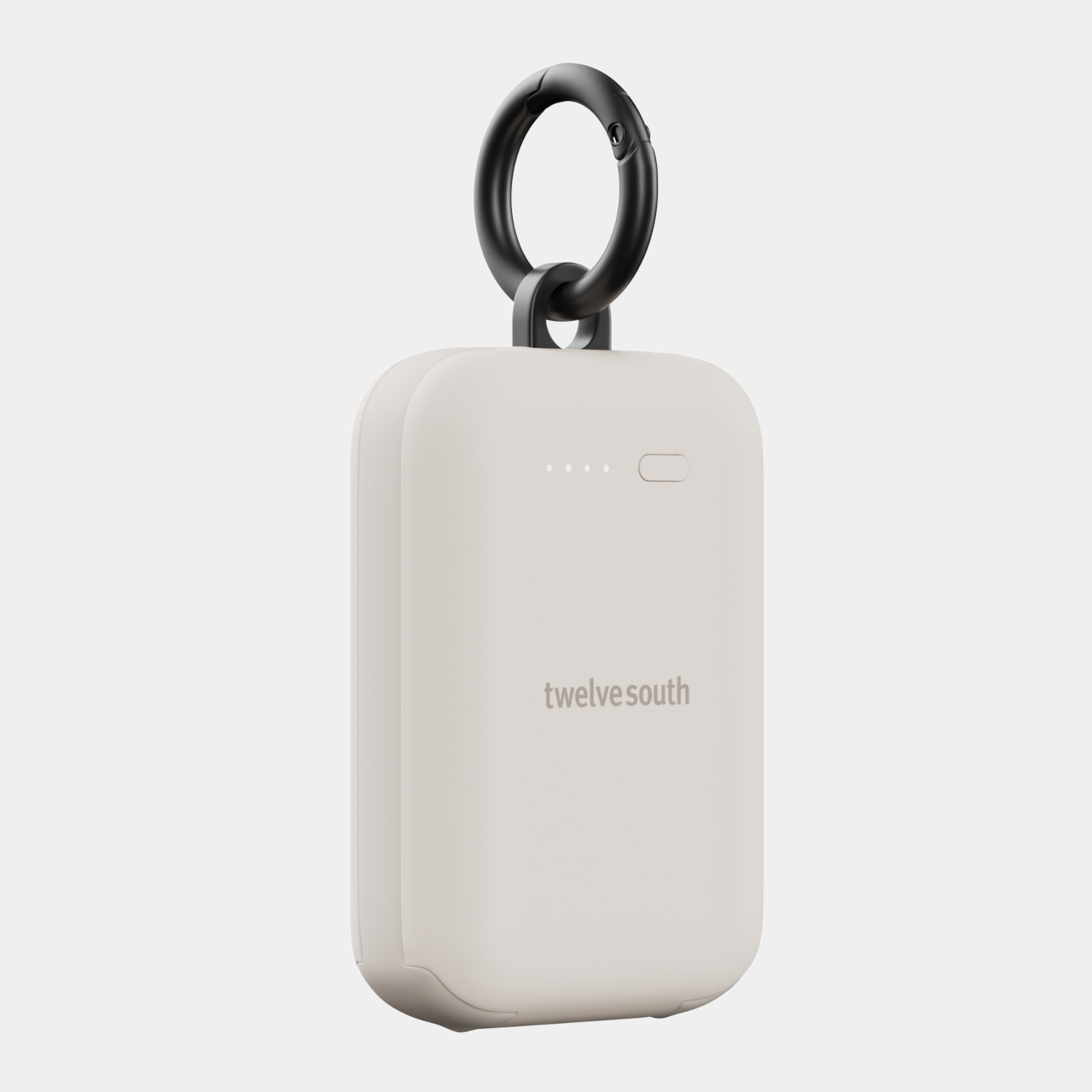
At 45g and roughly the footprint of a dental floss container, the PowerClip is designed to live on a keychain, a bag strap, or a belt loop via a zinc-alloy carabiner. It disappears into daily carry so completely that Twelve South’s own marketing describes the intended experience as: you stop thinking about it entirely, until the moment it saves you. That’s an unusually honest design brief for a consumer product.
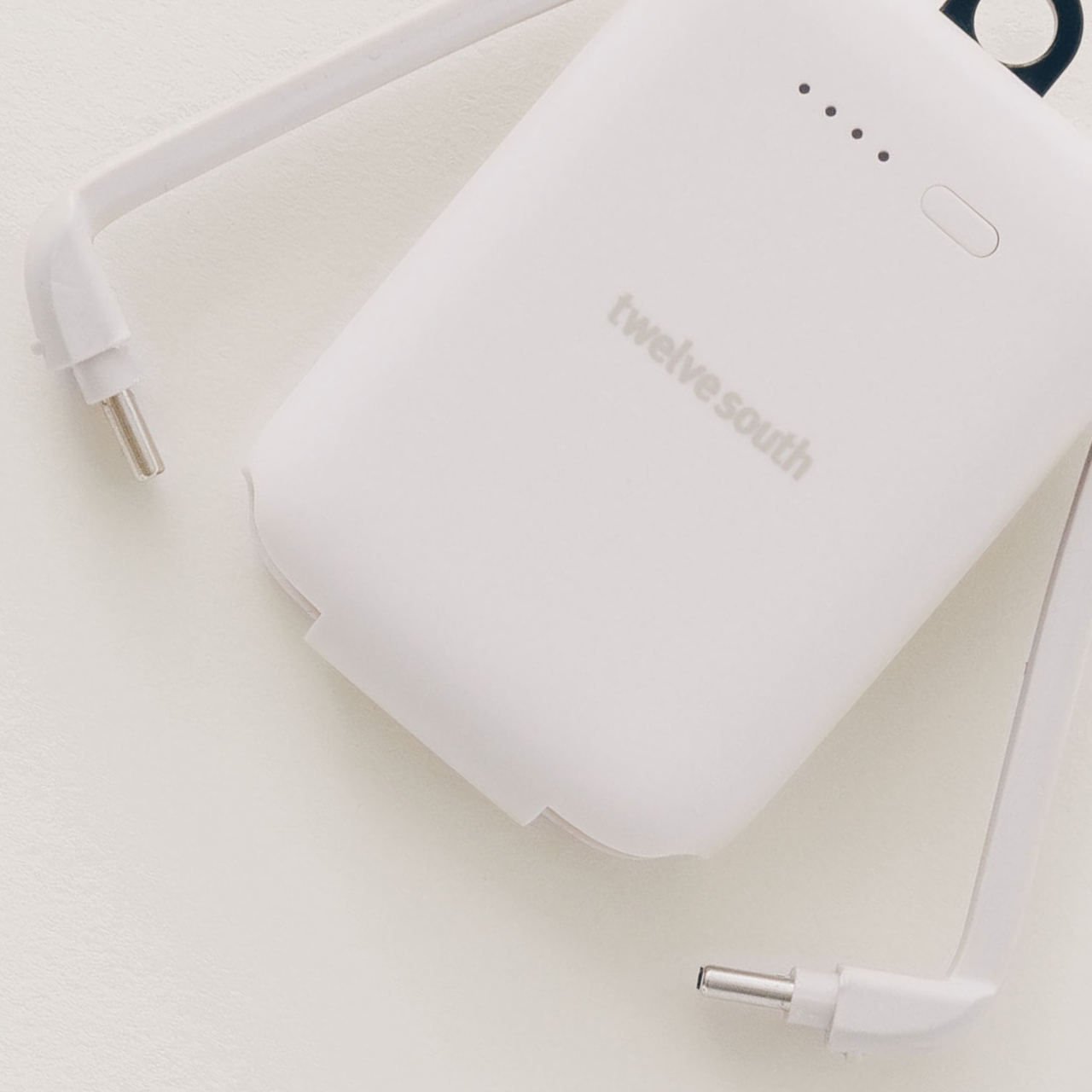
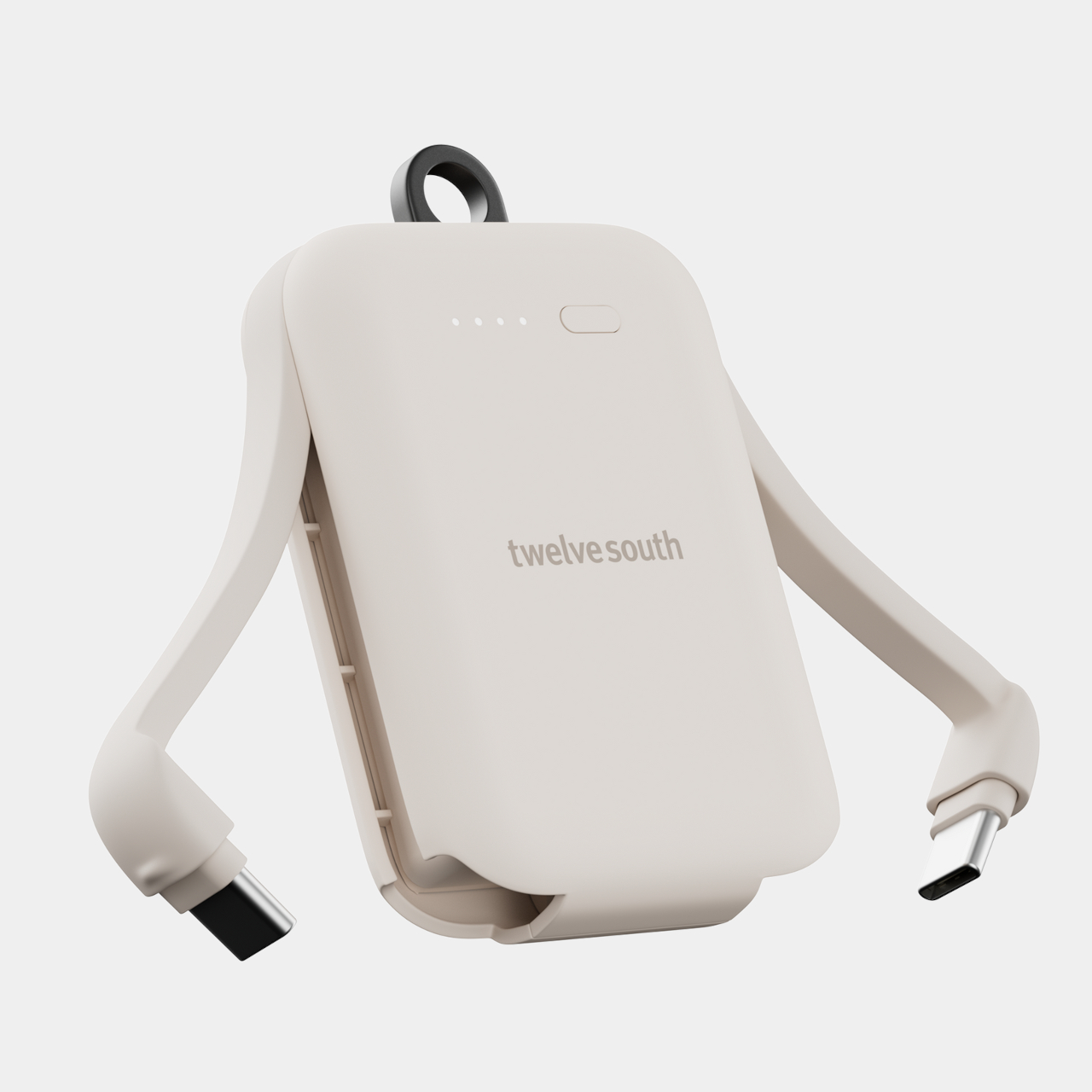
The integration extends to the cables. There’s no cord to pack or lose, because the USB-C cable is built directly into the unit. One side handles both input and output; a second port allows pass-through charging, so you can top up the PowerClip and a device simultaneously without interrupting either. The four LED indicators tell you the battery level at a glance. None of this requires setup, configuration, or carrying a separate adapter.
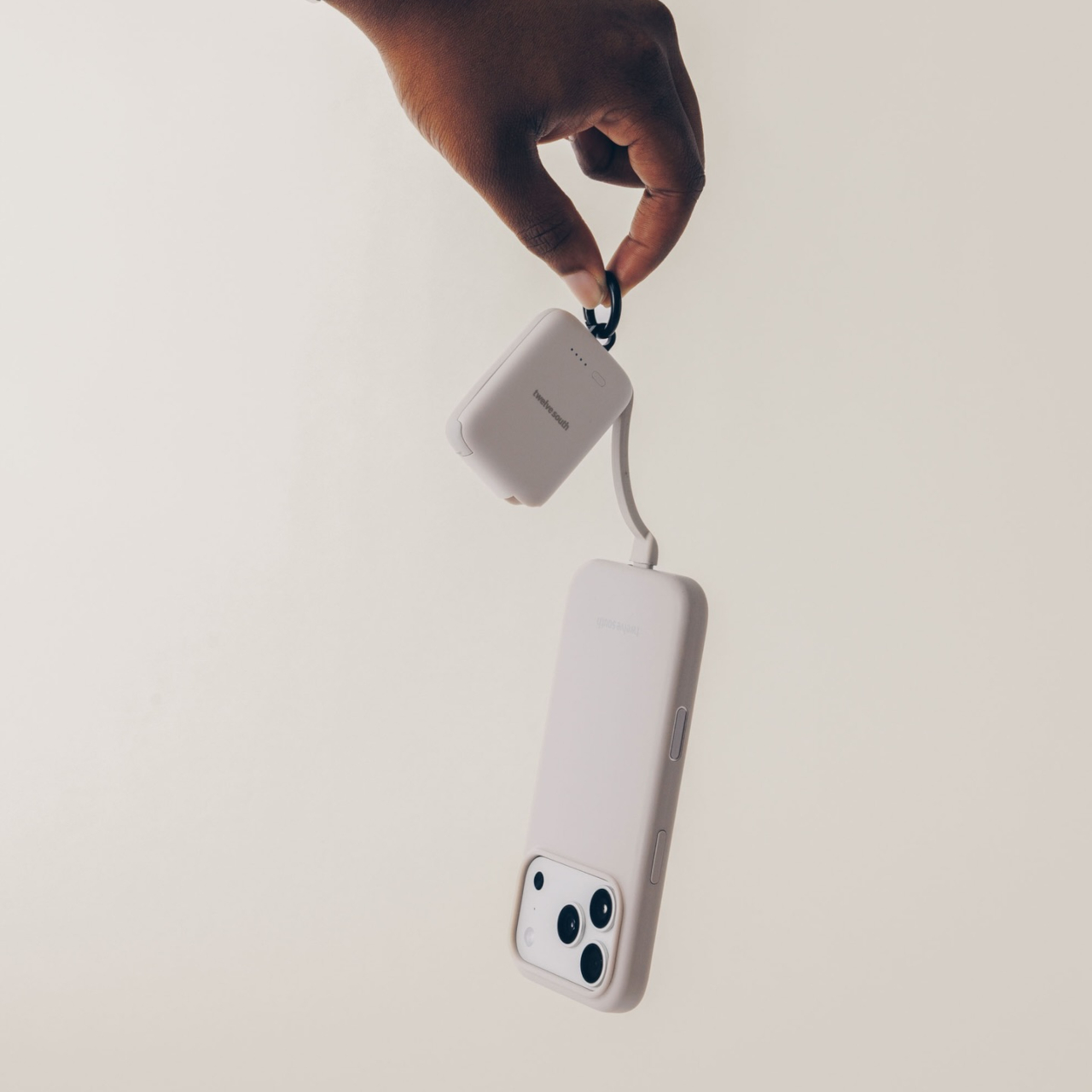
The 2,000mAh capacity is modest by the spec sheets of larger power banks, and deliberately so. The PowerClip isn’t trying to be a replacement for the bigger unit sitting in your desk drawer; it’s an emergency charge that gets your phone from 1% to enough to get home, make a call, or pull up a boarding pass. That scope defines the form rather than limiting it. Giving it more capacity would make it heavier, bulkier, and harder to justify clipping onto a set of keys.
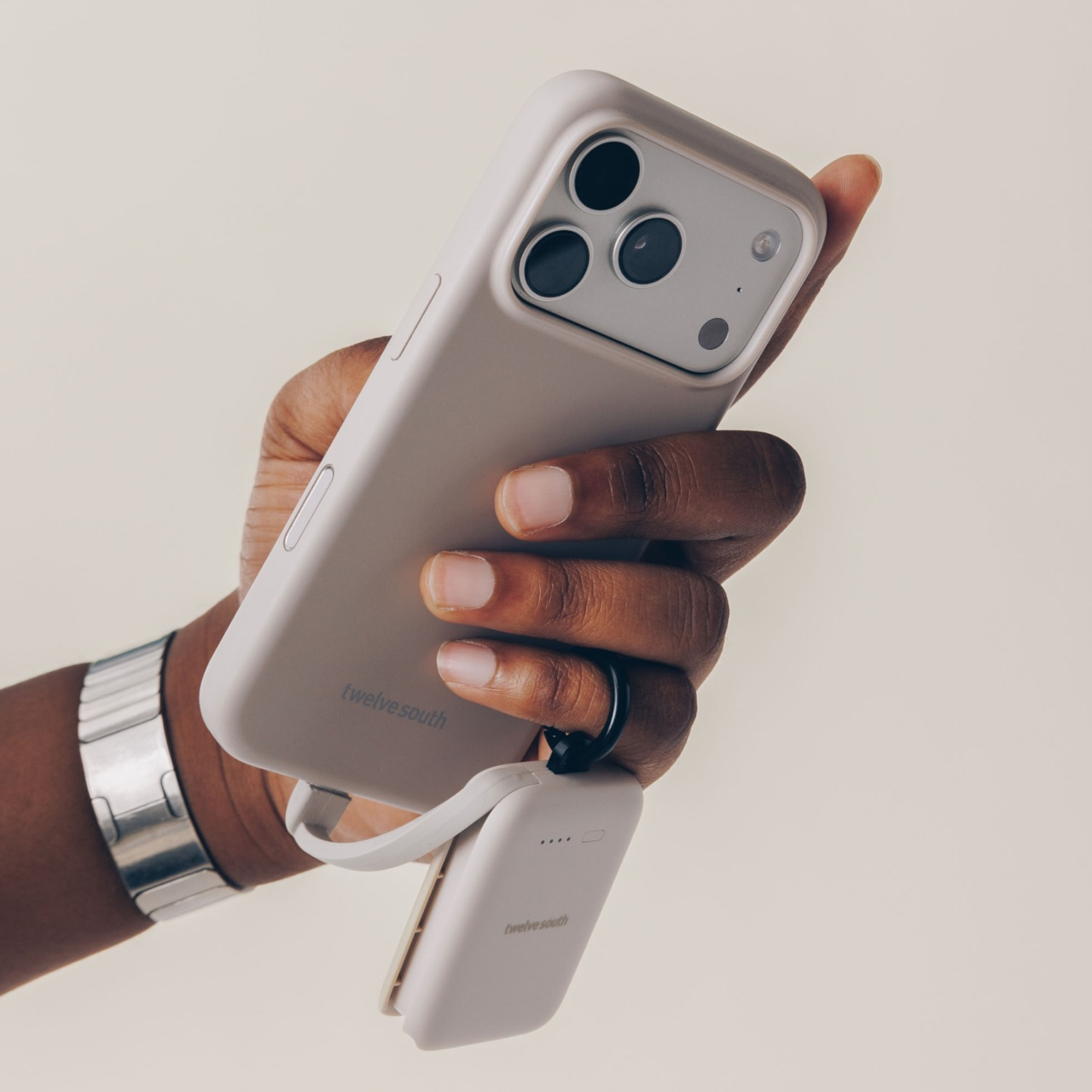
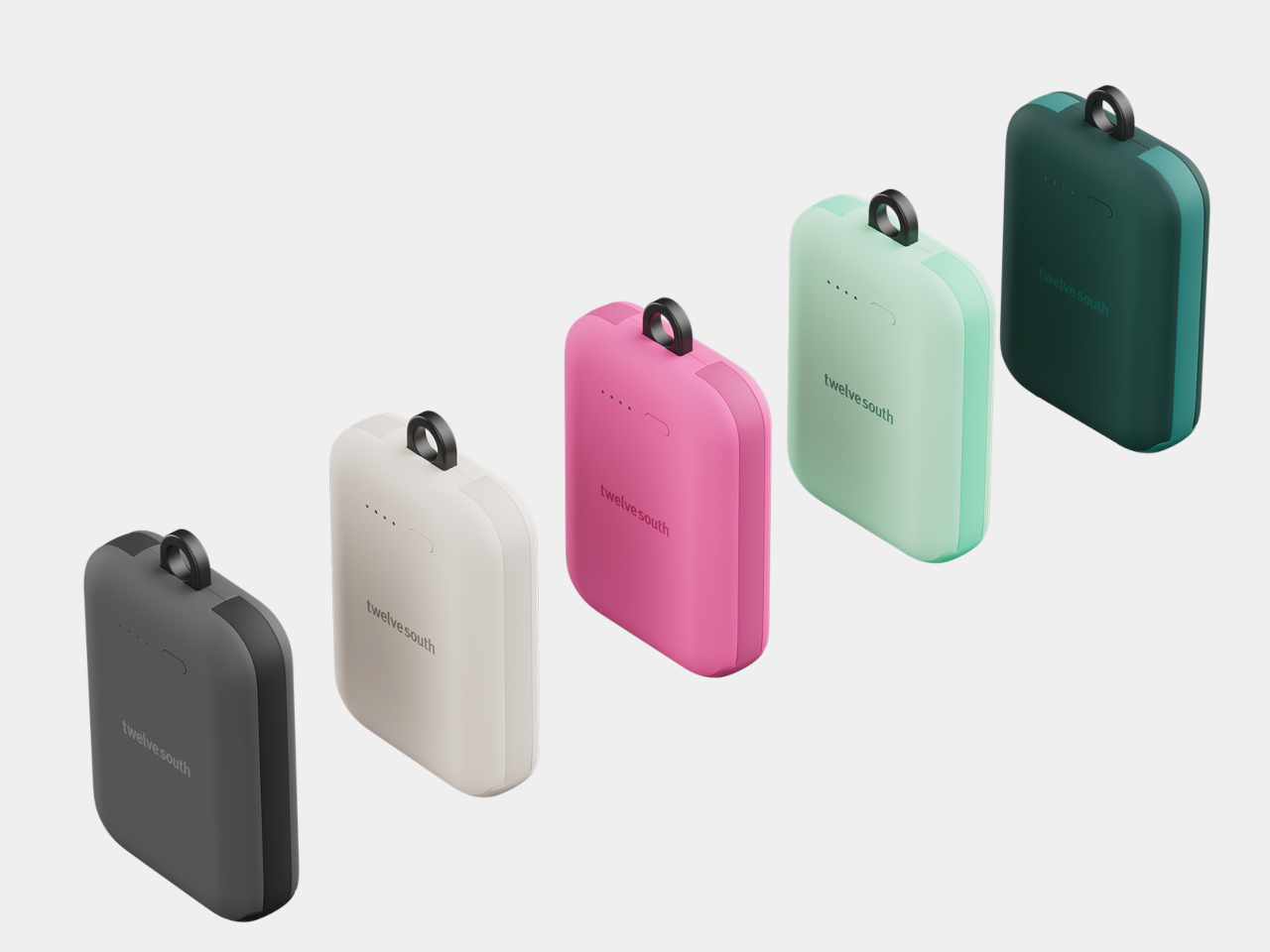
Five matte finishes, including Dune, Slate, Mint, Fuchsia, and Teal, let it function as an accessory rather than a utility. A limited-edition collaboration with Alpaka even produced a coordinated Micro Tote for carrying the PowerClip alongside small everyday essentials, treating the power bank as something worth designing around rather than stashing.
The PowerClip costs $39.99, which sits above the baseline for cheap power banks but below the premium tier of larger, feature-loaded alternatives. That positioning reflects the product’s design logic: it occupies a category that most manufacturers haven’t prioritized, not highest capacity or fastest charging, but highest likelihood of actually being with you when the battery dies. The specific insight here is that a power bank nobody carries isn’t worth much, and that solving the carry problem is a more interesting design challenge than chasing another thousand milliamp-hours.