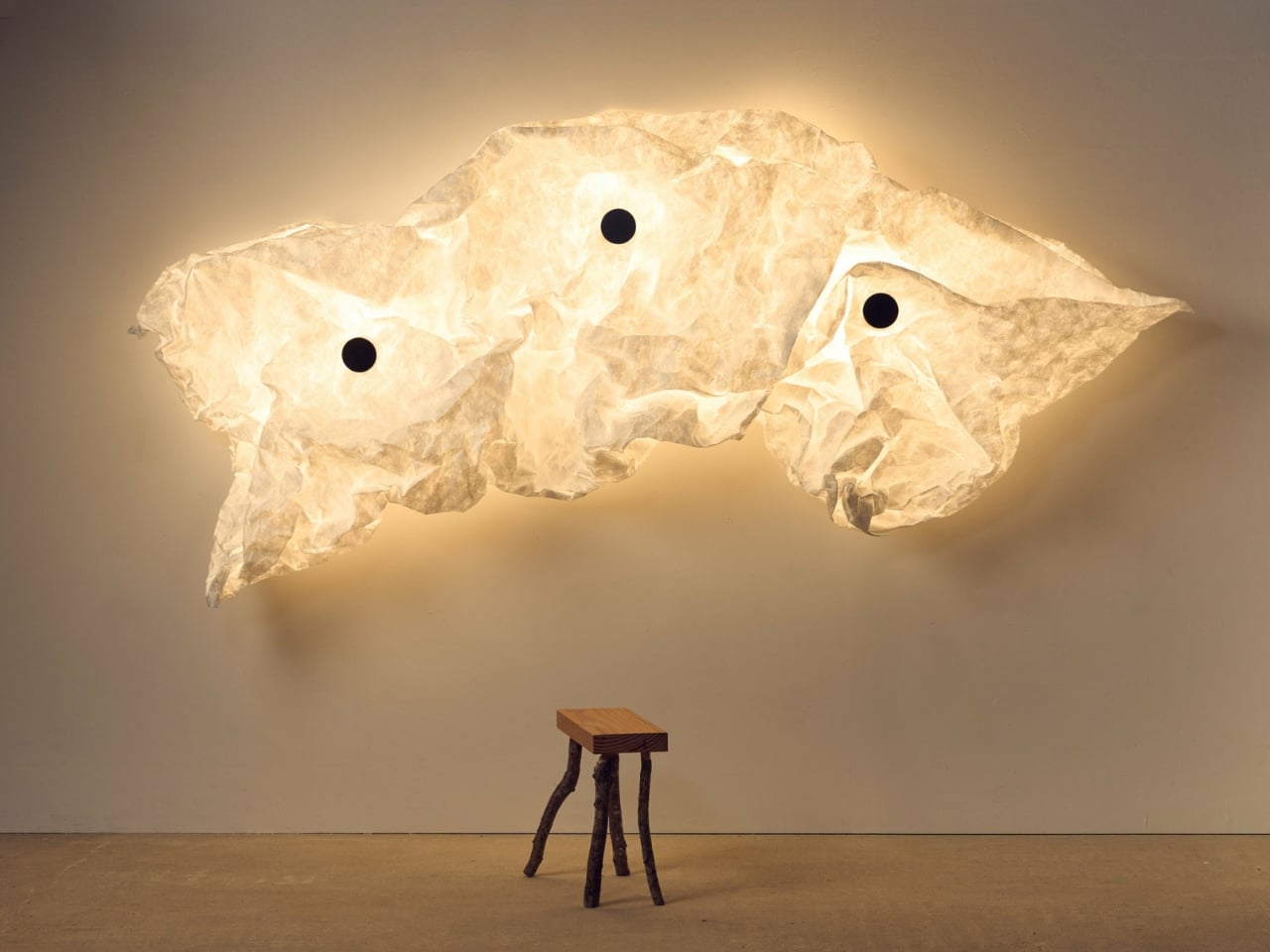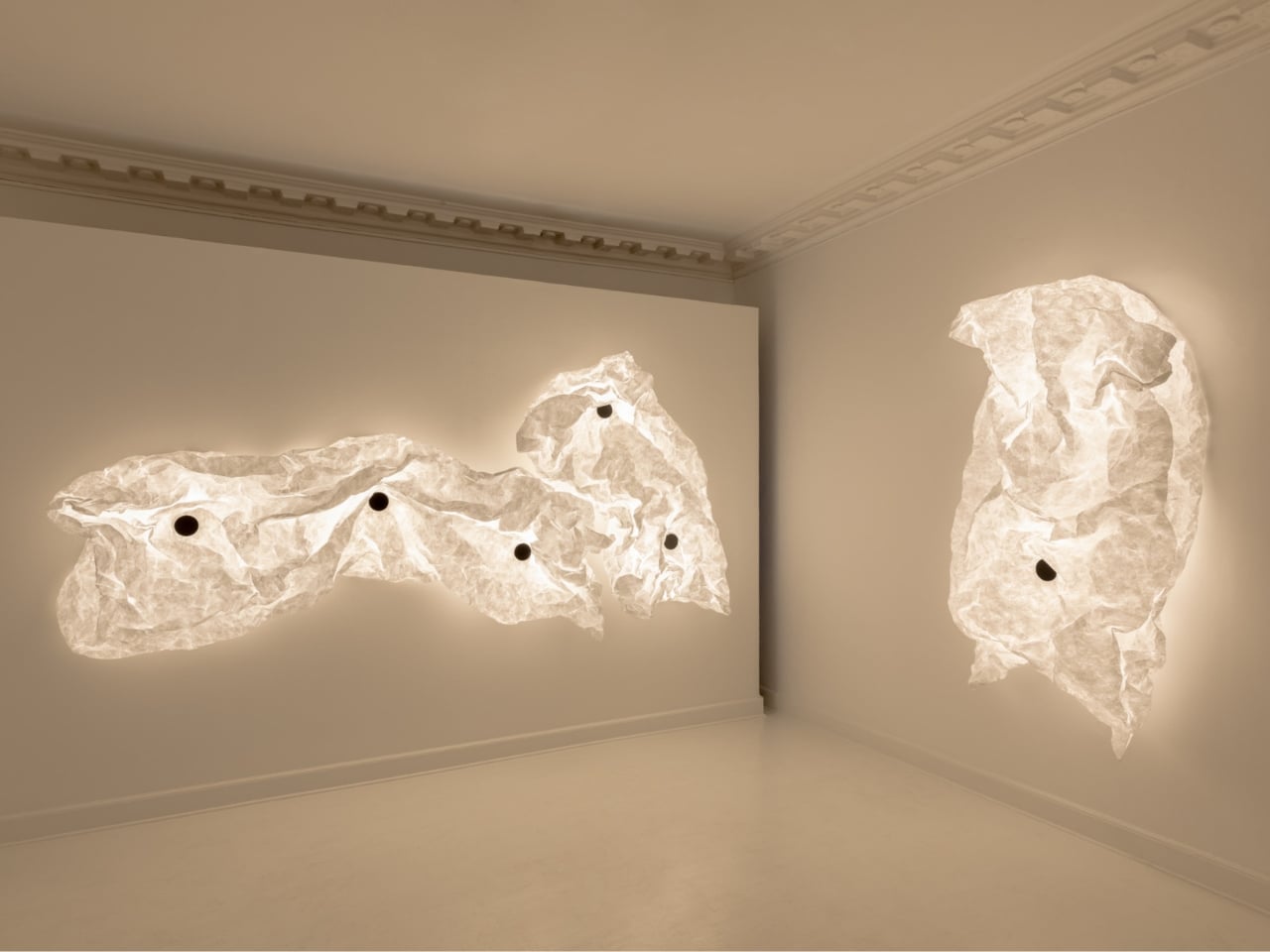
Most lighting products arrive complete. You unbox them, install them, and that’s basically the end of the story. Maap, the new wall lamp by Erwan Bouroullec for Flos, works a little differently. Before you can hang it on your wall, you have to crumple it. Not metaphorically. Actually crumple it, by hand.
The diffuser at the heart of Maap is made from Tyvek, the ultra-thin synthetic material most commonly associated with shipping envelopes and construction wrap. Bouroullec chose it specifically for its behavior: when crumpled, it holds its shape, forming a microstructure of ridges and folds that stabilizes the lamp’s form and scatters light in a way no factory process could replicate. Two people installing the same model will end up with two completely different objects. That’s not a design flaw. That’s the entire point.
Designer: Erwan Bouroullec
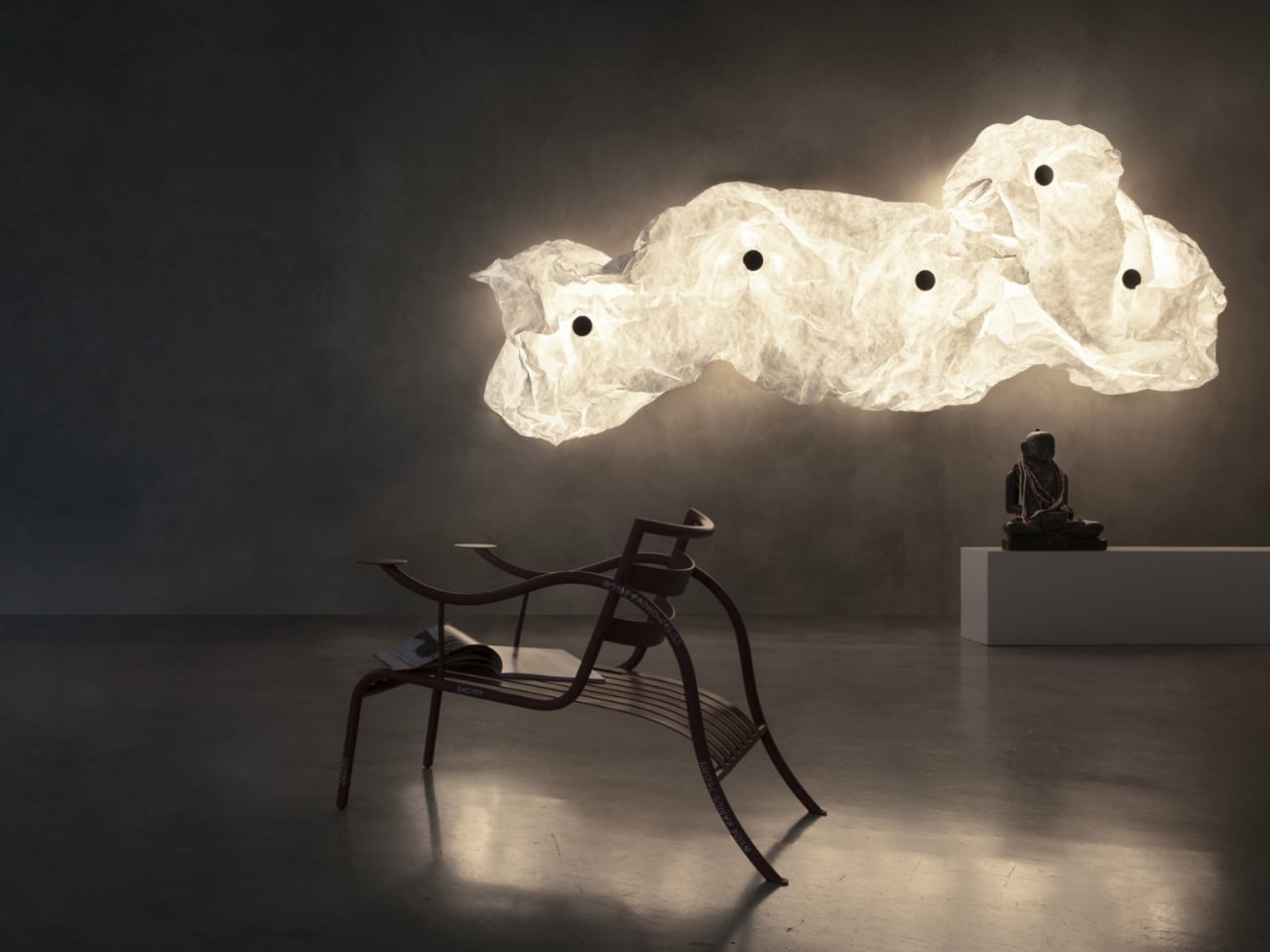
Bouroullec has been thinking about expansive light for a long time. “Maap is the realization of a long-held desire to create expansive light sources that diffuse illumination across a broad surface,” he says. “This results in a subtle, immersive glow that surrounds you, spreading softly and evenly.” The lamp reportedly took years to develop and, at one point, resisted being drawn in traditional technical schematics because its final form simply couldn’t be predetermined. How do you draft a blueprint for something that depends on a human gesture?
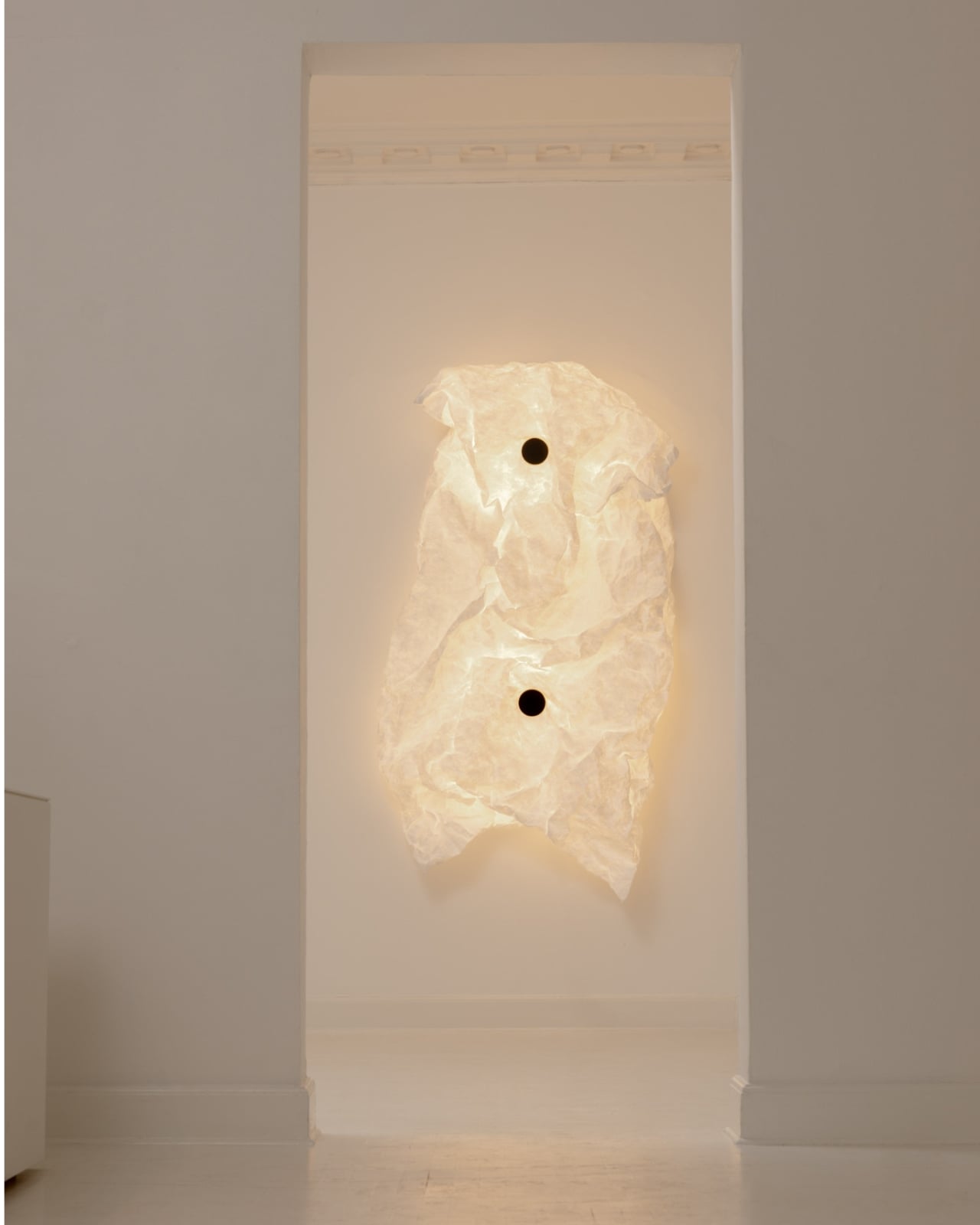
The structure underneath the crumpled Tyvek is precise and deliberate. A cross-shaped mount attaches to the wall, and the diffuser shell clips on magnetically. Each unit runs four LED bulbs, and multiple units can be combined to scale the piece up. The smallest configuration is a single panel. At its largest, Maap can stretch over three metres across a wall, which at that scale stops being a lamp and starts becoming an installation. Flos describes it as an “alchemical wall installation,” and while that kind of language gets applied liberally by lighting brands, here it actually feels earned.
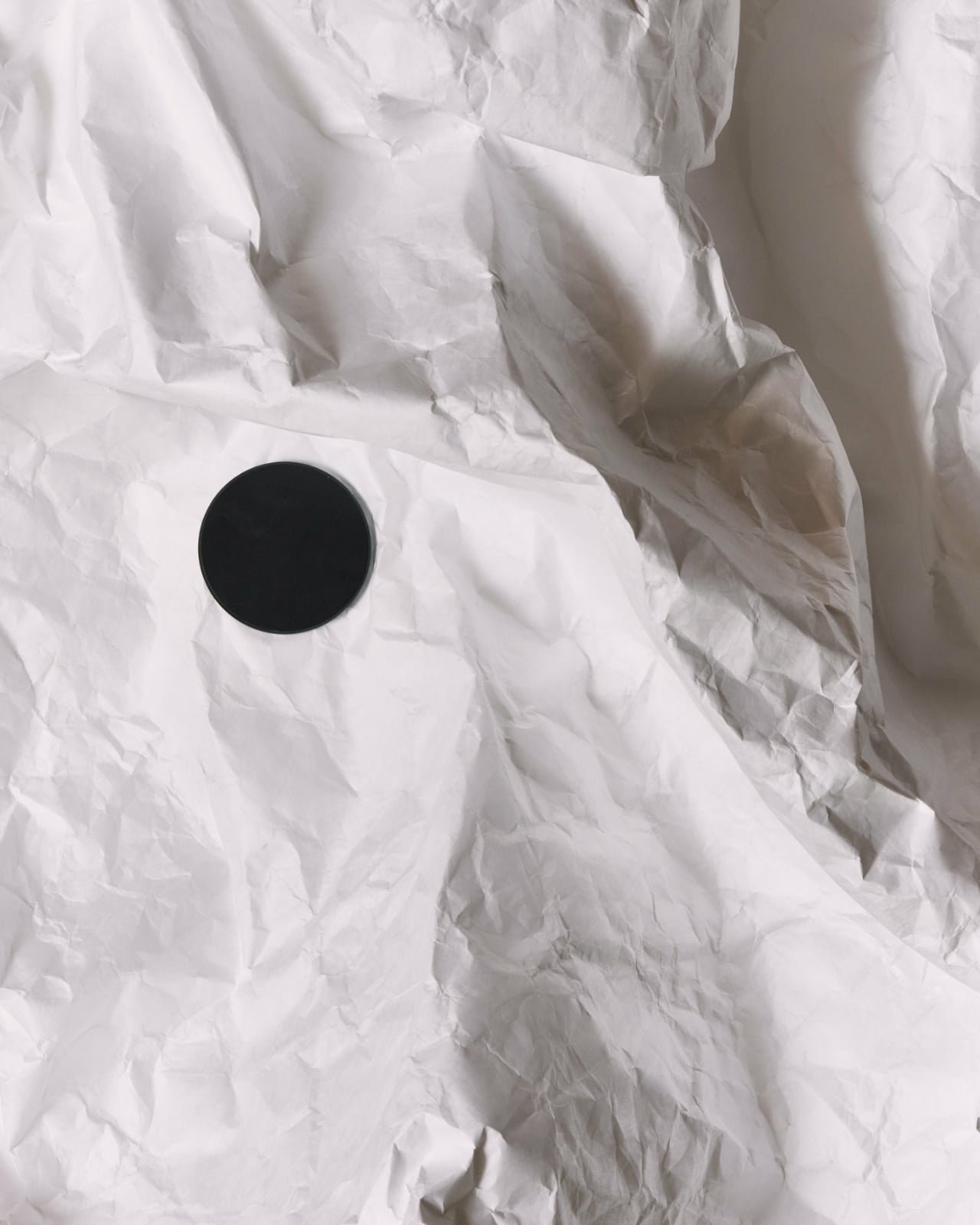
What I keep thinking about is how Maap challenges the standard relationship between designer and buyer. Usually, a piece of furniture or lighting arrives as a closed system. The designer made every call, and your only role is placement. Maap breaks that contract in the most tactile, satisfying way. Bouroullec built the architecture; you determine the texture. It reframes ownership not as possession but as participation.
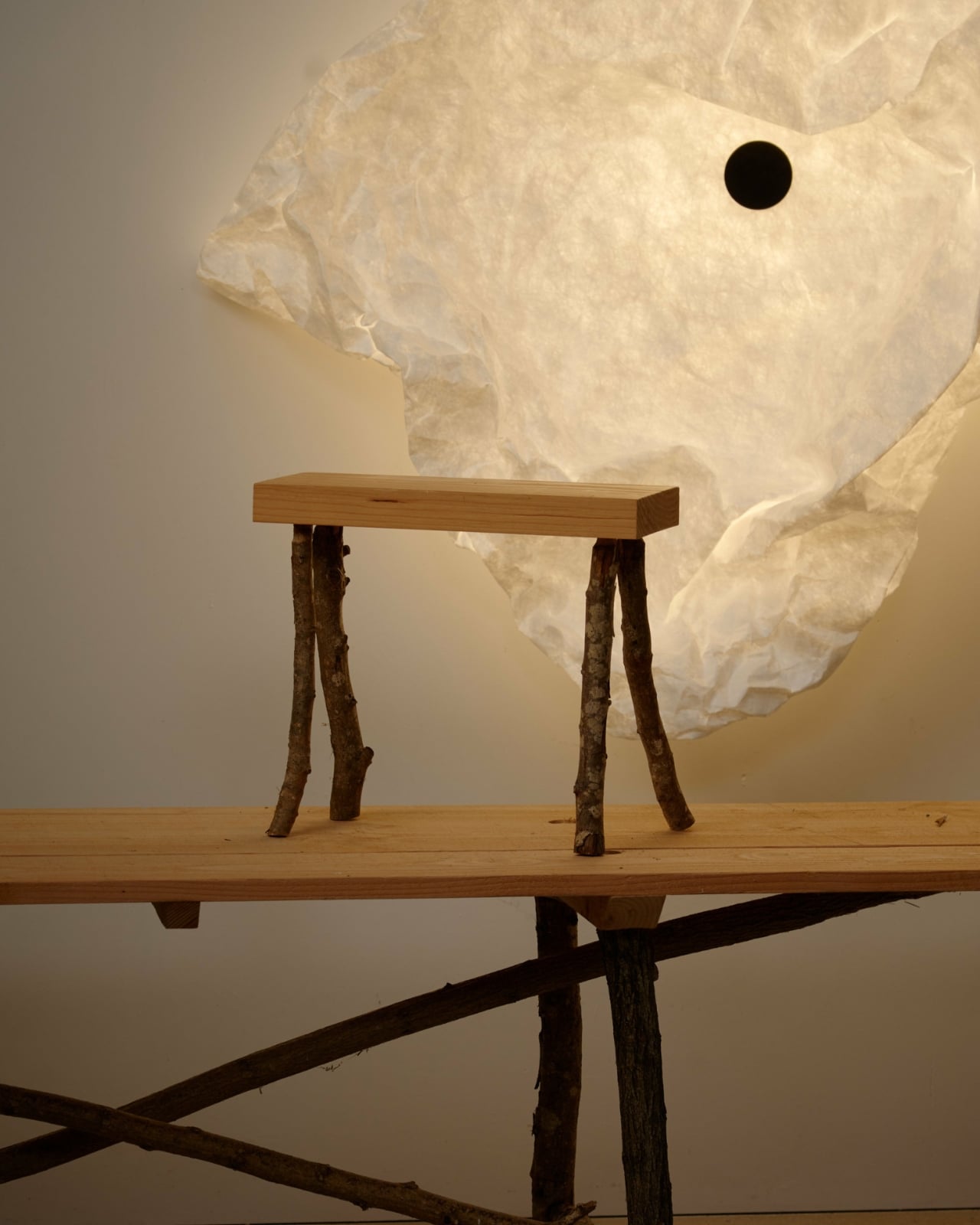
That’s also a slightly risky ask. Not everyone wants to be handed creative responsibility over something they just spent serious money on. For people who need a predictable aesthetic outcome, Maap might feel genuinely unsettling. But for the person who already treats their home as a living, evolving thing rather than a finished project, it’s a quietly compelling offer. You can reshape it. You can start over. If you move, you can detach the diffuser from the wall, re-crumple it, and begin again in a new space. The lamp is designed to be shaped, reshaped, and interpreted by the person living with it.
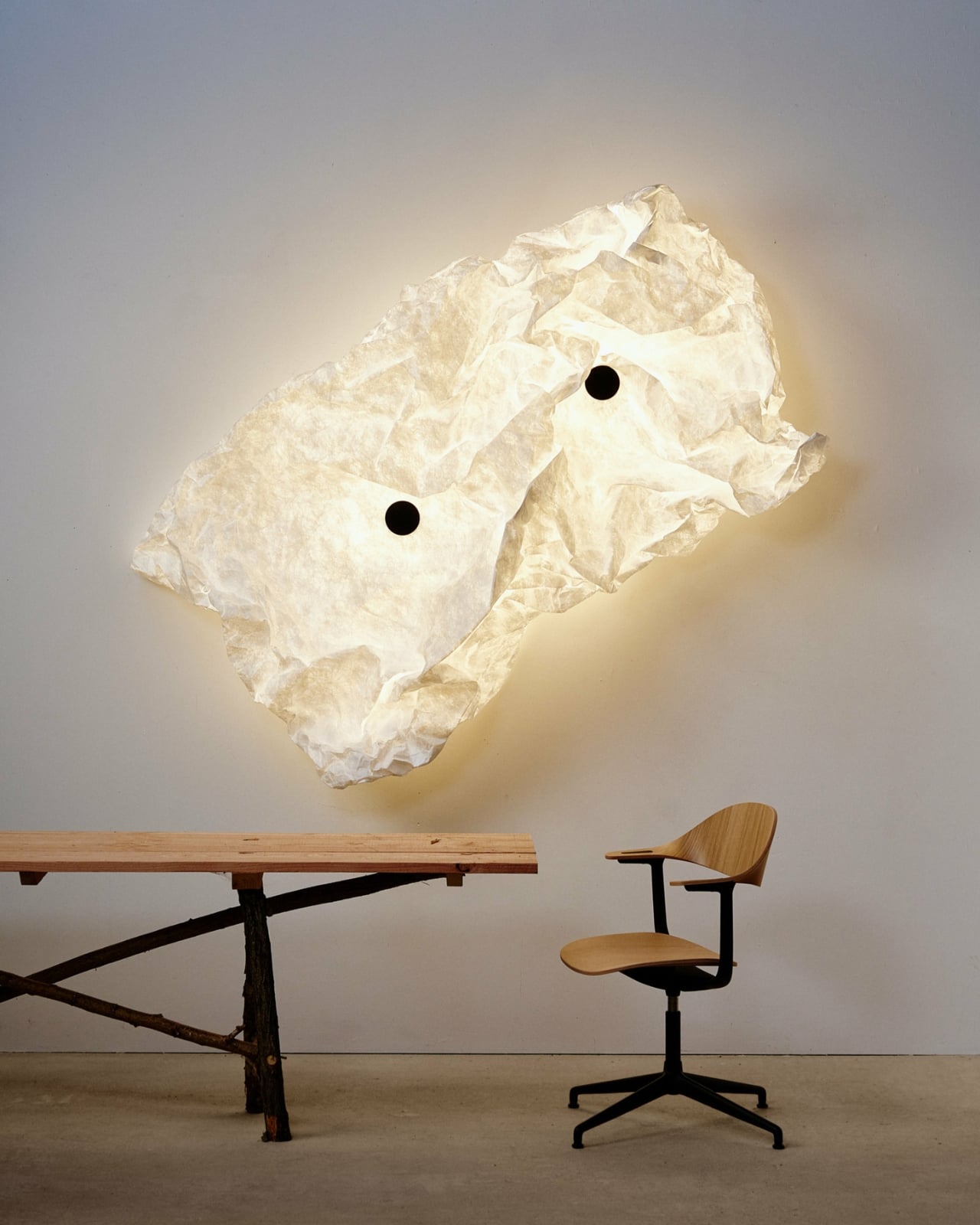
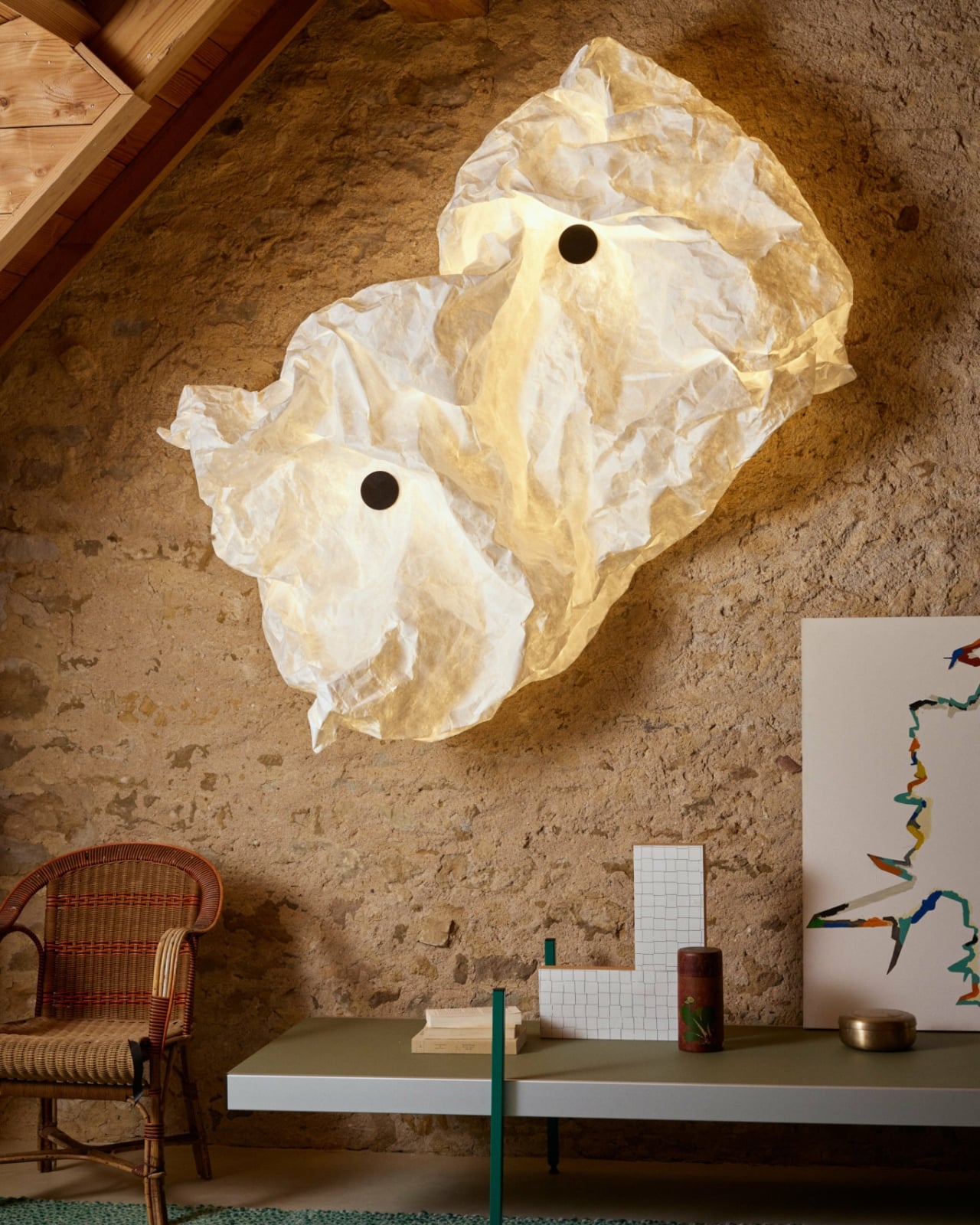
Bouroullec has long approached design as something environmental rather than decorative. “I see design as part of a whole. Designs need to cooperate with a given environment and somehow enhance it.” Maap feels like one of the clearest expressions of that belief. It doesn’t arrive with a fixed visual identity or a demand that you style your room around it. It adapts, which turns out to be a fairly rare quality in a market that often values visual consistency above everything else.
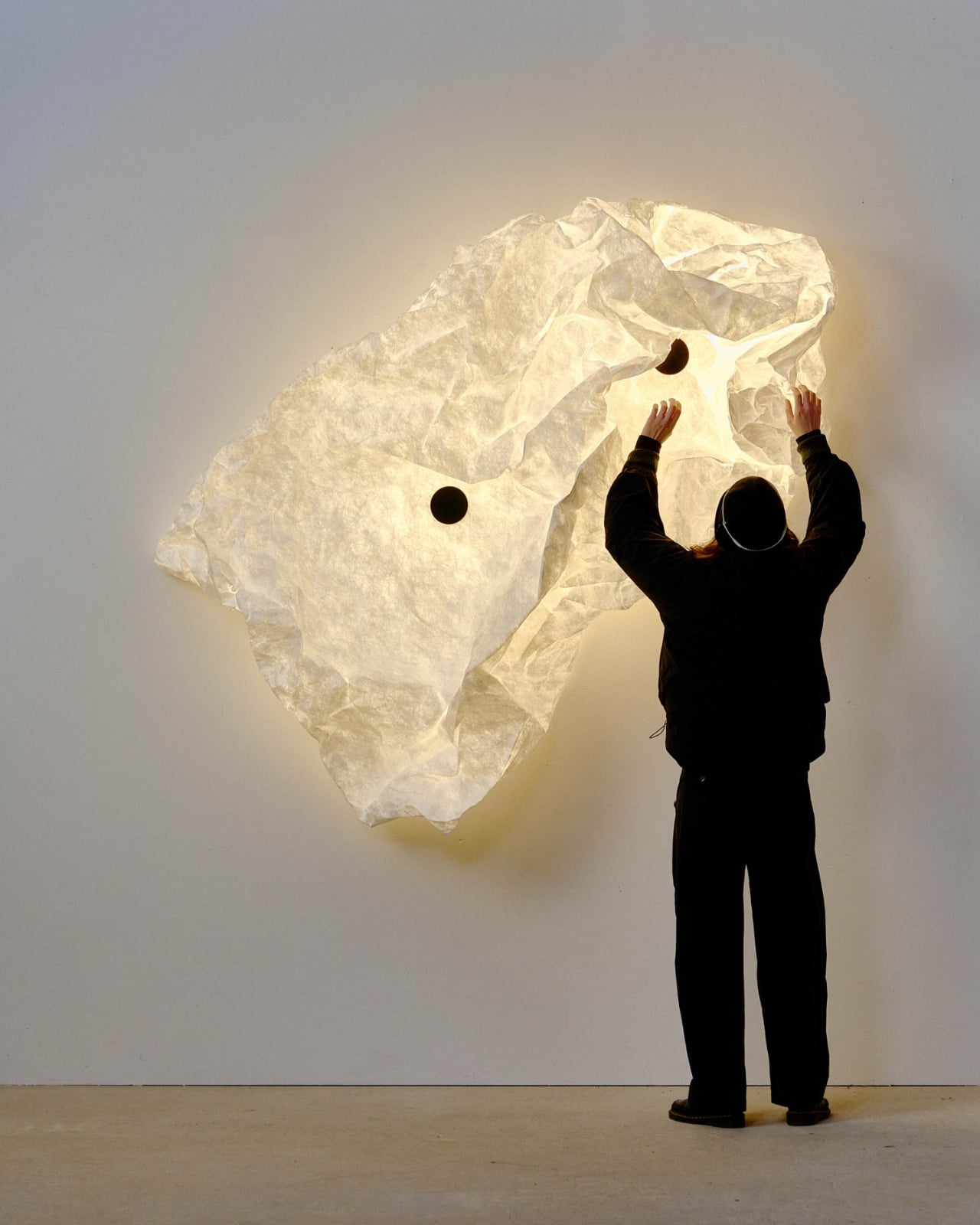
Maap is available now through Flos flagship stores and Design Within Reach, its exclusive U.S. launch partner. It comes in three sizes, Wall 1, Wall 2, and Wall 3. The material is white, the glow is soft, and the rest is entirely up to you.
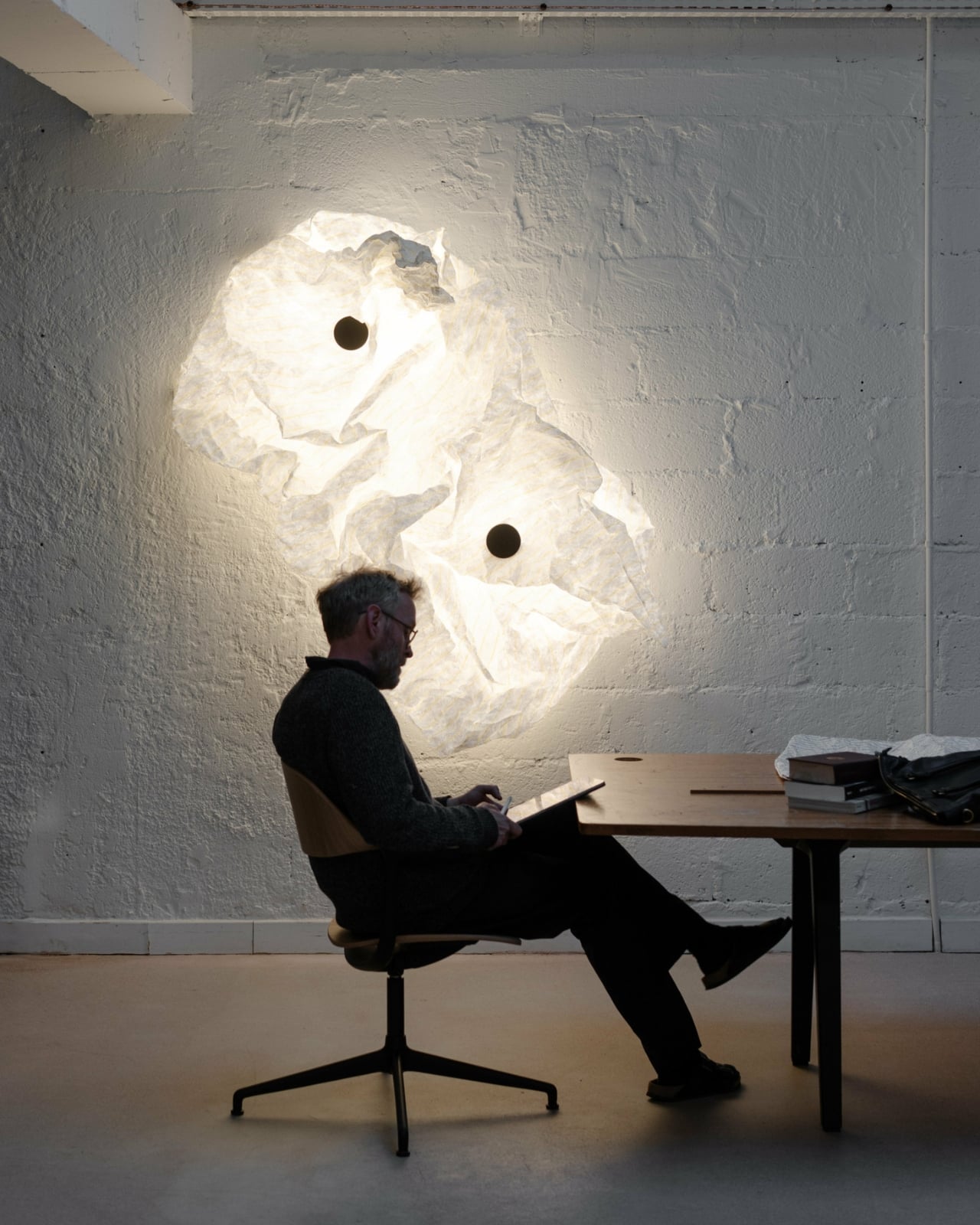
Whether this becomes a reference point in lighting design or stays a beautiful one-off experiment, it’s hard to look at Maap without feeling like something genuinely fresh is being proposed. At a time when design often cycles through familiar references, that still counts for something.