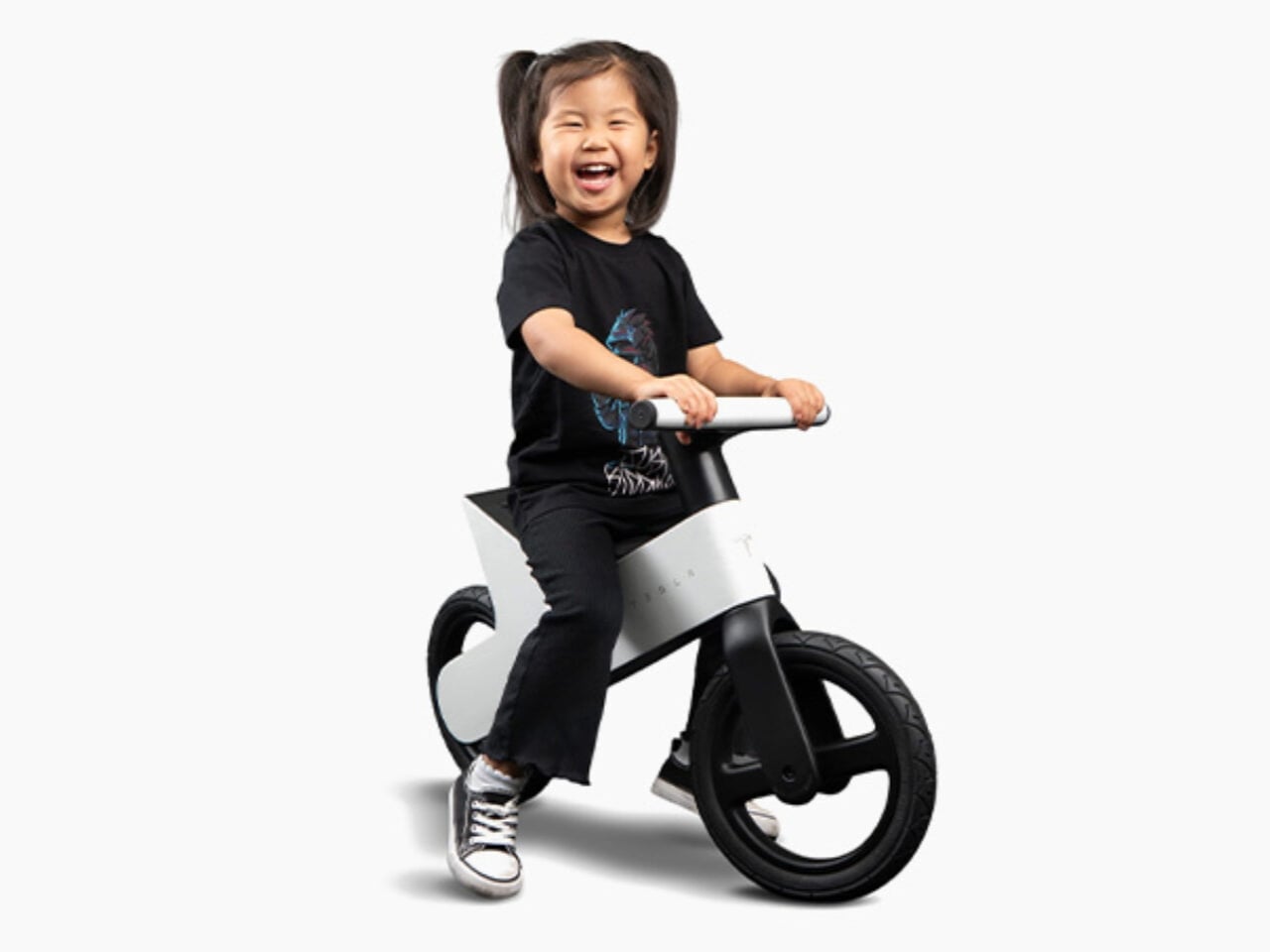
When Tesla drops something new, the internet tends to spiral. Sometimes that’s deserved, sometimes it’s a little much. But I’ll say this: the Tesla Balance Bike for Kids landed last week and the reaction makes complete sense to me, even if the bike itself is a little absurd.
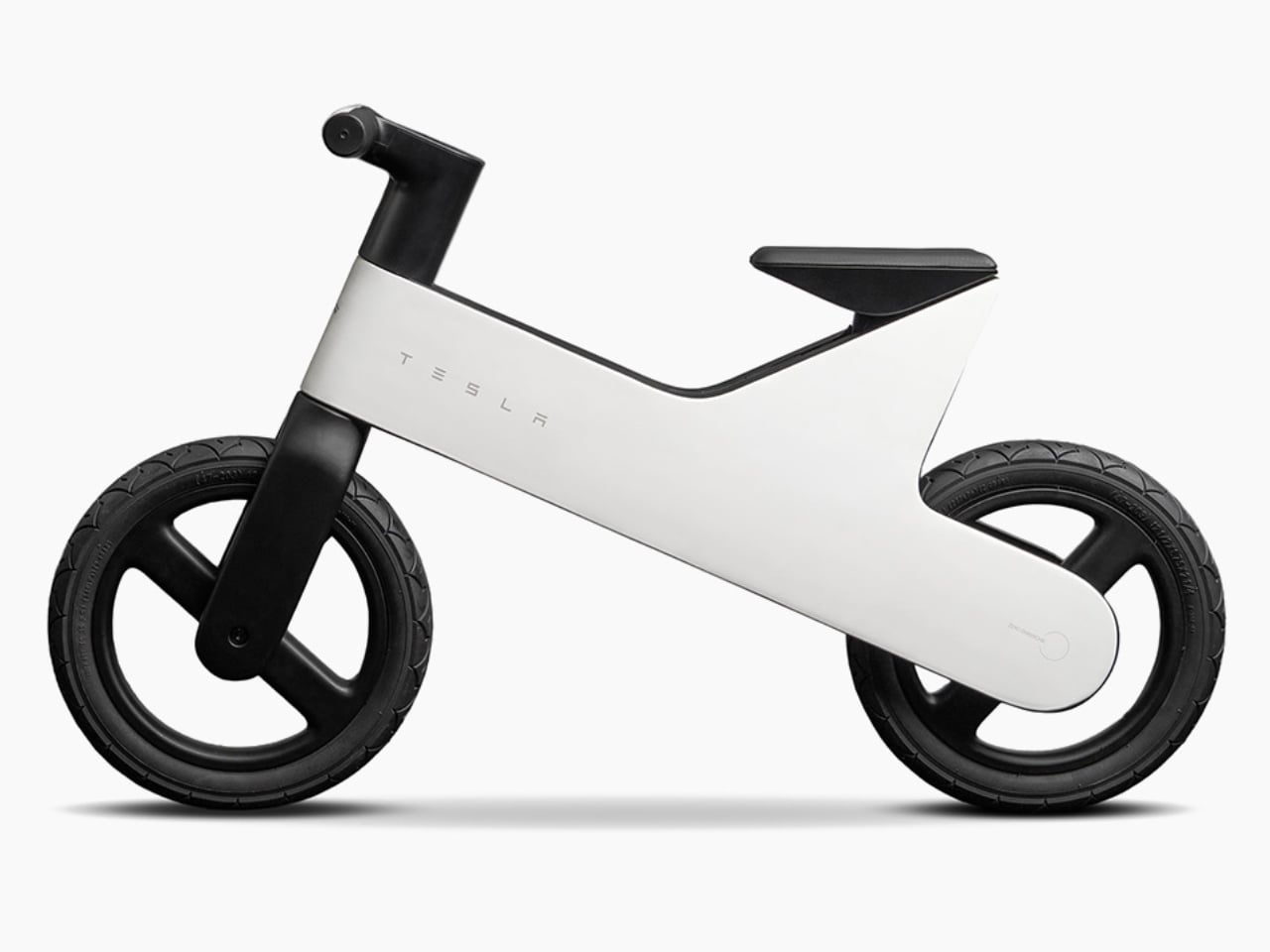
Let’s set the scene. On July 16, Tesla quietly added a balance bike to its official shop, priced at $225. It’s designed for children between two and five years old, features a lightweight magnesium frame, five adjustable seat heights, and the Tesla wordmark stamped on the side with the signature “T” logo on the front. No pedals. No motor. No battery. Just a very sleek, very branded piece of equipment for a toddler to scoot around on. It was sold out within days, and eBay listings are already floating around for as much as $8,265. Yes. Eight thousand dollars. For a children’s balance bike.
Designer: Tesla
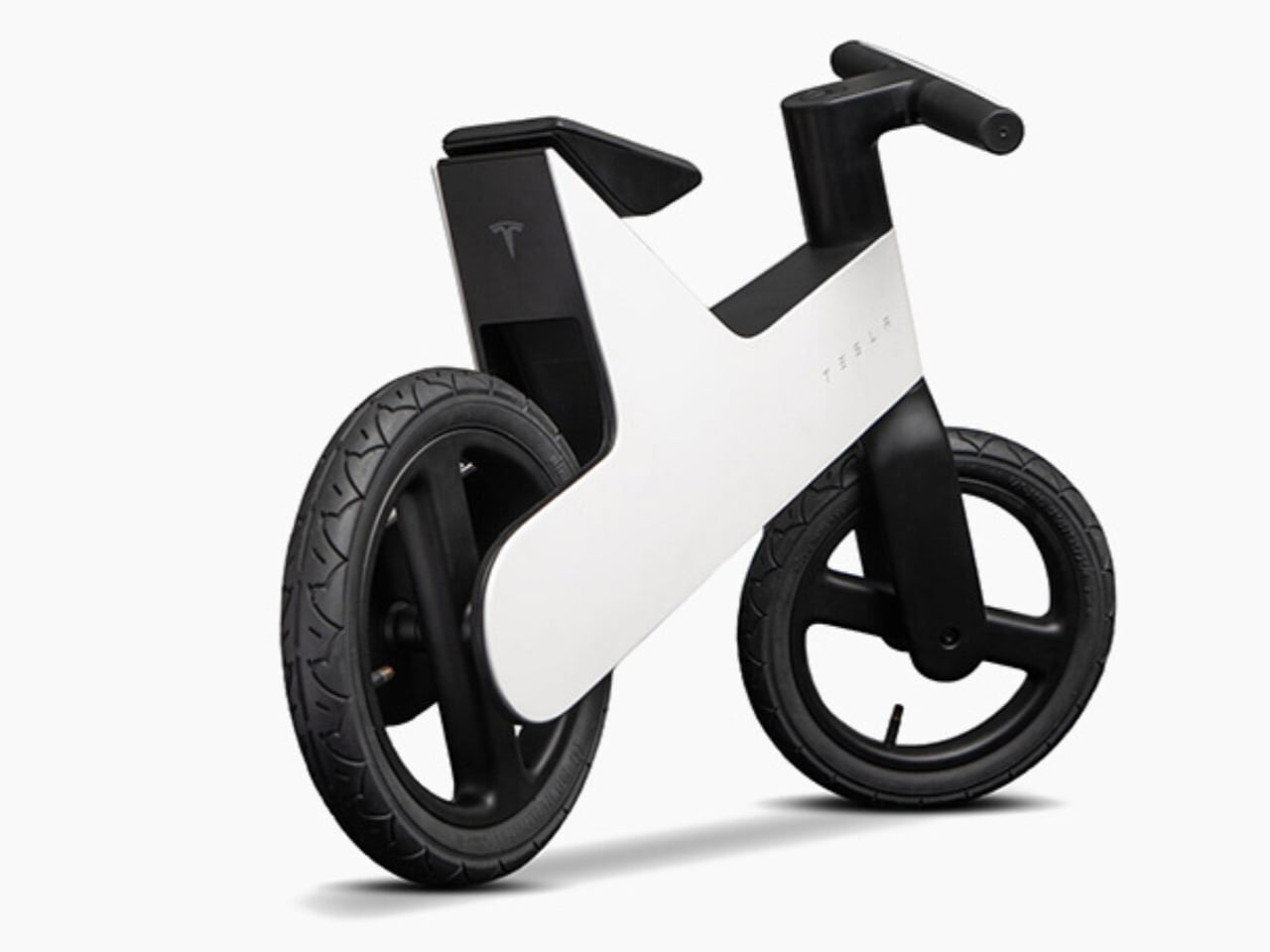
I want to be clear that the bike itself is not a bad product. A magnesium frame is genuinely impressive at this price point and for this type of product. Magnesium is lighter than both aluminum and steel while still being structurally solid, which actually matters a lot when a two-year-old is trying to figure out how gravity works. Balance bikes work because children push themselves forward with their feet and learn to steer and stabilize before ever touching a pedal. Weight is the enemy of that process. A lighter frame means less frustration and a faster learning curve, so using magnesium here is not just a styling choice; it is a practical one.
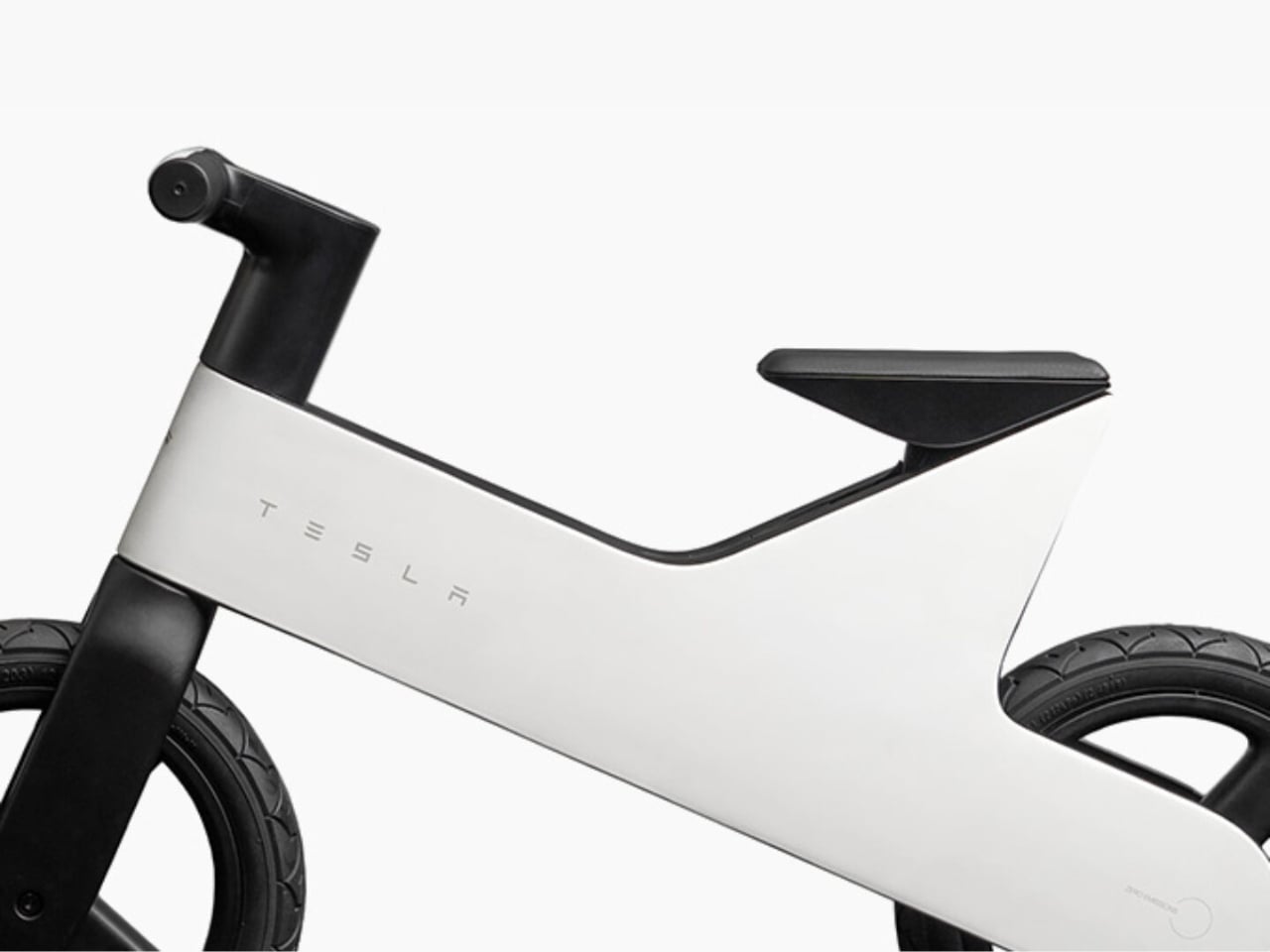
The five adjustable seat heights are another smart detail. The bike is supposed to grow with the child across those early years rather than becoming obsolete the moment your kid hits a growth spurt. At $225, you’d expect it to last at least a few seasons, and the design accommodates that.
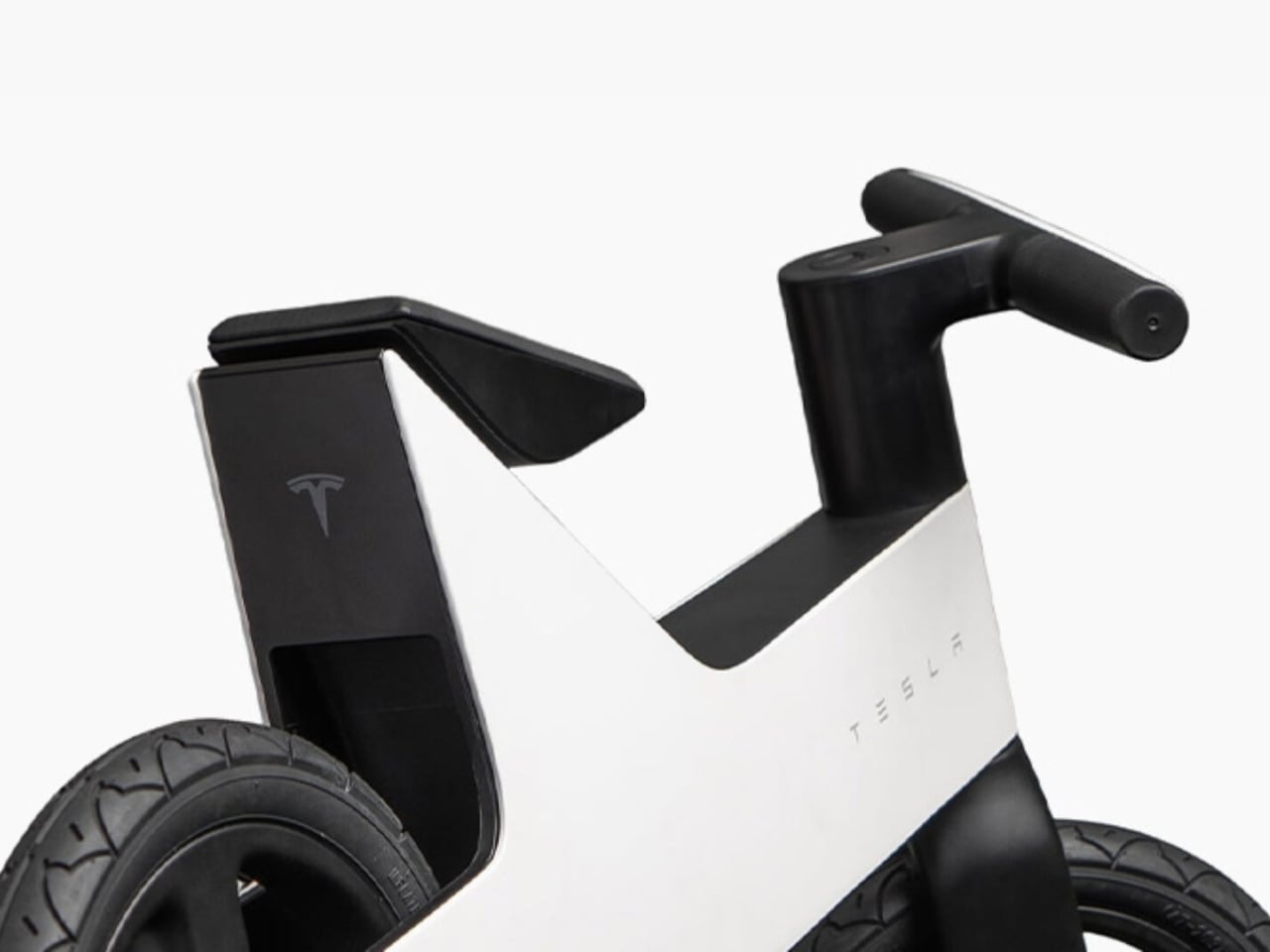
But here’s where I start to have mixed feelings. The design language is unmistakably Tesla. Clean, minimal, slightly futuristic, and built around the brand as much as the product itself. That’s fine for adults who’ve chosen to invest in the Tesla ecosystem. For a toddler, the “T” logo on the front doesn’t mean much yet. So who is this bike really for? I’d argue it’s mostly for the parents. It’s a lifestyle object dressed up as a children’s product, which isn’t necessarily wrong, but it’s worth naming. That’s also the reason it sold out so fast and why resellers are already treating it like a limited sneaker drop. The product value isn’t just in the magnesium frame or the adjustable seat. It’s in the logo. And a lot of people clearly want that. That’s not a criticism. Brand value is real, even when it takes the shape of a toddler’s first bike.
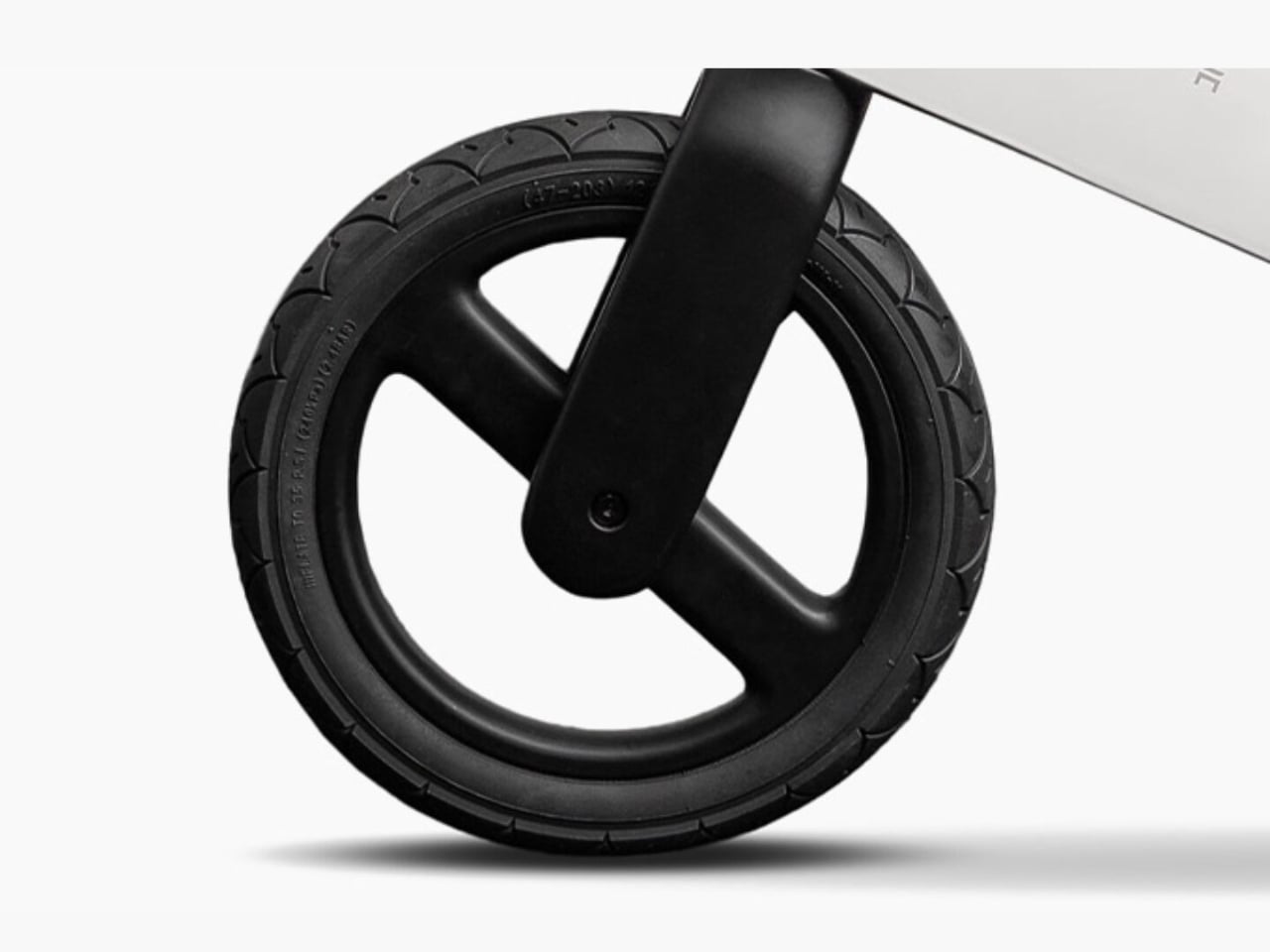
For $225, the bike lands at a premium relative to average balance bikes on the market, which typically run anywhere from $50 to $150. You’re paying a significant markup for the branding, and I don’t think Tesla is hiding that. The product doesn’t pretend to be competing with generic options. It knows its buyer. That kind of confidence is either admirable or a little audacious depending on where you’re standing. If you’re a Tesla owner, or even just a Tesla fan, this bike makes total sense as a purchase. The design is clean, the materials are quality, and it’s the kind of thing that photographs beautifully next to a Model Y in the driveway. That’s part of the pitch, whether or not it’s stated outright.
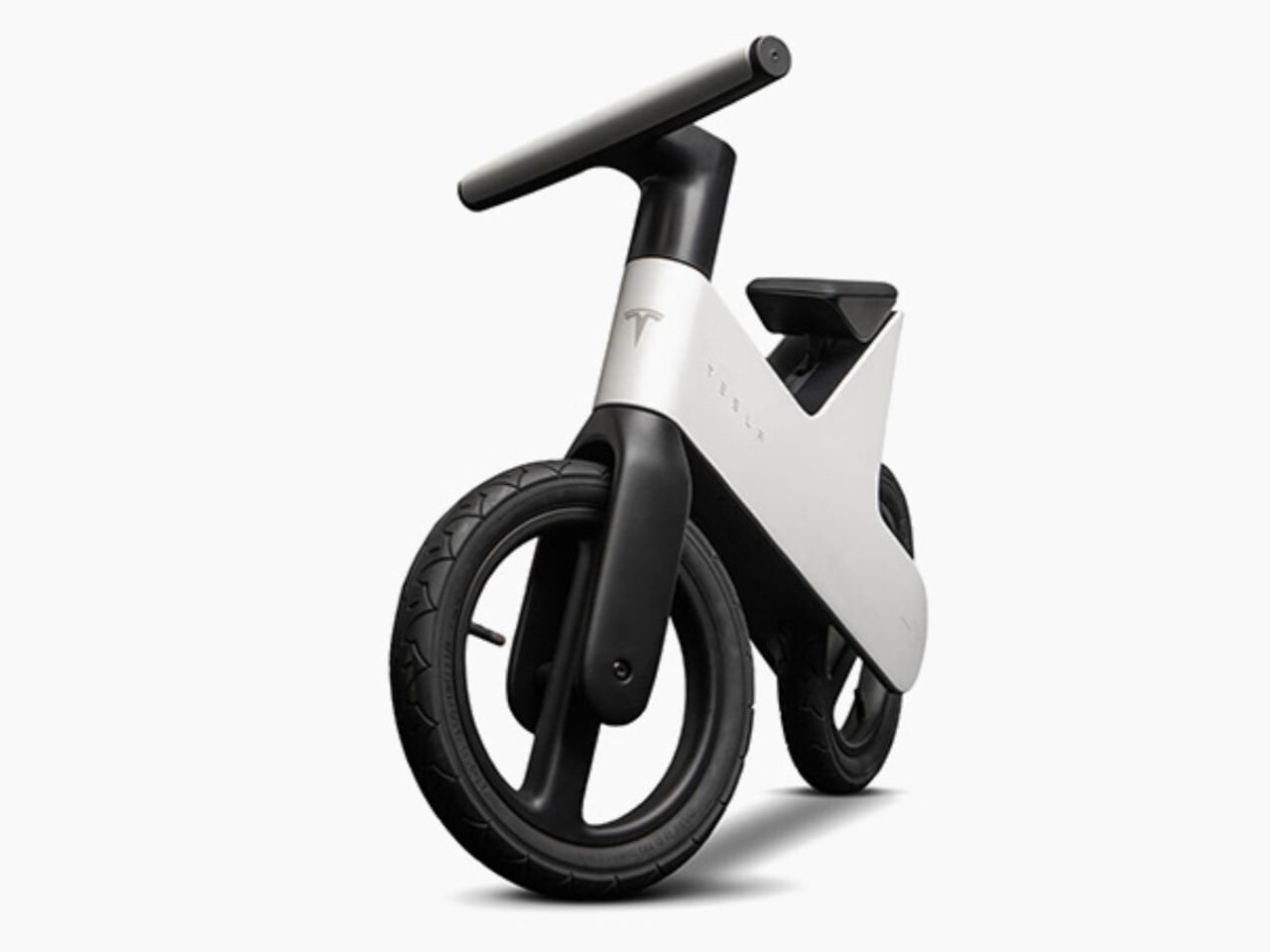
For everyone else, I’d say the bike is a perfectly fine product at a price you’re paying partly for aesthetics and partly for the story of handing your two-year-old something built by the same brand as their parent’s car. Is that worth $225 to you? That’s a personal call. Shipping is expected to begin in late August. If you missed the initial drop, you’ll either have to wait for a restock or politely decline to spend eight thousand dollars on eBay.