There is a specific kind of frustration that only comes from a pack that fights you. Zippers that won’t close. Straps digging in because the load is too heavy for a day hike. Gear that solves one problem while creating two others. The five products on this list were chosen with a single constraint: they need to justify their existence in a bag that has no spare room and no patience for dead weight.
Each one earns its place by solving a specific outdoor problem without giving anything back in bulk or effort. The Nimbus Inflatable Umbrella leads the group as its most radical thinker, but the logic runs through every pick here. Weight matters. Packability matters. The kind of reliability that doesn’t require checking before you leave the house matters most. This is the kit you build once and stop thinking about.
1. Nimbus Inflatable Umbrella
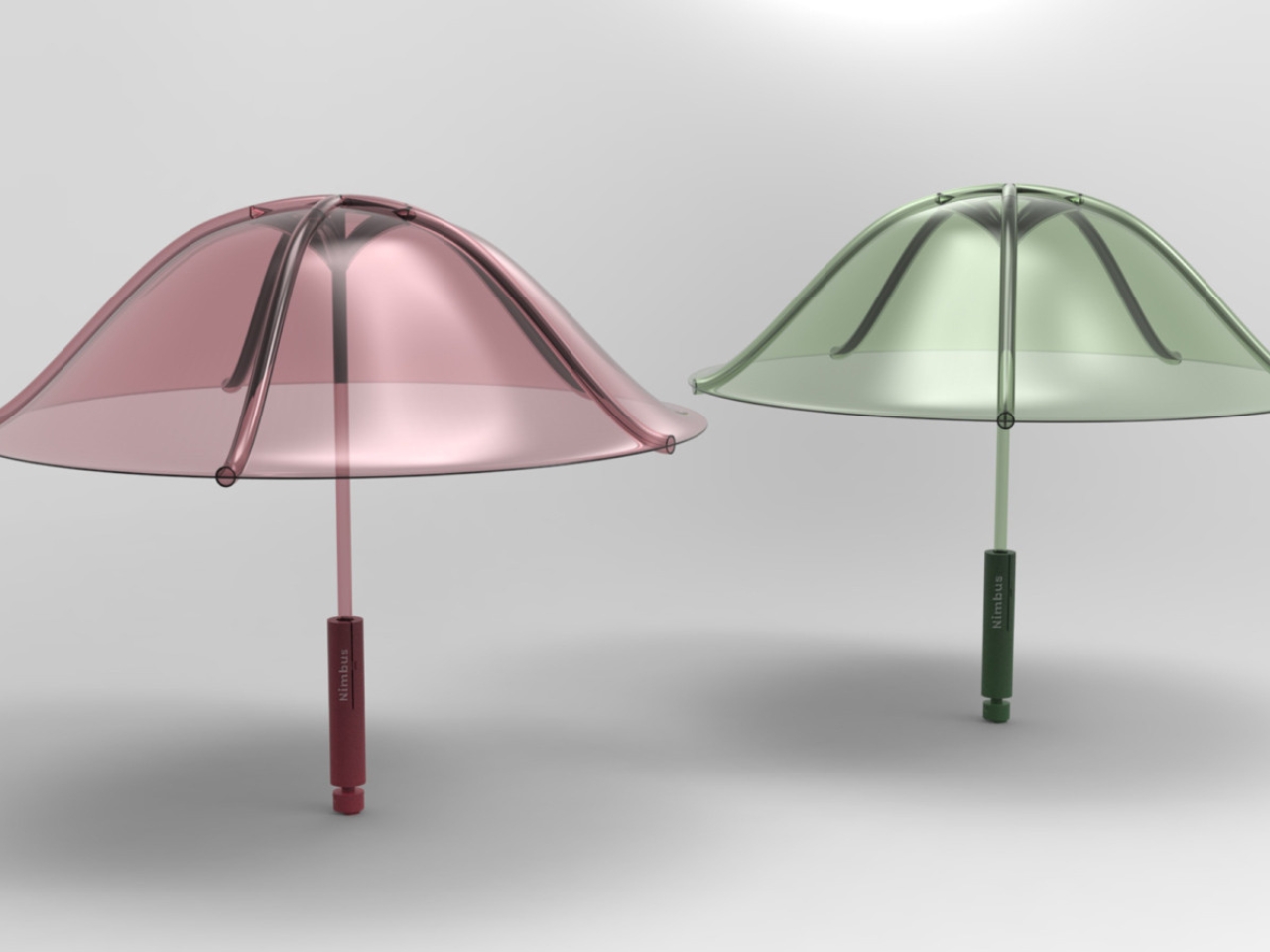
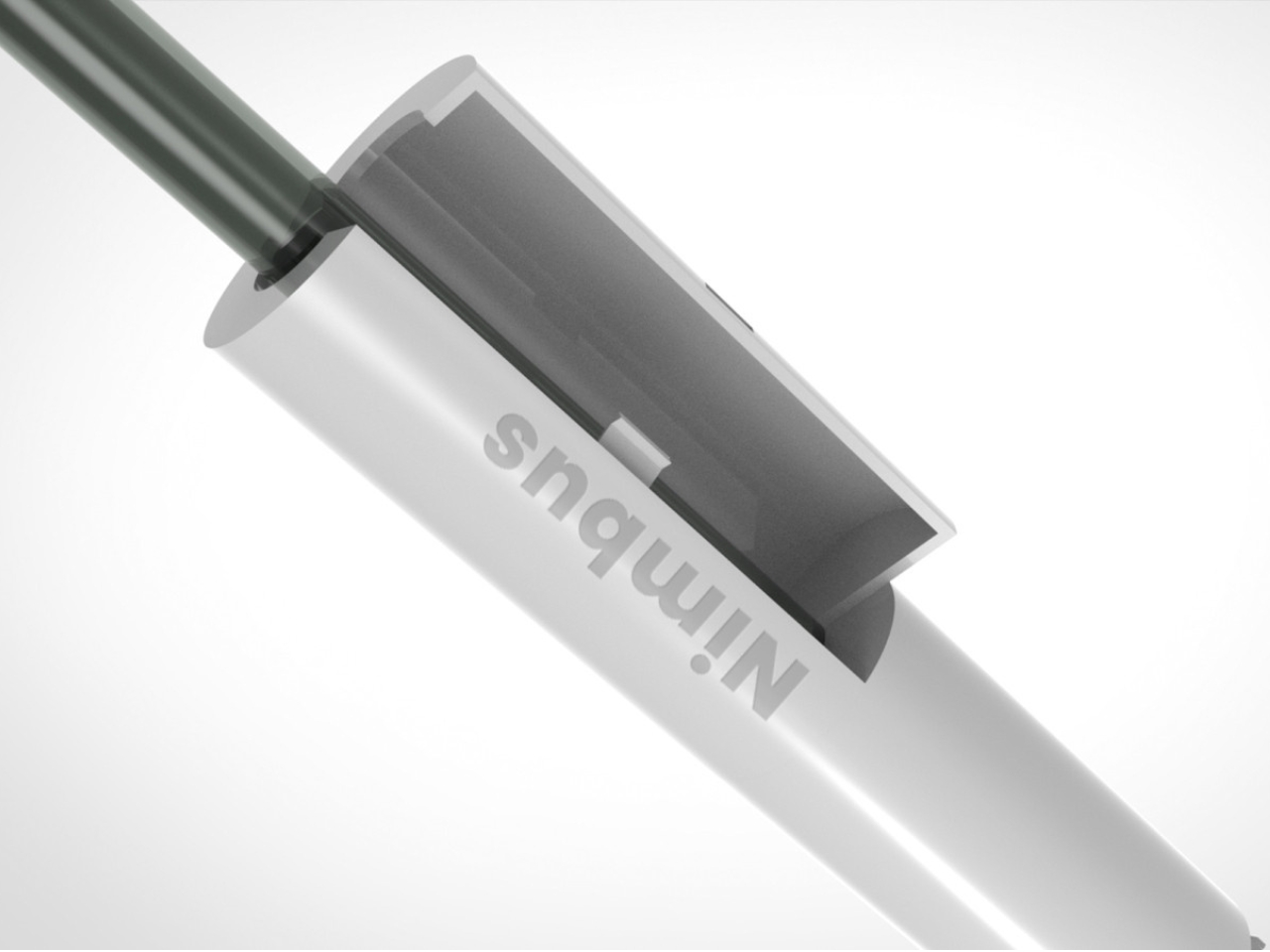
The standard umbrella has one guaranteed flaw: every rib is a failure point waiting for wind. The Nimbus, designed by four SCAD graduate students as part of their Master’s in Design for Sustainability, removes the premise entirely. Made from a single material, recyclable thermoplastic polyurethane, it inflates into structure rather than relying on a metal skeleton to hold its shape. No ribs. No joints. No layered materials that make the whole thing unrecyclable when it finally gives up.
A life cycle assessment puts the Nimbus at 99% lower environmental impact than a conventional umbrella, which is a number worth sitting with. The single-material construction also makes it repairable in ways that standard umbrellas never were, and the design team built in a buy-back program before the product even reached production scale. It has earned recognition from the Green Product Award. While it remains a concept rather than a retail product, the argument it makes is already complete.
What we like
- Single TPU construction removes every mechanical failure point that standard umbrellas share
- 99% lower environmental impact verified through a full life cycle assessment
What we dislike
- Currently a concept product and not yet available for retail purchase
- Inflation before use adds a step that a conventional umbrella does not require
2. Blackout Beam Tactical Flashlight
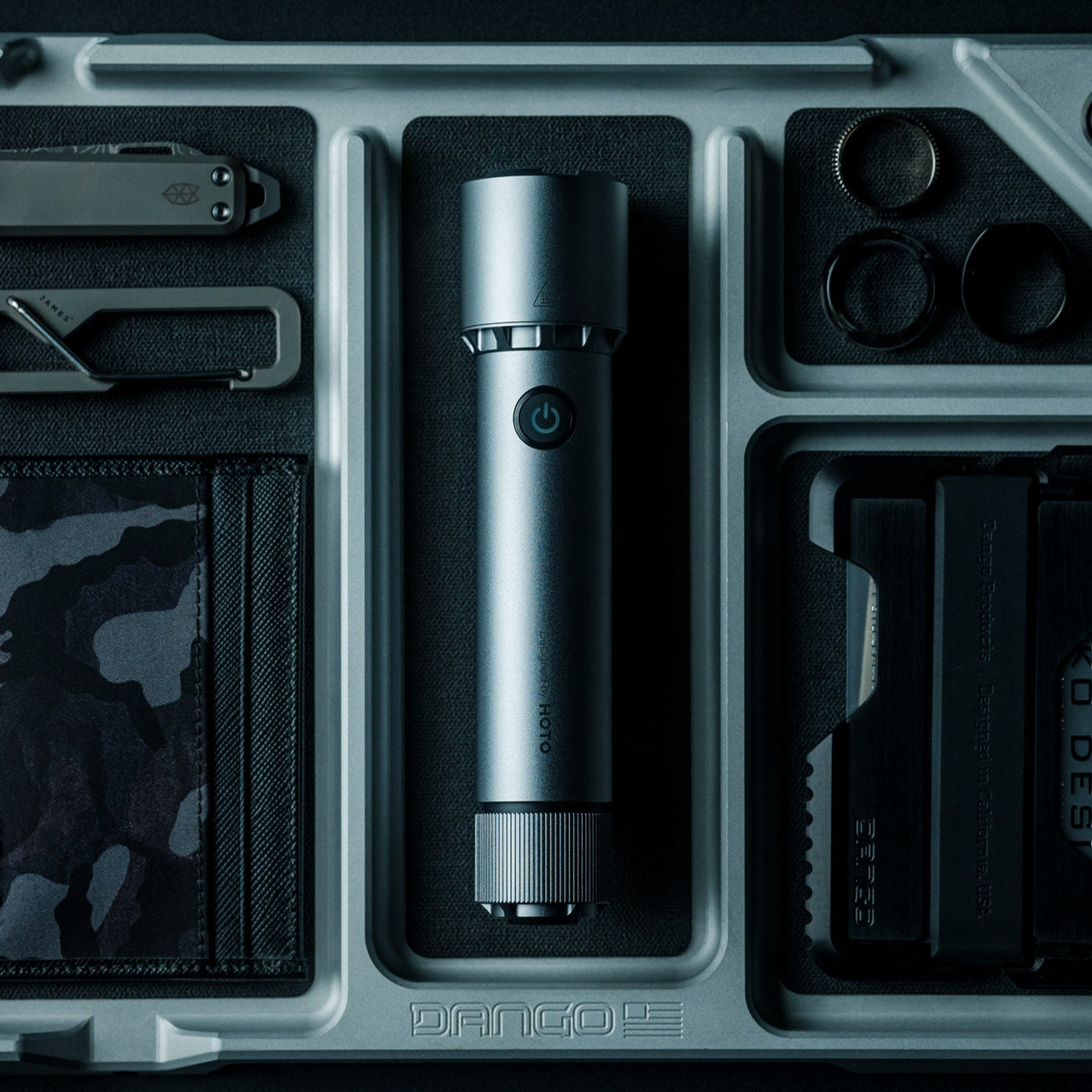
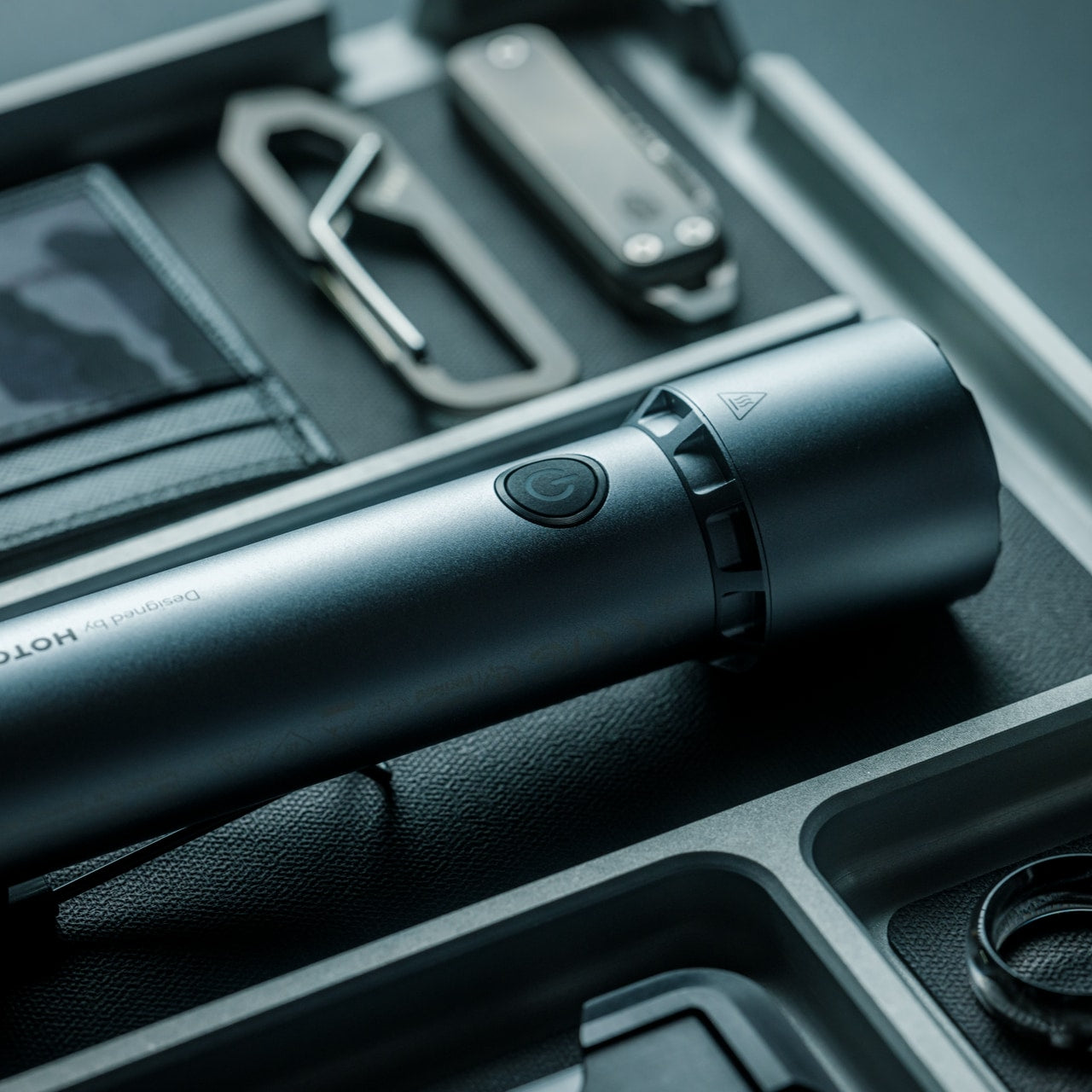
A flashlight earns its place in a packable kit by being the one you actually have on you when the light fails. The Blackout Beam Tactical Flashlight makes that case on size before it gets to output. It delivers enough brightness to handle trail navigation and campsite tasks in a body compact enough to sit alongside the rest of this kit without occupying space the rest of the bag has already negotiated for.
Tactical flashlights tend to be engineered for demands most outdoor users will never encounter, which means the camper or day hiker ends up with hardware overspecified for the task. That margin matters more than it sounds. When navigating an unfamiliar trail after dark or searching a tent interior in total darkness, a light that performs beyond what the moment requires is a light that has never let you down. The Blackout Beam earns its slot by being ready before you are.
What we like
- Compact form factor carries without claiming dedicated pack real estate
- Built to a performance standard that comfortably exceeds typical outdoor demands
What we dislike
- Tactical construction favors utility over refined aesthetics
- Requires battery management like any powered carry item in an active kit
3. NoxTi Tritium Keychain
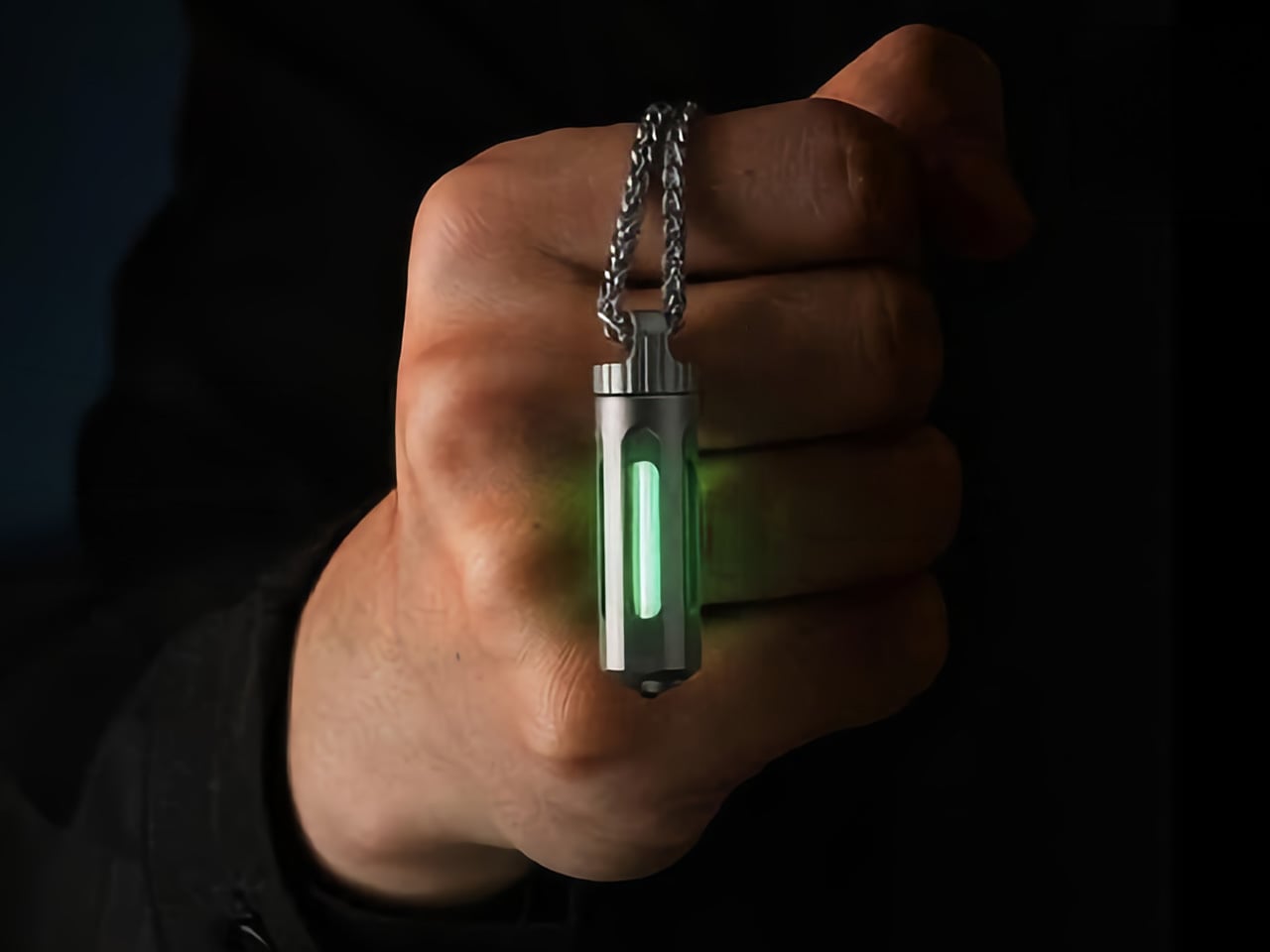

The NoxTi does not run on anything you pack. A 45mm Grade 5 titanium cylinder weighing 10.7 grams, it houses a tritium vial inside a precision quartz tube with 92% light transmission. Tritium is a hydrogen isotope whose beta particle decay strikes a phosphor coating and produces continuous light as a straightforward byproduct of existing. The glow runs for 25 years without a switch, battery, or charge cycle. You add it to the kit and stop tracking it entirely.
In outdoor use, the NoxTi handles a job the Blackout Beam cannot: passive location without activation. It marks your keys at the bottom of a bag, identifies your tent entrance without a search, and stays visible through a full night without being switched on. Six glow colors address different use cases, with red available for night-vision preservation borrowed from military and aviation practice. The ceramic-tipped tail adds a glass breaker for genuine emergency utility without changing the carry footprint.
What we like
- 25-year continuous glow powered by physics with no battery, switch, or charging required
- Fully user-serviceable body becomes a permanent platform with swappable tritium cores
What we dislike
- Intentionally faint glow marks and locates rather than providing meaningful illumination
- Tritium classification may restrict import or carry in certain countries
4. Camprit TiStove
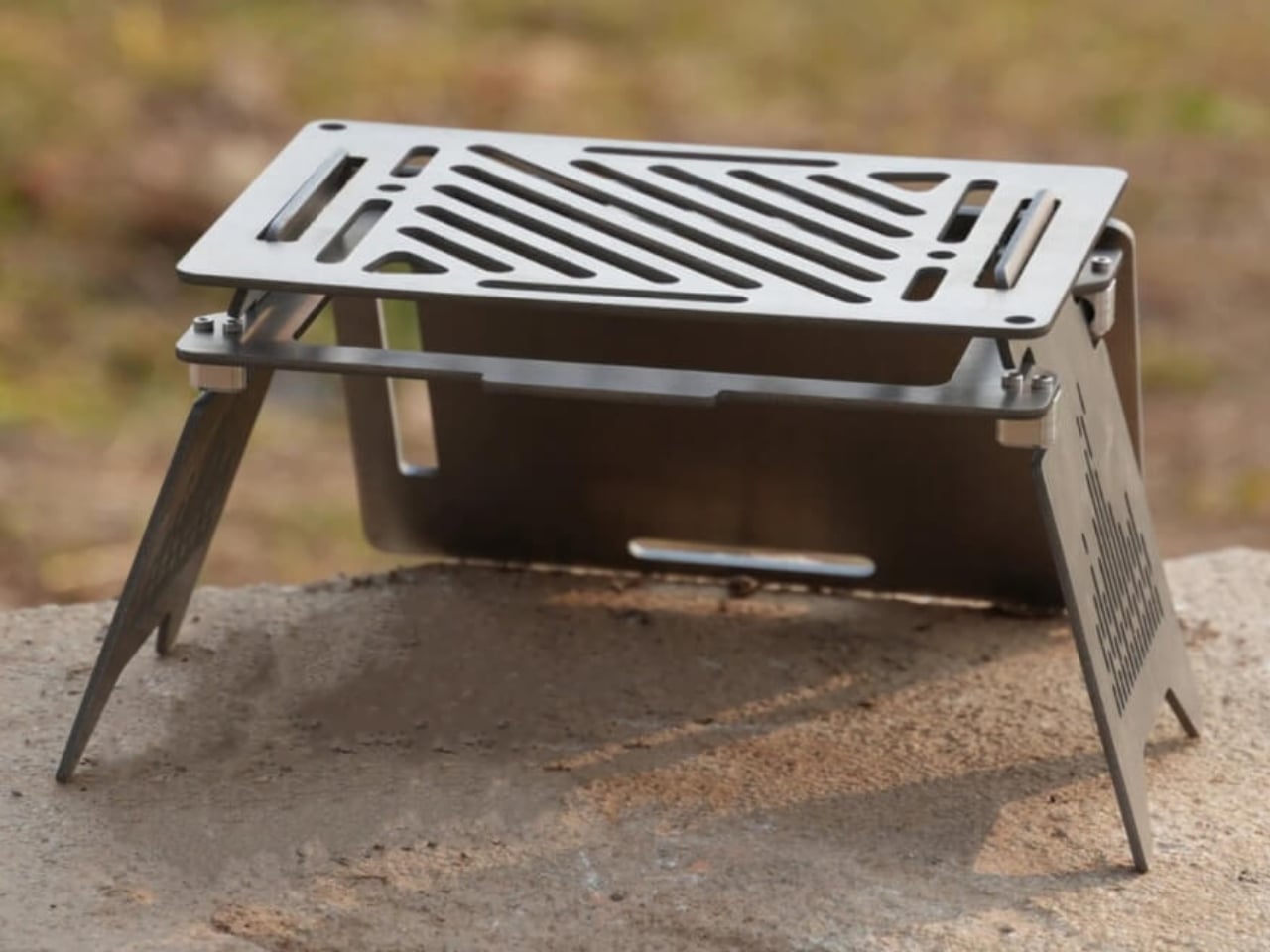
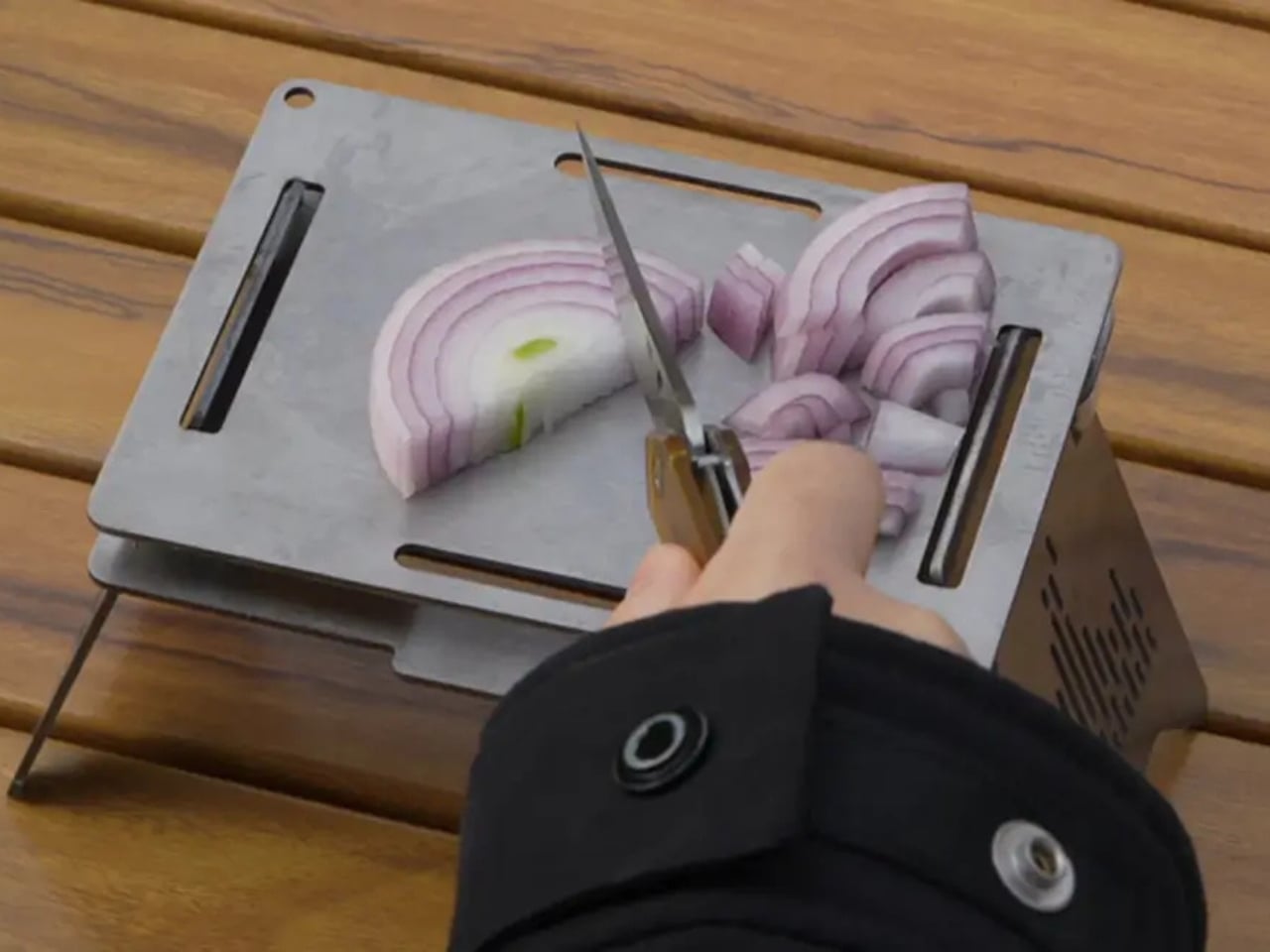
Five flat titanium pieces. That is the entire TiStove. Two foldable legs and three interchangeable cooking panels that pack completely flat, come in under 1.5 pounds, and assemble without fasteners, threading, or a manual. Camprit’s logic was that most camp stoves lock you into a single cooking method and add bulk to compensate. The TiStove removes that assumption. Three panels reconfigure for boiling, grilling, or open-fire cooking, and the spare panels function as a windshield when conditions require one.
There is no ignition system to fail at altitude, no gas canister threading to seize in cold weather, no proprietary fuel that limits what the trip can include. The TiStove accepts wood, gas, and alcohol, adapting to what the trail provides rather than what you remembered to bring. Titanium picks up color from heat over time, marking each stove with its own record of use. For a camp kitchen with no single point of failure, this is where it starts.
What we like
- Packs completely flat at under 1.5 lbs with three interchangeable cooking configurations
- Compatible with any fuel source including wood, gas, and alcohol without modification
What we dislike
- Requires a separate burner or fuel source since nothing in the system is self-contained
- Titanium panels need careful packing to avoid surface contact and scratching
5. Aero Spork (0.25 oz)
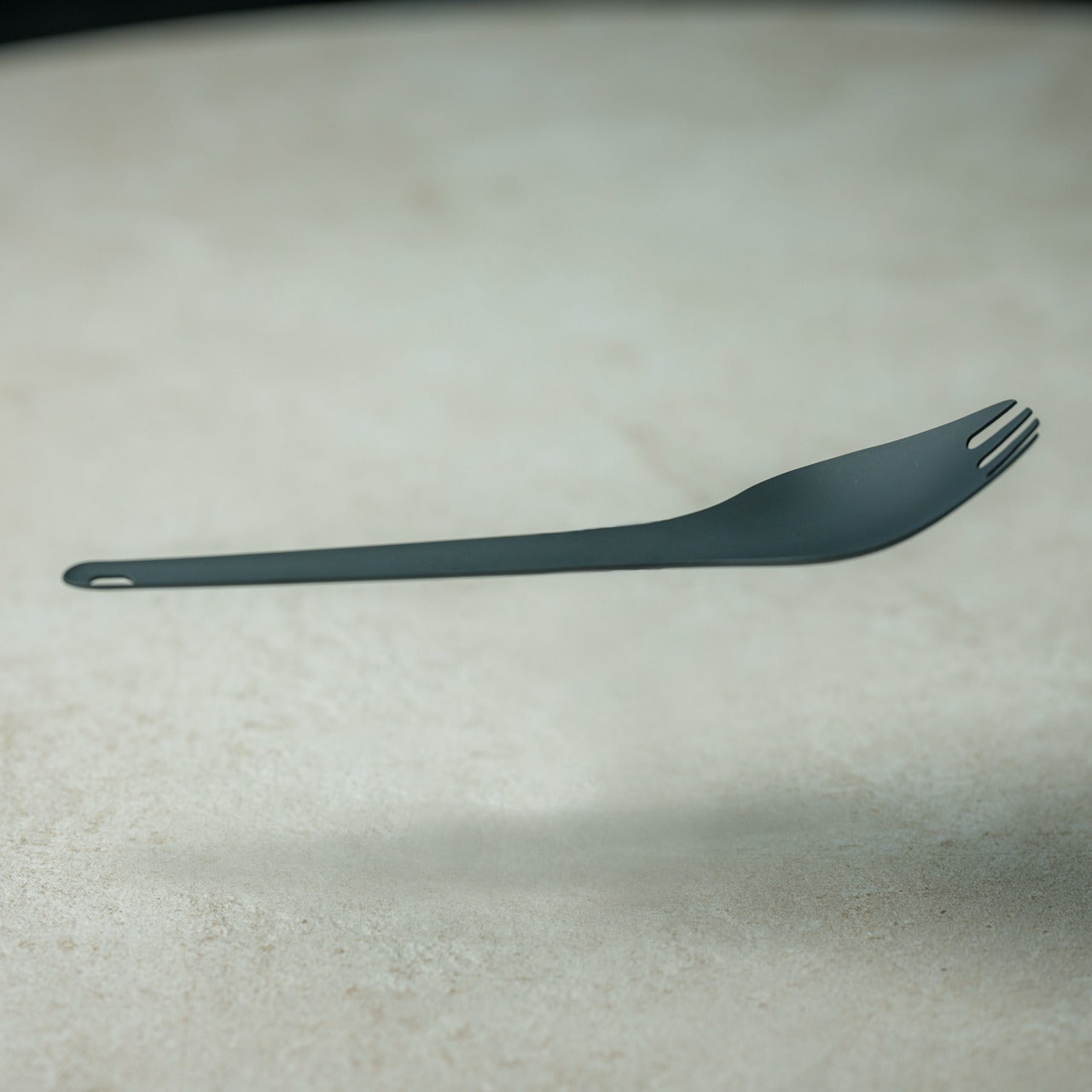
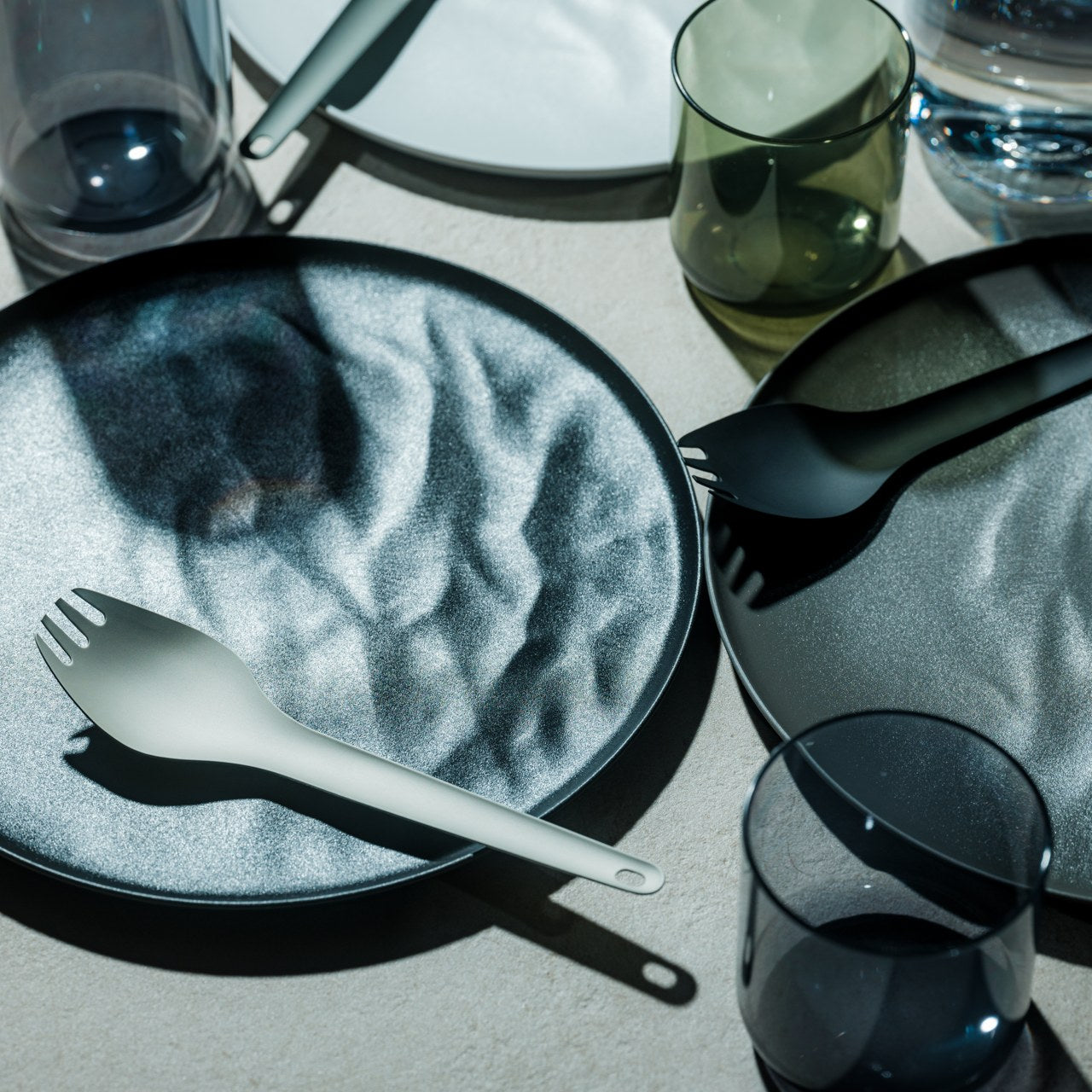
Quarter of an ounce. That figure sounds like marketing until you hold the Aero Spork and realize the engineers took it seriously. Titanium construction at that weight means the tradeoff between durability and gram savings, the negotiation that haunts most ultralight gear, simply does not apply here. The curved ergonomic form handles soup, pasta, and everything in between without requiring the compromises that most sporks impose on at least one function. It does both jobs properly without apologizing for either.
The Aero Spork stacks cleanly, which matters more on group trips than solo ones. When each person brings their own, and the pack reaches capacity, they consolidate without adding bulk. The tapered end handles noodle twirling with enough precision to feel intentional rather than approximate. It is the kind of object whose design becomes invisible because every decision was made correctly. You stop noticing it and start using it, which is the goal of any good tool.
What we like
- 0.25 oz titanium construction removes any weight penalty from the carry decision
- Stackable design scales cleanly for group trips without multiplying bulk
What we dislike
- Small form factor requires some adjustment from standard cutlery sizing
- Single utensil format means committing to the spork over carrying separate pieces
The Lightest Kit Is the One That Never Comes Back Out of the Bag
Five products, five outdoor problems, and a combined carry weight that barely registers. What connects them is a refusal to make you choose between function and footprint. The Nimbus reframes what a weather shelter can weigh. The NoxTi removes an entire category of gear from your charge list. The TiStove reduces the camp kitchen to a flat stack of metal. Each one solves its problem at the root rather than working around it.
The best outdoor kits are not the ones with the most options. They are the ones where every item has earned its place, and nothing remains by default. Pull any of these five out of the bag, and you know exactly why it made the cut. Pack all five, and you will start wondering what else you have been carrying that cannot answer the same question. Light is a habit. Once you build it, everything else starts to feel like excess.