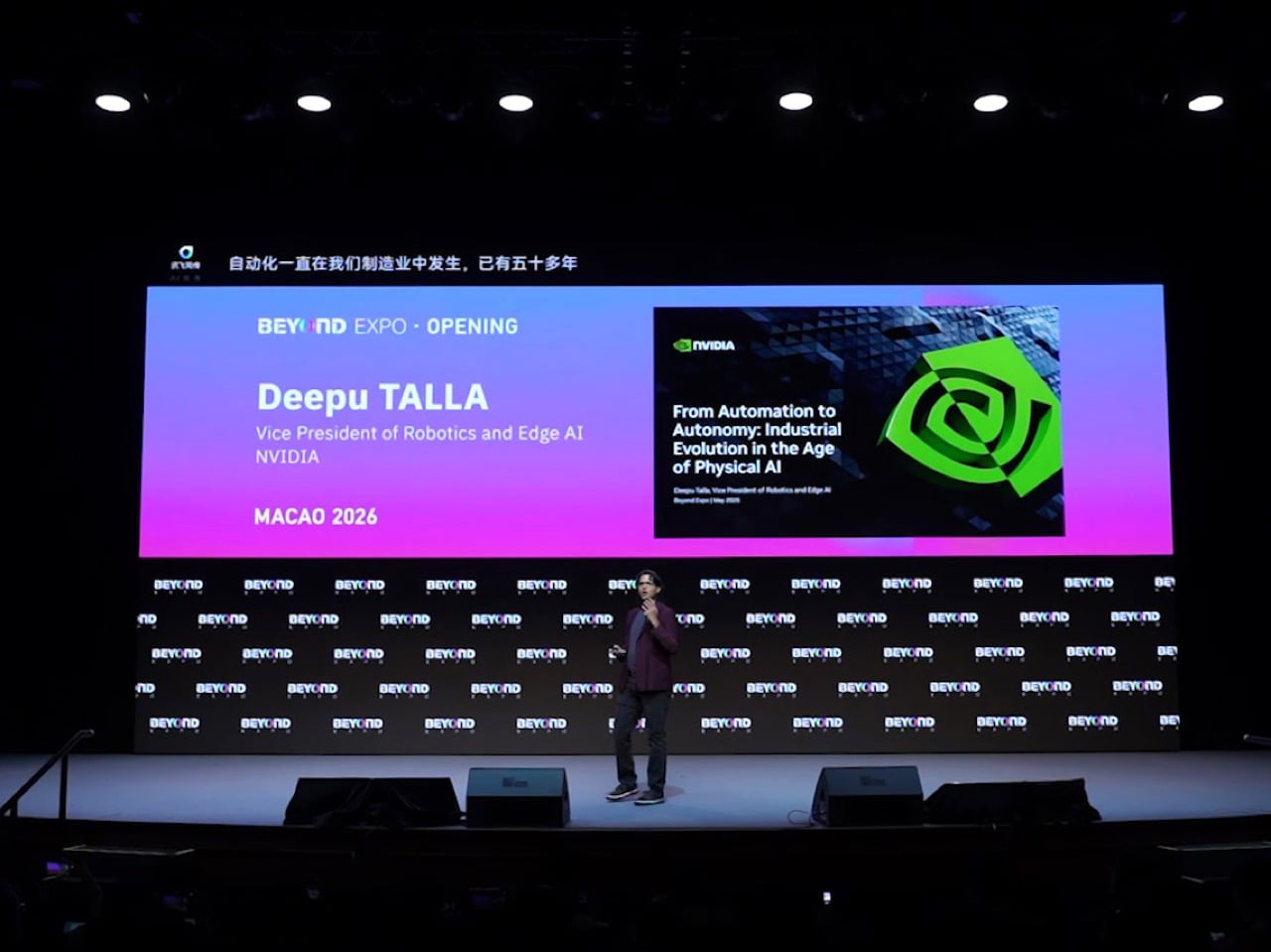
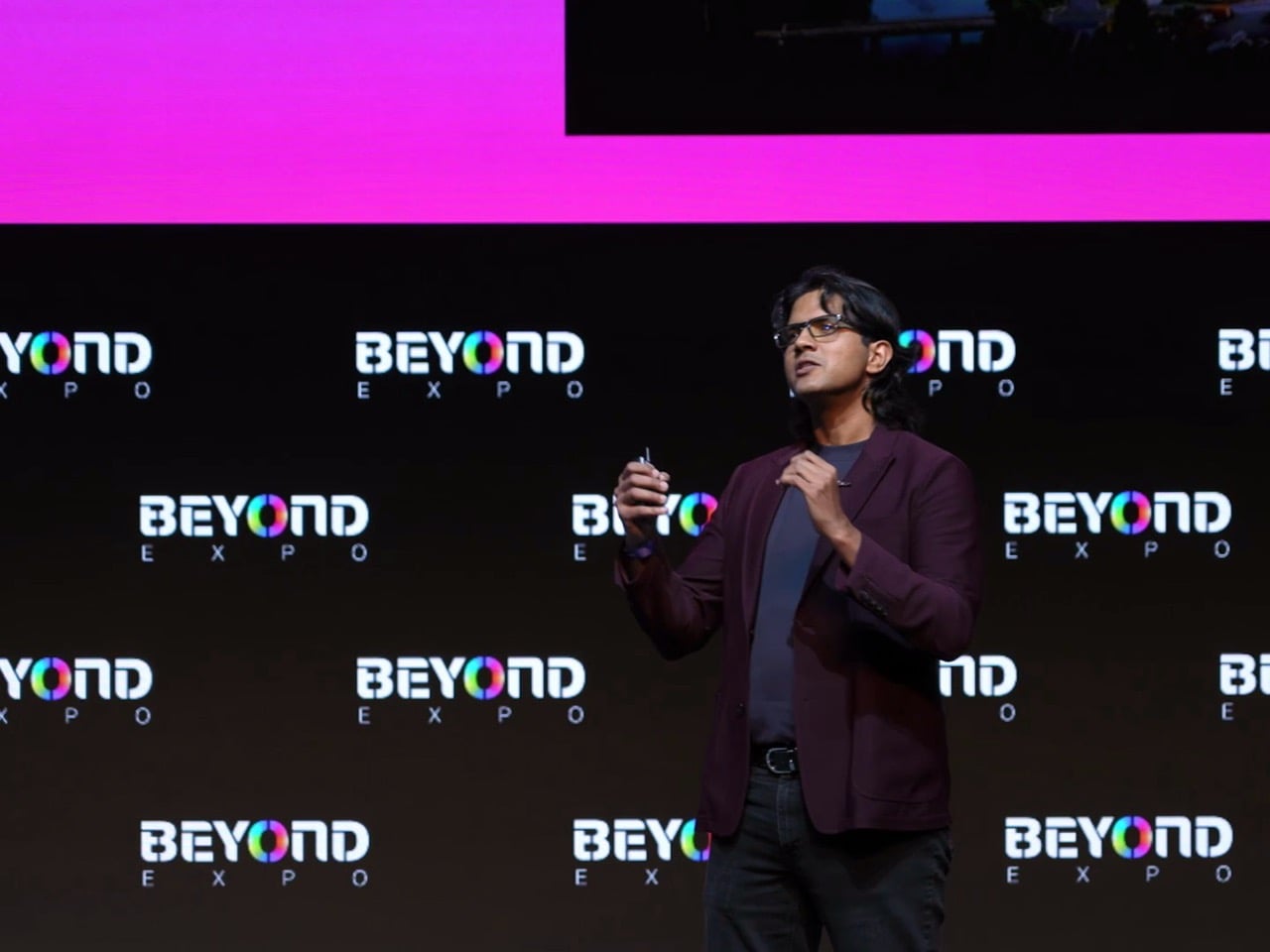
A robot on a factory floor may look self-contained, but Deepu Talla says its intelligence is distributed across a hidden chain of machines. At BEYOND Expo 2026, the NVIDIA executive broke robotics down into a deceptively simple formula: three computers. One handles the heavy lifting of training the robot brain, another tests that brain in simulation, and a third lives inside the physical robot, making decisions in real time.
It is a framework that helps explain why robotics has moved so slowly, and why the field suddenly feels ready to accelerate. In language that cut through the usual keynote fog, Talla argued that AI in the physical world plays by harsher rules than chatbots or image tools. A text model can be 95 percent right and still be useful. A robot moving through a warehouse, a street, or a hospital has to perform with a completely different standard. In human terms, it is a little like splitting intelligence into learning, dreaming, and reacting, then assigning each function to a different machine.
That first machine is where the robot’s intelligence is forged. Talla described it as the computer used to train the robot brain, the heavy compute layer where models absorb data, patterns, and behaviors at massive scale. This is where a machine learns how the physical world works, long before it ever enters one. If that sounds abstract, the second computer makes it easier to picture. This is the simulation layer, the place where a robot rehearses reality in a safer, faster, cheaper environment, running through scenarios again and again until its behavior becomes reliable enough to trust.
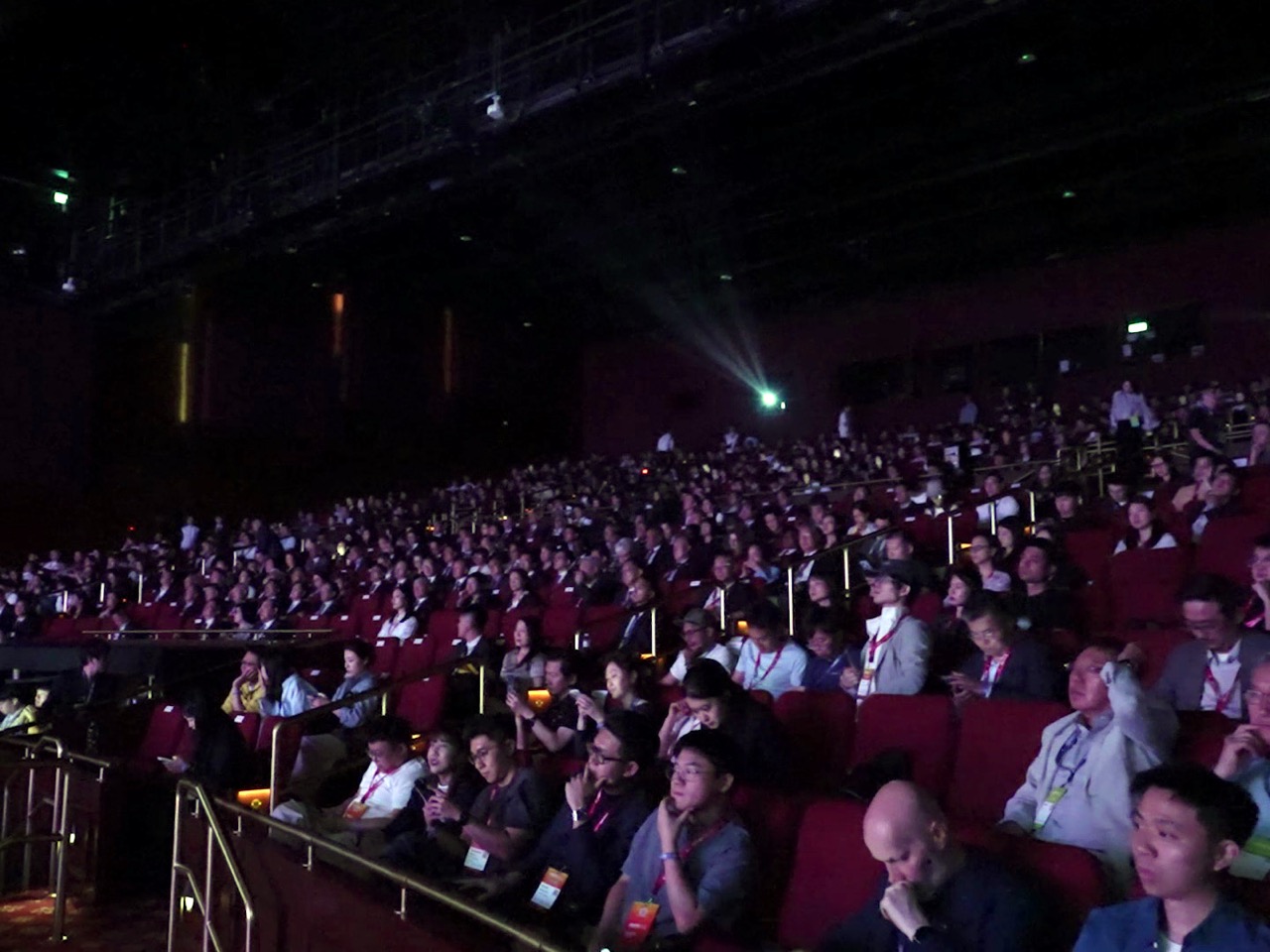
The third computer is the one that actually lives inside the robot. It is the real-time brain, the system that has to perceive the world, make sense of it, and respond instantly. This is where Talla’s argument becomes especially sharp. In digital AI, a model can get close and still be useful because a human can smooth over the rough edges. In robotics, the rough edges are where accidents happen. A machine moving through a factory, a roadway, or a hospital has to work with a far tighter tolerance for error, because the physical world offers fewer second chances.
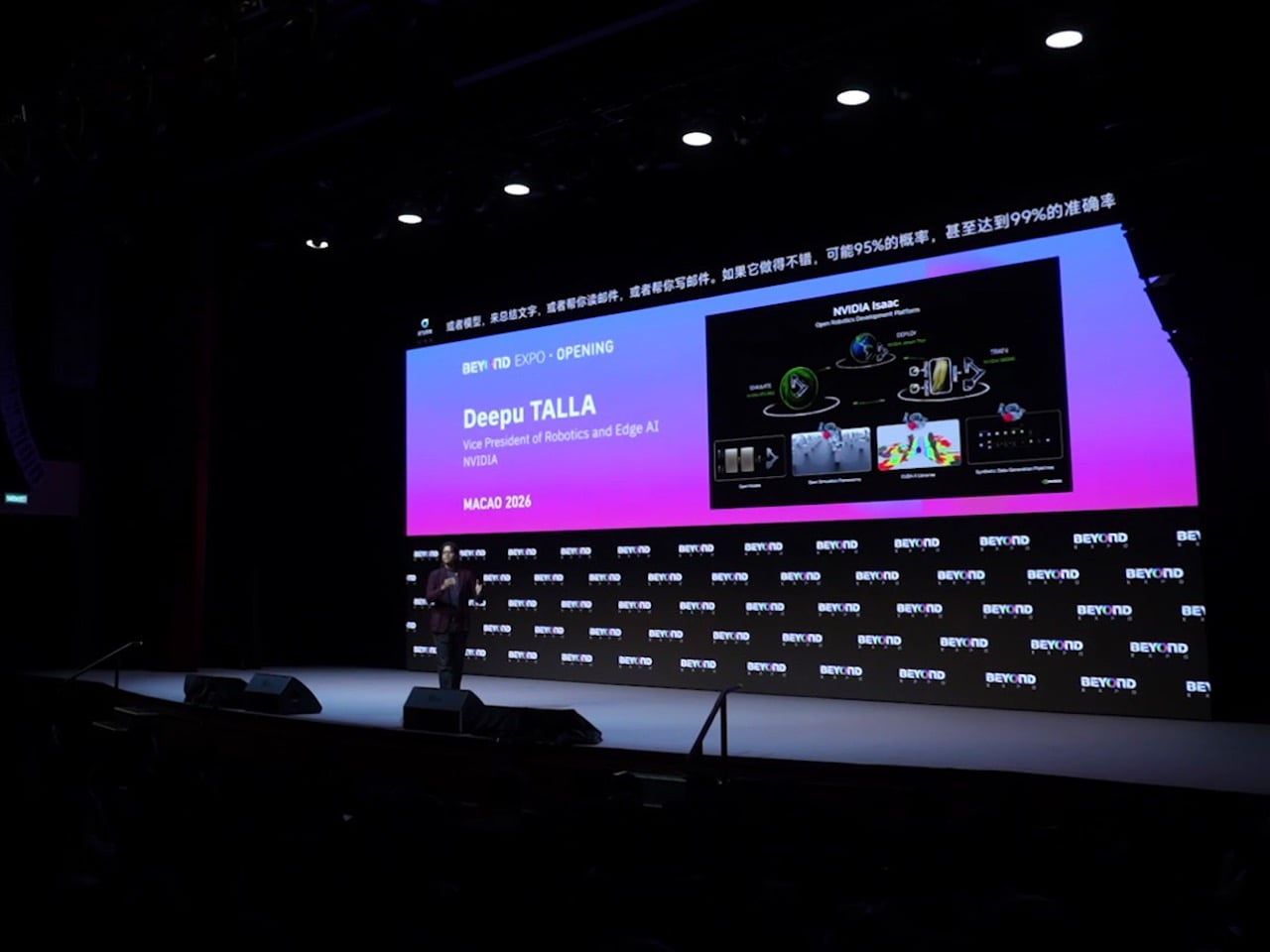
That is also why NVIDIA sees robotics as far bigger than a niche category. Talla pointed out that almost 80 percent of the world’s GDP sits in physical industries like manufacturing, logistics, retail, and transportation. These are sectors where intelligence has to leave the screen and interact with objects, spaces, and people. NVIDIA’s role, in his telling, is to provide the underlying architecture for that shift. The company may not build robots itself, but it wants to supply the stack beneath them, from training infrastructure and simulation tools to the compute that powers action on the edge.