Most kitchen frustration is not about cooking. It is about the objects that have accumulated around the cooking: the appliances sitting unused on the counter, the measuring cups stacked four deep in a drawer, the dish rack that was always too big for the sink and was never once moved. The kitchen earns its floor plan back when the tools actually inside it are doing real work, not waiting to be used once a month.
These five picks have something worth saying about how a kitchen should actually work. Three are design concepts making a clear case for how appliances should be reimagined from the ground up. Two are tools available to order now. None made this list for being small. They made it for solving something the standard version never did.
1. Nanlong Cooker

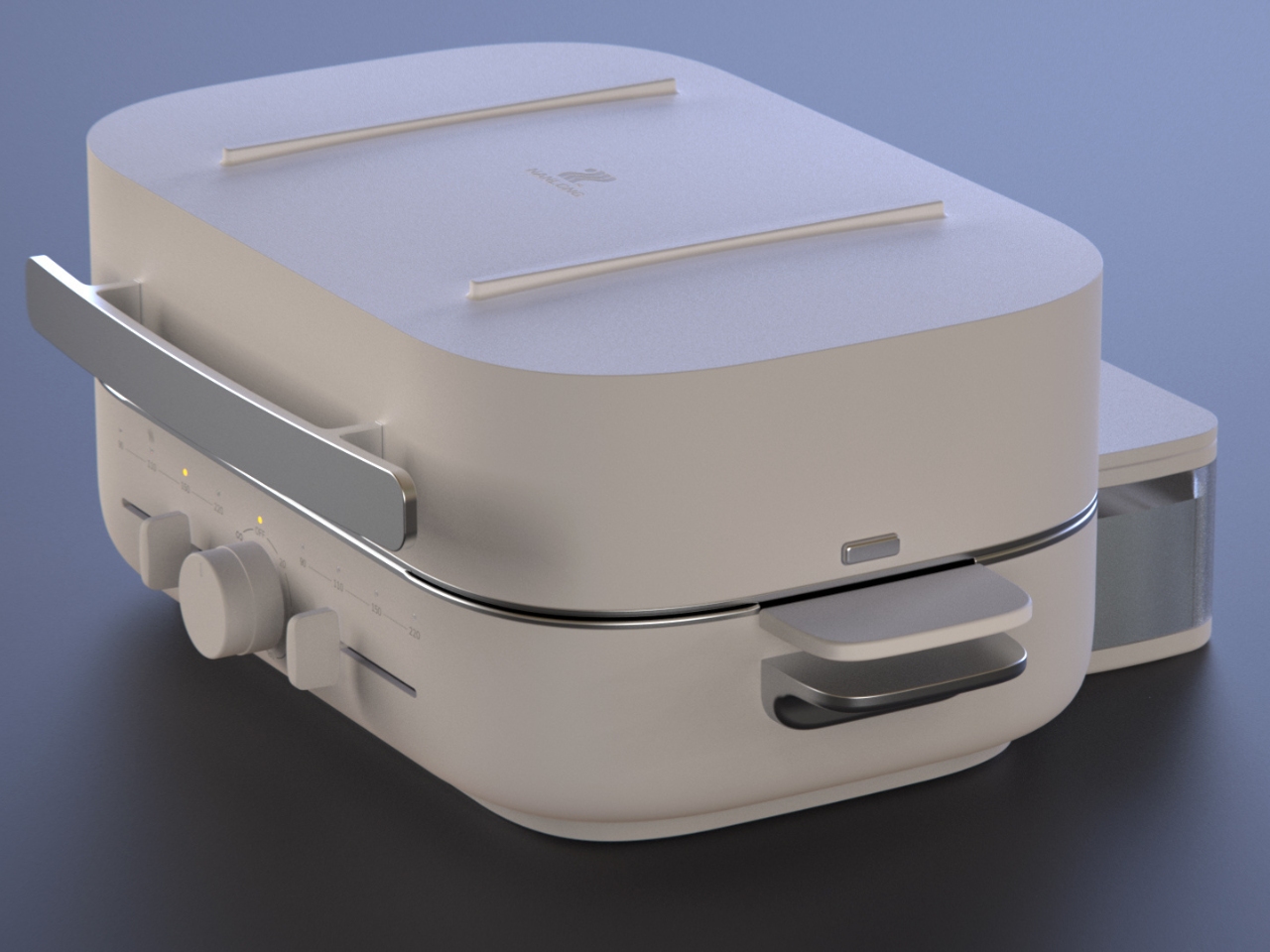
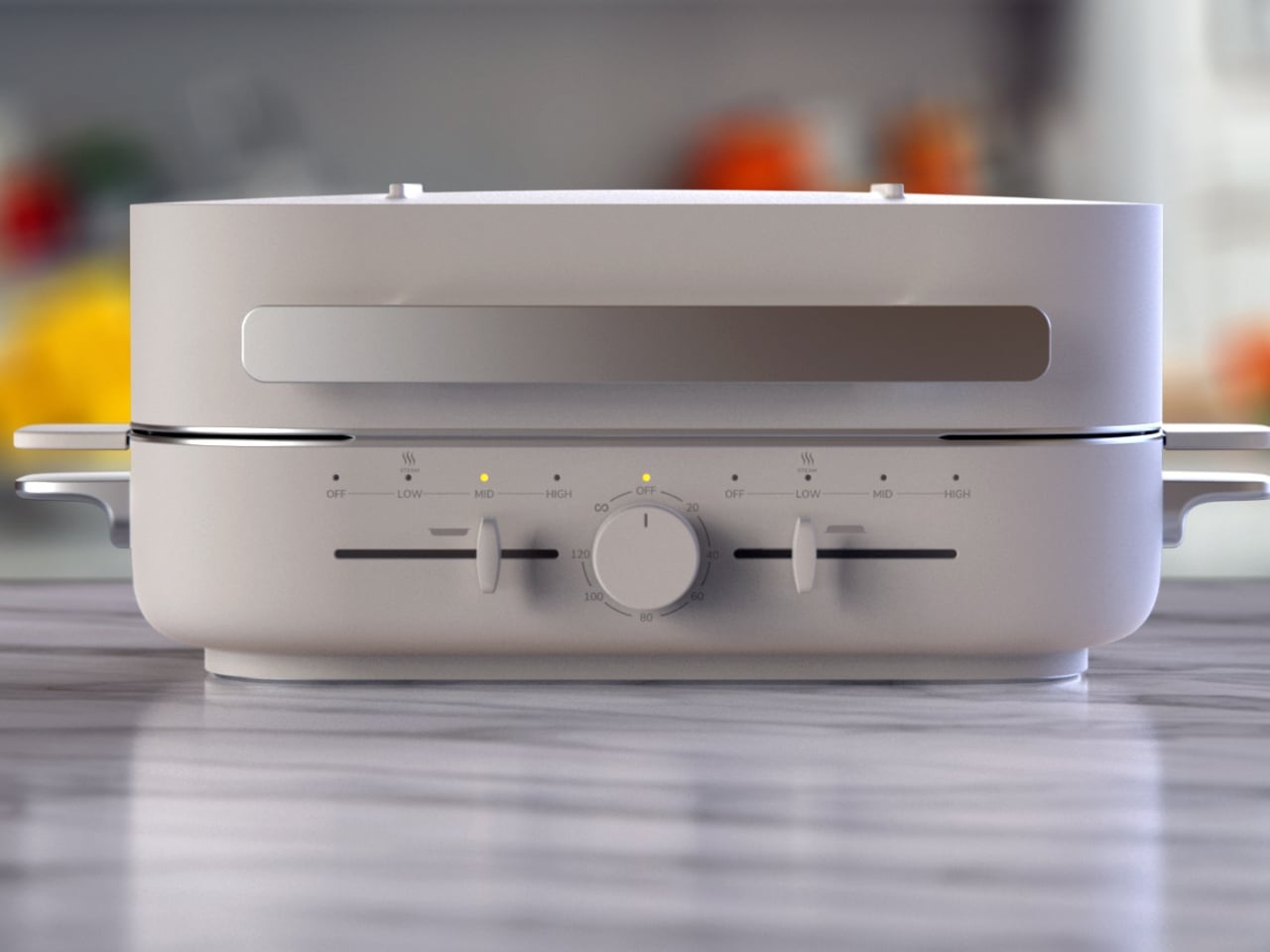
Designer Vuk Dragovic’s concept for Nanlong imagines a single countertop appliance capable of grilling, steaming, baking, and hosting a hot-pot dinner, built for modern urban cooking culture. A matte black housing with subtle metallic accents deflects fingerprints, while a clean control panel manages mode selection through simple taps. Internally, the concept proposes durable stainless steel cooking chambers and high-temperature-resistant plastics. Grill racks, baking trays, and a dedicated hot-pot insert snap in quickly, keeping setup and cleanup as direct as the cooking.
What Nanlong gives you is not a smarter appliance. It is fewer appliances, operating in the one situation where consolidation holds up: when the replacement handles each cooking method on its own terms. A weeknight meal starts with steamed vegetables, shifts through grill mode for searing protein, and closes with a bake setting for a side dish, all without you touching a second power source. Standardized components across four functions also point toward a simpler production process, making this more than a concept sketch.
What we like
- One countertop unit handles grilling, steaming, baking, and hot pot through interchangeable accessories that attach without tools
- Standardized components across all four cooking functions simplify the production architecture and lower potential costs
What we dislike
- The restrained matte black aesthetic may read as too minimal for cooks who prefer warmer kitchen design language
2. Iron Frying Plate
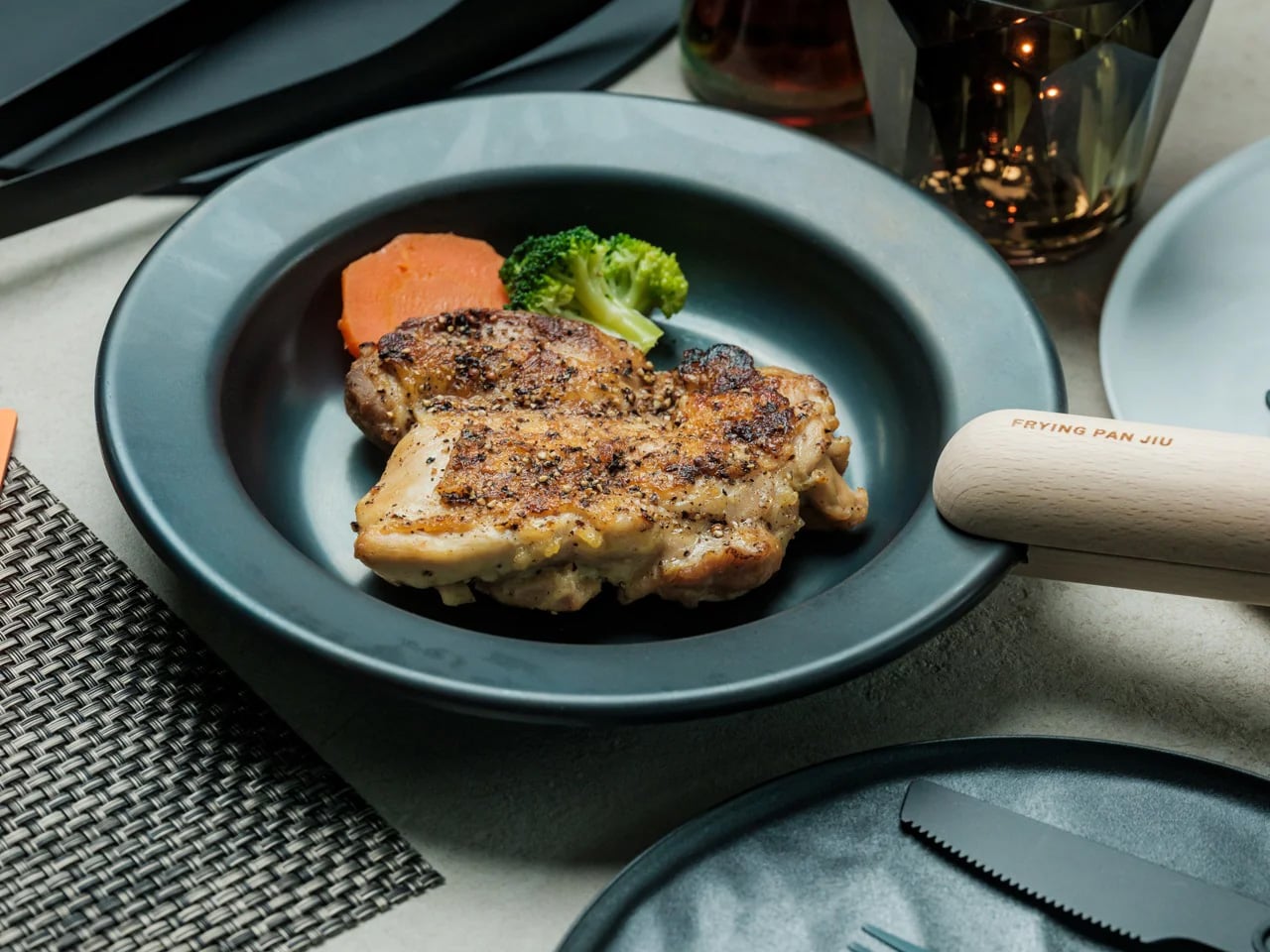
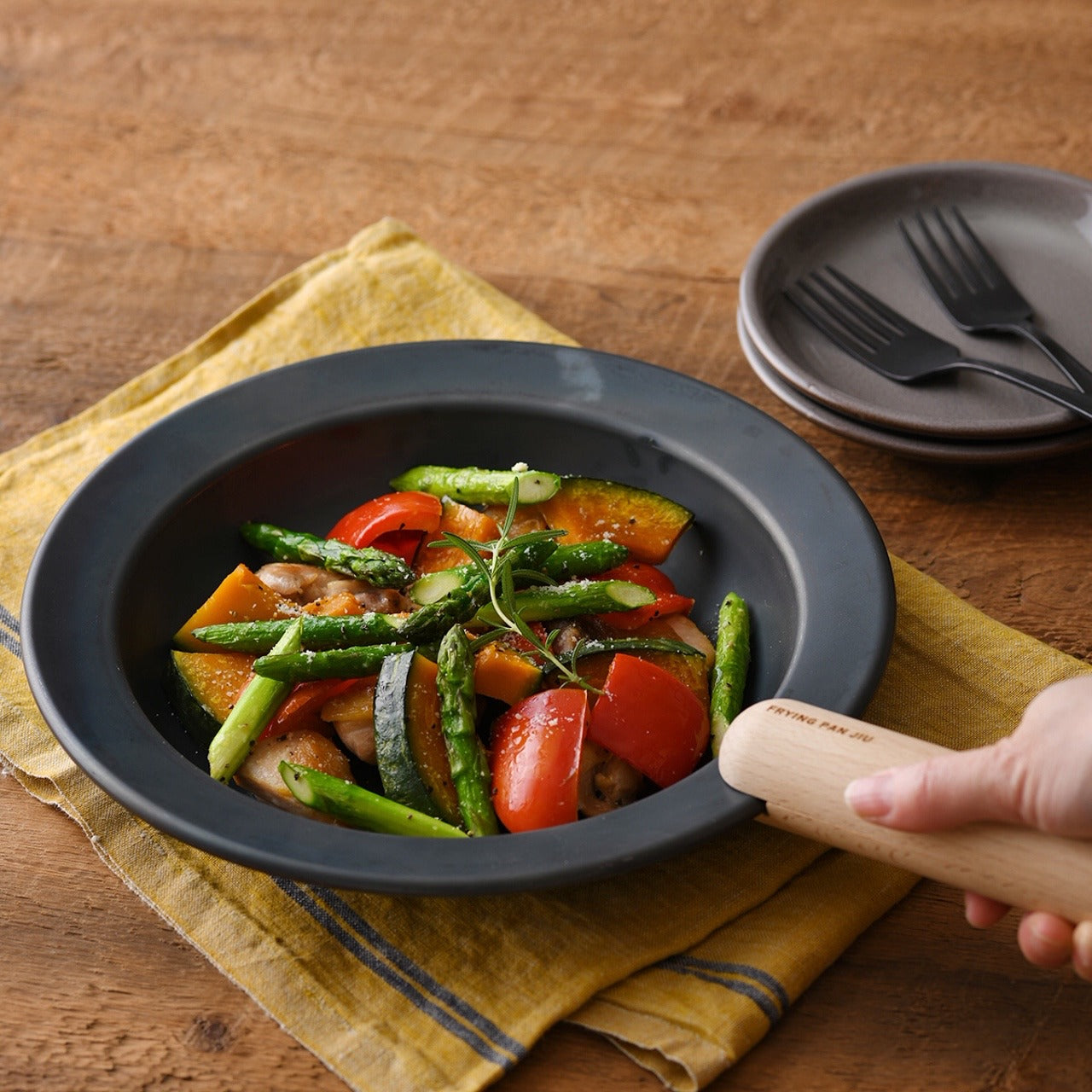
Made from 1.6mm-thick mill scale steel, the Iron Frying Plate is rust-resistant, stick-resistant, and ready to use out of the box. The wooden handle attaches and detaches with one hand, which means the plate moves from the stovetop directly to the table without a serving dish standing between the two. That transition from cooking vessel to table object in a single step is where the real space-saving happens: not in the plate’s footprint, but in the items it removes from the process entirely.
Mill scale steel develops character over sustained use, seasoning with each cooking session in a way that genuinely rewards you over years rather than months. The detachable handle keeps your storage flat, a meaningful difference from pans with fixed handles that dictate how a drawer can be arranged. At $69, the Iron Frying Plate earns its place through material quality and the logic of its handle system, which treats the move from stove to table as the primary design problem worth solving.
What we like
- Detachable wooden handle moves the plate from stovetop to table without a serving dish in between, removing an entire category of vessel from the kitchen
- Mill scale steel construction seasons with use and improves over time, building performance rather than declining it
What we dislike
- Iron construction makes it heavier than conventional frying pans, which requires some adjustment for extended use
- Hand-washing is recommended to maintain the seasoning and material quality, unlike most everyday cookware
3. Boi Silicone Measuring Cup
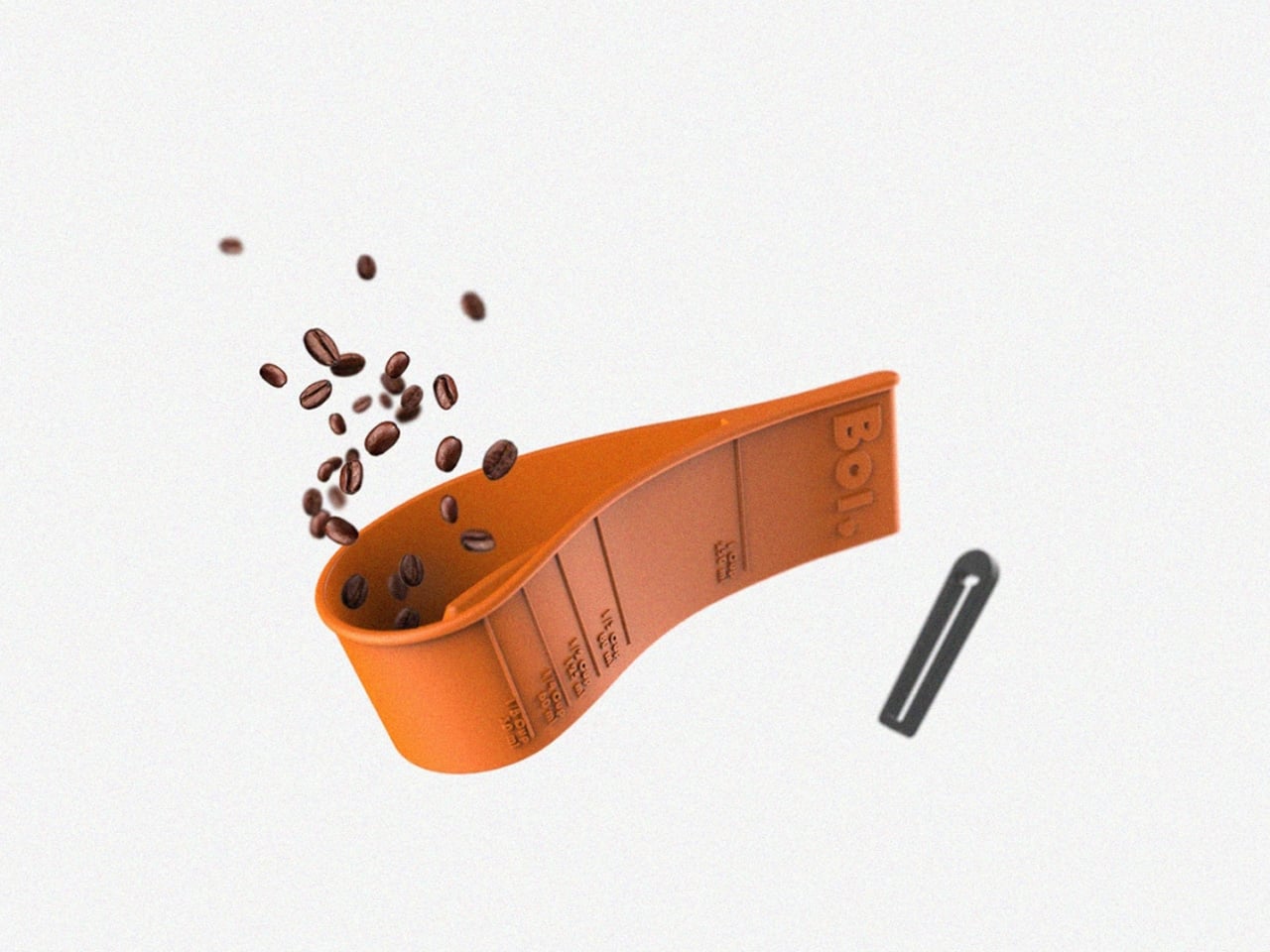
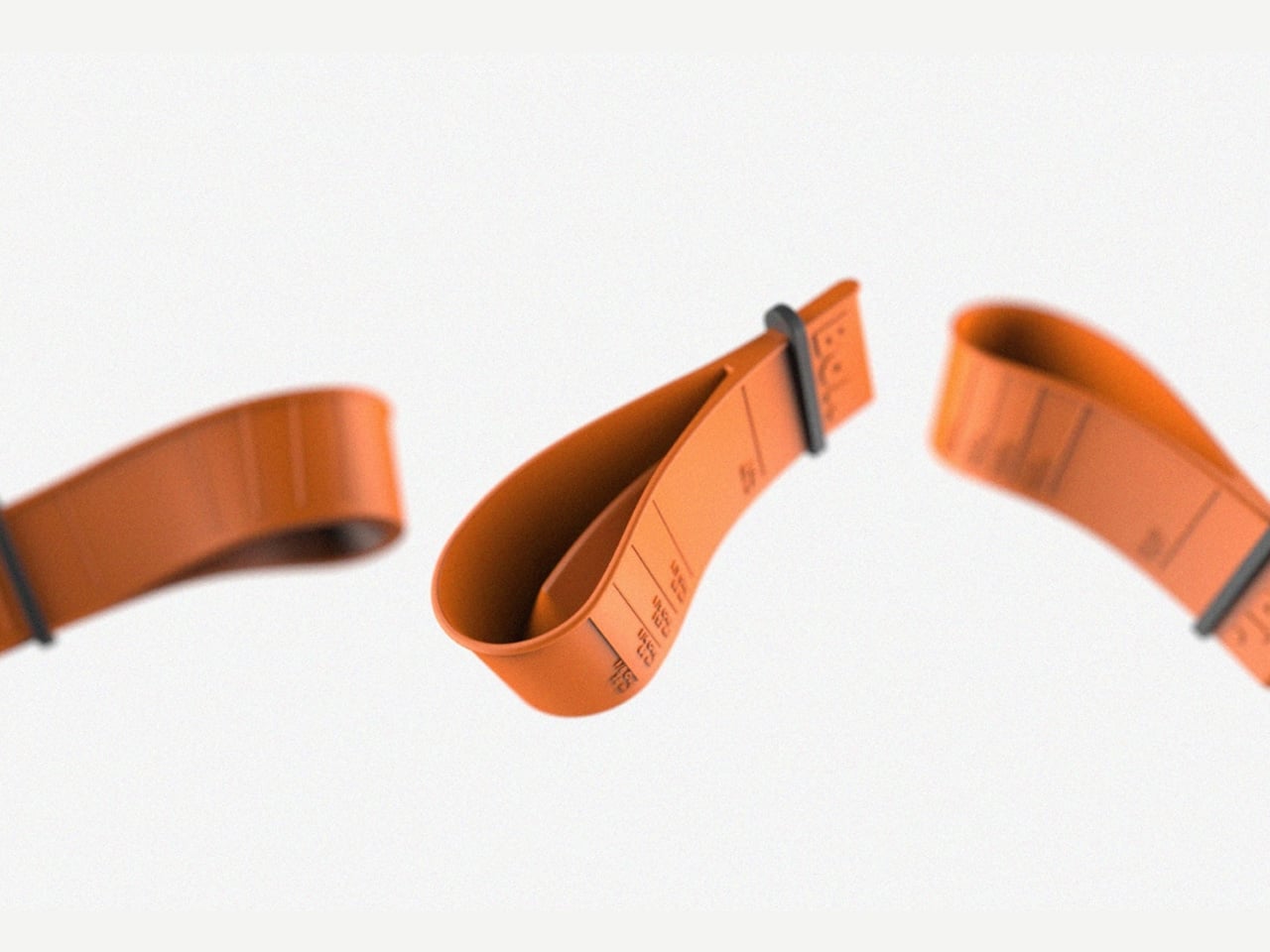
Designed by Hatice Esra Sungur, Boi is a one-piece silicone measuring cup concept that replaces an entire nested set with a single flexible tool. A slider adjusts the internal capacity across five labeled measurements: 1/8 cup (30ml), 1/4 cup (60ml), 1/3 cup (80ml), 1/2 cup (125ml), and 1 cup (250ml). The cup runs 20 centimeters long and 6 centimeters tall at maximum capacity. The renders show it in orange, though the material makes alternate colorways easy to visualize.
The drawer benefit for you is immediate. One tool replaces five, and because the body is flexible silicone, it stores flat when you are done. There is also a quieter efficiency in washing one item after measuring rather than rinsing a nested set that always manages to stack in the wrong order.
What we like
- A single slider-adjustable tool consolidates five separate measuring cups into one flexible, flat-storing piece
- One item to wash instead of a nested set saves both water and the specific frustration of rinsing stacked cups after every bake
What we dislike
- The slider mechanism depends on silicone flexibility that may wear differently across materials and temperature ranges in a production version
4. Slim Fold Dish Rack

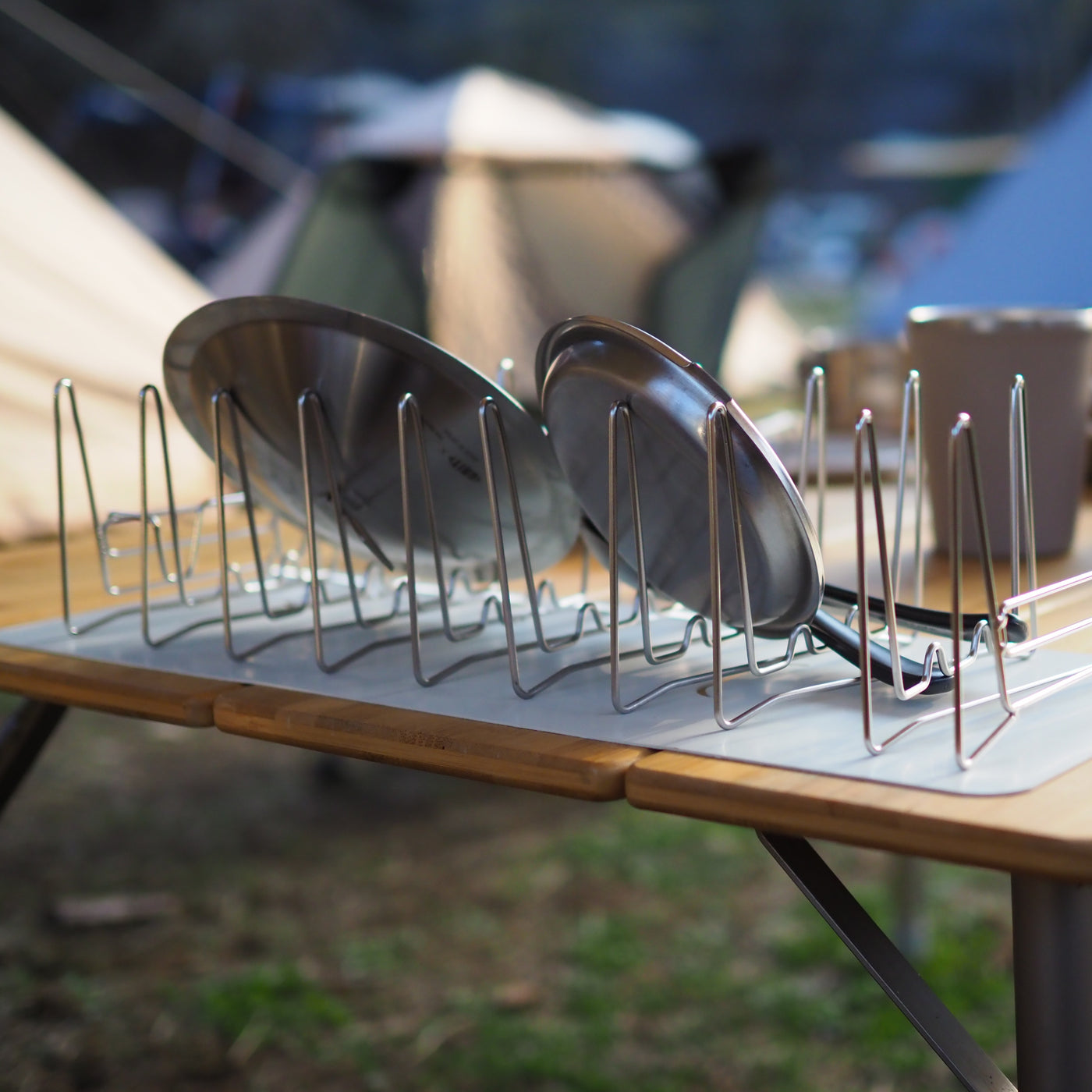
The Slim Fold Dish Rack collapses from a 14-inch working rack down to 1.2 inches using a patent-pending spring mechanism that deploys and retracts in a single motion. When folded, it fits in a cabinet slot, a drawer, or even a bag, which is the kind of storage flexibility that standard dish racks never permit. It is dishwasher-safe and easy to clean, priced at $75, and built with a mechanism designed for sustained, daily deployment rather than occasional use.
The dish rack usually forces you to choose between two problems: the rack that occupies permanent counter real estate, or the collapsible version that feels too flimsy to actually use daily. The Slim Fold resolves that by making deployment as fast as using it, so it does not become another object that lives folded in a cabinet because setup creates friction. It earns your counter space when in use and takes none when it is not.
What we like
- Patent-pending spring mechanism collapses a full 14-inch rack to 1.2 inches in a single motion, clearing the counter in seconds
- Dishwasher-safe construction removes the one maintenance step that makes most collapsible racks impractical for daily use
What we dislike
- At $75, it sits at a higher price point than most household dish racks, which requires confidence in the spring mechanism’s long-term durability
- The compact footprint when deployed may limit capacity for larger households washing multiple plates and pots at once
5. Hybrid Kitchen Aid


Designed by Rishikesh Sonawane and inspired by the French press, the Hybrid Kitchen Aid integrates blending, grinding, and kneading into a single compact machine. The motor placement is inverted from conventional food processors, a structural decision that compresses the overall form and allows upright storage without the footprint a standard appliance base demands. A regulator dial that doubles as an on/off button controls RPM, while a color-coded user flow diagram guides each session from start to finish with deliberate, reduced-error clarity.
The Hybrid Kitchen Aid saves you space by subtraction rather than miniaturization. Rather than fitting a smaller blender next to a smaller food processor, it removes the need for those devices to coexist at all, giving you one machine capable of carrying the full workload across categories. Adaptability and storage efficiency are primary design criteria rather than secondary considerations. As a concept, it remains one of the more coherent arguments for what kitchen appliance consolidation should actually look like.
What we like
- Blending, grinding, and kneading consolidated into one compact upright form, removing the need for multiple devices to share counter or cabinet space
- Inverted motor placement reduces the overall footprint and makes upright storage viable without a wide appliance base
What we dislike
- The French press-inspired form factor may require adjustment for users accustomed to conventional food processor interfaces
The Counter Is Not a Waiting Room
The objects that truly earn their shelf space do not just save room. They change how a kitchen feels to work in, because fewer competing objects means fewer small decisions about what to move, where to put things down, and what to wash after. These five products, from concepts still working toward production to tools you can buy today, all share the same premise: every item in a kitchen should justify its presence through genuine, daily use.
The concept picks are worth following as they move closer to production. When design logic this direct gets a manufacturing path, the results tend to be good. The purchasable tools make an immediate difference in any kitchen where drawer space is a daily frustration. The standard stays the same regardless of what comes next: the most useful kitchen is not the largest or the best-equipped. It is the one where nothing on the counter is optional.
SHARE