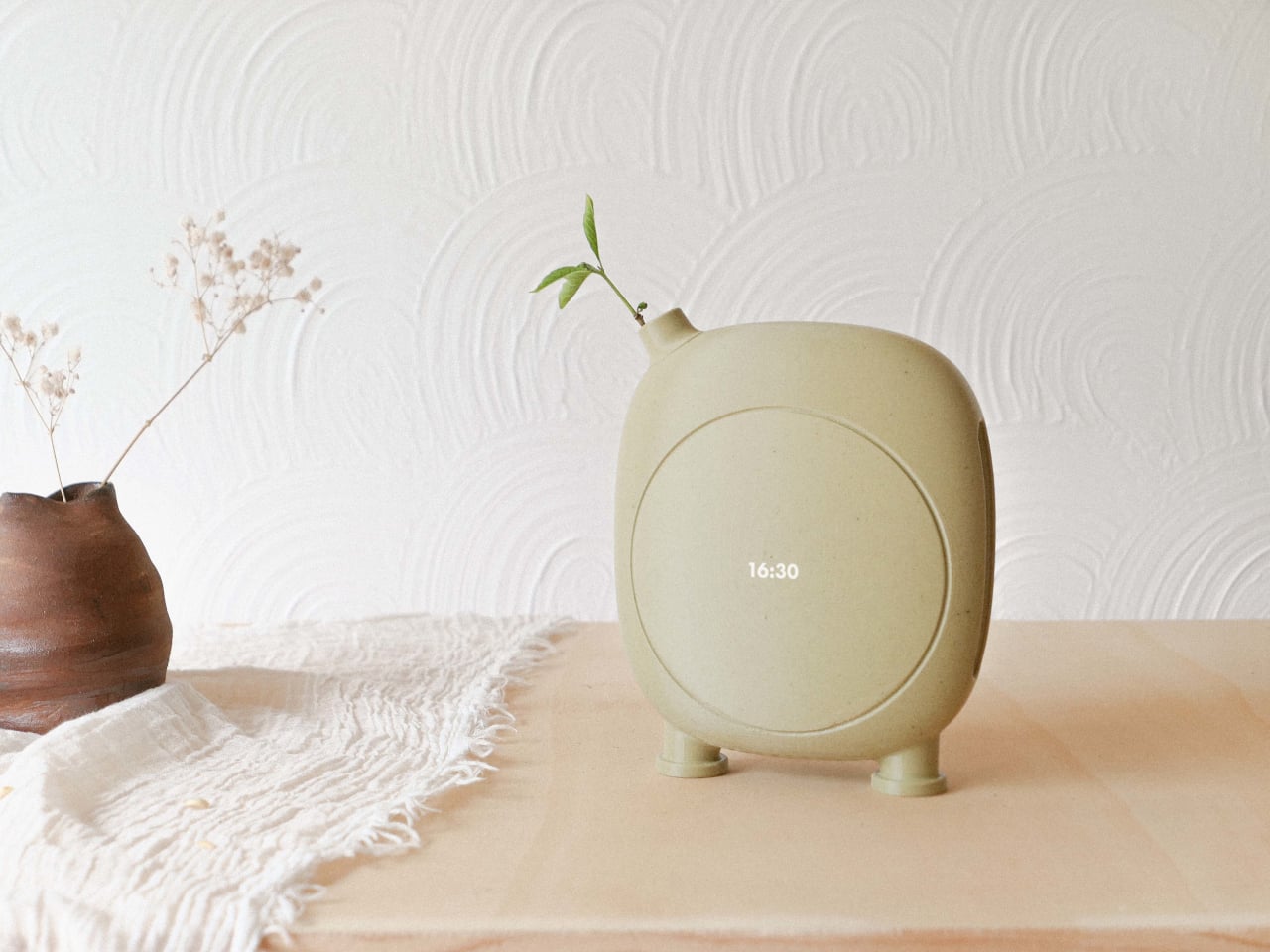
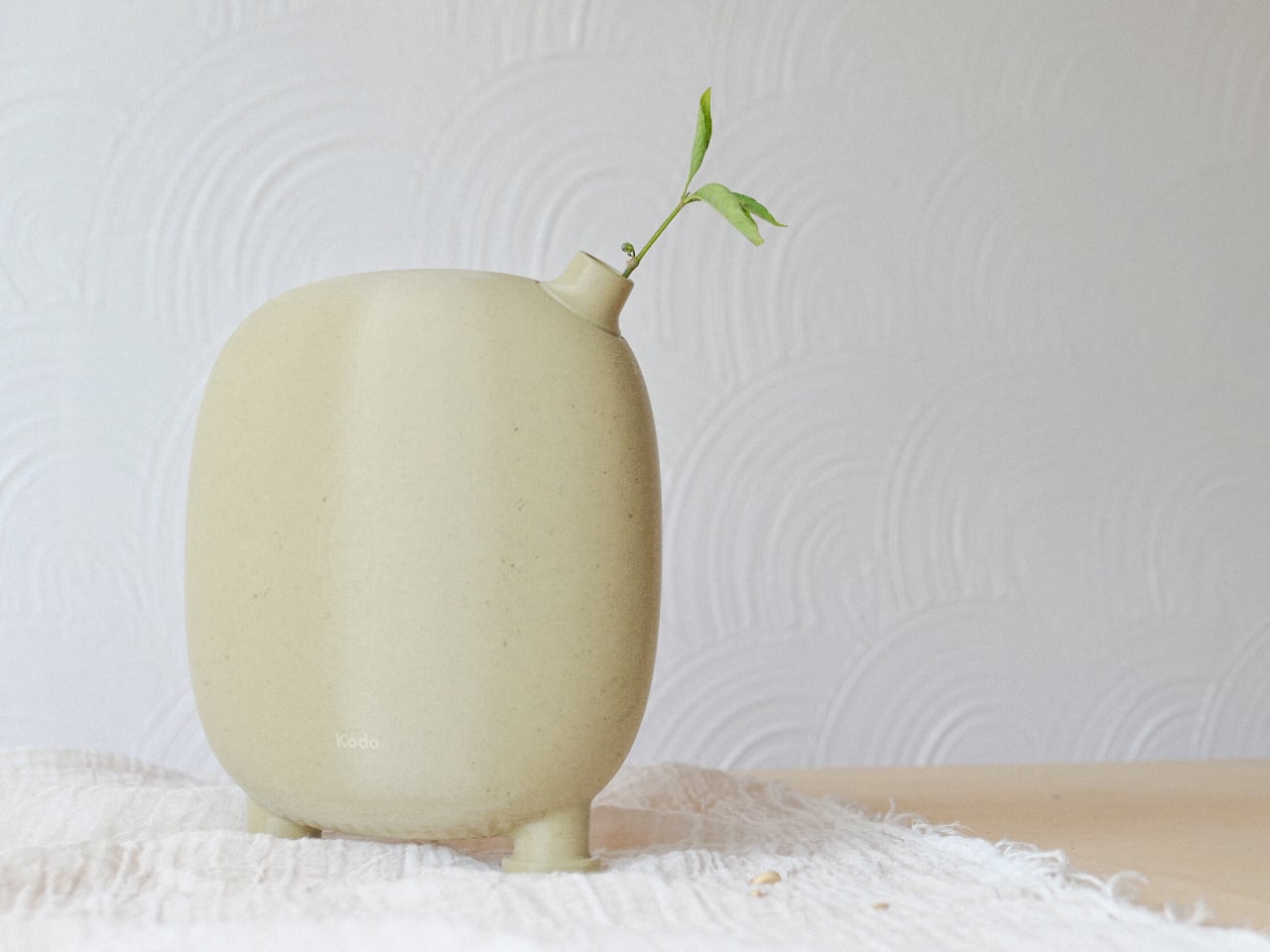
Waking up shouldn’t require staring at another glowing rectangle before your eyes even adjust to the room. Kodo, a conceptual smart alarm clock, rejects the buzzing plastic box entirely and takes the shape of a ceramic vessel instead, complete with a slender spout that holds an actual sprig of greenery. It looks like something a potter made, right up until it starts syncing with the sunrise.
That sunrise syncing is the whole point of mornings with this object. Rather than jolting you awake with a harsh beep, Kodo times itself to daybreak and layers in birdsong instead of an alarm tone, easing you into consciousness the way an open window might on a good morning. Silencing it doesn’t involve fumbling for a button either. A simple tap anywhere on its surface reads as a vibration and shuts the sound off.
Designer: Pascal Grangier
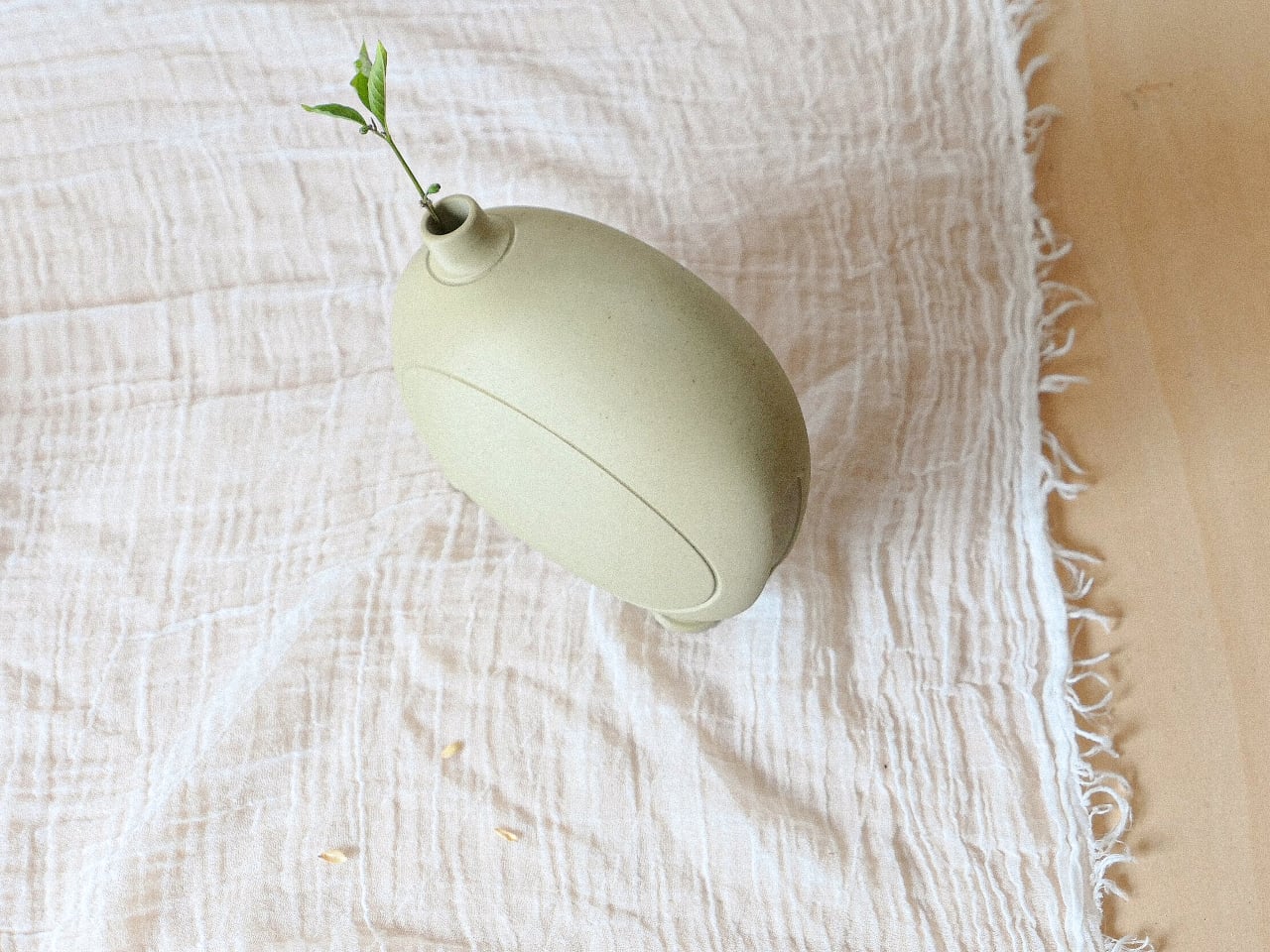

That tap-to-quiet gesture carries through the rest of the day as a kind of running theme. The body stays sensitive to touch and presence, responding subtly rather than lighting up with notifications or demanding attention the way a phone screen does. It’s built to sit quietly on a nightstand, doing nothing most of the time, until the exact moment it needs to do something.
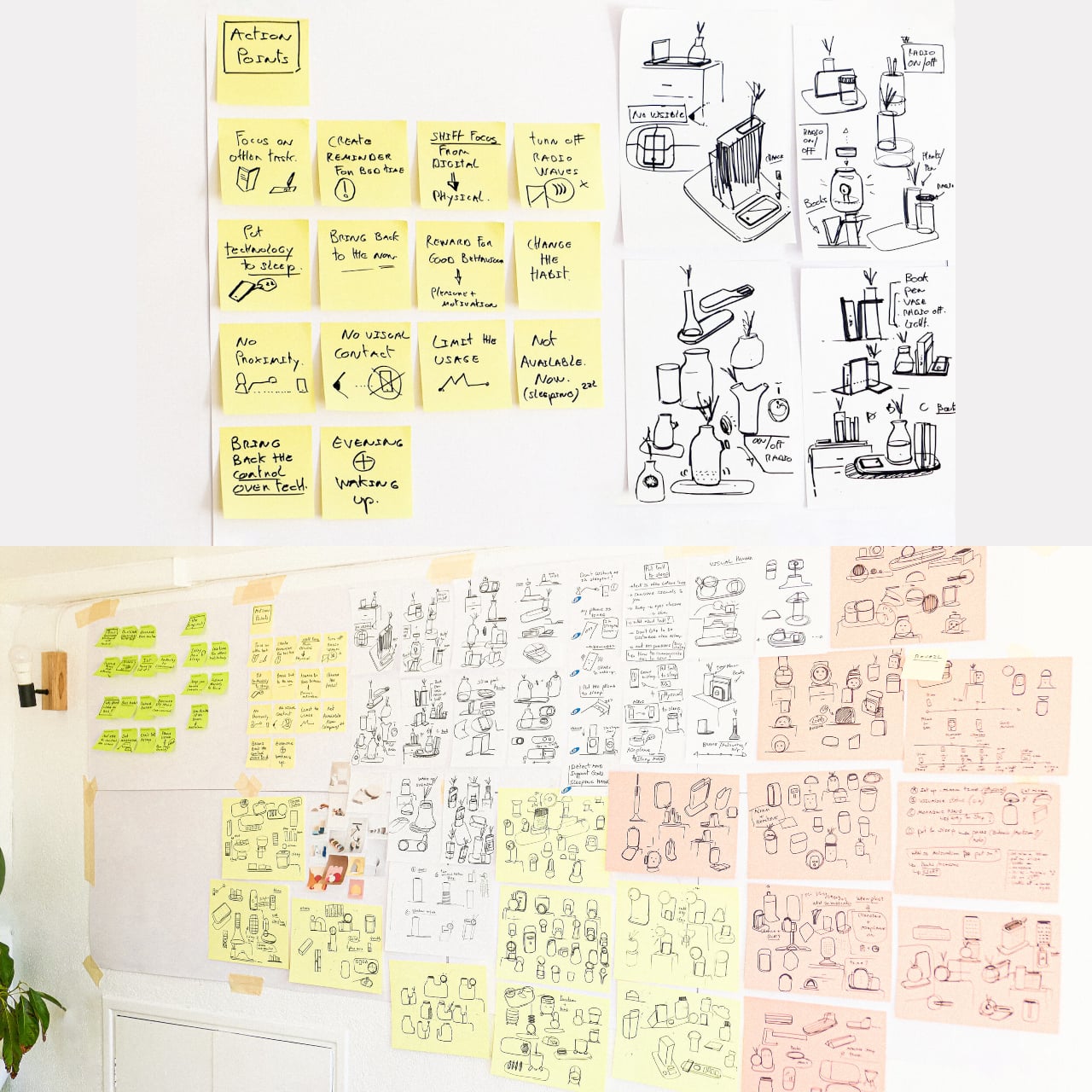
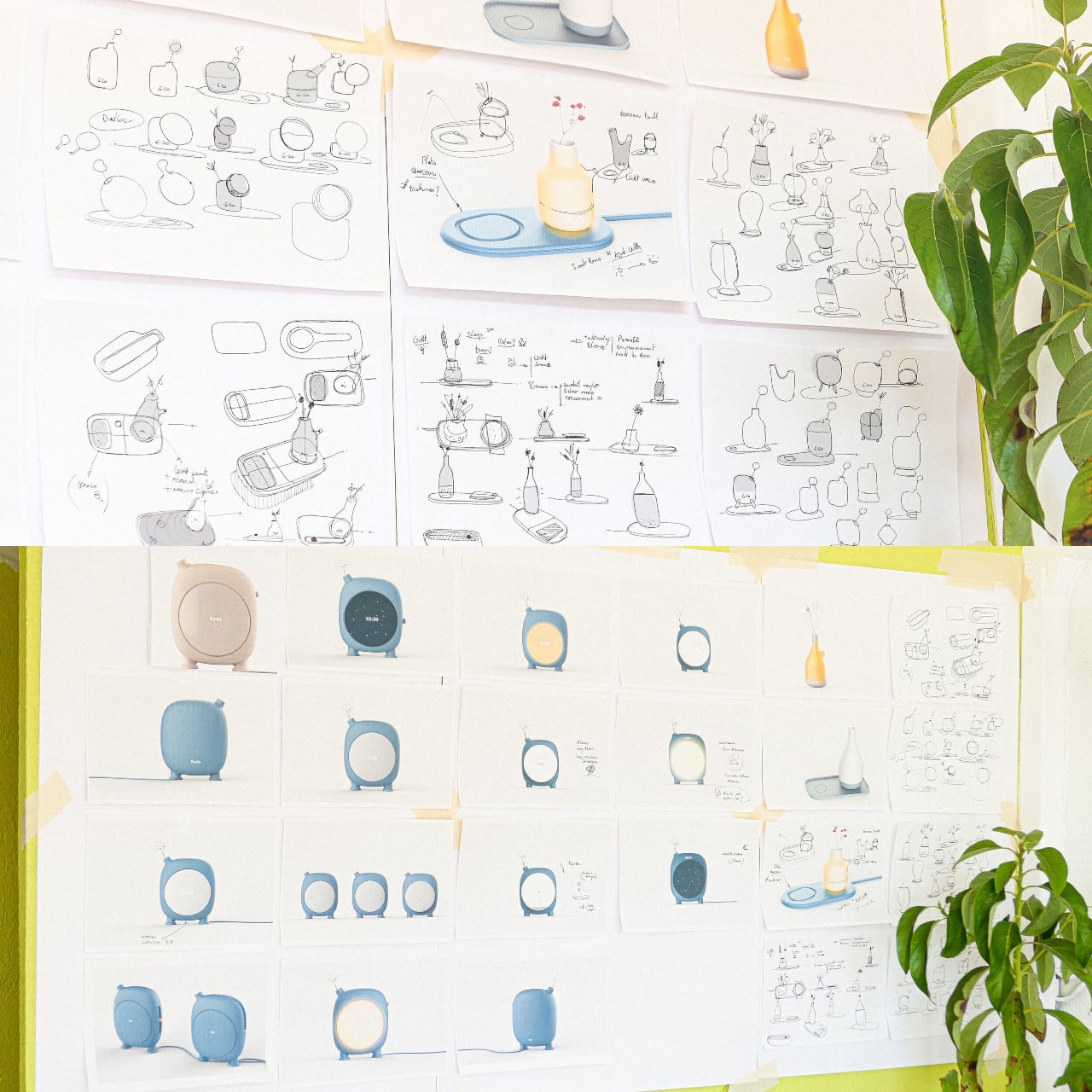
Evenings get their own quiet ritual built into the same object. Before bed, Kodo gradually dims the light in the room, nudging your body toward its natural sleep cycle instead of leaving you to scroll under harsh lamp light until exhaustion wins. That single feature turns the piece from a wake-up tool into something closer to a bedtime routine, bookending the day the same way it starts it.


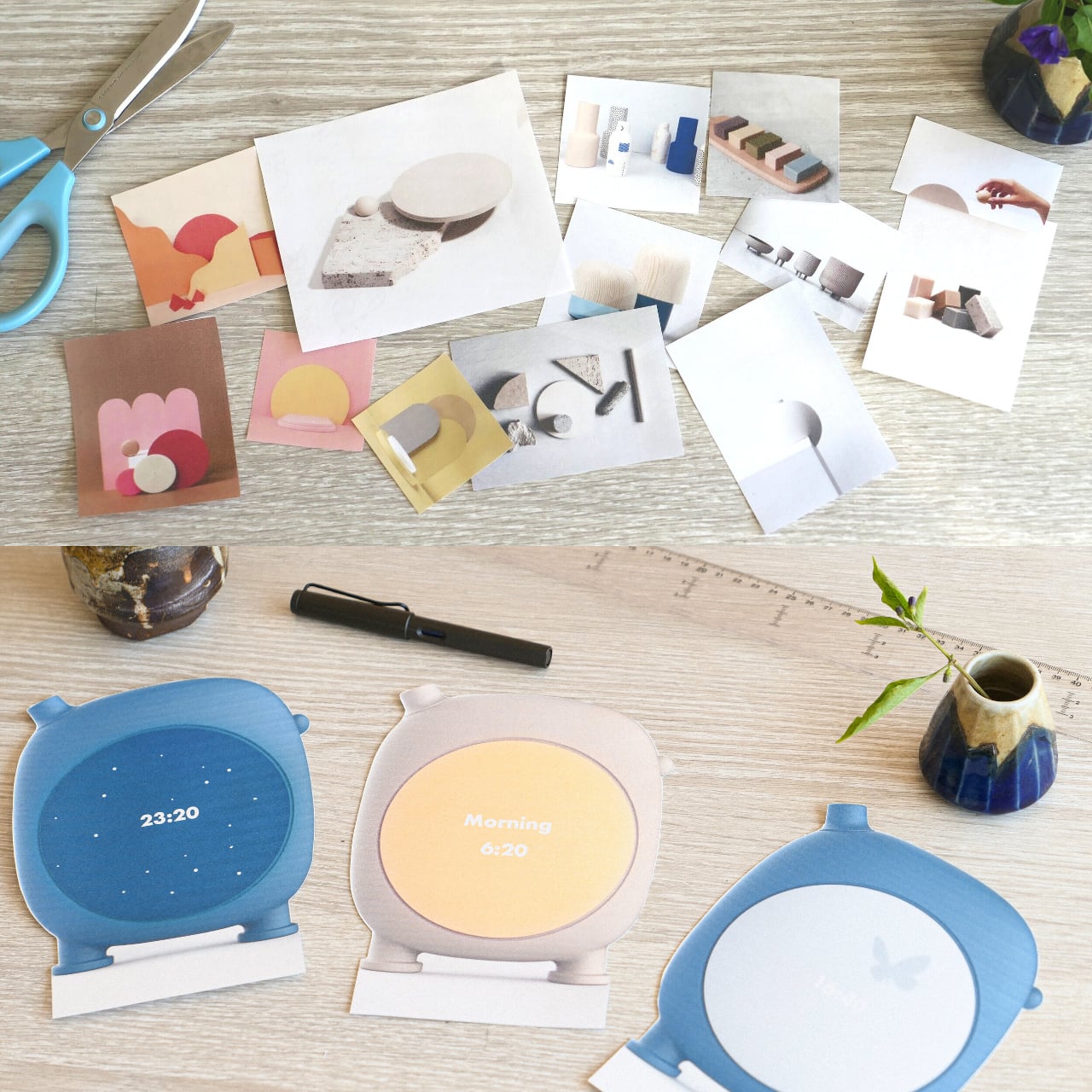
None of that would matter if the object itself felt like more screen time in disguise. Its circular face, styled after a pot’s opening rather than a display panel, shifts its entire look depending on the hour: a soft gradient for morning, plain digits at midday, a starfield glowing quietly once night falls. The clock face becomes part of the room’s atmosphere instead of a separate glowing distraction sitting on top of it.

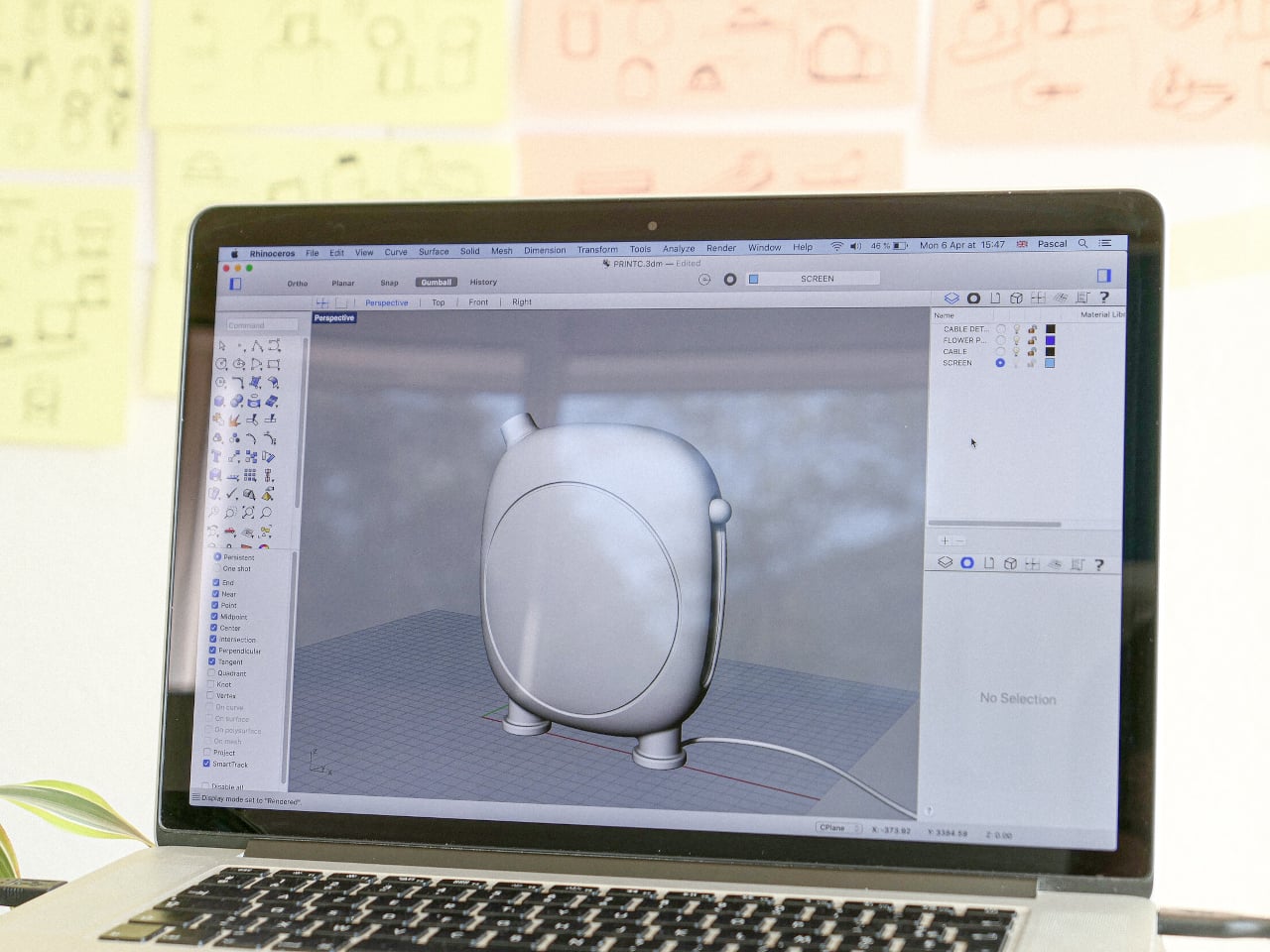
Every material choice reinforces that same restraint. The matte, sand-toned finish and rounded silhouette borrow directly from pottery, right down to stubby little feet that make the whole thing look handmade rather than manufactured. Even the vase-like spout isn’t decorative filler. It holds a real plant cutting, turning a piece of consumer electronics into something you’d want visible on a shelf even when it’s not telling time at all.

Objects like this argue for a different relationship with the technology already crowding most bedrooms. Kodo doesn’t compete with your phone for attention before you’ve had coffee. It just marks the hours quietly, dims the lights when it’s time to stop, and waits by the window like it always belonged there.
SHARE