Most musical instruments communicate one thing very clearly before you even touch them: you have to earn this. The arrangement of knobs, the wall of technical labeling, the thick manual sitting smugly beside the unit. It is an initiation ritual disguised as product design, and for most people, it works exactly as intended. They back away.
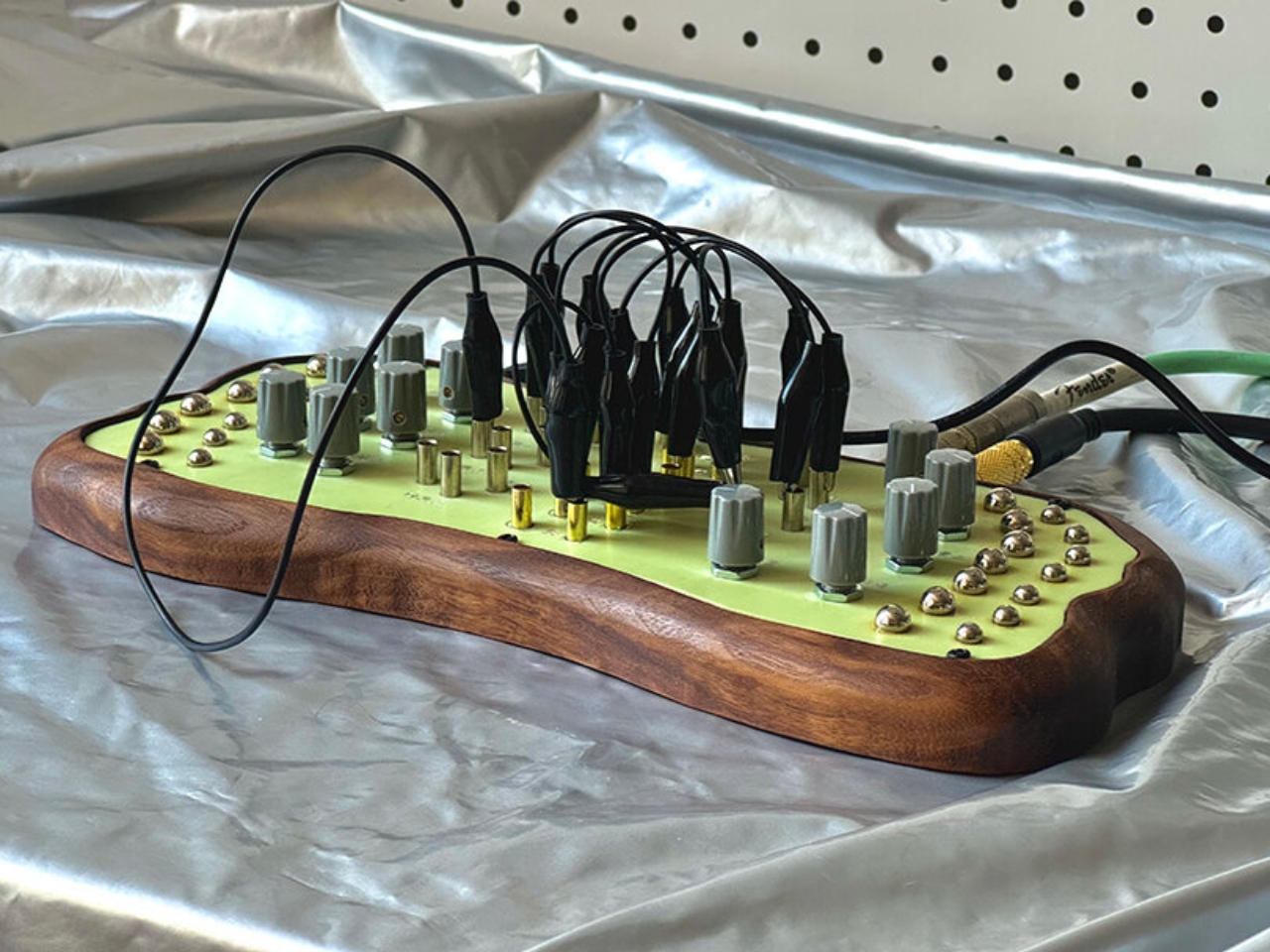
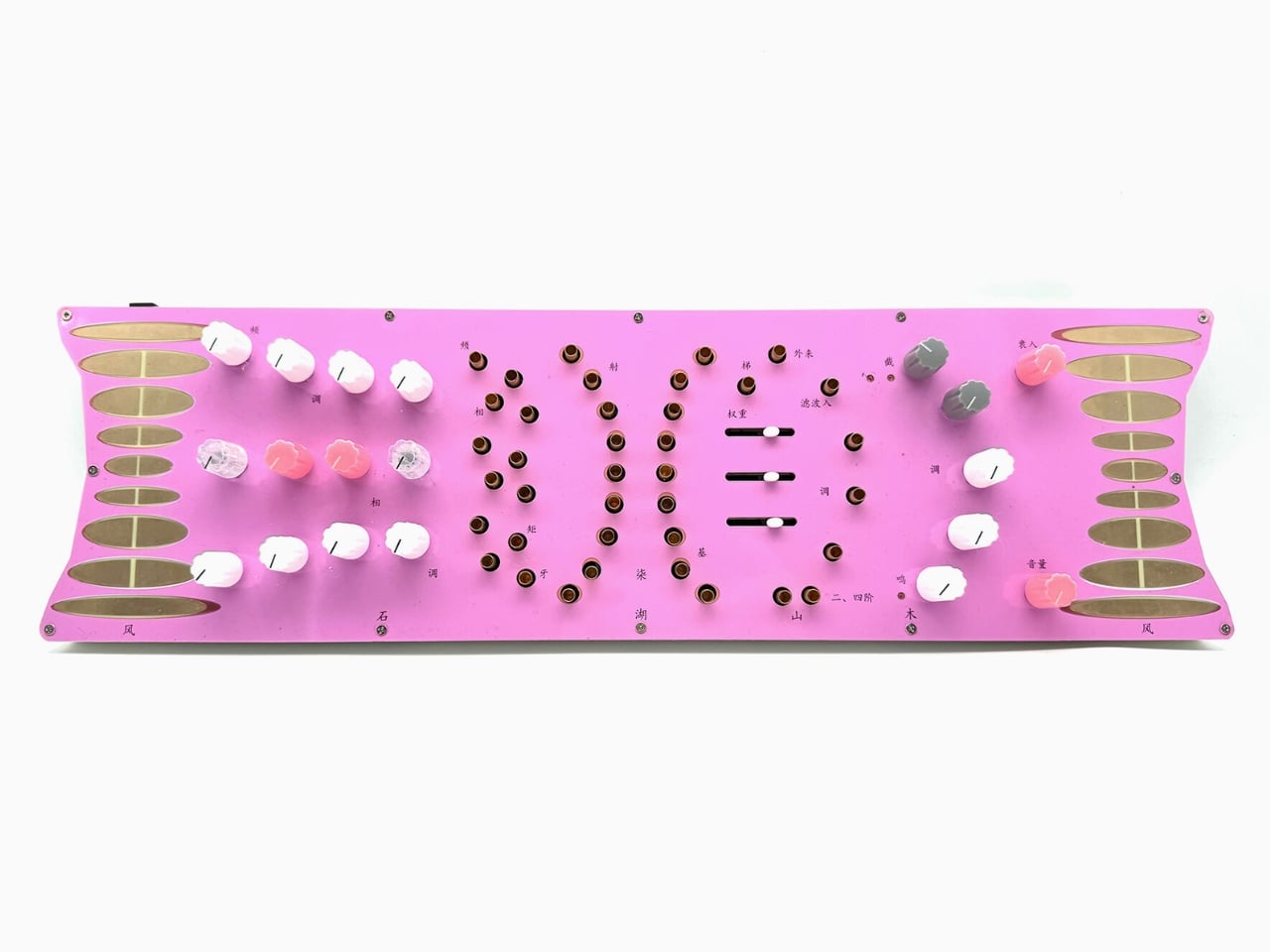
Madkids Empire, a studio founded by a designer named Xam, has built something that works in the opposite direction. Their collection of analog synthesizers is covered in illustrated surfaces, organic silhouettes, and, deliberately, Chinese annotations that describe functions through metaphor rather than engineering terminology. Instead of telling you what a knob controls, the labeling hints at what it feels like. It is the difference between reading a recipe and being handed a fork.
Designer: Madkids Empire
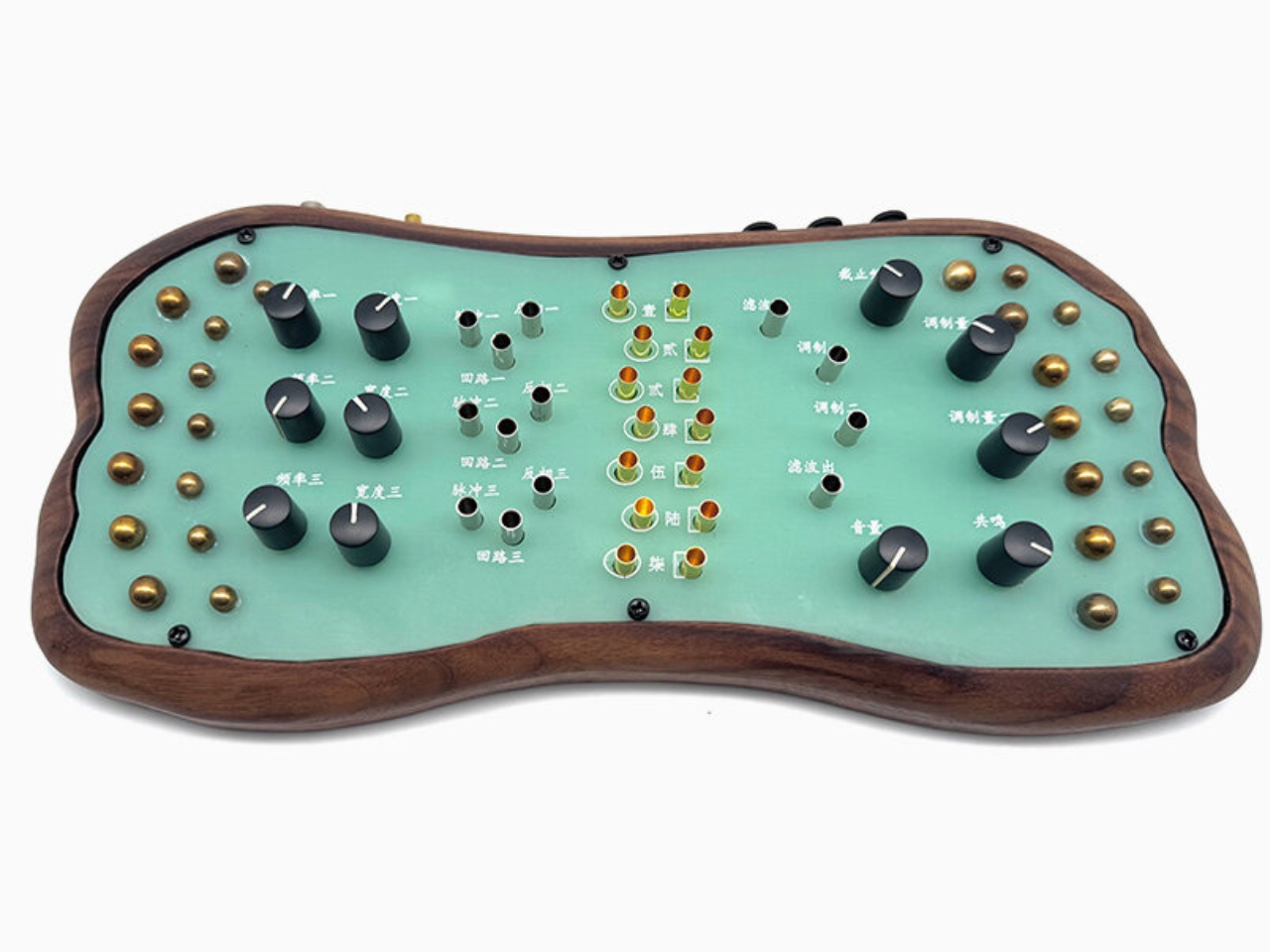
The visual language alone is worth paying attention to. Each instrument looks less like a piece of audio equipment and more like an illustrated landscape you could reach into. Wooden frames and brass details soften what would otherwise read as industrial objects. The shapes curve and flow in ways that suggest something natural rather than manufactured, which is intentional. Xam builds the design around the circuit itself, starting with the technical structure of the sound and then finding a natural concept that mirrors it. A lake. A mountain. A tree. The interaction you have with the synth is meant to feel connected to that concept, so patching a cable or turning a dial carries a kind of environmental logic, even if you could not explain exactly why.
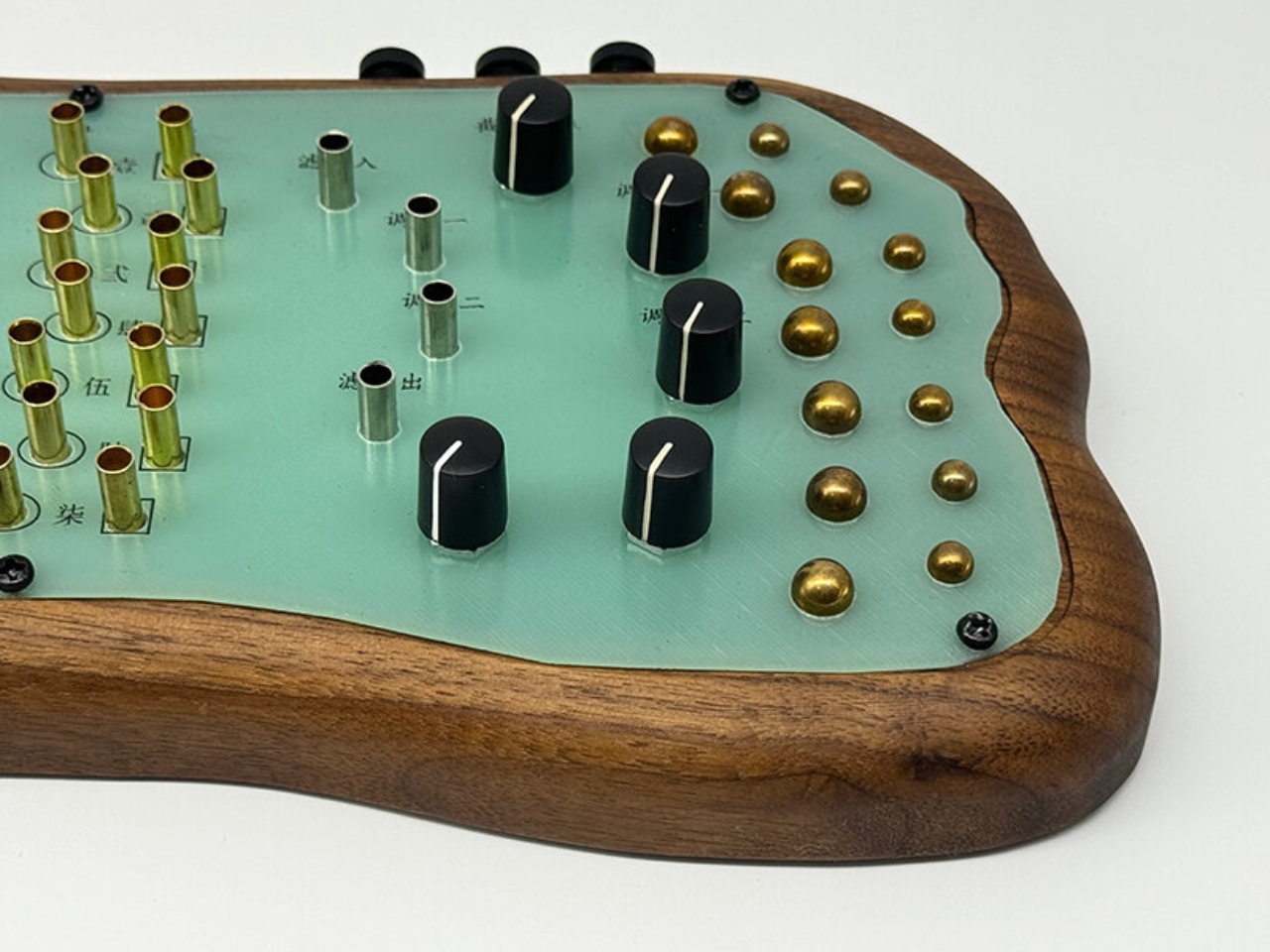
The result is an instrument that looks like you are supposed to explore it, and the collection does not disappoint on that expectation. The flowing silhouettes and playful interfaces do not just look inviting; they function that way too. Xam has said that what they want users to understand is that musical knowledge is not the entry point. Curiosity is. When someone hears a sound they like during experimentation, they have made something entirely their own, something they arrived at through play rather than study. That reframing matters more than it might initially seem.
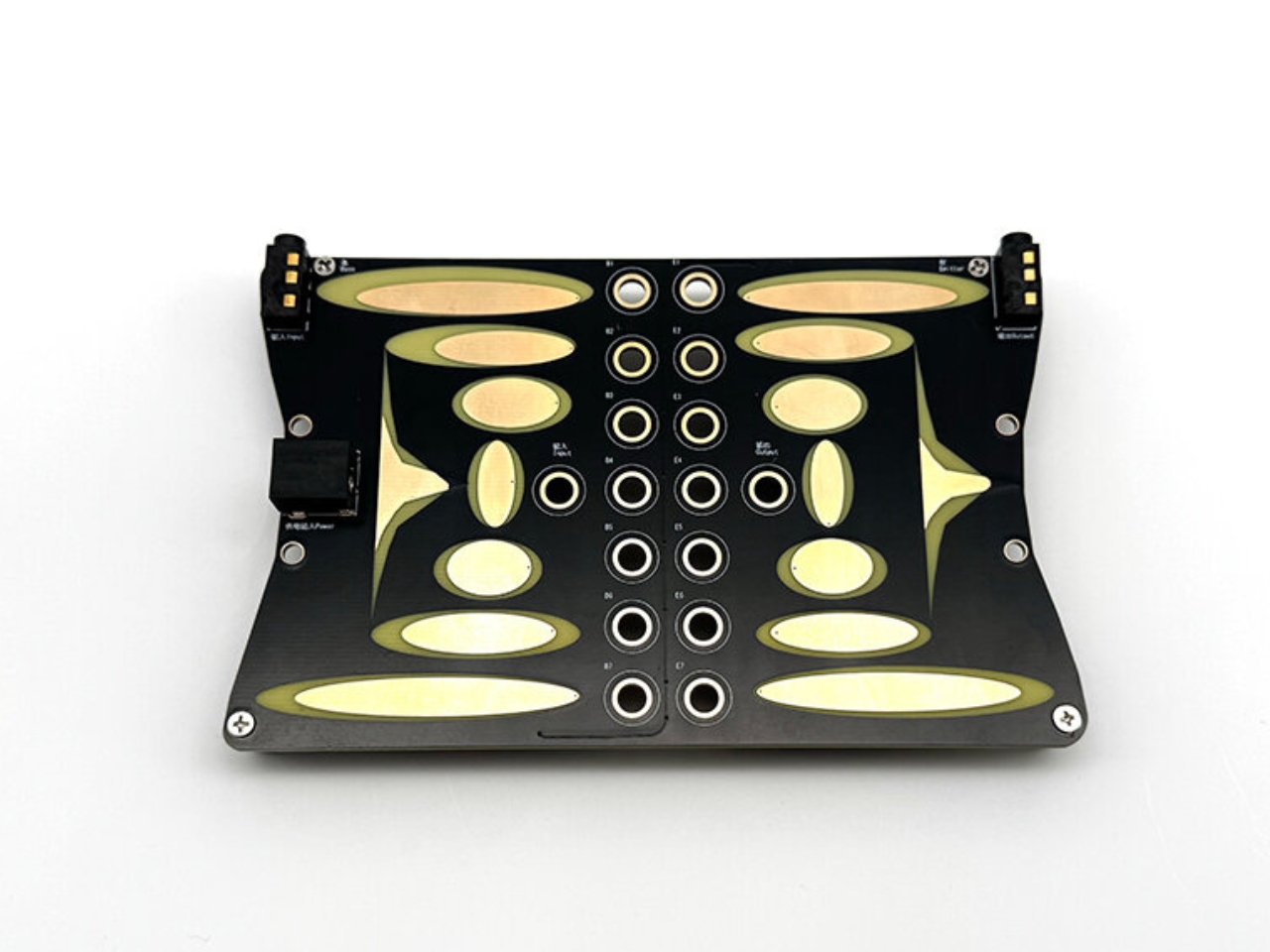
Most design conversations around synthesizers orbit gear obsession and technical hierarchy. How many oscillators, what filter topology, which vintage unit did it draw from. Madkids Empire does not seem particularly interested in that conversation. The chaos baked into these instruments, and yes, chaos is a deliberate design choice here, provides feedback that evolves with what you are doing. Unlike randomness, which offers no relationship between action and outcome, the unpredictability here responds to you. You become part of the system. It is closer to improvising in a new environment than operating a machine.
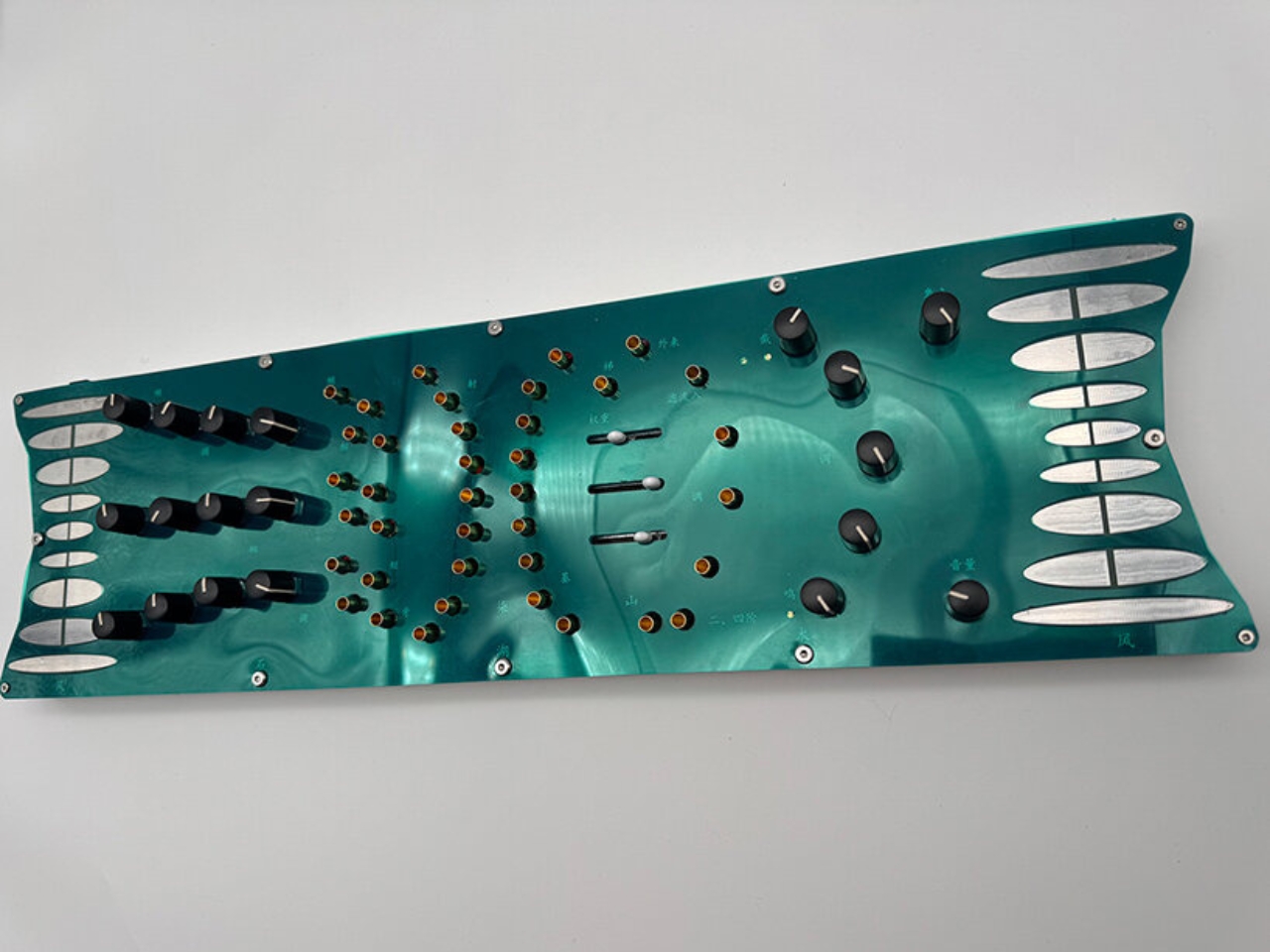
That philosophy has a real audience right now. The broader design and tech world has spent years talking about removing barriers and making things accessible, but the actual execution is usually just simpler interfaces with less functionality. Madkids Empire took a different approach: keep the depth, remove the intimidation, and replace the instruction manual with the experience of discovery itself. The instruments are not dumbed down. They are just designed with a different entry point in mind.
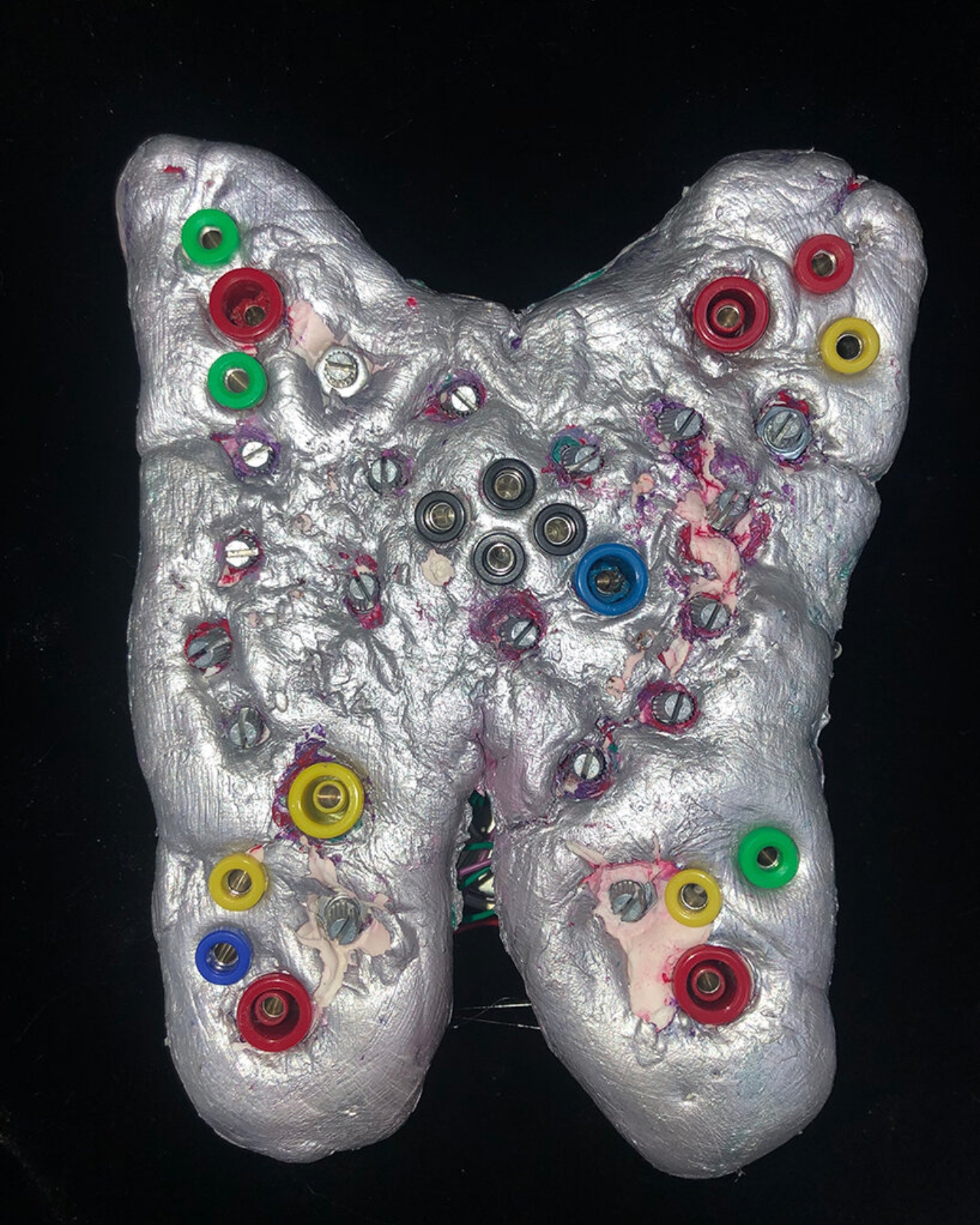
The aesthetic choices also position these synths somewhere unusual on the cultural map. They are not vintage recreations chasing the warmth of a classic unit, and they are not sleek minimalist tech objects trying to disappear into a desk setup. They are objects you would notice on a shelf. Objects that invite a question. That sense of presence, the feeling that a thing has a personality before you interact with it, is genuinely rare in hardware design.
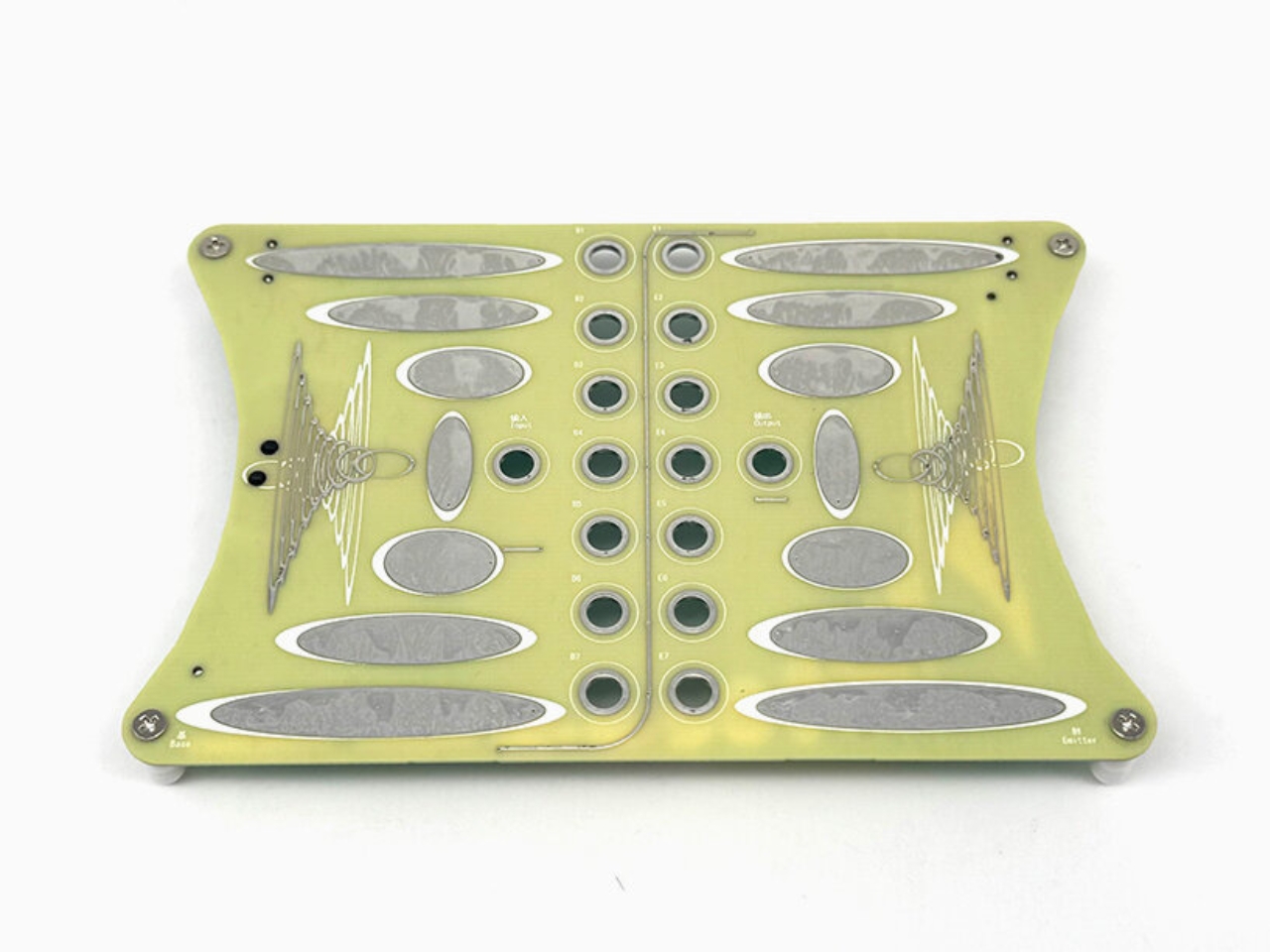
Xam has built something that sits at the crossroads of instrument, sculpture, and game. The synthesizer as landscape. The knob as terrain. Whether or not you ever make music with one, the thinking behind Madkids Empire’s work is the kind that deserves to travel beyond the synthesizer community and into a wider conversation about what it means to design something people actually want to touch.