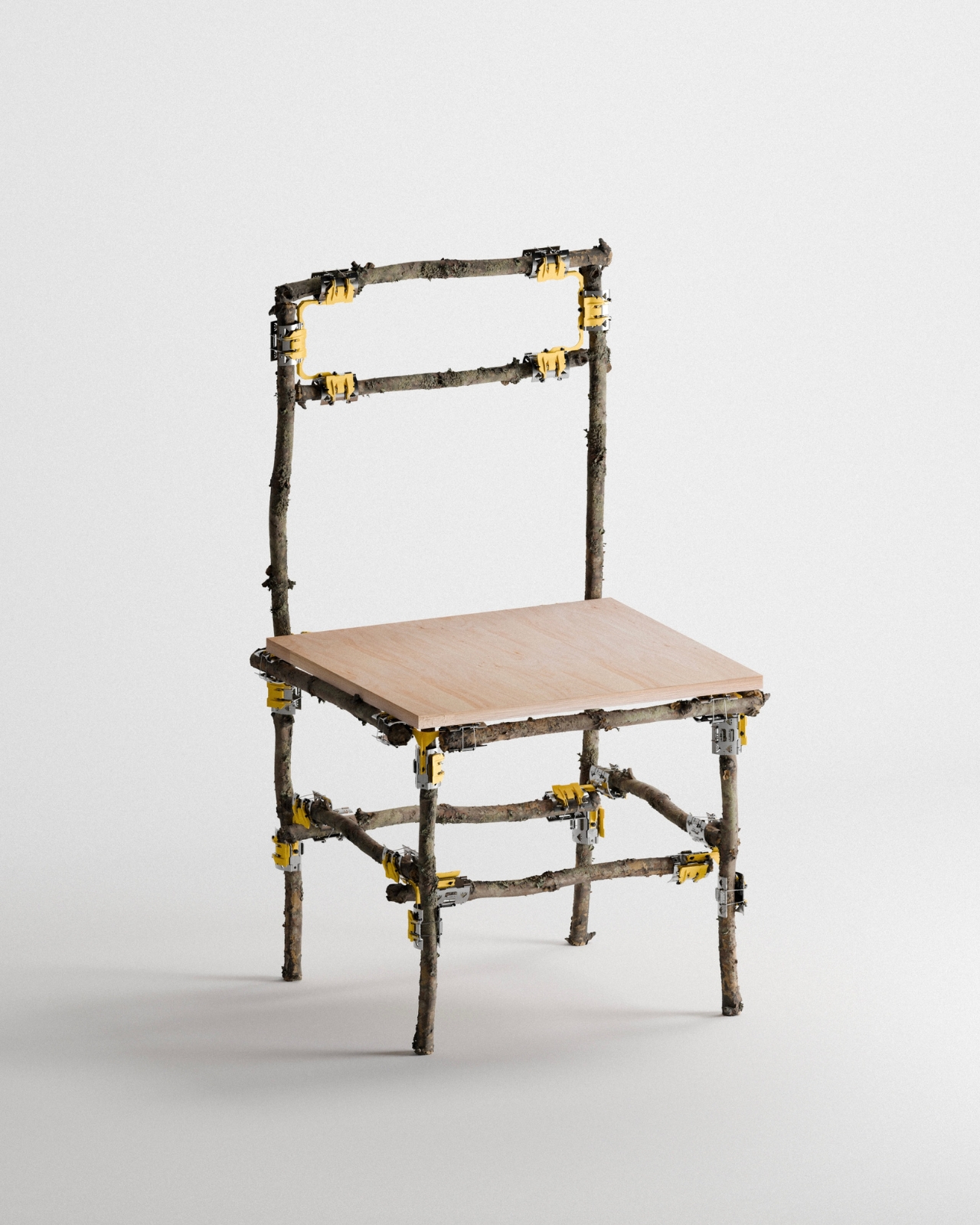
Most design projects start with the finished object. You picture a chair, sketch it out, source the materials, and figure out how to put it together. It’s a logical sequence that’s worked for centuries. Omnibite, a joint system by Milan-based designers Eugenio Costa and Nicolò Tallone, quietly dismantles that sequence and puts something far more interesting in its place.
The premise is almost stubbornly simple: before you build anything, you go and find your wood. Not the pre-cut, pre-sanded, pre-dimensioned kind that arrives neatly bundled from a supplier. The raw kind, the kind that still has its bark and its irregularities and its own particular opinions about what shape it wants to be. A branch picked up, turned over in your hands, considered. Only then does construction begin.
Designers: Eugenio Costa, Matok Lab, nicola tallone
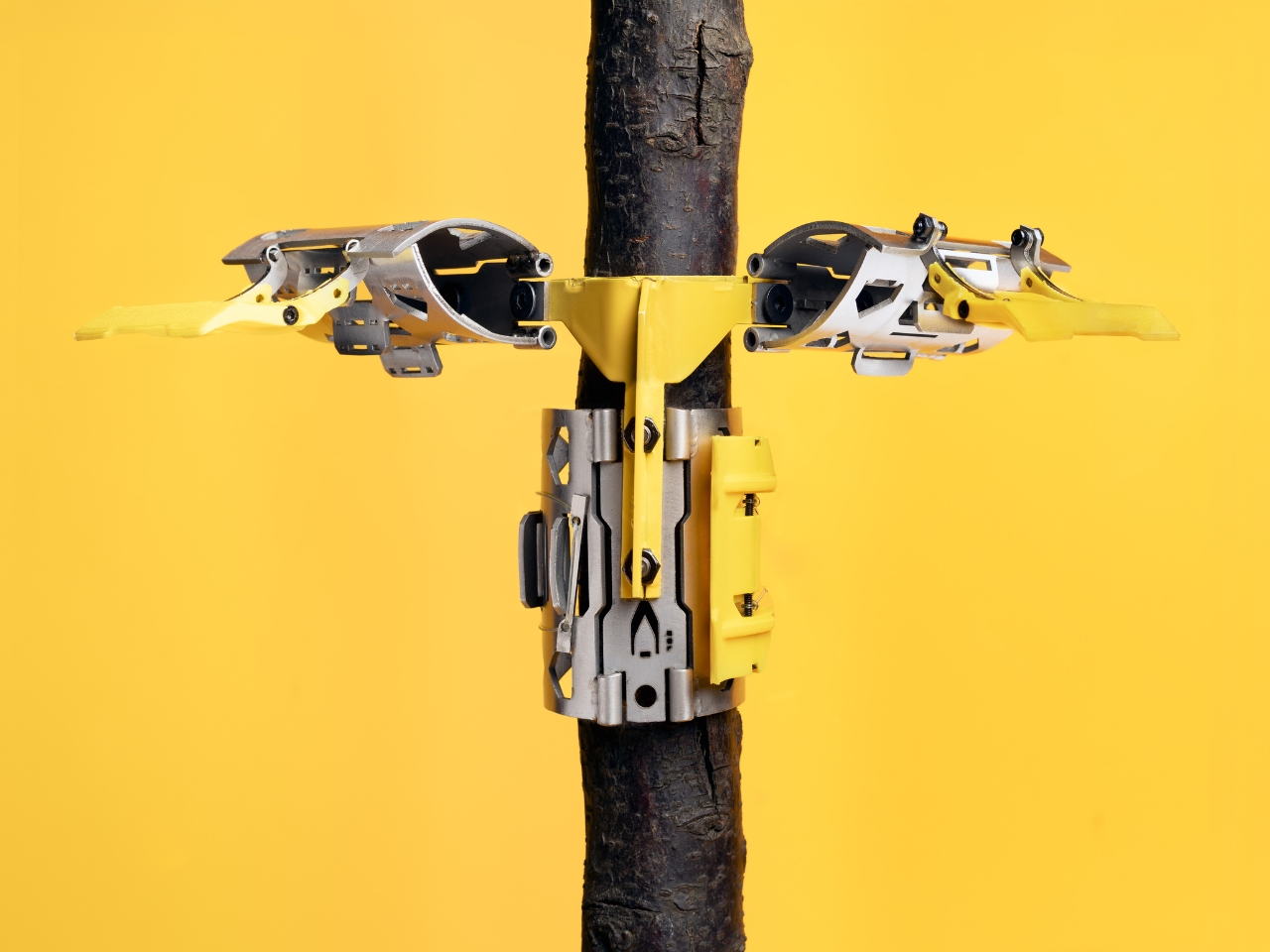
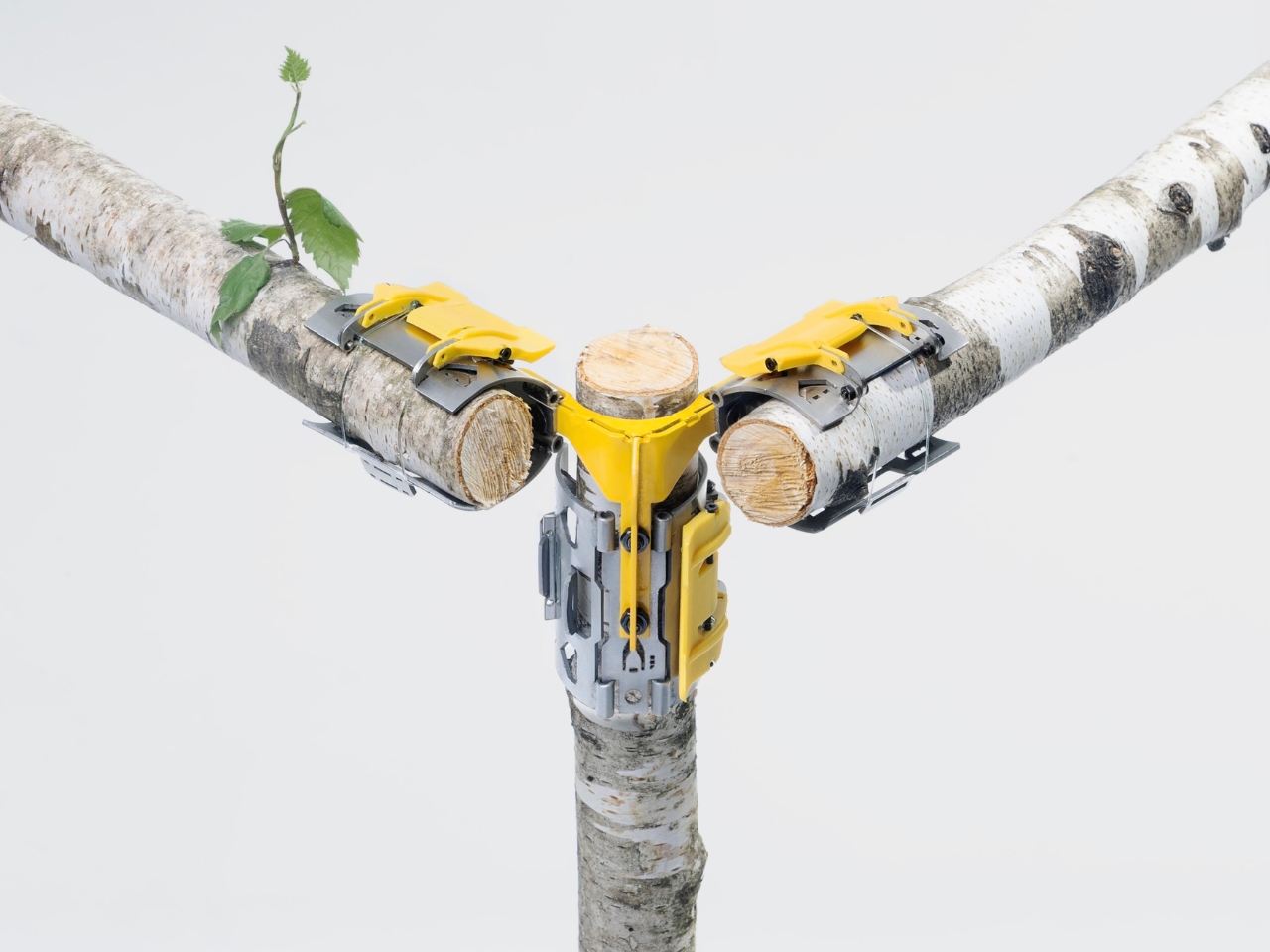
What makes Omnibite work is the joint itself, a precisely engineered three-axis connector with a quick-locking mechanism that holds irregular branches together without screws, adhesives, or any of the usual industrial hardware. It stabilizes intersecting elements from multiple directions, which means it can accommodate the natural variation of found wood rather than demanding that the wood conform to a predetermined plan. You’re not fighting the material. You’re working with it, on its own terms.
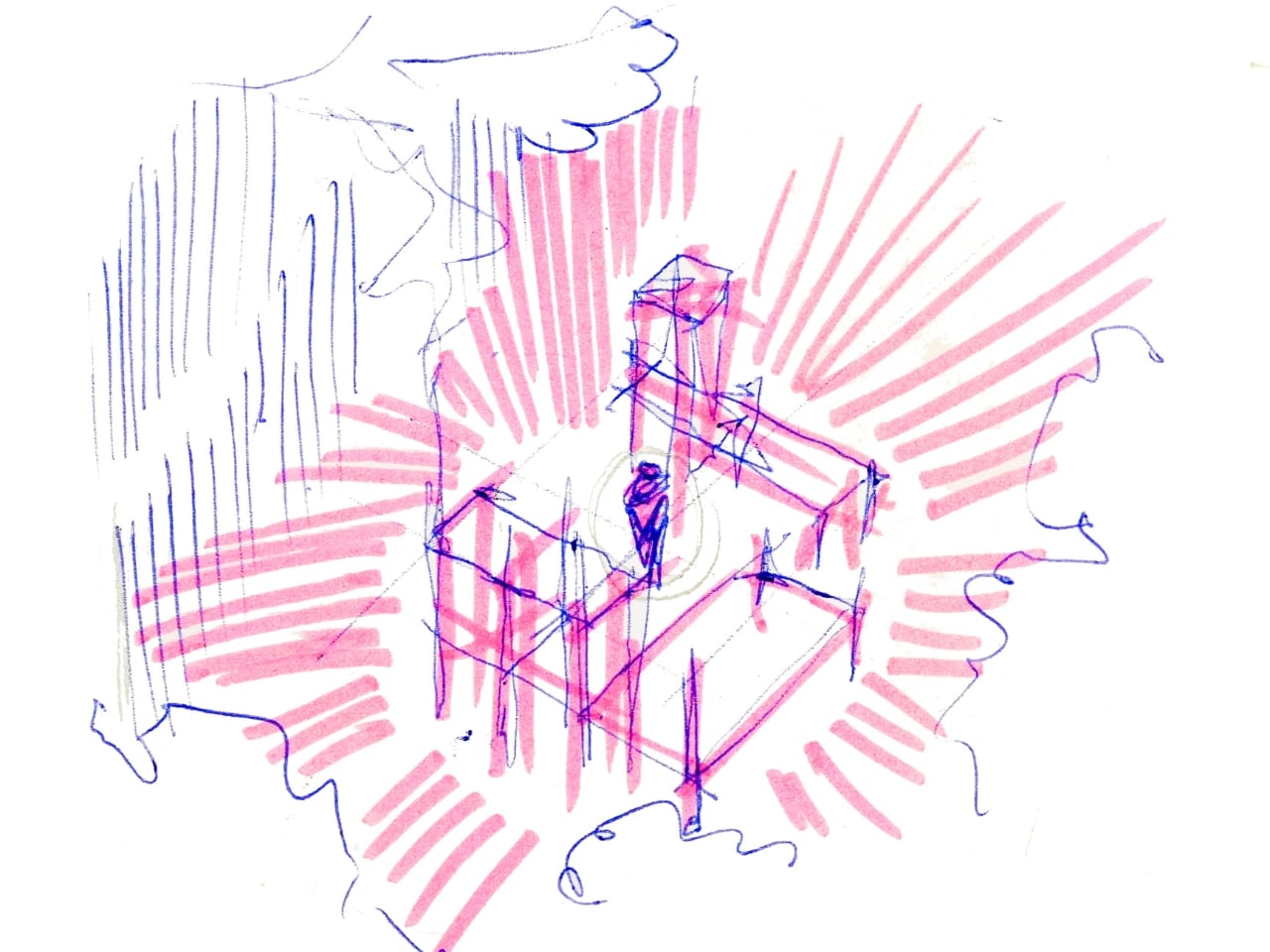
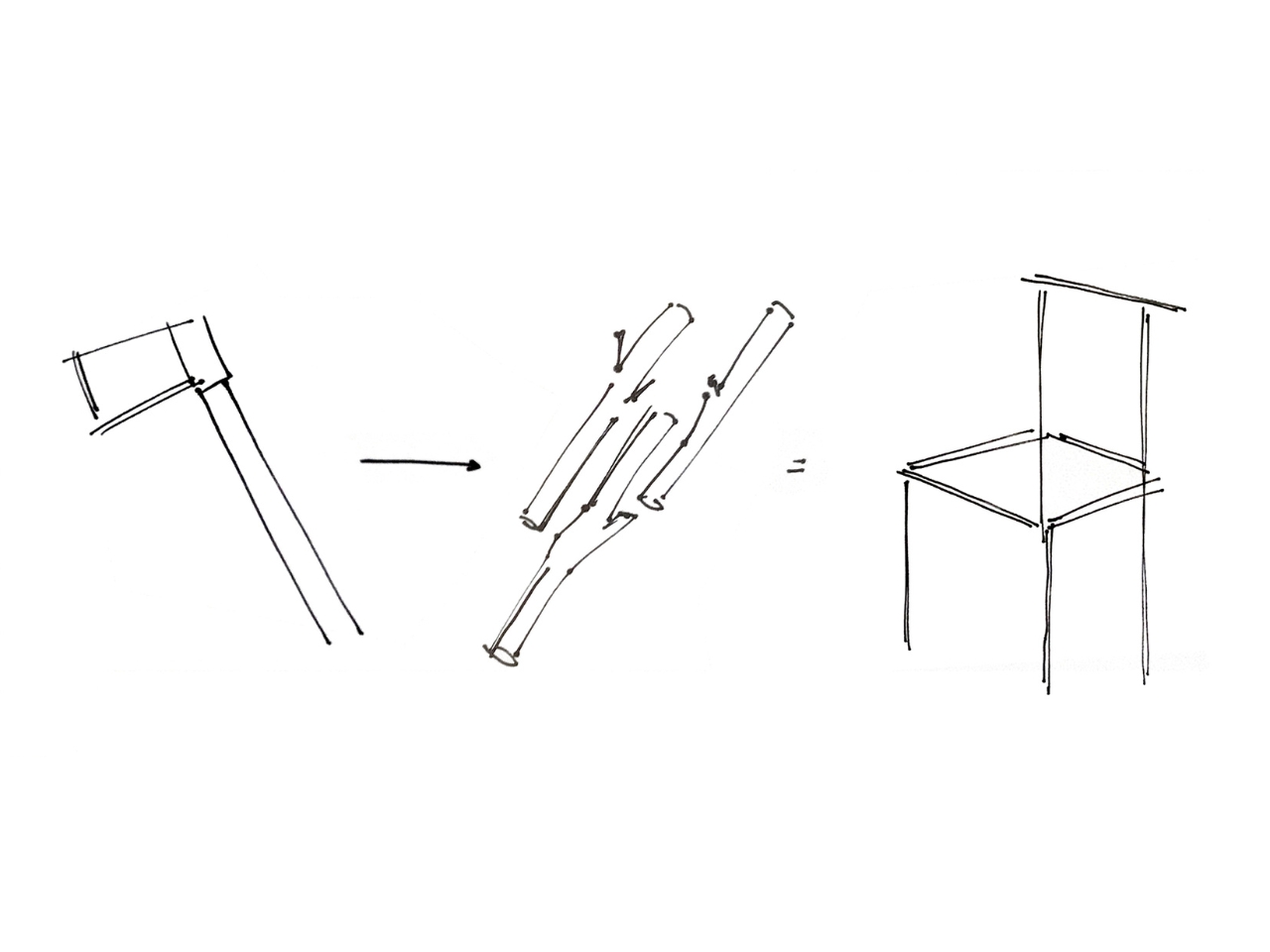
I find that genuinely refreshing. So much of contemporary design is obsessed with precision and replicability, with making sure every unit coming off a production line looks exactly like the last. That’s not inherently a flaw, but it does mean that variation gets treated as error rather than character. Omnibite inverts that logic entirely. The irregularity of a branch, its knots and curves and asymmetry, becomes part of the design language rather than something to be corrected or worked around.
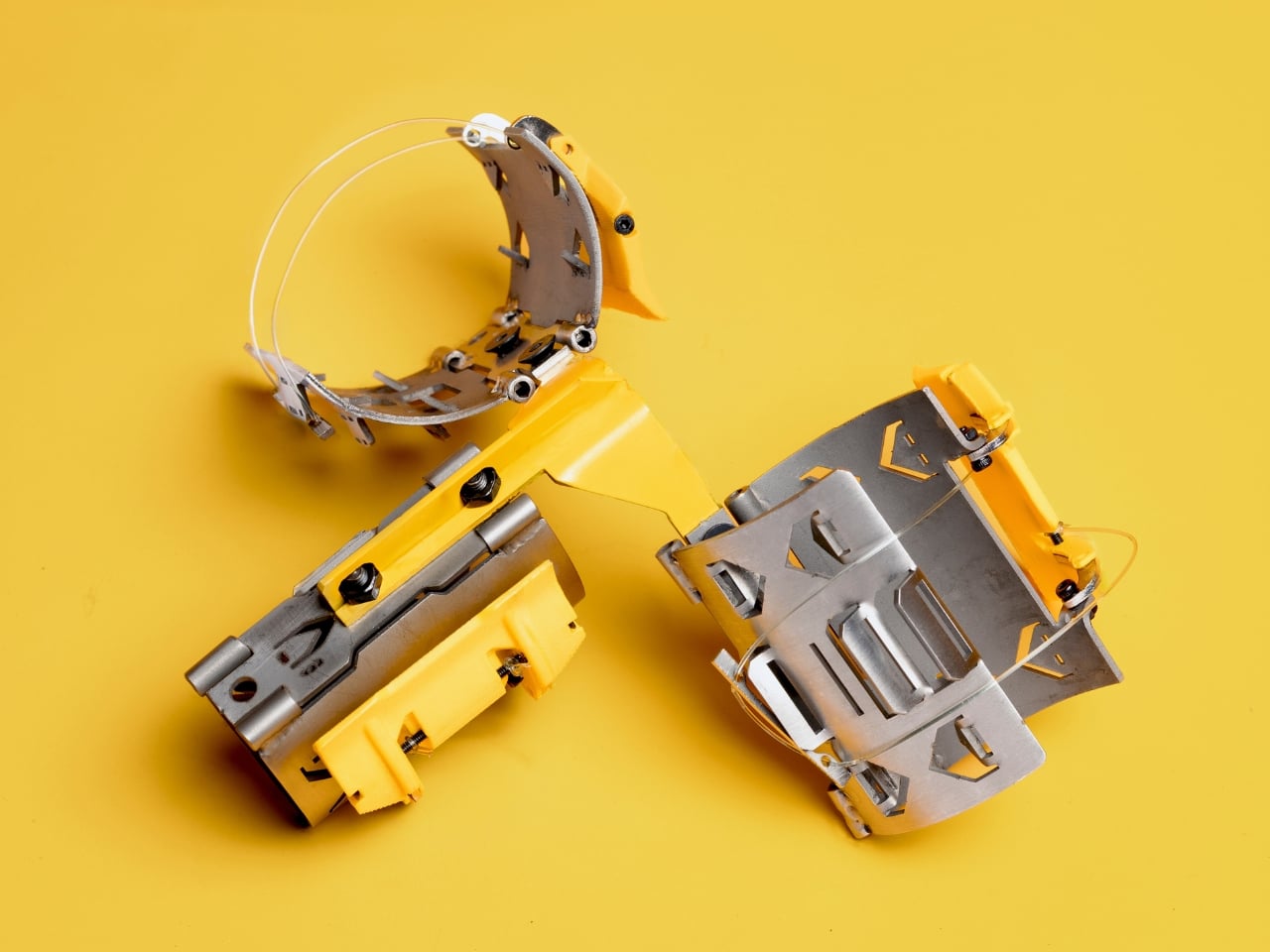
The project grew out of research into local wood species in Lombardy, with Costa and Tallone treating the surrounding landscape as both a material resource and a knowledge base. Each wood type carries its own structural properties, and understanding those properties changes how you approach selection and use. The construction process, in this framework, doesn’t begin in the workshop. It begins the moment you start looking at the trees around you with intent.
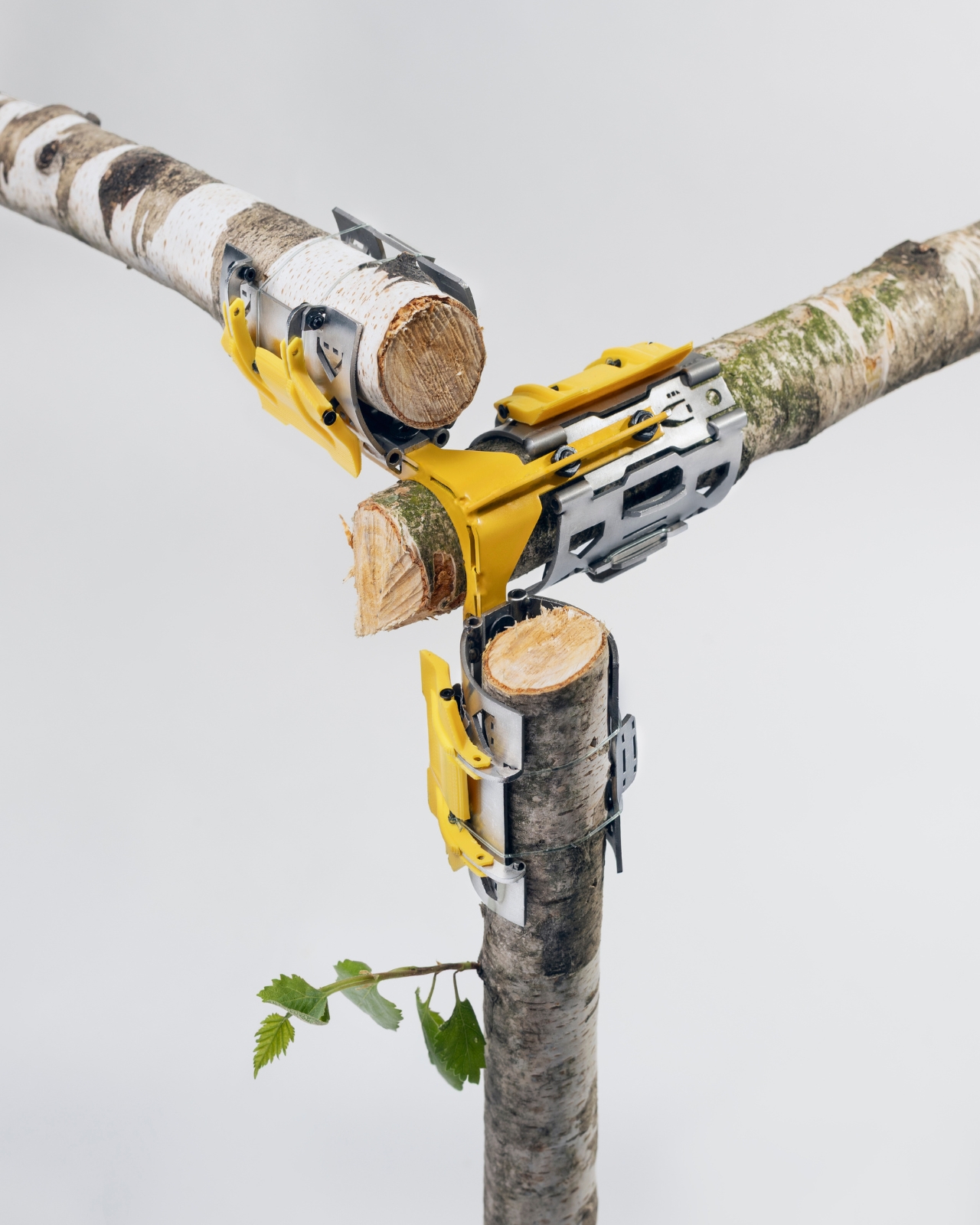
That shift in starting point is where the real design thinking lives. The joint itself is elegant and well-resolved, but the bigger idea is that Omnibite asks you to read your environment differently. A fallen branch isn’t debris. A stand of young timber isn’t scenery. It’s potential. Having a tool that lets you act on that potential, without a factory supply chain in between, changes the relationship between maker and material in a way that feels genuinely meaningful rather than just conceptually tidy.
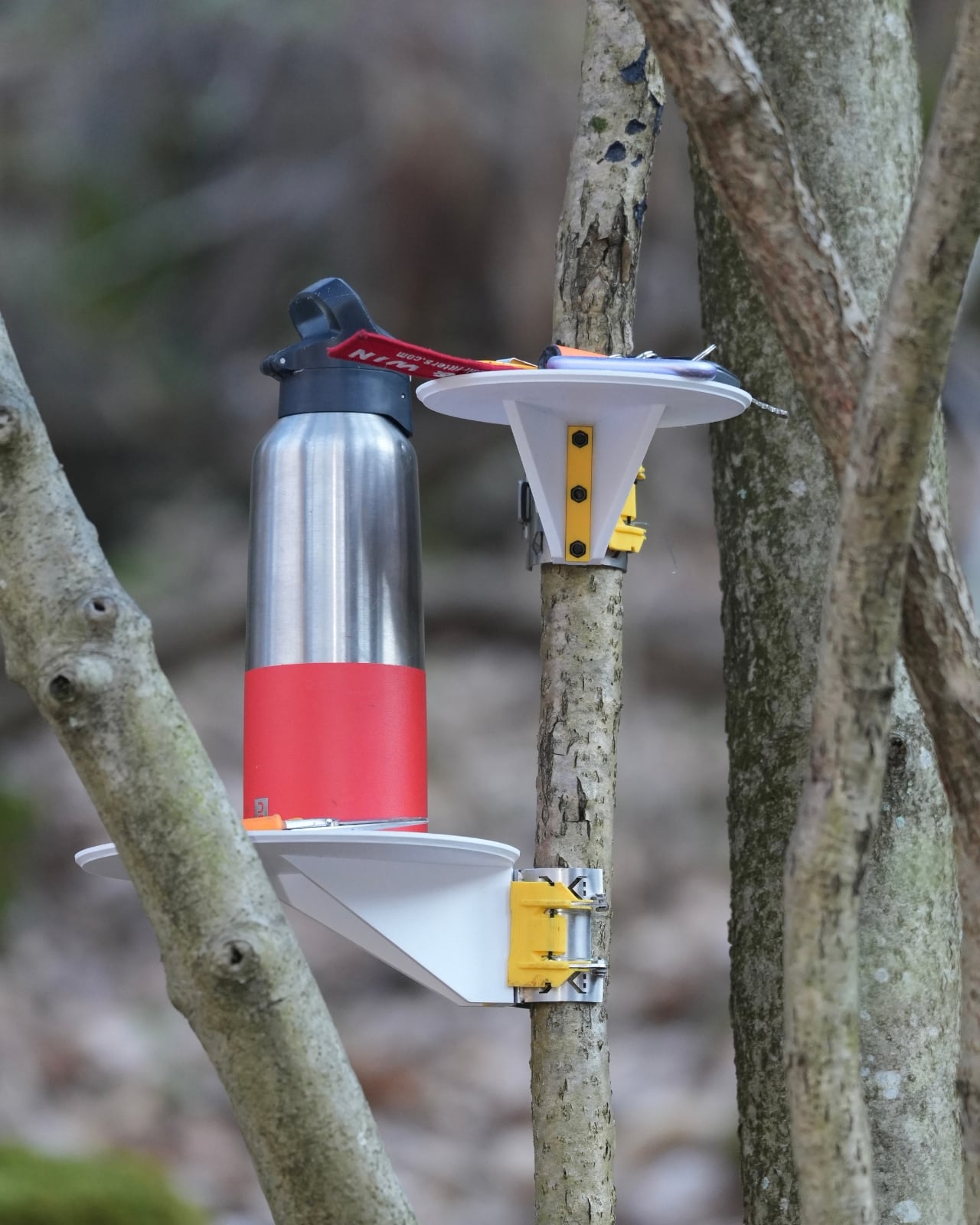
The practical applications are modest, and that’s appropriate. You can build chairs, tables, small-scale structures, the kind of things you might want to assemble in a garden or a studio and take apart later without damaging anything. Disassembly and reconfiguration are built into the system from the start, which aligns naturally with circular design principles. Nothing is wasted, nothing is permanently fixed, and the materials move on to their next life when the current structure no longer serves its purpose.
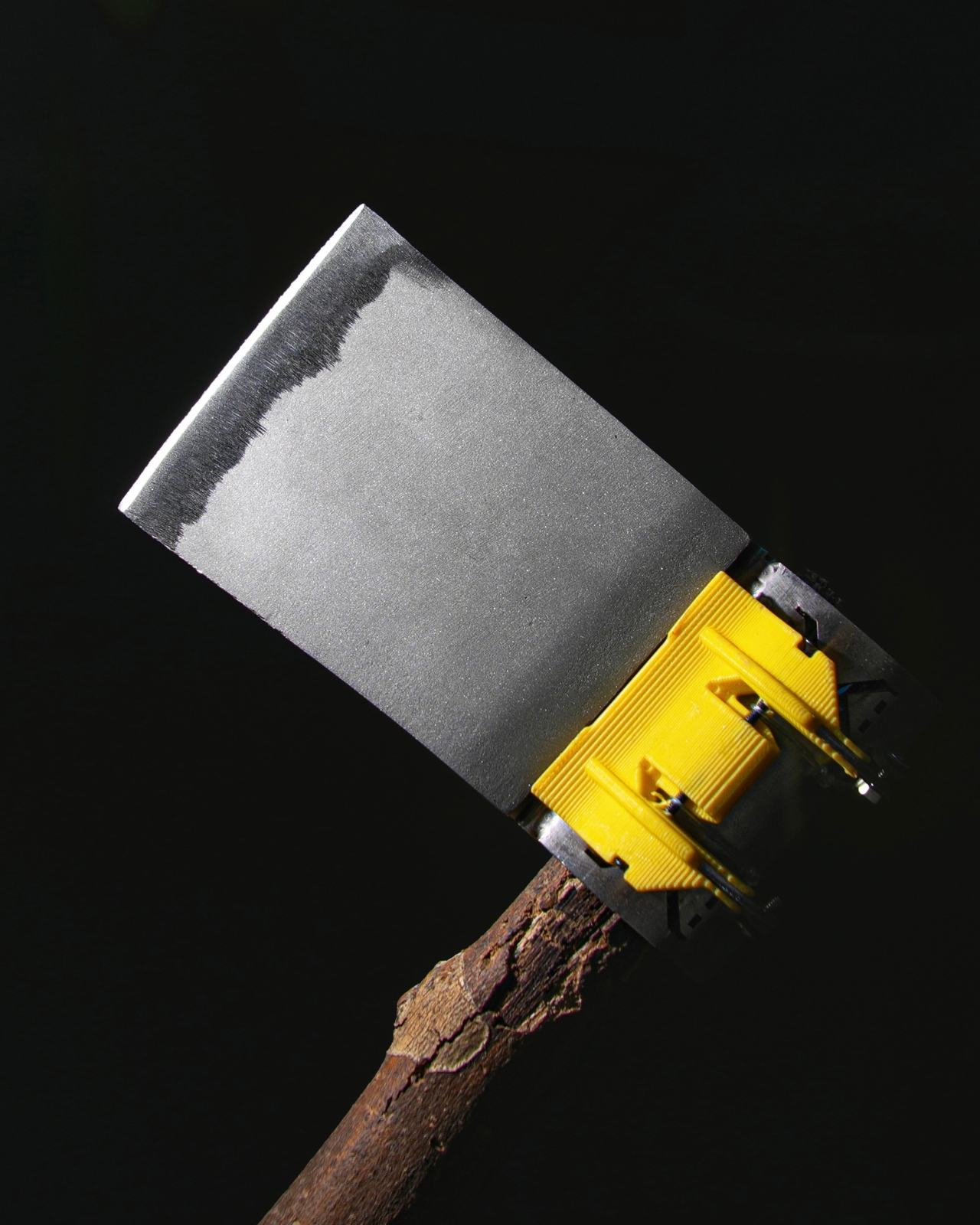
Omnibite also sits at an interesting intersection. It’s not purely furniture design, and it’s not quite architecture either. It occupies a productive space between those categories and feels more like a building philosophy given physical form through a single, precisely engineered component. A joint that doesn’t just connect things, but proposes a genuinely different way of thinking about what making something actually means.
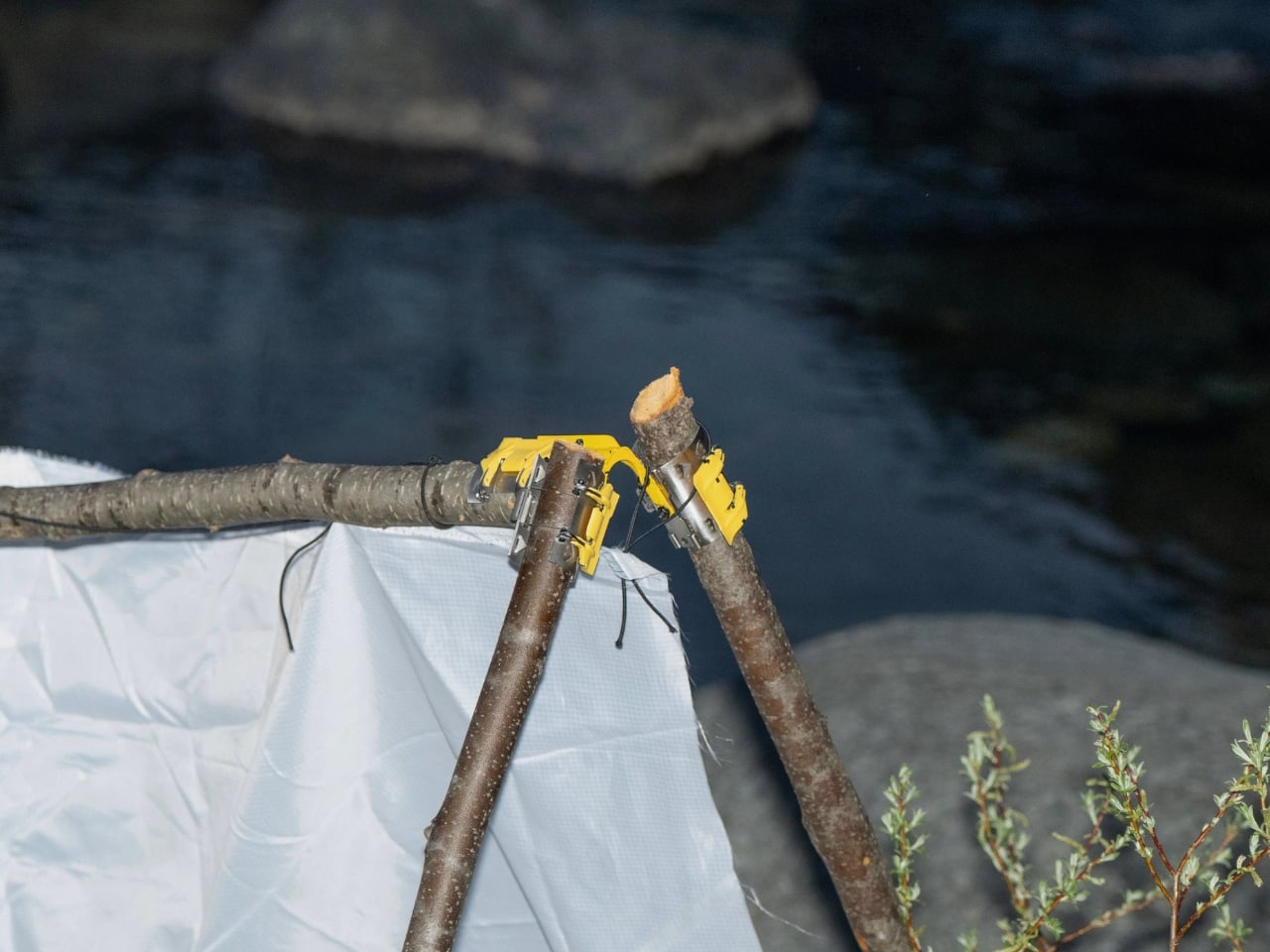
Whether this becomes a widely adopted system or stays a compelling design experiment, it points at something the field genuinely needs more of right now. Not more objects, but more frameworks. Not more finished things, but more intelligent starting points. Omnibite doesn’t hand you a product to sit on. It hands you a method to think with, a different lens for the landscape you move through every day, and a genuinely compelling reason to look up from your screen and notice what’s already there.