Everyone has a drawer somewhere with a dead BlackBerry sitting at the bottom of it, wedged between a tangle of old chargers and a phone you swore you’d sell on eBay someday. Most of those BlackBerrys are never coming back to life, the batteries swollen and the software hopelessly outdated, fit only for nostalgia and the occasional TikTok unboxing. One Reddit user looked at that drawer of dead phones and saw raw material instead of trash. Rather than reviving an old BlackBerry as a phone, they ripped out just the keyboard and gave it an entirely new life and purpose. What came out the other end looks like a BlackBerry, types like a BlackBerry, and yet runs on hardware that has nothing to do with phones at all.
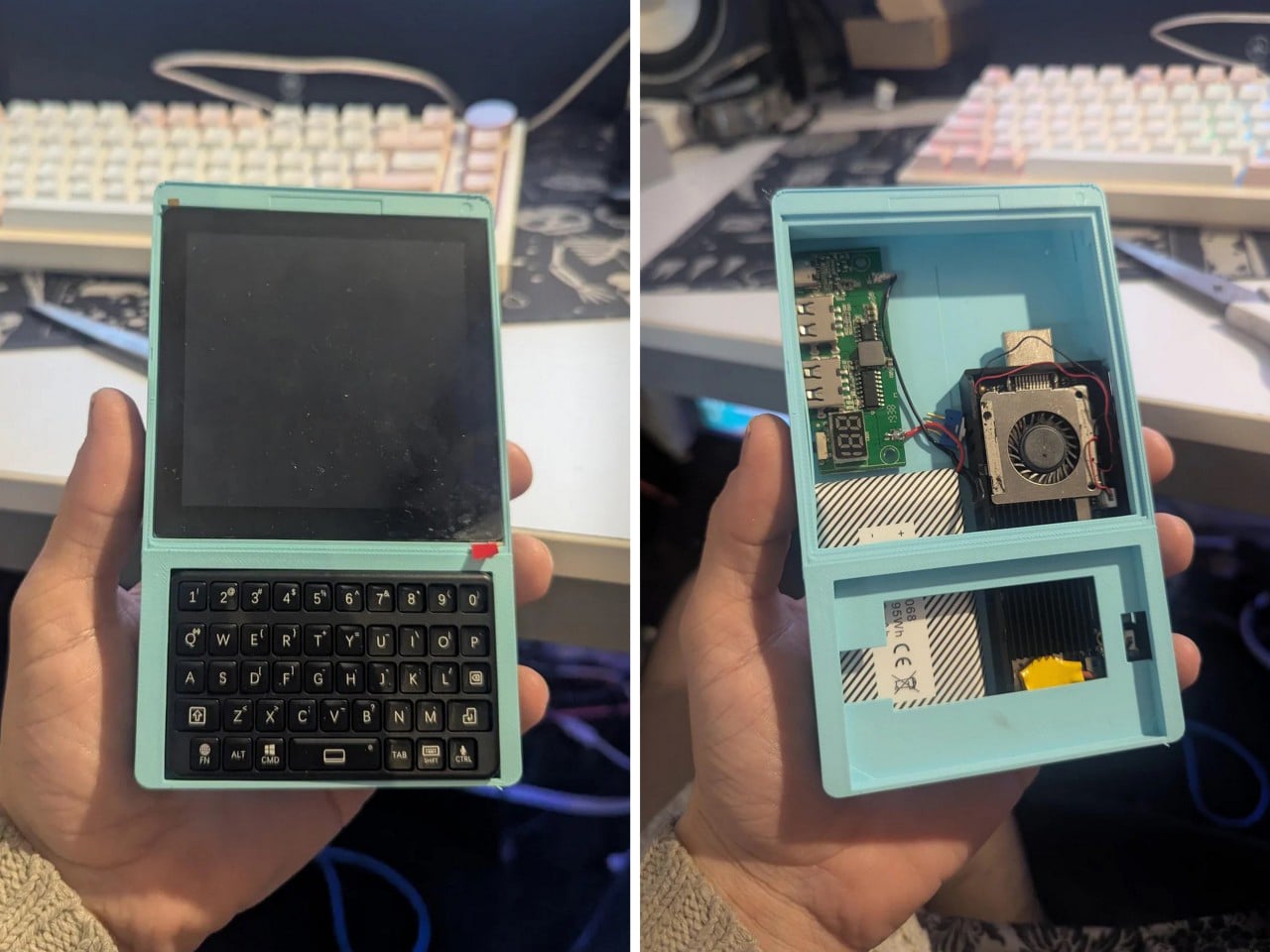
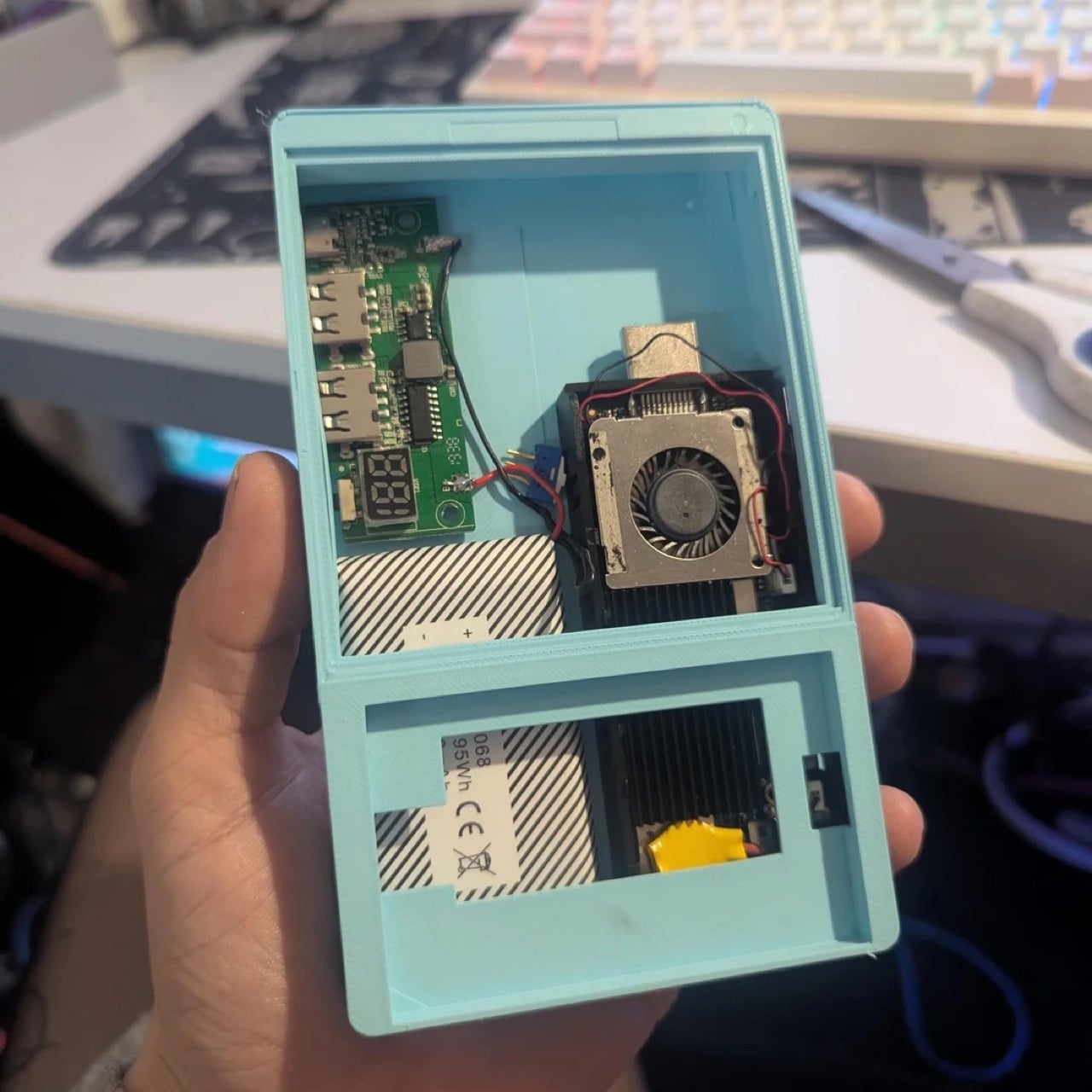
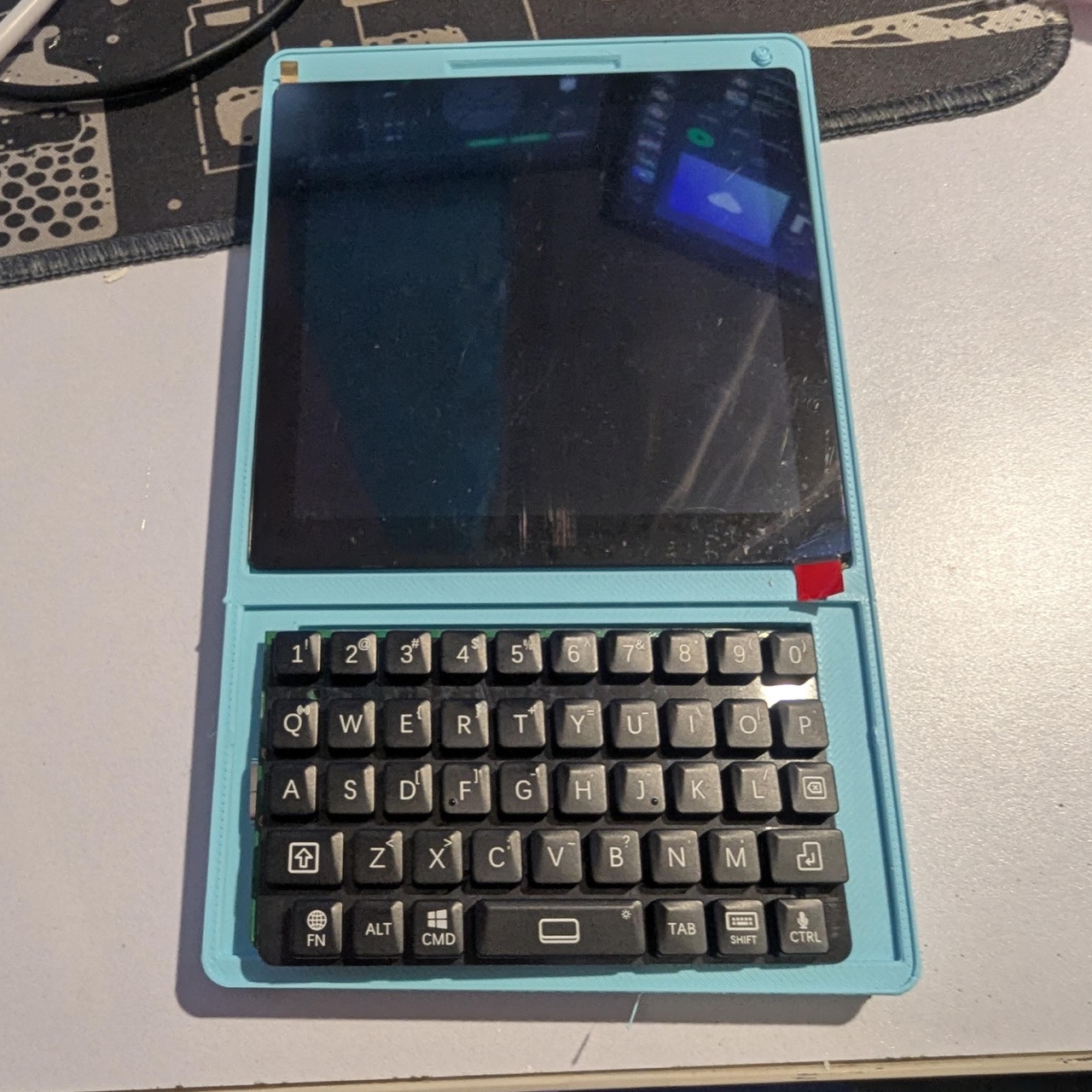
The build, posted by a Redditor going by thetechdoc, is currently named the blackberry cyberdeck while the comments section argues over something catchier. In place of a BlackBerry’s actual phone parts, the keyboard now sits on top of a tiny stick computer, the same kind of gadget people used to plug into a TV’s HDMI port to stream movies. It runs on a homemade power setup too, combining a charging circuit pulled from a phone charger with a battery salvaged from an old Android handheld, enough for about six hours of video so far. Everything is wrapped in a 3D printed shell that’s currently mint green, with a matte black version planned once the fit is finalized. There’s even talk of giving away the design for free, so anyone with a 3D printer and a soldering iron could build their own slice of BlackBerry nostalgia.
Designer: thetechdoc
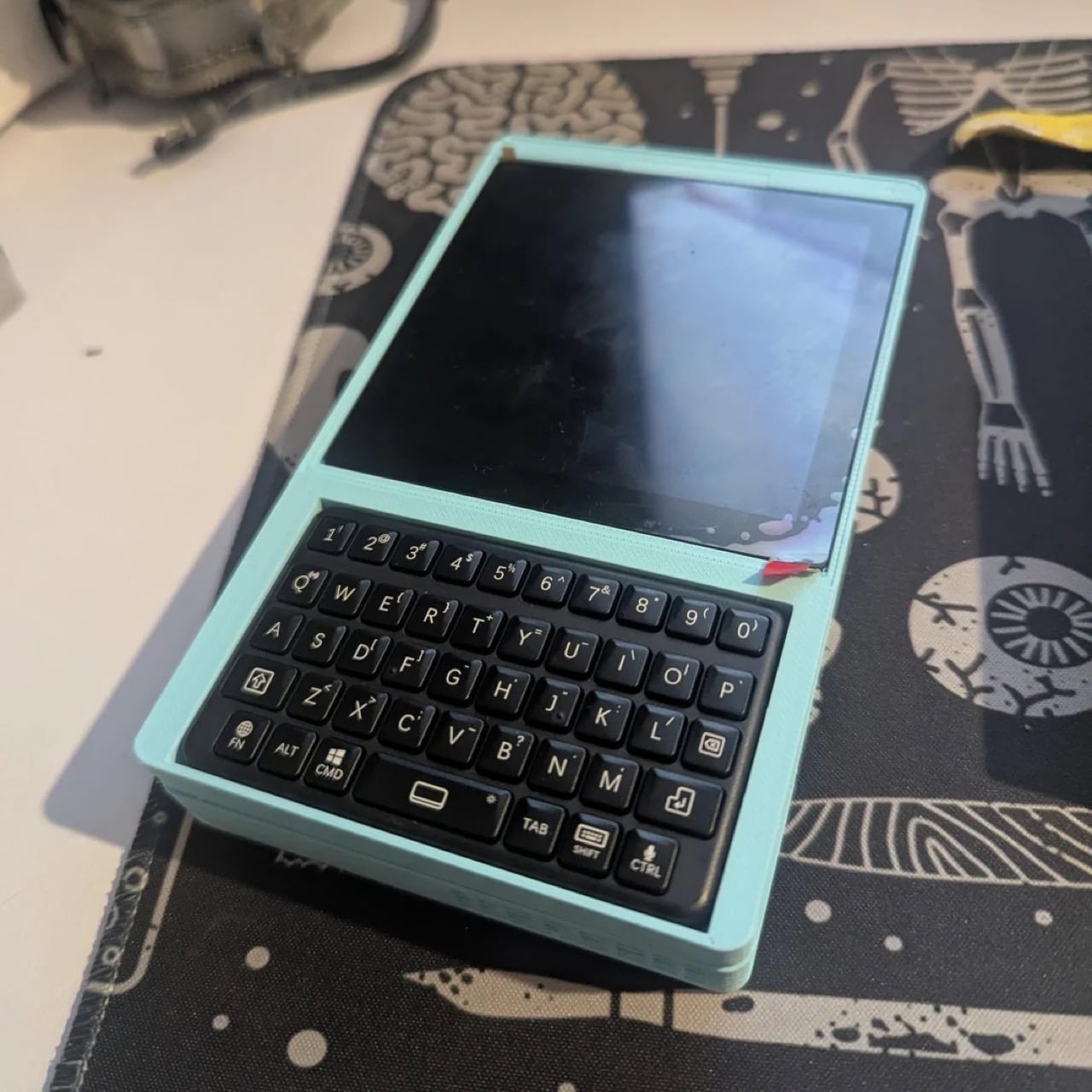
BlackBerry’s keyboards were built for thumbs, with a slight curve on each key that helps you find letters without looking down. That shape is exactly why this build works, since the keys were already sized for something this small. We’ve covered cases like Clicks that bolt a similar keyboard onto an iPhone, though the phone grows noticeably longer to make room. This build skips that tradeoff by ditching the smartphone entirely and building a new device around just the keyboard. The footprint stays close to the keyboard’s own size, with a small screen stacked directly above it.
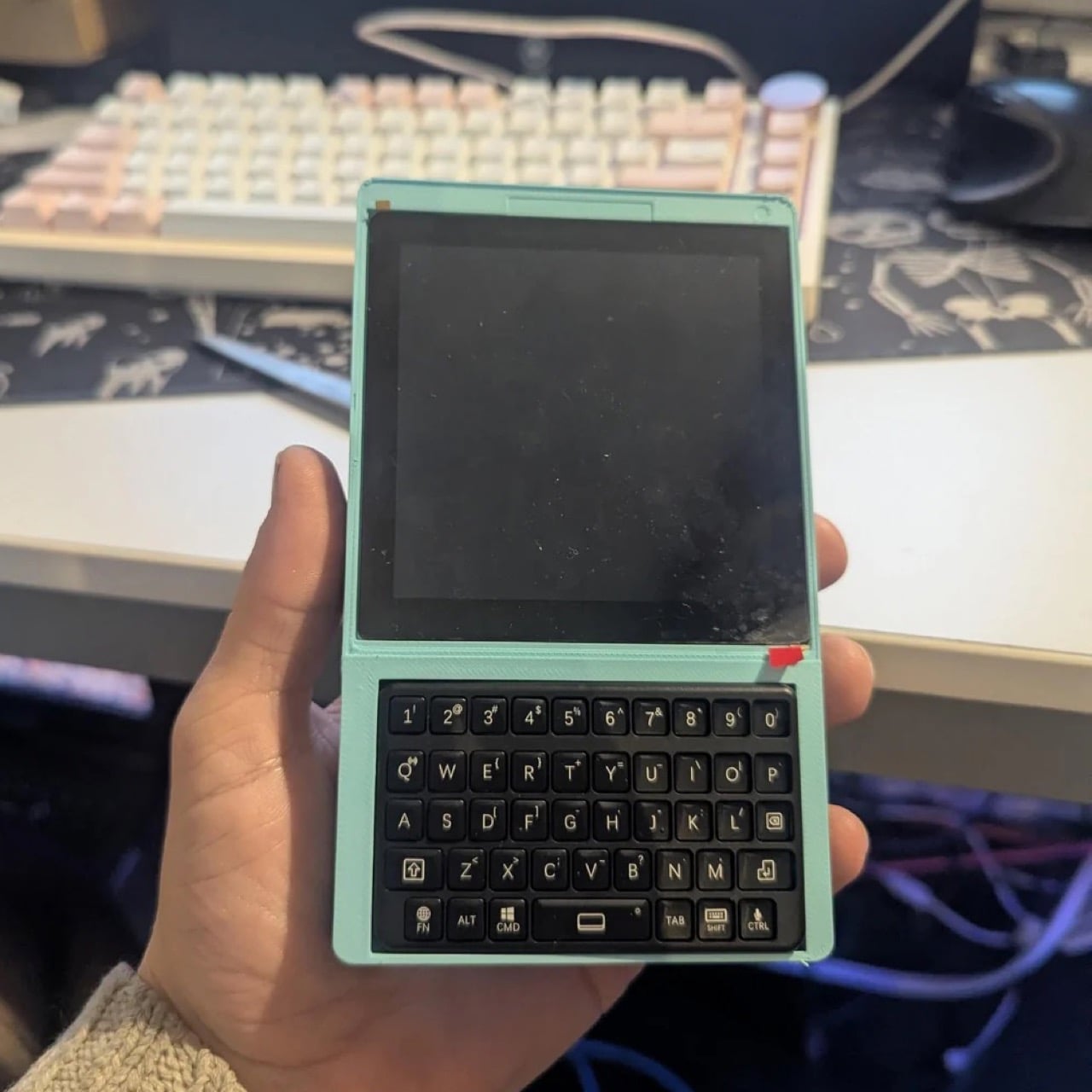
The project started as an attempt to retire an aging Palm Tx PDA, mainly for reliable alarms and a calendar. Small Android powered boards turned out to be a dead end, since none of them could properly sleep and wake. A rumored Palm OS port for the tiny Pi Pico chip also came up empty, with no public files anywhere. The fix ended up being an old Intel Compute Stick, a mini PC once meant for the back of a TV. It already has a working power button for sleep and wake, solving the one problem that kept derailing earlier attempts.
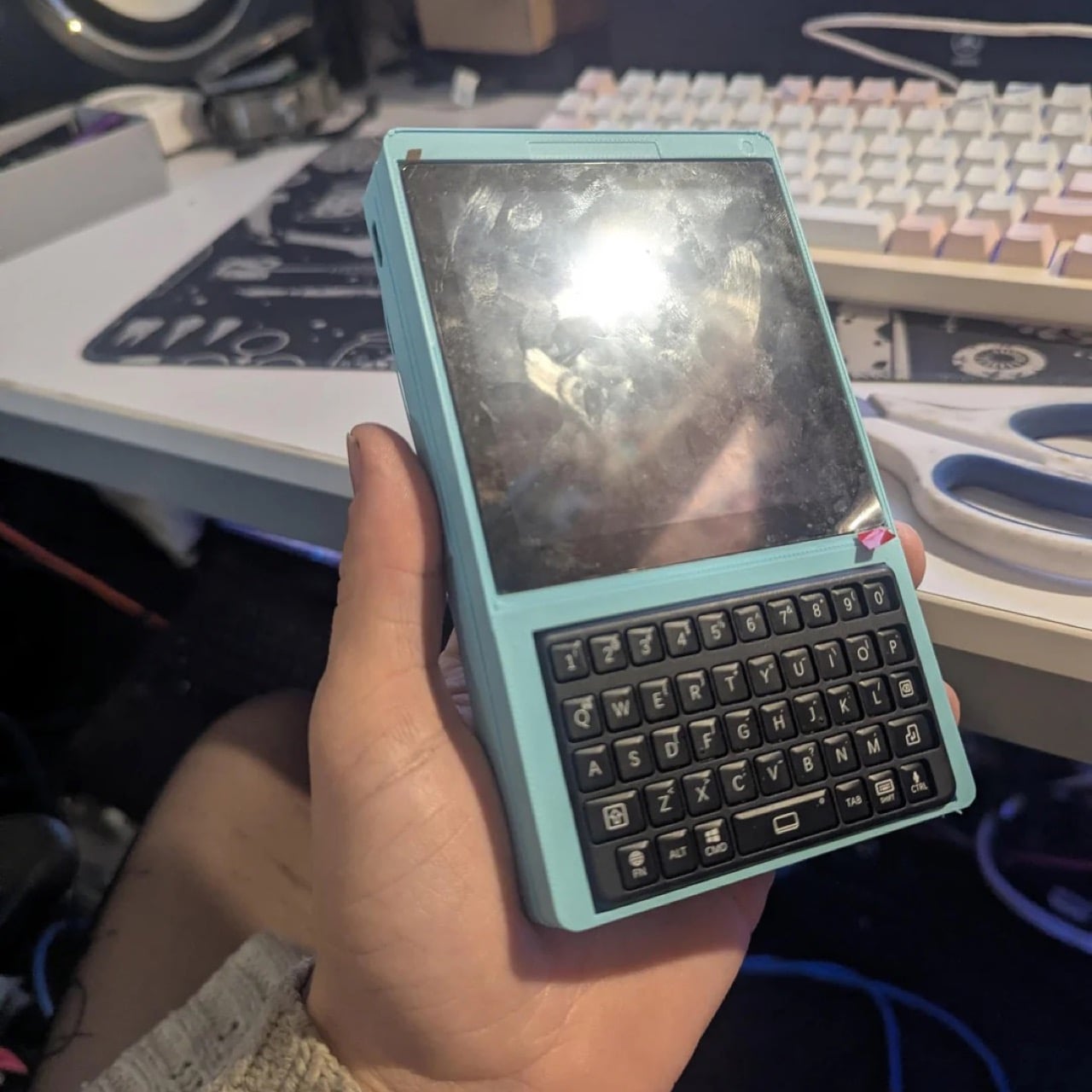
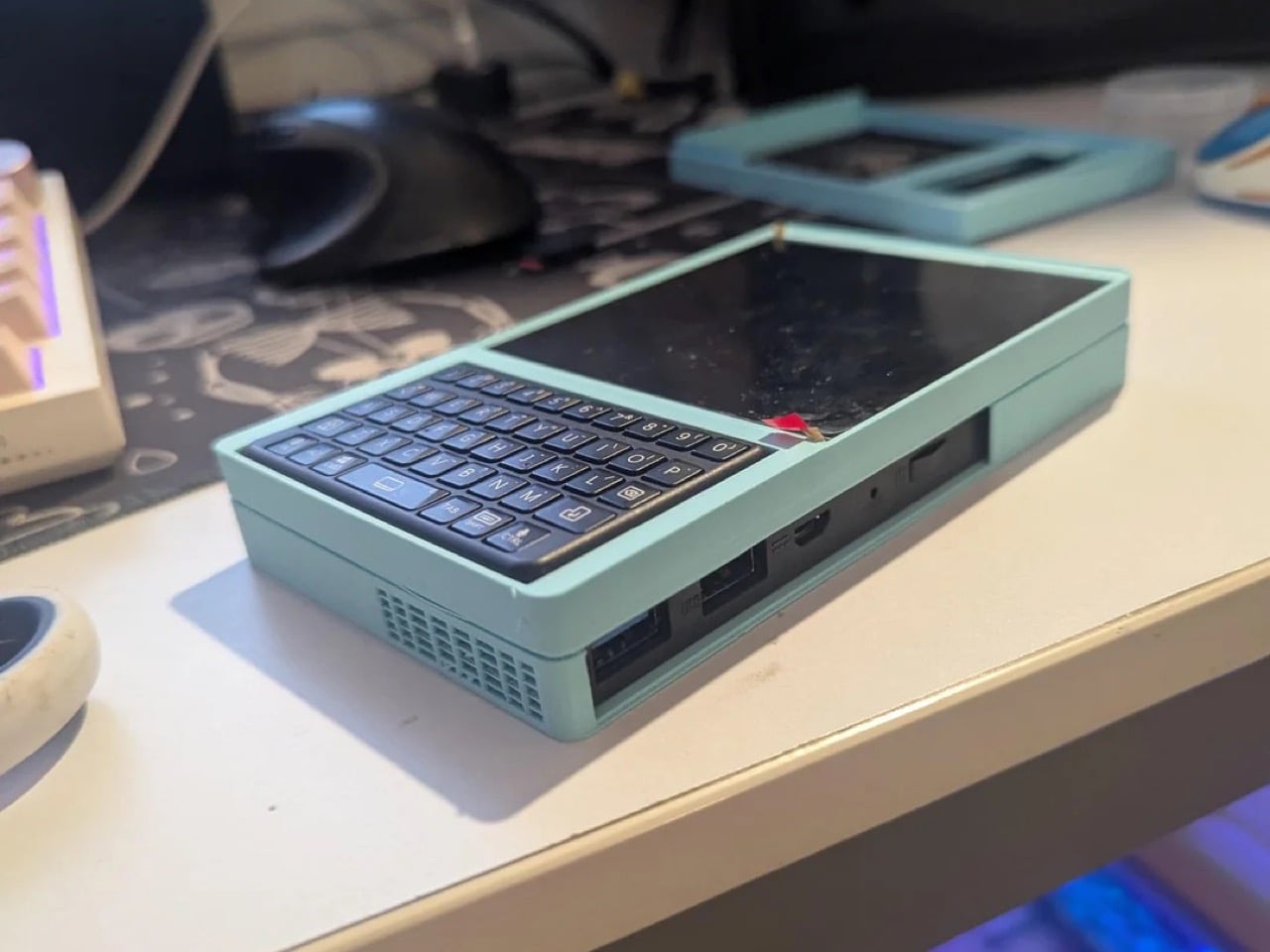
Crack the case open and it looks more like a tiny power station than a phone, with a charging board salvaged from a portable charger. A battery pulled from an old Android handheld powers it all, good for around six hours of video so far. A pair of USB ports and an HDMI output line the edge of the case for accessories or a monitor. Even the name is still up for grabs, with suggestions ranging from Deckberry to the slightly unfortunate Dickberry. Color is just as undecided, with the mint green prototype splitting opinion against the matte black finish planned for later.
What you can actually do with it once it’s finished is the more interesting question, since the x86 chip allows a real desktop operating system instead of the cut down mobile interfaces most pocket computers settle for. thetechdoc plans to run CentOS or Fedora as the main system, with an Android x86 build available as a secondary option for app heavy tasks. That means actual desktop software runs natively, browsers, terminal access, file managers, even basic coding tools, rather than a locked down phone interface pretending to be a computer. The original PDA goal of alarms and a calendar still works fine, but now it sits alongside the ability to SSH into a server, edit a document, or use the whole thing as a tiny desktop once it’s plugged into a monitor. What it adds up to is a genuinely useful pocket sized Linux machine that happens to type like a BlackBerry.
thetechdoc has floated releasing the design files for free, undercutting paid BlackBerry keyboard decks like the HackberryPi that sell for around $90 to $125 USD. All it would cost anyone else is a 3D printer, a soldering iron, and some patience. If the final version works, BlackBerry diehards finally have a good reason to dig that old keyboard muscle memory back out of storage.
SHARE