The Raspberry Pi Compute Module has always been more useful as a component than as a standalone board. Stripped of the standard ports that make the full-size Pi easy to reach, the CM5 was designed to disappear into purpose-built hardware, doing exactly what a system needs it to do in exactly the space available. That modularity invites projects, and Pi handheld computers have been a natural expression of it for years. Most of them never quite cross the line from capable experiment to genuinely polished device.
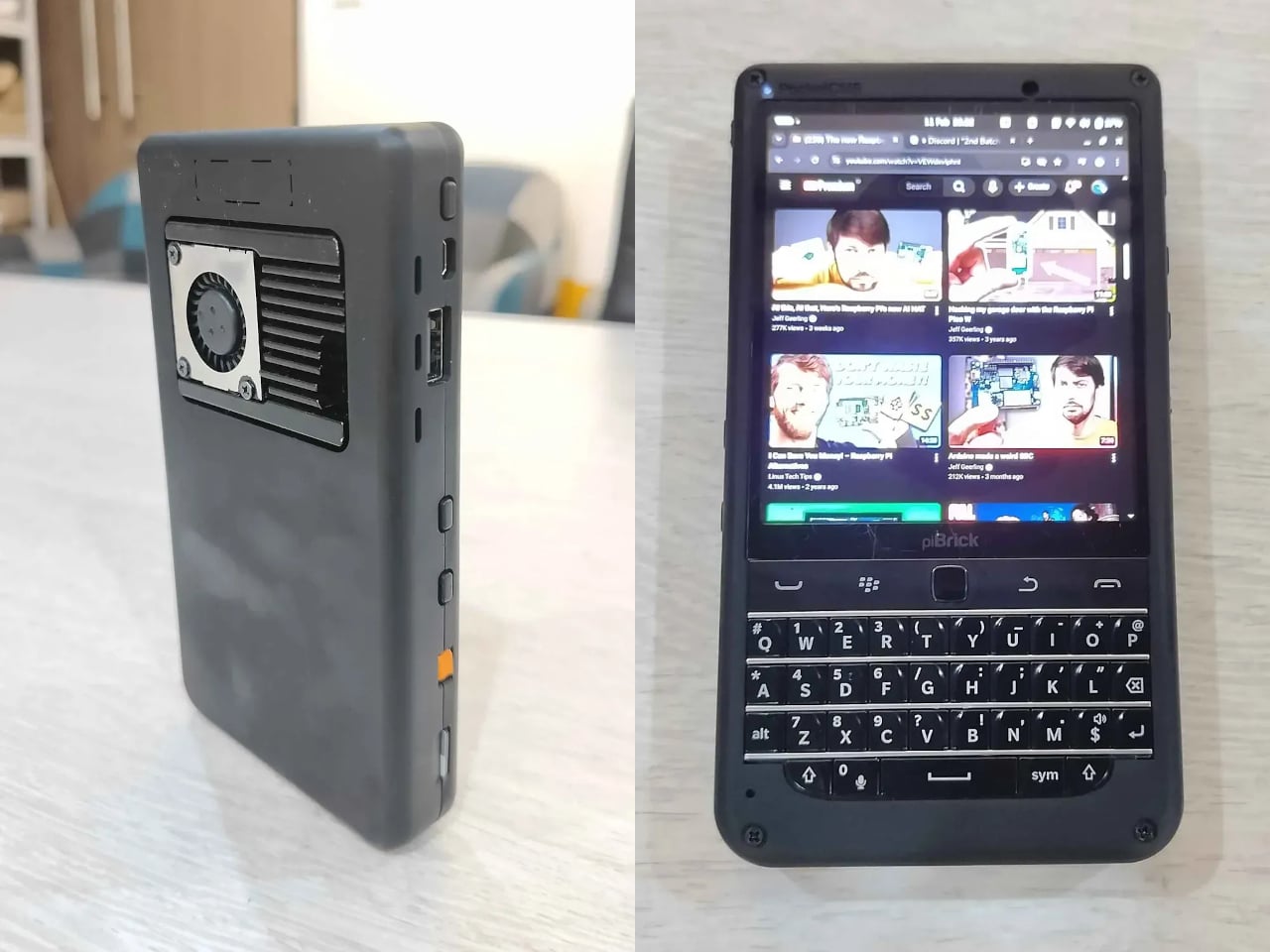
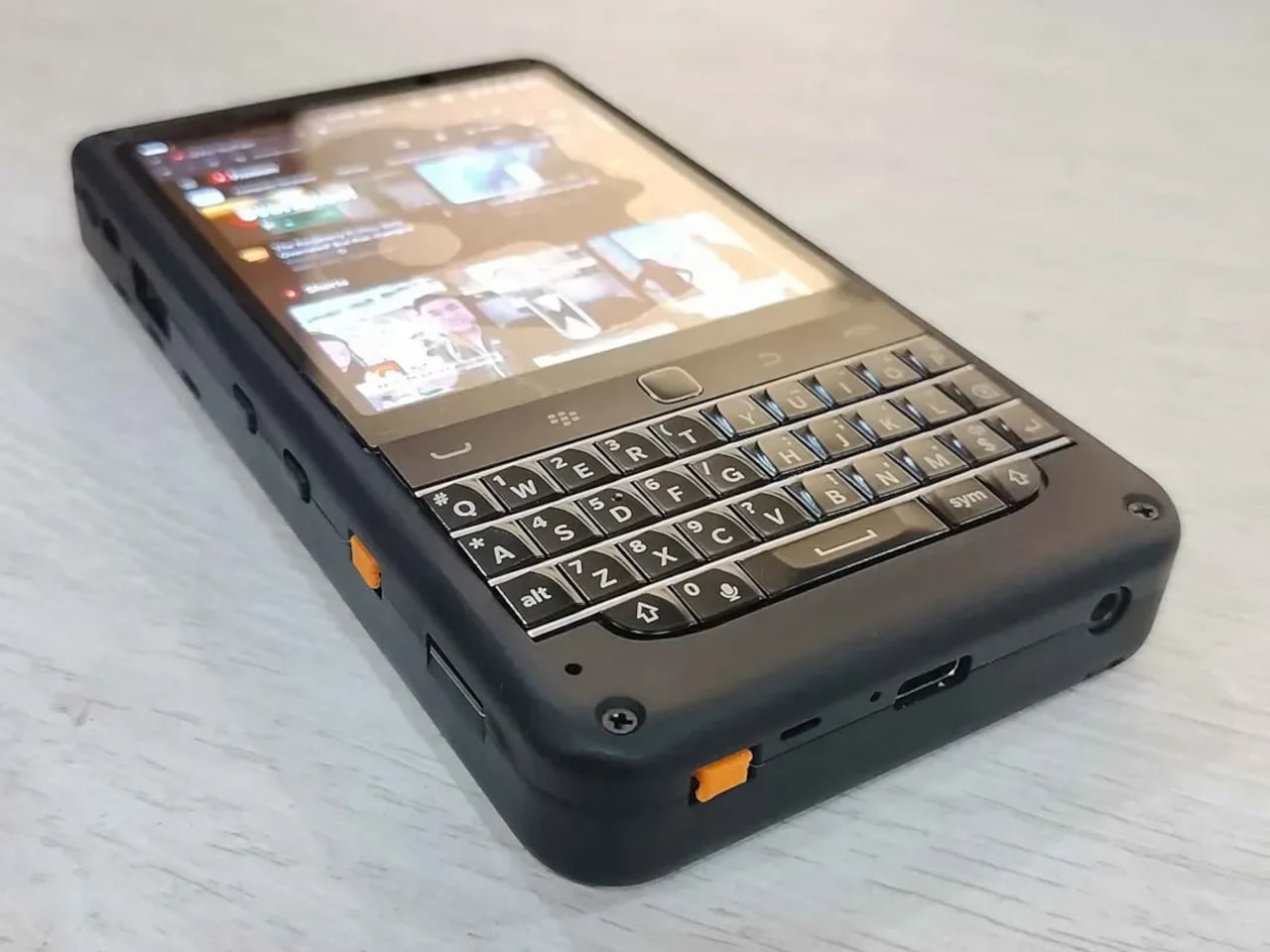
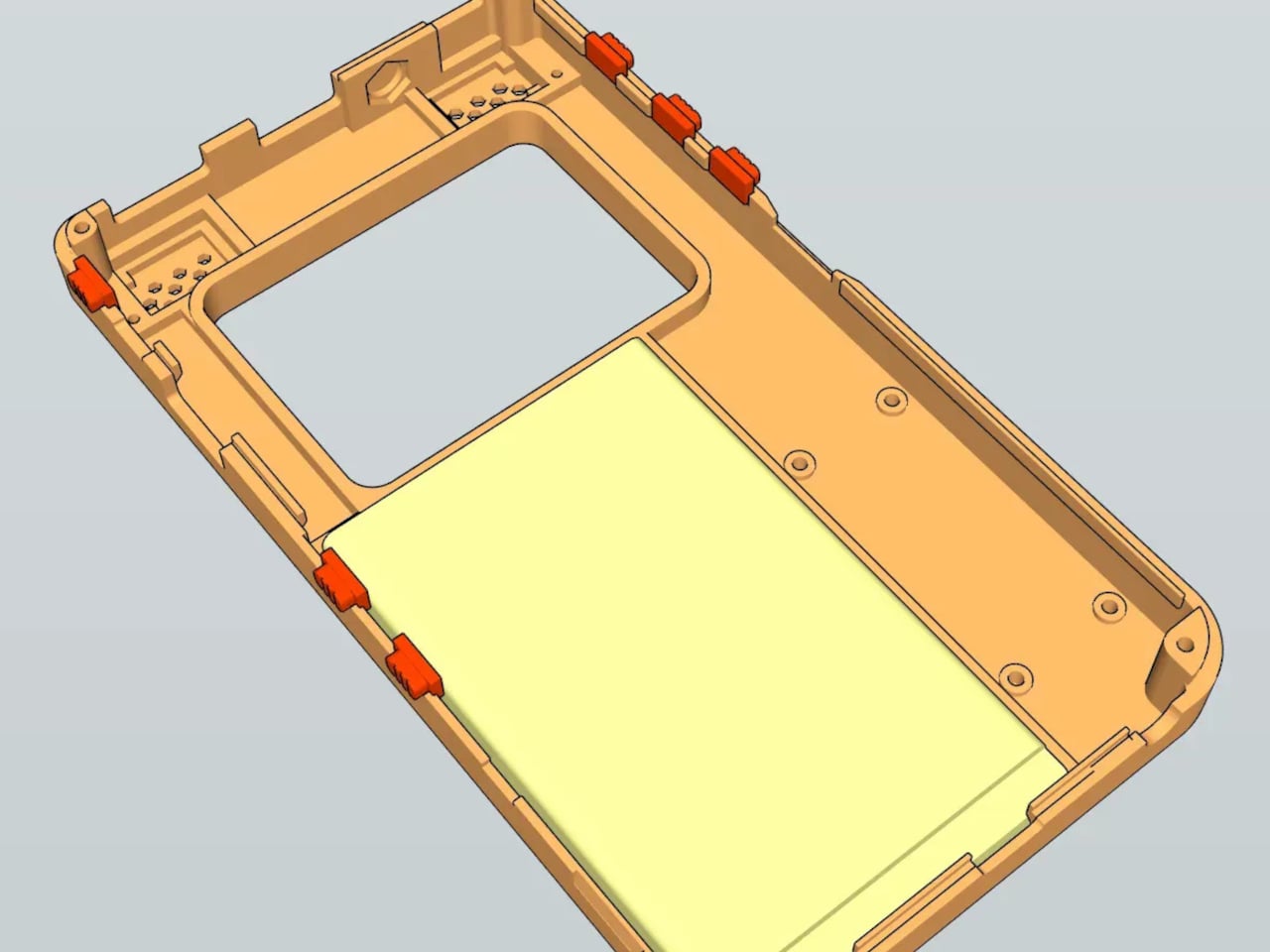
The piBrick Pocket-CM5 is an open-source hardware project that comes significantly closer than most. Built from a custom PCB designed for manufacturing at JLCPCB, a 3D-printed shell, and a parts list that totals around $172, it lands at smartphone proportions, 80mm x 145mm x 19.6mm, with the kind of feature density that makes it credible as a daily carry tool rather than a desk ornament.
Designer: Ahmad Amarullah
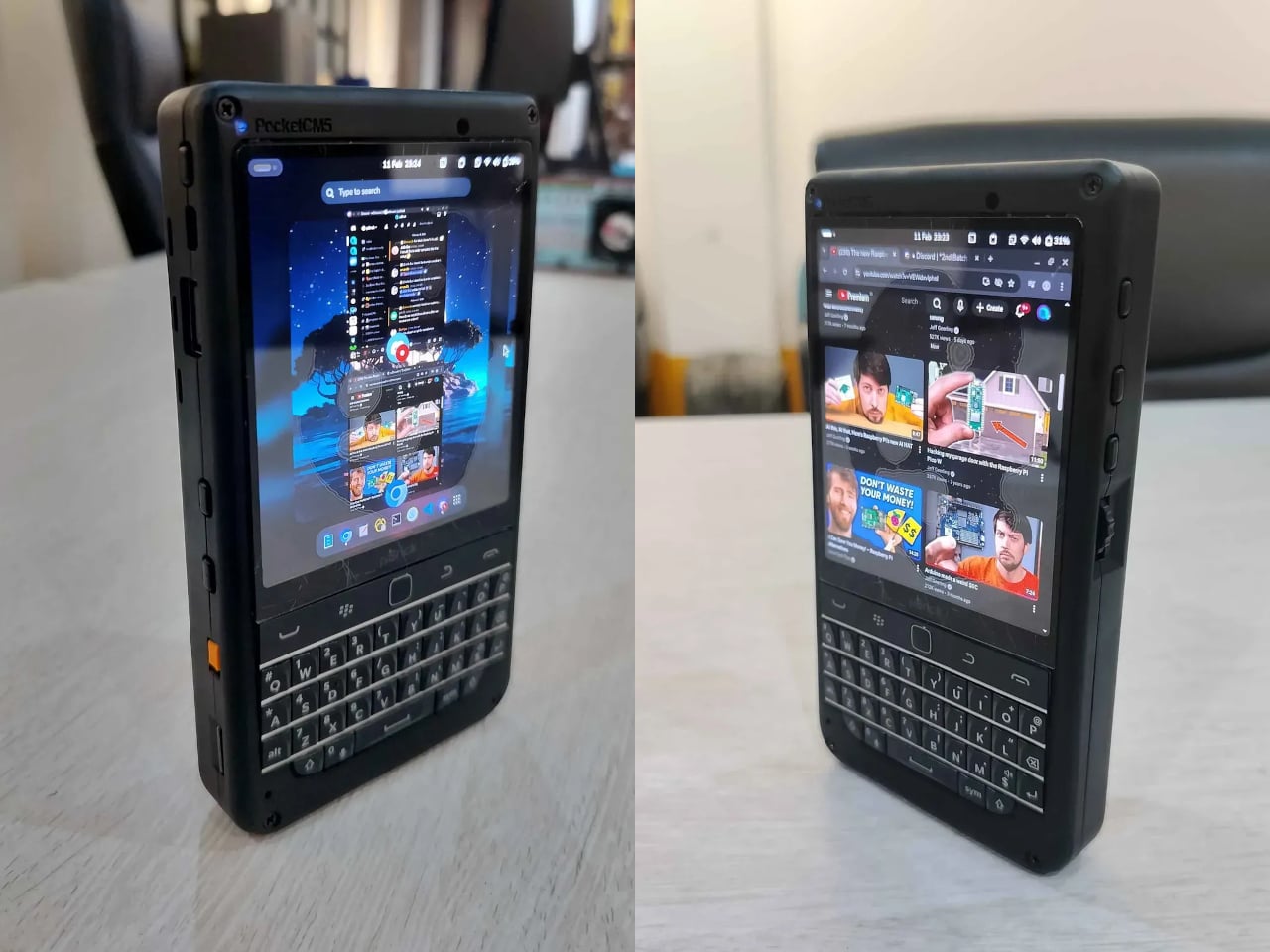
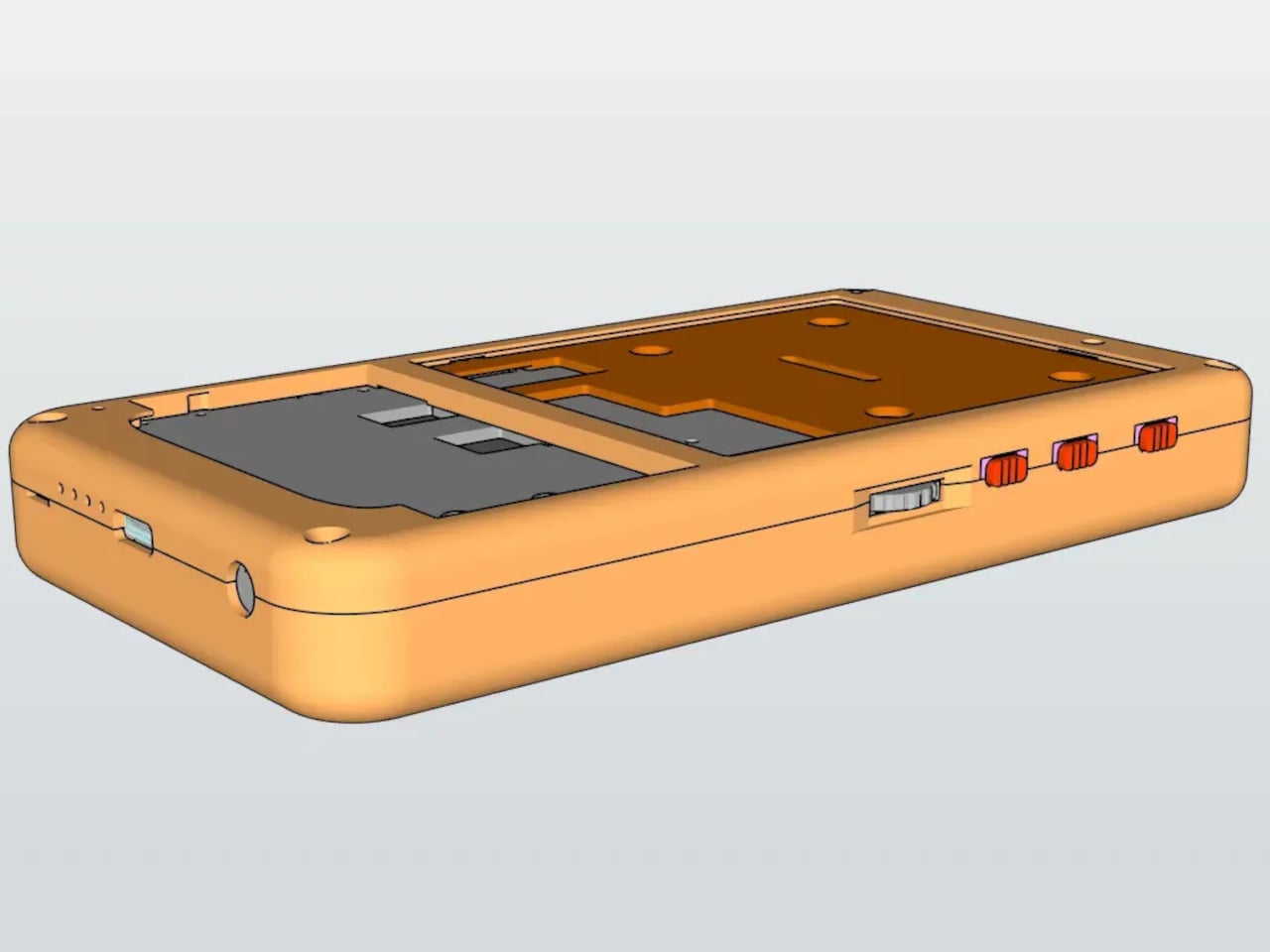
The display is a 3.92-inch AMOLED panel running at 1080 × 1240 pixels and 90Hz, with 560 nits of brightness and capacitive multitouch for up to five fingers. A custom Asahi Tempered Glass cover sits over the top, which is the kind of detail that separates a considered design from a prototype that happens to work. Full-size and micro-HDMI outputs mean the same device can drive an external display, when a keyboard and mouse are more useful than a pocket-sized one.
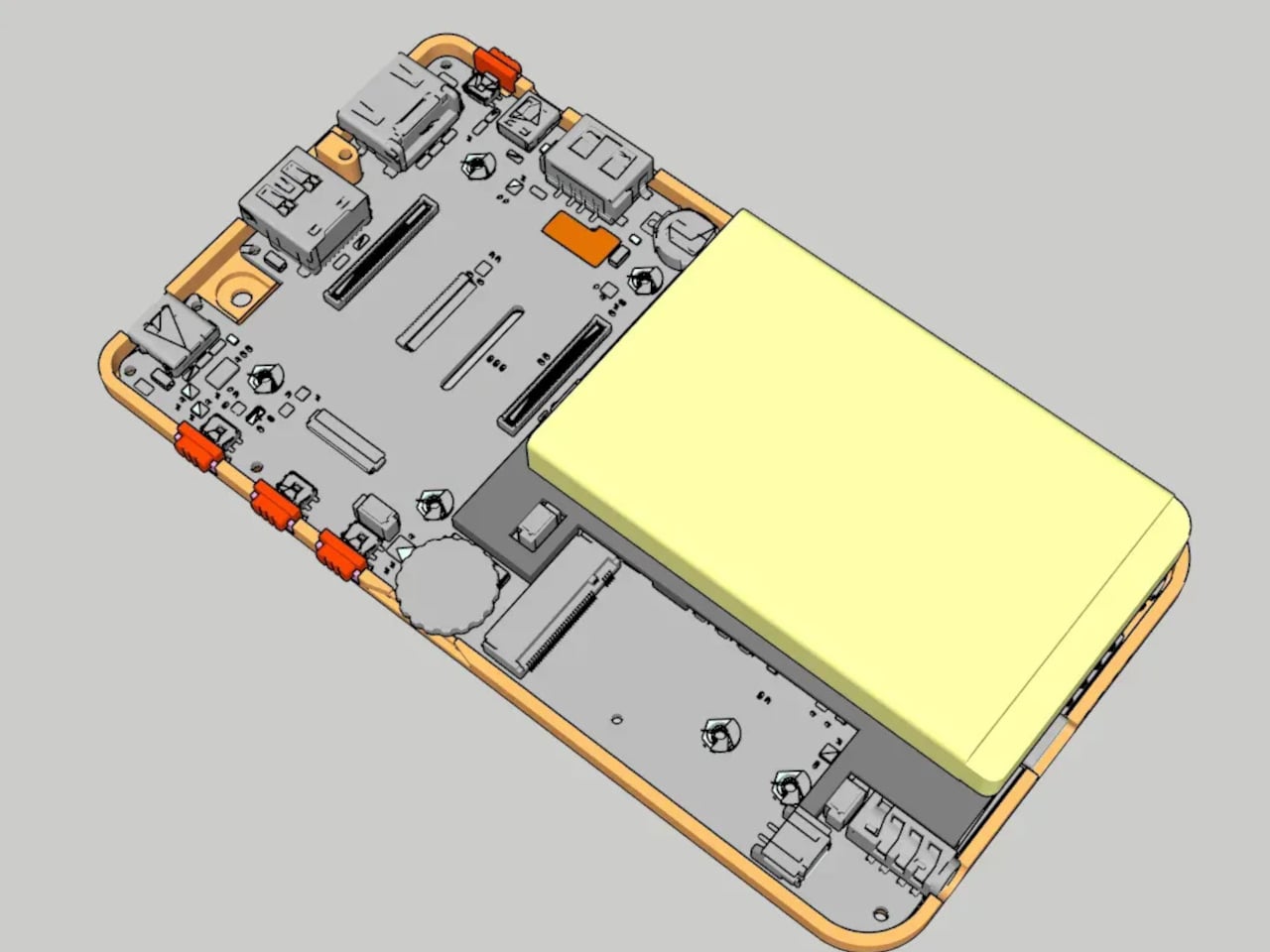
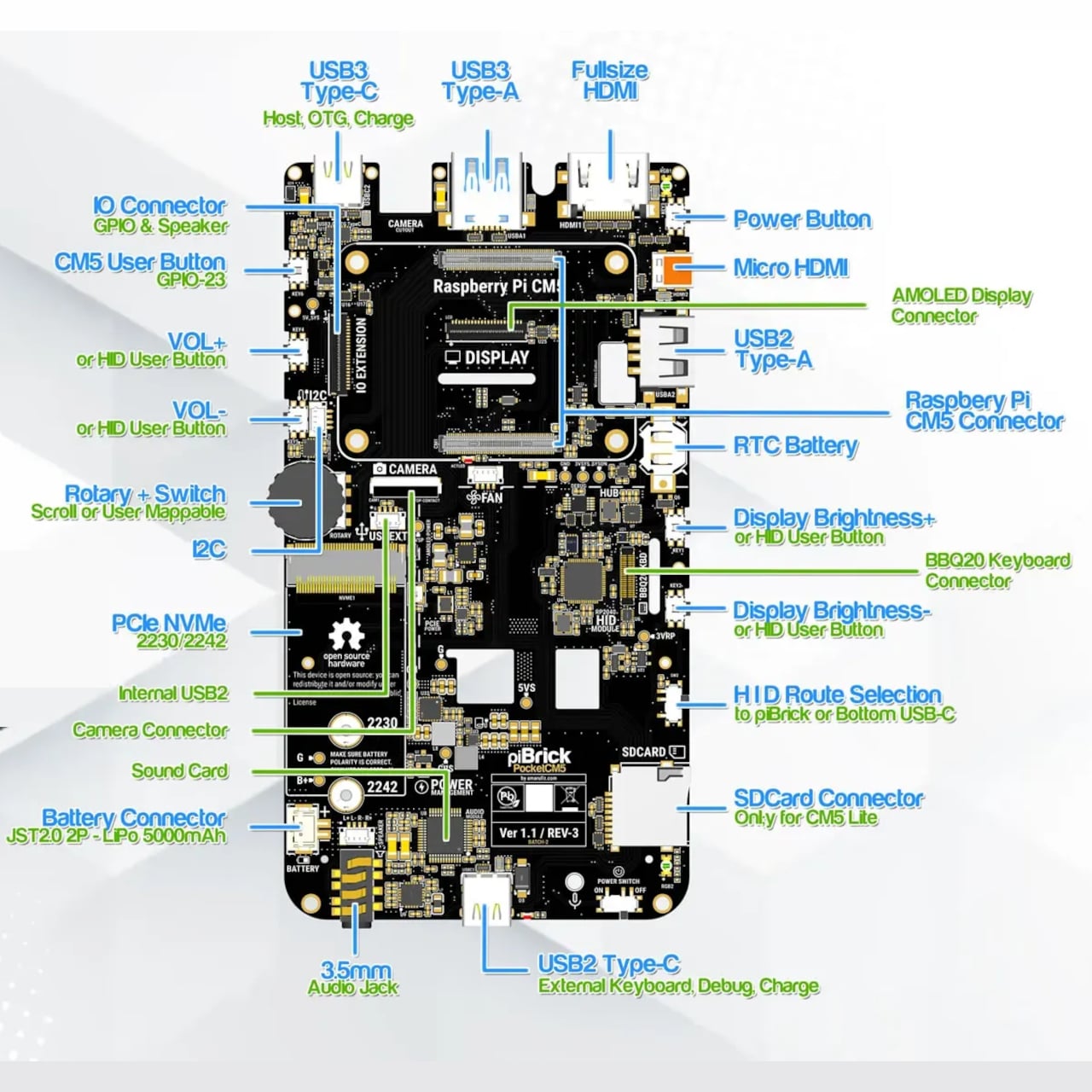
That keyboard is a BBQ20, a compact QWERTY design with an integrated trackpad derived from the BlackBerry layout. Side rotary encoders and five user-programmable buttons extend the input options beyond a standard phone form factor, giving the device a tactile depth that touchscreen-only handhelds don’t have. The battery is a 5,000mAh LiPo, and the USB port set covers both USB 3 and USB 2 in Type-A and Type-C configurations, plus an internal expansion header for add-on modules.
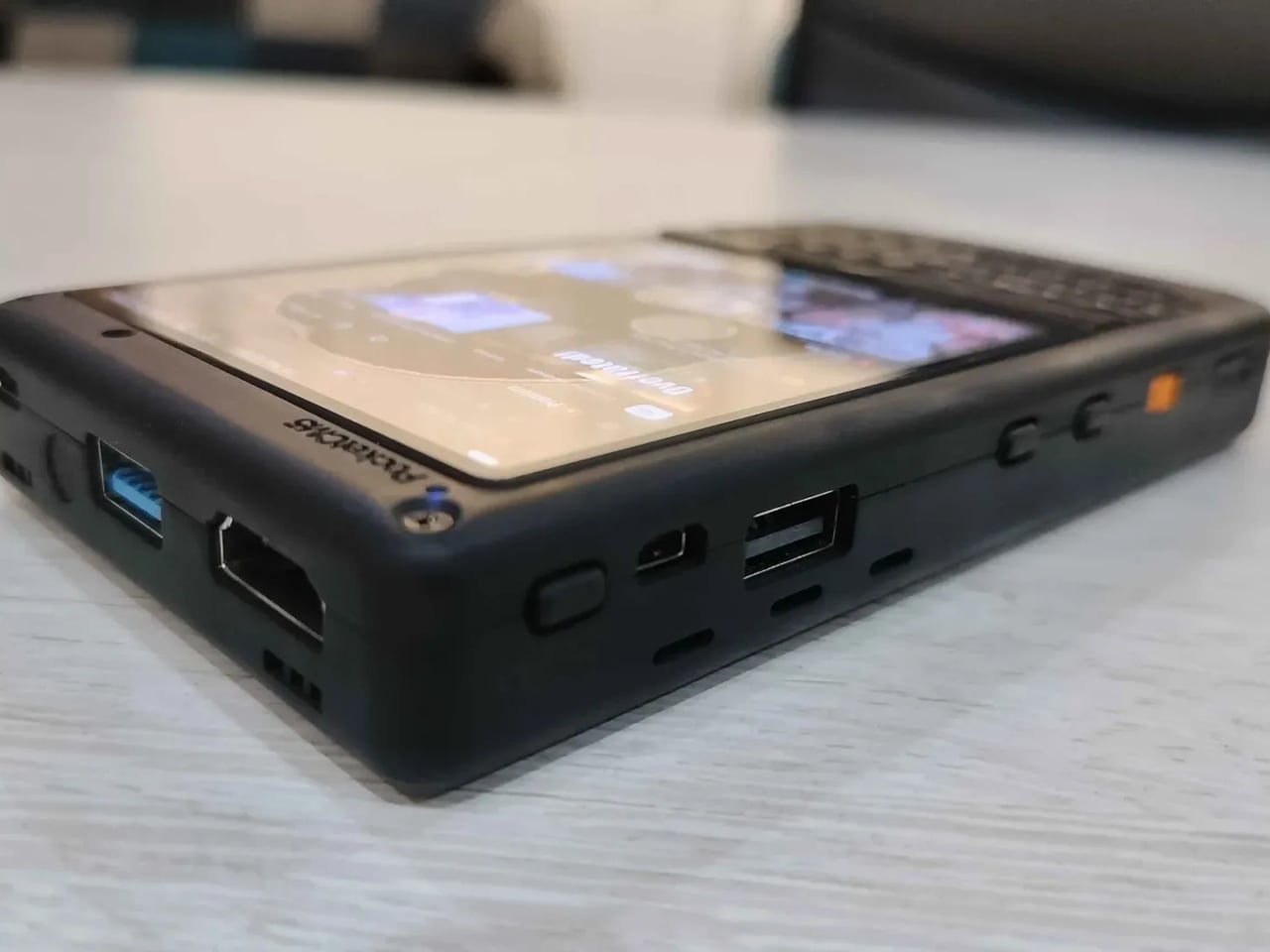
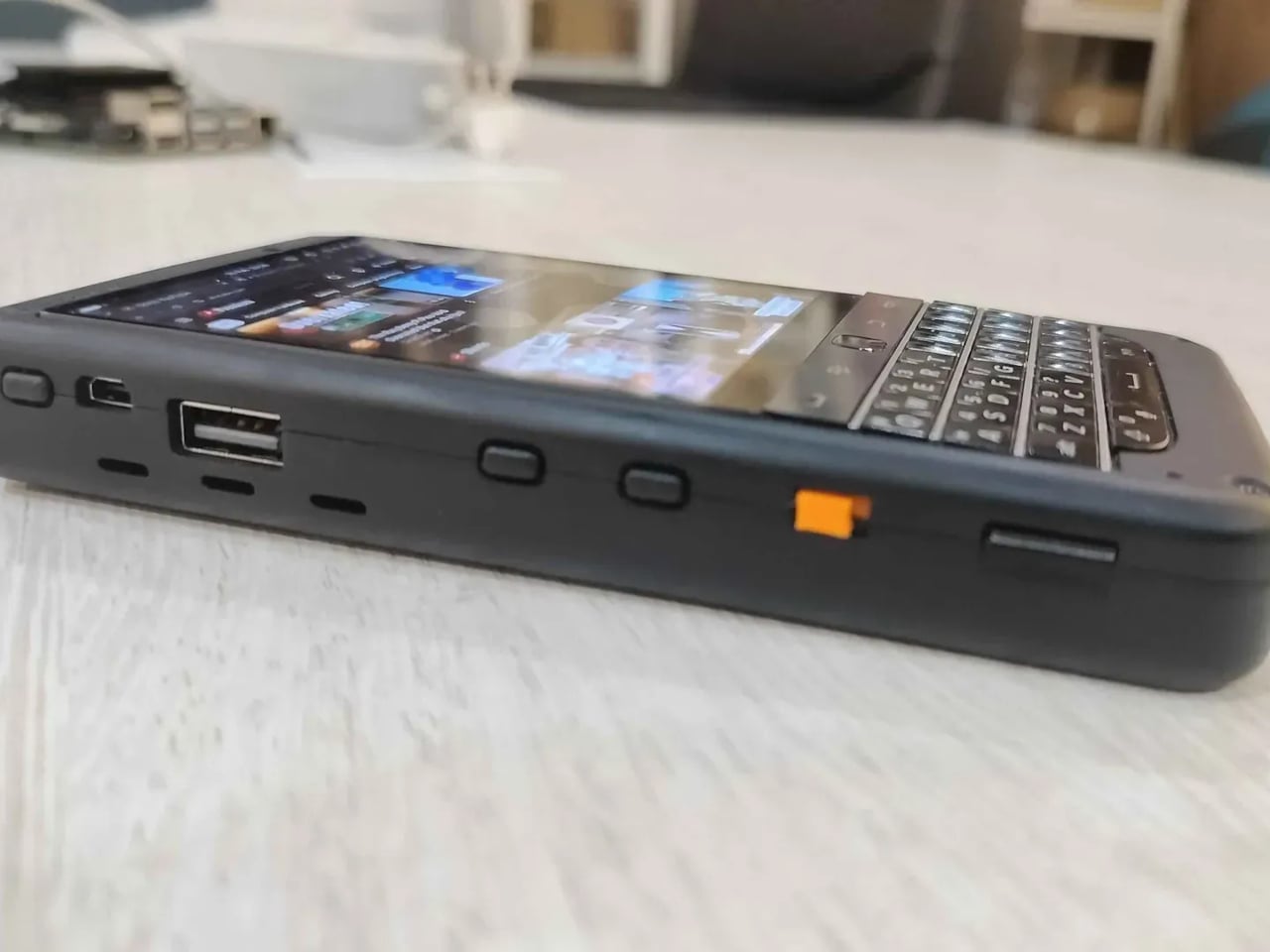
One of the more quietly useful features sits at the intersection of the keyboard and the USB stack. The BBQ20 can operate in USB-HID mode, which means plugging the piBrick into any external computer or server turns its keyboard and trackpad into a fully functional USB input device, independent of the Pi. A sysadmin arriving at a server rack without a spare keyboard doesn’t need to find one; the piBrick already is one. That framing, as a tool for engineers and sysadmins rather than simply a hobbyist novelty, runs through the whole project.
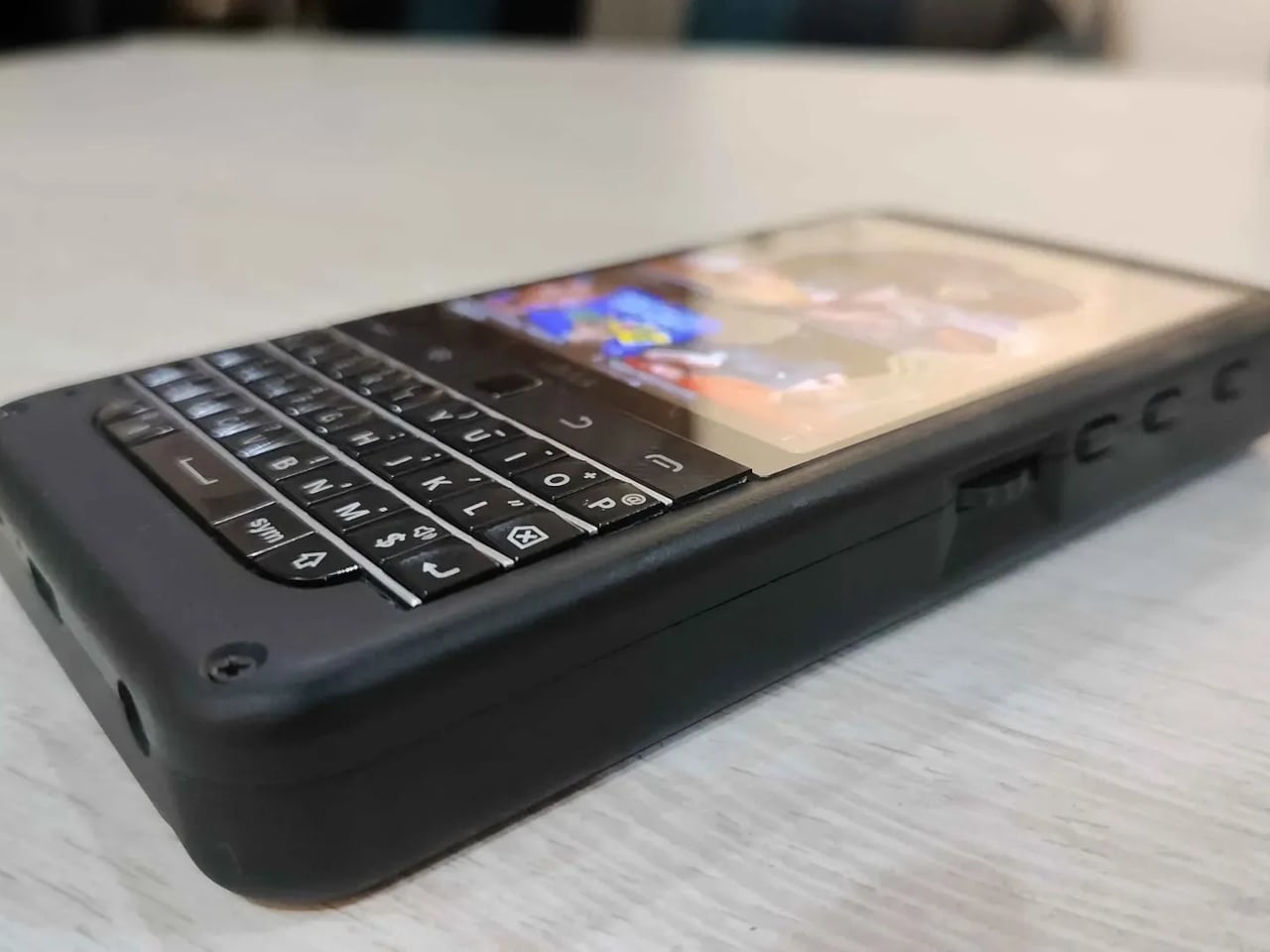
A full Linux desktop runs on the CM5, alongside the system administration and networking tools that tend to be useful in those situations. NVMe SSD support in 2230 or 2242 formats adds storage headroom when the SD card isn’t enough. Stereo speakers, a microphone, and an optional camera module round out a spec sheet that covers more ground than the form factor suggests. The project files, schematics, and build instructions are all available as open source, which means the $172 cost is the floor, not a retail price, and the design itself belongs to anyone who wants to build on it.