The case for a second phone has gotten easier to make over the past few years. Whether it’s for a work line, a travel SIM, or simply a device that doesn’t pull you into a scroll every time you pick it up, the idea of carrying something smaller and simpler alongside a primary smartphone has moved from eccentric habit to reasonable strategy. What that second device should actually be, though, has been harder to settle.
Ulefone’s Armor Mini 5 answers that question with a format that most people assumed was retired alongside early BlackBerries and Nokia candy bar phones. It combines a physical alphanumeric keypad at the bottom with a 2.8-inch touchscreen above it, runs Android 11, and wraps the whole thing in a rugged shell certified to IP68, IP69K, and MIL-STD-810H standards. The result is something that sits deliberately between a feature phone and a smartphone.
Designer: Ulefone
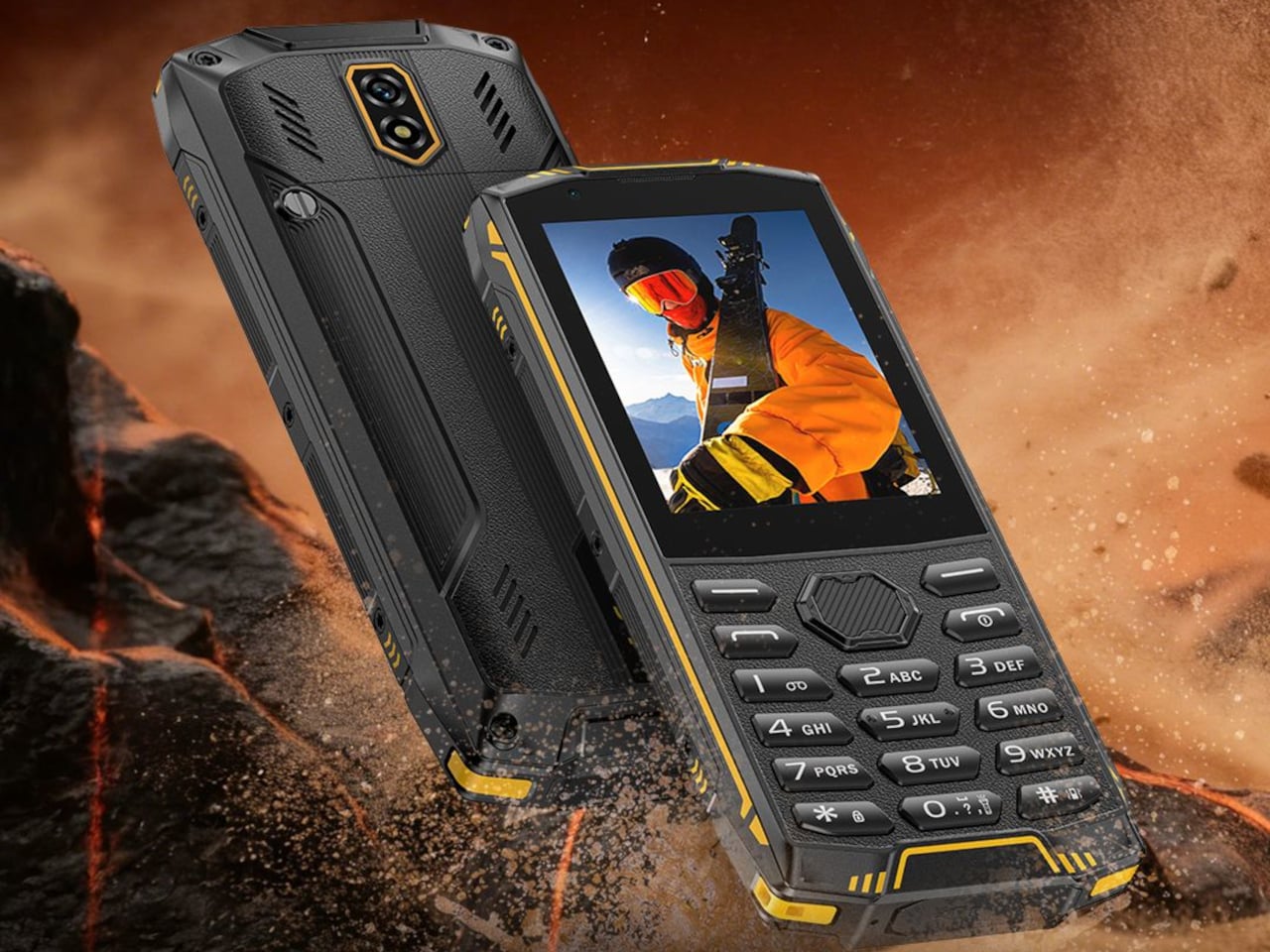
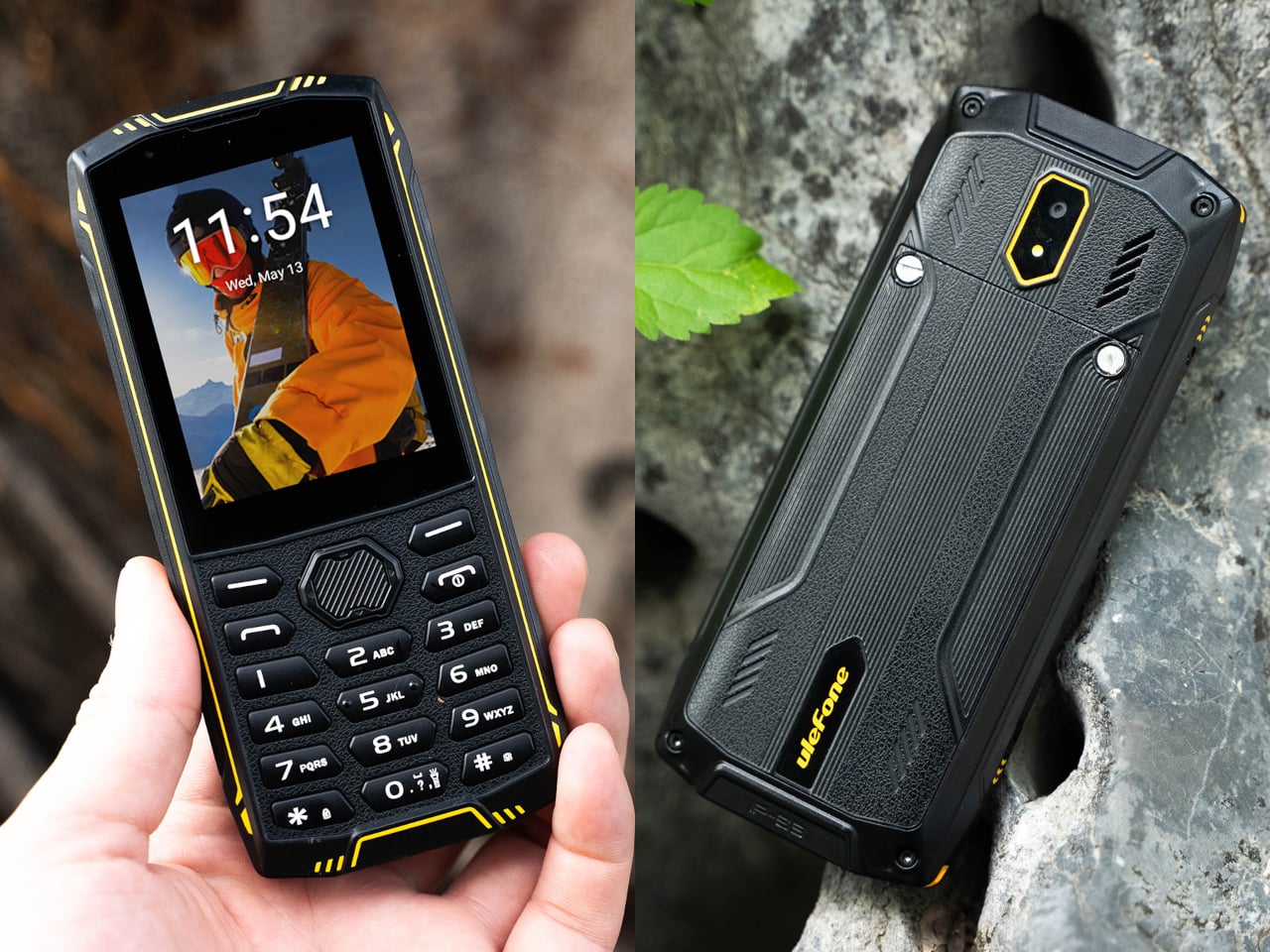
The display at 240×320 pixels isn’t going to run any graphically demanding apps, and that’s clearly the point. Ulefone pre-loads WhatsApp and markets the device explicitly as a way to stay in touch with the people you care about while sidestepping the attention-draining machinery of a modern phone. WhatsApp calls, voice messages, and texts work fine at this resolution. Instagram doesn’t, which is by design.
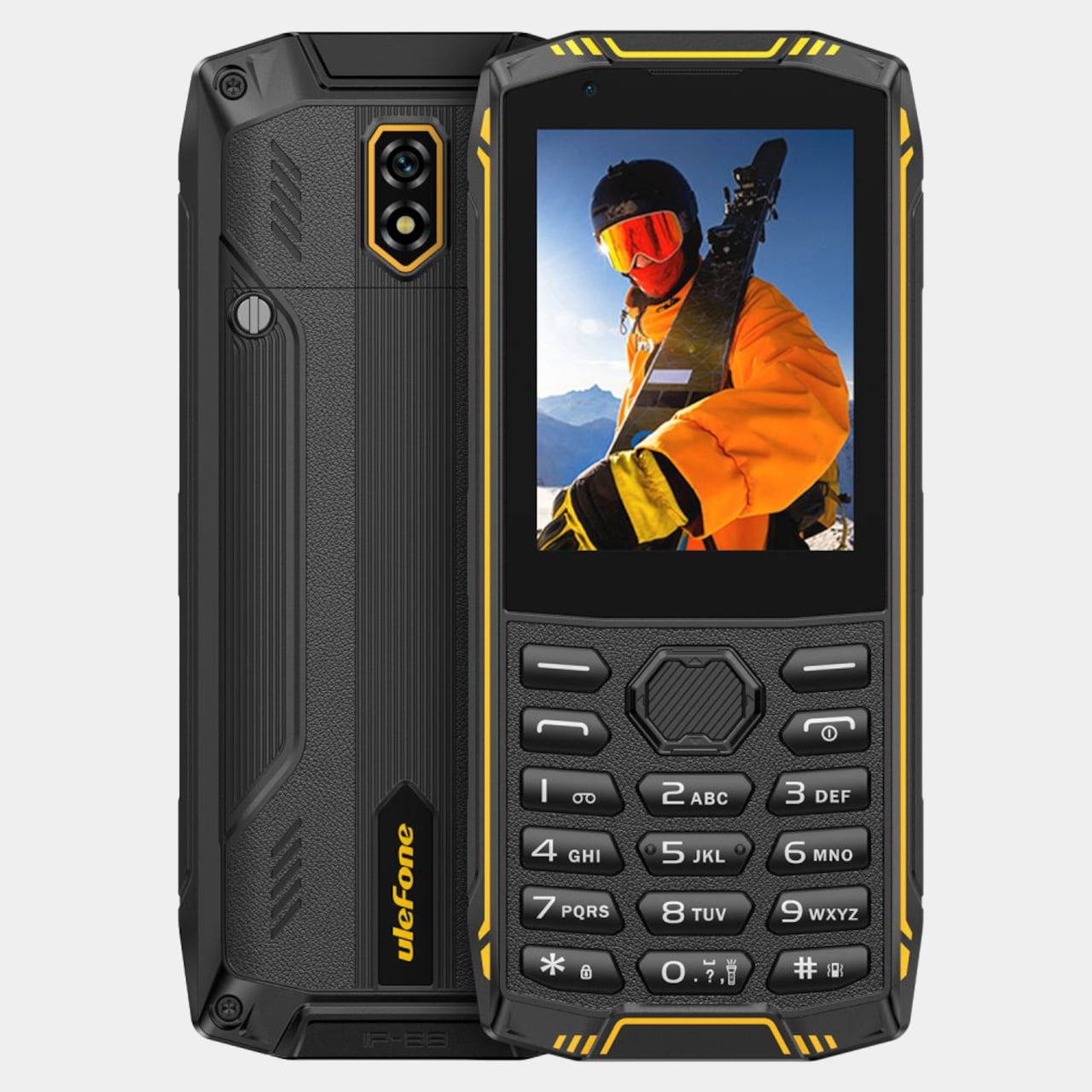
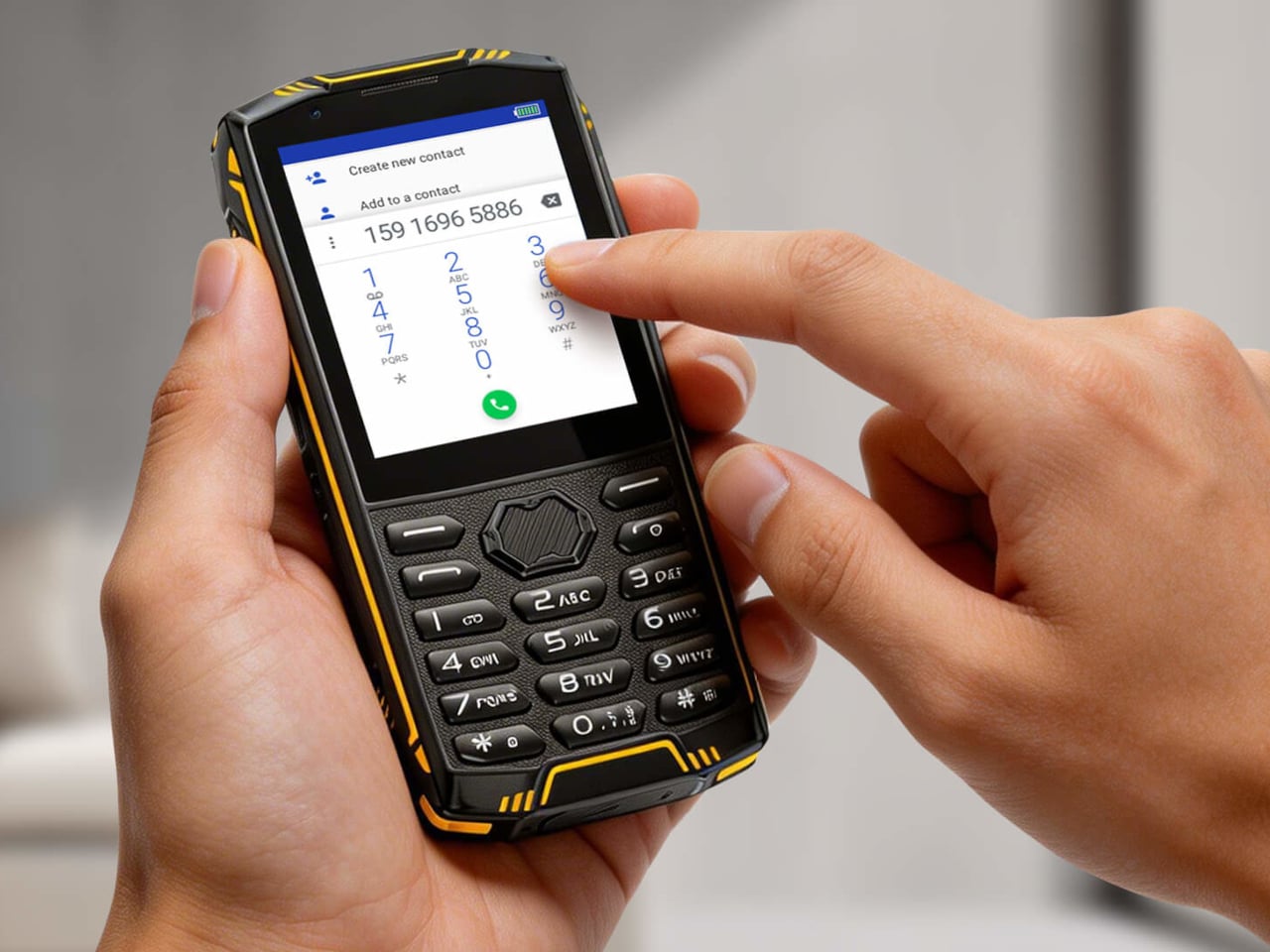
At 142mm x 62mm x 16.5mm and 170g, the Armor Mini 5 fits comfortably in a chest pocket where most modern 6-inch devices wouldn’t. The physical keypad keeps texting fast for anyone comfortable with predictive T9 input, and the number keys double as a quick-dial interface, the kind of interaction muscle memory that never quite goes away once it’s formed. Calls are the first-class experience here, with the touchscreen adding access to apps when needed.
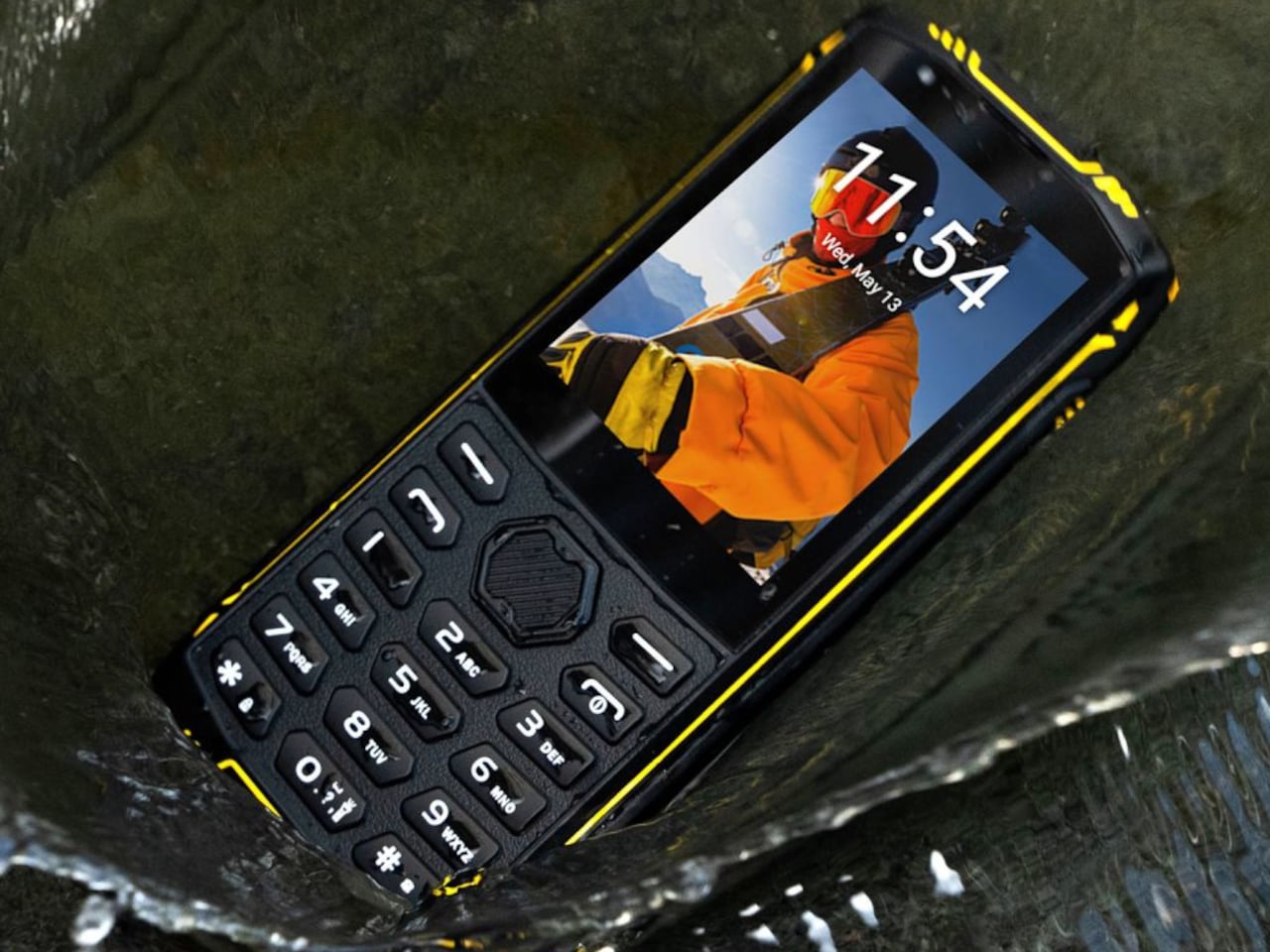
The rugged credentials are serious ones. IP68 means submersion up to 2 m for 30 minutes. IP69K adds resistance to high-pressure water jets, which is the standard applied to equipment that gets hosed down in industrial or outdoor settings. MIL-STD-810H covers drop, vibration, humidity, altitude, and temperature extremes. A phone this small is significantly more likely to be dropped than a larger device, so the reinforced shell earns its place.
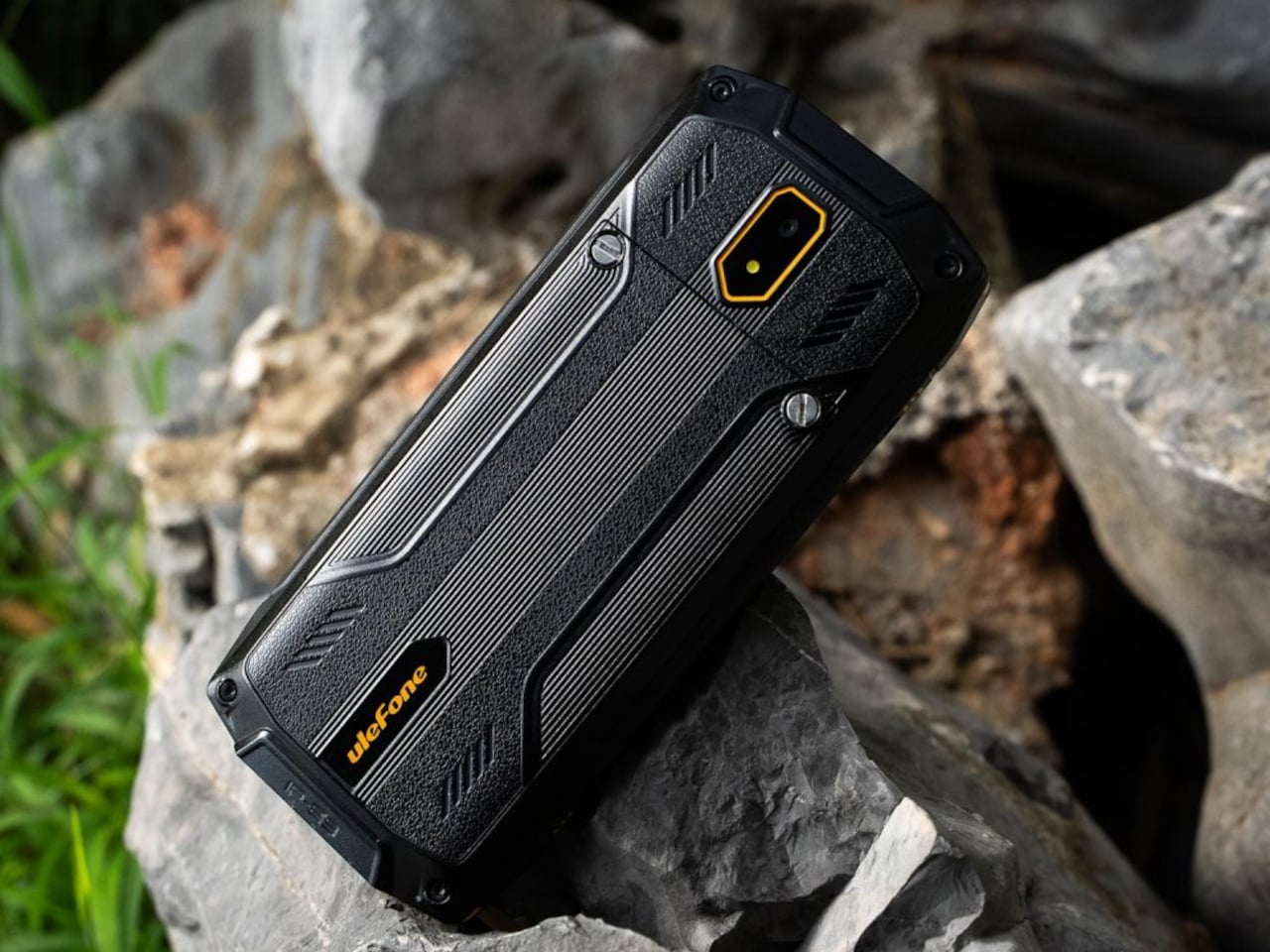
Battery management is where the form factor pays its most practical dividend. The 2,500mAh cell powers up to 12 days of moderate use and reaches 311 hours of standby, numbers that come from the low-resolution display and efficient quad-core MediaTek MT6739 chipset rather than from a massive capacity. The battery is also removable, which hasn’t been a feature on most consumer phones for nearly a decade, and it means carrying a spare for genuinely extended off-grid use.
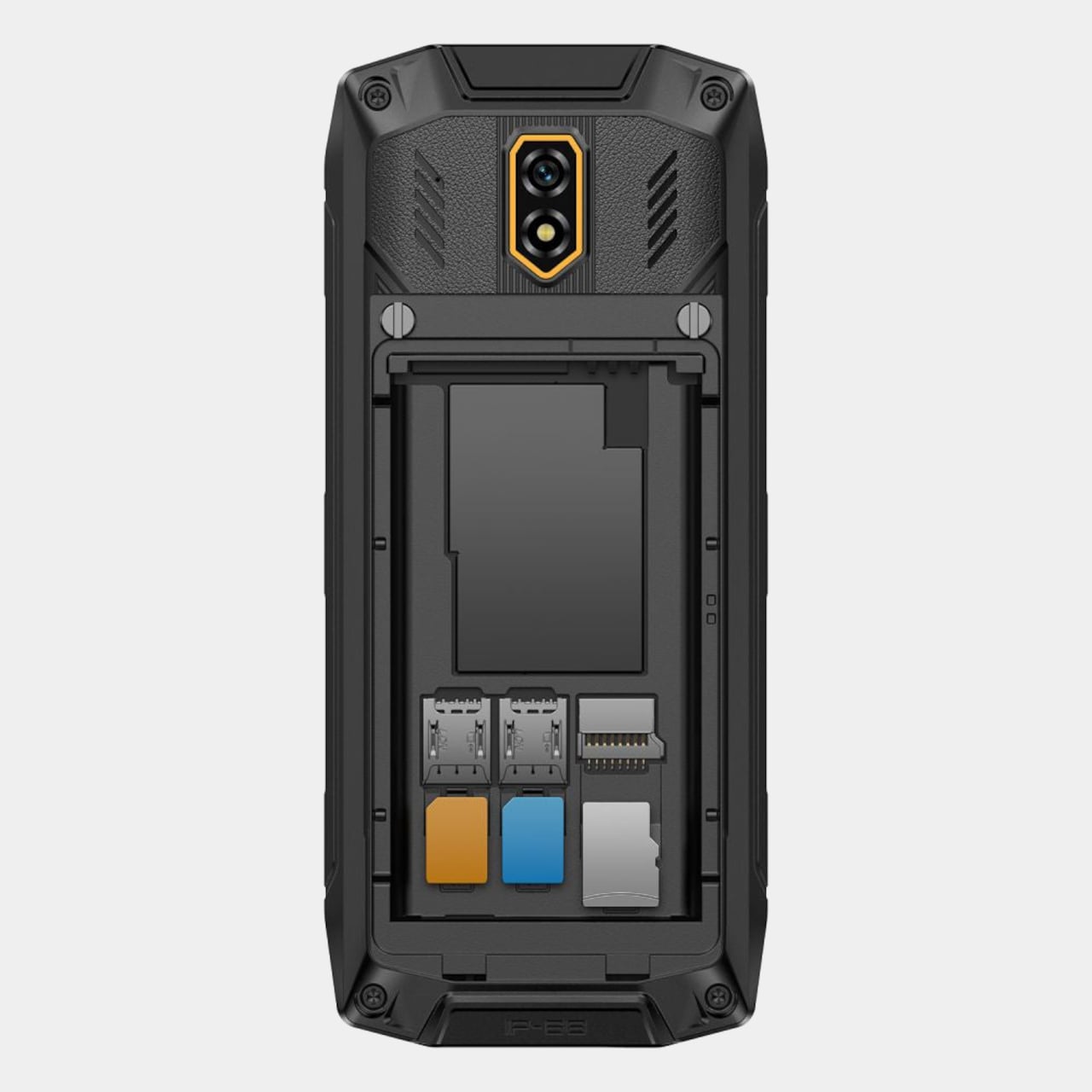
Storage is 8GB internally with 1GB of RAM, paired with a triple-card slot that accepts two nano SIMs alongside a microSD card. For a phone that handles calls, texts, and WhatsApp, 8GB is more than sufficient. The dual-SIM configuration makes it practical as a travel device, keeping a local data SIM and a home number active simultaneously without buying a second handset.
The Armor Mini 5 currently sells for $99.99, down from a regular price of $109.99. For a phone that most people would describe as a deliberate step backward in screen size and software capabilities, it makes a surprisingly coherent argument that fewer features, handled well and built to survive a job site, might actually be the more useful device for what a second phone is actually supposed to do.