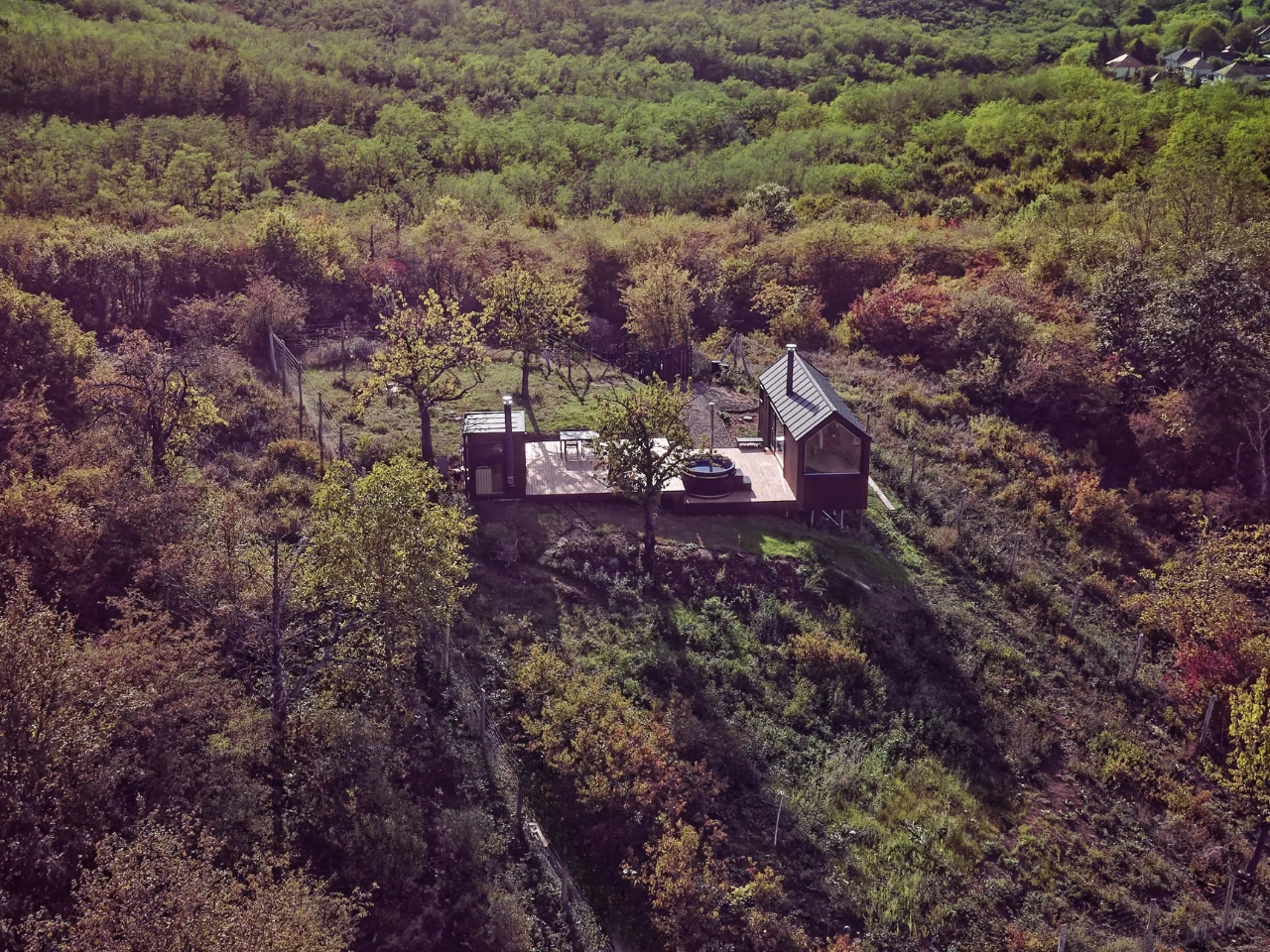
The cabin that keeps showing up in my feed sits in the forested hills of northern Hungary, and once you see it, it is genuinely hard to unsee it. NestOff, designed by architect and interior designer Péter Kotek, is a prefabricated micro-retreat measuring just 20 square meters. On paper, that sounds like a significant compromise. In practice, it reads like a very calm, very confident argument that most of us have been taking up far too much space for far too long.
I have a complicated relationship with the micro-living conversation. It tends to swing between two exhausting extremes: the breathlessly optimistic content creator who insists that 18 square meters is “more than enough space for everything,” and the architecture critic who reminds us, correctly, that small spaces have historically been a symptom of poverty rather than a lifestyle choice. NestOff somehow sidesteps both camps entirely. It is not pretending to be a permanent home, and it is not selling you a fantasy of radical simplicity. It is a retreat. A considered, intelligently designed retreat, tucked between trees in Romhány in northern Hungary, and it wears that identity with genuine confidence.
Designer: Peter Kotek
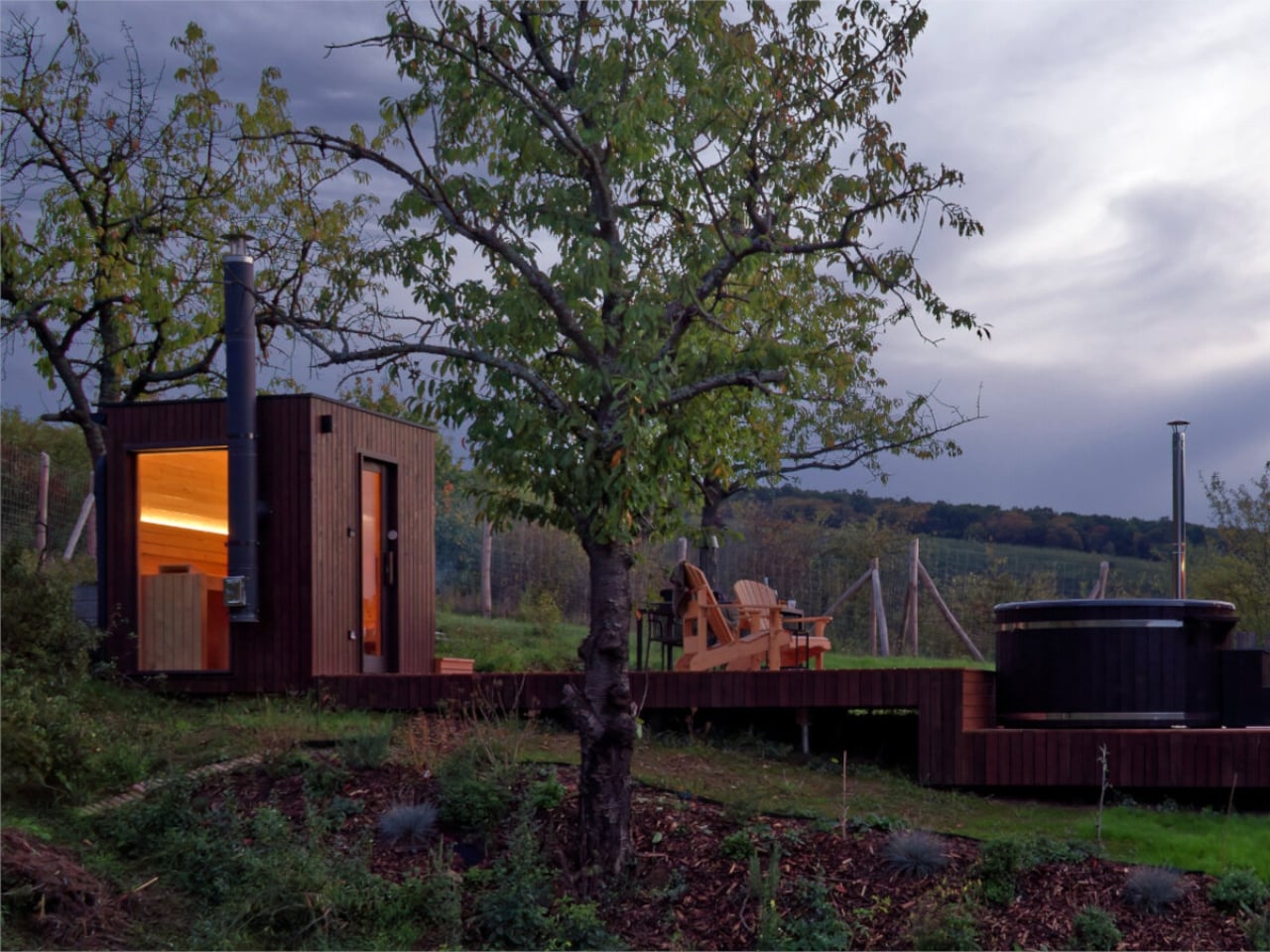
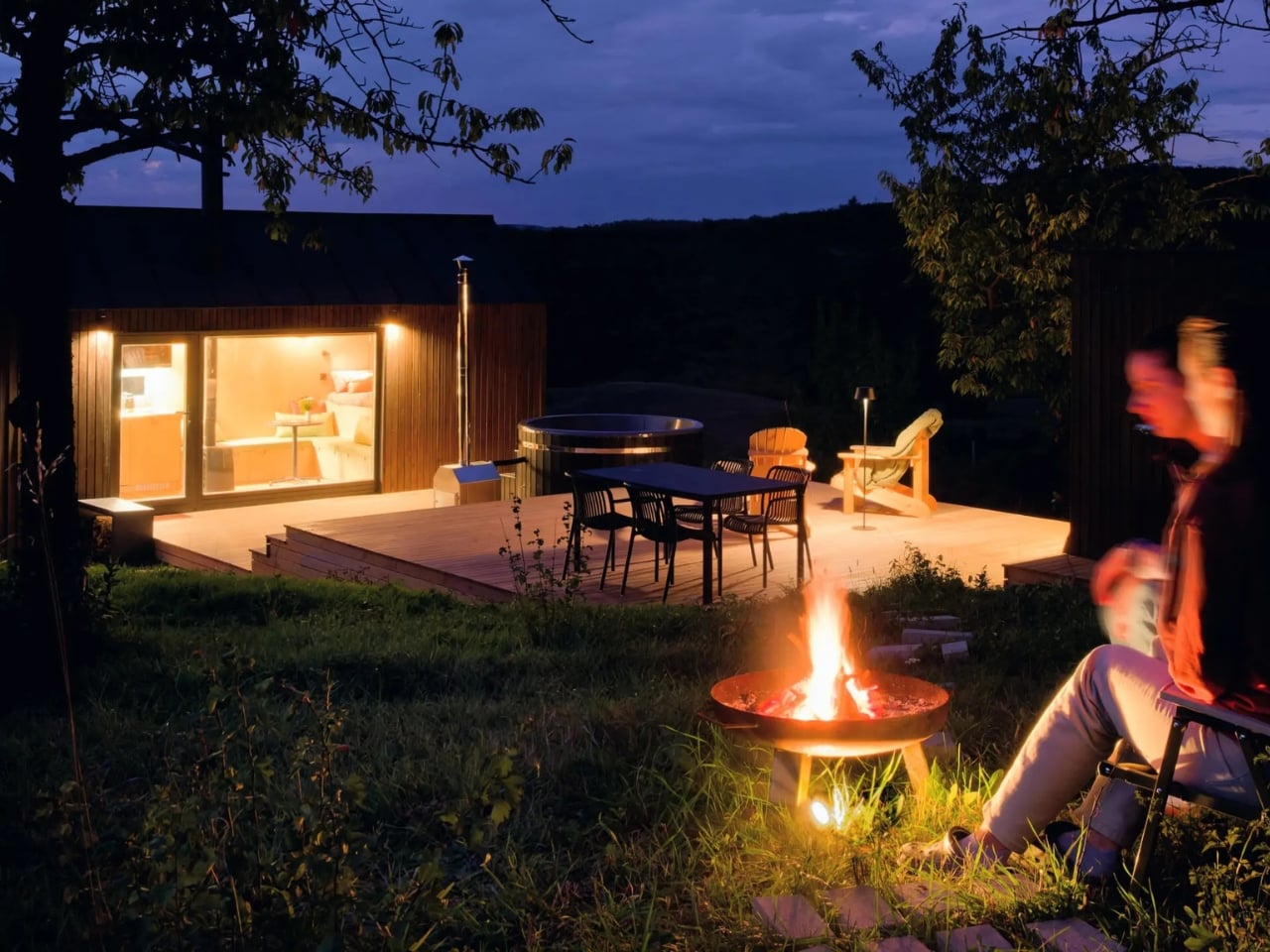
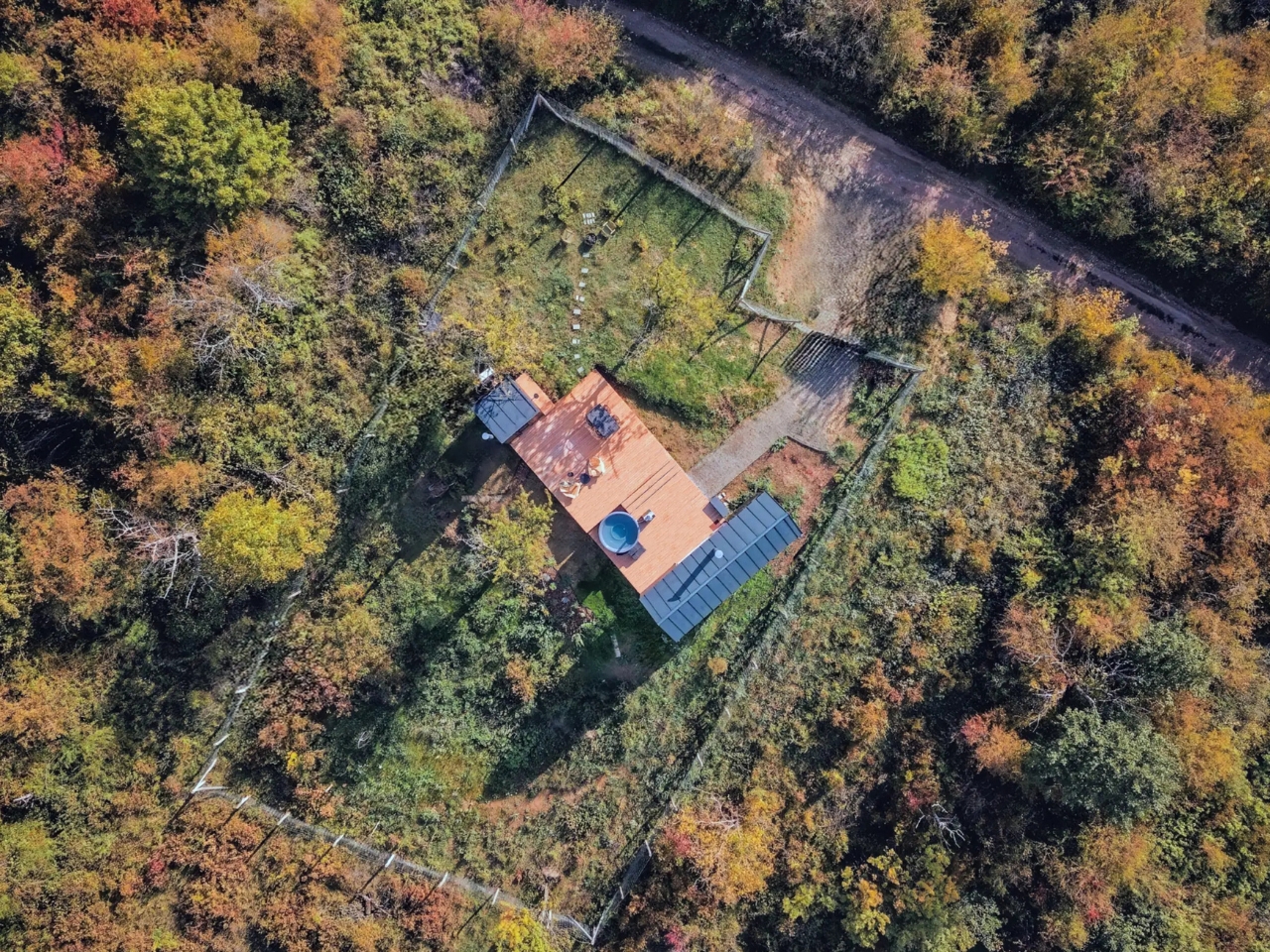
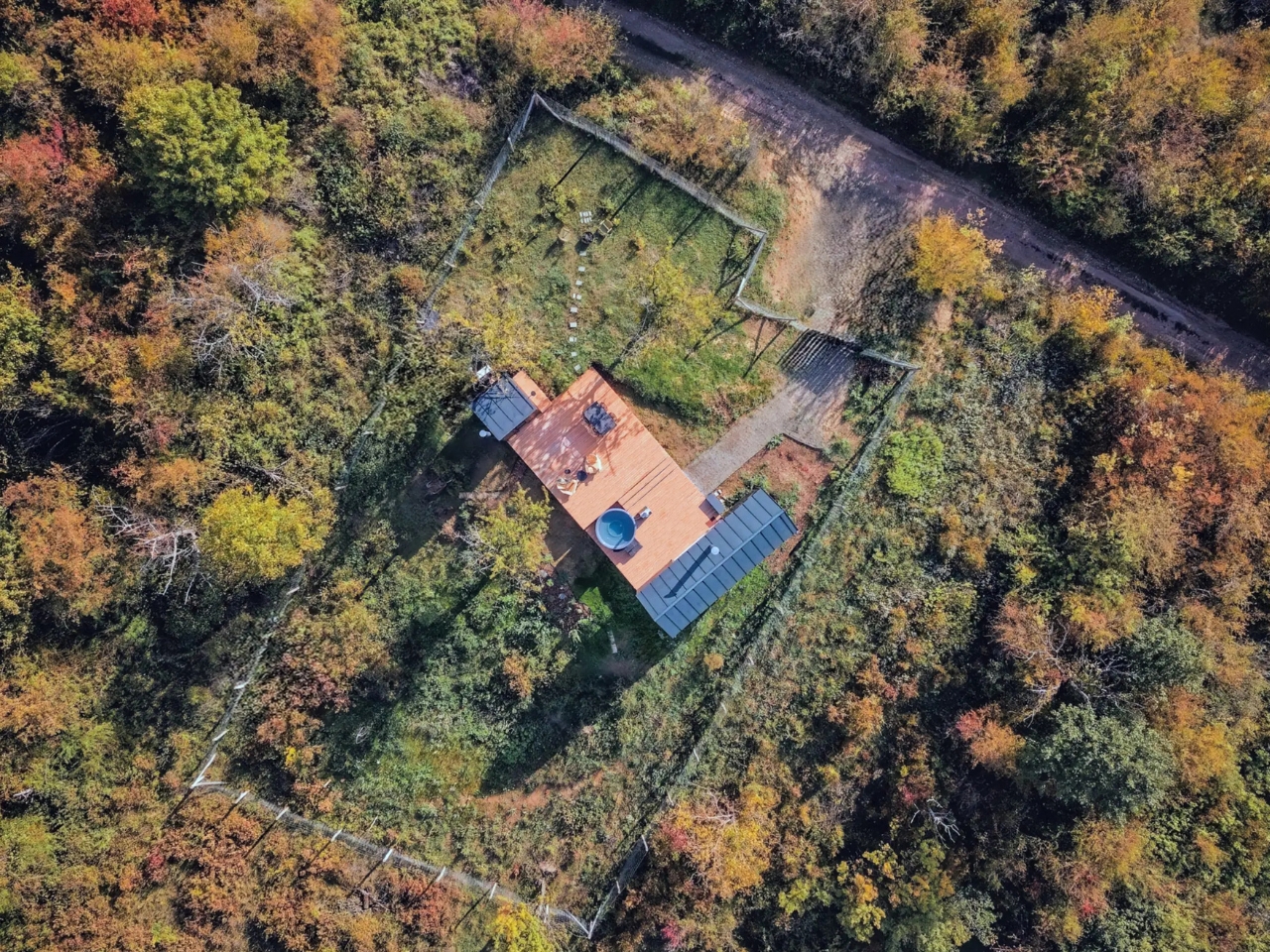
Kotek worked with cabin fabricator Tajga-Depo to partially build the structure off-site, which meant better precision, reduced material waste, and a significantly shorter construction timeline on location. The cabin sits on ground screw foundations rather than poured concrete, and that decision matters more than it might initially seem. It means the structure can eventually be relocated without leaving a scar on the landscape beneath it. In an era when “eco-conscious design” has become something of a branding exercise, NestOff actually follows through on the promise. The land remains largely undisturbed. That is a genuinely rare thing to be able to say.
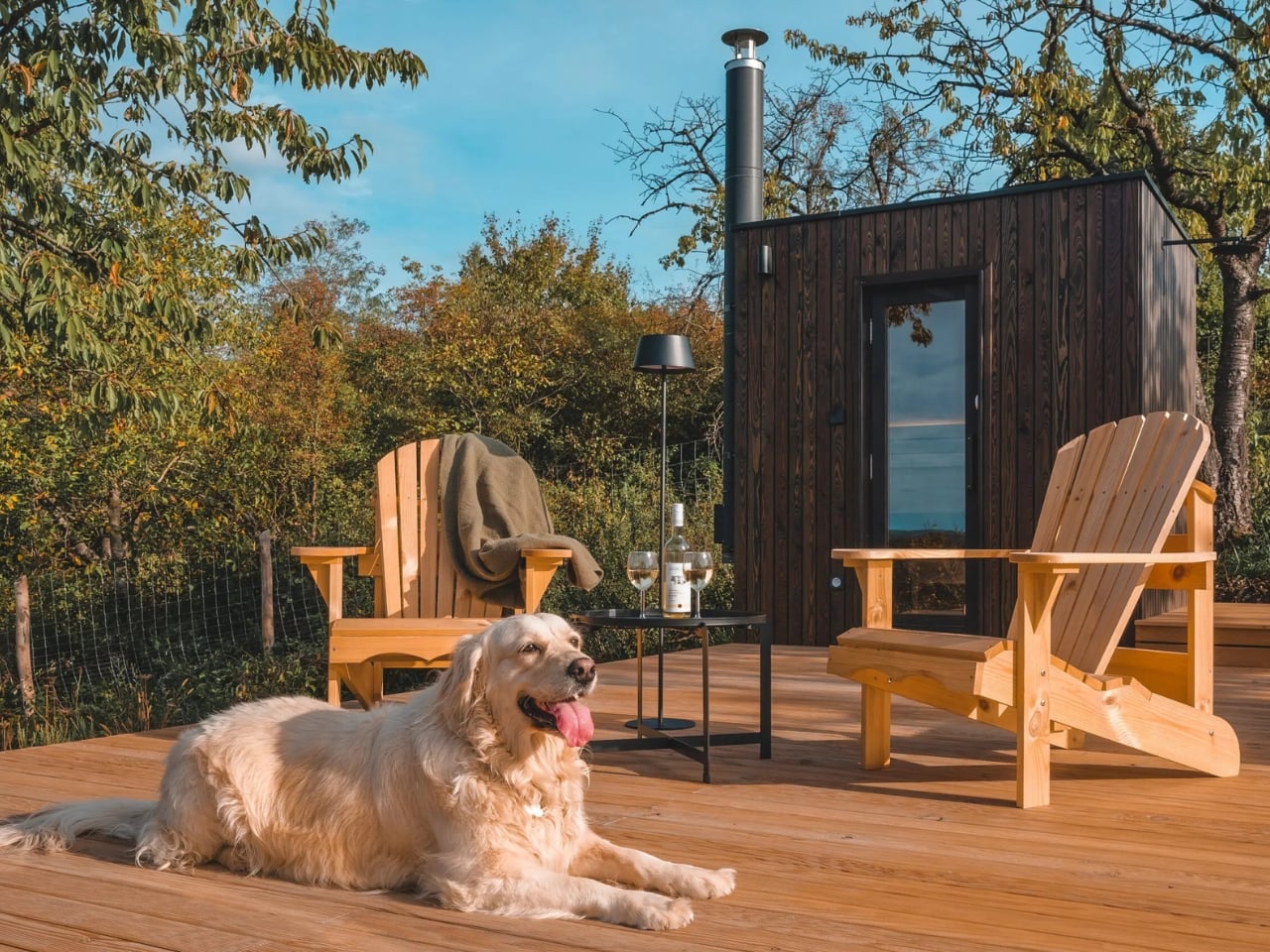
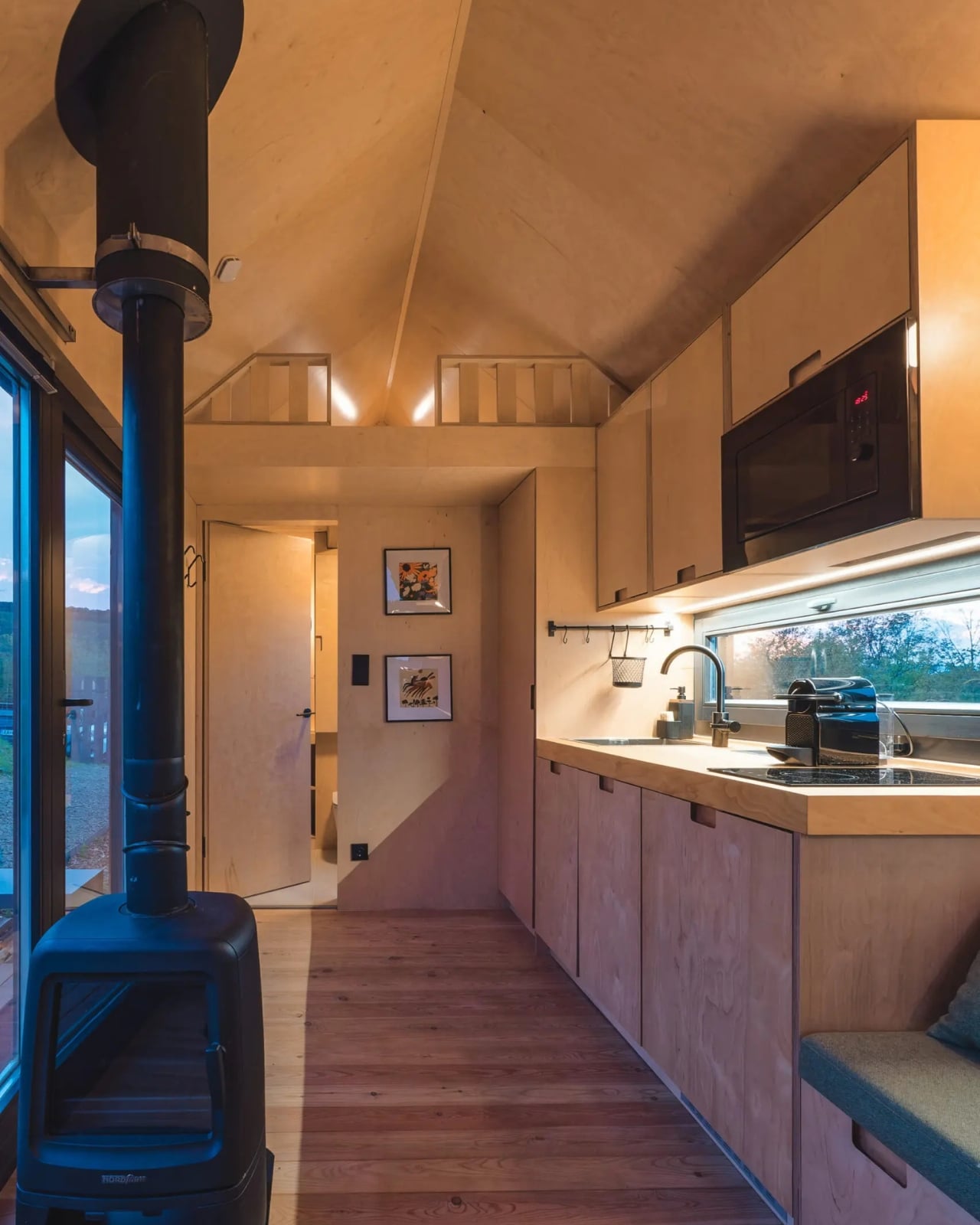
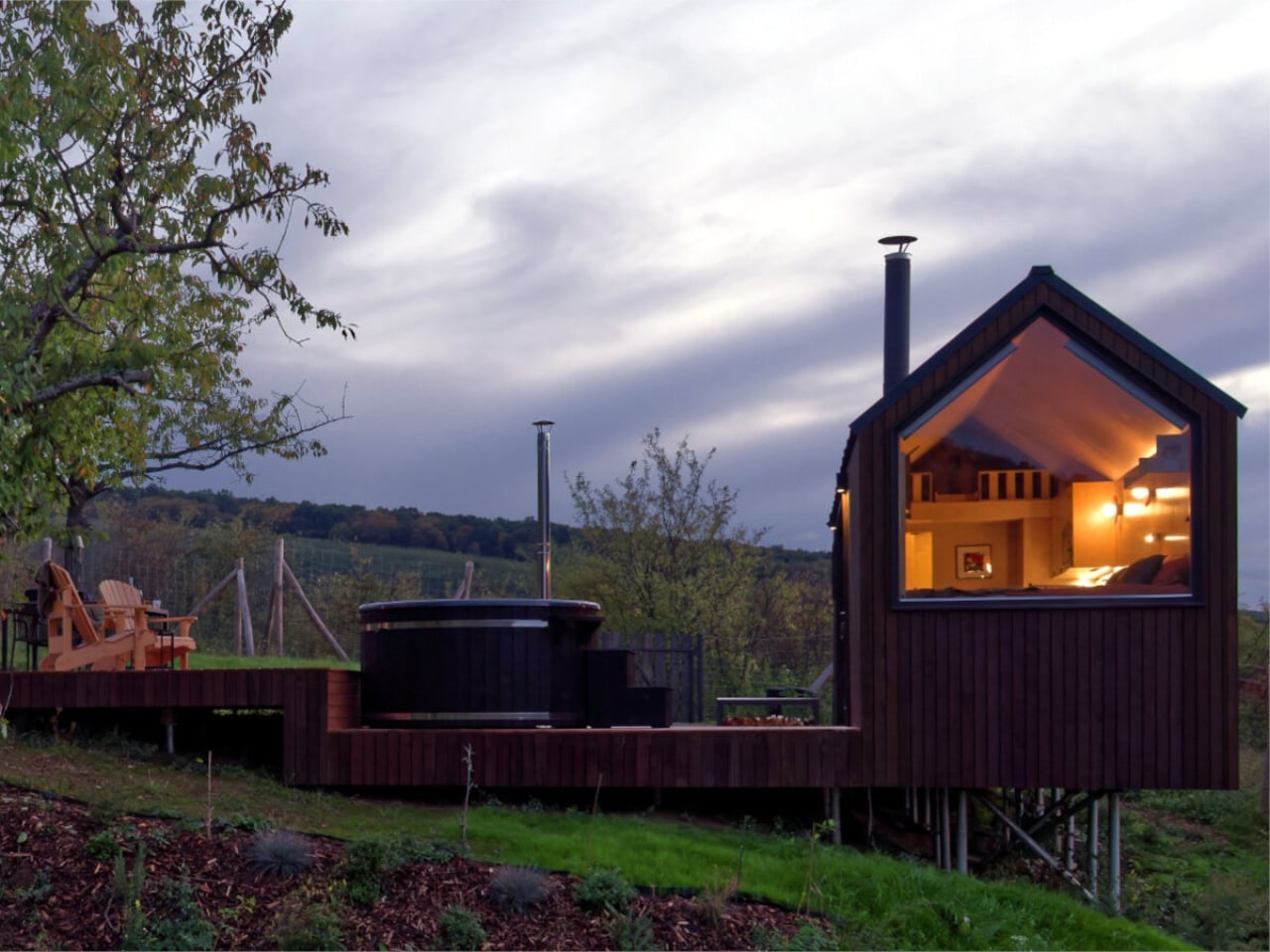
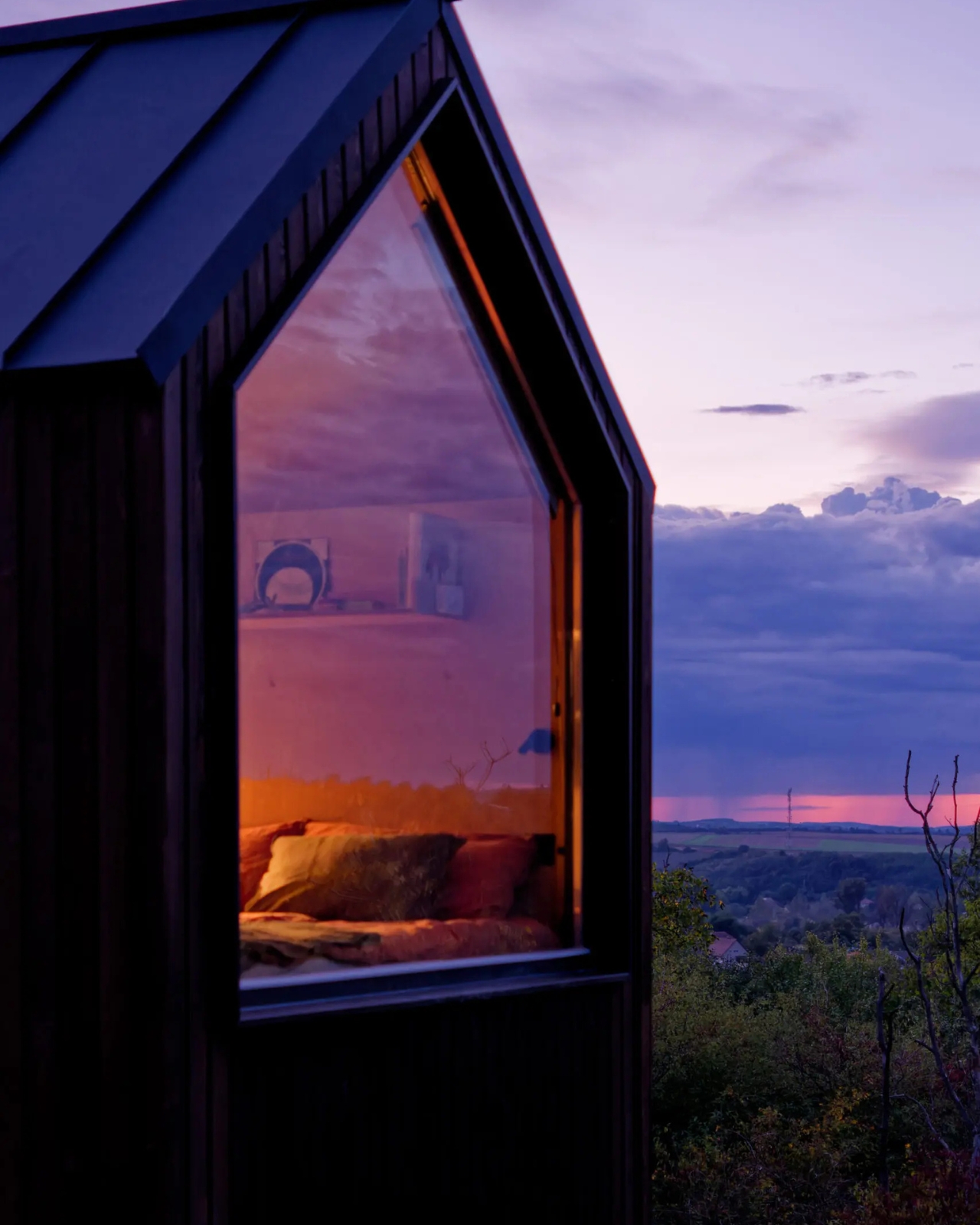
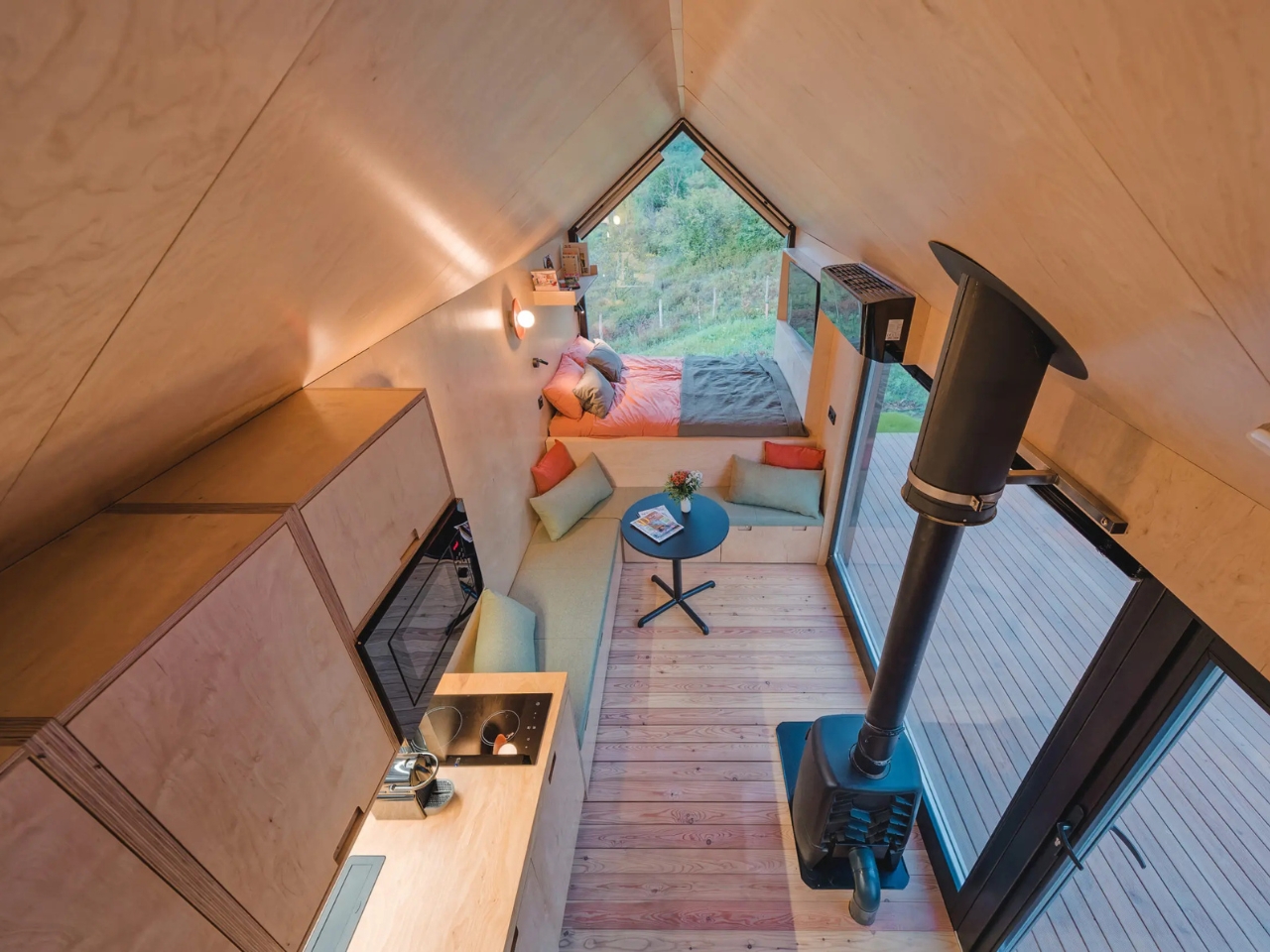
Inside, birch plywood covers the walls, ceilings, and built-in furniture, giving the space a warm and continuous quality that feels more like inhabiting a well-crafted object than occupying a room. The panoramic opening does exactly what a good view should do: it pulls the outside in without letting the outside overwhelm the interior. You are still in an enclosed, protected space, but the valley stretches out in front of you like a second room you never had to build or pay for. Kotek clearly understood that in a cabin this size, the view is not a bonus feature. It is structural.
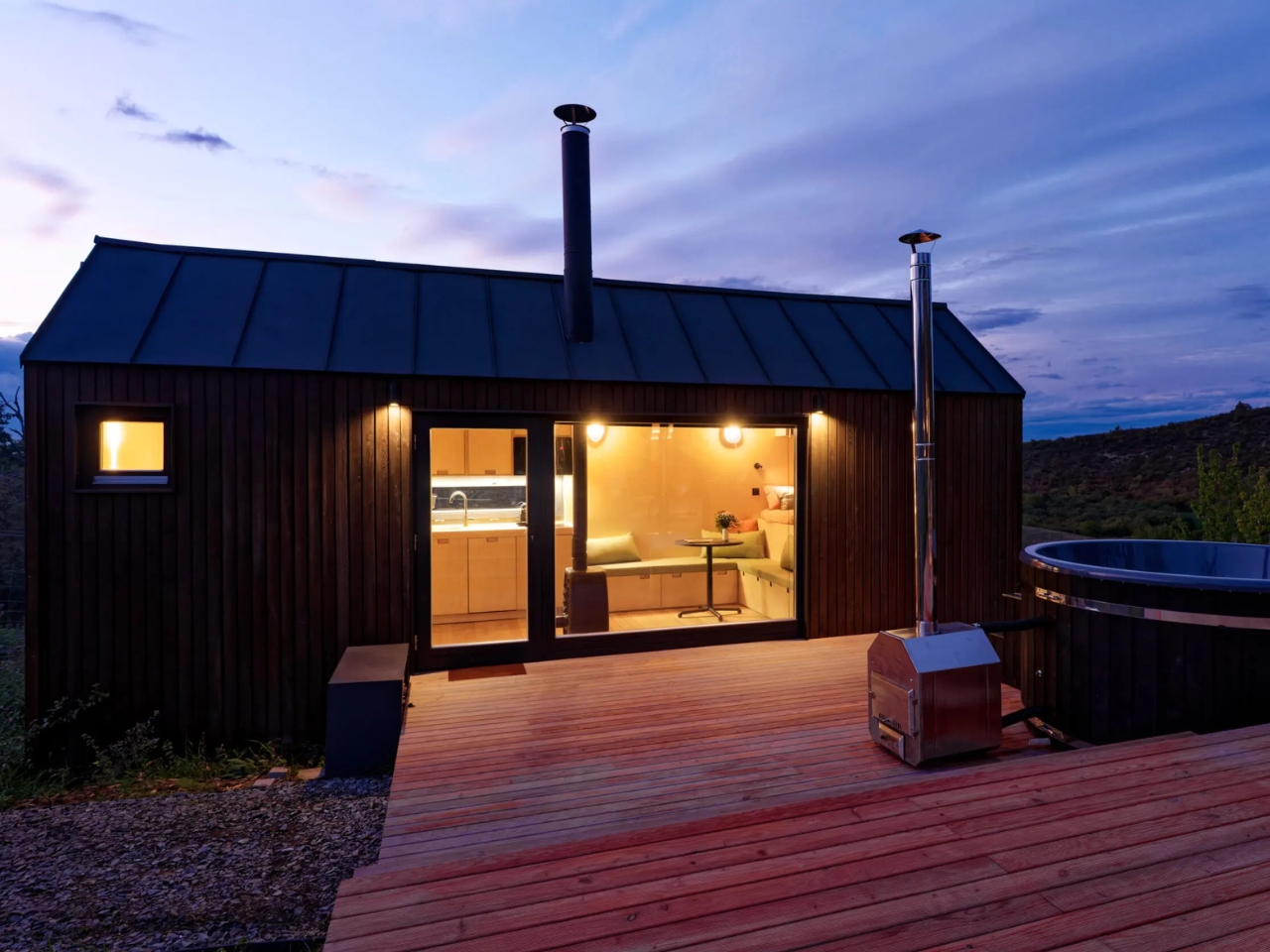
The outdoor program is where NestOff gets particularly interesting. Two black timber vertical board cabins, the main unit and a separate sauna structure, are connected by a tiered larch deck. A hot tub sits alongside it. The sequence of spaces, moving from the interior out to the deck and then to the sauna and back, creates a rhythm of use that feels more deliberate than most full-sized hotels ever manage to achieve. Rest, bathing, sitting outside, going back in. It is not complicated. It is just very well thought out.
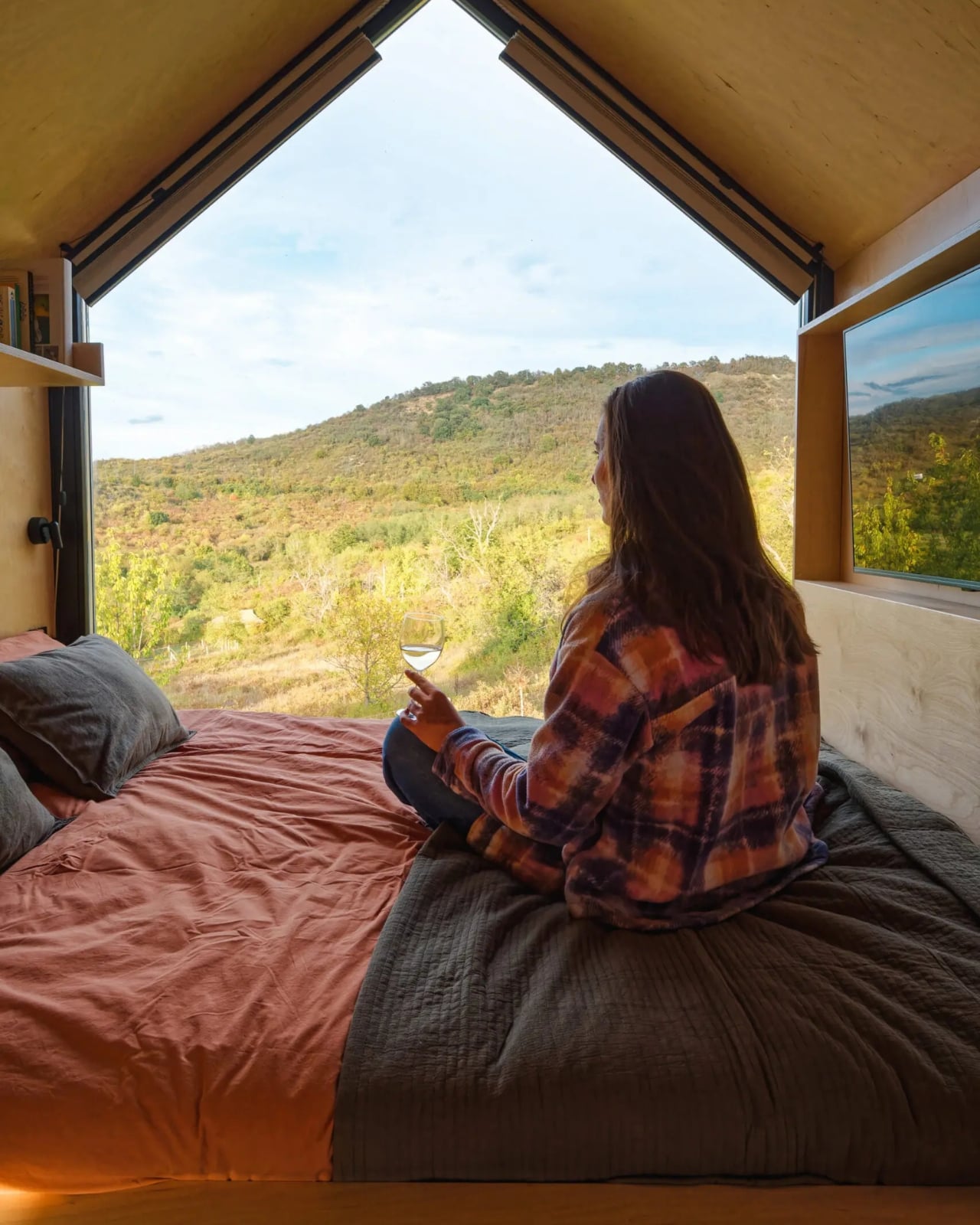
I keep returning to the question of what we actually need from a retreat. Not a vacation, which tends to involve airports, itineraries, and the performance of relaxation, but a genuine retreat. My honest answer is: not much. A bed. A meaningful view. Hot water. A reason to put the phone away. NestOff covers all of it within 20 square meters and a larch deck, and it does so without apology. That is not a failure of ambition. That is ambition pointed firmly in the right direction.
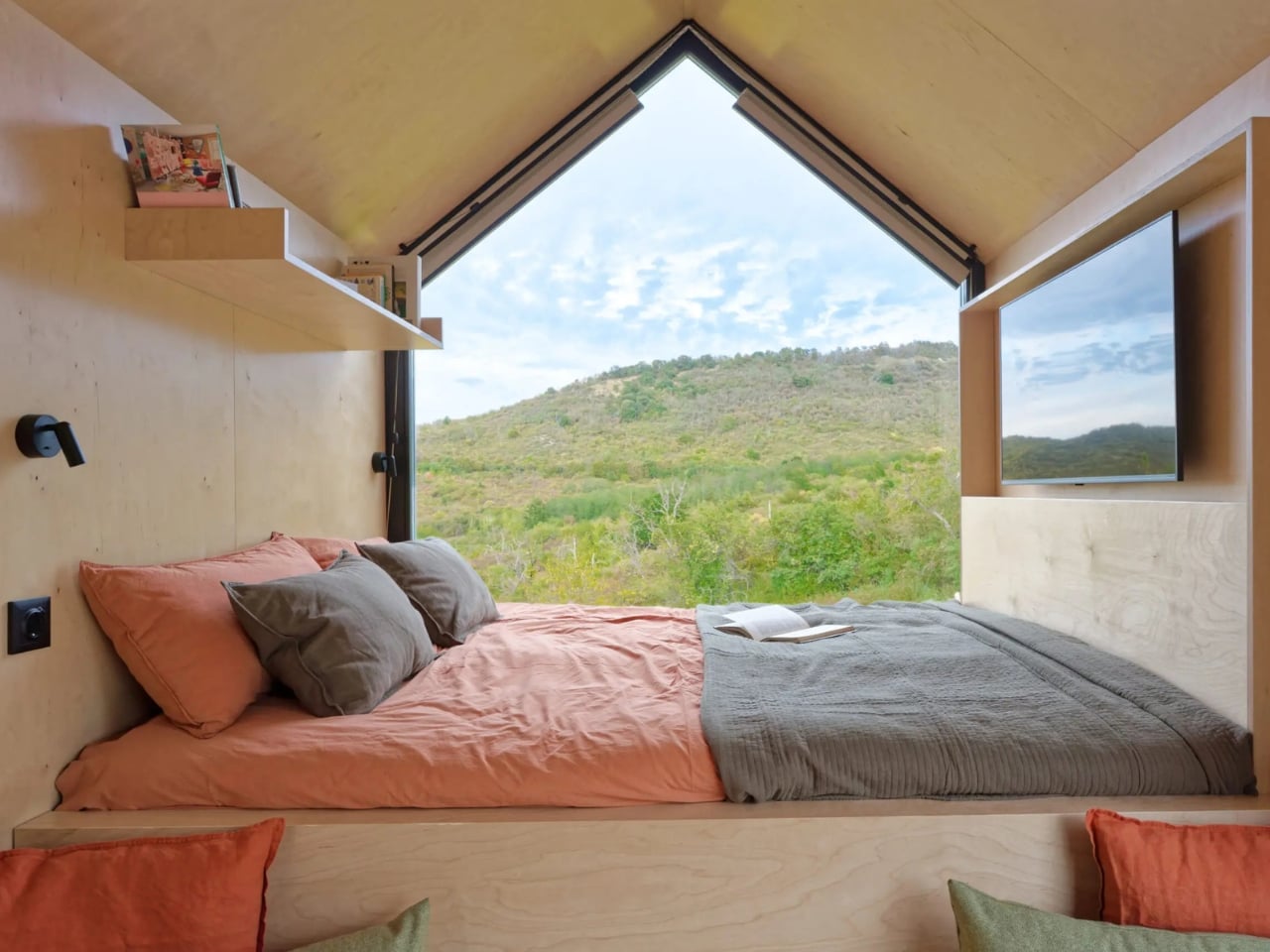
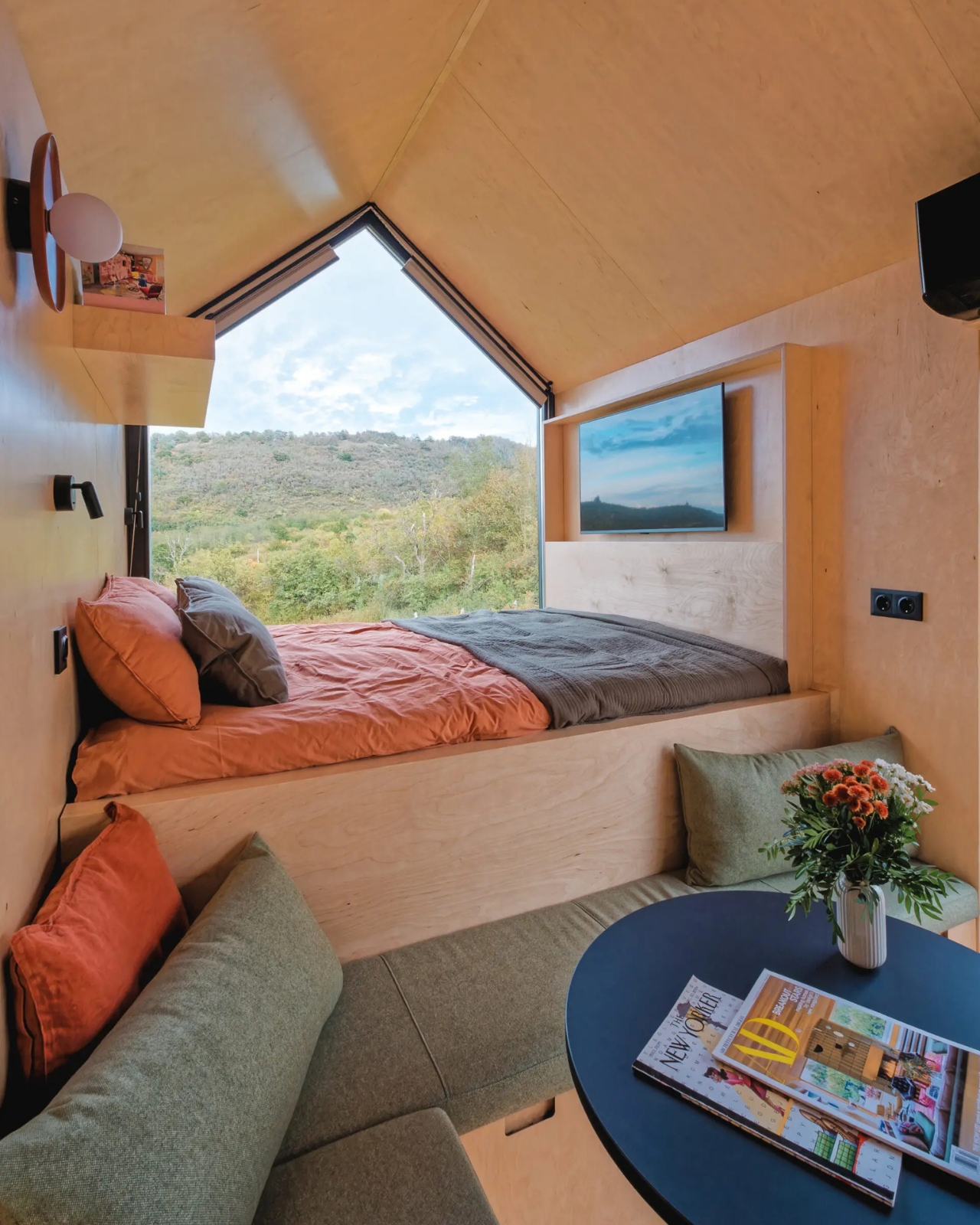
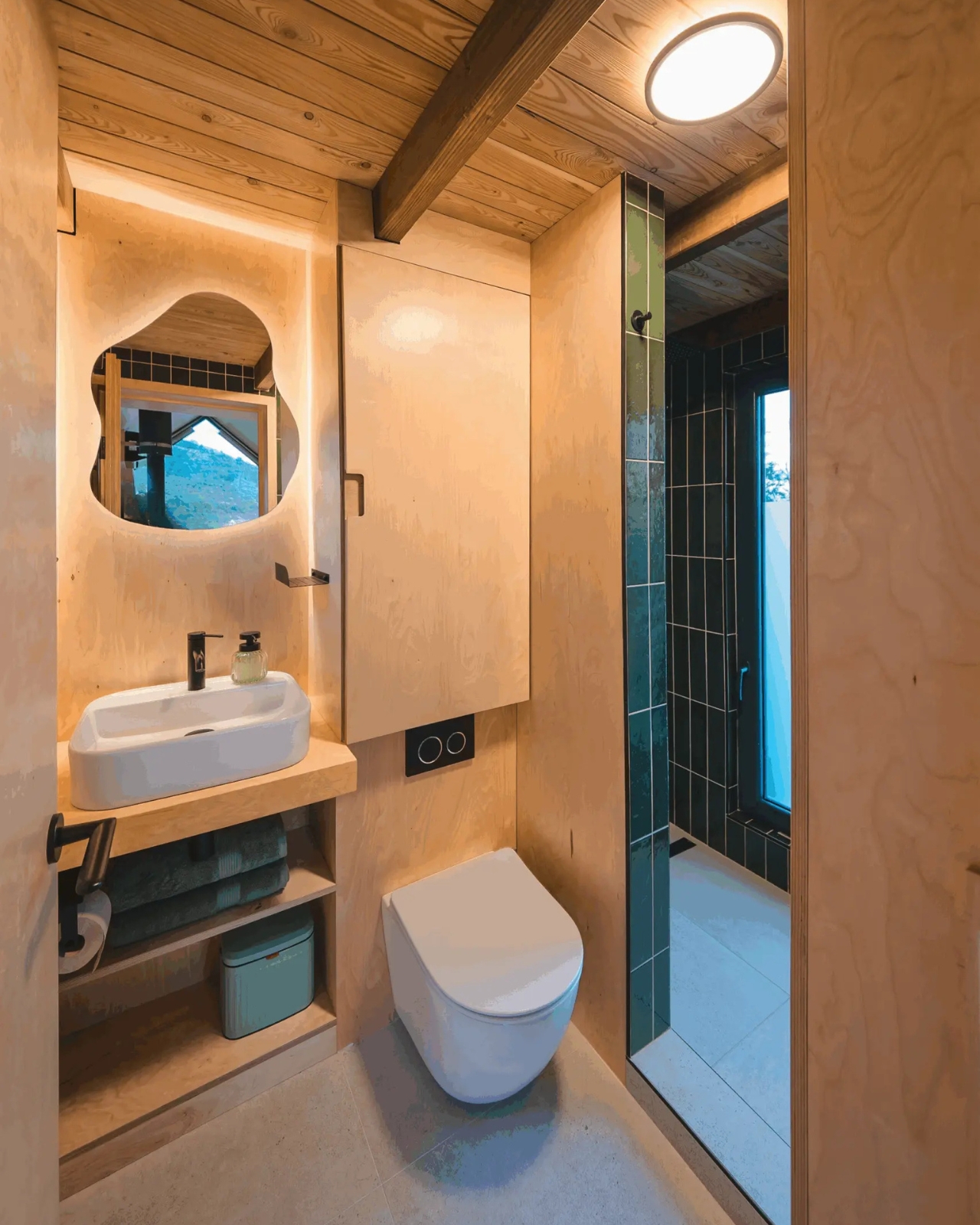
The micro-cabin category is crowded right now. Everyone from Scandinavian design studios to Silicon Valley-adjacent startups has something competing in that space. What separates NestOff from the noise is its complete absence of performance. It is not trying to impress you with a feature list or a manifesto. It is trying to give you a few nights in the Hungarian hills with nowhere else to be, and it is quietly very good at that one thing. Sometimes, that really is the whole point.