July 2026 is shaping up to be a rich month for design-forward tech. From a power bank that rewrites what thin means to a speaker that turns a living room into a visual concert experience, the products landing this month share a common thread: they all challenge a category assumption. This roundup brings together eight picks that earned their place not on spec sheets alone, but on how well they’re thought through from the outside in.
Whether you’re a daily commuter who needs a mouse that disappears into a bag, a field worker who can’t afford a dead tablet, or someone who just wants a smartwatch that looks right on a dressed-up wrist, there’s something here for you. These are gadgets that earn attention through design intelligence first and capability second. In that order, they’re worth your time.
1. Nothing 4a Pro with an E-Ink Display Concept
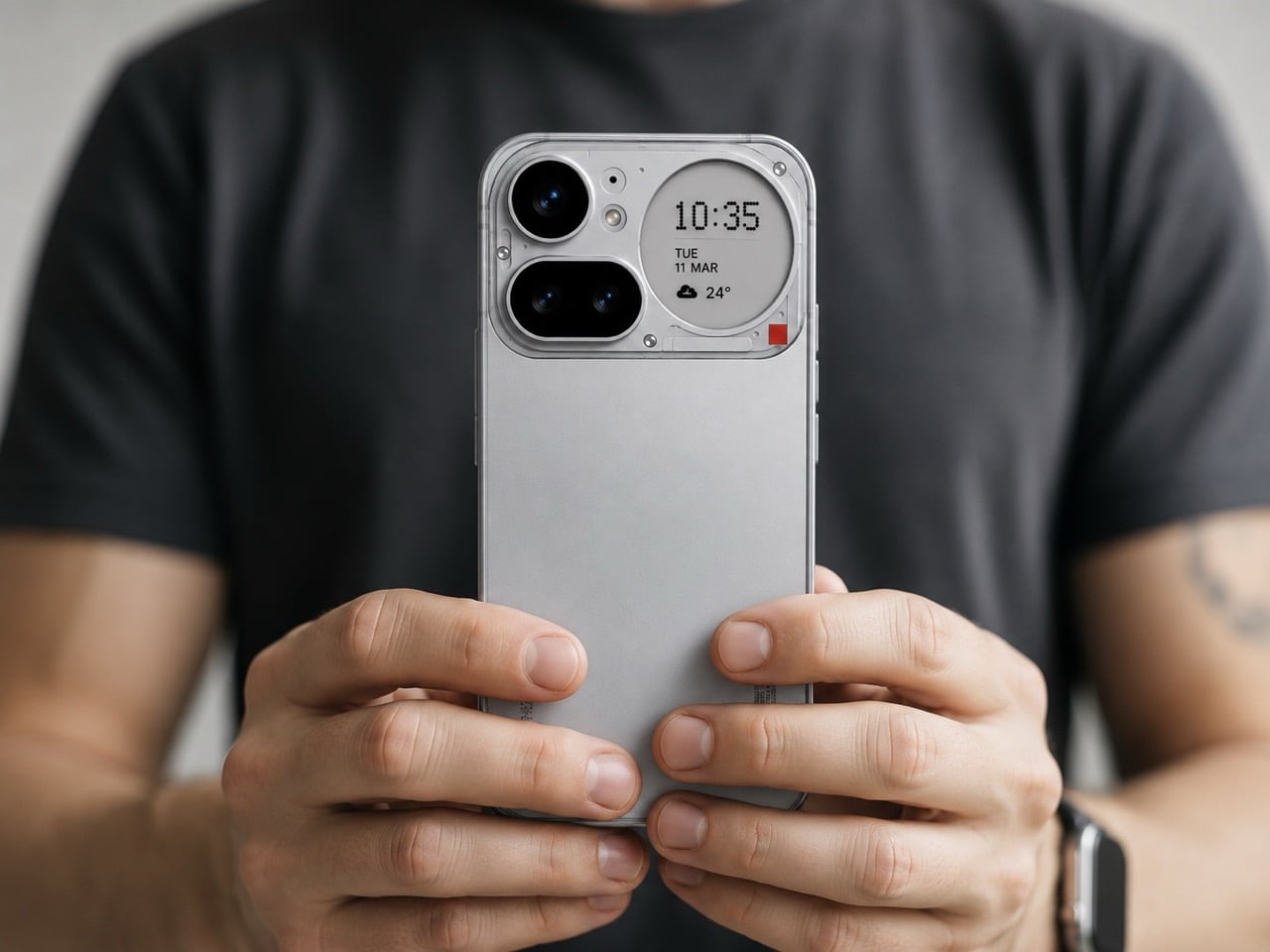
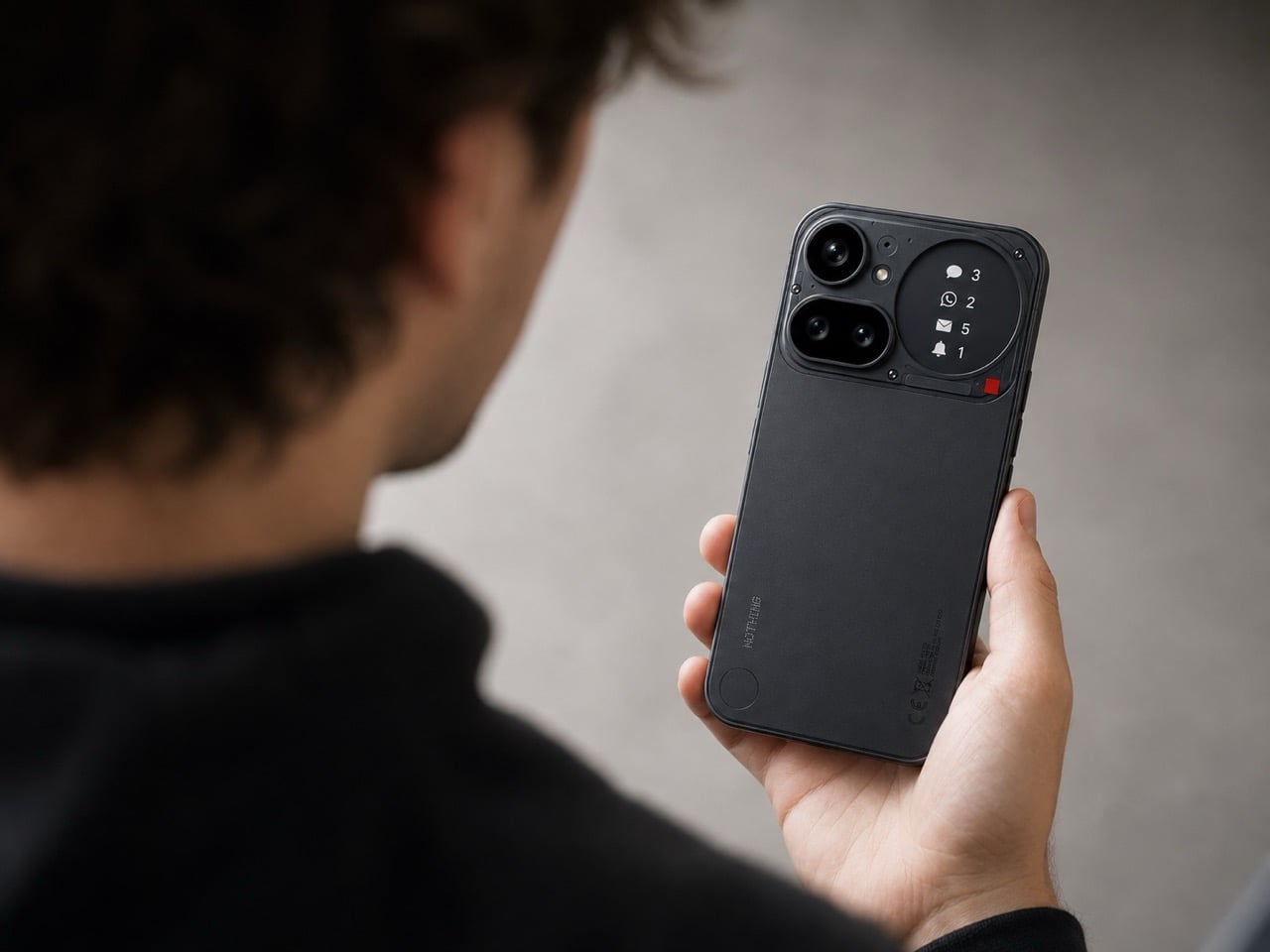
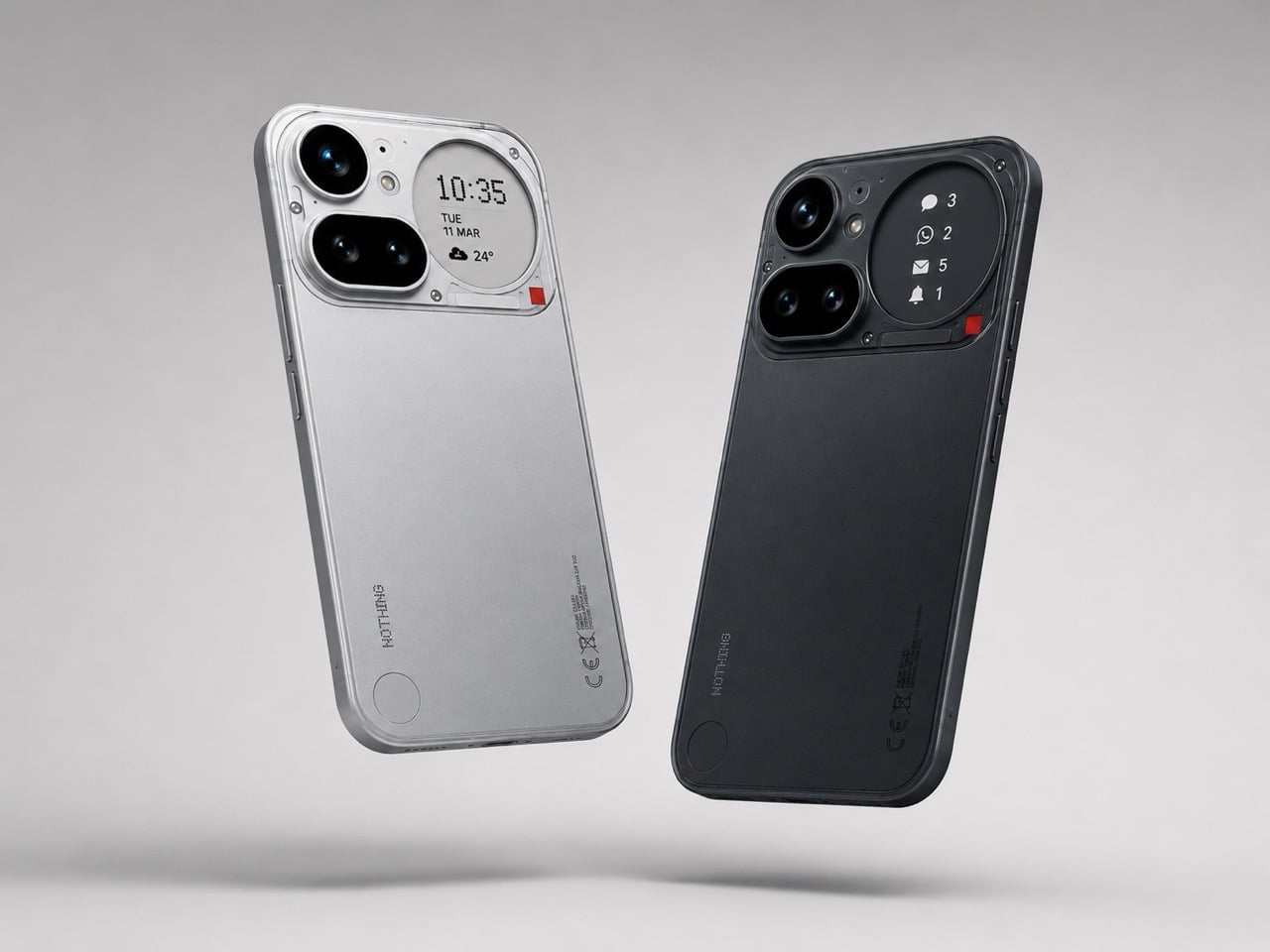
The Nothing 4a Pro already has its fans, but a Redditor named Taweros made a compelling argument for what it could have been. This concept swaps the Glyph Matrix for a full e-ink display on the back of the phone, and the result feels genuinely more useful. Rather than light patterns that impress for about thirty seconds, you get an always-on second surface that can show weather alerts, caller information, or a QR code at a networking event, all without changing a single thing about the internals.
The hardware underneath stays intact: Snapdragon 7 Gen 4 processor, triple camera setup, and the same display up front. The addition is purely on the rear panel, and it’s a quiet, considered one. E-ink only draws power when the image changes, which means the display stays active all day without meaningfully affecting battery life. It’s less TikTok and more LinkedIn than Nothing’s usual brand register, but the argument for using the phone’s real estate more thoughtfully is hard to dismiss. Here’s hoping the Nothing 5 takes notes.
What we like
- Always-on e-ink rear display works with almost no battery drain
- Turns decorative real estate into a functional ambient information layer
What we dislike
- This is a fan concept, not a confirmed product from Nothing
- Ditching the Glyph Matrix removes the brand’s most recognizable design signature
2. OrigamiSwift Mouse


The OrigamiSwift is what happens when a designer takes the brief “travel mouse” seriously rather than just shrinking an existing one. Designed by Horace Lam, it folds flat to 0.18 inches thick and weighs just 40 grams, but unfolds into a full-sized working mouse in under half a second. The origami-inspired triangular structure gives it a rigidity that flat folding designs often sacrifice, and the result is a mouse that holds its shape through real work sessions, not just on a demo table.
The Bluetooth 5.2 connection pairs across Mac, Windows, Android, and iPadOS, with a wireless range of 32.8 feet in open environments. A 4,000 CPI HD infrared sensor tracks at up to 4,000 frames per second, a genuinely capable spec for a device this light. USB-C charging delivers up to three months of use on a single charge, and the soft-click buttons keep things quiet in shared spaces. At $85, the OrigamiSwift is a thoughtful tool for anyone who works on the move and is tired of compromising.
What we like
- Folds to 0.18 inches thick and weighs only 40 grams
- Three months of battery life on a single USB-C charge
What we dislike
- Stock is very limited at the time of writing, with only a few units available
- A 4,000 CPI ceiling may not satisfy precision-heavy creative workflows
3. MorningBlues SonicGlass A1 Transparent Speaker
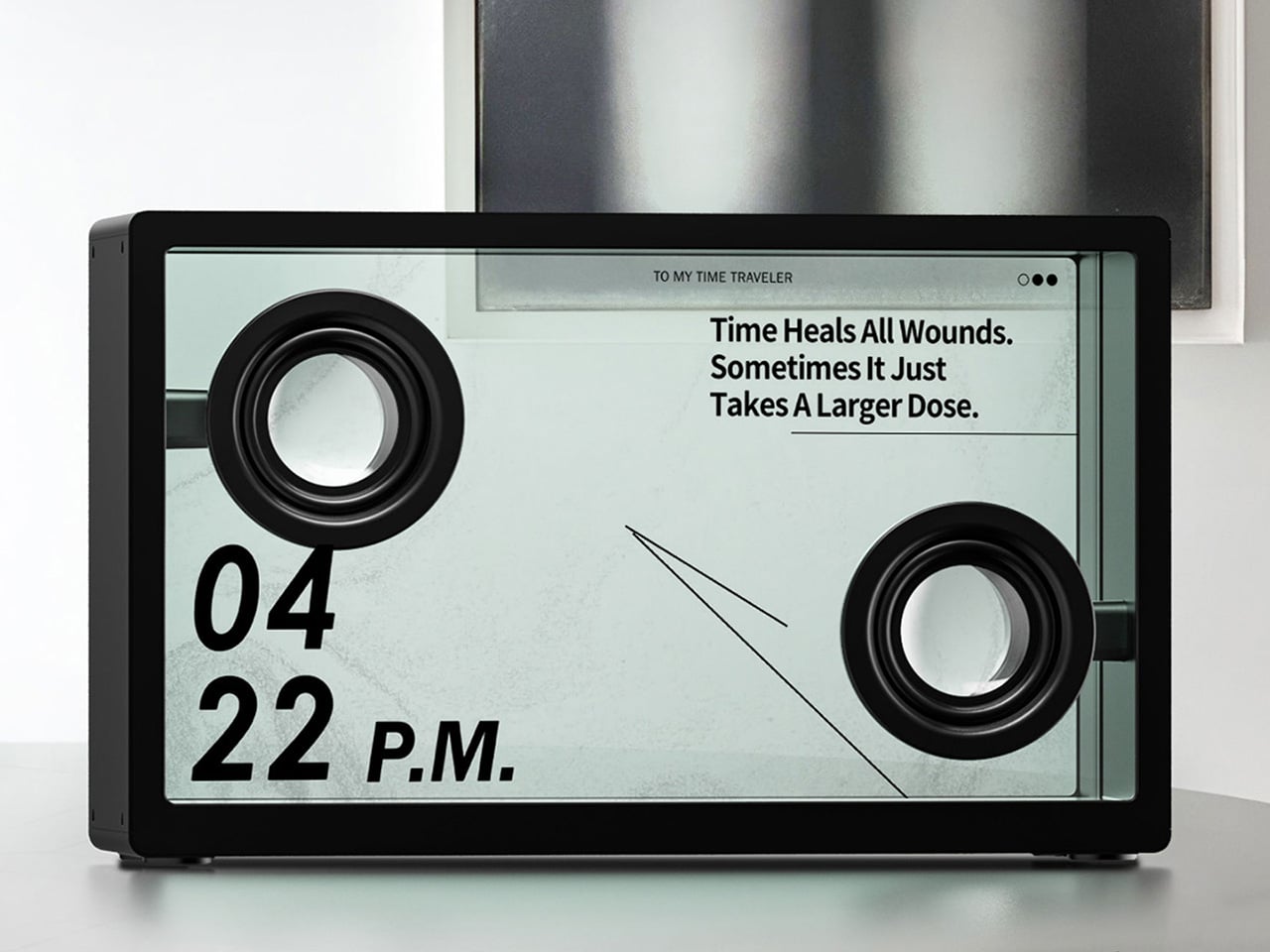

Most home speakers are designed to disappear. The MorningBlues SonicGlass A1 was designed to do the opposite. Its front face is a 21.5-inch TFT panel with over 90% light transmission, framed in black with a transparent driver sitting behind it, fully visible. When a song plays, lyrics appear across the glass in motion styles tied to the track’s rhythm and emotional character. MorningBlues calls this MoodLyric, built on data from hundreds of millions of playbacks, with all lyrics licensed through LyricFind to properly credit the artists whose words it borrows.
A feature called SceneSync layers AI-generated visuals tuned to music genres in real time: pop, hip-hop, R&B, and rock each trigger different visual aesthetics on screen. When the music stops, the AI stays on as a room display with ambient backgrounds, dynamic clock faces, and an ASMR sleep mode for winding down. Pair it with a microphone, and it becomes a full karaoke setup with lyrics scrolling live. The MorningBlues Music Hub 1 controller manages playback without involving your phone.
What we like
- Transparent driver and 21.5-inch display make it function as room art between listening sessions
- MoodLyric and SceneSync create a visually synced experience native to each genre
What we dislike
- $646 is a significant entry price for a product still in the crowdfunding phase
4. Lenovo ThinkTab X11 Rugged Tablet
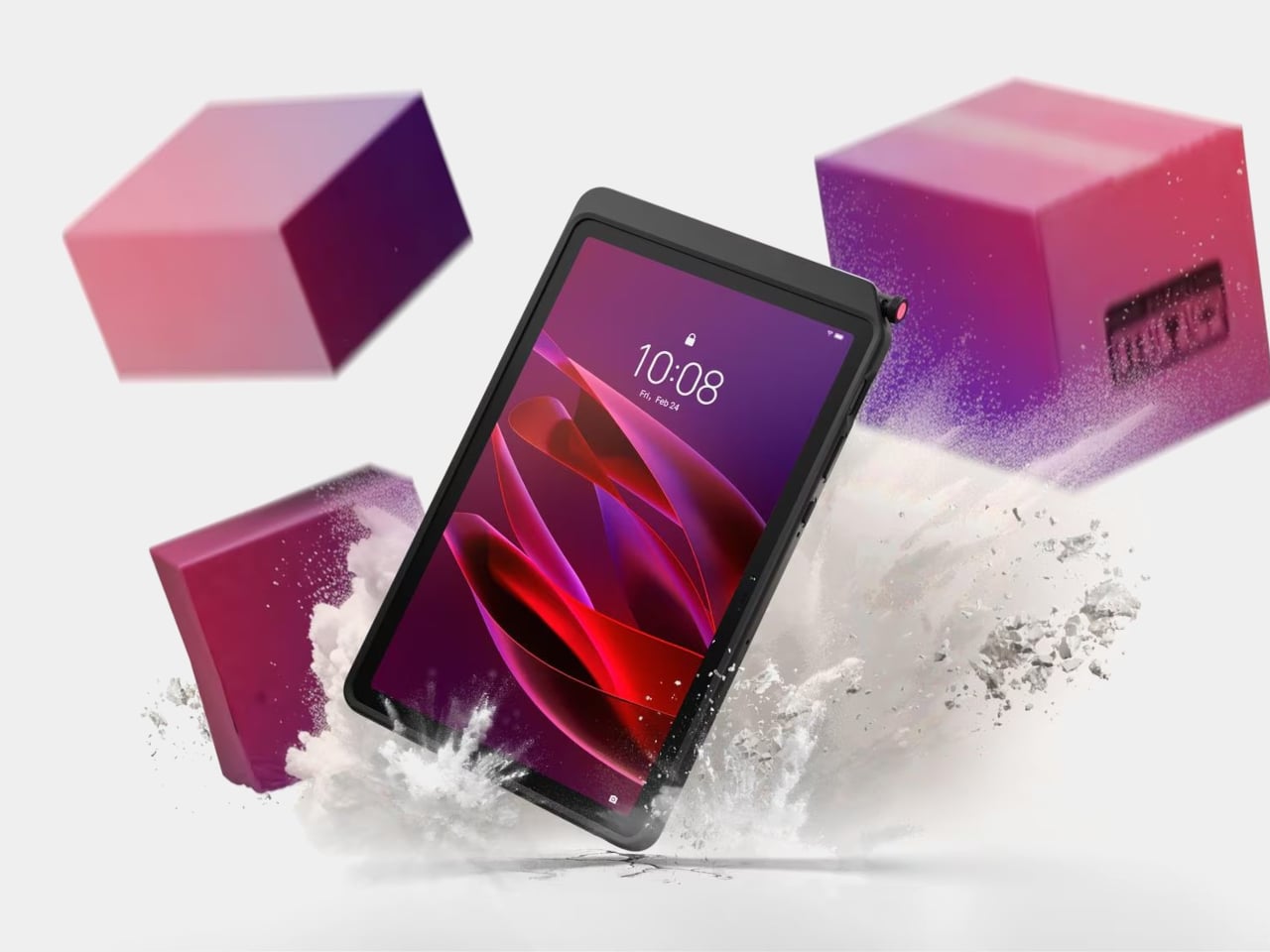
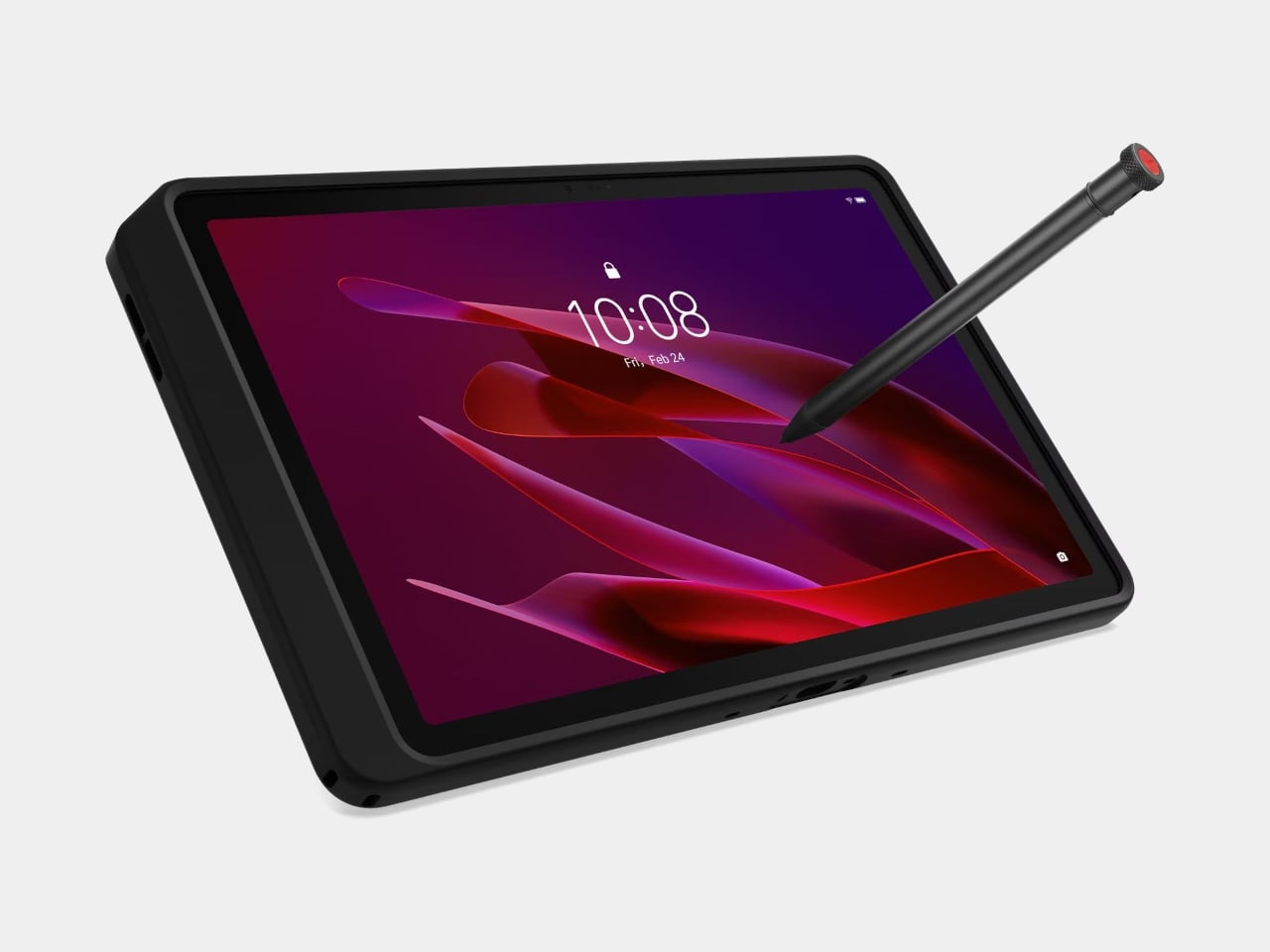
Rugged tablets have historically lived in an awkward pricing tier: too expensive for teams with tight budgets, too limited for anyone expecting a consumer-grade finish. The Lenovo ThinkTab X11, the first device to carry the ThinkTab name, targets frontline workers in logistics, construction, manufacturing, and transportation starting at $499. The 10.95-inch display runs at 90 Hz with 800 nits of peak brightness and Gorilla Glass protection, and the touch layer is calibrated to respond to gloved hands and wet fingers, which matters on a loading dock far more than any raw spec comparison.
The standout feature is a 10,200 mAh battery that swaps without tools through a screwless mechanism, letting workers keep moving mid-shift without losing the device entirely. It also runs directly from DC power with no battery installed at all for fixed vehicle or workstation deployments, reducing heat and removing the cell’s natural degradation from the equation. MIL-STD-810H and IP68 ratings round out the durability credentials. It ships with Android 16, guaranteed to reach Android 18, and four years of security patches. The 256 GB model is available at $579.
What we like
- Screwless hot-swappable battery makes it genuinely practical for multi-shift field use
- Battery-less DC operating mode extends device lifespan in fixed deployments
What we dislike
- $499 still sits above the average consumer tablet price point
- Enterprise-facing software and setup may feel less intuitive for individual buyers
5. Xiaomi Watch S5 46mm
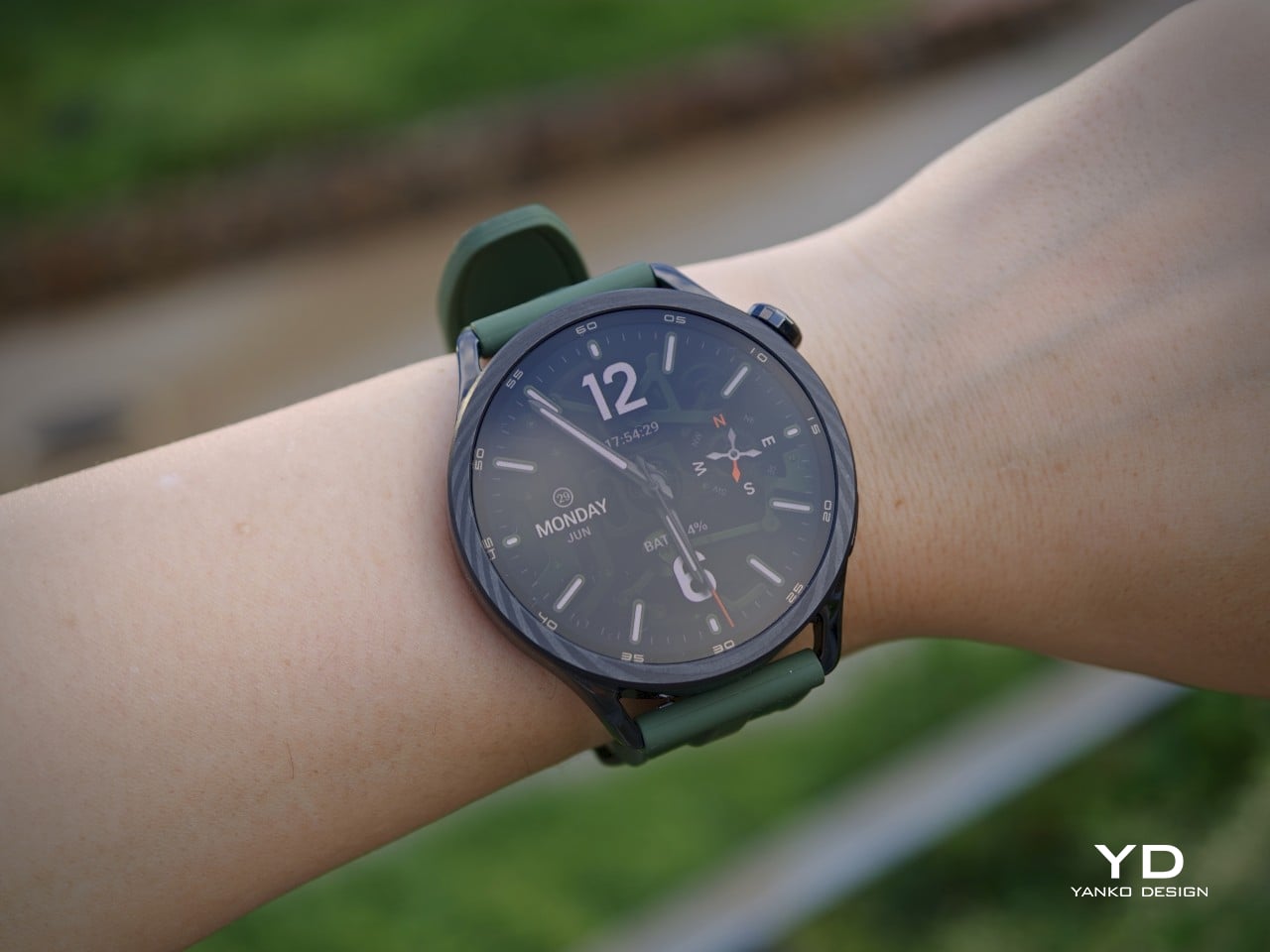
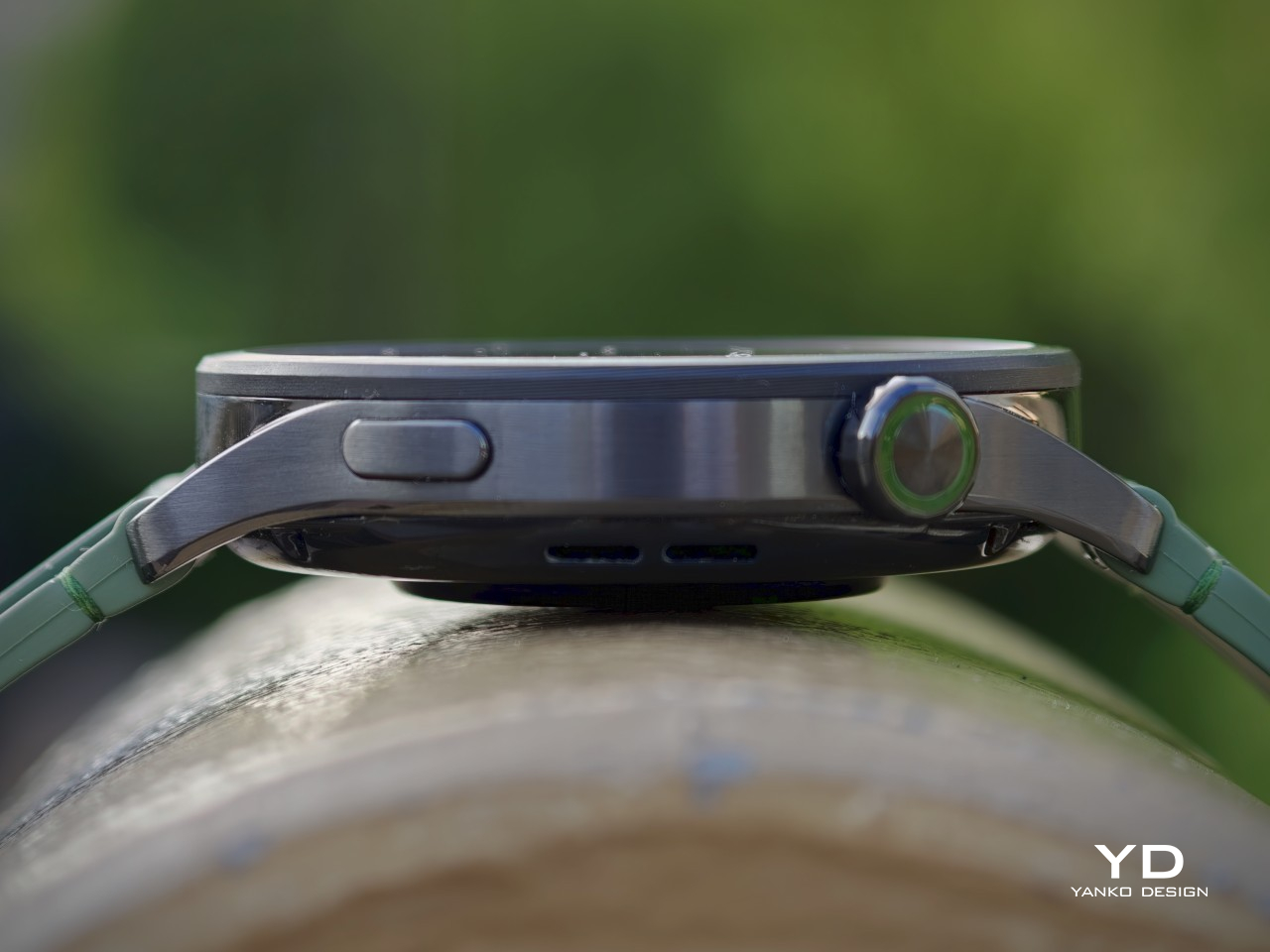
The Xiaomi Watch S5 46mm looks less like a gadget trying to pass as a watch and more like a watch that happens to be smart. The 1.48-inch AMOLED display runs at 2,500 nits peak brightness with a 2.6mm bezel that’s 40% narrower than the previous generation. The forged stainless steel frame comes in four distinct styles, including a Ceramic Blue version with a zirconia ceramic bezel and leather strap, and a Jungle Green with a forged carbon bezel and hybrid band that leans sportier. Each variant has a clear identity rather than reading as a simple color refresh.
The 815mAh battery delivers up to 21 days under light use, a 68% improvement over the Watch S4. In real-world testing with Always On Display and full health tracking running, expect around six days before a charge. Five-system GNSS, 5ATM water resistance, 150 sports modes, and an updated four-LED heart-rate sensor built on the same hardware platform as the flagship Xiaomi Watch 5 round out the specs. At £149.99 for standard models and £169.99 for the Blue and Green colorways, the Watch S5 offers a lot of watch per pound.
What we like
- 2,500-nit AMOLED display stays sharp and readable in direct sunlight
- Up to 21 days of battery life on a single charge
What we dislike
- HyperOS 3’s app ecosystem is noticeably limited compared to Wear OS
- Sleep tracking still misses short naps in regular use
6. Nothing Book Laptop

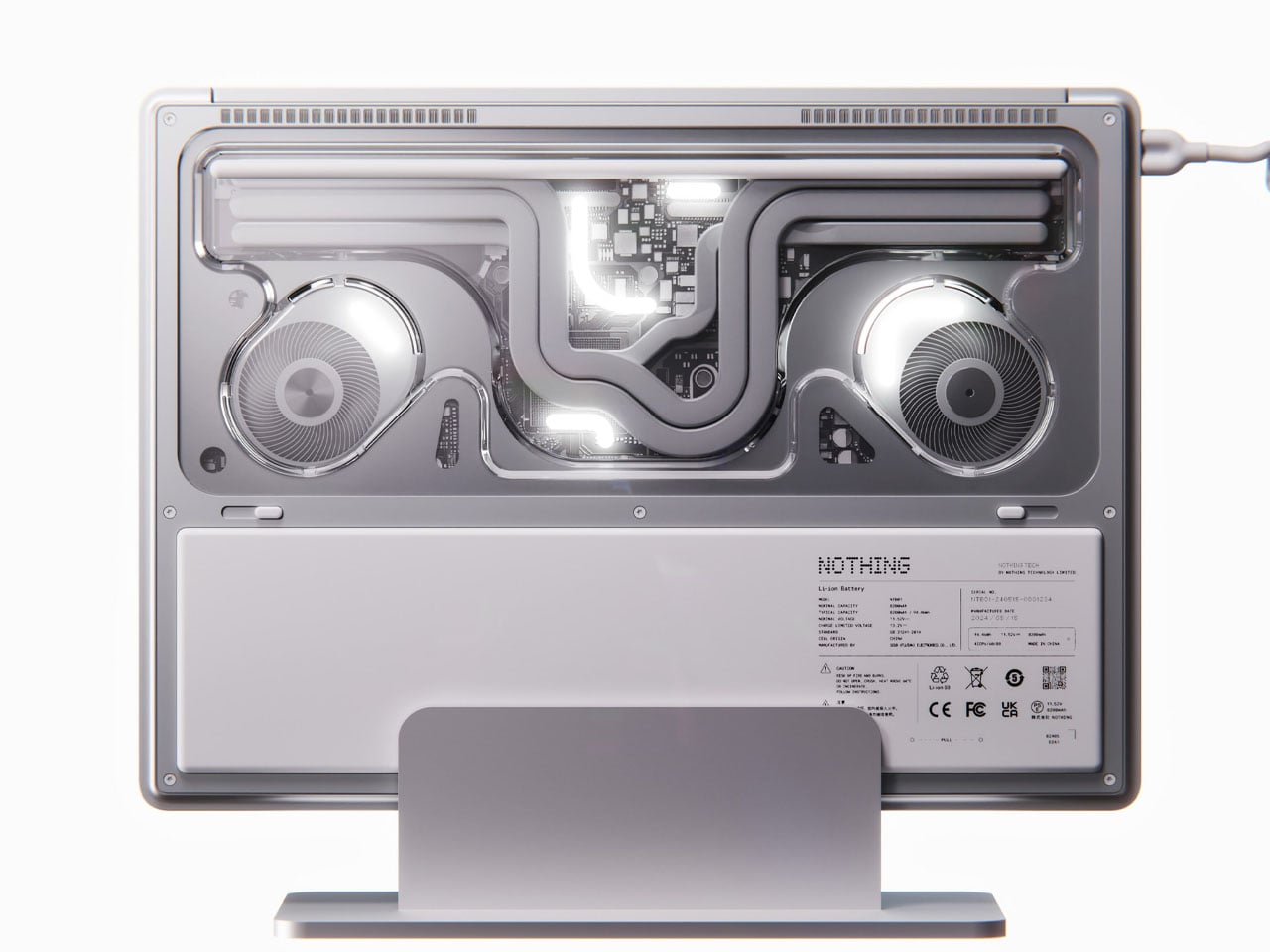
Nothing has built its identity on see-through design, and Nikita Bukoros has taken that logic as far as it goes. The Nothing Book is a concept laptop that lays the machine’s internals bare through transparent panels, revealing the inner architecture, cooling boards, and components in a layered composition the designer describes as industrial art. The secondary screen on the lid is the standout feature: a slender external display that shows messages, symbols, emojis, or custom text in the classic Nothing font, giving the machine a personality that no other laptop on the market currently attempts.
When docked in its accompanying charging cradle, the secondary lid display runs a charging animation. The concept comes in hot red, cool green, subtle pink, and magnetic teal, which is a bold departure from Nothing’s usual monochrome palette. Port options include HDMI, USB-C, USB, and wired charging. Whether Nothing ever produces this is an open question, but Nikita’s concept makes a clear case that the laptop category is overdue for a brand willing to treat the machine as something genuinely worth looking at, not just opening.
What we like
- Secondary lid screen is a genuinely useful extension of the Nothing design language
- Transparent chassis turns working components into deliberate visual design elements
What we dislike
- Remains a concept with no confirmed production timeline from Nothing
- Colorways depart from Nothing’s established monochrome aesthetic, which may divide the existing fanbase
7. Battery-Free Amplifying iSpeakers
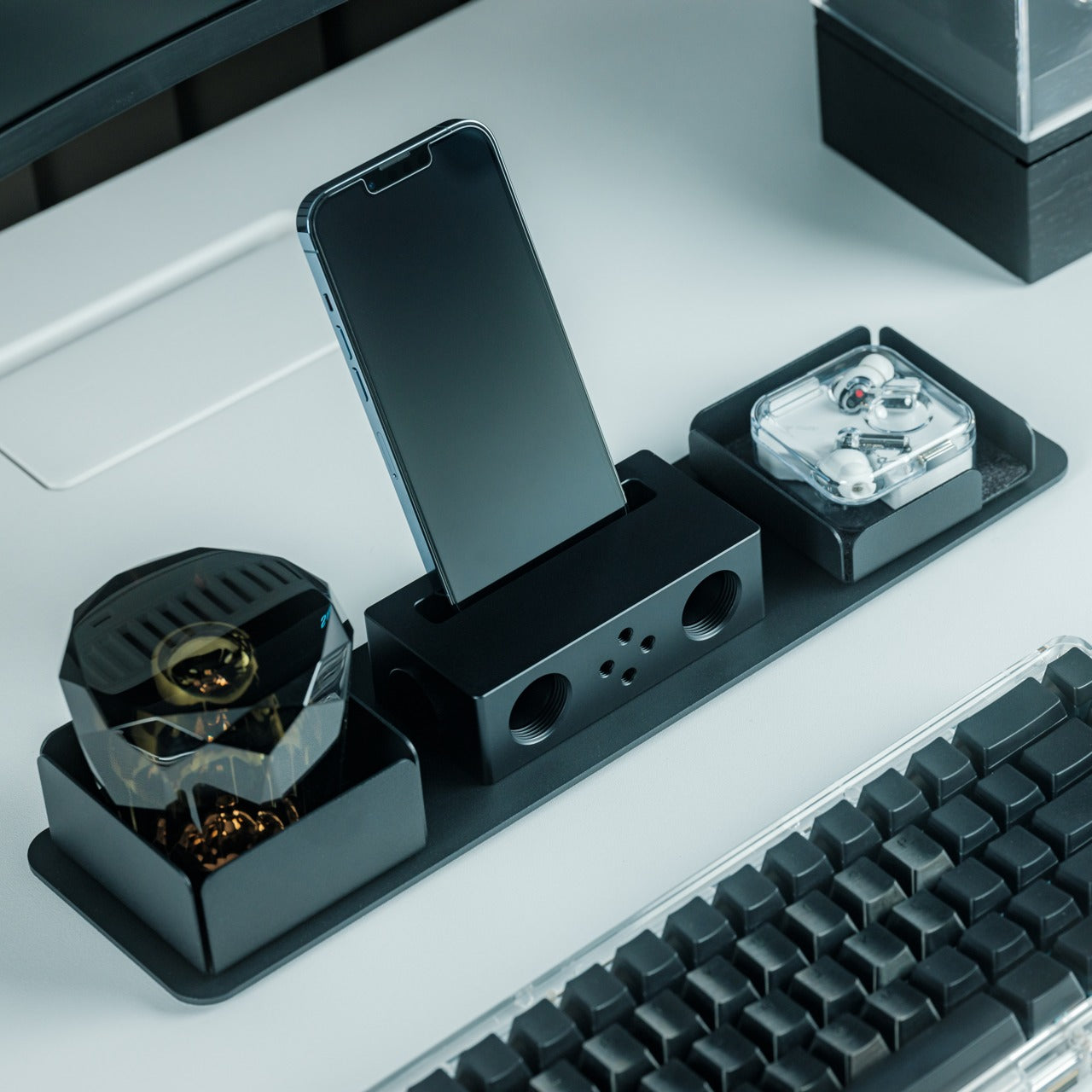

In a world where most audio accessories arrive loaded with chips, apps, and charging cycles, the Battery-Free Amplifying iSpeakers take a different position entirely. These passive acoustic speakers work without any power source, relying on physical design principles to amplify sound naturally. That means no charging routine, no Bluetooth pairing, and no setup ritual. For smaller living spaces, a tiny home, or a desk that doesn’t need another cable cluttering it, the appeal is immediate, and the logic is completely sound.
Sitting in the Yanko Design tiny homes collection at $179, the iSpeakers are designed for people who think carefully about what earns a place in their space. The absence of a battery means the device has no defined end of life in the way most gadgets do. You’re not buying a product with a two-year replacement cycle quietly built in. You’re buying an object made to stay, which feels increasingly rare and worth paying attention to in a product category that tends to treat longevity as an afterthought.
Click Here to Buy Now: $179.00
What we like
- Zero power requirement means no charging, no battery degradation, and no added cables
- Designed for genuine longevity with no electronic components to degrade over time
What we dislike
- Limited product detail available makes it difficult to compare against powered alternatives
- $179 is a premium ask without detailed specification transparency on the product page
8. Xiaomi UltraThin Magnetic Power Bank 5000 15W
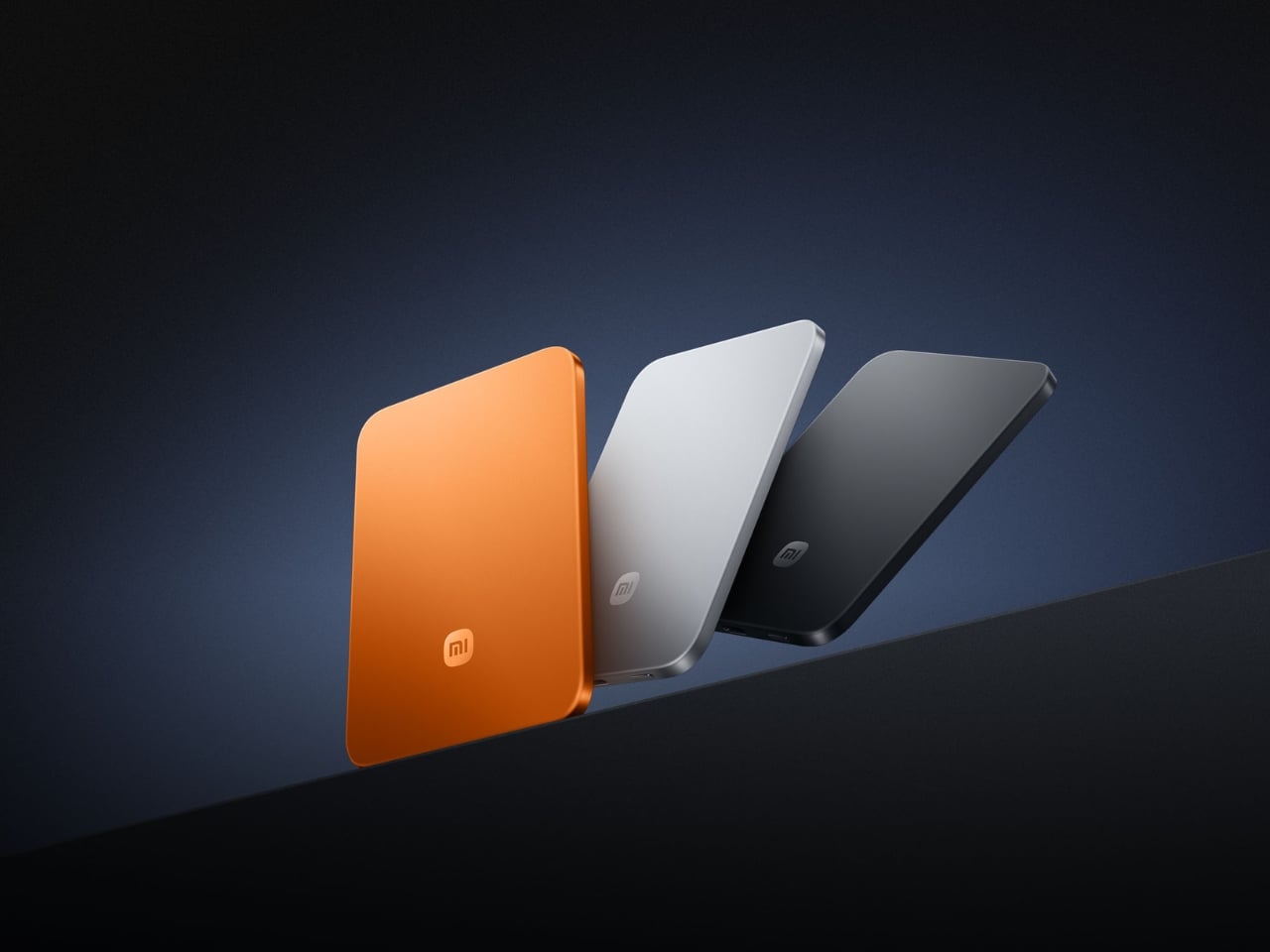
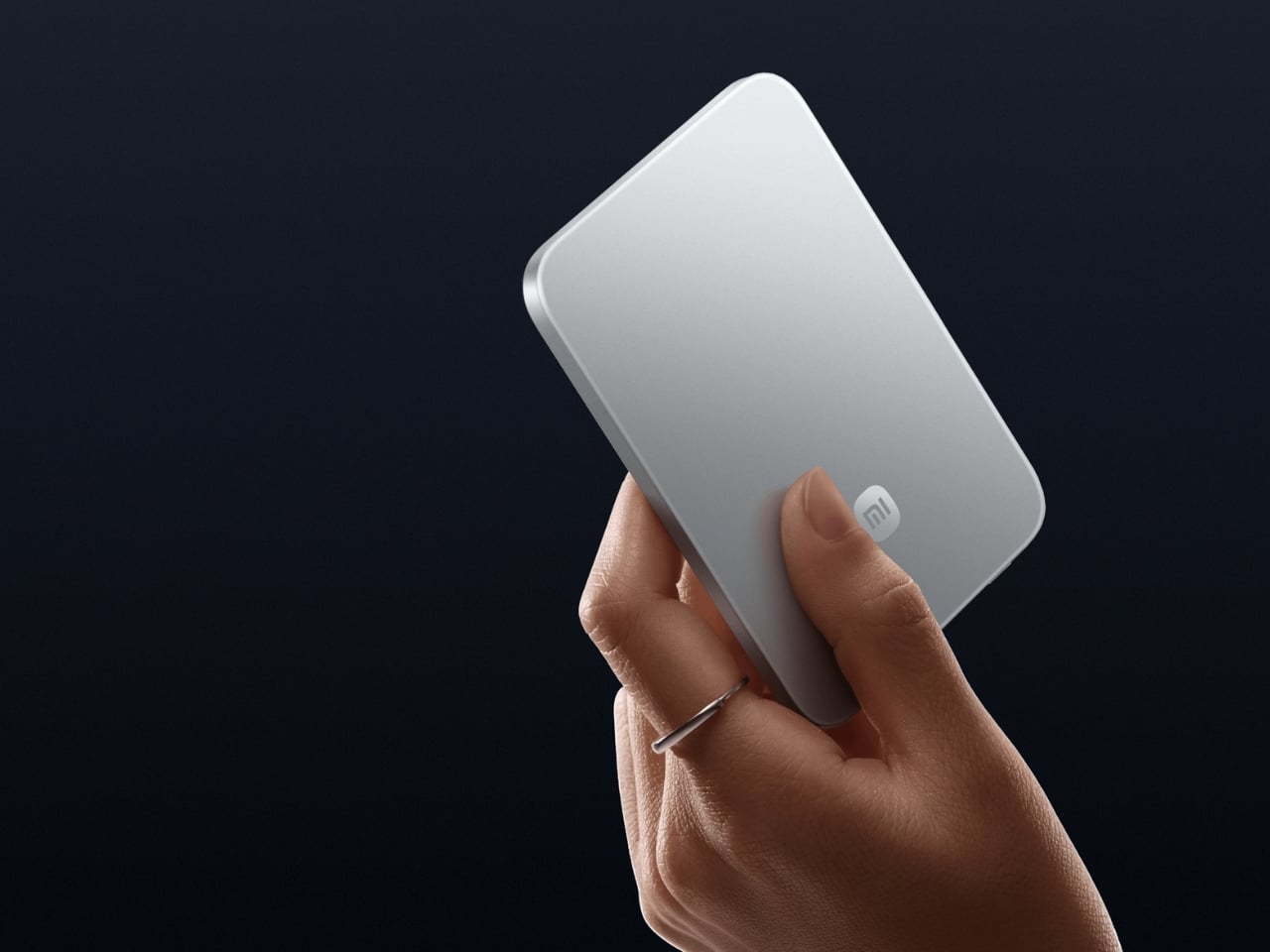
At 6mm thick and 98 grams, the Xiaomi UltraThin Magnetic Power Bank makes every other power bank in your bag feel like a failure of imagination. The 5,000 mAh capacity is made possible by a silicon-carbon battery with 16% silicon content, a chemistry that delivers higher energy density than conventional lithium cells in a dramatically slimmer form. The aluminum alloy shell carries a photolithographically etched logo on the back, and the phone-facing surface uses fire-resistant fiberglass with an excimer coating for heat management. It was officially showcased at MWC 2026 in Barcelona and has since launched across Europe, Australia, Singapore, and South Korea.
Wireless charging tops out at 15W when paired with the Xiaomi 17 series and 7.5W for iPhones via MagSafe. The USB-C port pushes up to 22.5W wired, and the bank charges two devices simultaneously. Ten layers of protection cover overvoltage, overcurrent, overheating, and short circuits, with dual NTC temperature sensors running constantly in the background. Priced at €60 in Glacier Silver and Graphite Black, with a Radiant Orange option at €65, it’s one of the cleanest arguments for restraint in recent consumer electronics memory.
What we like
- 6mm thickness is thinner than any current smartphone on the market
- Silicon-carbon battery chemistry packs 5,000 mAh into an almost impossibly slim profile
What we dislike
- iPhone charging is capped at 7.5W due to Apple’s MagSafe restrictions
- 5,000 mAh won’t fully recharge most modern flagship phones from zero
The Best Tech This Month Isn’t Doing More – It’s Doing Less
What ties this month’s best together is a shared commitment to solving the right problem. The Xiaomi power bank doesn’t chase the biggest number; it chases the best shape. The Lenovo ThinkTab doesn’t pile on features; it removes friction from a real working environment. The SonicGlass A1 doesn’t compete on specs alone; it rethinks what a speaker is allowed to look like while it works. Each of these products decided what mattered most, and then built toward it.
Great design in July 2026 isn’t about doing more. It’s about knowing exactly what the object is for and building toward that with enough conviction to leave everything else out. From a 6mm power bank to a see-through laptop concept, from a foldable mouse to a watch that holds its own against something far more expensive, the best tech this month is defined by how precisely it makes its case. These eight make theirs well.