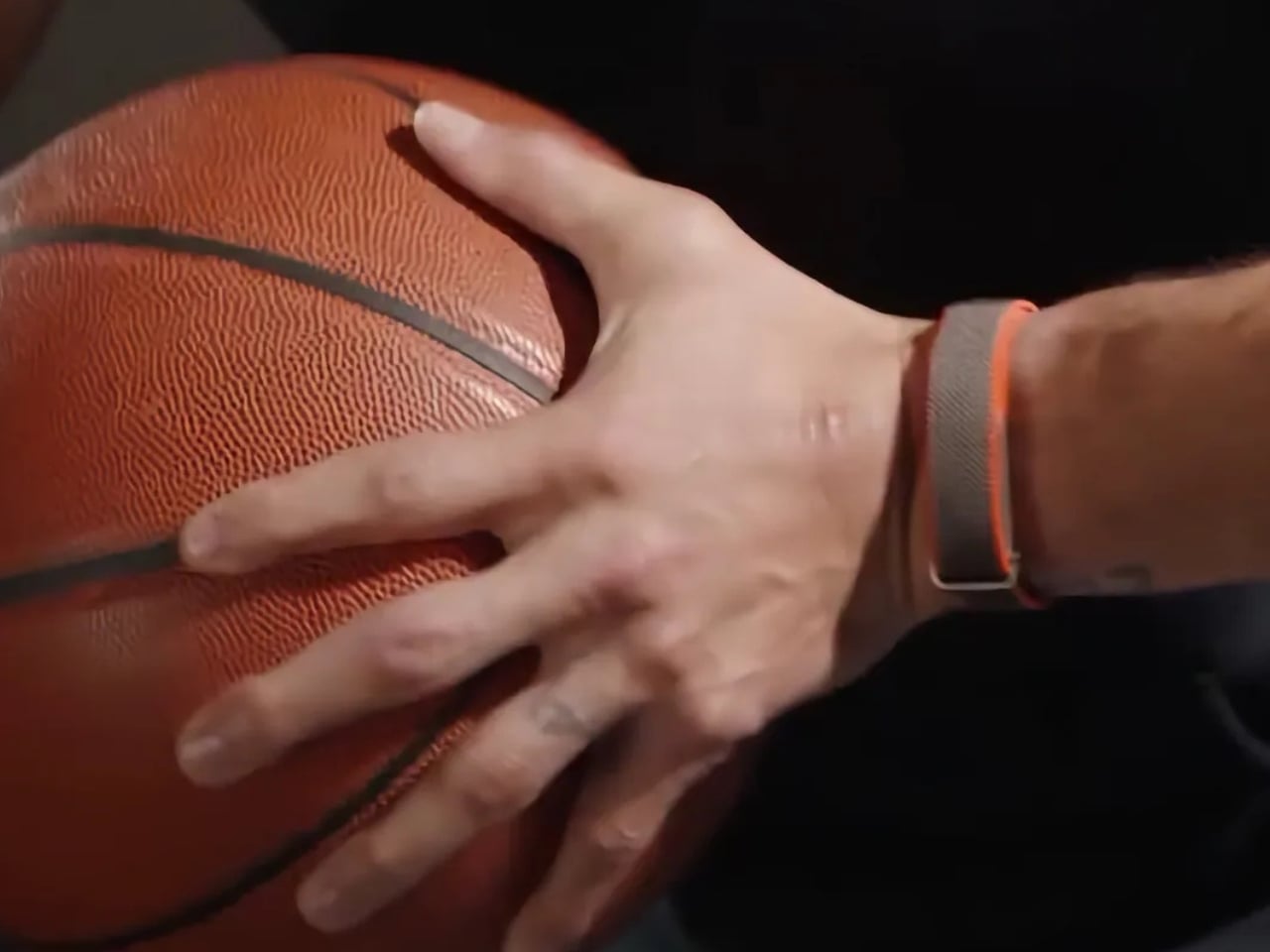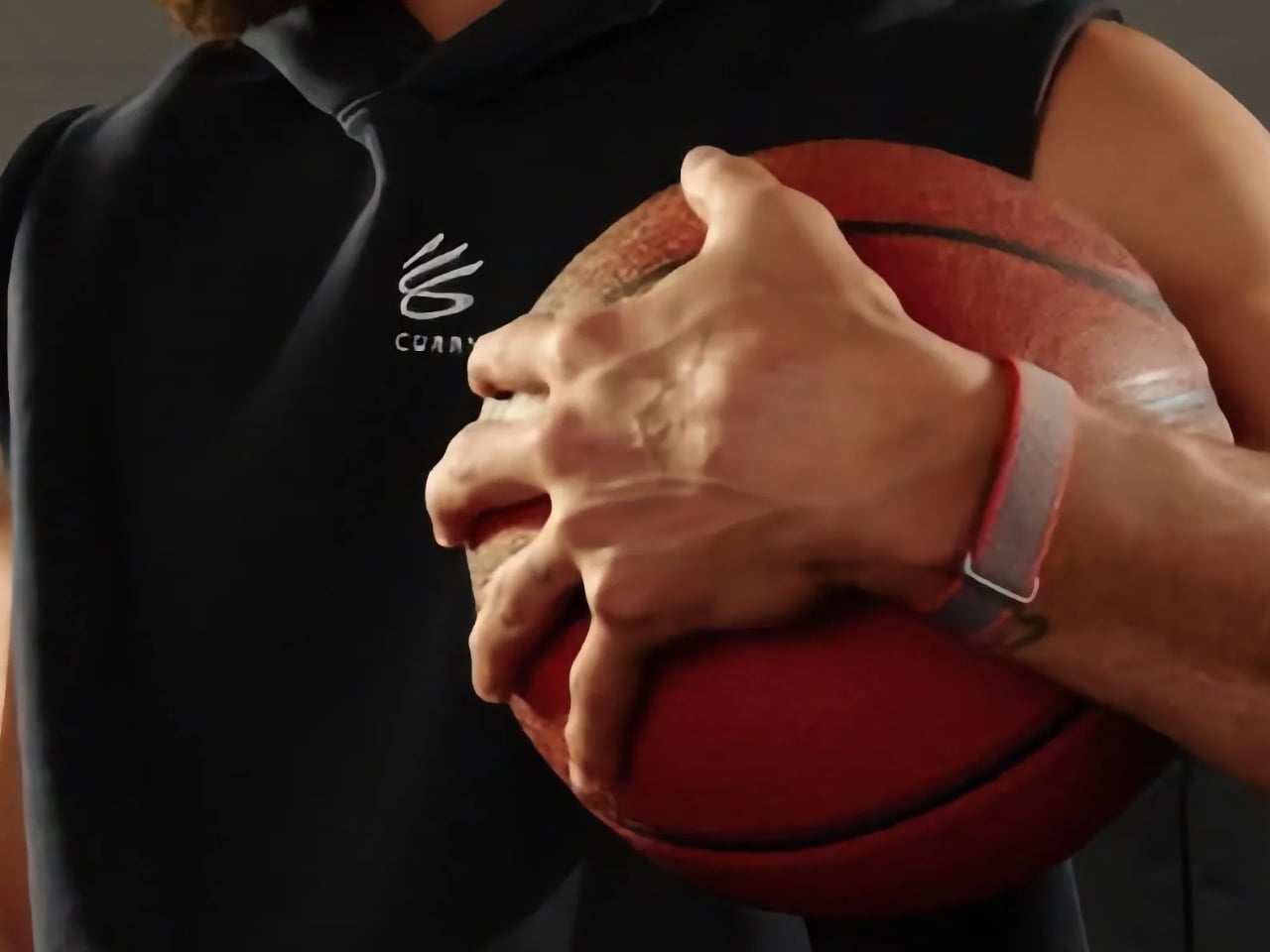
Somewhere between the chaos of leaks and an NBA star quietly going about his Instagram life, Google’s next wearable started taking shape. The Fitbit Air has reportedly been sitting on Steph Curry’s wrist since the beginning of 2026, patiently waiting to be noticed. Now that the name has leaked, so have the details, and they’re worth talking about.
According to supplier and retail data uncovered by Droid-Life, the Fitbit Air is a screenless fitness band with an expected May 16 launch date and a price point hovering around $99. It reportedly comes in three colors: Obsidian, Lavender, and Berry. Band options allegedly cover a wide range, from a Performance Loop Band to an Active Band, an Elevated SoftFlex Band, and even a Metal Mesh Band in Silver and Warm Gold. That last one especially catches my attention. A metal mesh band on a screenless tracker isn’t gym gear. That’s an everyday accessory.
Design: Fitbit
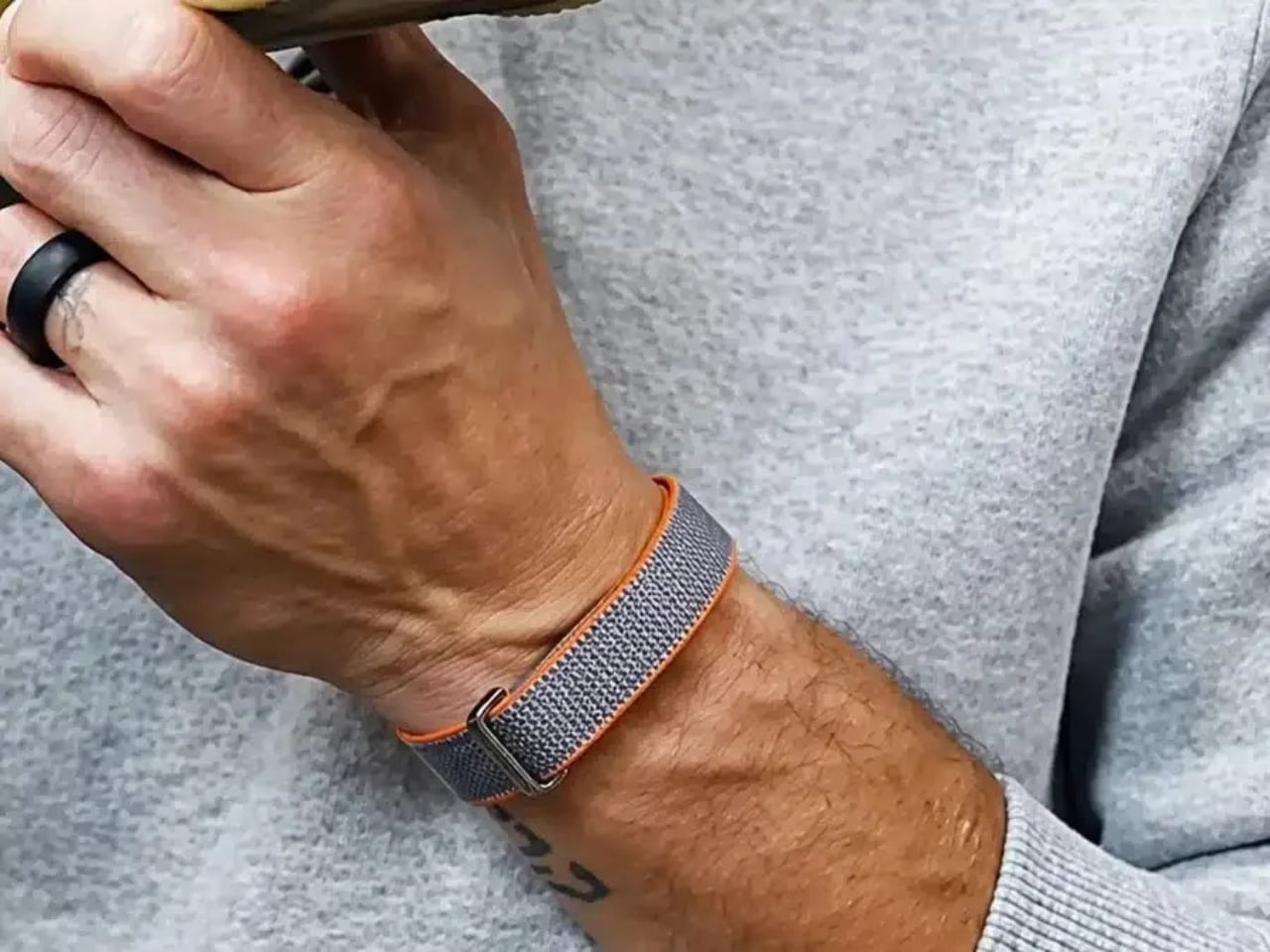
And that, honestly, is the smarter move. The fitness tracker market has been stuck in a cycle where every new device tries to do more: more sensors, more screens, more notifications, until the thing on your wrist becomes basically a phone you can’t type on. If the leaks are accurate, the Fitbit Air is moving in the opposite direction. No screen means no distractions, and for a device whose entire job is to monitor your sleep, heart rate, and activity in the background, that’s actually a reasonable design philosophy.

The obvious comparison here is Whoop. The Fitbit Air is clearly gunning for the same audience: people who care about health data but don’t want the clutter of a smartwatch. But the pricing argument is where Google may genuinely have an edge, if these numbers hold. Whoop’s cheapest plan runs $199 a year or $25 a month, and the device itself isn’t even sold separately; you’re subscribing to the whole ecosystem. The Fitbit Air, based on current leaks, would reportedly sell for a one-time cost of around $99 with core health insights included upfront. Advanced features like the AI-powered Google Health Coach are expected to sit behind a paid tier, but the baseline experience reportedly doesn’t require an ongoing subscription. That’s a meaningful difference, and a real one for people who bristle at paying a monthly fee just to see their own sleep score.

To be clear: none of this is confirmed yet. Google hasn’t officially said a word about the Fitbit Air. Supplier data is often directionally accurate but rarely exact, and both the May 16 launch date and the $99 price could easily shift before anything goes official. But the sheer volume of converging reports, covering the name, colors, band types, pricing, and release window, makes this feel less like speculation and more like an imminent announcement.
What keeps drawing me back is the reported design direction. The move toward screenless wearables isn’t a niche preference anymore. Whoop built a loyal following around it. The Oura Ring made passive tracking feel premium. Samsung and Apple are both circling the idea. Google, with the Fitbit brand in hand and a Google Health AI stack to back it up, is in a real position to make this category accessible to people who’ve been put off by the Whoop subscription model. The timing feels right.

The rumored Lavender and Berry colorways are a quiet but deliberate signal. Those aren’t colors aimed at hardcore athletes. They’re designed for the person who wants to wear something comfortable, low-key, and actually stylish all day, not just during a workout. The leaked Metal Mesh Band reinforces this. If accurate, Google seems to understand that a product you’re meant to wear around the clock needs to work in every context, not just at the gym.
If the Fitbit Air launches anywhere close to what these leaks suggest, it could be one of the more genuinely interesting product releases of the year. Not because it’s flashy. It’s the opposite of flashy. But because it shows a clear point of view. Sometimes less, done well, is exactly the right answer.