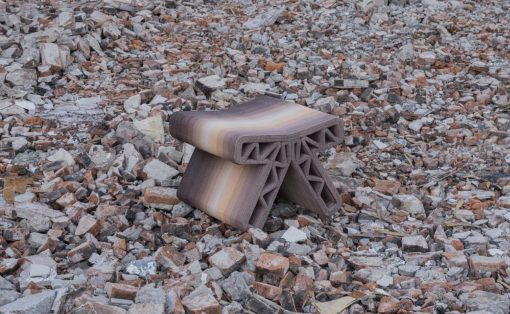
Have you ever noticed the worn-down patches of grass in a park where people have chosen to walk instead of staying on the designated path? That’s a desire path, and urban planners have a complicated relationship with them. Some see them as a nuisance, proof that people refuse to follow the plan. Others see them as data, clear evidence that the original design missed something. Fabrício Reguelin Auler falls firmly in the second camp, and his Shortcut Stool is one of the more thoughtful pieces of furniture I’ve come across in a while.
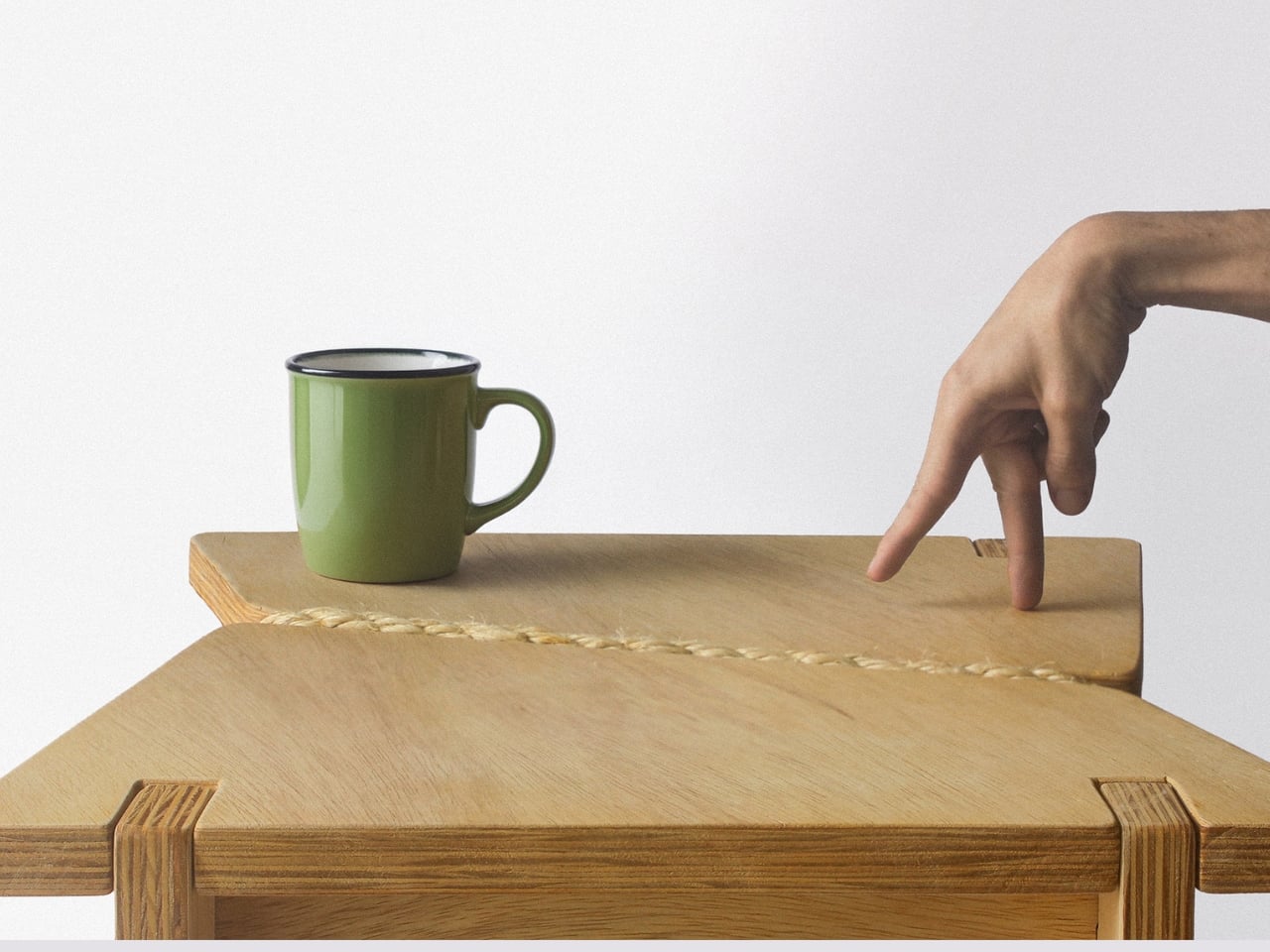
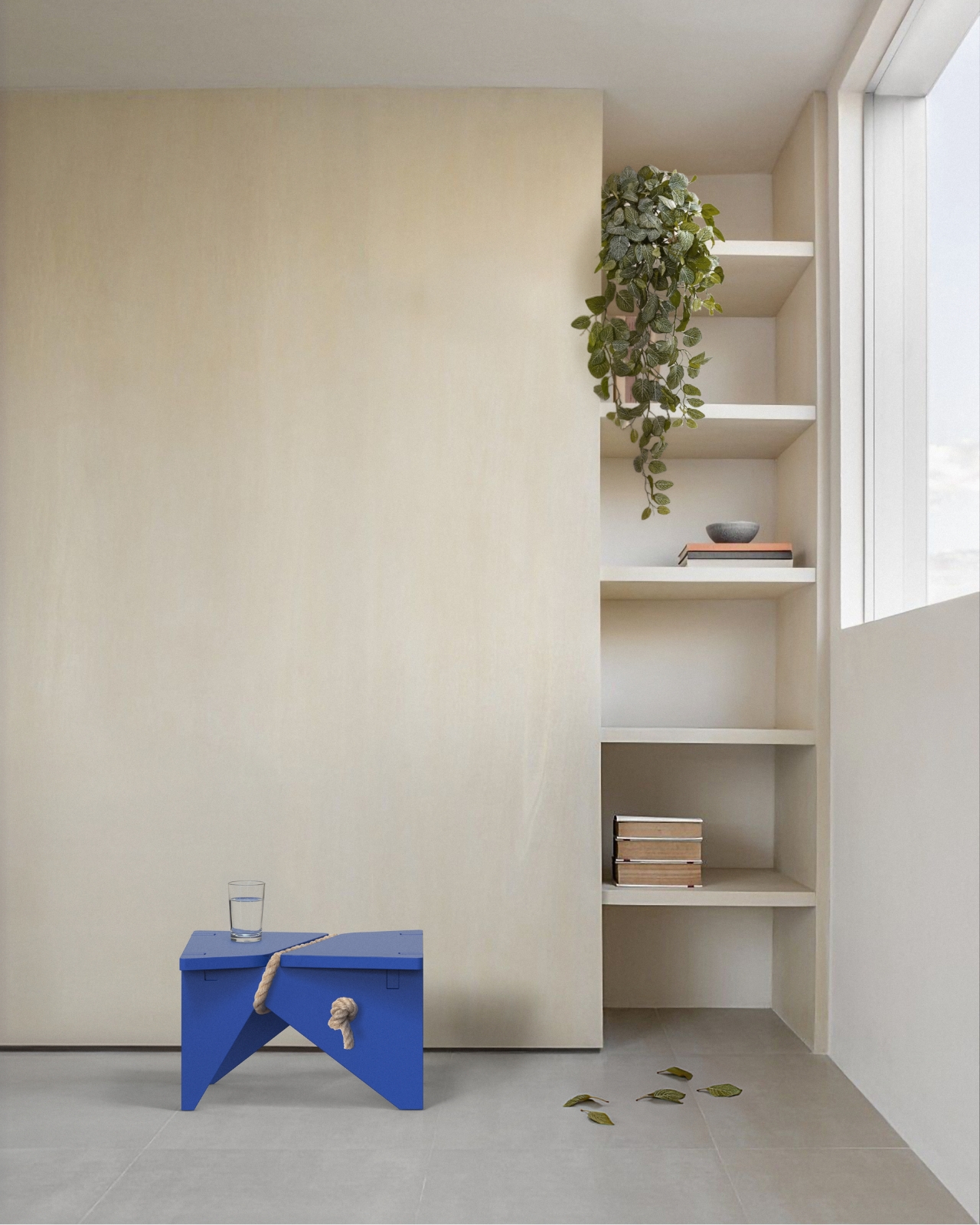
The concept behind the Shortcut Stool (or Atalho Bench, as it’s also known) is deceptively simple: what if furniture was designed around the way people actually use it, rather than the way designers intended? That means acknowledging all the small, unconscious behaviors we exhibit at home. Sitting on the very edge of a stool instead of the center. Resting a bag on it before finding somewhere better. Perching on it for thirty seconds while tying a shoe. Using it as a surface for a glass of water when every other surface is occupied. None of this is “correct” use. And yet, all of it is completely normal.
Designer: Fabrício Reguelin Auler
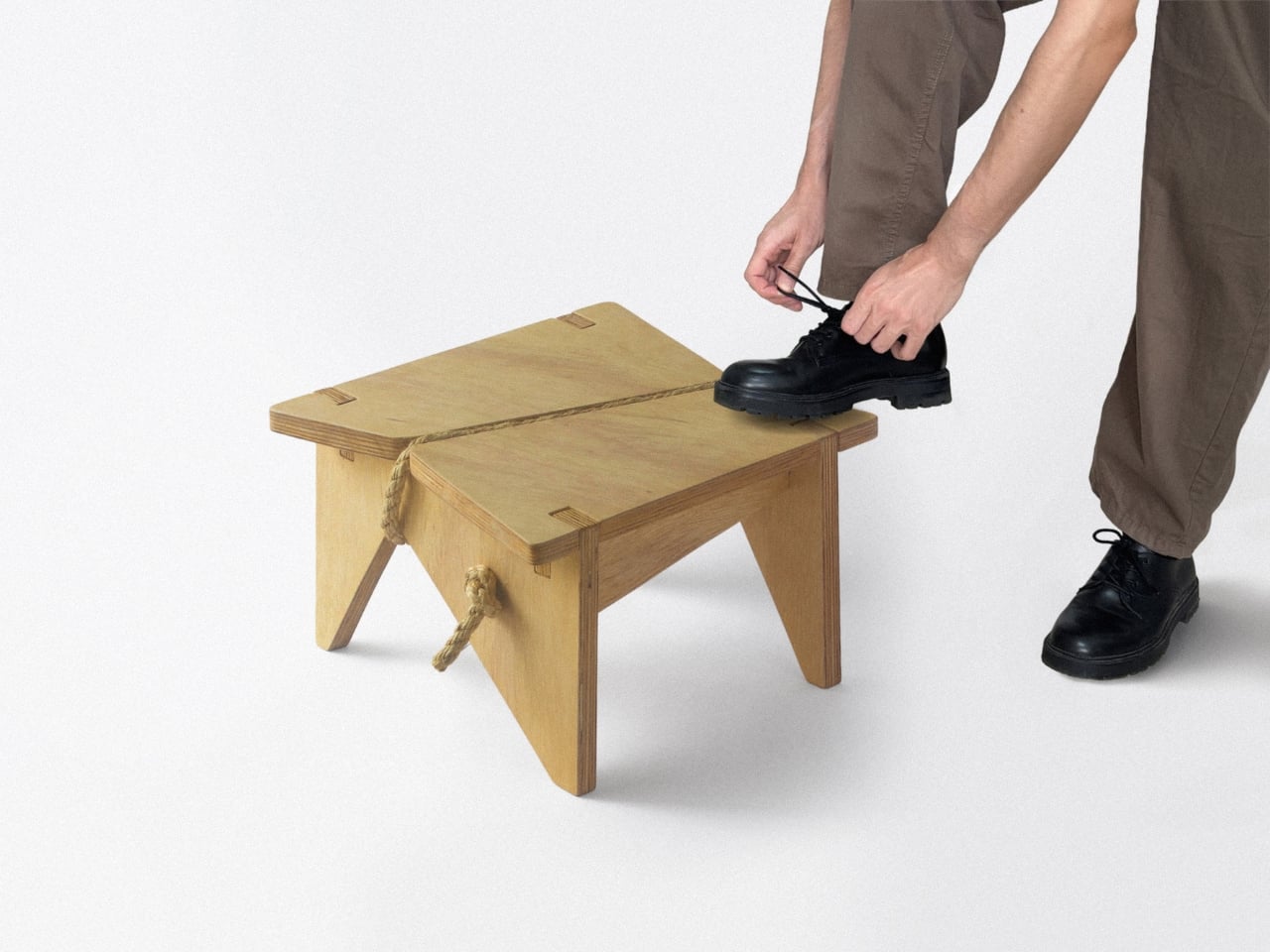
This is where I think a lot of furniture falls short. Design, especially at the higher end of the market, tends to be prescriptive. There’s an implied right way to use a piece, and deviating from it can feel almost disrespectful. Reguelin Auler flips that thinking entirely. The Shortcut Stool doesn’t pretend that people will interact with it perfectly. It welcomes the imperfection, and that’s genuinely refreshing.
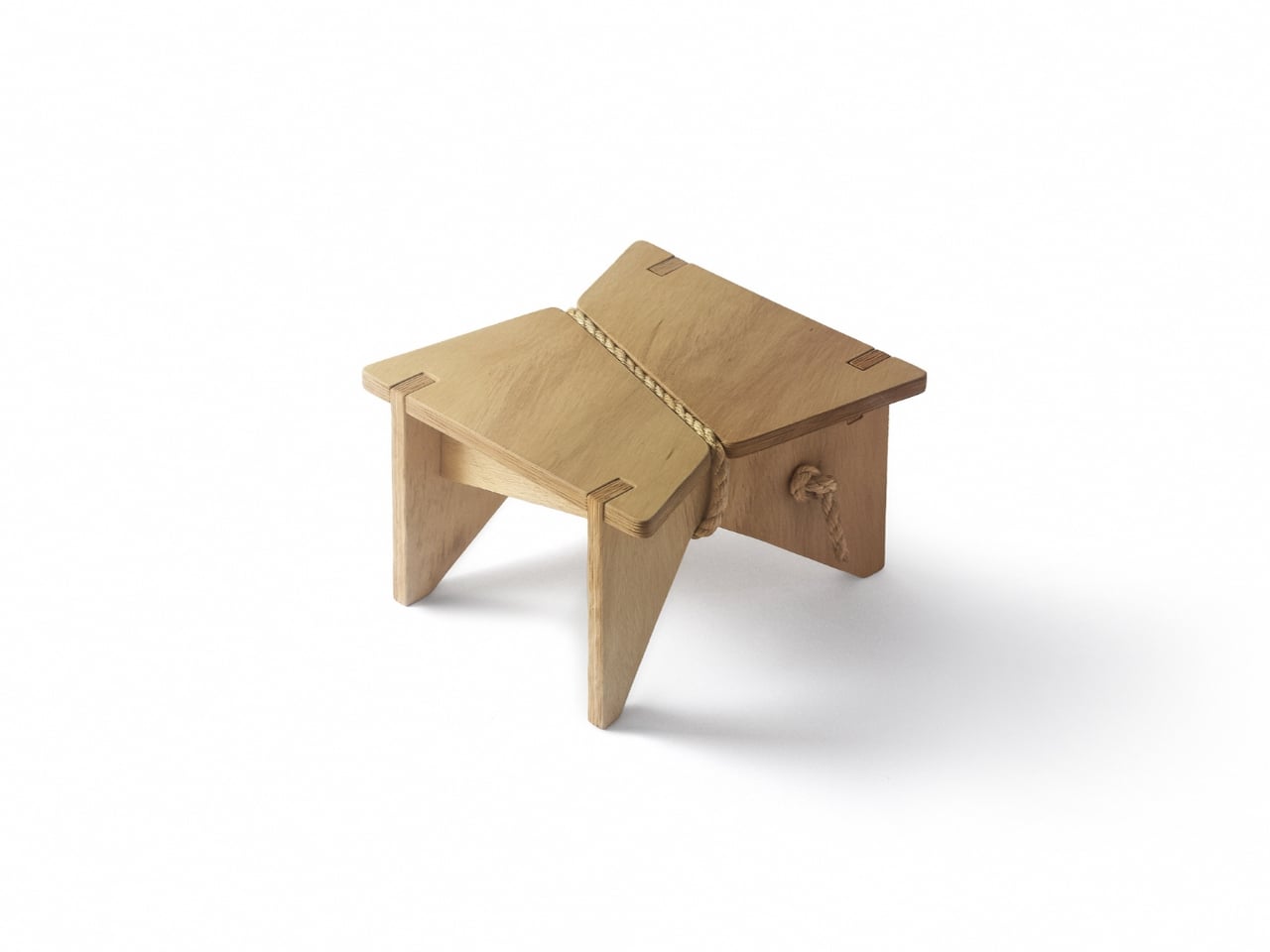
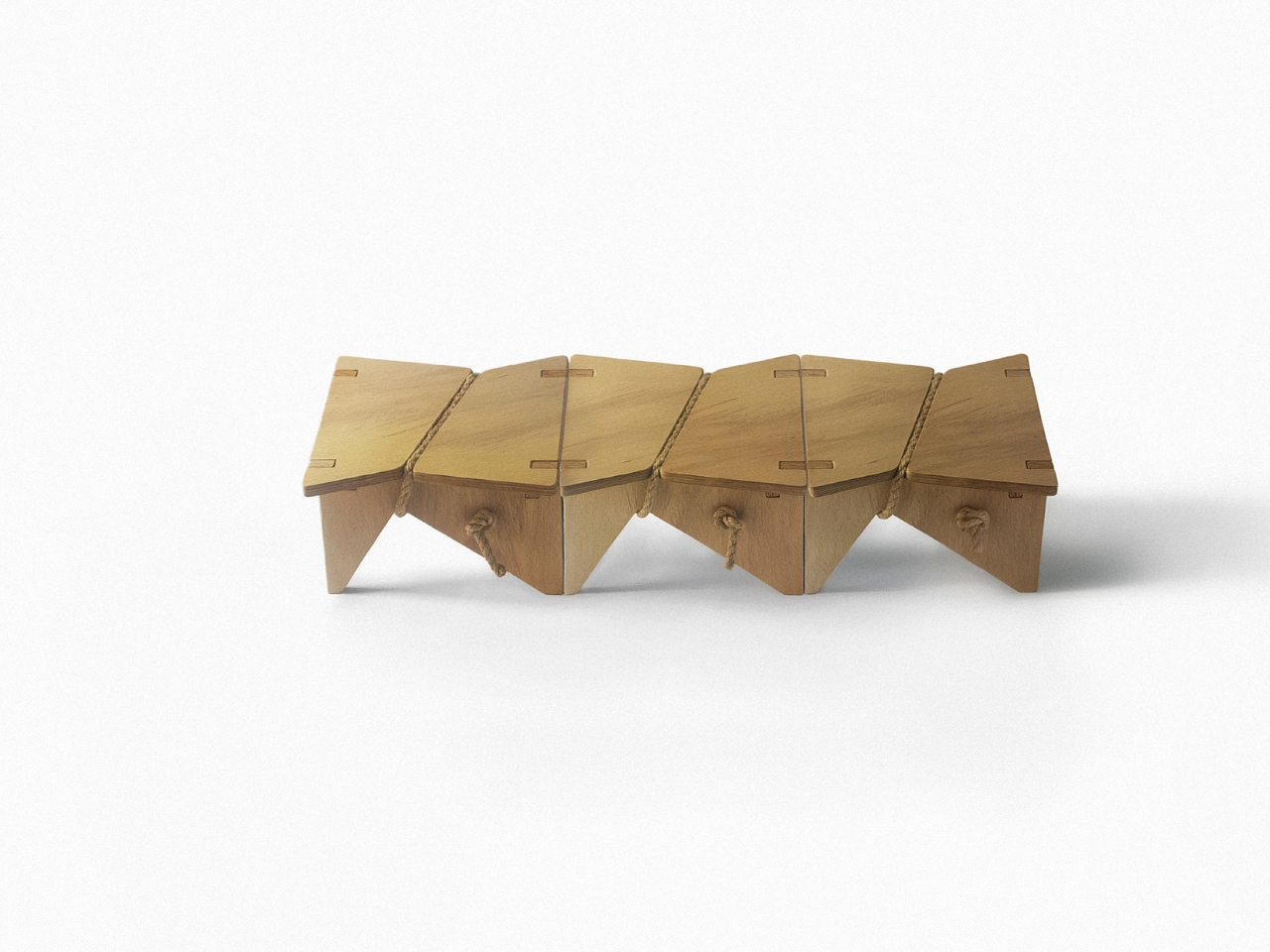
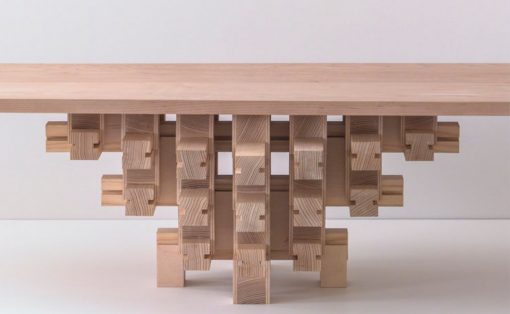
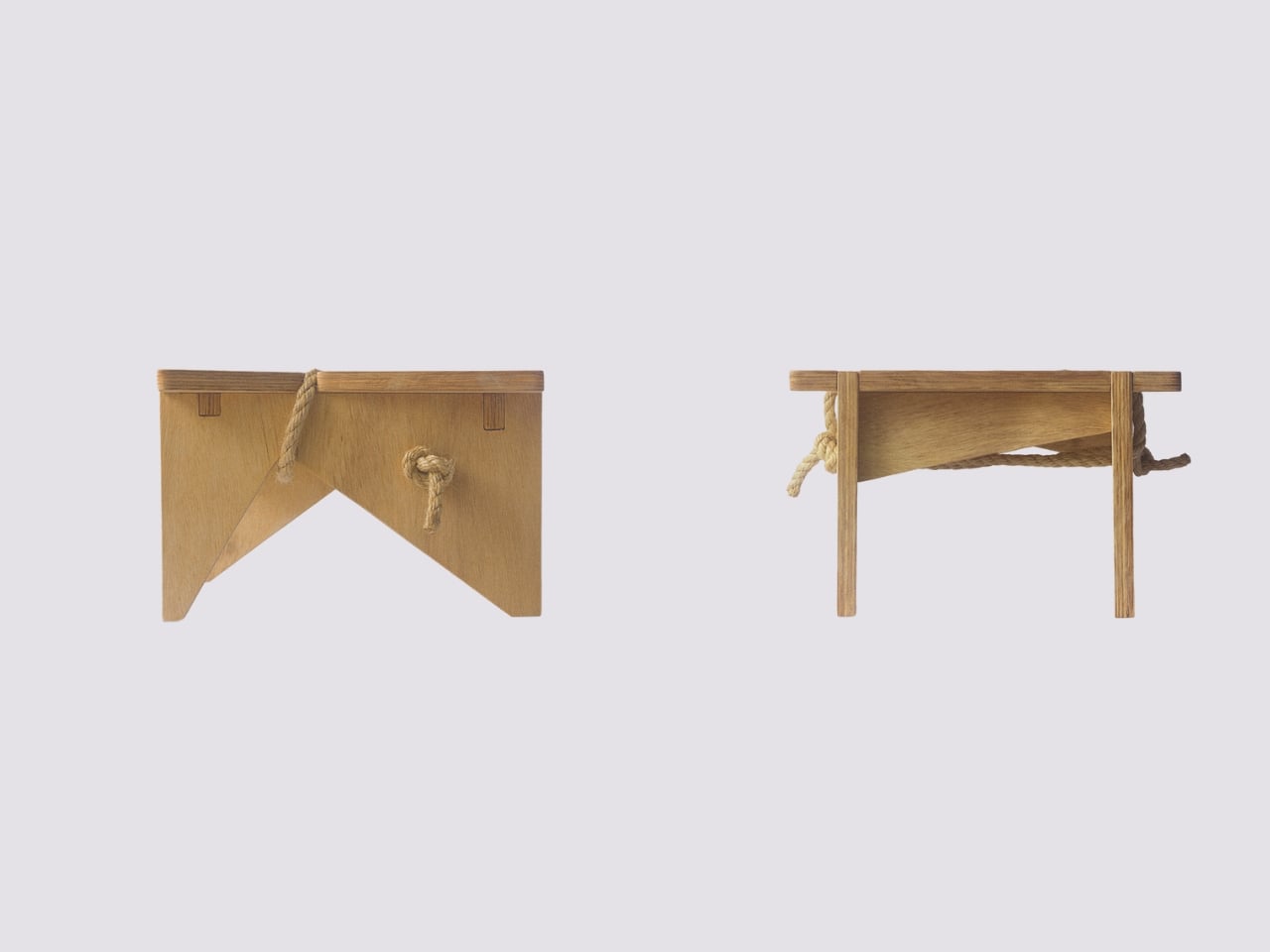
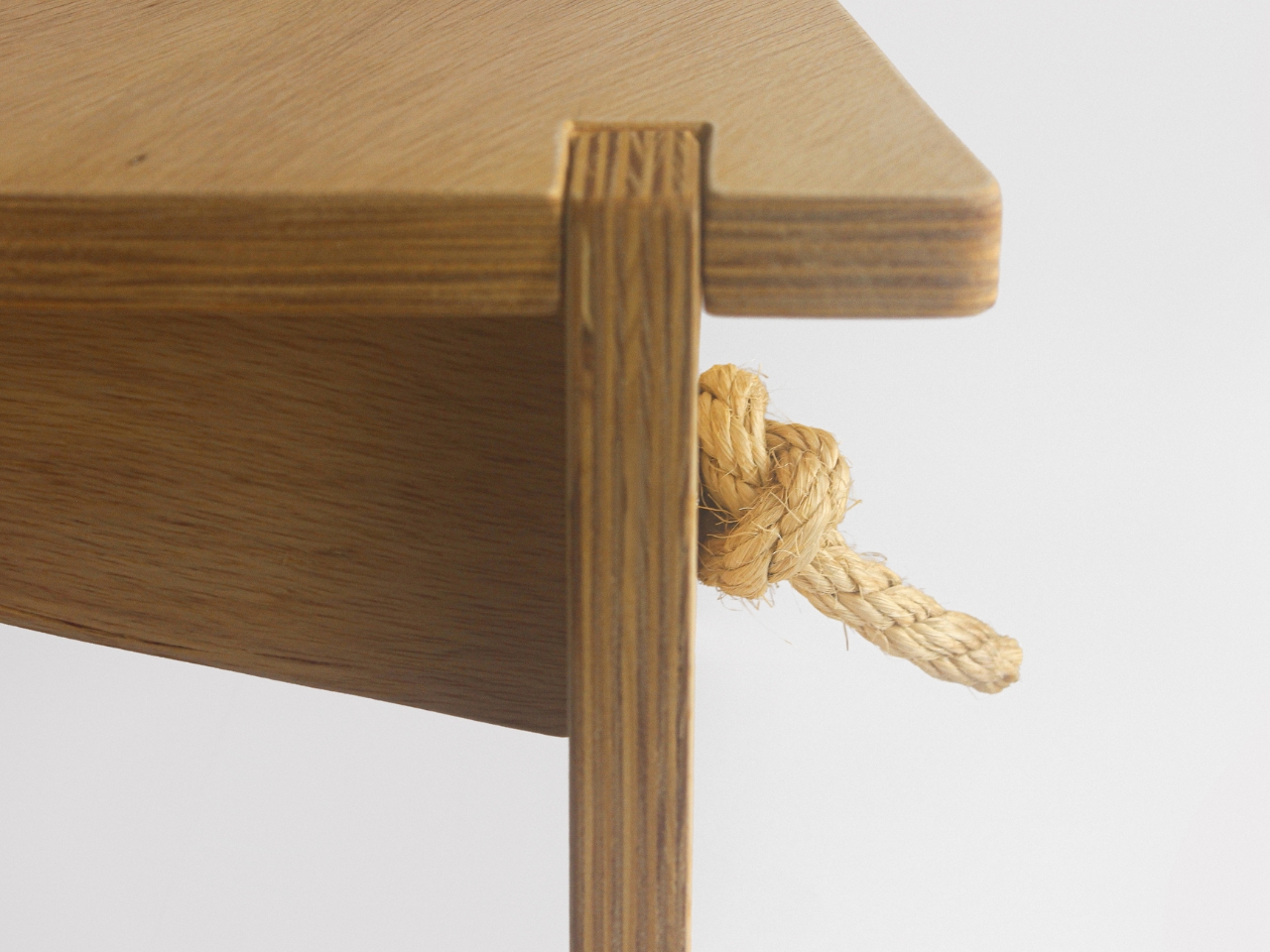
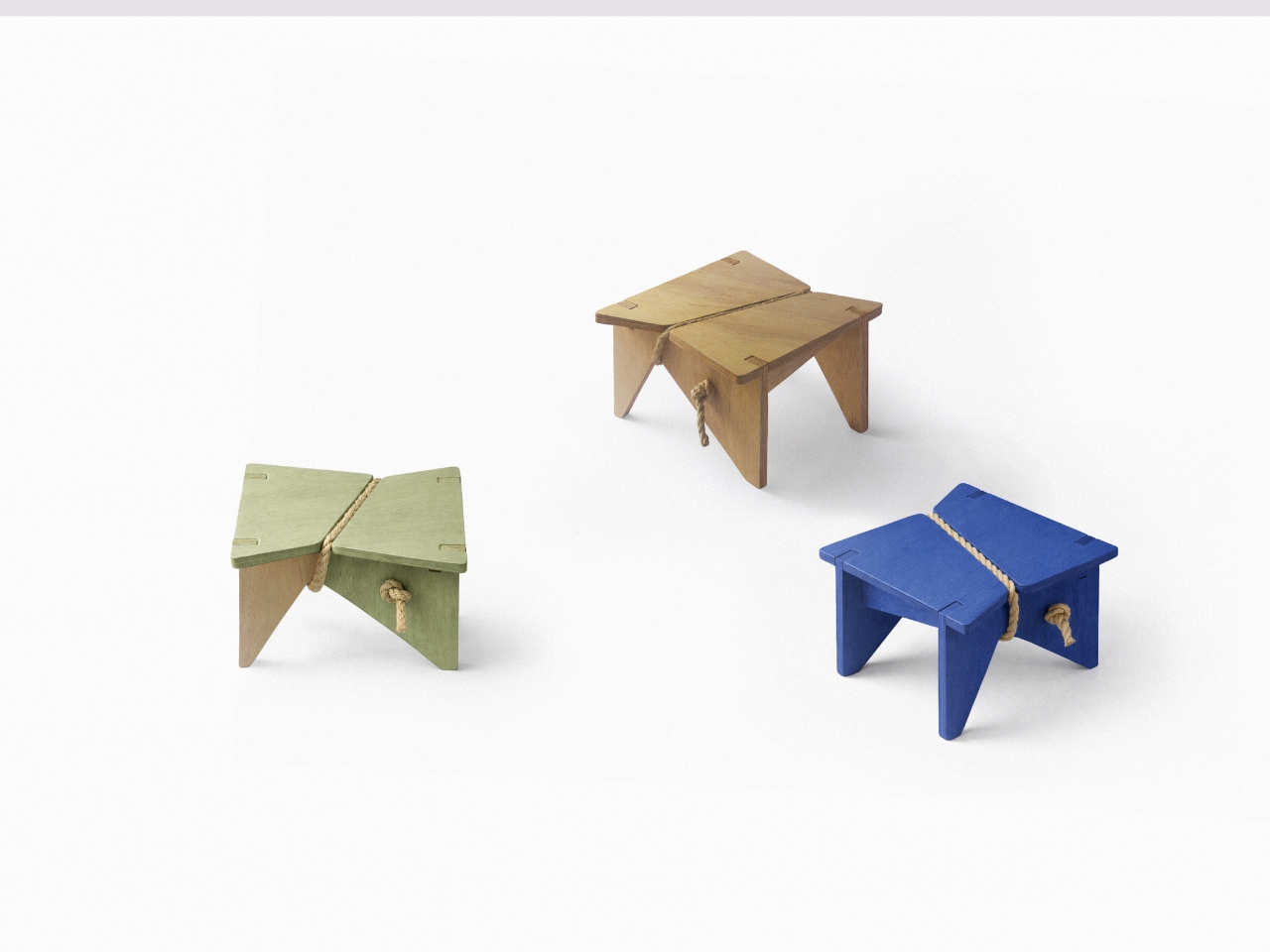
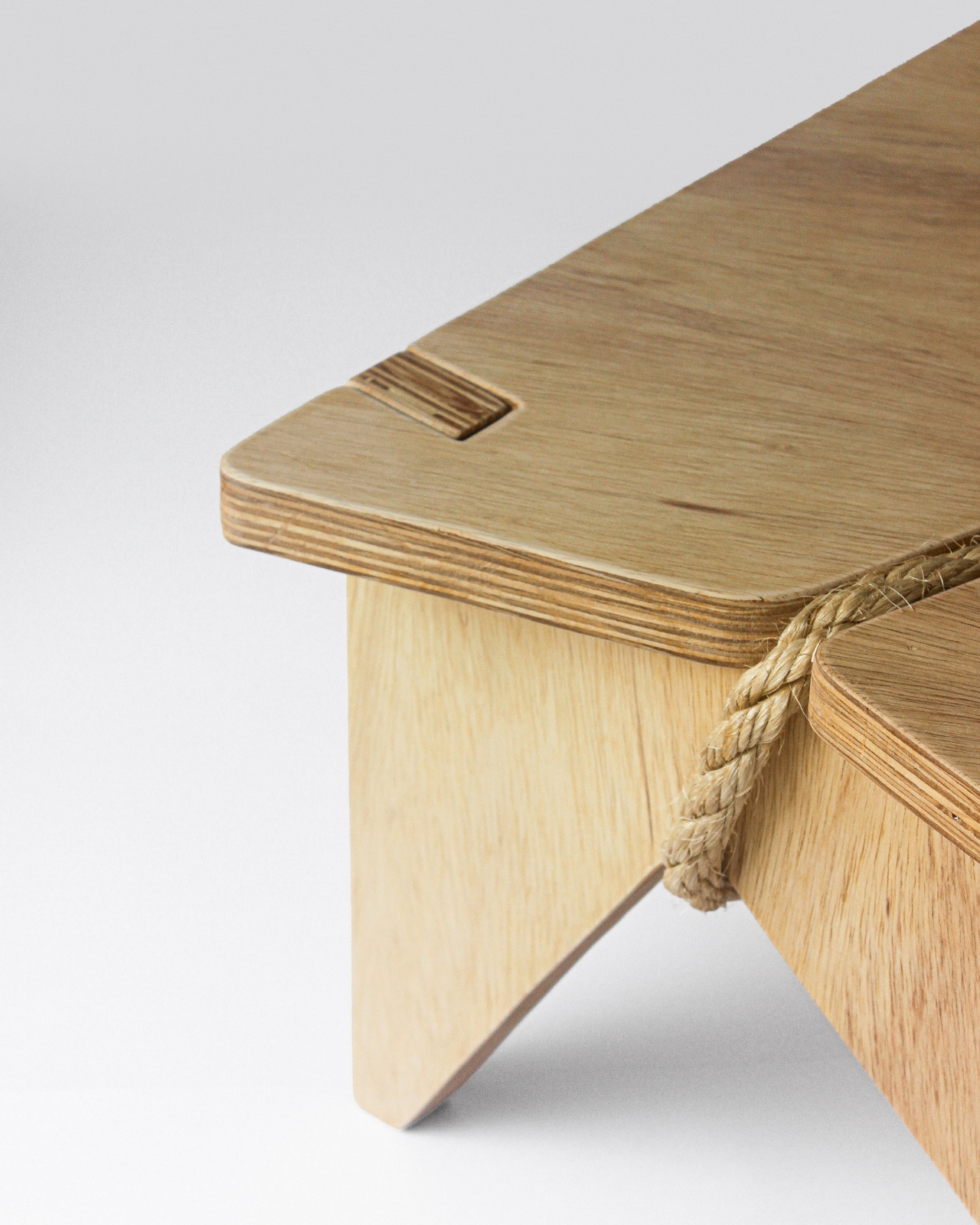
Materially, the piece holds its own. It’s made from marine pine plywood, assembled through a system of interlocking joints that require no screws, bolts, or complicated hardware. What holds it all together is tensioned sisal rope, and this is the detail that makes the whole thing click, visually and structurally. The rope isn’t decorative in the way that so many “natural element” additions can feel forced. It’s actually doing the work, reinforcing the structure while giving the stool a texture that you want to reach out and touch. It makes the design feel honest, which is appropriate given what the piece is trying to say.
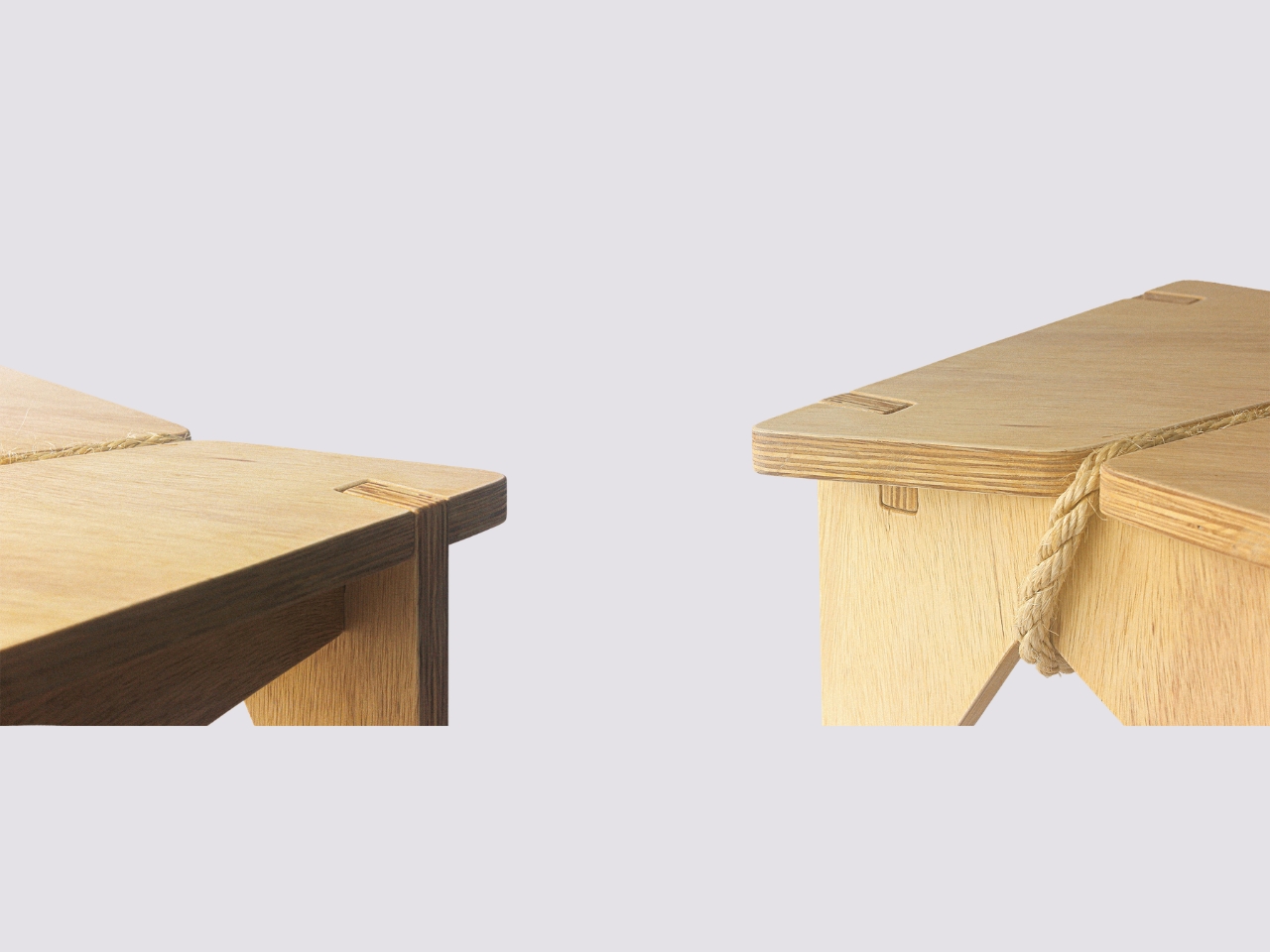
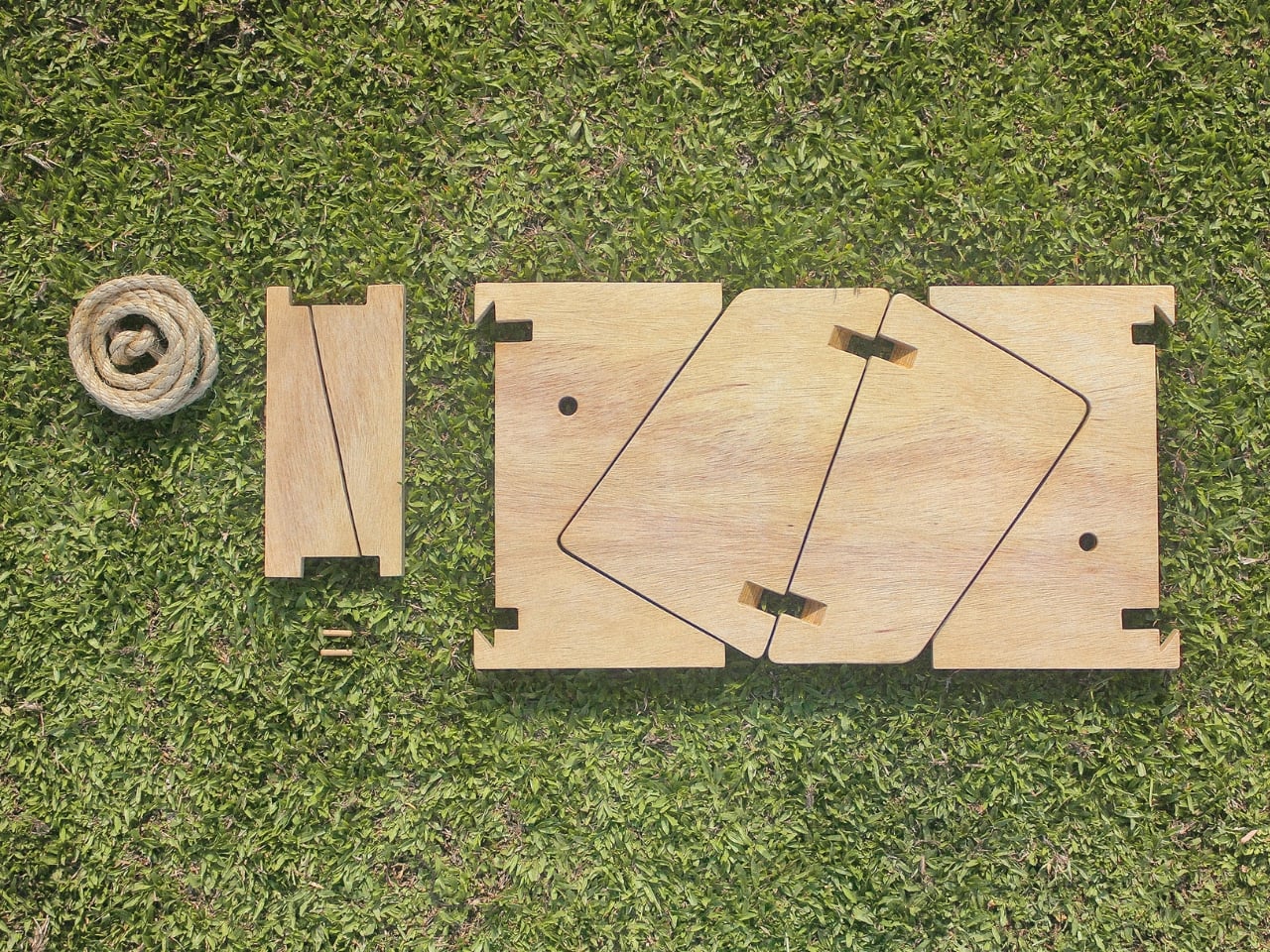
The modular nature of it is worth mentioning too. Single units can be connected to form a longer bench configuration, which means the Shortcut Stool scales with need rather than requiring you to commit to one fixed form. The flat-pack assembly and disassembly is straightforward, making it easy to move, store, or reconfigure. It comes in natural pine as well as painted versions in a deep cobalt blue and a muted sage green, both of which look sharp in context. The blue one especially has a kind of confident visual energy that punches well above the stool’s modest size, which is something I didn’t expect from a plywood bench.
What strikes me most is how the Shortcut Stool manages to make a philosophical argument without being heavy-handed about it. It’s not a design that comes with a manifesto attached. You can simply look at it, use it, and decide it works. But if you sit with the concept for a moment, there’s a bigger idea underneath: that the gap between how objects are designed and how they’re actually lived with is rarely addressed honestly in product design. Most things are built for ideal conditions. This stool was built for real ones.
It also raises a question I keep returning to: how many products in our homes are quietly working against us because they were designed without accounting for how people actually behave in real time? The Shortcut Stool is a small answer to a larger problem, and I appreciate that it arrives without fanfare, just plywood, rope, and a clear point of view. Fabrício Reguelin Auler has made something that earns its place in a home not by demanding attention, but by already understanding you. That’s a rare quality in any object.