The handheld computer has always been a compelling idea that rarely lives up to its promise. Smartphones are too locked down for real development work, and tablets occupy an awkward middle ground between a phone and a laptop. Pocket PCs, mini notebooks, and DIY computer builds have all tried to fill the gap, but each one compromised too heavily on usability or demanded too much assembly.
Waveshare’s PocketTerm35 takes a more deliberate approach, landing somewhere between a purpose-built tool and a proper portable computer. Compatible with the Raspberry Pi 4B and Pi 5, it wraps a complete Linux terminal experience into a handheld unit that’s ready to use right out of the box. Everything from the display and keyboard to the battery and connectivity is already integrated, so there’s nothing left to hunt down or assemble.
Designer: Waveshare
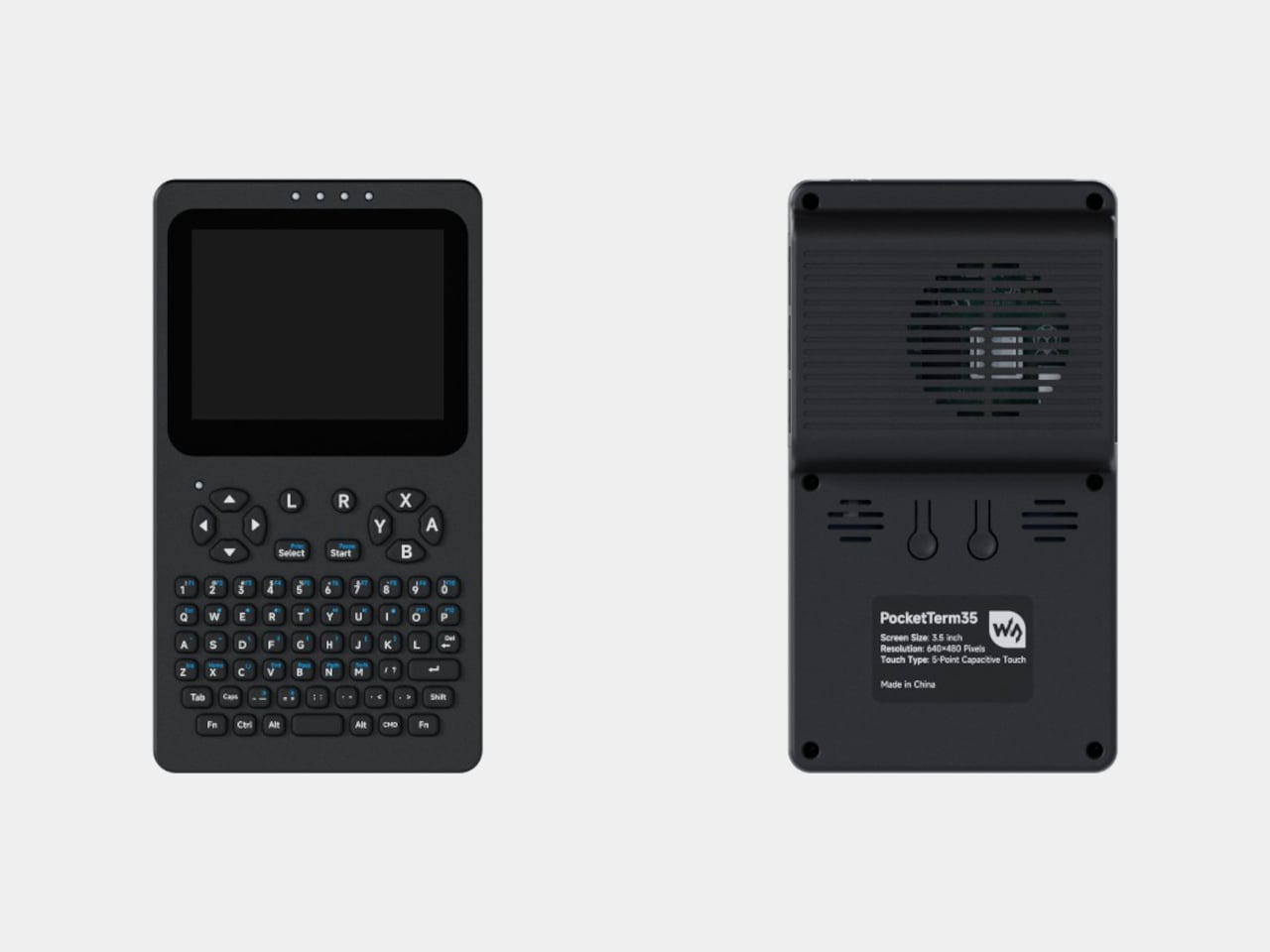
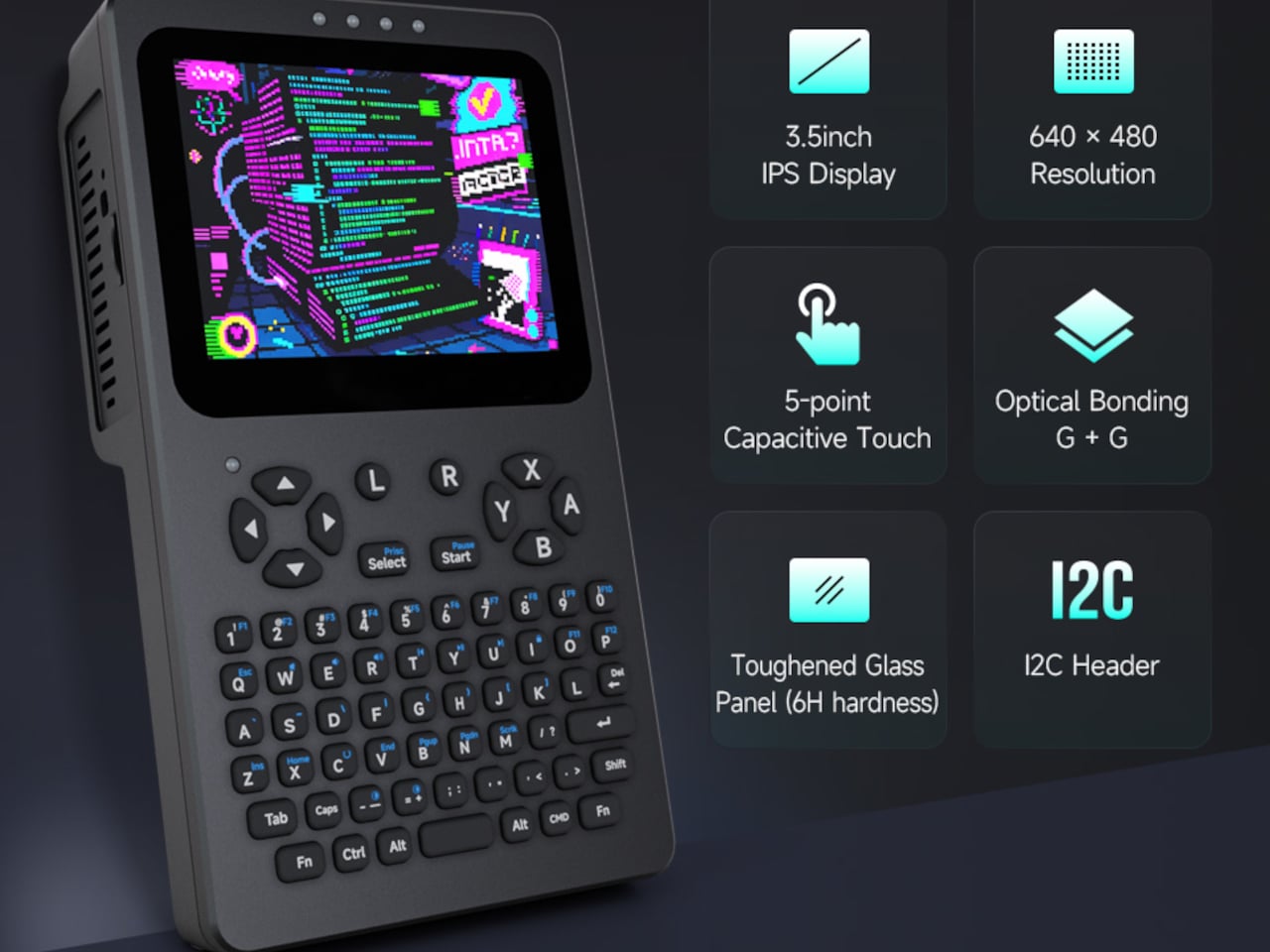
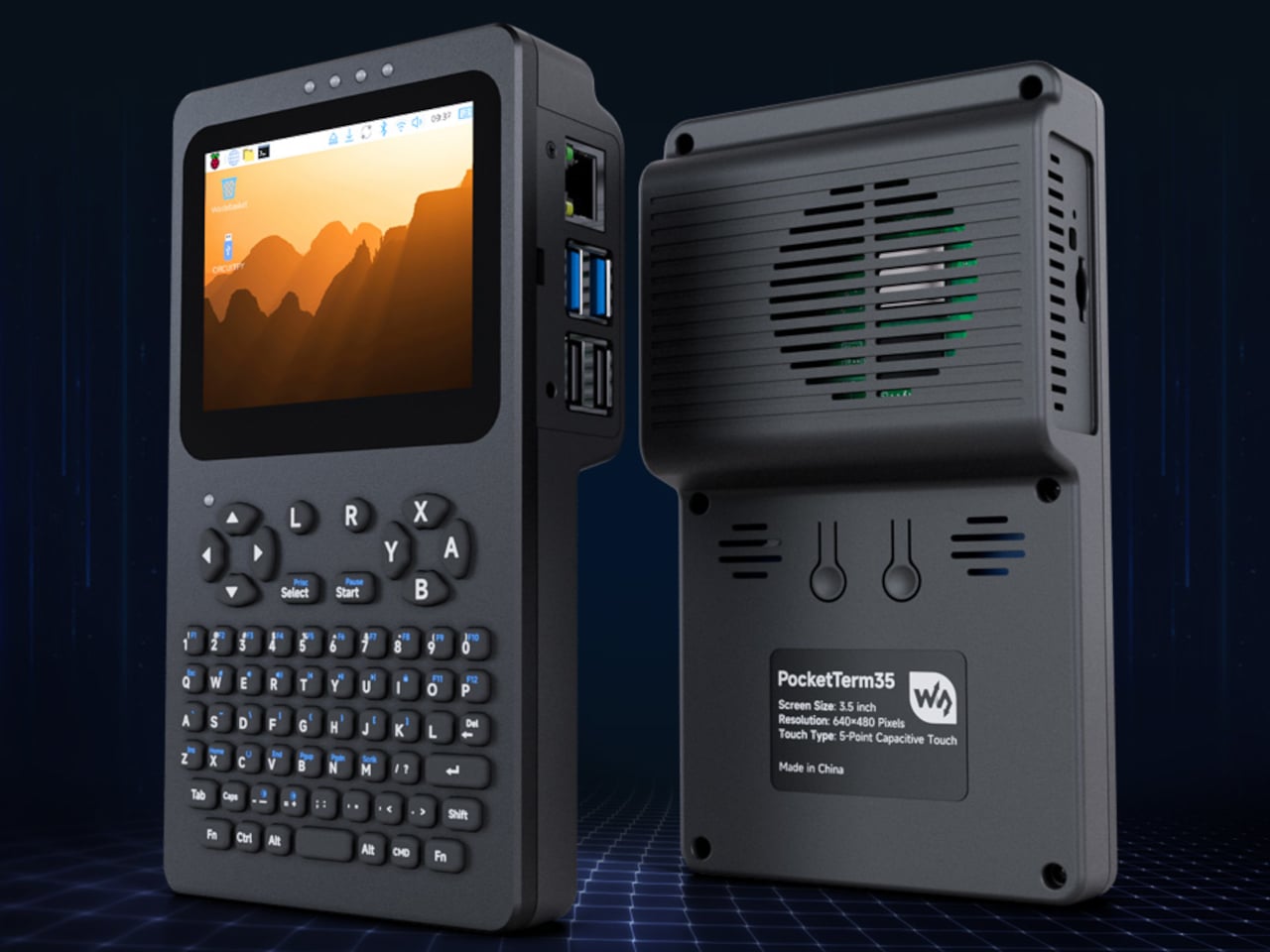
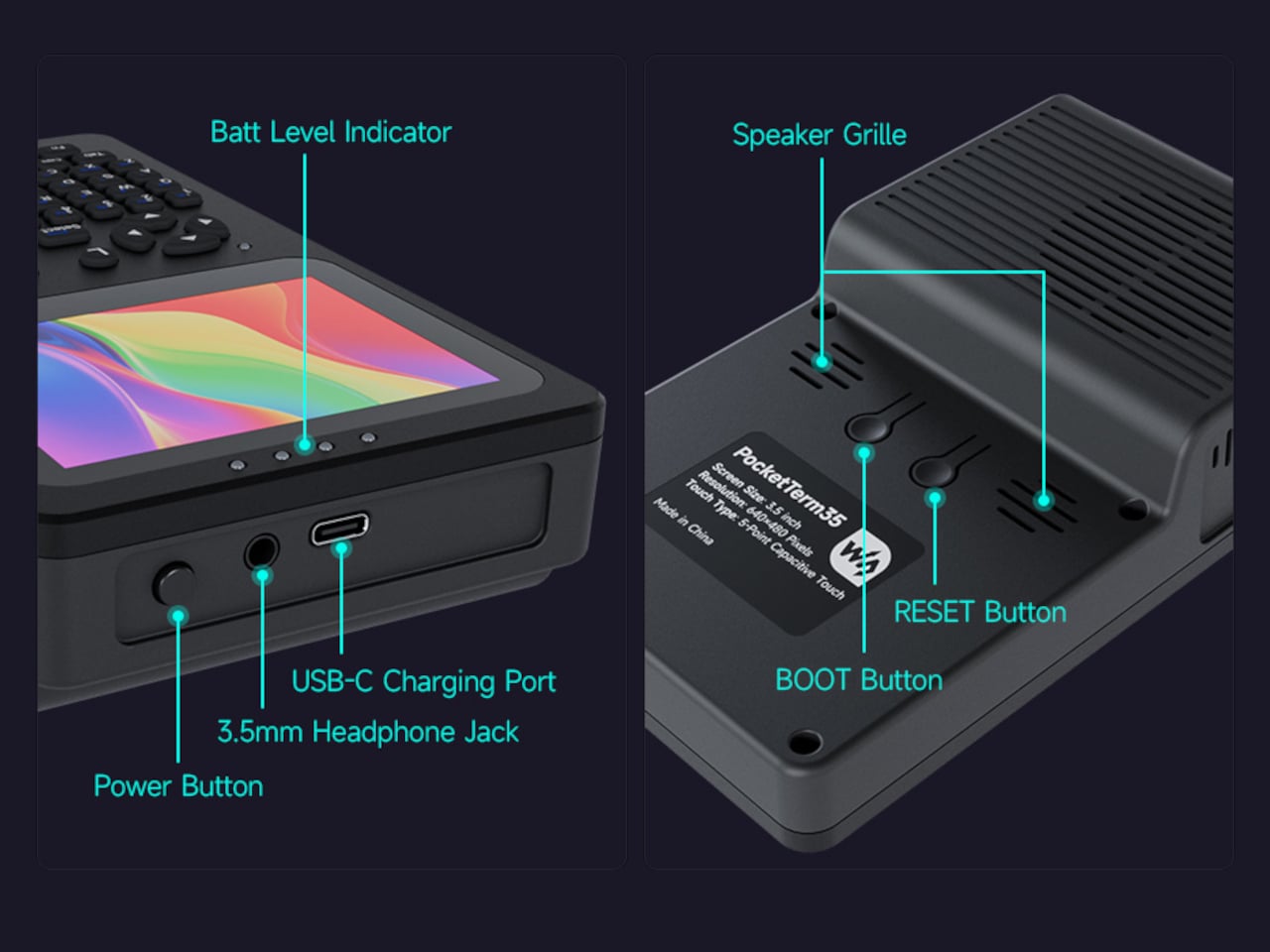
At 93.5mm x 168.5mm x 37mm, the PocketTerm35 fits comfortably in one hand, though it has enough weight to feel substantial rather than cheap. The front panel is CNC-machined aluminum, giving the face a solid, slightly industrial character. The rear is plastic, which helps keep the overall weight manageable. Status LEDs sit above the display, and dedicated boot and reset buttons are tucked on the back.
The 3.5-inch IPS touchscreen sits at a 640 × 480 resolution, which is modest by modern standards but appropriate for a terminal environment where text clarity matters more than pixel density. Optical bonding seals the glass to the panel, reducing reflections and making the screen usable outside without squinting. The 5-point capacitive touch surface sits under toughened glass with 6H hardness, which should hold up well against daily wear.
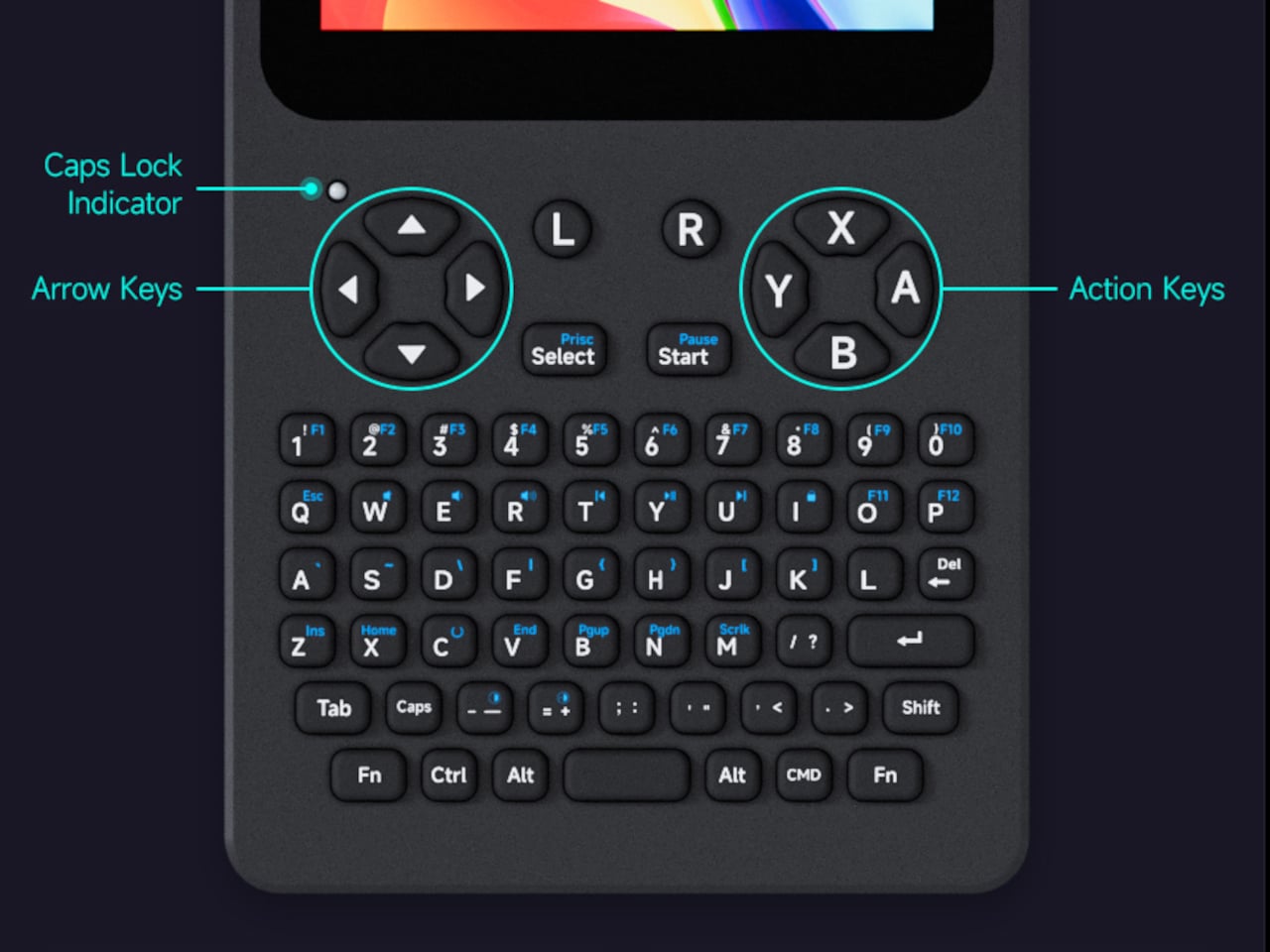
Below the screen is a 67-key QWERTY silicone keyboard laid out in a standard layout for typing commands, editing code, or navigating menus. A dedicated RP2040 microcontroller manages keyboard input, screen brightness, and volume, offloading those control tasks from the Raspberry Pi itself. The arrangement keeps the main processor free for heavier work, which is the kind of practical engineering detail that makes the difference in a device like this.
Power comes from a 5,000mAh lithium battery with a built-in UPS system that supports seamless switching between battery and external power without losing your session. You can run it plugged in at your desk, then pull the cable and walk away without any disruption to whatever’s running. It’s the kind of reliability that makes a handheld device genuinely trustworthy to use rather than just technically portable on paper.
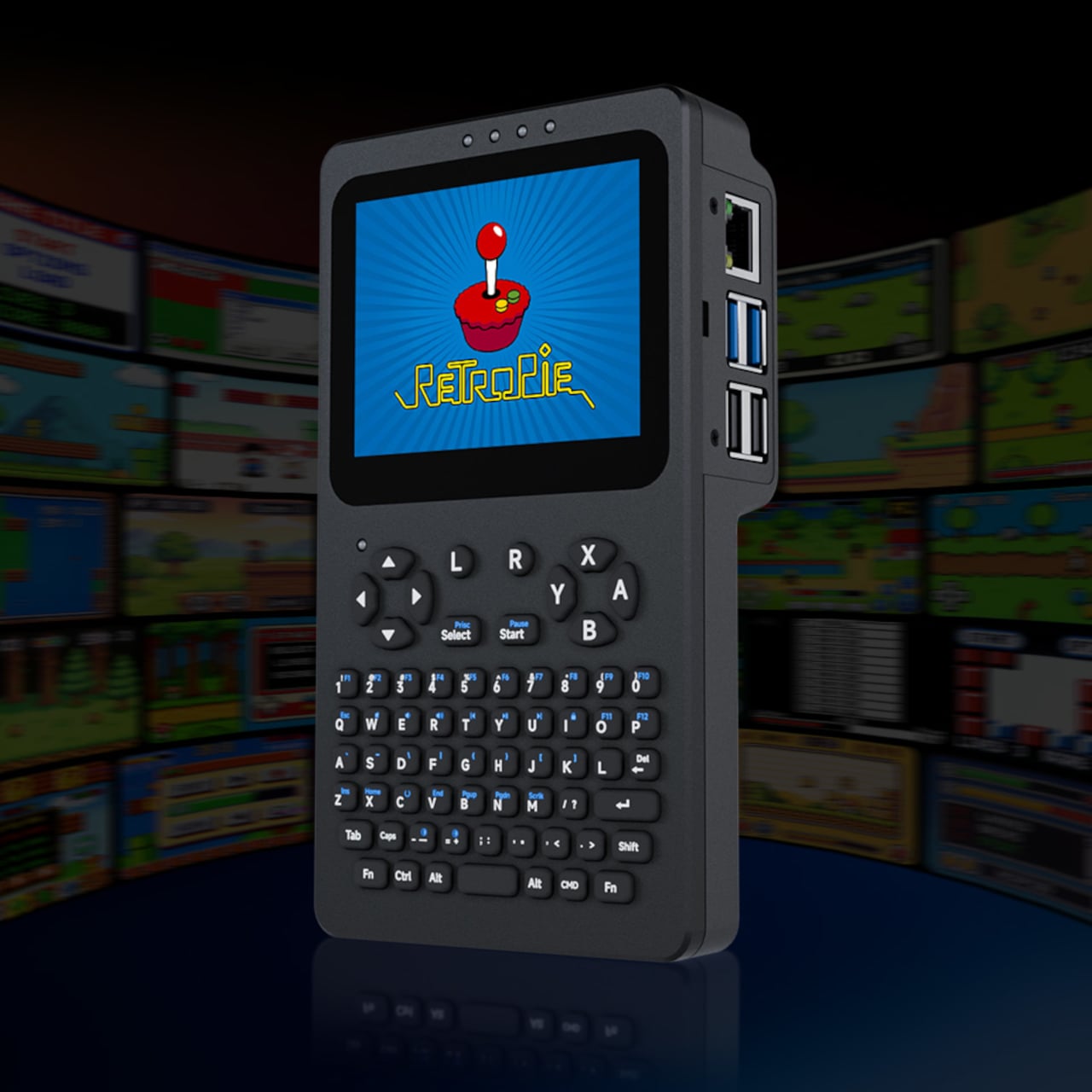
Connectivity is where the PocketTerm35 avoids the usual compromises. Four USB-A ports and an RJ45 Ethernet jack handle wired needs, alongside a 3.5mm audio jack and a 2W built-in speaker. An I2C expansion header opens things up for custom hardware add-ons. It also supports RetroPie, so the same machine that handles a terminal session during a work trip can become a retro gaming console once the day is done, especially considering it has ABXY buttons.
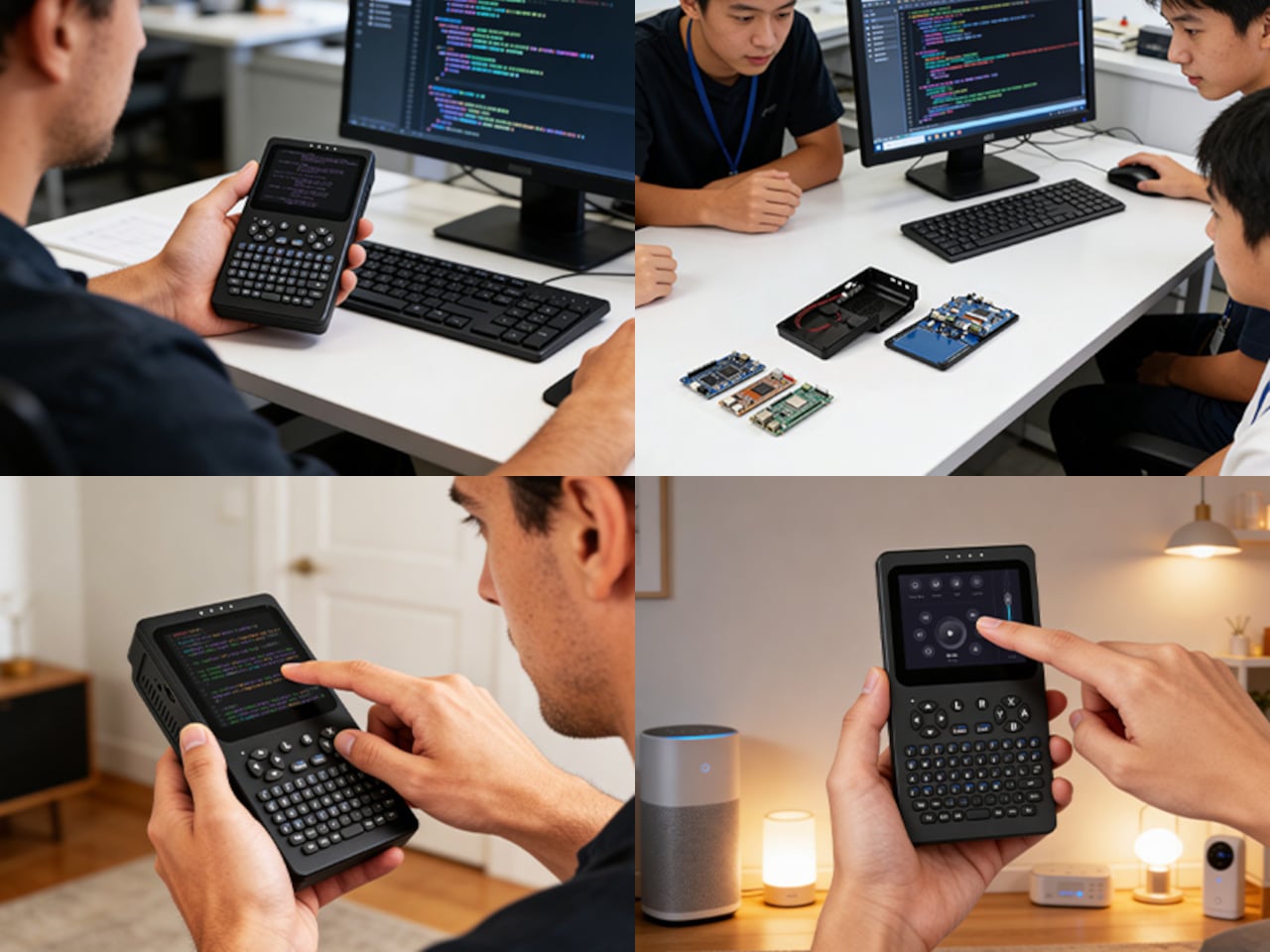
The PocketTerm35 ships in a few configurations. The Pi5 variant includes a 1GB Raspberry Pi 5, a 64GB microSD card with the system preloaded, and the 5,000mAh battery, all for $148.99. A Pi 4B version is available for $179.99. Developers who’ve been carrying a laptop just to have a real terminal within reach might find the PocketTerm35 a far more sensible answer to that specific problem.