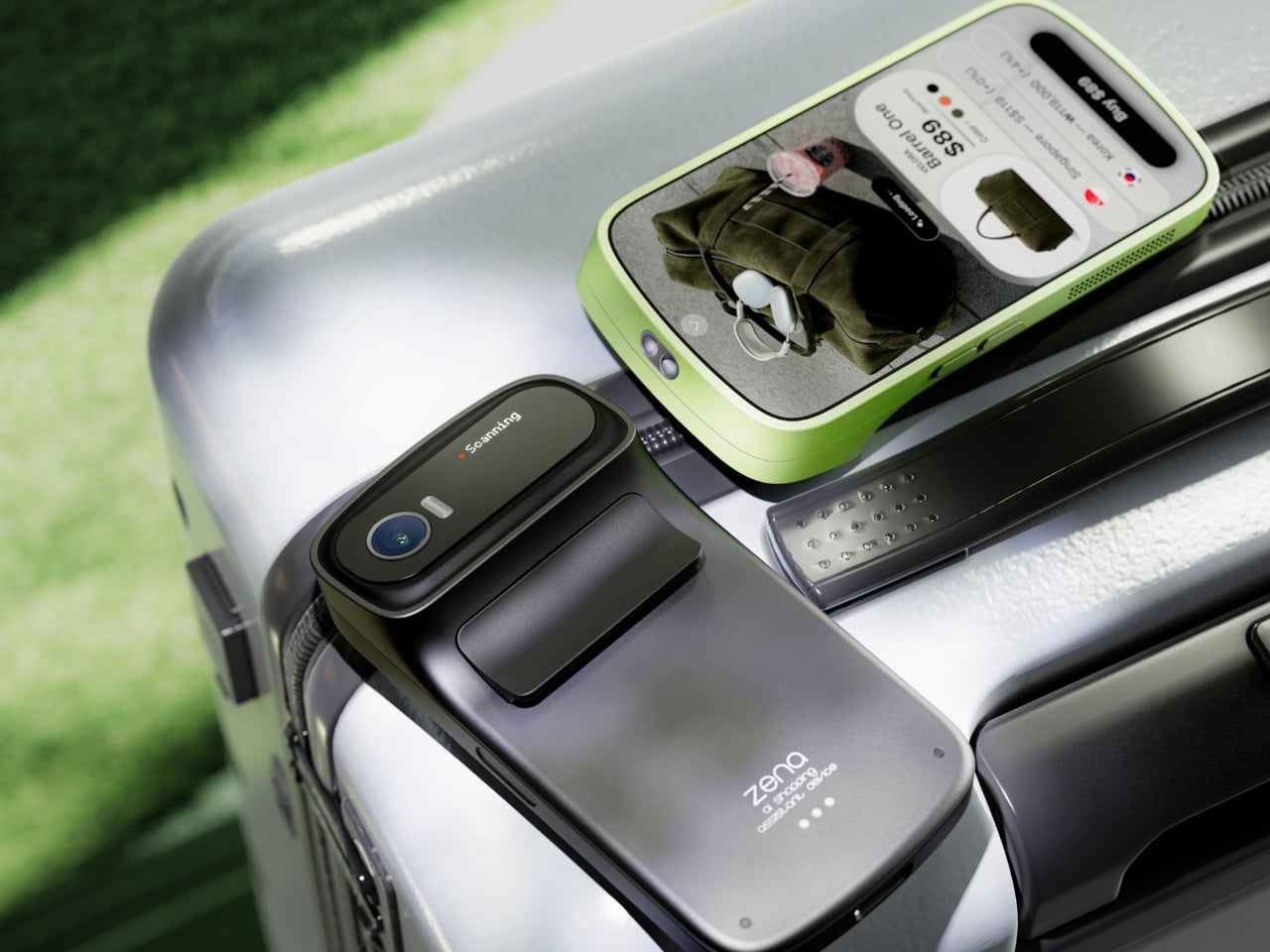
If you’ve ever ordered something from an international retailer only to be blindsided by a customs bill at your door, you already know the frustration that designers Taehyeong Kim and Yu Jeong Choi were sitting with when they created zena. It’s a concept device that reads like the future of shopping, but it addresses a problem that is very much happening right now.
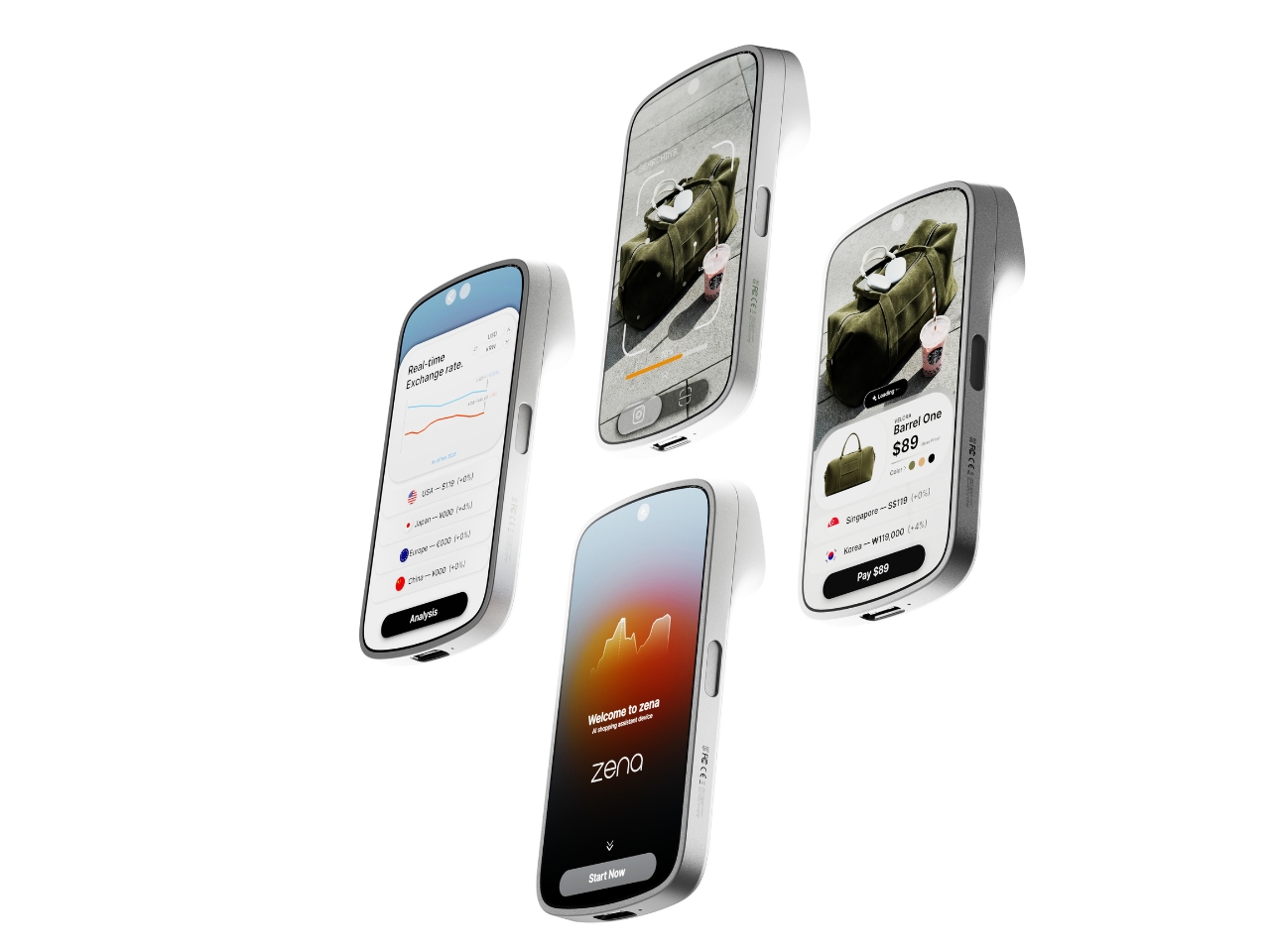
The premise is deceptively simple. You point zena at a product, it scans it, and within seconds you have a full breakdown: the item’s price, real-time exchange rates across multiple currencies, applicable duties, and the best purchasing options available. Not the price the retailer wants you to see. The actual, landed cost. The number that follows you home.
Designers: Taehyeong Kim, Yu Jeong Choi
The design team’s background research puts the stakes into perspective. Citing Avalara’s 2024 global consumer survey, their project notes that 68% of shoppers reported a negative experience tied to unexpected cross-border costs. 75% said they wouldn’t repurchase from a retailer after a customs surprise. And 49% refused delivery altogether. That last number is staggering when you sit with it. Nearly half of the people who encountered surprise fees just sent the package back. That’s not only a UX failure. That’s an industry-wide trust problem that e-commerce at large seems unmotivated to solve. So two industrial designers from Daegu, Korea, decided to take a direct swing at it.
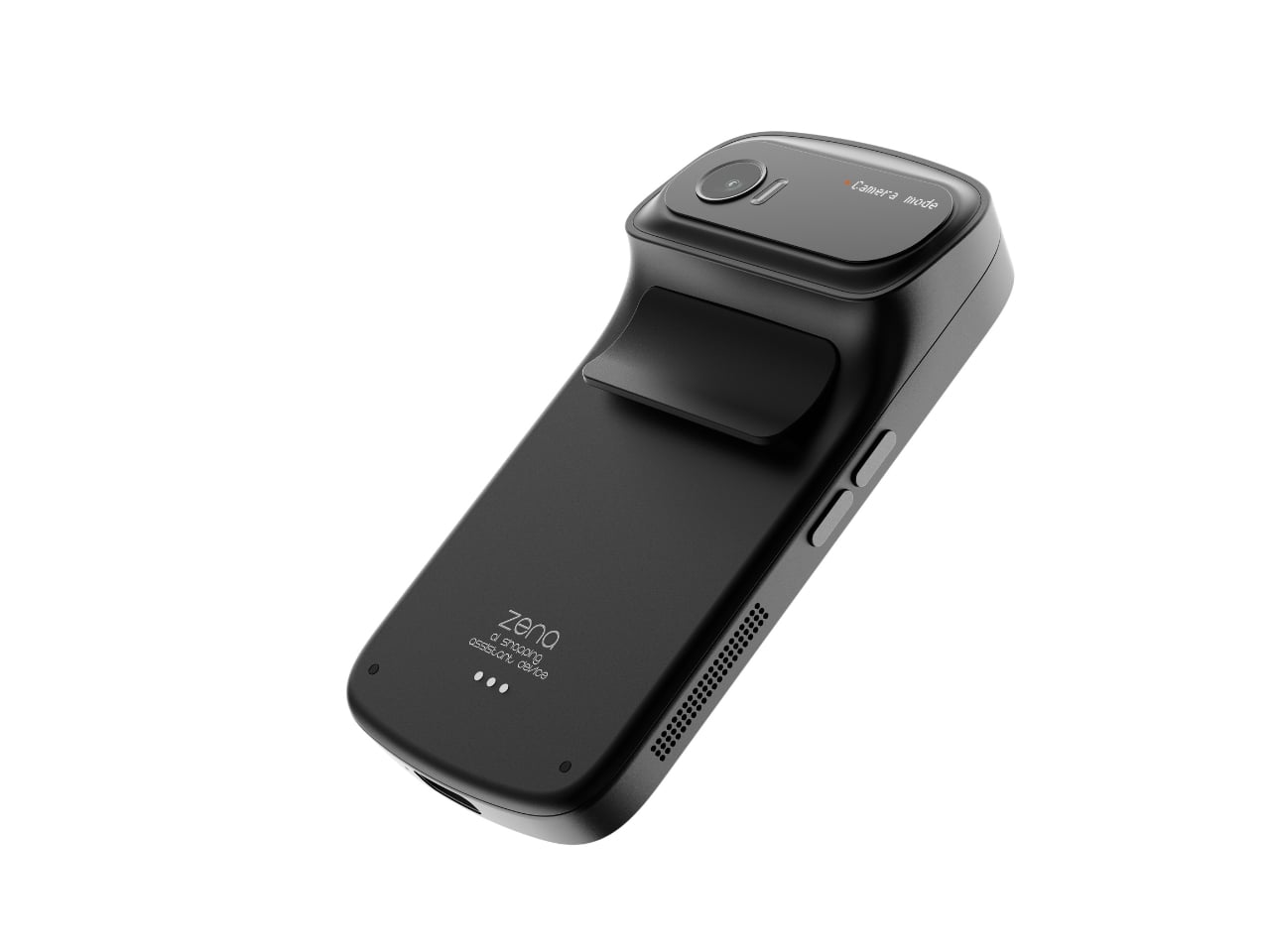
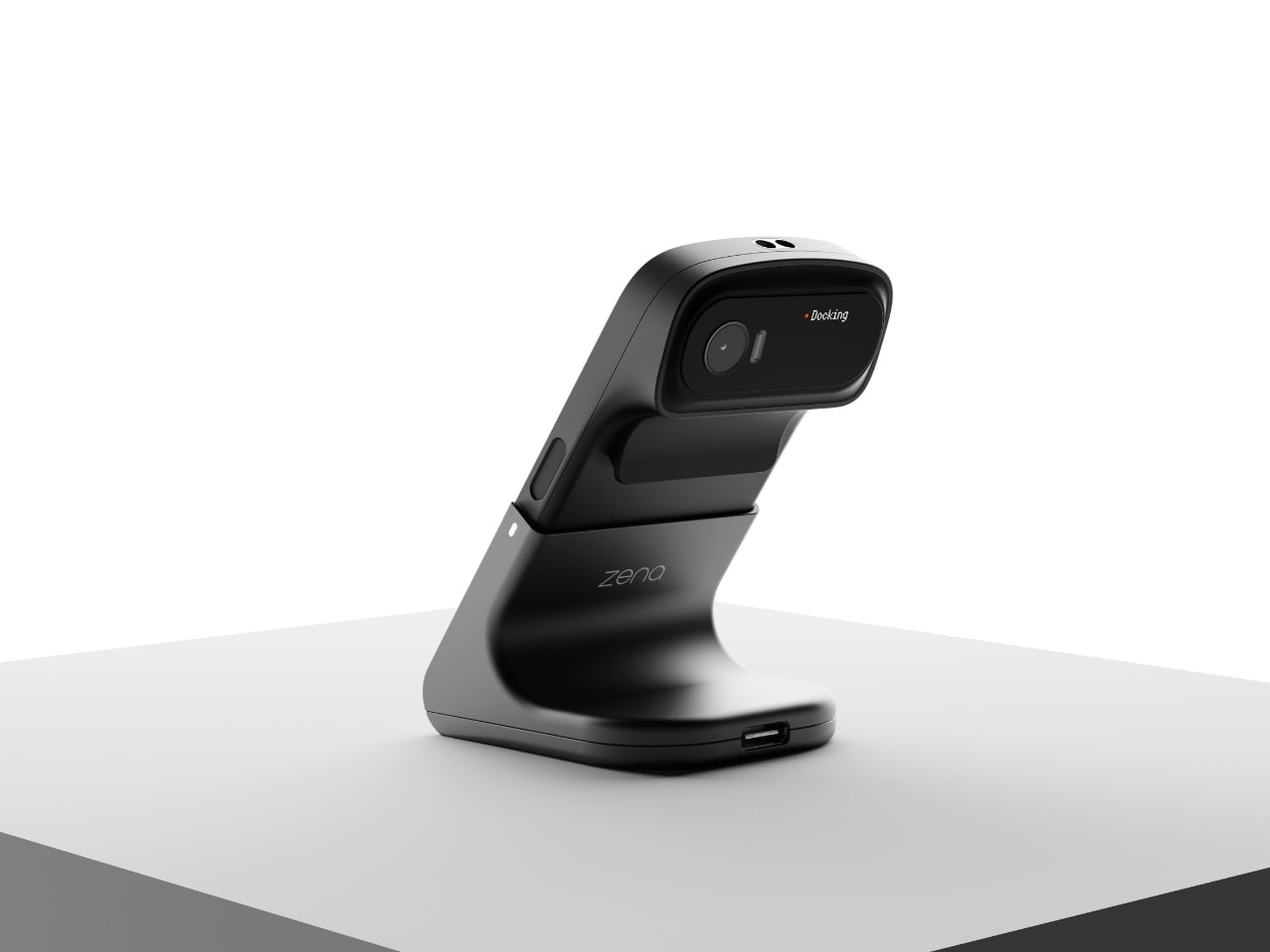
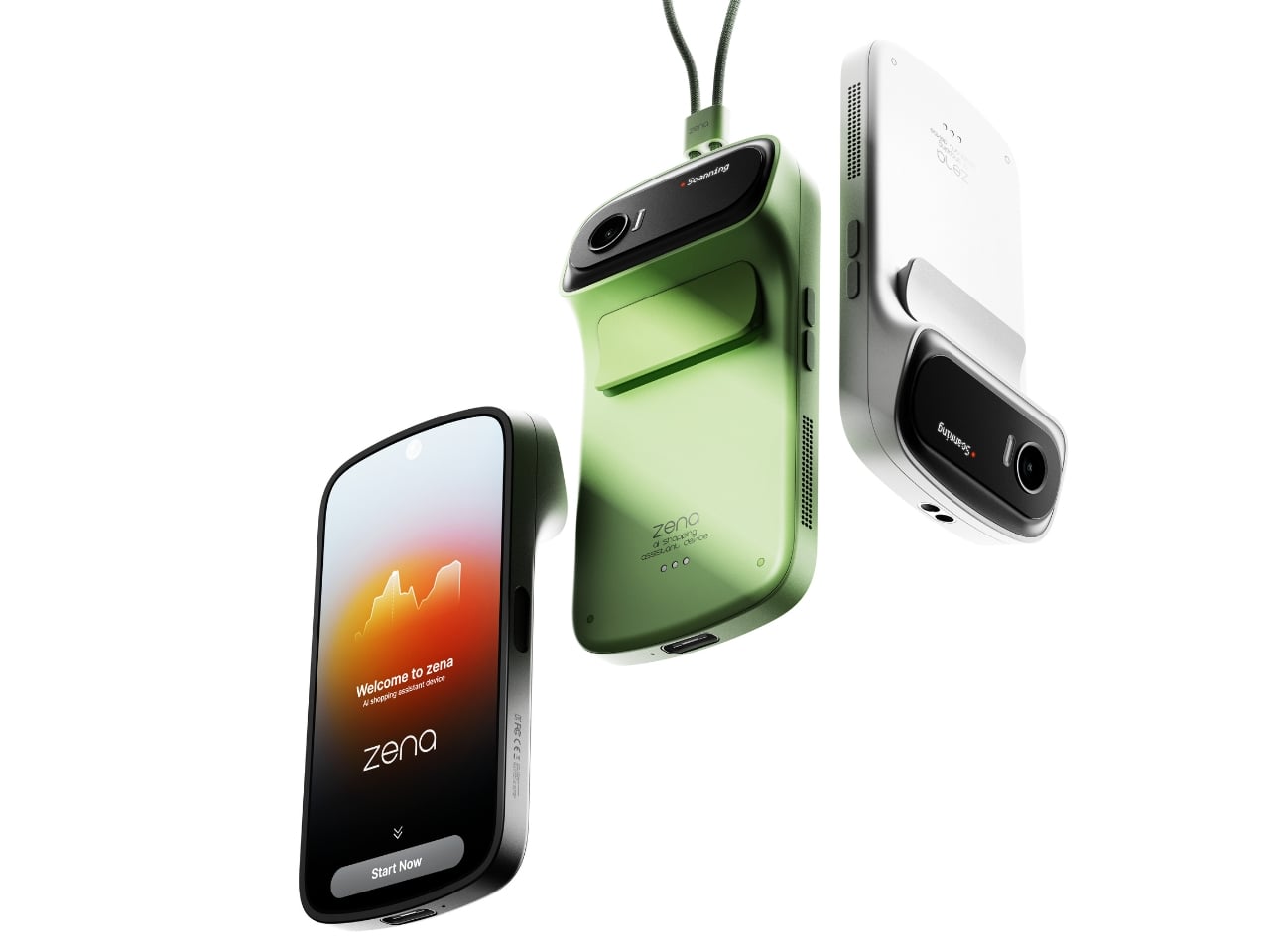
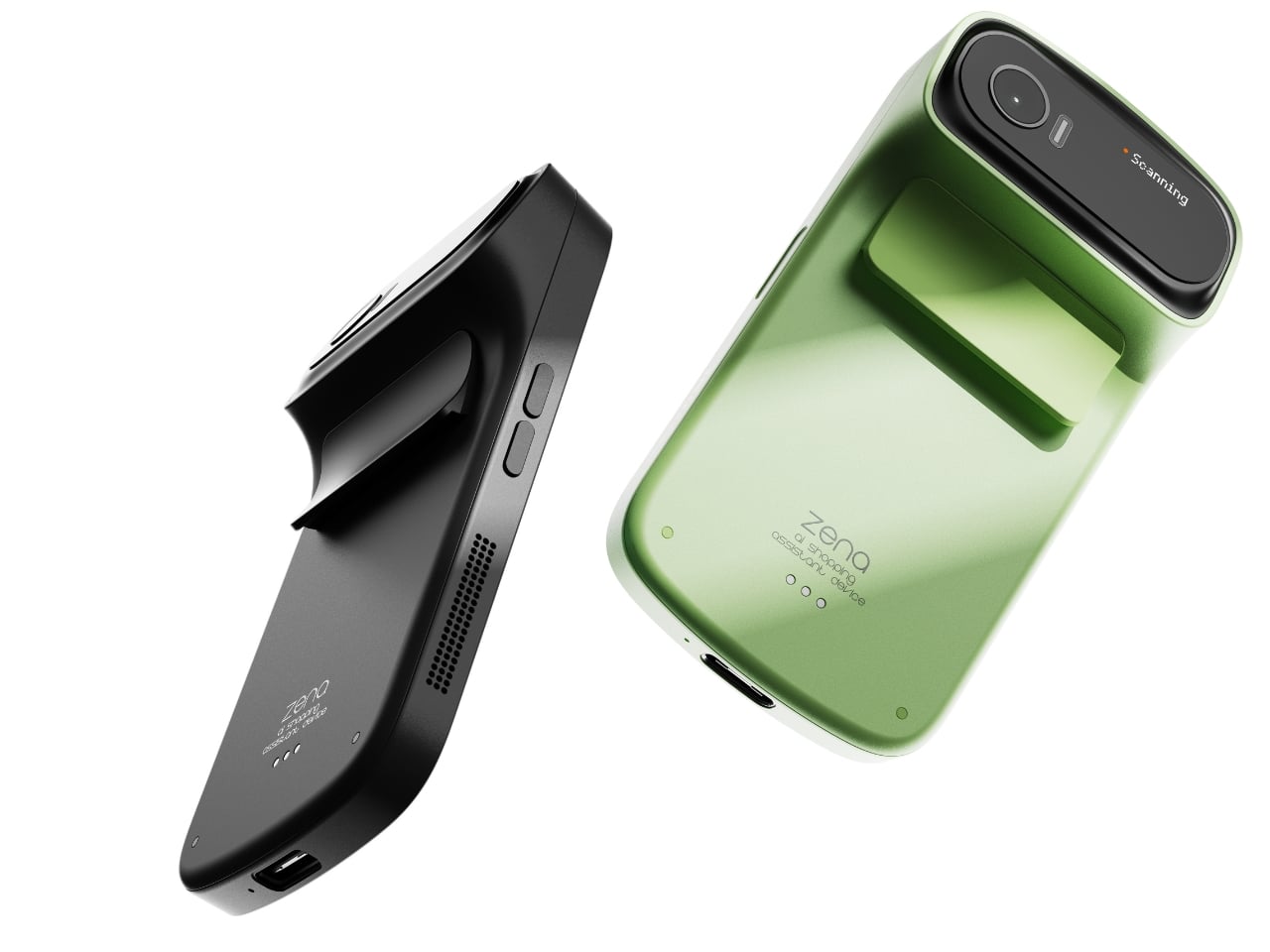
The way they’ve approached the physical design is just as compelling as the concept itself. Zena is small, handheld, and wears its function confidently. The camera module sits on a rotating head at the top, giving it a form that feels like a high-end digital camera crossed with a barcode scanner from a much more considered future. It comes in matte black, soft silver, and a sage green that is genuinely lovely, with a woven lanyard strap running through a flush metal eyelet on the side. That strap detail alone signals that these designers cared about the object beyond its utility. It’s the kind of quiet decision that separates a good concept from a great one.
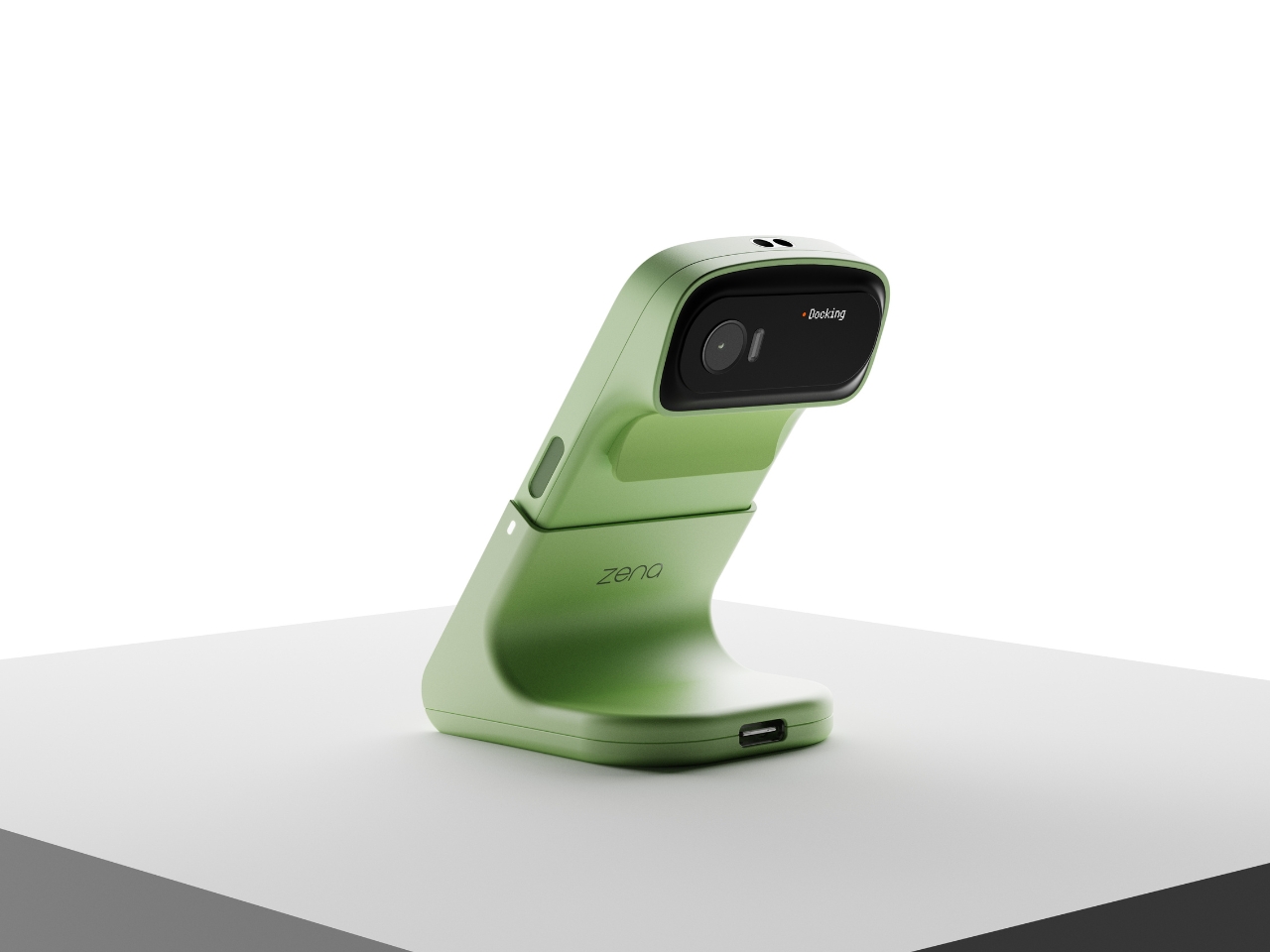
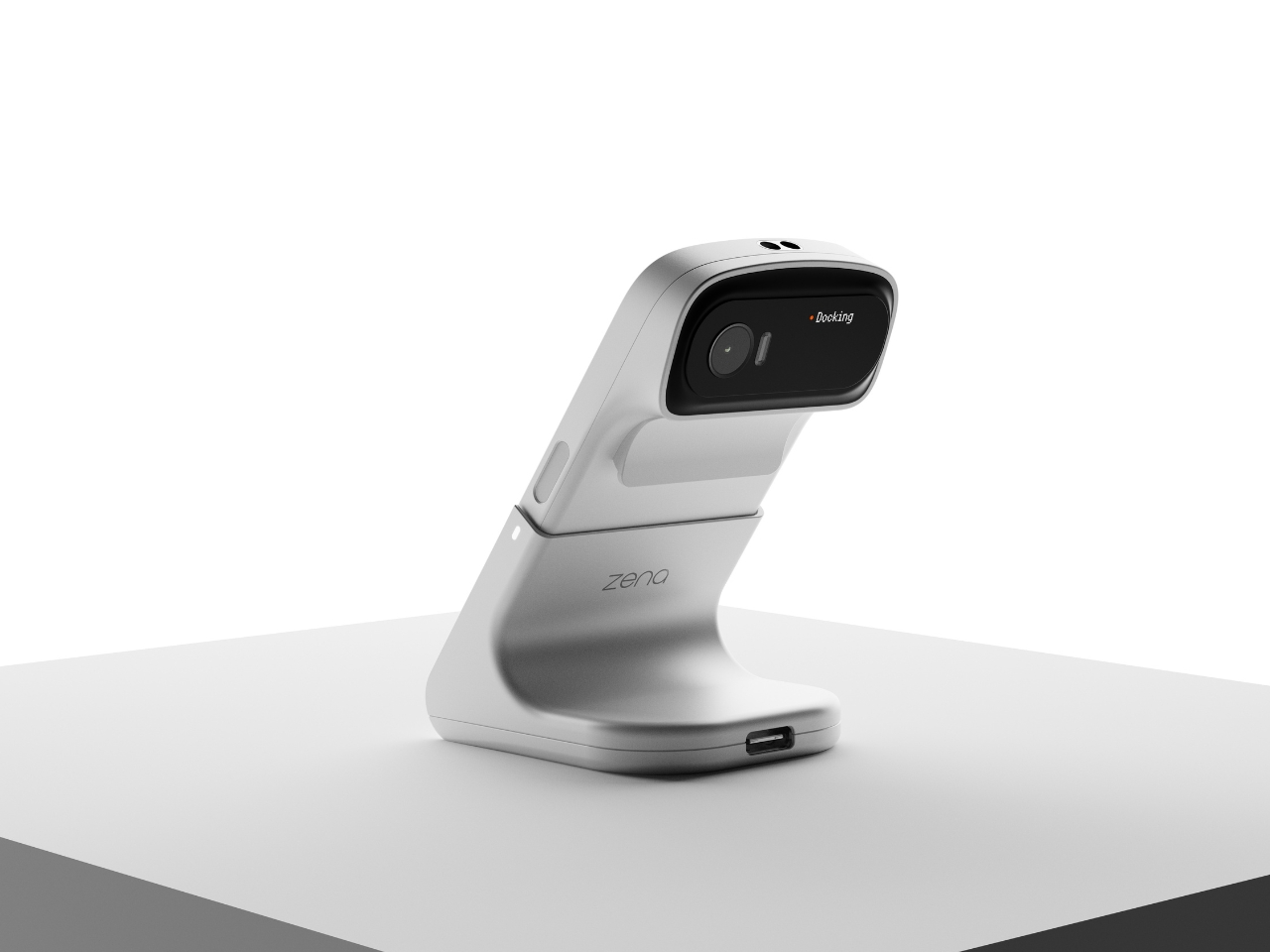
The docking station is worth mentioning too. Docked, zena tilts its camera head upward like it’s curious about something, giving it a personality that feels almost alive. It sits on a desk in a way that makes you want to look at it, which is more than you can say for most gadgets. The dock functions as a charging station as well, which means the device is always ready to go when you reach for it.
On the software side, the UI is clean and intentional. Once zena scans a product, it surfaces the item’s name, price, color options, and a list of purchase prices sorted by country and currency, with duty percentages clearly noted beside each one. A real-time exchange rate graph runs alongside. You pick your preferred price, preferred purchase location, and complete the transaction immediately. The workflow is scan, search, analyze, buy. No extra apps, no tab-switching, no mental math in a foreign currency.
The part that sticks with me is how practical this feels specifically as a travel companion. Imagine walking through a boutique in Tokyo or a market in Paris and actually knowing, before you commit, whether you’re getting a fair price or paying for the privilege of proximity. Right now that calculation happens mostly in your head, half-guessed and usually wrong.
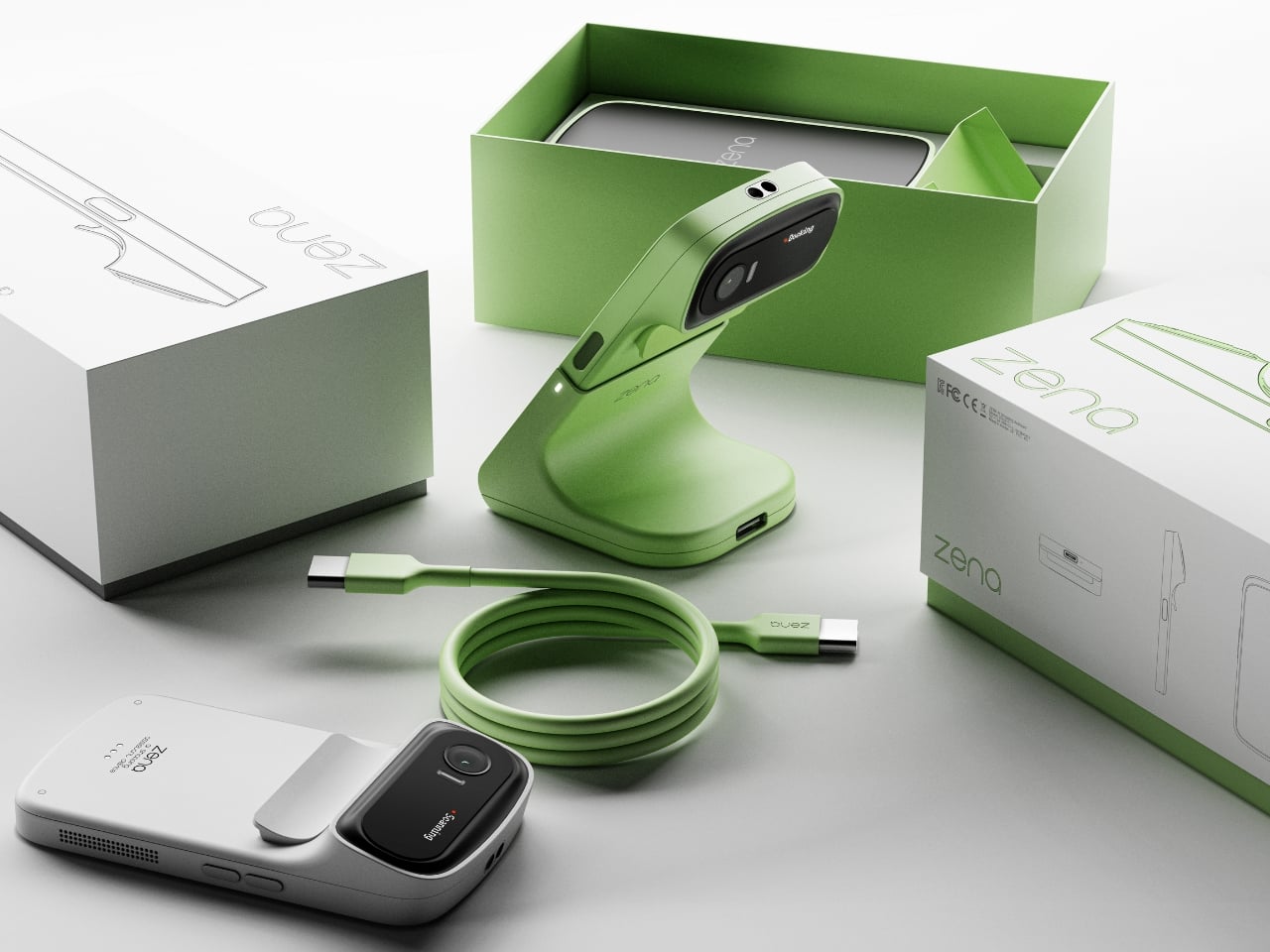
Zena isn’t something you can buy yet. It’s a concept living on Behance for now. But it speaks to a real gap in how we shop globally, and it does so in a package that respects both form and function equally. In a design space full of concepts that look polished but feel purposeless, this one carries a clear point of view. Kim and Choi aren’t just designing a gadget. They’re designing against a system that has been profiting from consumer confusion for years. That’s the kind of ambition that deserves more than just a scroll-past.
SHARE