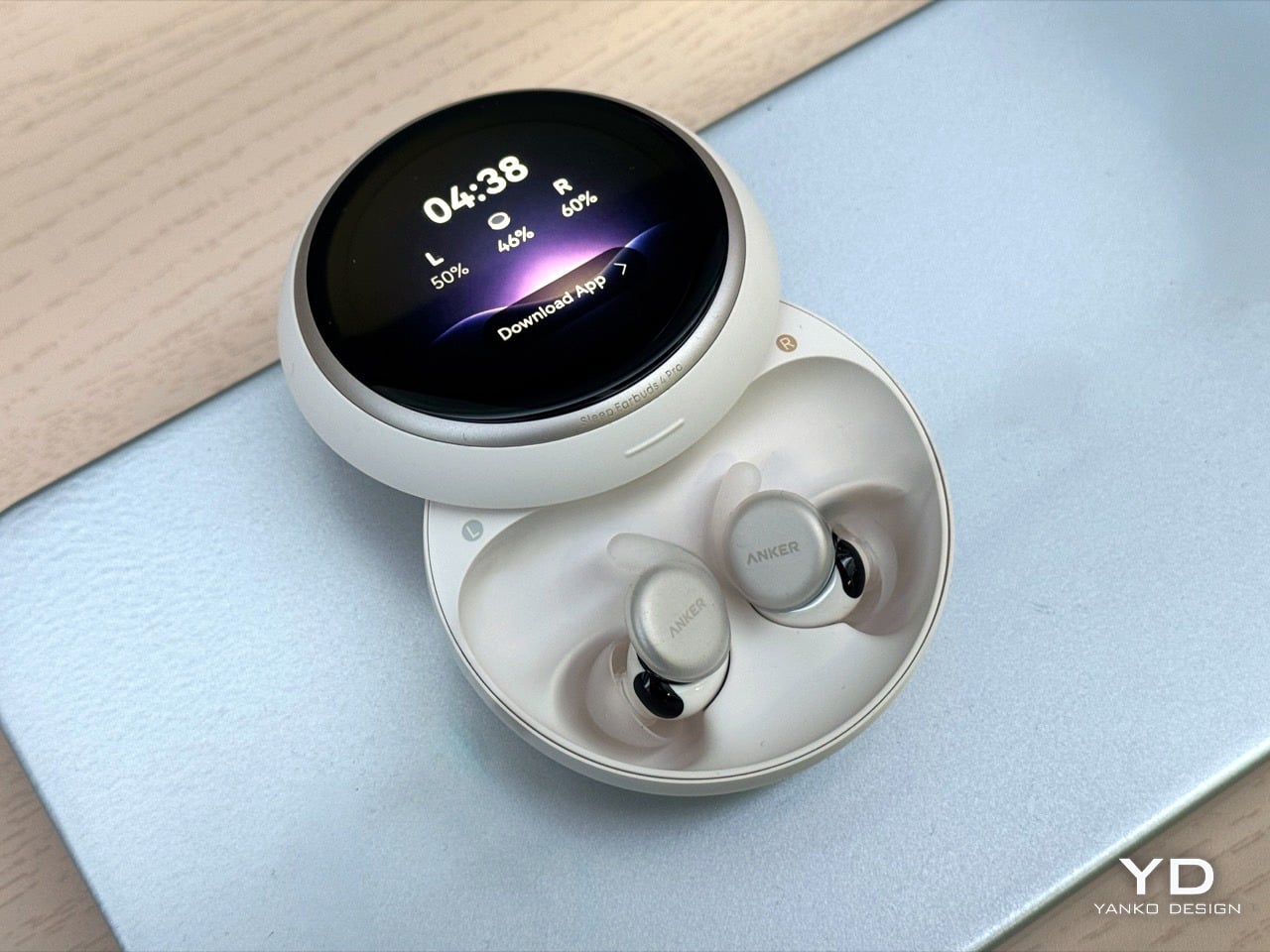
Anker’s new Soundcore Sleep Earbuds 4 Pro stuff a heart rate sensor into your ear canal and bolt a round AMOLED touchscreen onto the charging case, so bedtime happens without your phone anywhere near the pillow. Each bud is a flat three gram disc with a soft silicone fin that wedges into the ridge of your ear, sitting 20 percent flatter against your head than the old Sleep A30 so side sleepers can actually lie on them. A microphone in the case listens for your partner’s snoring and reshapes the masking audio as the snore shifts pitch. It arrives in November for $349.99.
Handling them at IFA, the thing that struck me was the hierarchy. The case is the brain here, with its own screen, chip and local storage, while the buds have quietly demoted themselves to sensors you happen to wear. Pop the lid and a circular display shows the time and battery for each side. Tap through for playback controls, a brightness slider, an alarm toggle. Your phone, the single worst object to hold at midnight, has been designed out of the room entirely.
Designer: Anker
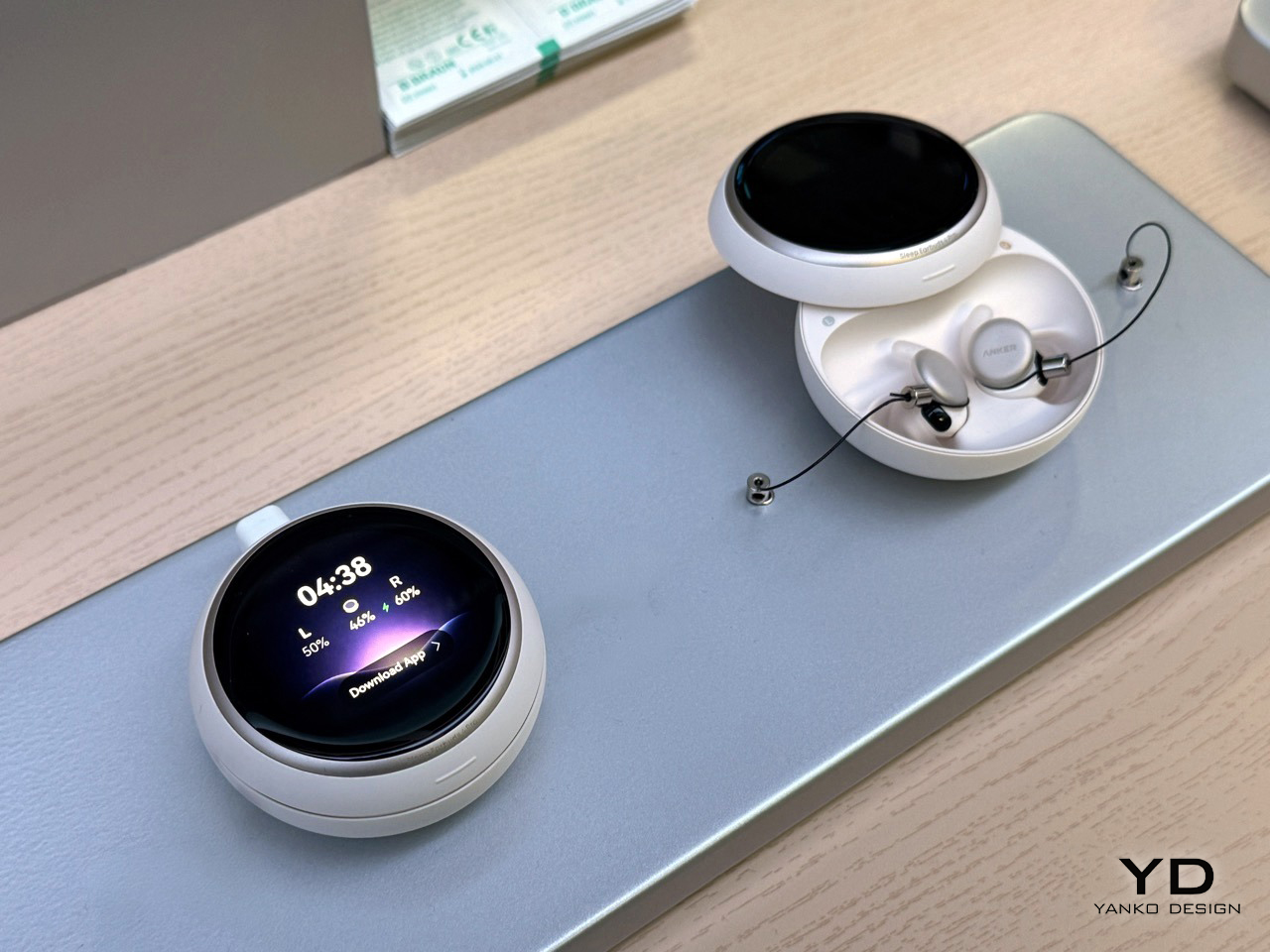
Sleep earbuds run on a brief that works backward from every other earbud, since the real question is what happens when a skull presses the thing into a pillow for eight hours. Anker’s bud is a flat disc with no stem and no nozzle, and the silicone fin locks into the ear ridge instead of pushing inward. I picked one up at the booth and it felt closer to a hearing aid component than a music earbud, the correct lineage for something meant to disappear under the weight of your head. The case carries the real design budget: a round AMOLED display, its own chip, and local audio storage, so soundscapes play offline.
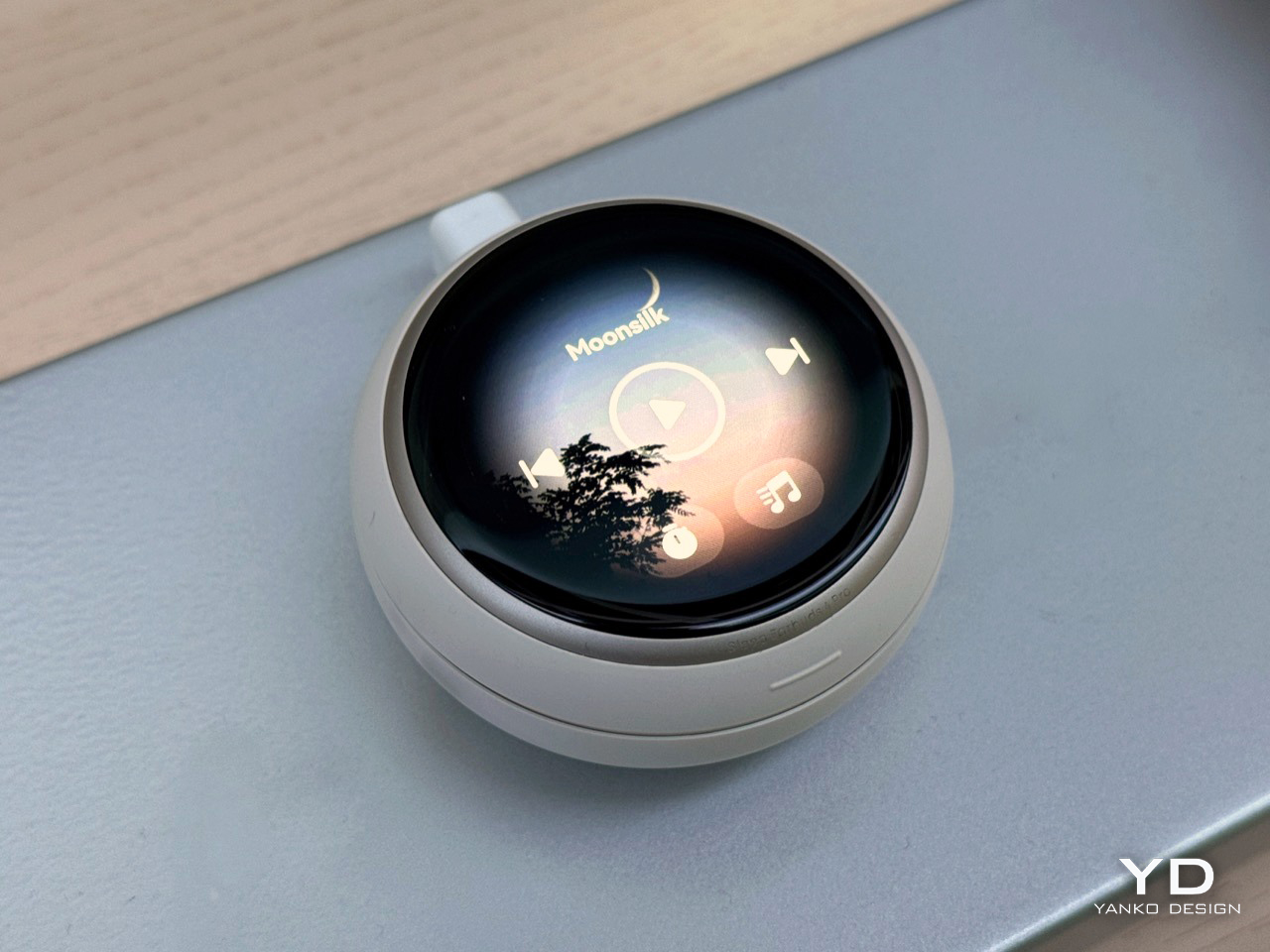
Inside the ear, a 100 Hz optical PPG sensor tracks heart rate and HRV through the night, feeding BioSync, a system that checks relaxation roughly every five minutes and nudges the tempo, soundscape and binaural beats accordingly. Anker calls this an experimental lab feature, not a medical grade one, honest framing for a claim this ambitious. Snore masking runs on a separate loop: the case mic picks up snoring nearby and reshapes the masking sound as pitch and rhythm change, rather than looping one fixed track all night. Anker recommends keeping the case within two meters of the sleeping culprit with the mic aimed their way, the most savage guidance to come out of IFA this year.
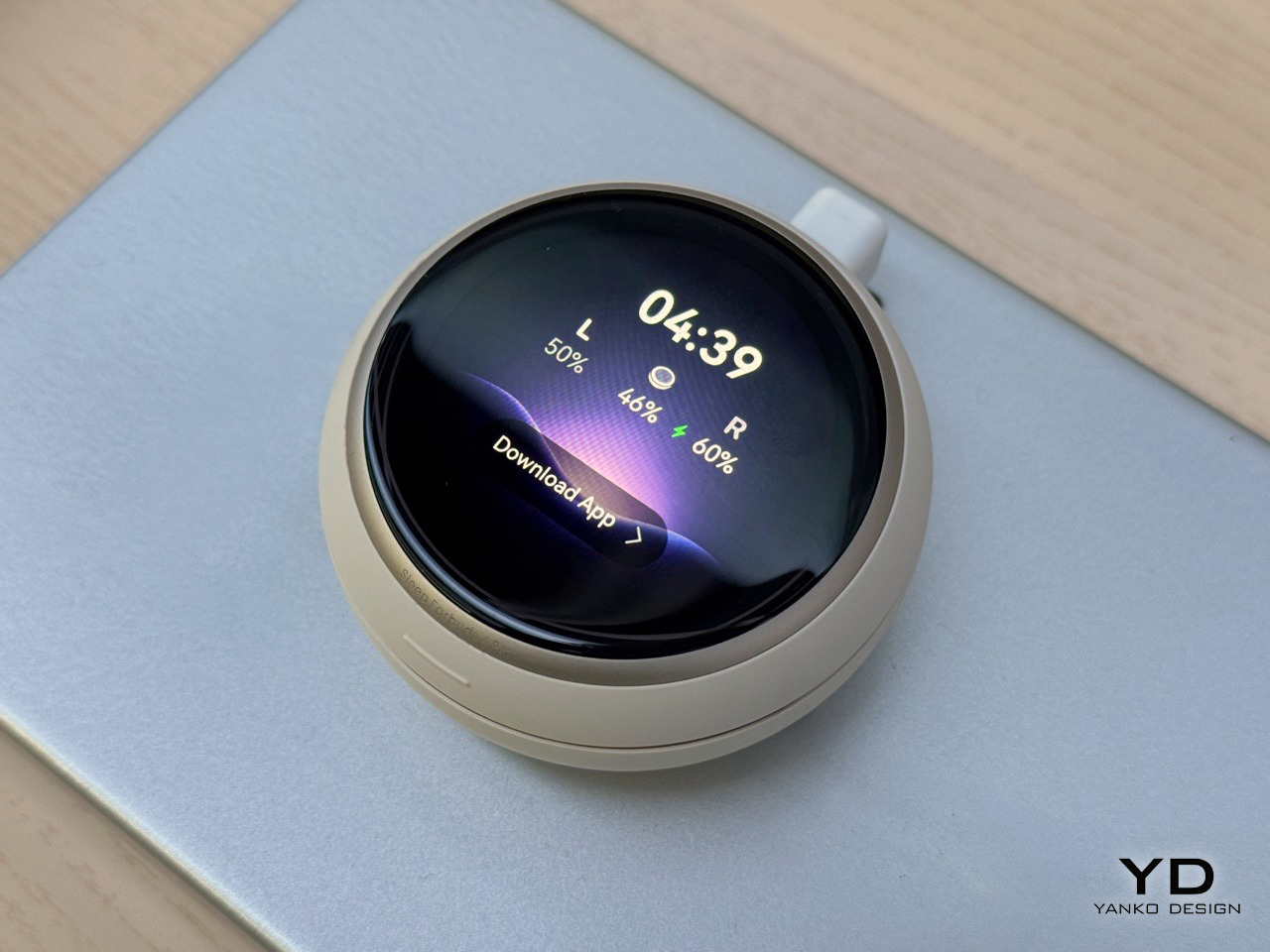
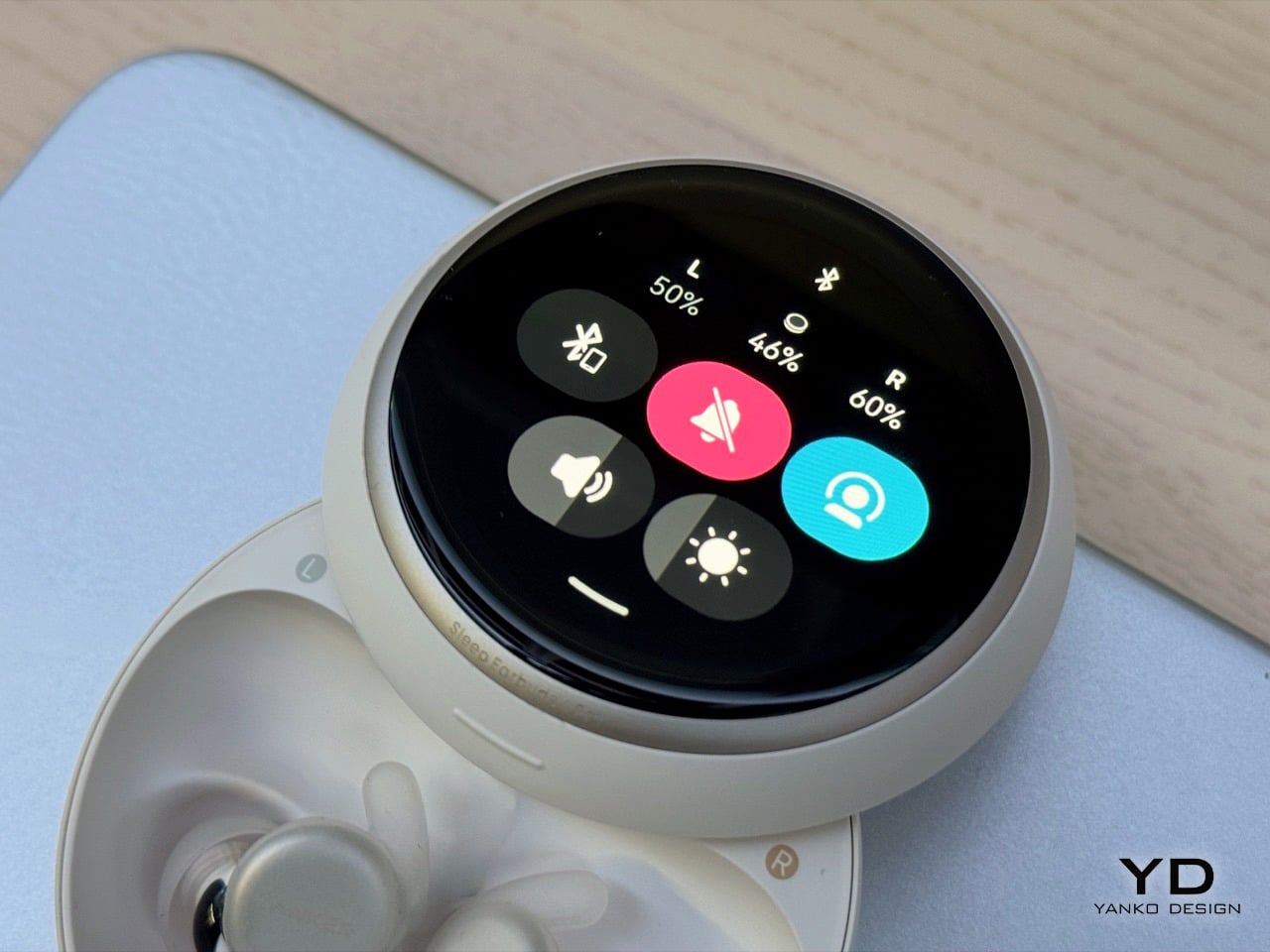
The cheaper $229.99 Sleep Earbuds 4 skips the PPG sensor and the touchscreen entirely, yet it can recognize a baby crying or a fire alarm through its case mic and duck the masking audio into transparency. The Pro, despite carrying all the sensor hardware, does not do this. It reads as two products, two timelines, with no merge forced before launch. Paying $120 more buys a heart rate graph and a screen, not the feature that wakes you when something is actually wrong. That tradeoff is worth Anker addressing before the Pro ships in November.
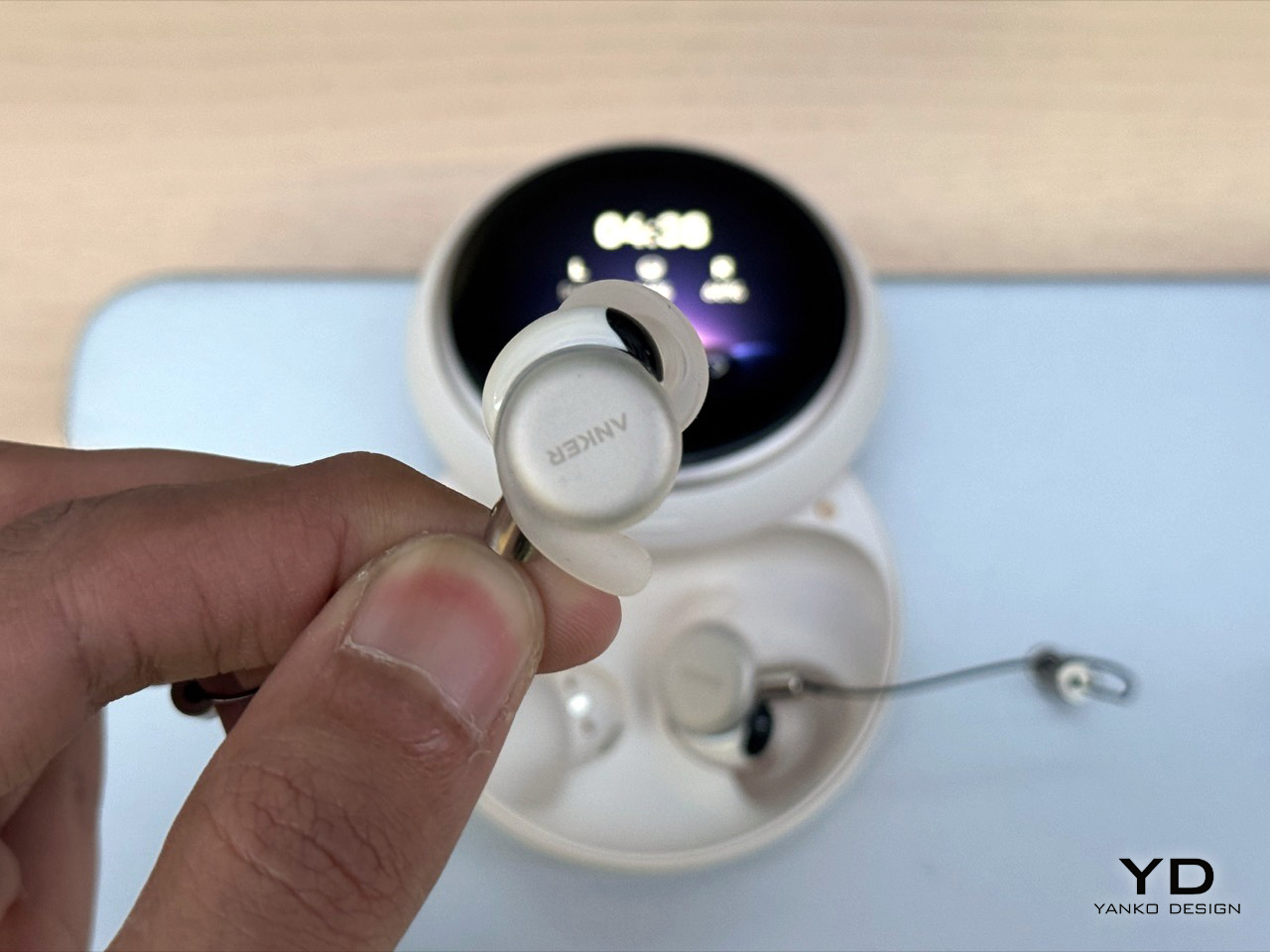
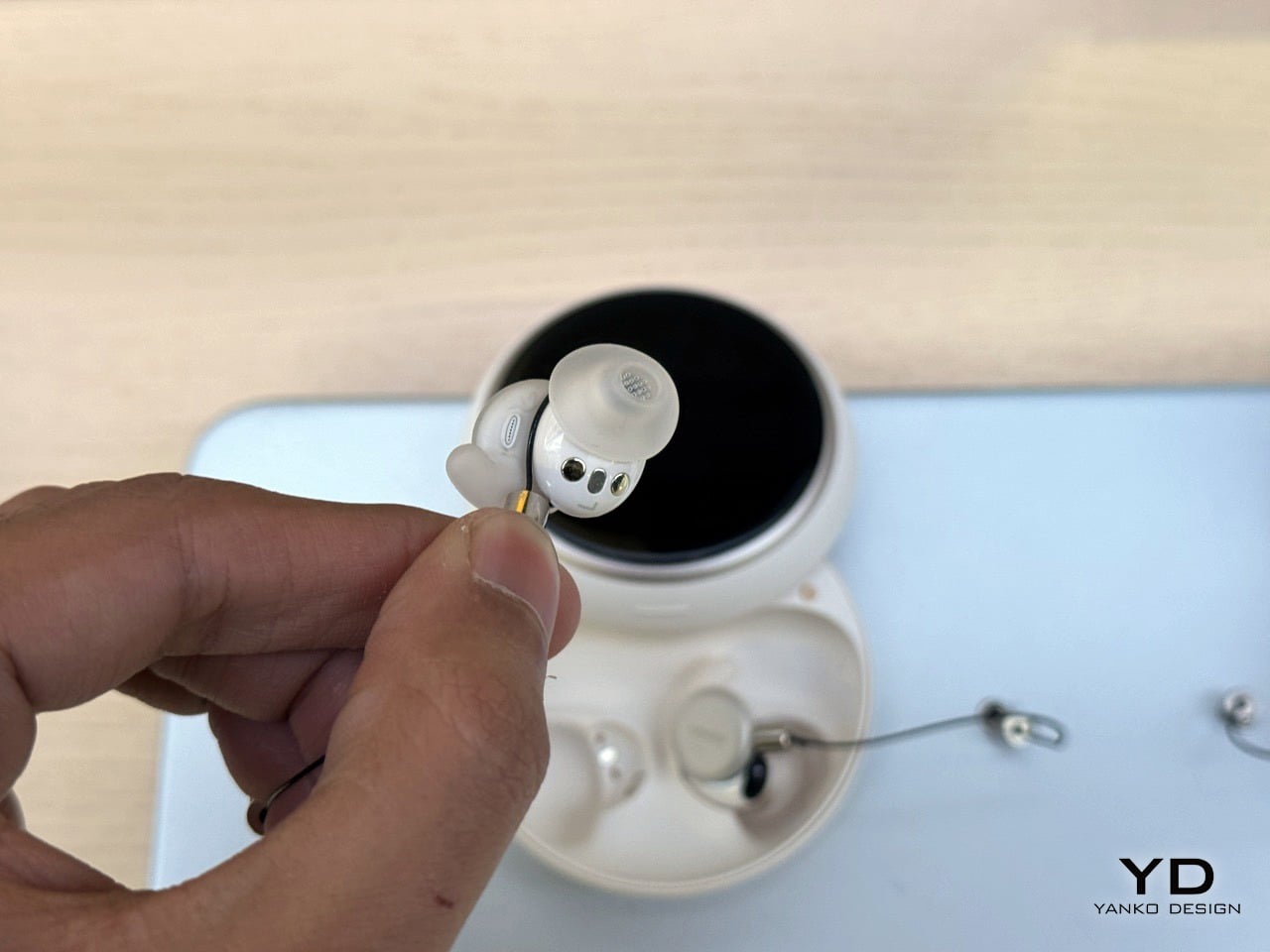
Anker took the accessory and made it the computer, while the wearable itself got smaller and closer to invisible, the reverse of how most earbud lines evolve. Cases usually shrink as buds gain features. Here the buds vanish and the case gets a face. Whether BioSync improves anyone’s sleep needs real nights and real data, not a show floor. But a screen you check instead of a phone you scroll is the right instinct for something built to sit beside your head while you’re unconscious.