August arrives with a lineup that feels genuinely considered. Not every gadget this month is chasing a headline spec or fighting for shelf space. Some of the most interesting things landing right now are smaller, quieter, and more honest about what they actually do — a folding mouse that disappears into a shirt pocket, a bedside unit that replaces three devices at once, and a dual-screen E Ink tablet that finally treats reading and writing as a single workflow rather than two separate tasks competing for the same screen.
There’s also something larger worth paying attention to. Samsung is officially pulling back the curtain on the Galaxy Z Fold 8 this month, and what’s shaping up as a tiered foldable lineup could redefine the category’s identity. Meanwhile, Google has quietly slipped a new smart speaker onto store shelves for the first time in six years. August, as it turns out, rewards patience — and knowing exactly where to look.
1. piBrick Pocket-CM5
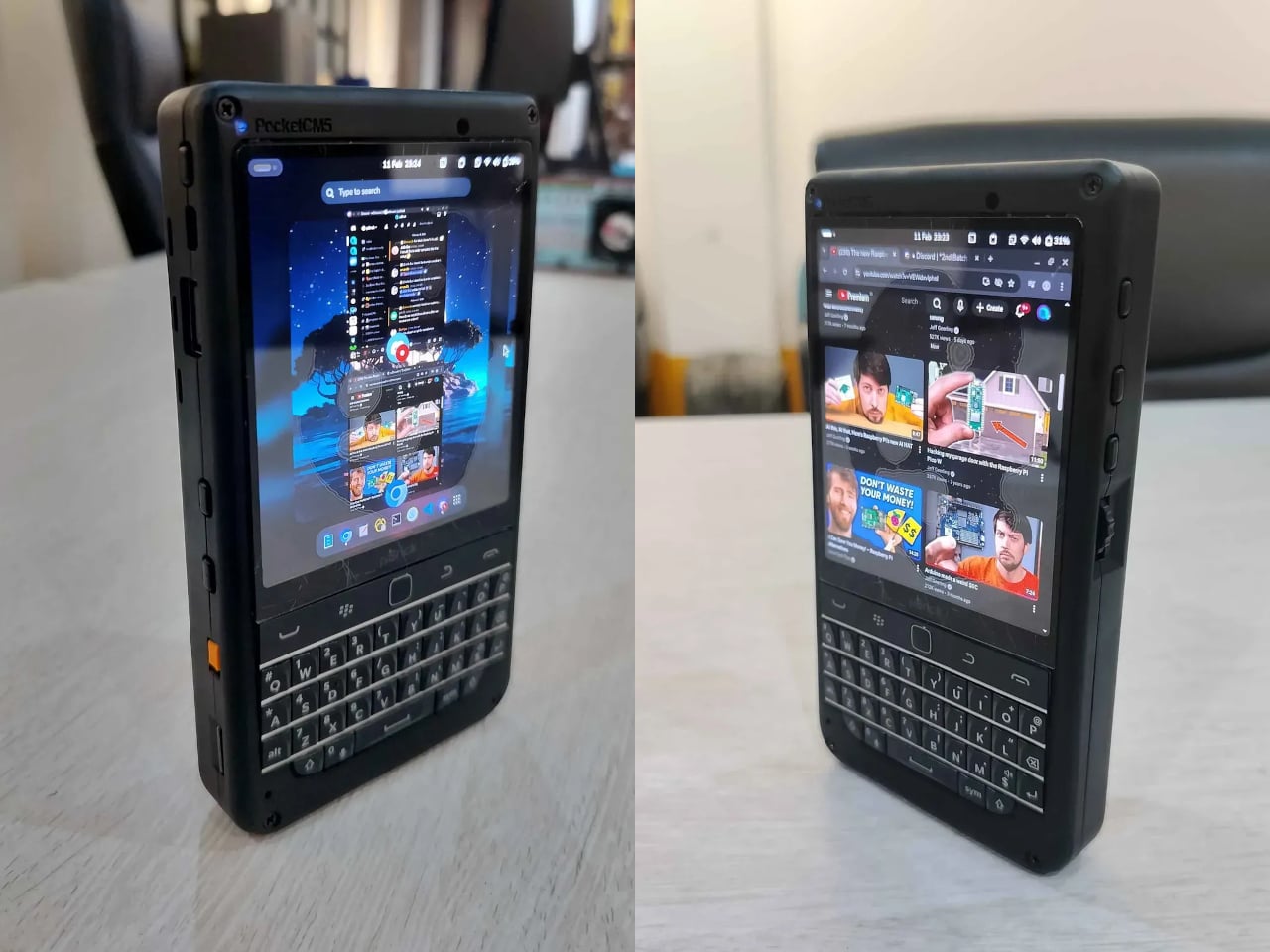
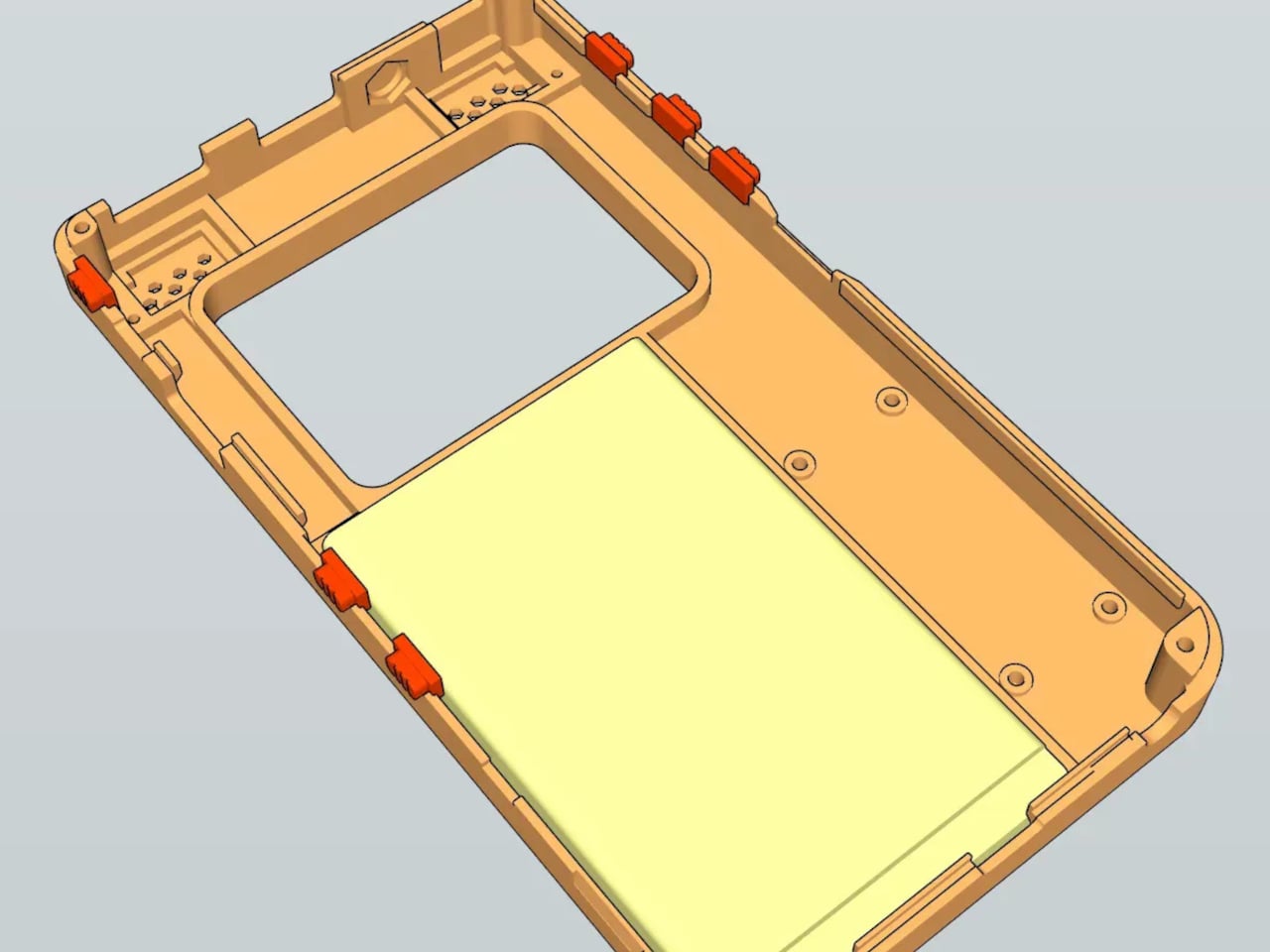
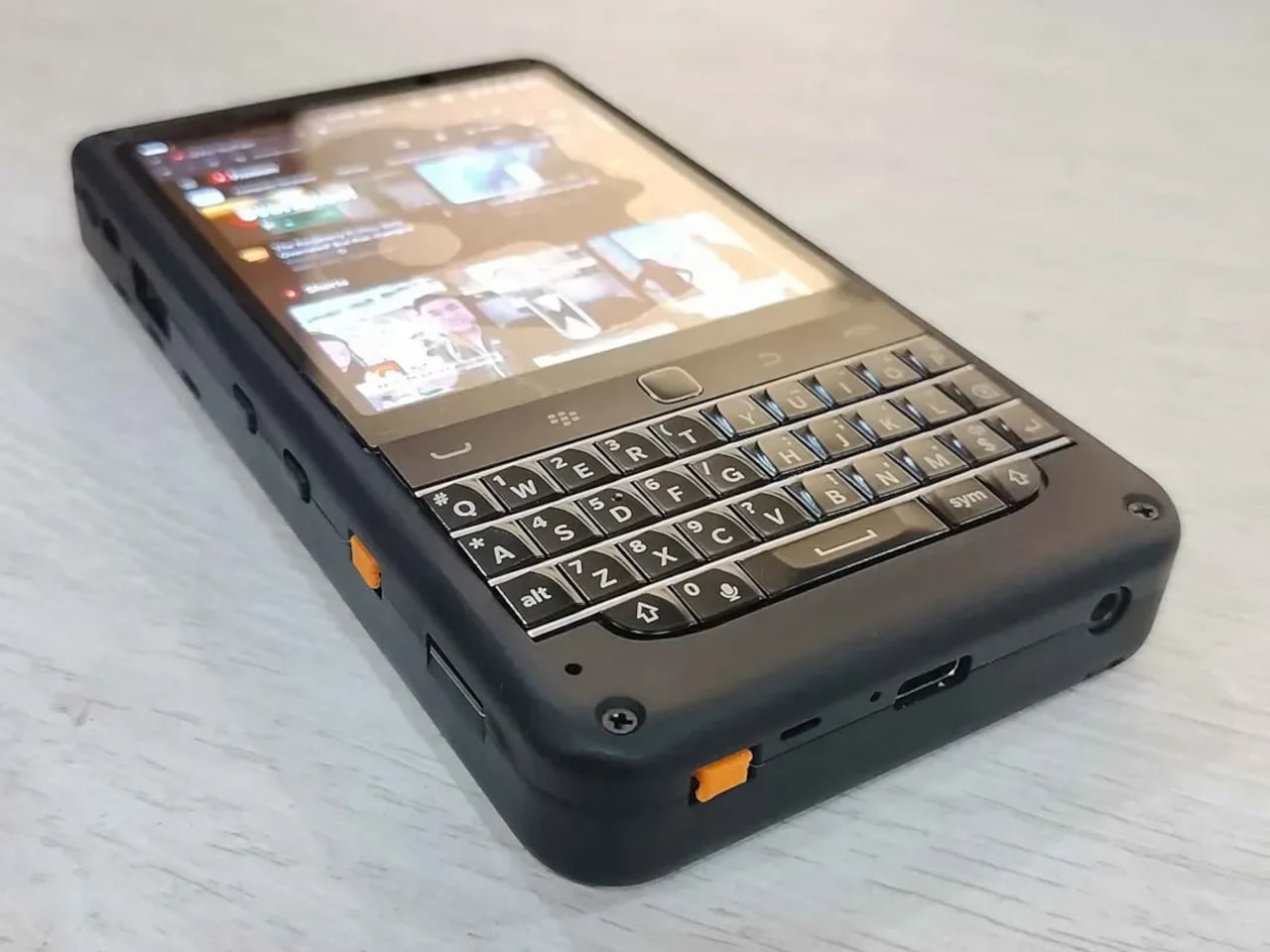
The piBrick Pocket-CM5 is one of those projects that reads better the longer you spend with the spec sheet. Built by Ahmad Amarullah on a custom PCB designed around the Raspberry Pi Compute Module 5, this open-source handheld costs around $172 in parts and arrives at smartphone proportions — 80 × 145 × 19.6mm. The 3.92-inch AMOLED display runs at 1080 × 1240 and 90Hz with Asahi tempered glass over the top, which is the kind of detail that separates a deliberate design from a prototype that merely happens to work. Full-size and micro-HDMI outputs mean the same pocket device can drive an external display when a larger workspace makes more sense.
The BBQ20 keyboard with its integrated BlackBerry-derived trackpad gives the piBrick a tactile depth that touchscreen-only handhelds cannot match, and side rotary encoders plus five programmable buttons extend the input options further still. A 5,000mAh LiPo keeps everything running, NVMe SSD support in 2230 or 2242 formats handles storage, and USB 3.0 with Type-A and Type-C covers connectivity. The most quietly useful feature is USB-HID mode — plug the piBrick into any external machine and its keyboard and trackpad instantly become a functional input device, independent of the Pi entirely. For a sysadmin who shows up at a server rack without a spare keyboard, that framing changes the device from hobbyist novelty to legitimate daily carry tool.
What we like:
- USB-HID mode turns the whole device into a USB keyboard for any external computer
- 90Hz AMOLED at this price point and form factor is a genuinely rare combination
What we dislike:
- Requires hands-on sourcing, PCB manufacturing, and 3D-printed shell assembly
- The compact BBQ20 keyboard layout carries a real learning curve for extended typing sessions
2. OrigamiSwift Folding Mouse

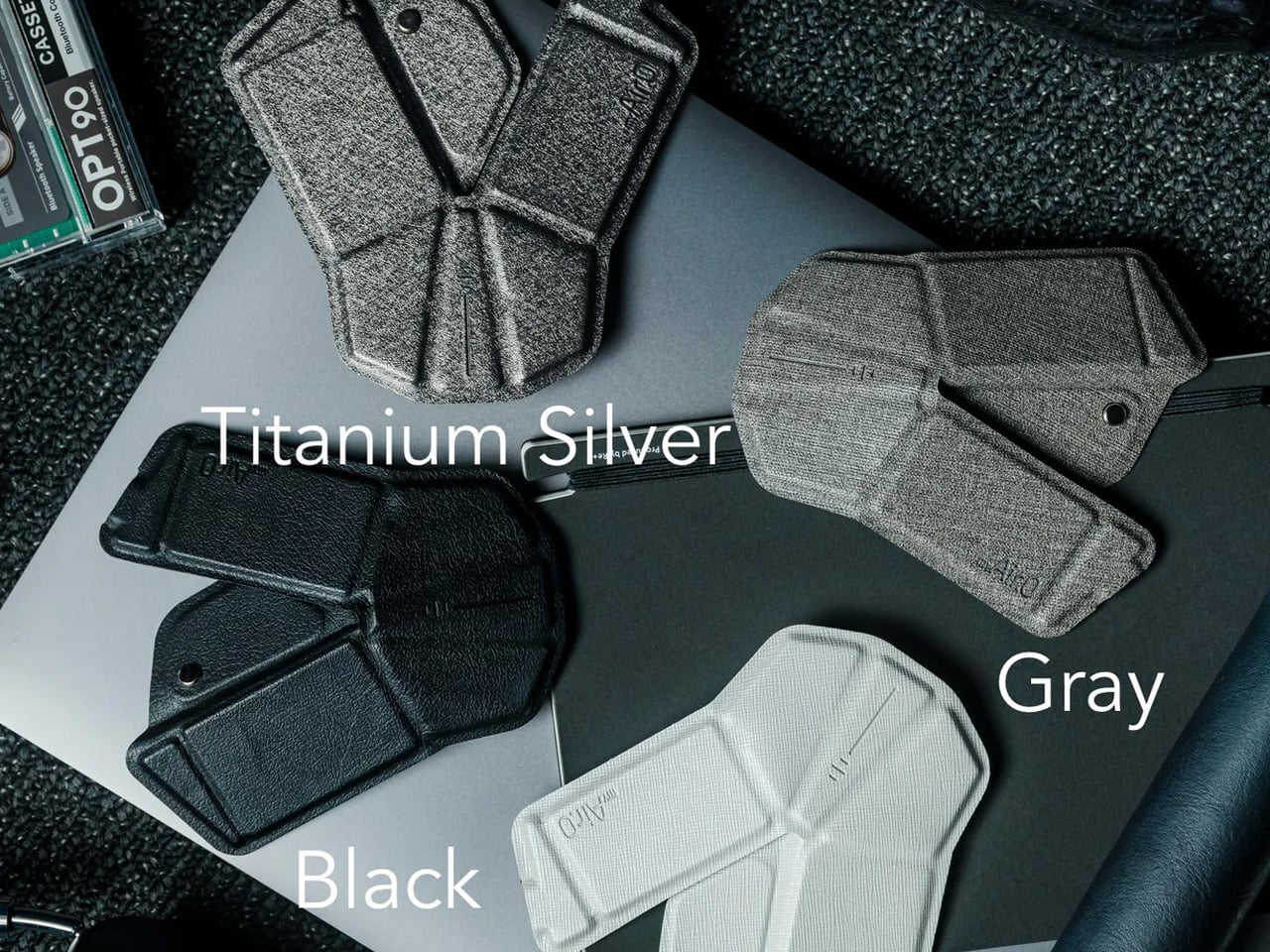
The OrigamiSwift is a Bluetooth mouse that folds flat to 0.18 inches — thinner than most notepads — and springs back into a full-size ergonomic form in under half a second. Designed by Horace Lam and built around the geometry of traditional origami folding, it weighs just 40 grams and connects over Bluetooth 5.2, with a 4,000 CPI HD infrared sensor tracking at up to 30 inches per second. For digital nomads and frequent travelers, the appeal is immediate: full-size mousing comfort that compresses to the front pocket of a bag without any structural compromise.
Soft-click buttons and a smooth, consistent glide make it discreet in quiet environments, and the triangular origami structure that enables the folding mechanism also gives the frame enough rigidity to absorb daily use without flex. Battery life is a genuine standout — one USB-C charge lasts up to three months, which removes the disposable battery cycle from the equation entirely. At $85, it sits in a price range where compromises tend to accumulate, and the sensor performance, weight, and build quality keep most of them from appearing. It works across Mac, iPad, Windows, and Android without additional drivers, which keeps the setup frictionless wherever you end up working.
What we like:
- Three-month battery life on a single USB-C charge is genuinely exceptional for a wireless mouse
- 40 grams means you stop noticing it’s in your bag until the moment you actually need it
What we dislike:
- 4,000 CPI ceiling may not satisfy users working on high-resolution or multi-monitor setups
- Stock is currently very limited, with only a few units available in the shop
3. Divoom FlowToo
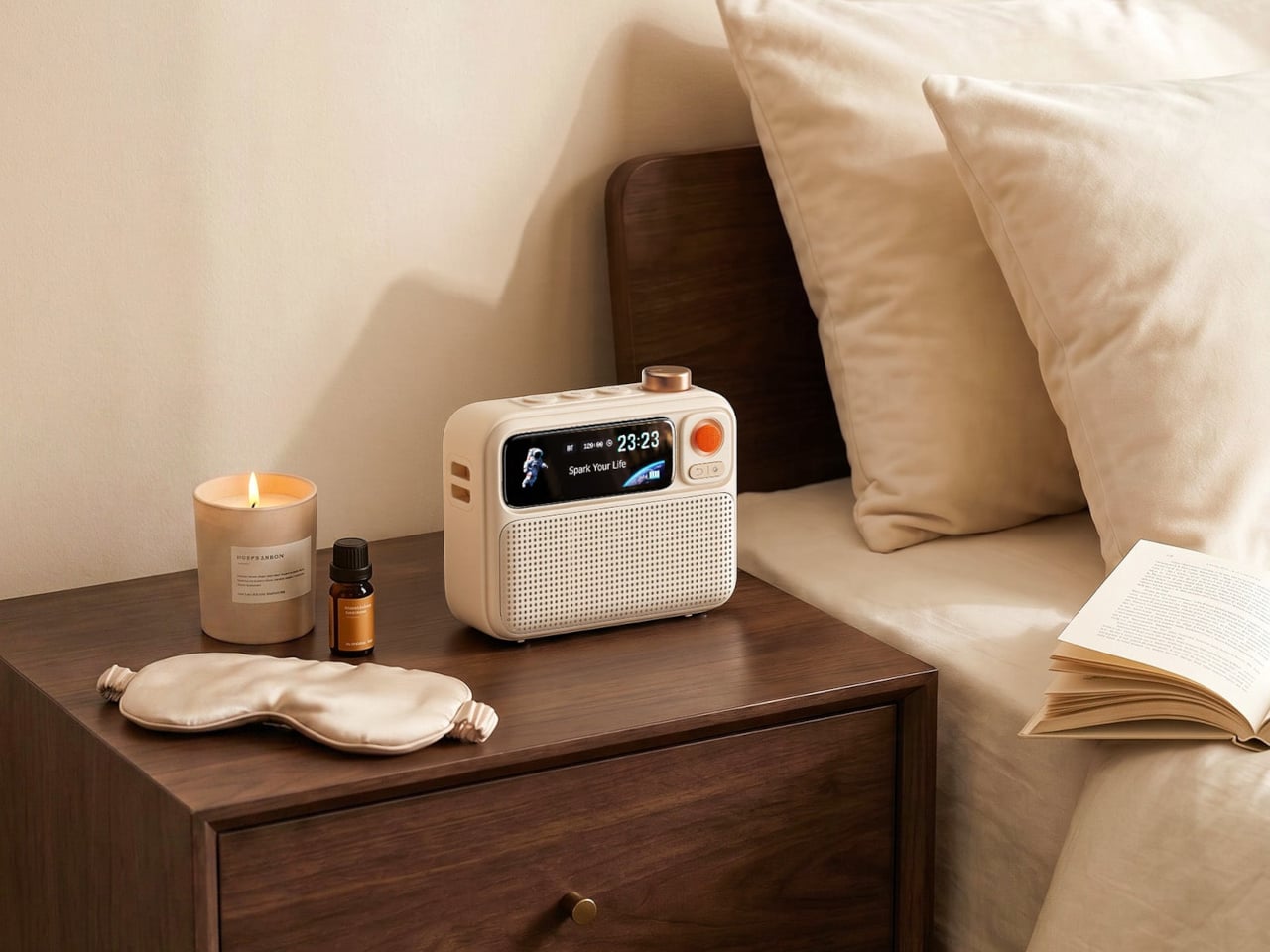
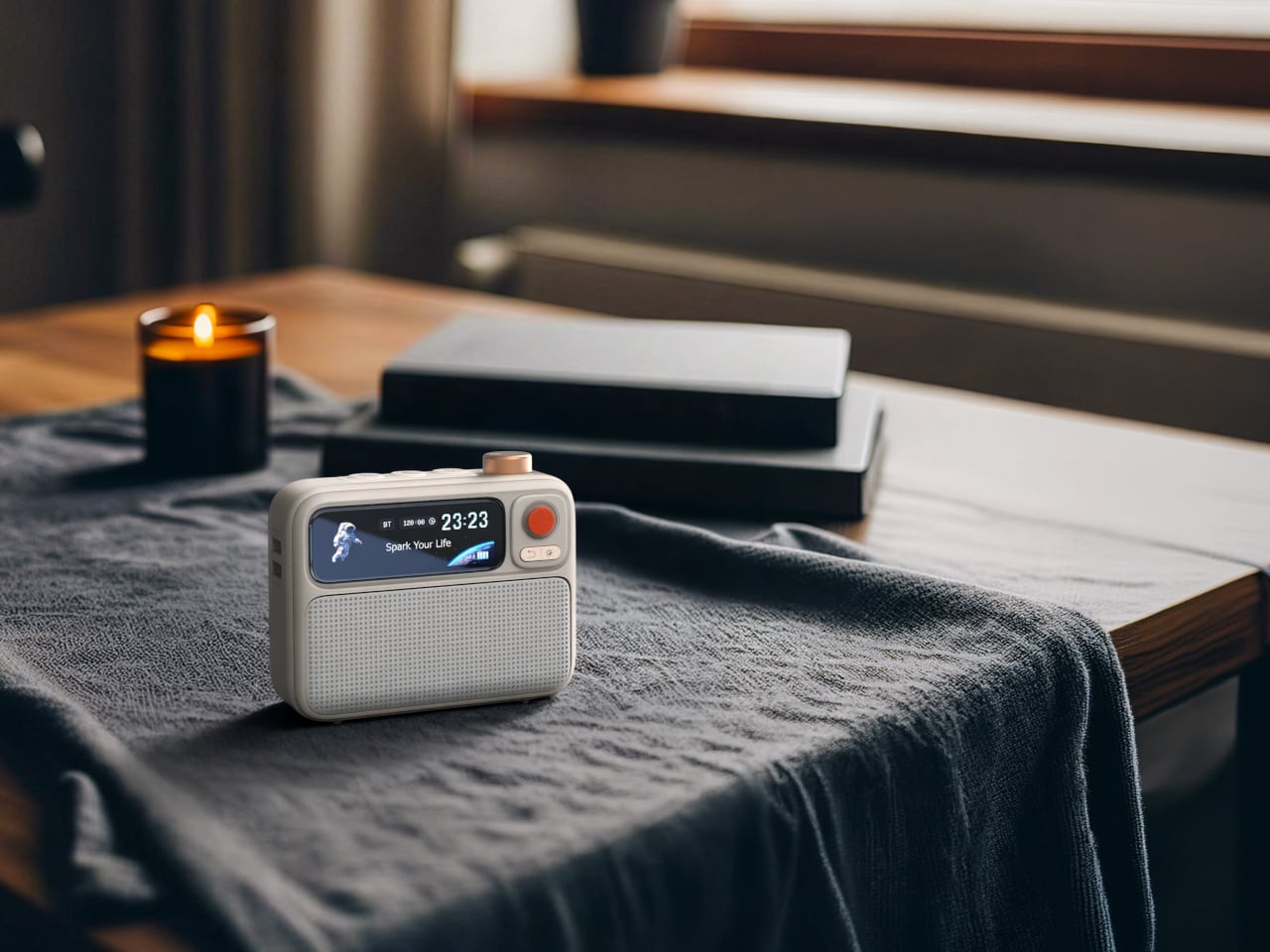
The Divoom FlowToo costs $99.99 and replaces three things that have been quietly cluttering nightstands for years — a Bluetooth speaker, a white noise machine, and an alarm clock. It runs through a 10W amplifier with a 45mm full-range driver, which is enough to fill a bedroom at a respectable volume without the sound becoming harsh at the high end. More than 90 built-in sounds cover the categories people actually reach for at night and during focus sessions, from rain and ocean ambience to forest and calming tones, and the Divoom app handles everything from alarm scheduling to sound selection directly from your phone.
The 2.26-inch smart display is the part that makes the FlowToo feel like something designed with some care rather than assembled from a parts list. It cycles between multiple clock faces, music visualizers that react to whatever’s playing, sleep scene animations, and mood lighting depending on the mode and the time of day. The wake-up sequence replaces a jarring alarm tone with natural sounds that build in volume while the display gradually brightens — a small change that makes a real difference to how the first few minutes of a morning feel. Available in White and Black, the form is clean, rounded, and scaled well enough to sit beside most beds without dominating the surface.
What we like:
- A 10W full-range driver makes this a real speaker, not just an alarm clock with Bluetooth bolted on
- The gradual light-and-sound wake sequence is a meaningfully better way to start the morning
What we dislike:
- Dedicated white noise machines and standalone speakers will each outperform the FlowToo in their respective categories
- Full feature access requires the Divoom app, which adds dependency to a device built around simplicity
4. Portable CD Cover Player
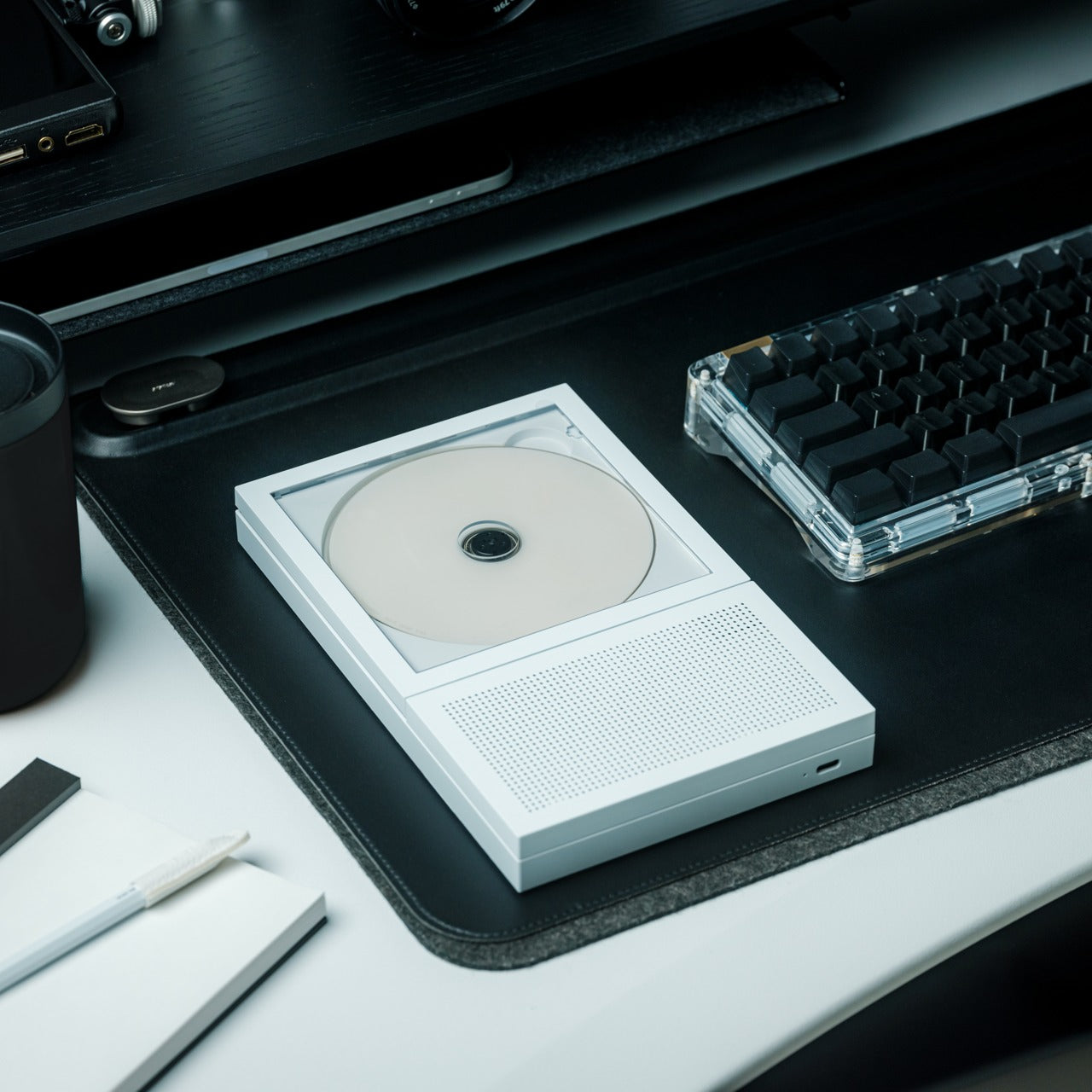
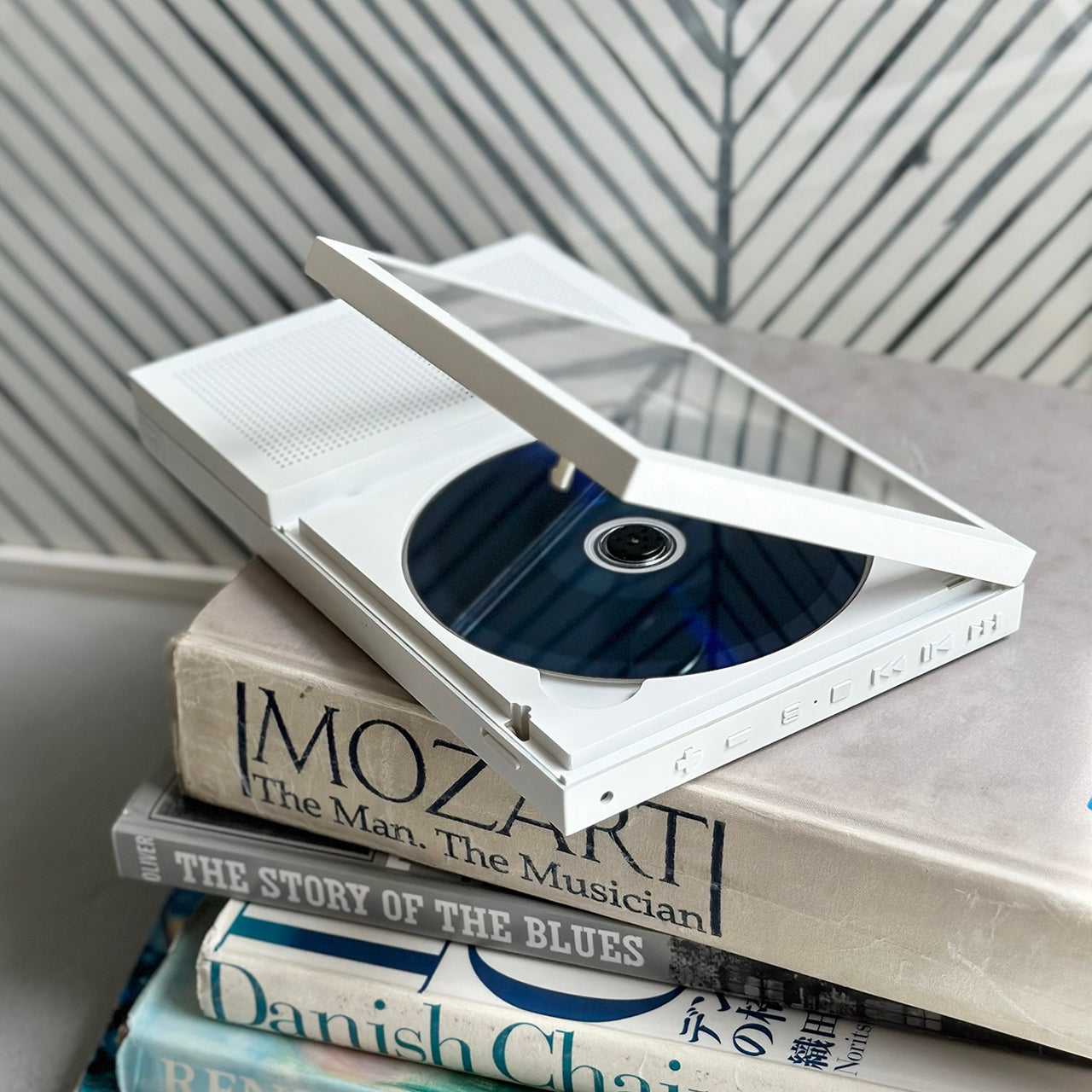
The Portable CD Cover Player brings album artwork back to the physical center of the listening experience at a time when streaming has reduced most music libraries to a scrollable grid of thumbnails no larger than a postage stamp. The form factor is slim and designed to echo the proportions of a CD sleeve — built for the kind of listening that happens away from a desk, on a commute, in a hotel room, or anywhere else a record player cannot reasonably follow you without significant planning.
There is something the CD format offers that streaming still hasn’t managed to replicate — intentionality. You chose this album. You put it in. You listened front to back, the way it was meant to be heard. The Portable CD Cover Player leans into that ritual rather than treating it as an inconvenience to be engineered away. At a moment when cassette players and vinyl decks have staged a credible commercial comeback, there is a real and growing audience for physical music hardware that does not apologize for existing in 2026. For anyone rebuilding a CD collection or looking for a reason to use the one they never threw out, this is the device for it.
Click Here to Buy Now: $199.00
What we like:
- Restores album artwork as a physical, tactile part of the listening experience rather than a compressed thumbnail
- The intentionality of the CD format is something streaming genuinely cannot replicate
What we dislike:
- The price requires an existing or rebuilt CD collection to justify the investment
- Stock is tight, with only a few units currently available through the Yanko Design shop
5. Samsung Galaxy Z Fold 8
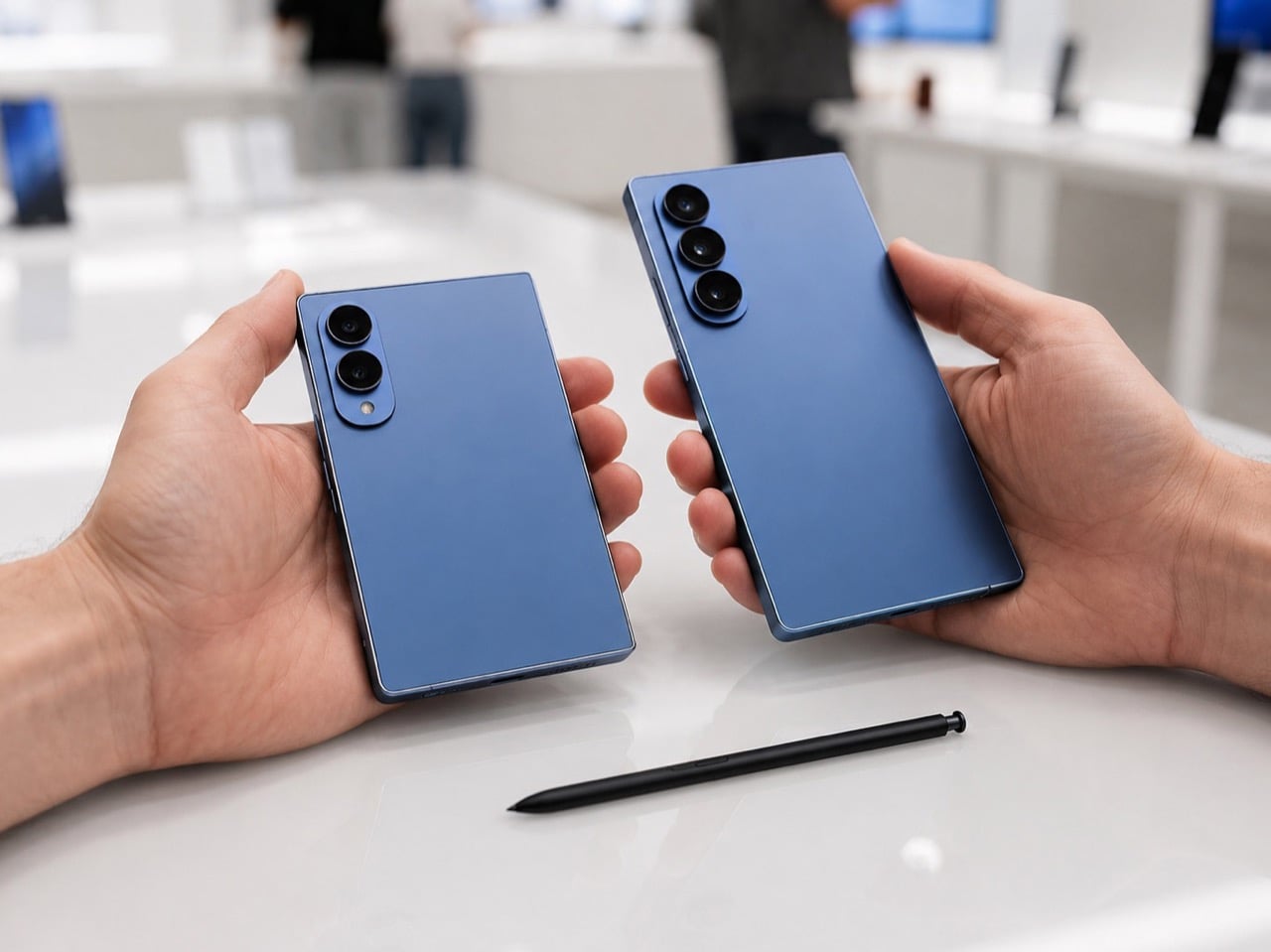
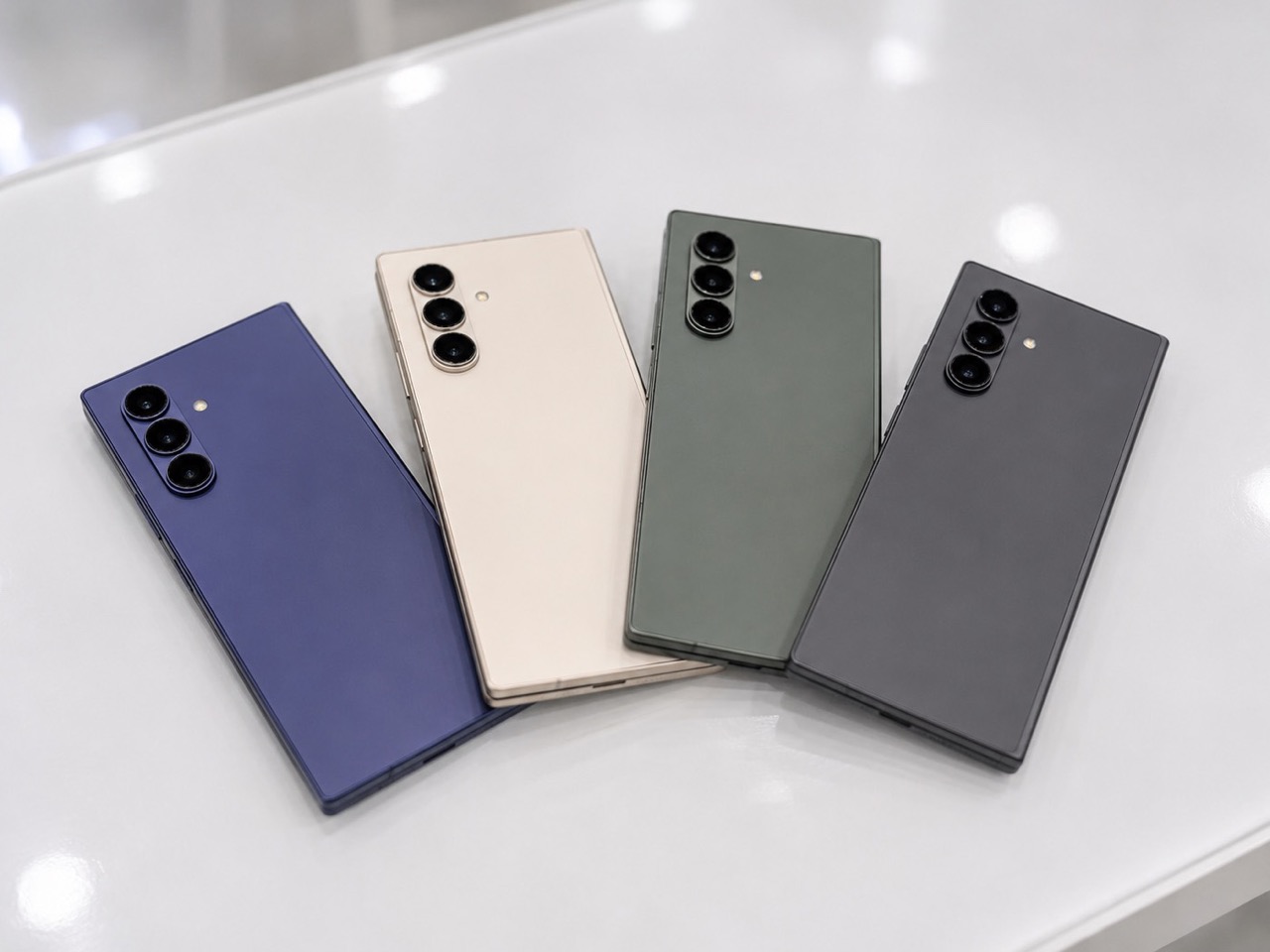
Samsung confirmed the Galaxy Z Fold 8 Unpacked event for July 22 in London, and what’s taking shape is arguably the most architecturally ambitious foldable lineup the company has attempted. Three models appear to be in play — the standard Fold 8 at 4.1mm unfolded, the wide-format Fold 8 Wide at a remarkable 3.9mm, and the Fold 8 Ultra, which is where the S Pen is making its return after being stripped from the Fold 7 to achieve that device’s headline thinness. Reports point to a titanium-plus-carbon-fiber construction for the Ultra, a material combination that works more naturally with the digitizer layer the stylus requires than the pure titanium backplate the Fold 7 used.
The Ultra is the model worth watching most closely. A 5,000mAh battery — the largest in the Fold line since the third generation — marks the first meaningful capacity upgrade the series has seen in years, and the S Pen’s return shifts the Fold 8 Ultra from a premium hardware story into something with actual software depth for power users. Samsung is also reportedly developing a digitizer-free stylus solution for future generations, which would eventually decouple S Pen functionality from physical bulk entirely. If the Ultra ships as the leaks describe, it becomes the first Z Fold that stops treating its own productivity features as a problem to be engineered around, and starts treating them as the reason the device exists.
What we like:
- S Pen returns on the Ultra alongside the line’s largest battery to date
- A tiered lineup lets buyers choose between thinness-first or capability-first without compromise
What we dislike:
- Splitting S Pen support exclusively to the Ultra positions it as a premium within an already premium product line
- Three distinct SKUs risk diluting the design identity that made the Fold recognizable in the first place
6. Google Home Speaker
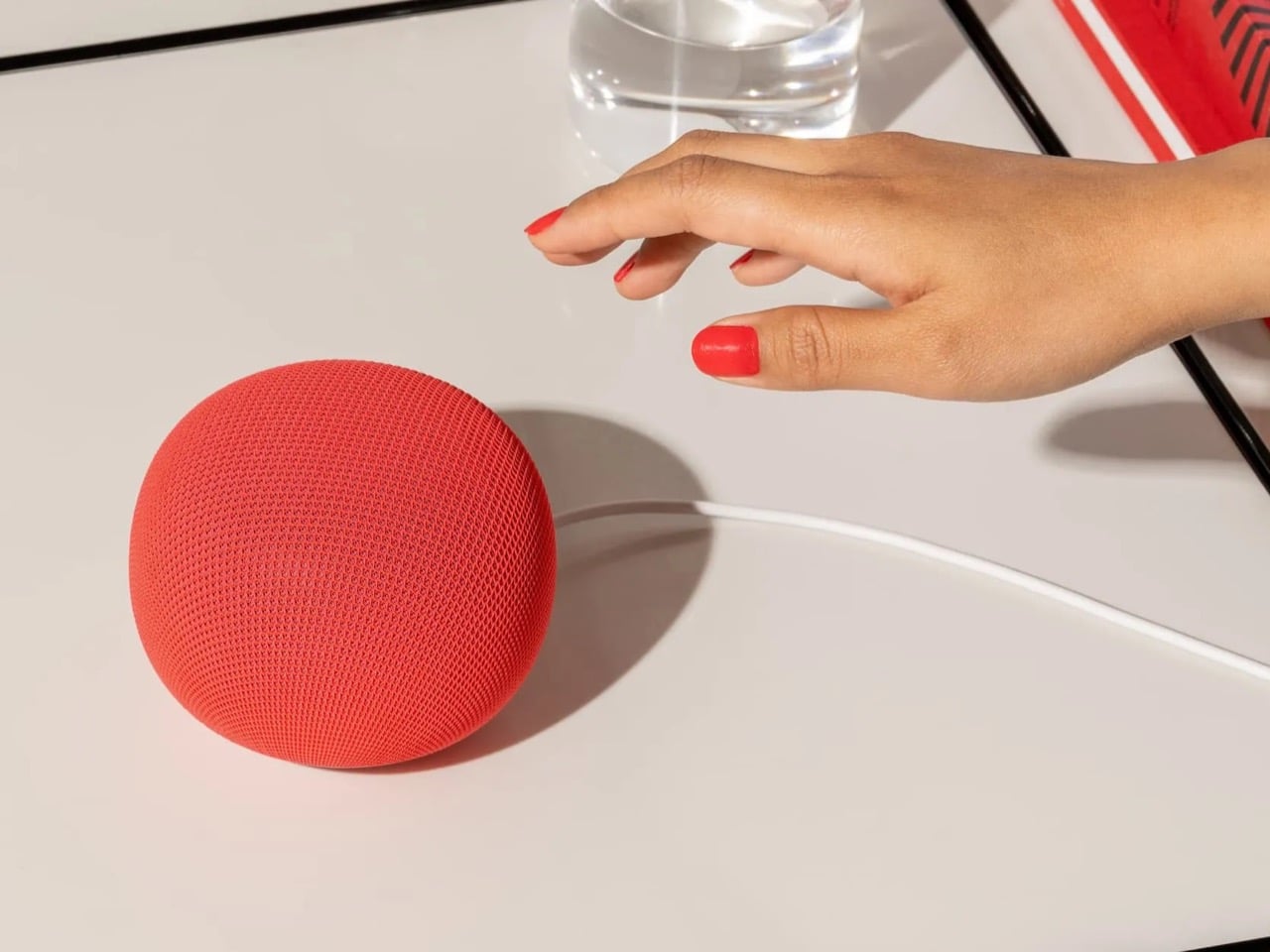
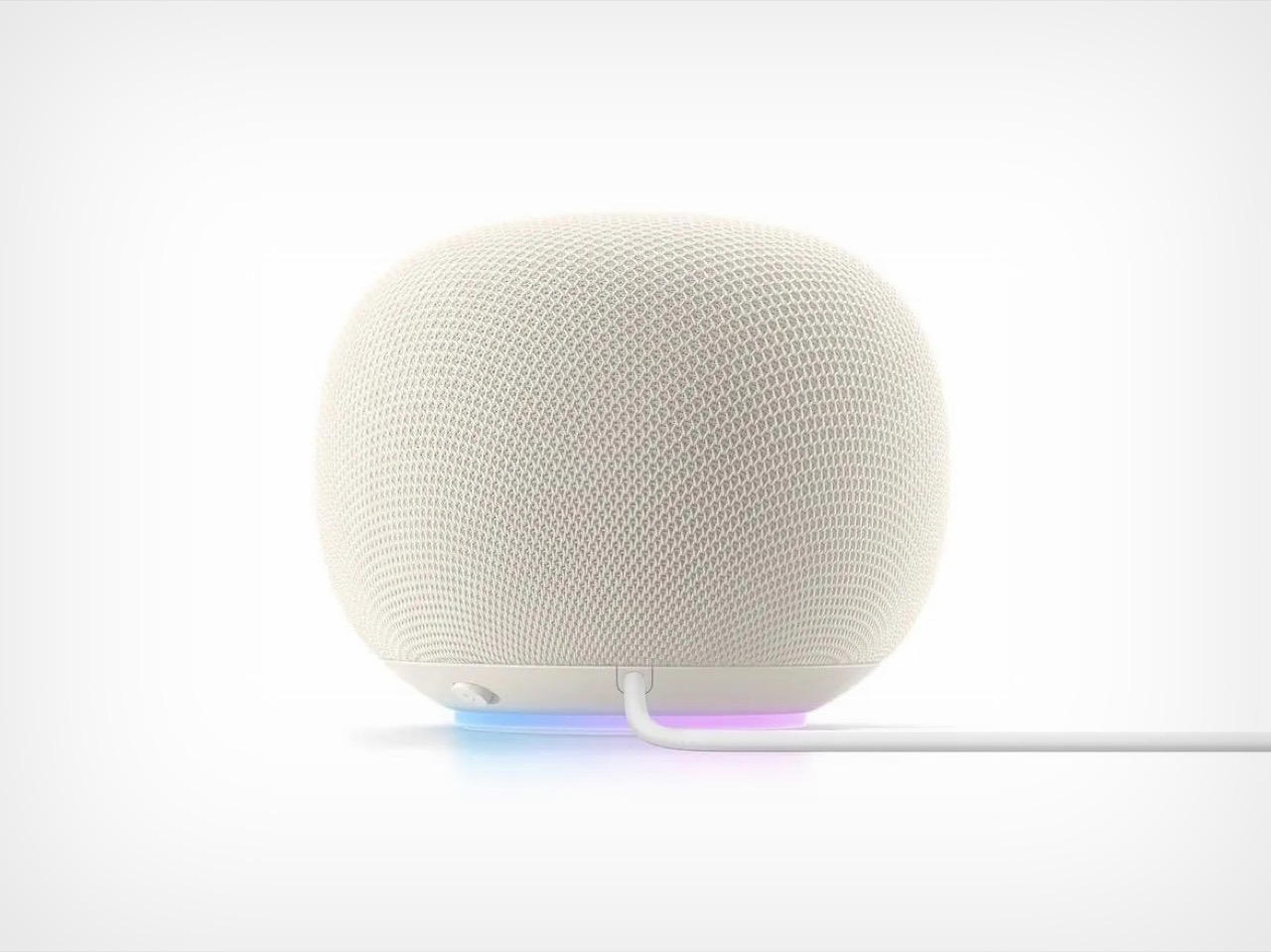
The Google Home Speaker is the company’s first new standalone smart speaker since the Nest Audio launched in September 2020. Nearly six years is a long time to leave a product category untouched in consumer electronics — Apple refreshed AirPods three times in that window, Sonos shipped new hardware, redesigned its app, and broke it, and still found time to come back. Google’s return is framed almost entirely around Gemini, now built directly into the speaker and positioned as the primary reason to put it on your kitchen counter rather than any particular advancement in audio engineering.
The hardware reads clean — small, rounded, and available in the kind of understated colors Google’s design teams have always been good at selecting. It features 360-degree audio, faster processing for more fluid conversational responses, and a new light ring that signals when Gemini is listening, thinking, or responding. Whether this launch represents a genuine recommitment to the smart home category or simply Google finding Gemini another product surface to occupy is a fair question to ask. The speaker is back on the counter after six years. Whether the company chooses to stay in the room this time is the harder and more important question.
What we like:
- Gemini integration makes this the most conversationally capable Google speaker the company has ever shipped
- Six years of hardware and processing advancement mean the gap over the Nest Audio should be substantial
What we dislike:
- Google’s well-documented history of deprioritizing smart home hardware makes long-term software support a legitimate concern
- The launch narrative frames the speaker as AI infrastructure first, and as a designed product second
7. Inkleaf Foldable Dual-Screen E Ink Notebook


The Inkleaf is a foldable dual-screen E Ink tablet with two 10.3-inch Carta panels that open side by side — one for reading, one for writing, simultaneously. That single feature solves a problem researchers, students, and writers have been navigating awkwardly for years, usually by propping a tablet next to a paper notebook or toggling between apps and losing their place each time. Designed by Kameron Yu, it closes to 8.4mm and 480 grams, thinner than a standard paperback, and each open panel measures 4.2mm — slimmer than the reMarkable 2 at 4.7mm, the Kindle Scribe at 5.4mm, and the Boox Note Air4 C at 5.8mm. None of those fold.
The cast aluminum body and precision-machined hinge barrel lay perfectly flat at 180 degrees when open, tactile page-turn buttons sit exactly where your thumb expects them, and the pressure-sensitive stylus ships in the box with no subscription fee attached. Android handles the OS with support for PDFs, EPUBs, MOBI, and TXT files, and an AI-powered handwriting search can surface any phrase across every notebook you’ve filled. First units are expected to reach founders in August 2026. At around $450, it is a serious financial commitment, but one the form factor and the problem it actually solves manage to earn.
What we like:
- Dual-screen setup genuinely resolves the read-and-write-simultaneously problem that every comparable single-screen device ignores
- 4.2mm per panel open is thinner than any single-screen E Ink device currently on the market
What we dislike:
- The price point requires a real commitment to the E Ink workflow to justify
- Android on an E Ink display still carries limitations in app responsiveness and screen refresh speed
August Belongs to the Gadgets That Get Out of the Way
August’s lineup doesn’t follow a single theme, which is part of what makes it worth paying attention to. The piBrick and the Inkleaf both treat computing as something that should fit your actual workflow rather than just your desk. The OrigamiSwift and the FlowToo make the case that the best everyday tech is the kind that removes something from your bag or your nightstand rather than quietly adding to it. The Portable CD Cover Player is a reminder that intentional listening never actually went away — it just needed hardware worth using again.
The bigger stories — Samsung’s Fold 8 and Google’s long-overdue speaker — tell you something meaningful about where two of the industry’s largest companies have landed on the question of what smart hardware is actually for. One is restoring capability it arguably should never have removed. The other is making up for six years of silence with an AI pitch and hoping nobody checks the calendar. Both are worth watching this month, for very different reasons.
SHARE