Lounge seating hasn’t changed much in the past half century. The category has largely coasted on the same formula: a cushioned shell, a recline mechanism, and a vague gesture toward comfort. Meanwhile, the way people actually use chairs has shifted dramatically. People answer emails in living rooms, take video calls from hotels, read on tablets at reclined angles, and switch between devices constantly throughout the day. The furniture beneath them, for the most part, was never designed for any of that.
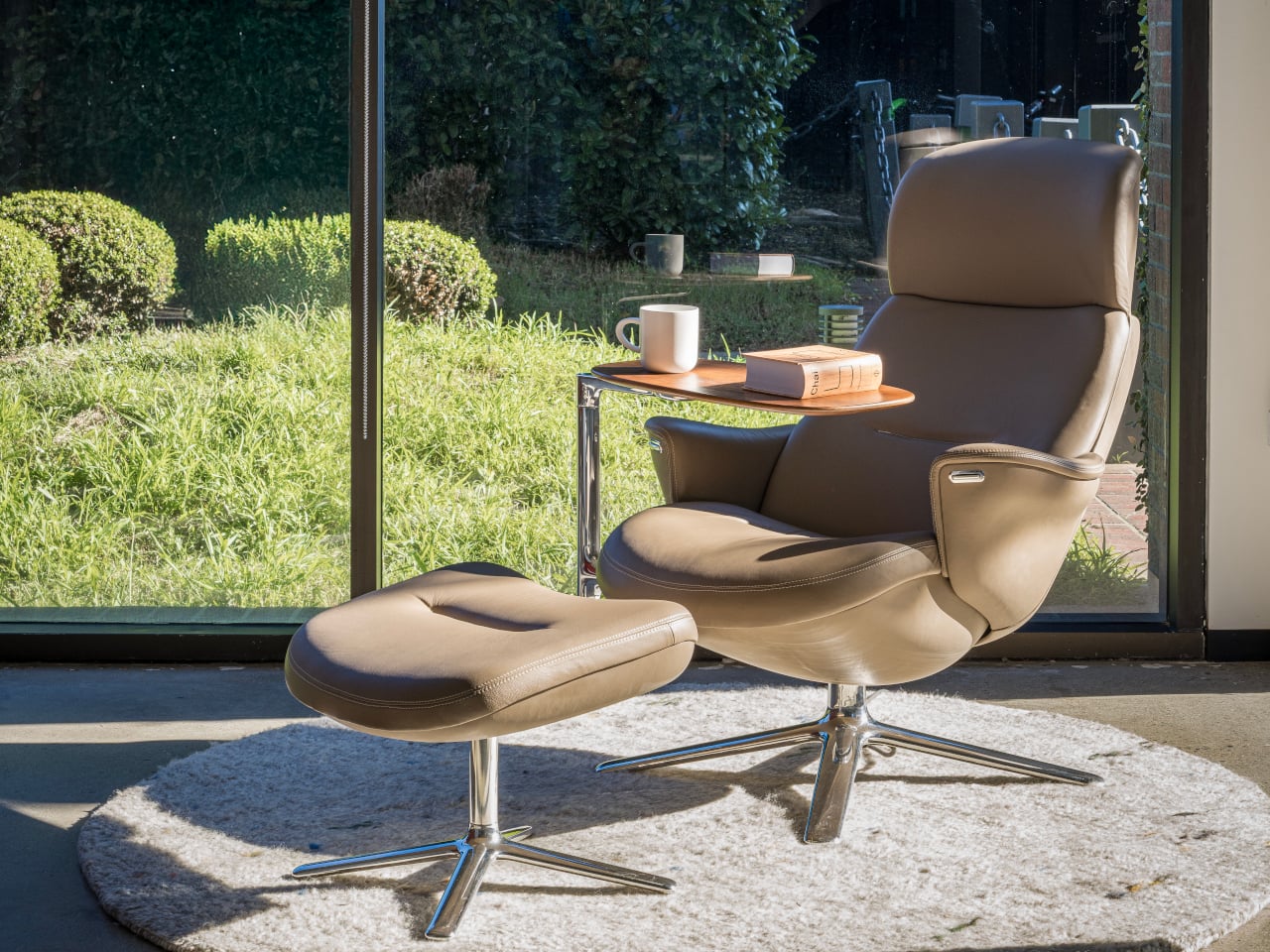
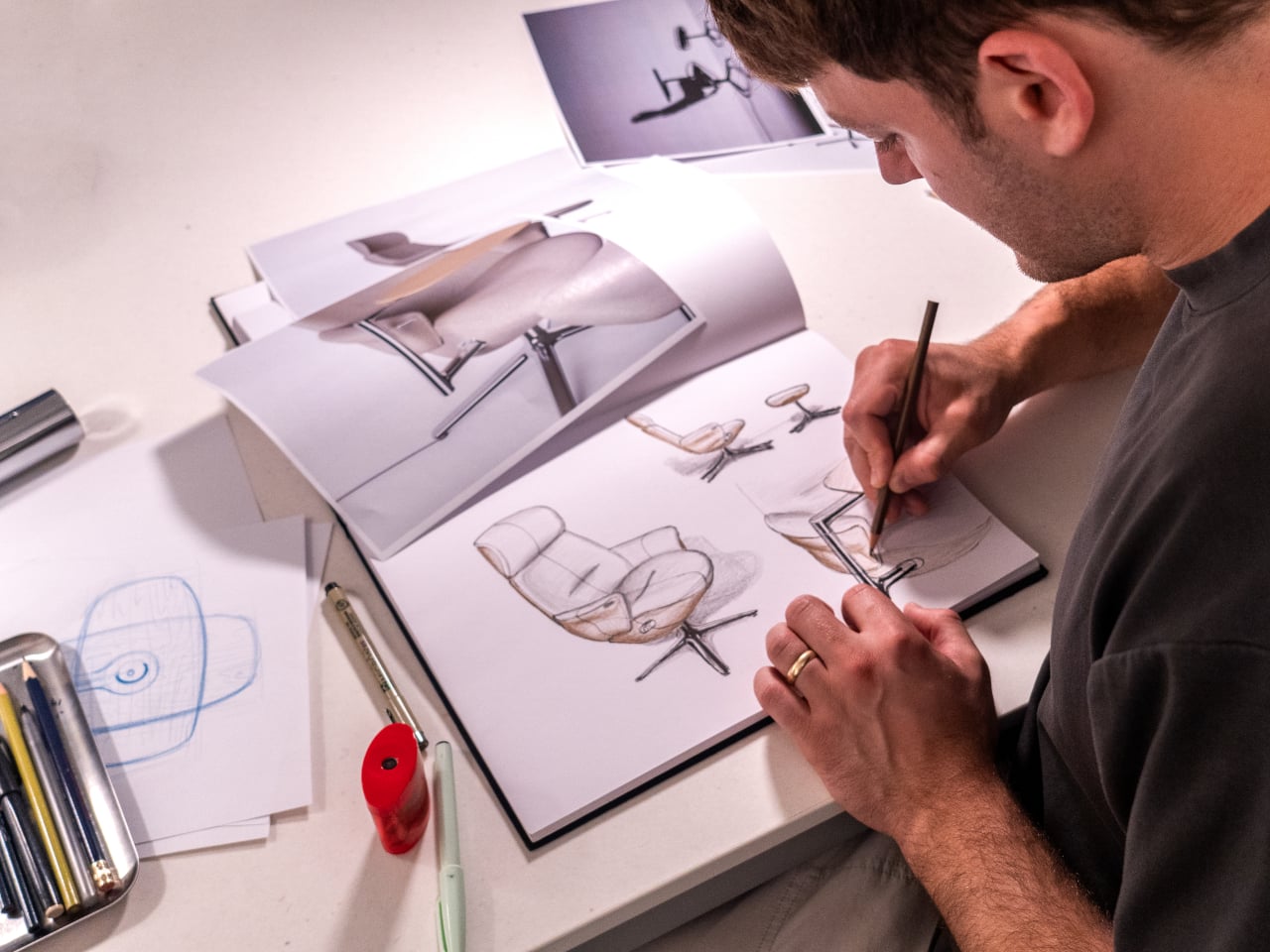
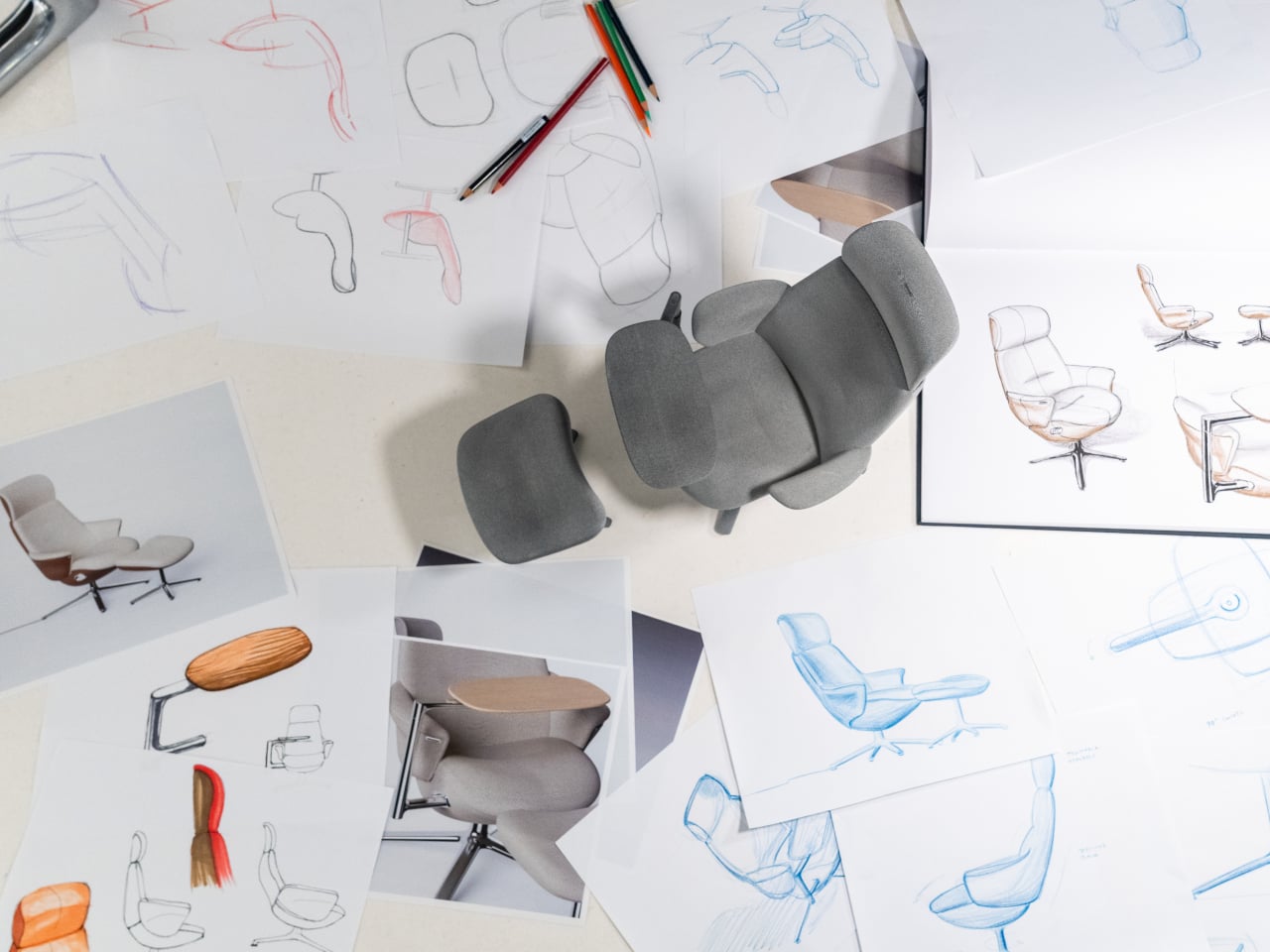
The Diffrient Lounge started as a concept over 20 years ago, and the gap it was meant to close has only grown wider since then. What distinguishes it from the lounge chairs that came before isn’t any one feature but the philosophy behind all of them together. Rather than building a comfortable chair that happens to have a few add-ons, the Diffrient Lounge was engineered from the ground up as a self-contained work and rest environment, with proprietary systems developed specifically for it rather than borrowed from existing furniture components.
Designer: Humanscale
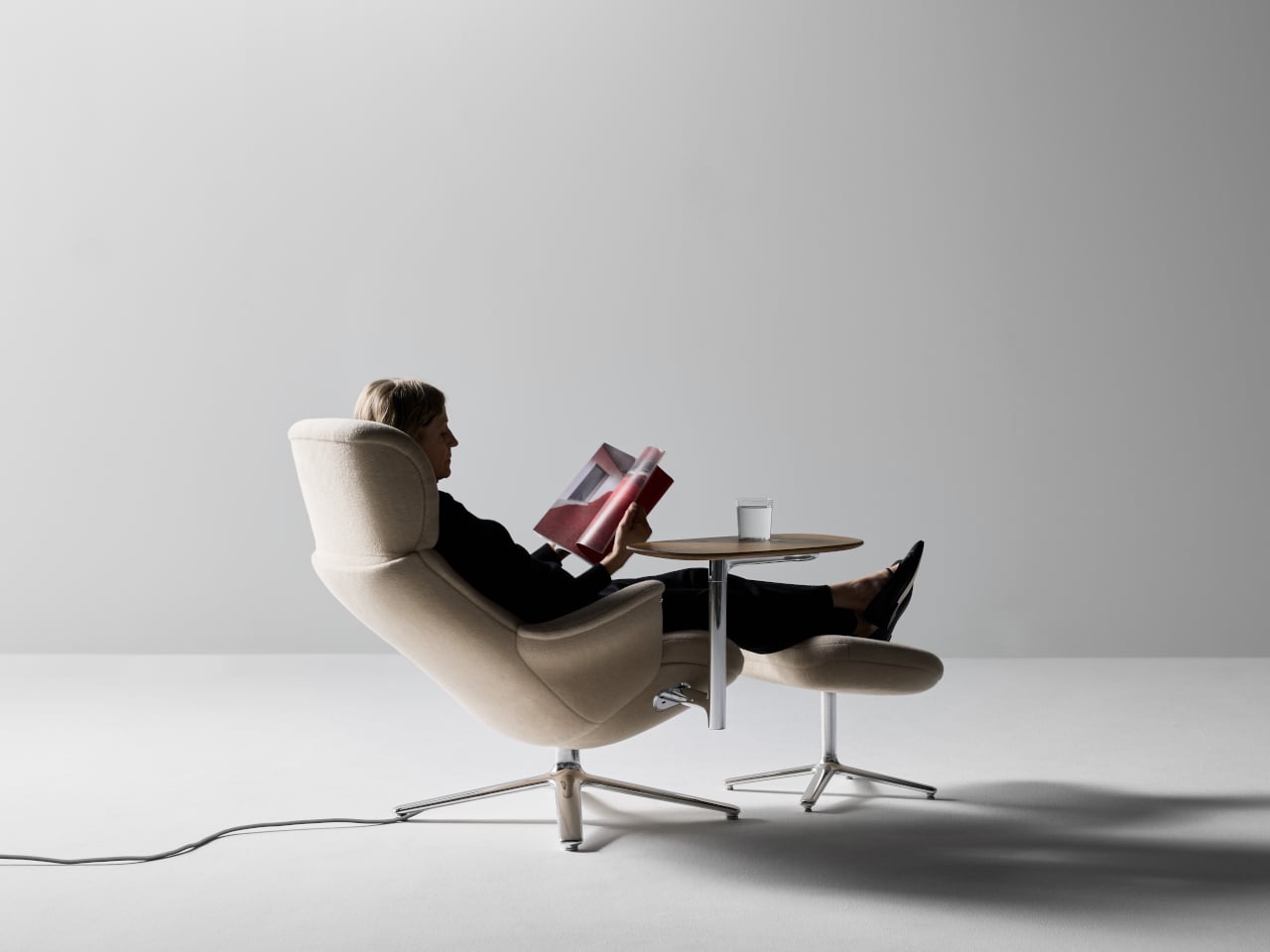
The central mechanism, called Dynamic Comfort, allows the backrest and headrest to move in concert at the touch of a button. Motorized adjustments glide both elements smoothly between positions, keeping the spine in its natural curve and the head supported across a wide range of angles. The result is a chair that works just as well for a 30-minute focused writing session as it does for a reclined afternoon of reading, without having to compromise one for the other.
An integrated worksurface pivots into place for a laptop, tablet, or notebook and stows away when it isn’t needed, and two built-in USB-C ports handle power without requiring a nearby outlet. The upper port delivers 140W for laptops; the lower delivers 30W for phones and smaller devices. The power module is also designed to be upgradable independently of the chair itself, which is a detail worth noting at this price point. The chair is available from $8,995 and can reach upward of $15,000 in full configuration.
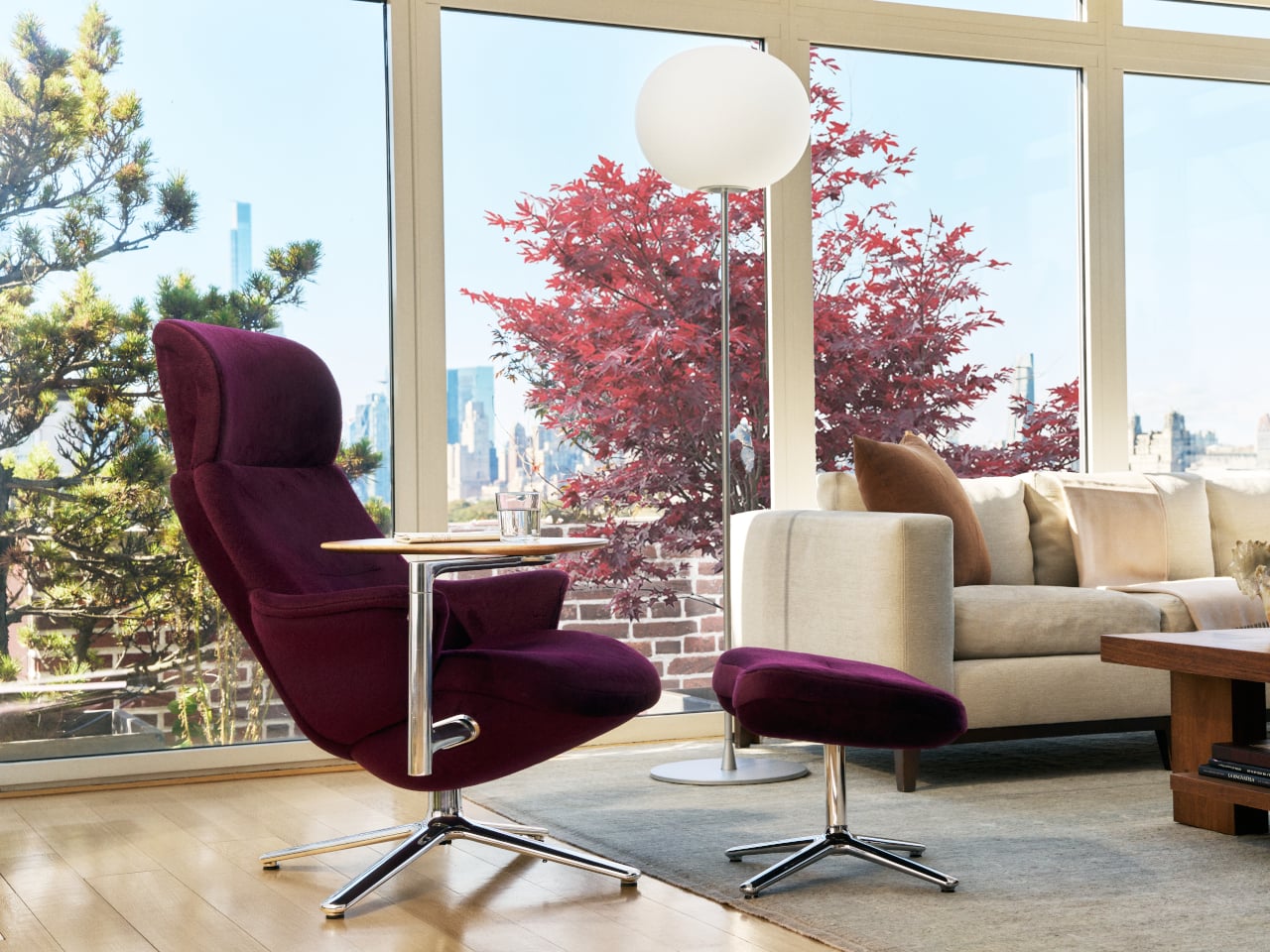
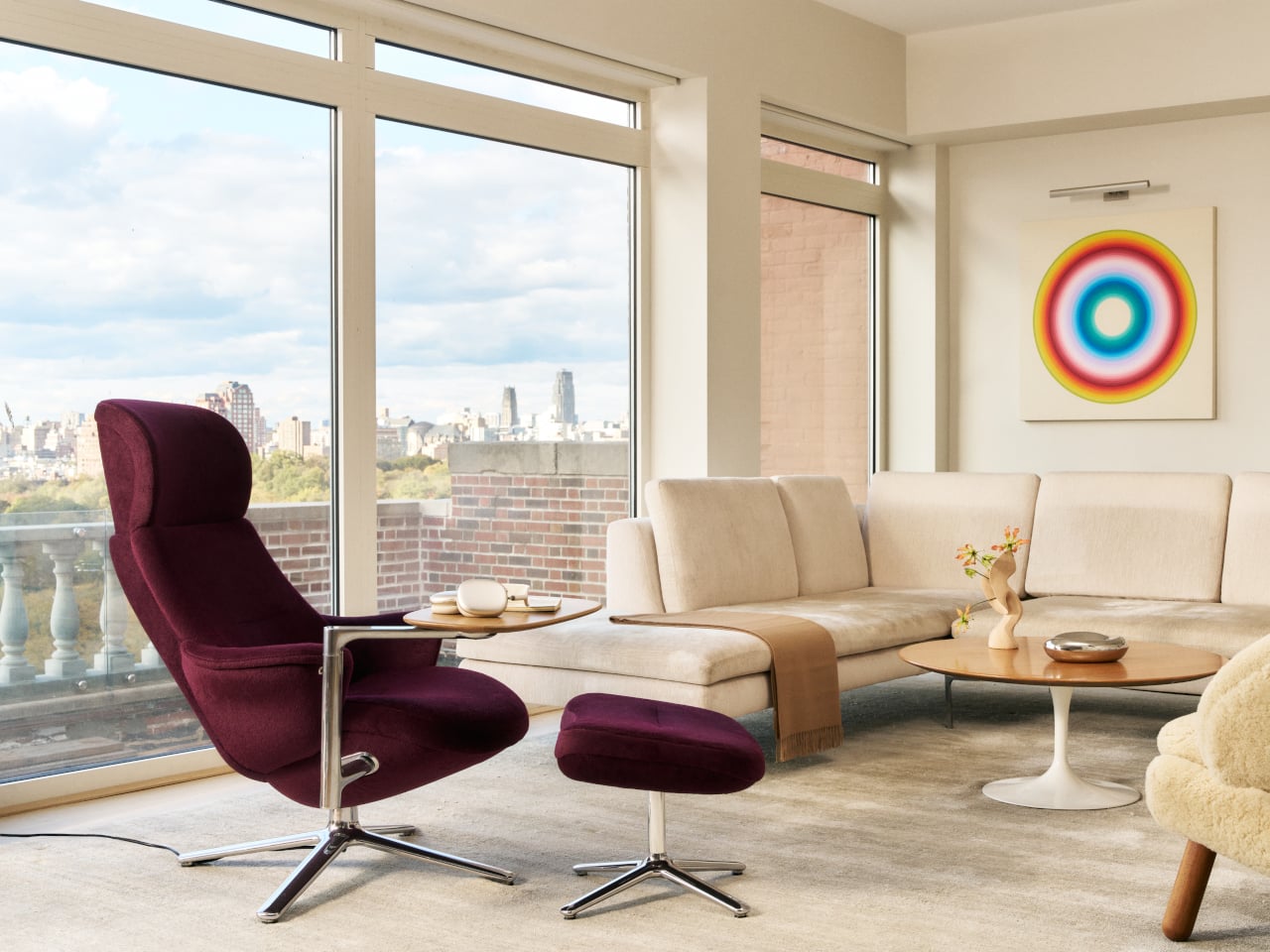
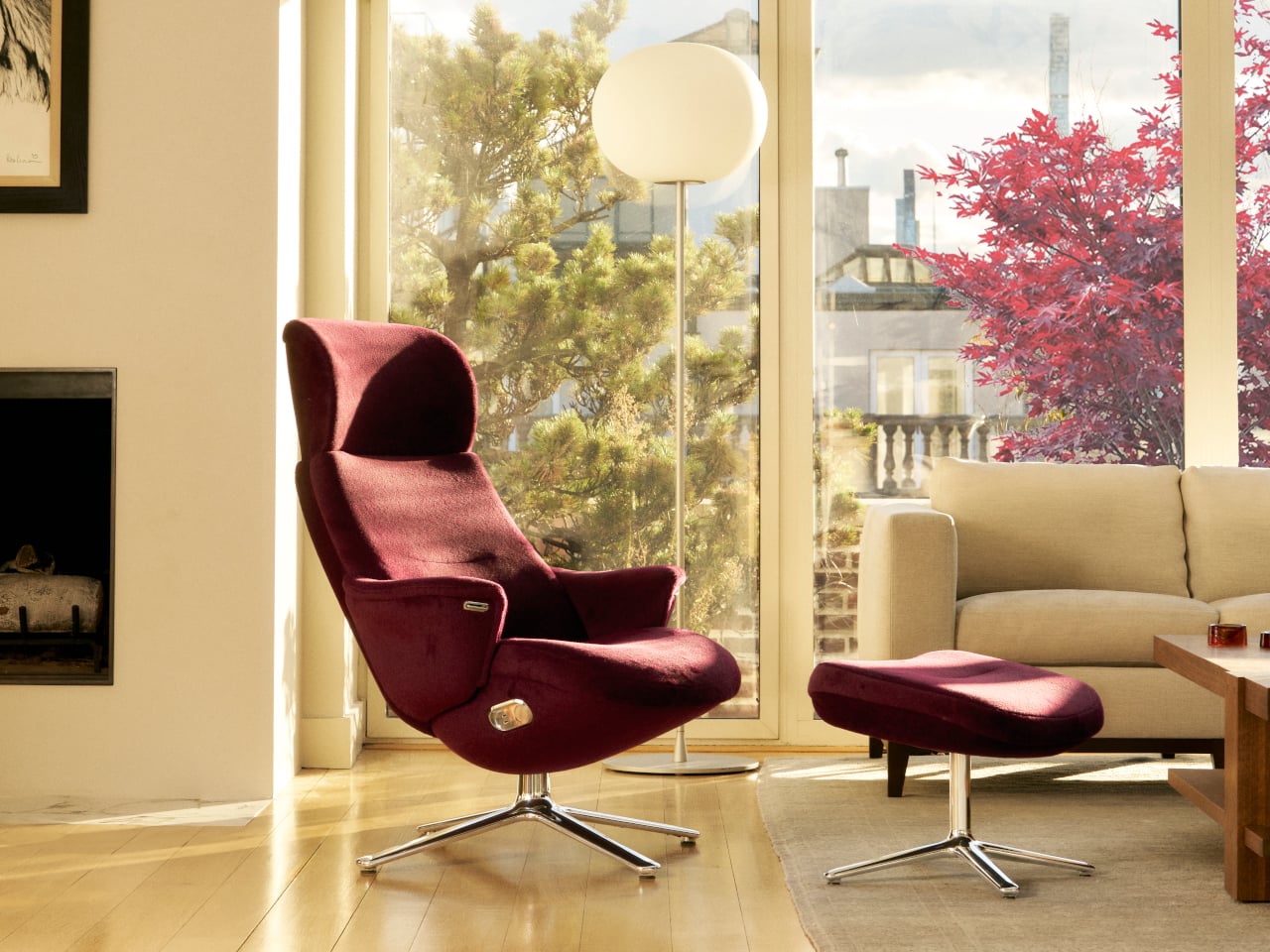
Materiality gets the same level of attention as the engineering. The upholstery runs across Kvadrat and Dedar textiles and alternative leathers from Ultrafabrics, while the worksurface can be specified in solid walnut, solid oak, or a low-sheen laminate. Over 352 finish combinations are available, which makes it equally suited to a residential living room, a hotel lobby, an executive office, or a wellness suite. The chair doesn’t ask those environments to adapt to it.
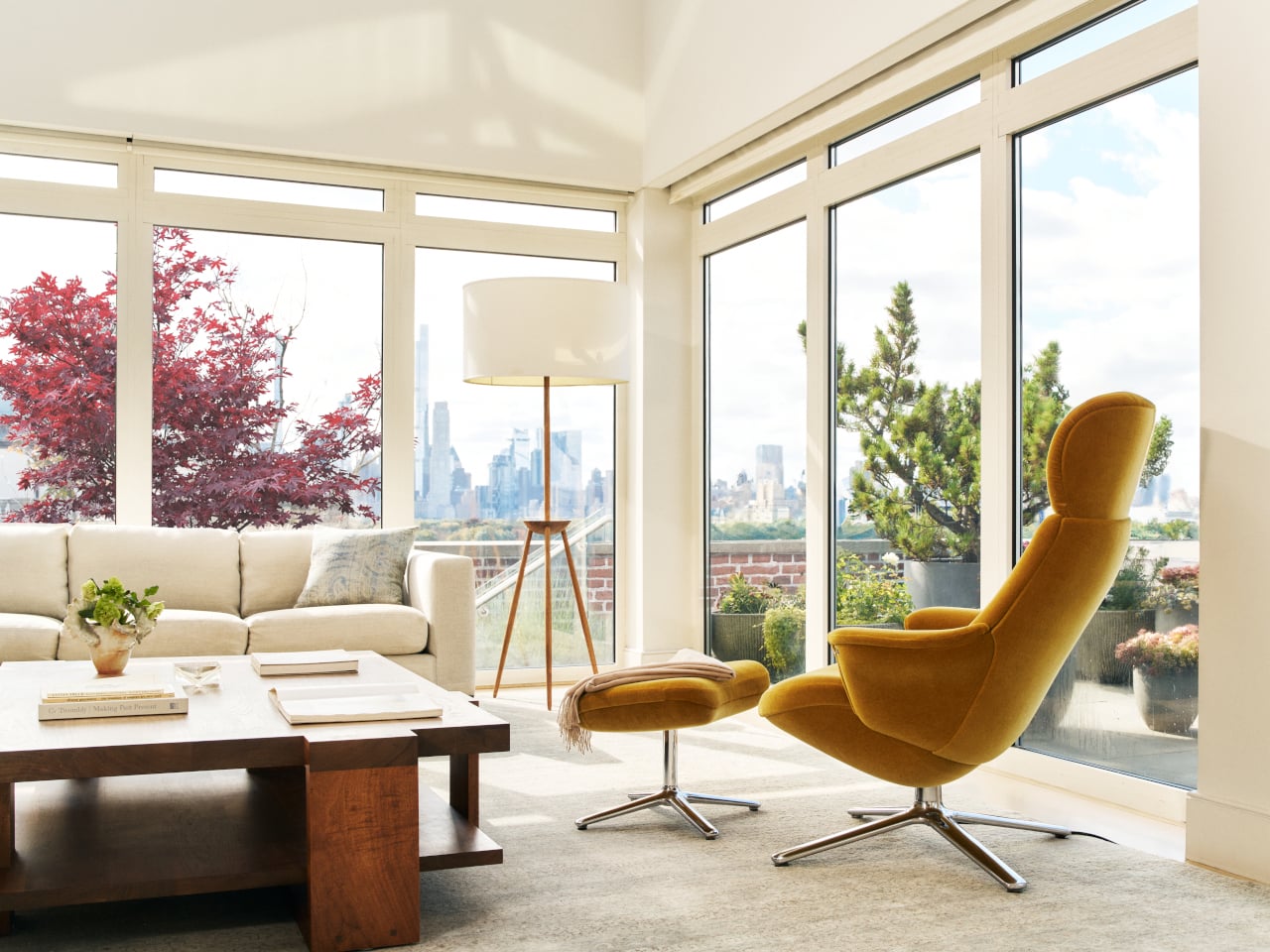
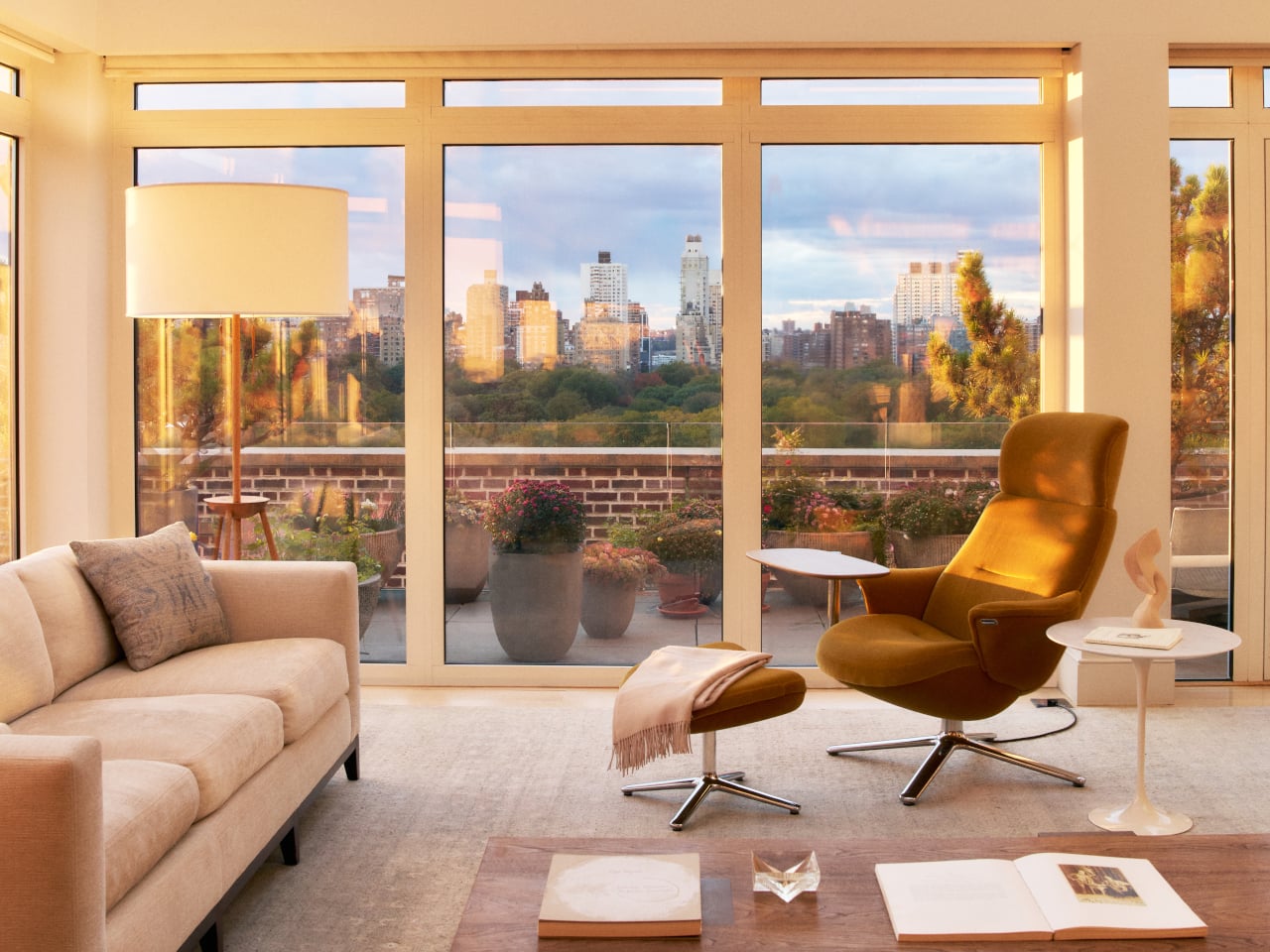
The technology throughout is deliberately quiet. There are no visible displays, no control interfaces beyond two levers, and nothing that announces itself as tech. The engineering, as with the best consumer hardware, disappears into the experience of sitting in the chair. A person using it for a long video call doesn’t think about the headrest angle; they just notice they aren’t uncomfortable.
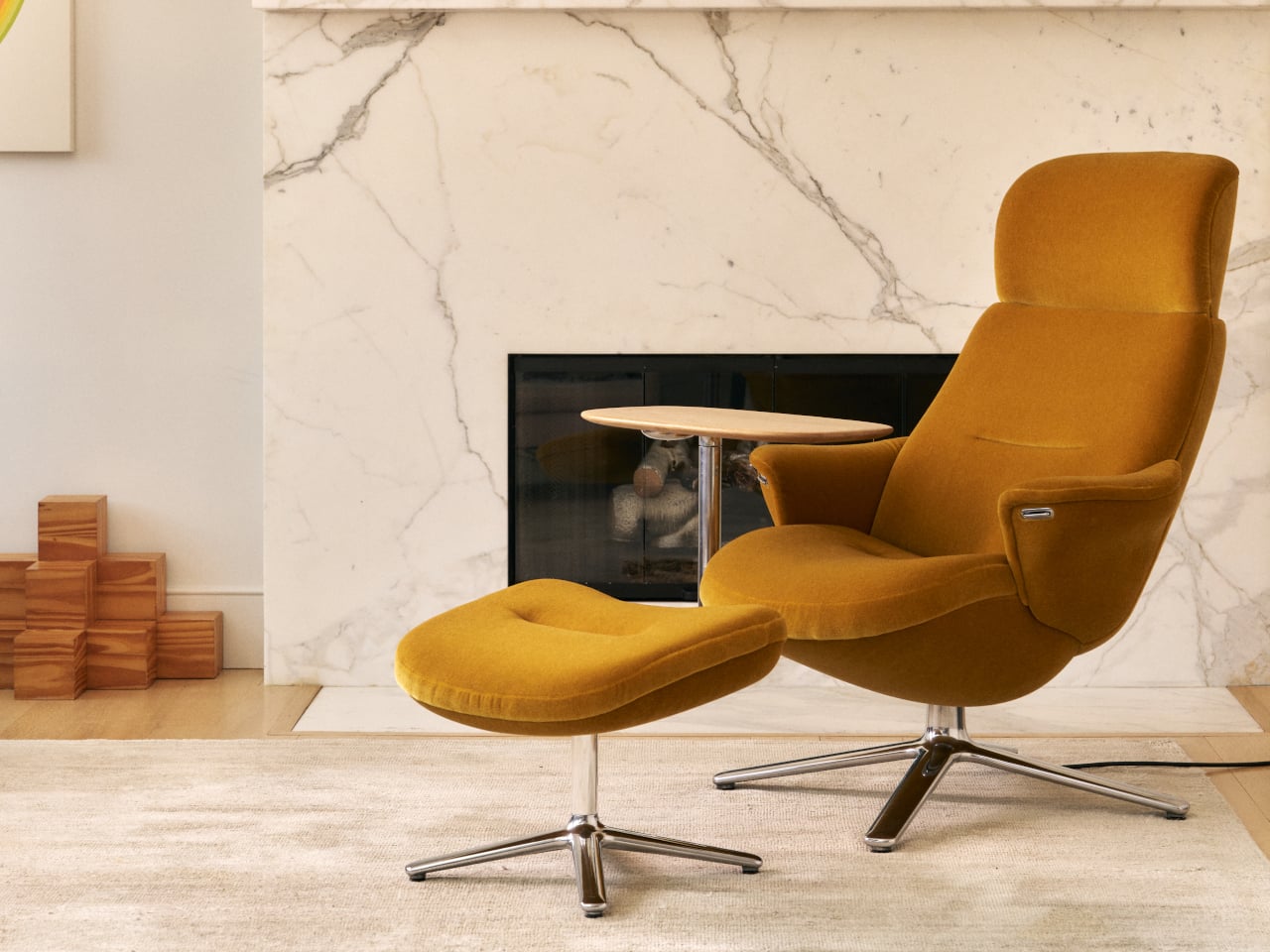
It earned the iF Design Award 2026 and holds the distinction of being one of the final projects conceived by a mid-century design pioneer before his death in 2013. Humanscale spent years developing the proprietary systems that the original concept demanded, treating the project less like a furniture line and more like a device requiring its own purpose-built mechanisms. That timeline shows, and so does the result.