Most sun safety products for kids follow the same playbook: bright colors, cartoon prints, maybe a fun shape. They’re designed to appeal to parents, not children, which is probably why half of them end up abandoned in school bags by 10 a.m. Studio torinoko, a Japanese design studio, took a very different approach.
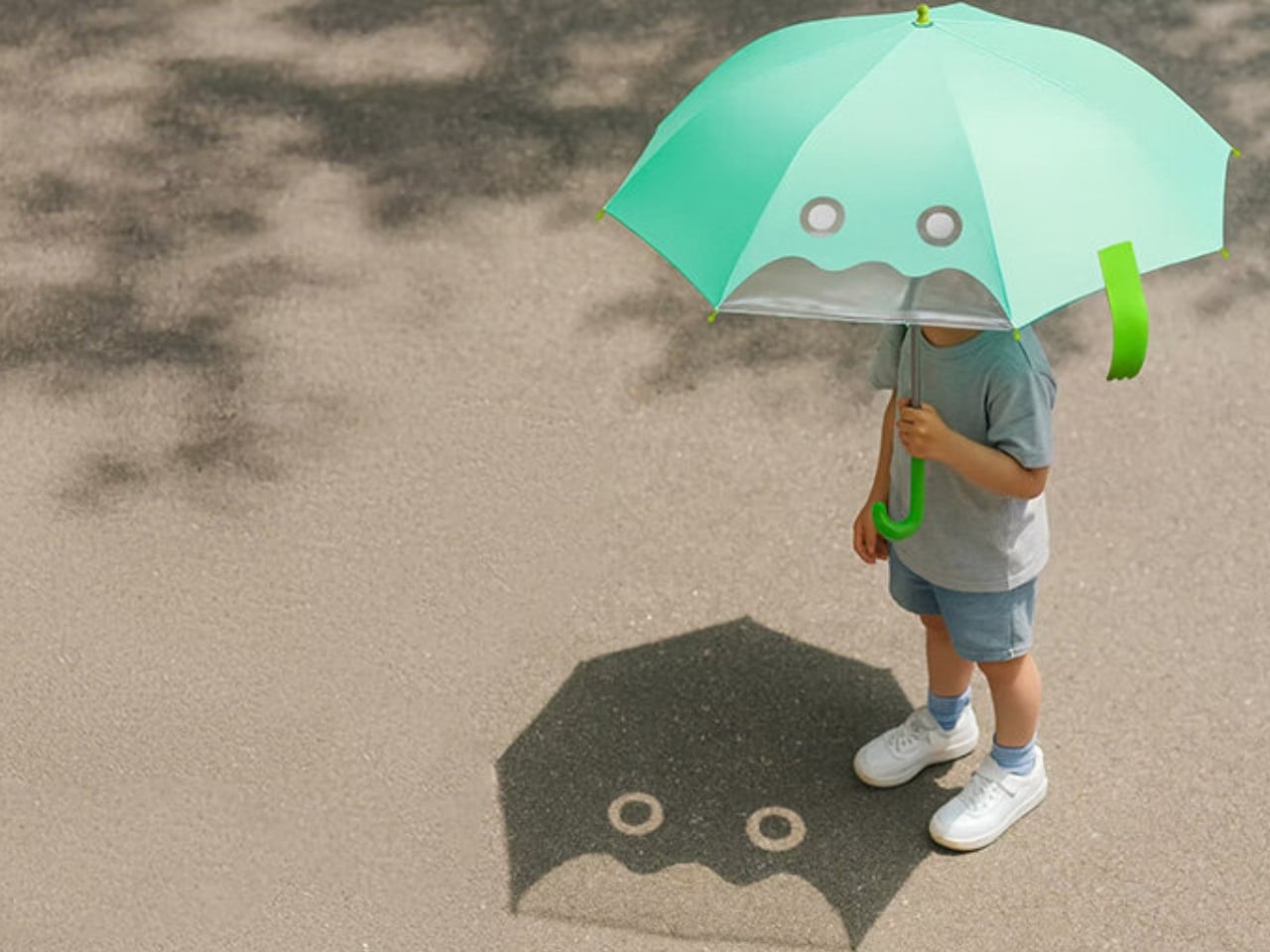
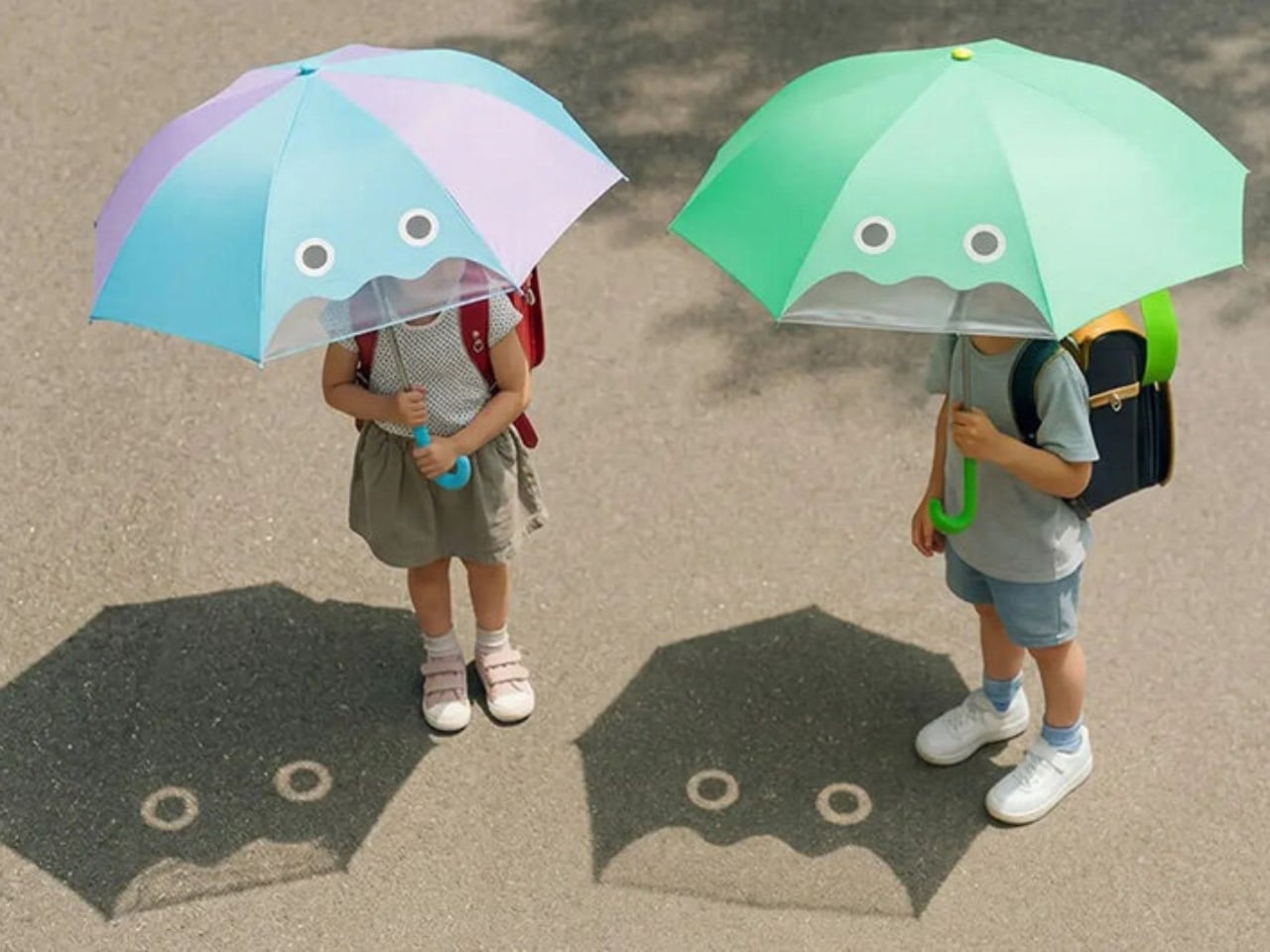
Their latest project is called Kage no Otomodachi, which translates to Shadow Friends, and it’s a children’s umbrella that projects illustrated characters onto the ground when held open in direct sunlight. That’s the entire premise, and it’s so elegantly simple that you wonder why no one thought of it before.
Designer: studio torinoko
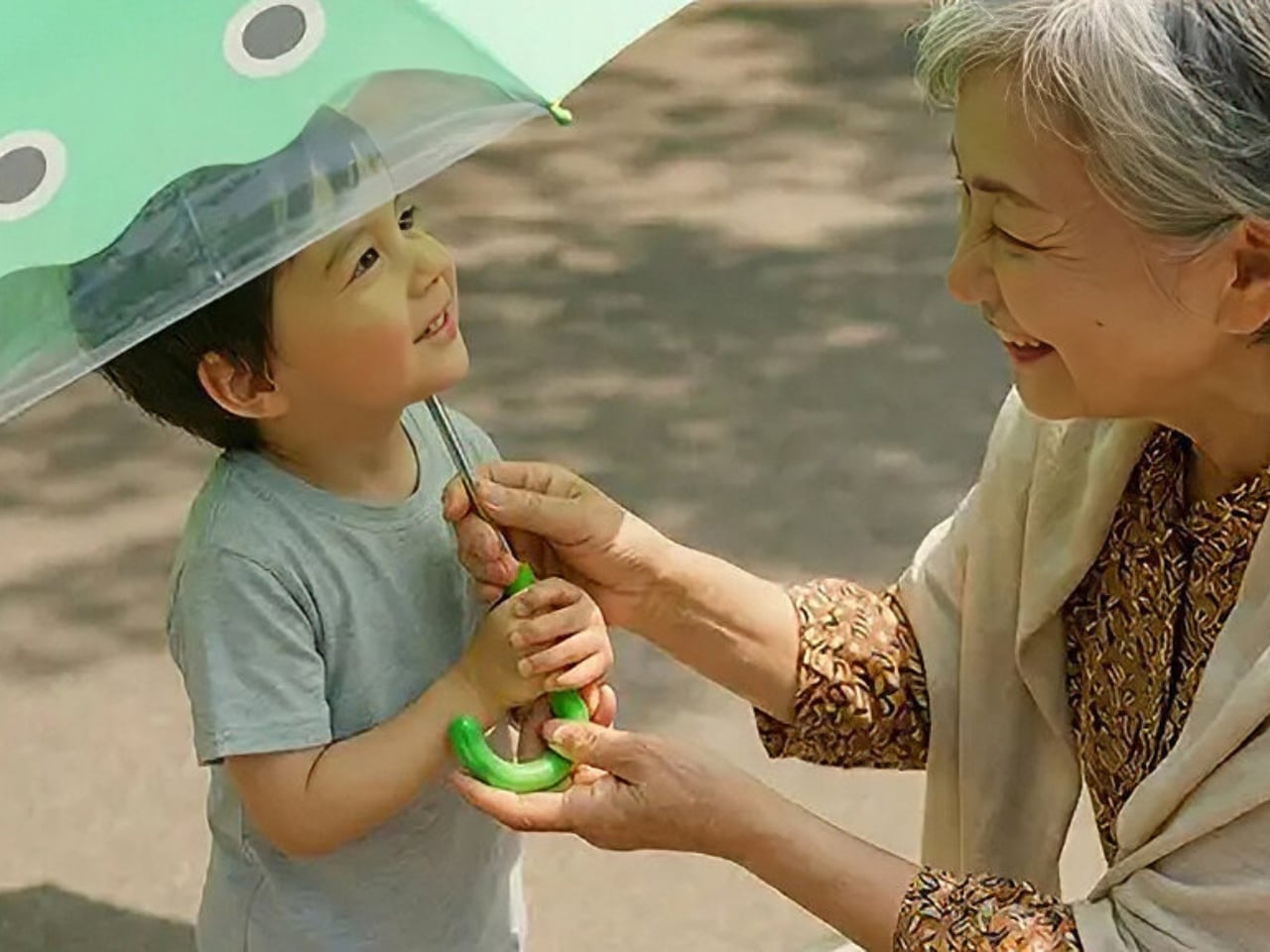
The way it works is almost effortlessly clever. The umbrella’s canopy features illustrated cutouts that cast playful, character-like figures onto the pavement below. When a child opens it on a sunny day, a little shadow companion appears at their feet, inviting them to follow, chase, and walk alongside it. The child stays under the umbrella. The umbrella keeps them out of the sun. Nobody had to argue about it.
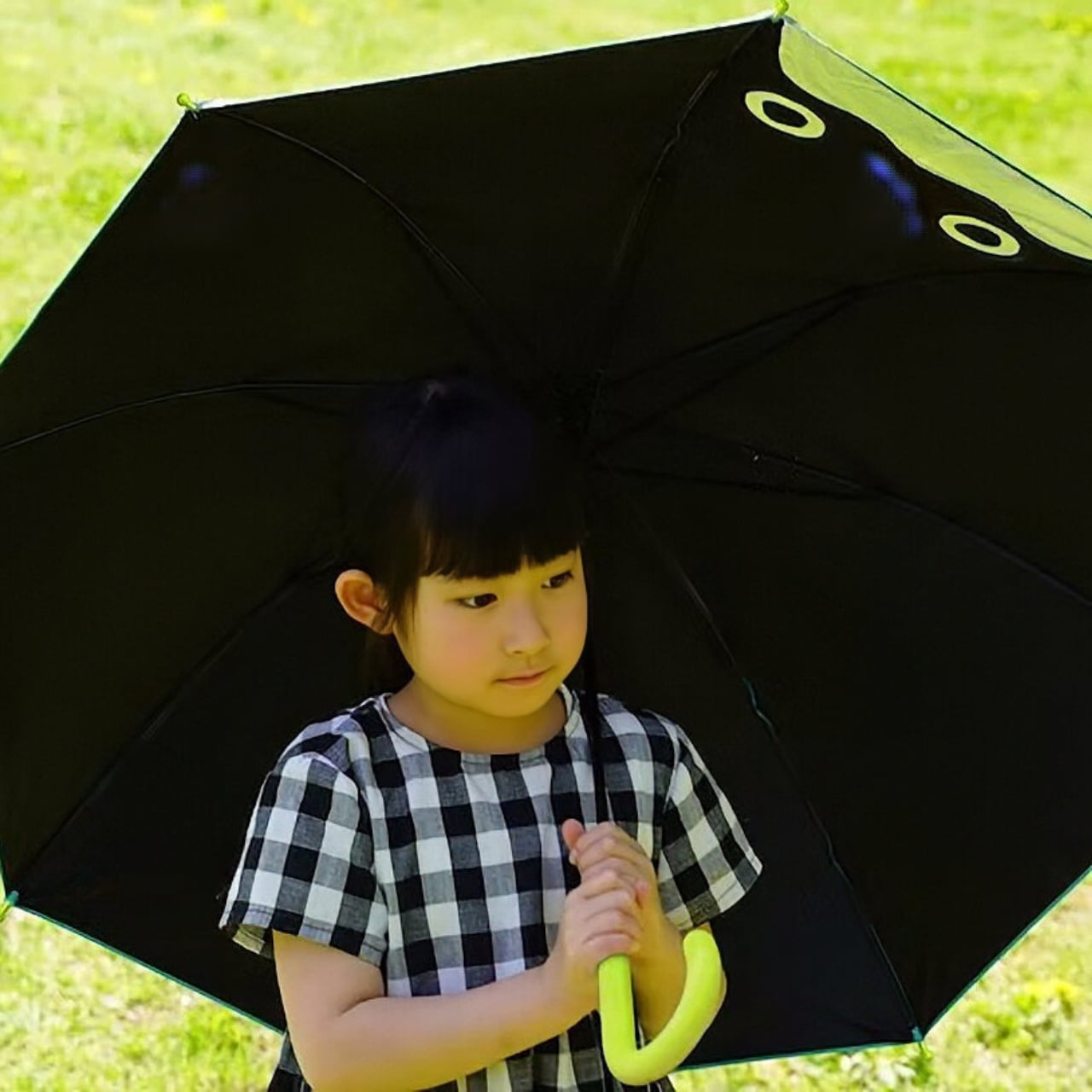
This is behavioral design doing exactly what it’s supposed to do: shifting behavior not through enforcement but through genuine appeal. The studio describes it as a move away from “forcing protective behaviors” toward creating the conditions that make children want to protect themselves. It’s a subtle but important distinction, and it matters a lot in the context of where we’re heading with summer temperatures globally. We’re not just dealing with a UV index inconvenience anymore. We’re dealing with heat that poses real risk, especially to kids who are outside walking to school or playing during peak sun hours.
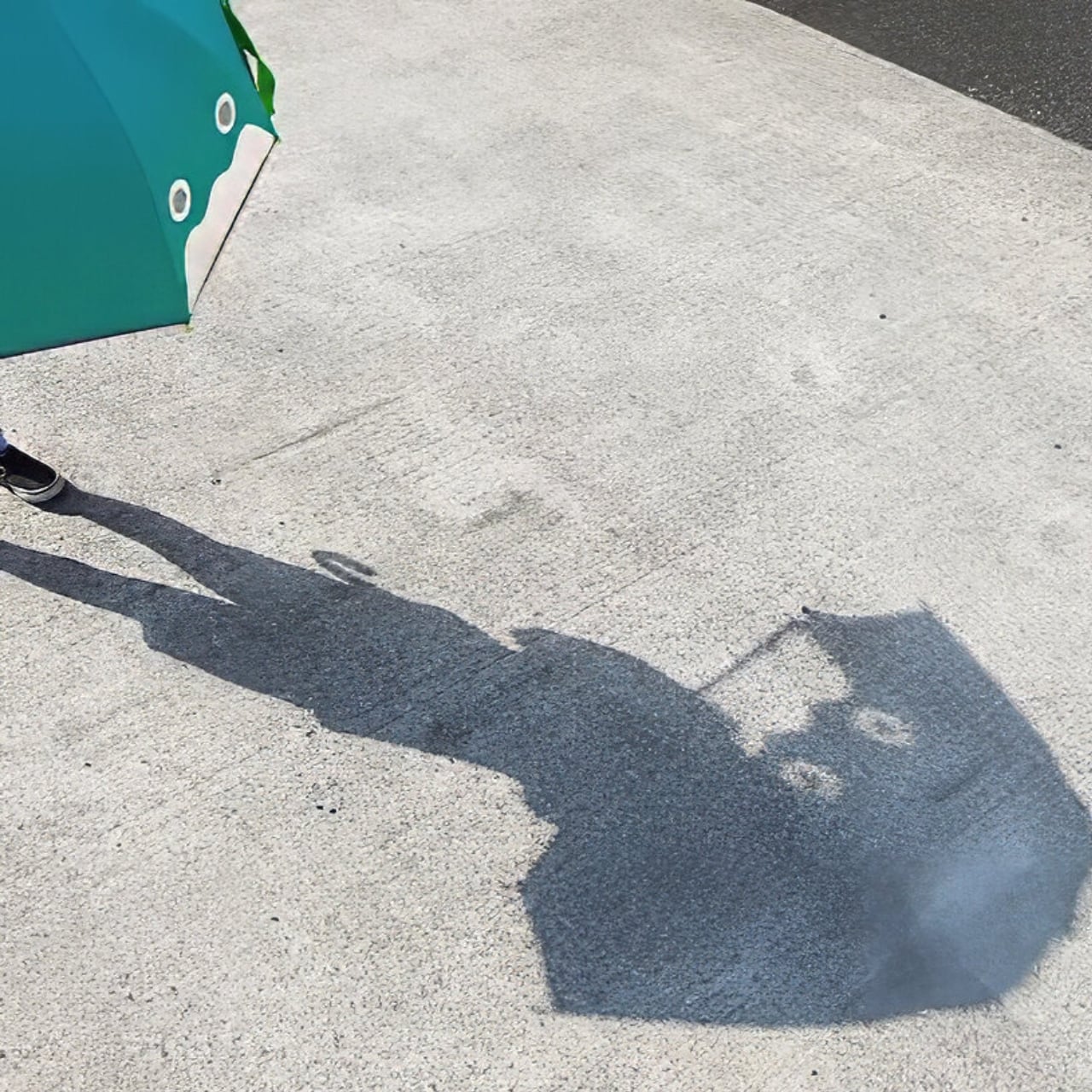
What stands out most about this design is that it respects the child as a user, not just a passive recipient of adult decisions. Children have a near-universal fascination with shadows. They stomp on them, race them, try to escape them. Studio torinoko didn’t just understand that; they built an entire product philosophy around it. The result is an umbrella a kid will actually want to carry, which is arguably the hardest design problem of all.
The umbrella debuts in a single turquoise-blue colorway, chosen specifically for visibility and ease of recognition outdoors. It also features reflective details for added safety during rainy weather and evening walks, which shows the team was thinking beyond the obvious use case. It’s a considered, holistic design rather than a one-trick novelty.
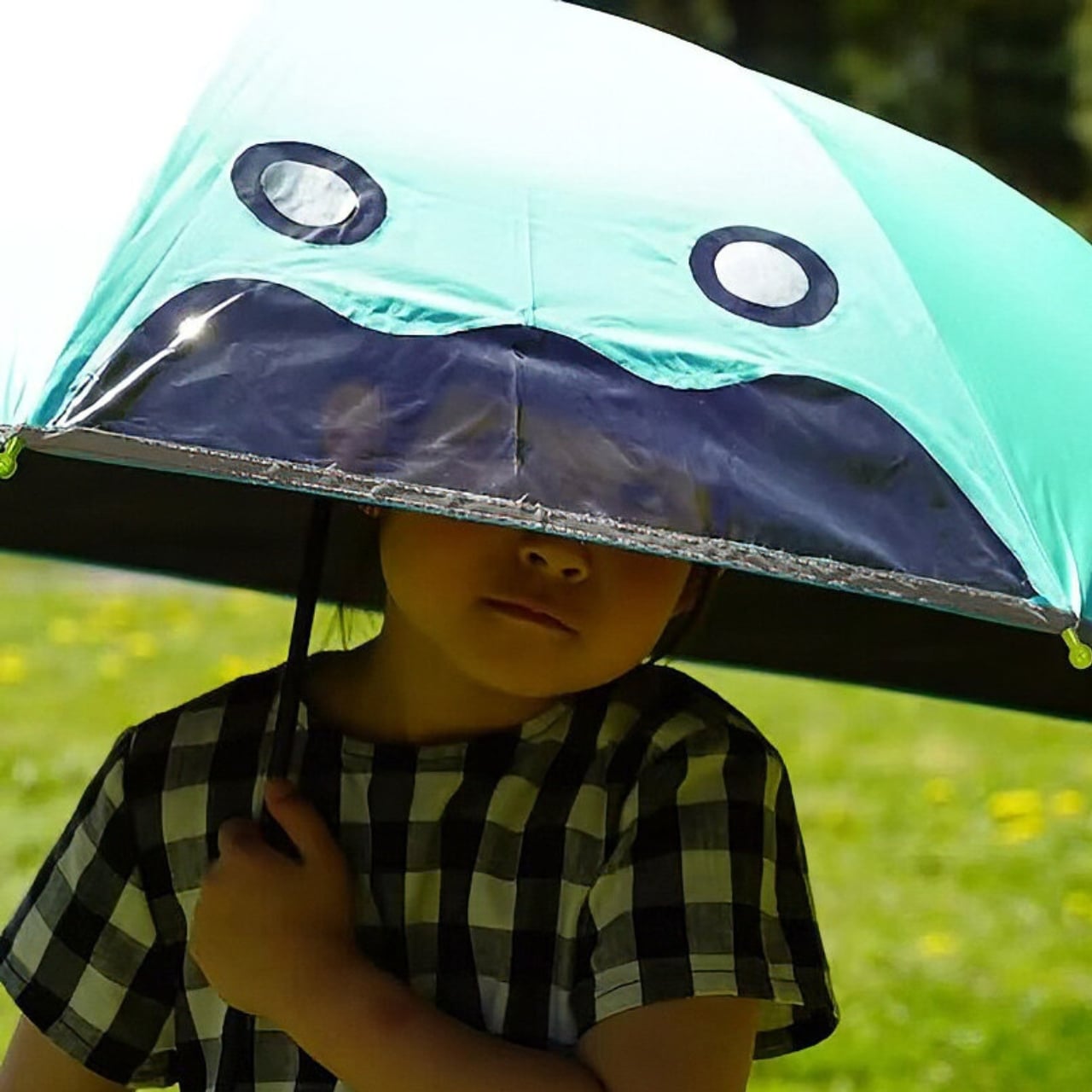
From a purely aesthetic standpoint, I love how restrained it is. The magic isn’t in the umbrella itself but in what it casts below, which means the object doesn’t need to work hard visually. It doesn’t scream at you. It just quietly does something wonderful when the sun hits it right. That kind of understated design intelligence doesn’t come around often, especially in the children’s products market, where “louder” almost always wins.
Studio torinoko has also stated that they hope future production runs will expand into additional colors and further refinements, with a broader goal of normalizing parasol use among children in general. That cultural angle is worth noting. Parasol culture is well-established in Japan and parts of East Asia as a practical, everyday sun protection habit, but it remains far less common in Western markets for kids specifically. If Shadow Friends helps shift that, even slightly, it’s doing something well beyond its immediate design brief.
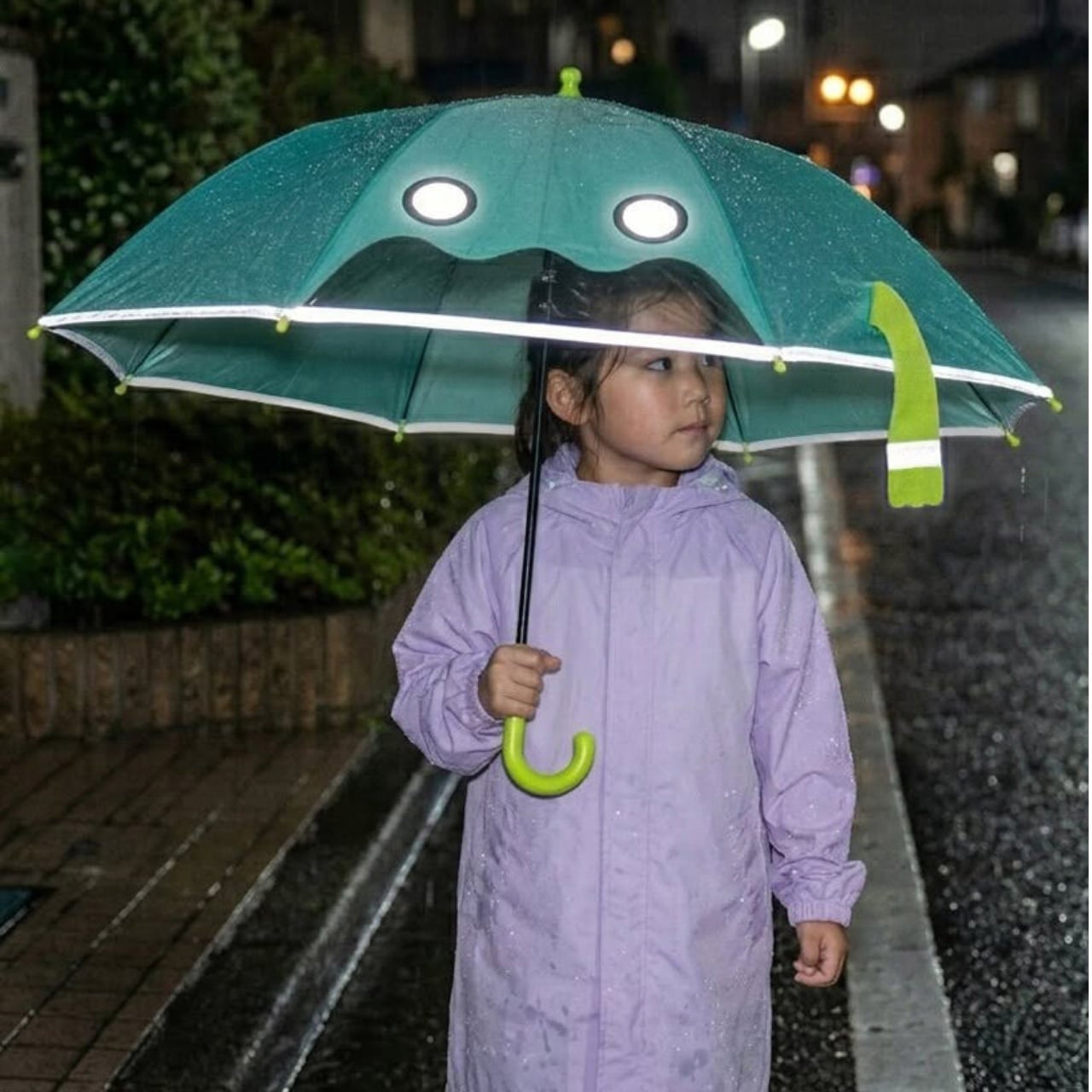
It’s rare to come across a product that feels genuinely joyful without being gimmicky. Shadow Friends manages that balance. It’s not trying to be a toy. It’s not trying to be a collectable. It’s trying to be a useful, protective everyday object that a child will actually form a relationship with, and the shadow play is the bridge that makes that relationship possible. If good design is about solving real problems beautifully, this is a near-perfect example. The problem is real, the solution is beautiful, and the mechanism is pure delight. That doesn’t happen as often as it should.