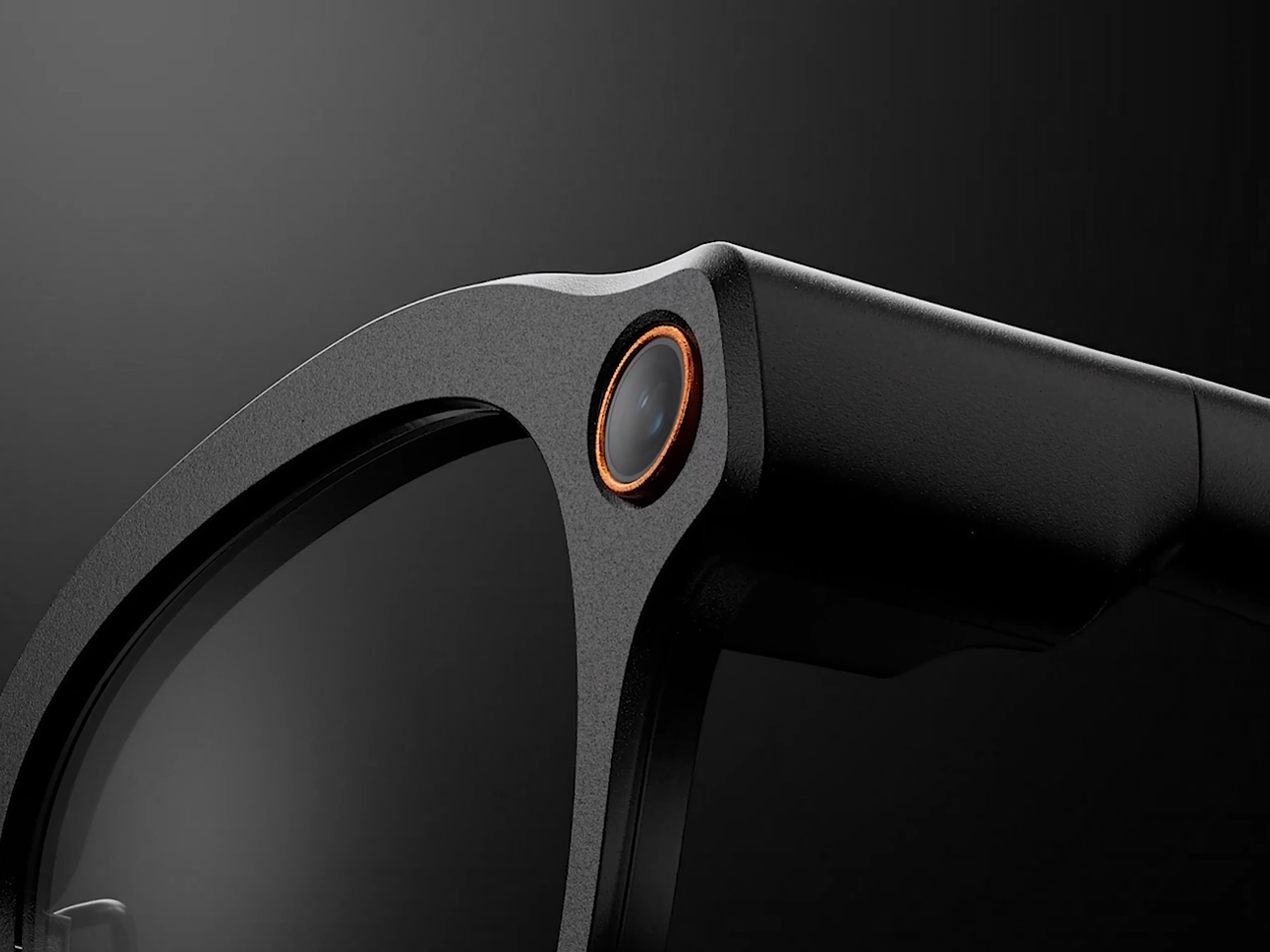
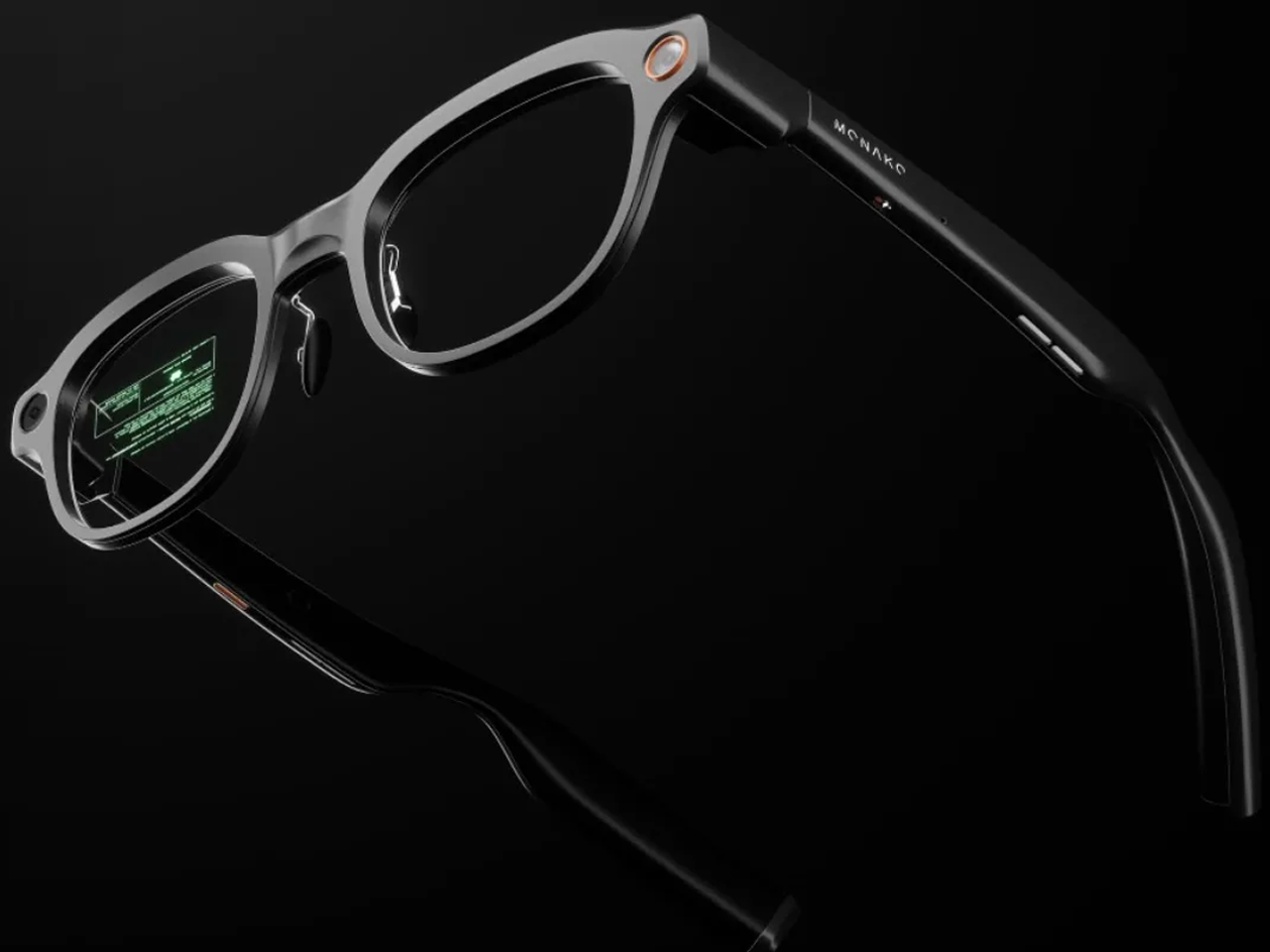
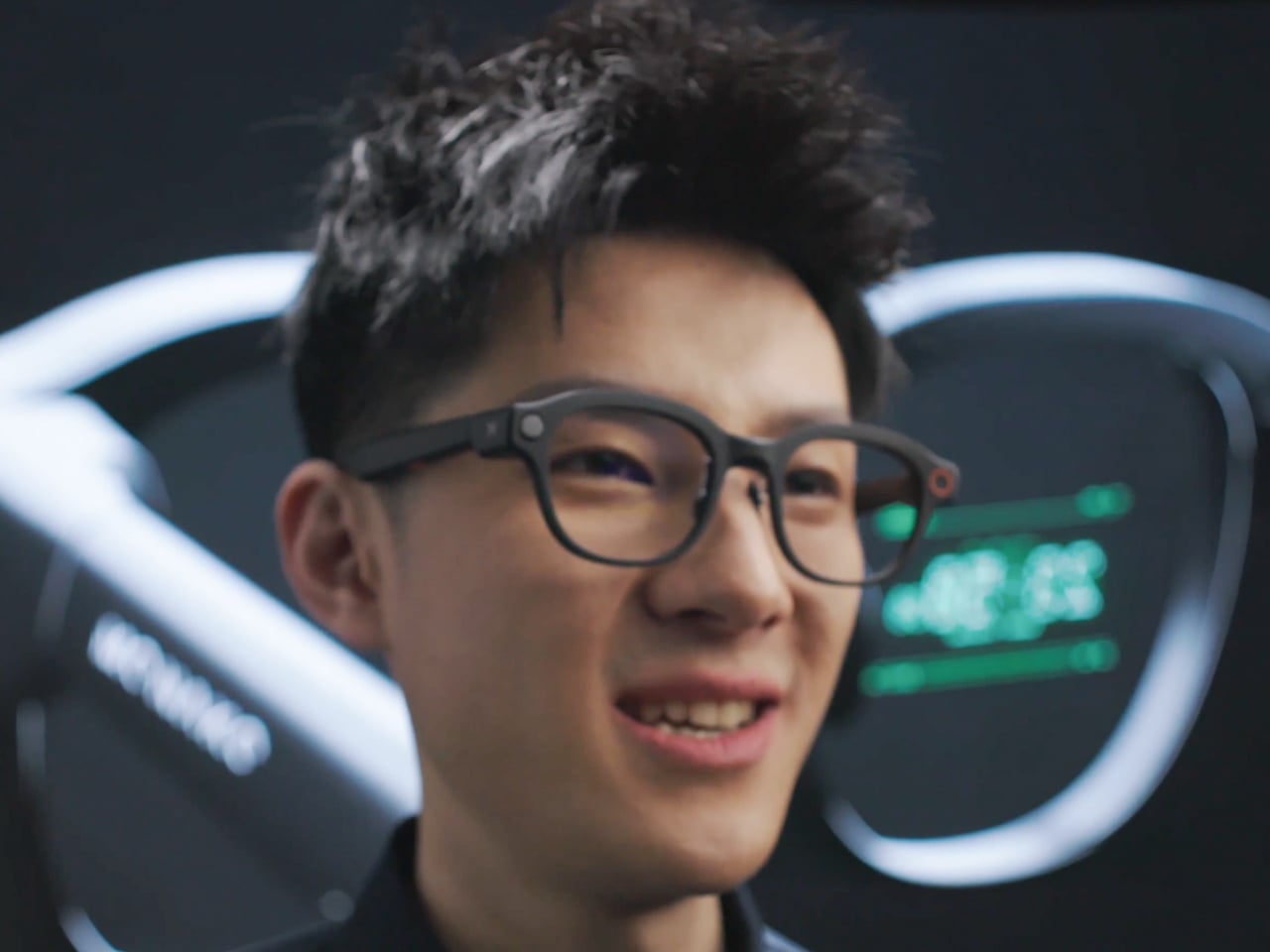
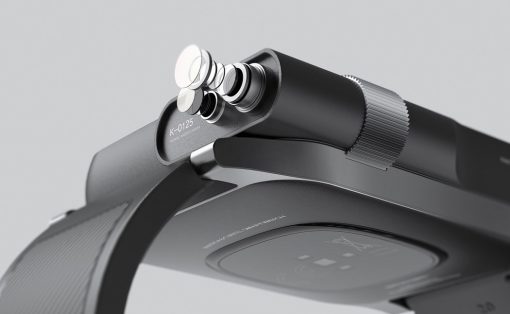
In the age of artificial intelligence, when you can tell the computer what you want, and it builds it for you, something seems missing. Maybe a wearable input device that would let you interact, code and build using AI, and you wouldn’t even have to move a muscle. Introducing the Monako Glass, the world’s first heads-up display smart glasses designed for vibe coding. It comes with wave guide display, camera, speakers, and bone conduction microphone.
Human and AI interaction is taking new turns with every passing day. Nothing is constant, it seems. In this overly paced world, the possibility of coding on a pair of glasses while walking around in the lab or sitting at home preparing a project for class sounds futuristic in the best way possible.
Designer: Monako Glass
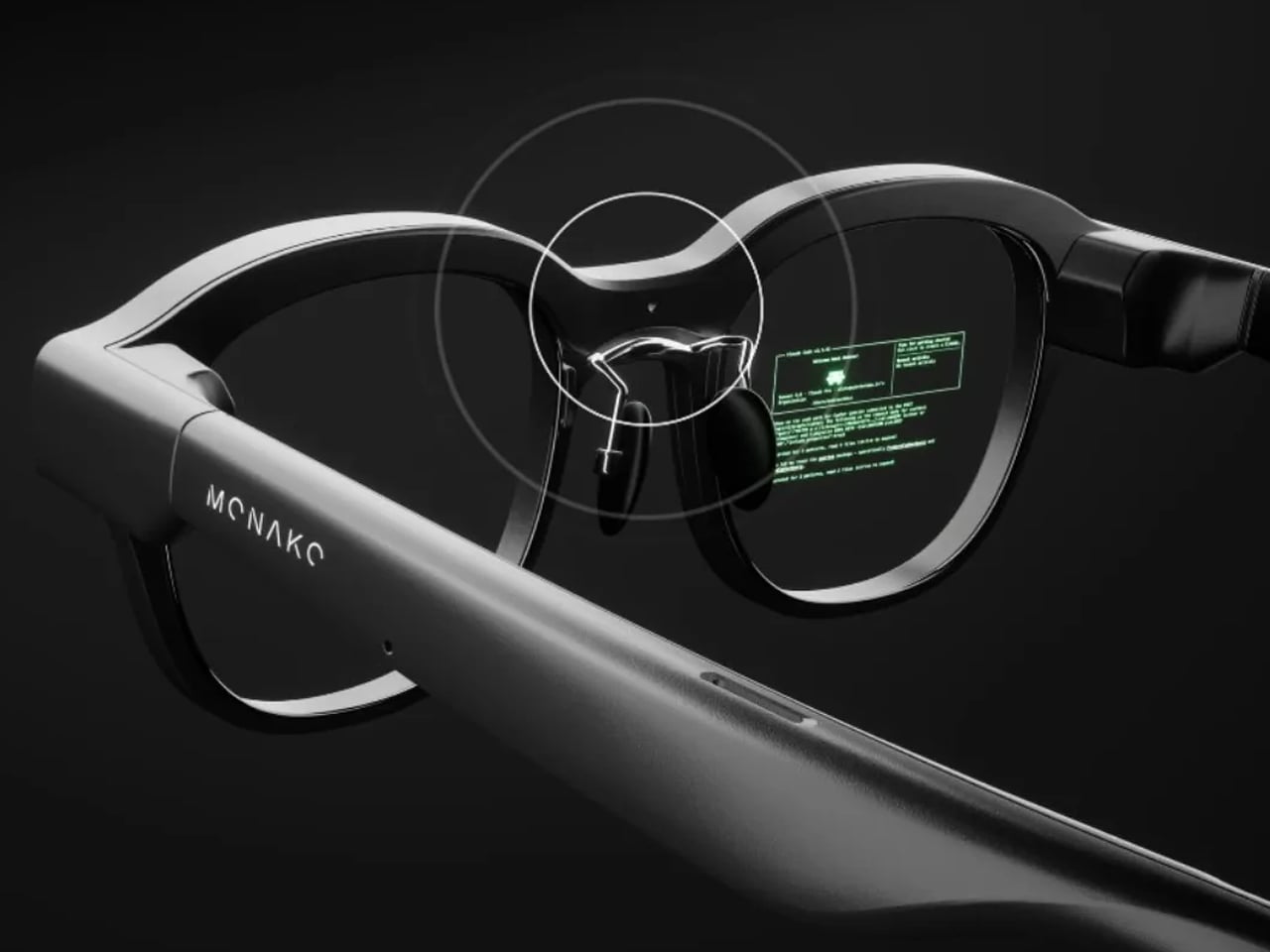
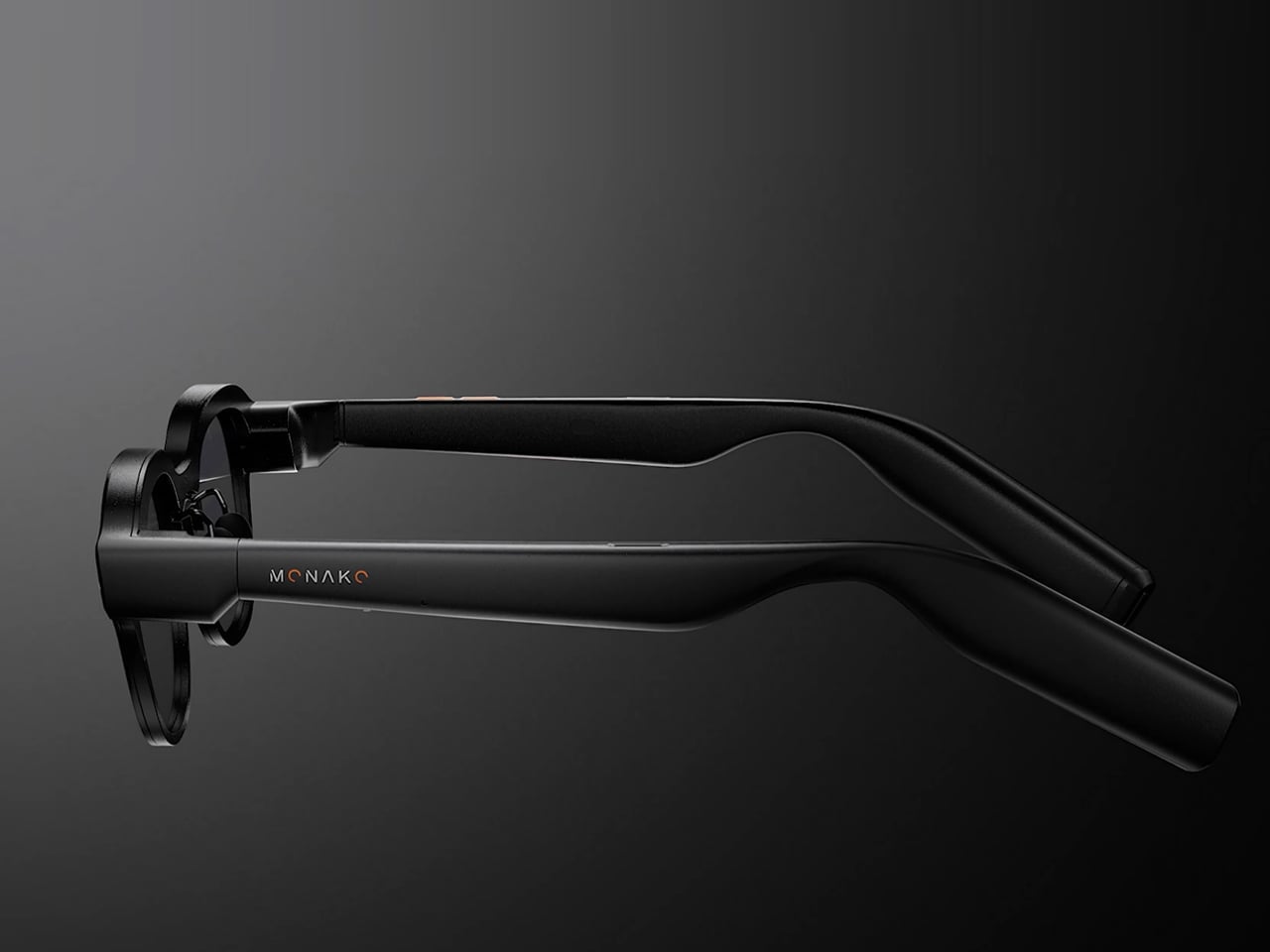
The 48g Monako Glass – a nicely developed Buildroot Linux computer in a pair of glasses – can run Claude Code, Codex and even allow you, as a creator, to run AI coding agents you’ve trained to your liking. The glasses feature all its electronics – including an ARM Cortex A7 chipset – on the right temple tip. A 300mAh battery, providing the power backup to all the vibe coding you’re going to do on these glasses, rests in the left temple tip. This positioning, Monako CTO informs, allows the glasses to feel light on the nose, making them wearable for long periods of time during the workday.
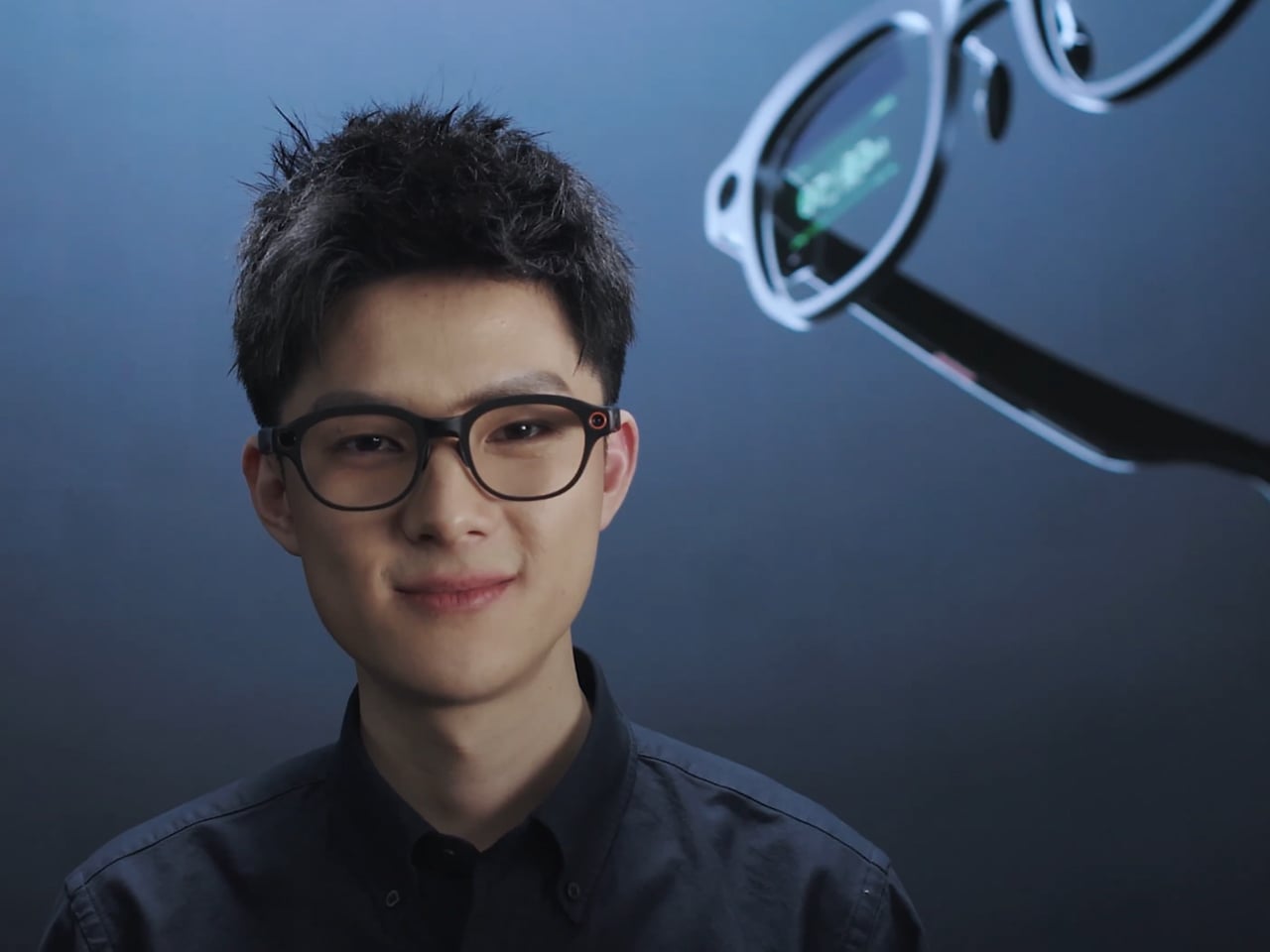
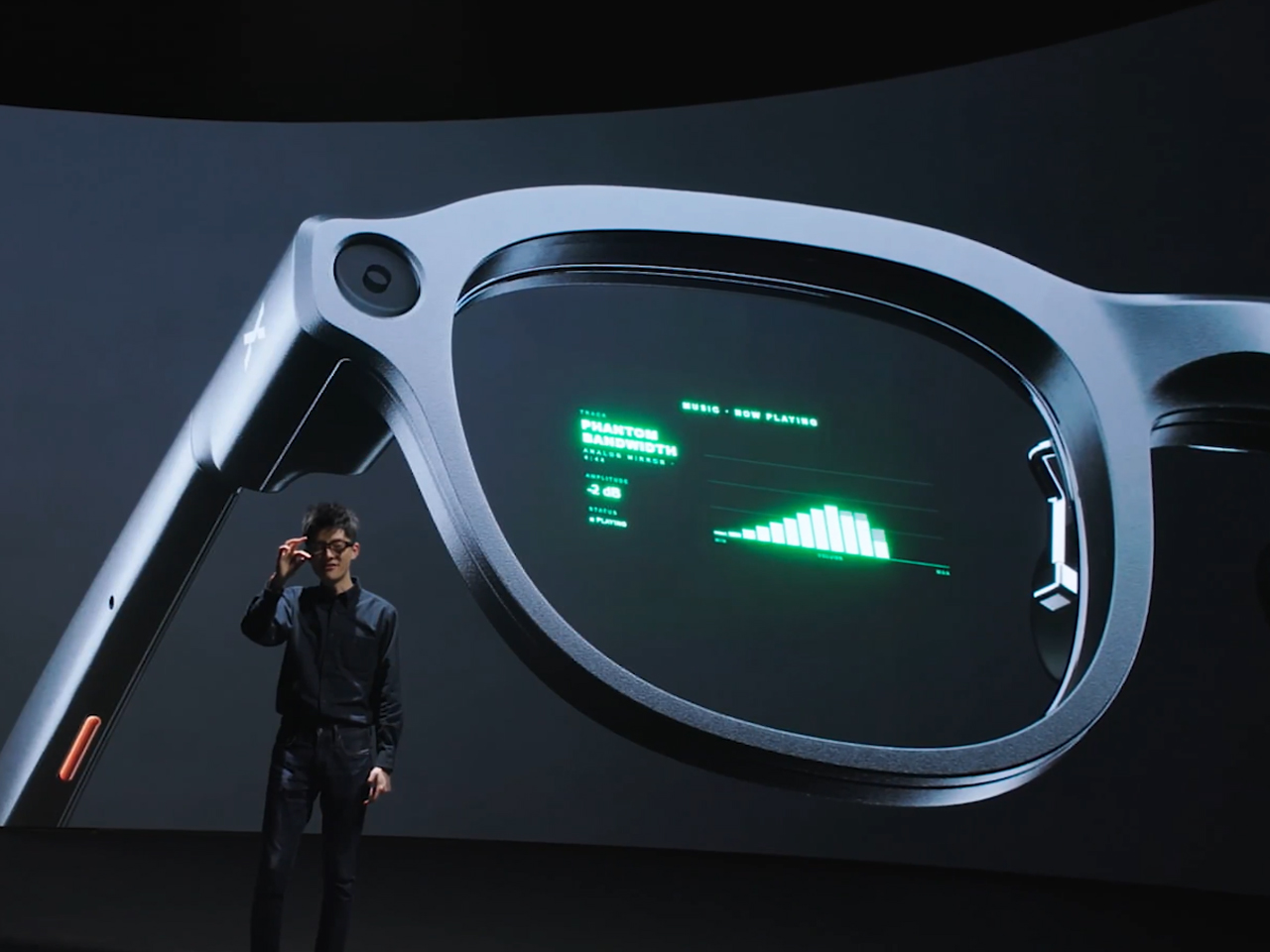
If you think it’s straight-up out of a sci-fi flick, this is not even the start. Inspired by Apple Vision Pro (which apparently takes a back seat in favor of AR glasses), Monako uses something called the Vision Engine (in the integrated camera), to translate finger and palm gestures into precise digital commands. For instance, raising the hand opens up the apps on the glass’s display, while pinch and slight back and forth drags of the forefinger and thumb can help scroll through the generated code or toggle volume in the music app.
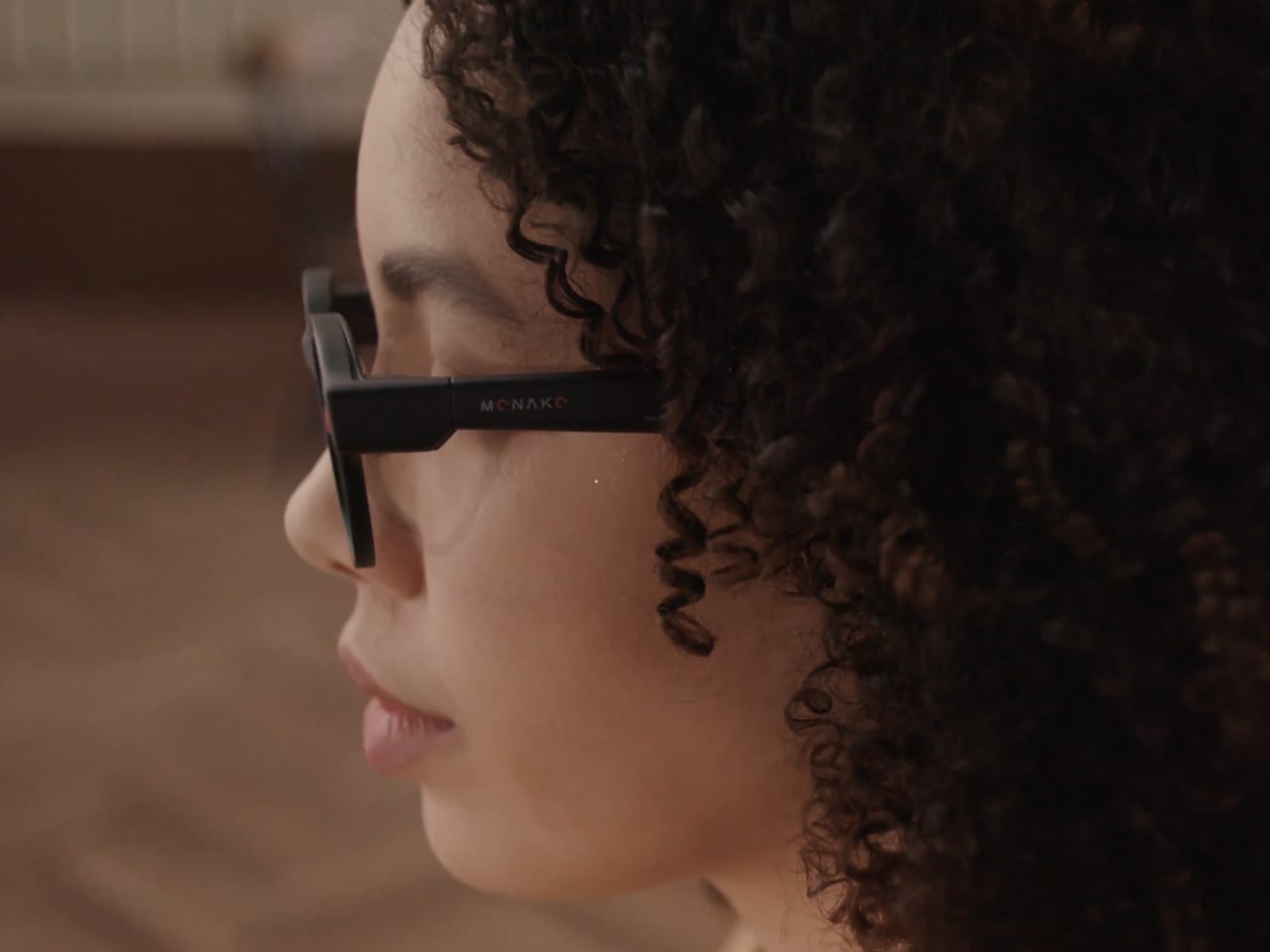
With the apps like “Claude Code, Codex, Unreal Engine, Blender and After Effects” on board, Monako Glass can be a single tool for all your needs. But still, you have the choice to “wipe the bundled apps clean, and replace all code with your own,” company CEO Candy informs. “The onboard Linux is fully open to you and your Claude,” she adds, so running full Linux, Claude Code, and your AI agents hands-free can be as smooth and fun as you like with the Monako Glass.
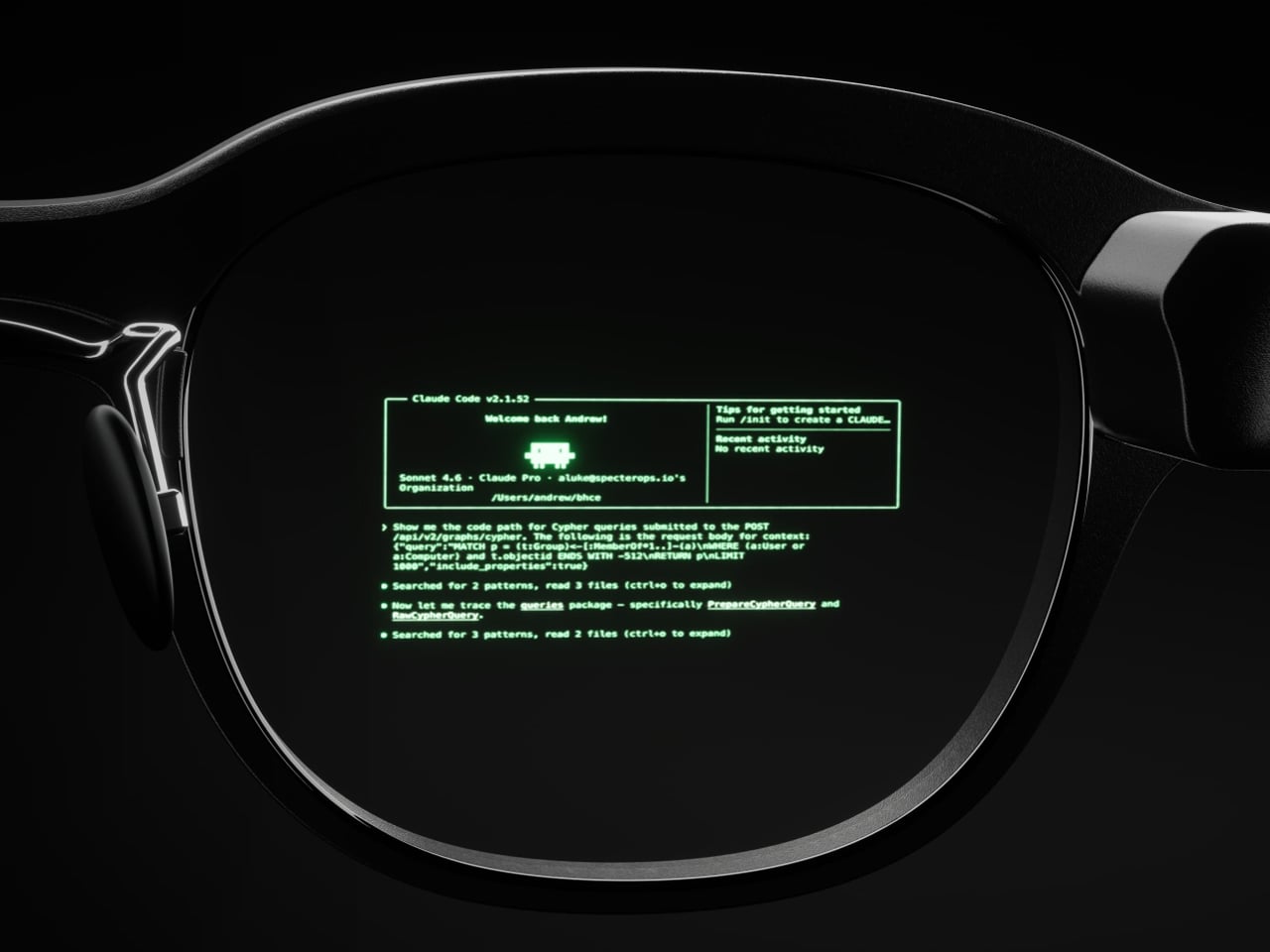
What really impresses me more than the gestural input system is the bone conduction microphone placed on the nose (bridge). The mic is strategically placed that it listens to the vibrations coming from your nasal bone. For instance, you’re in a busy café, the AI (courtesy the microphone) will listen to you alone and execute your input as a prompt to get the next computation of the code done on Monako’s monochrome screen.
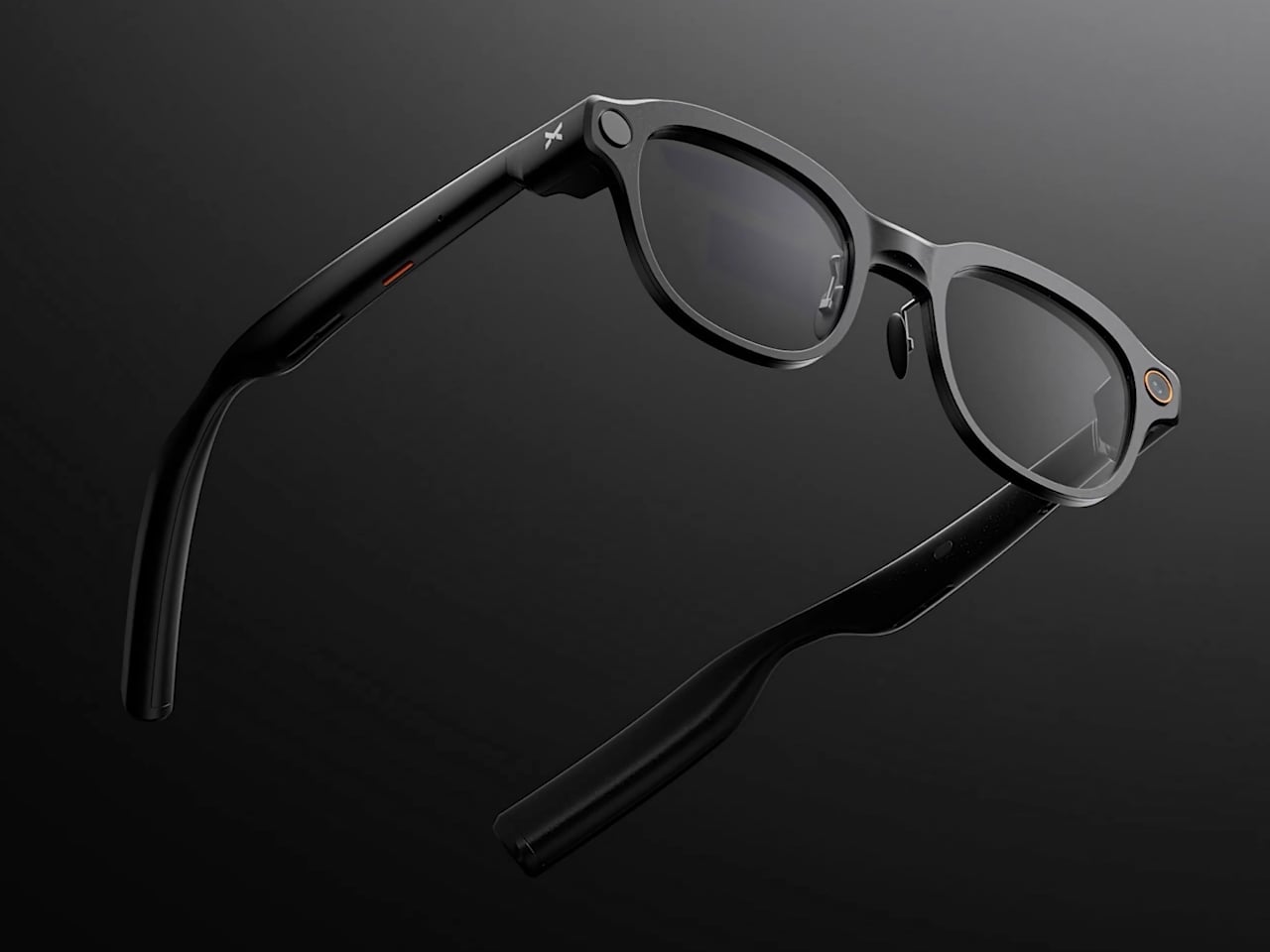
Monako Glass is still in the preproduction stage, but the company is hopeful of getting this first-ever wearable Linux computer to the market by August this year. It is for now available on preorder on Monako’s official website for $19, which should reserve a unit for you. Candy says, “early supporters will get Monako Glass for $399.”