
Fall cooking shifts register in a specific way. The produce changes, the mornings get sharper, and the kitchen becomes a place worth spending time in rather than moving through. Japanese kitchen tools were built for exactly this kind of attention. Each one is designed around a specific act – crushing, grinding, simmering, grating – and refined until the act itself becomes as satisfying as the result. The ritual is as much the product as the object that produces it.
The five tools here span the full arc of a fall meal, from the spice that seasons it to the bread that starts the morning, the pot that holds the broth, the set that grinds the sauce, and the grater that finishes the dish at the table. None promises to make cooking faster. What they share is a conviction that the right object changes how an act feels, and how an act feels is worth considering.
1. Impact Spice Mill
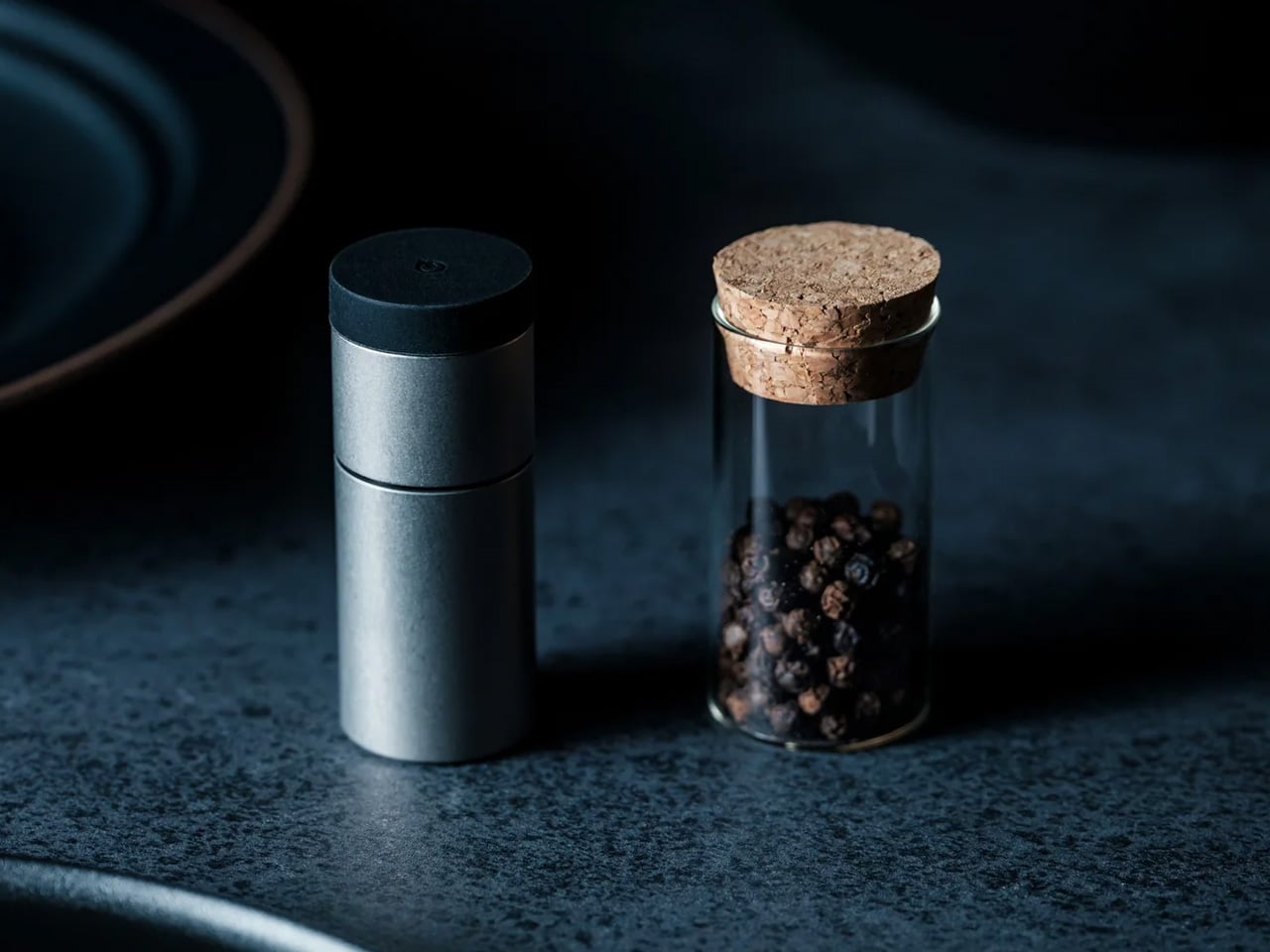
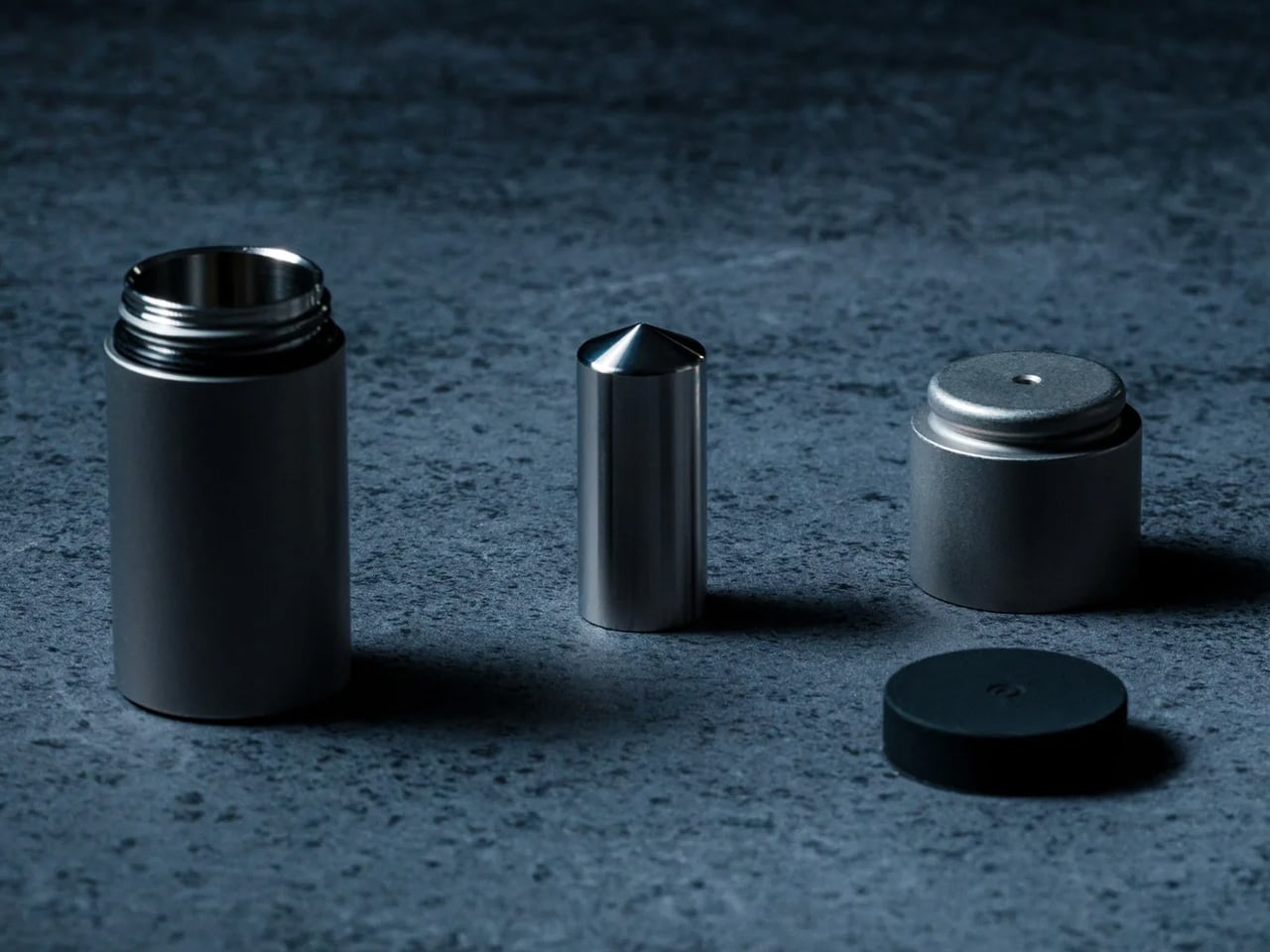
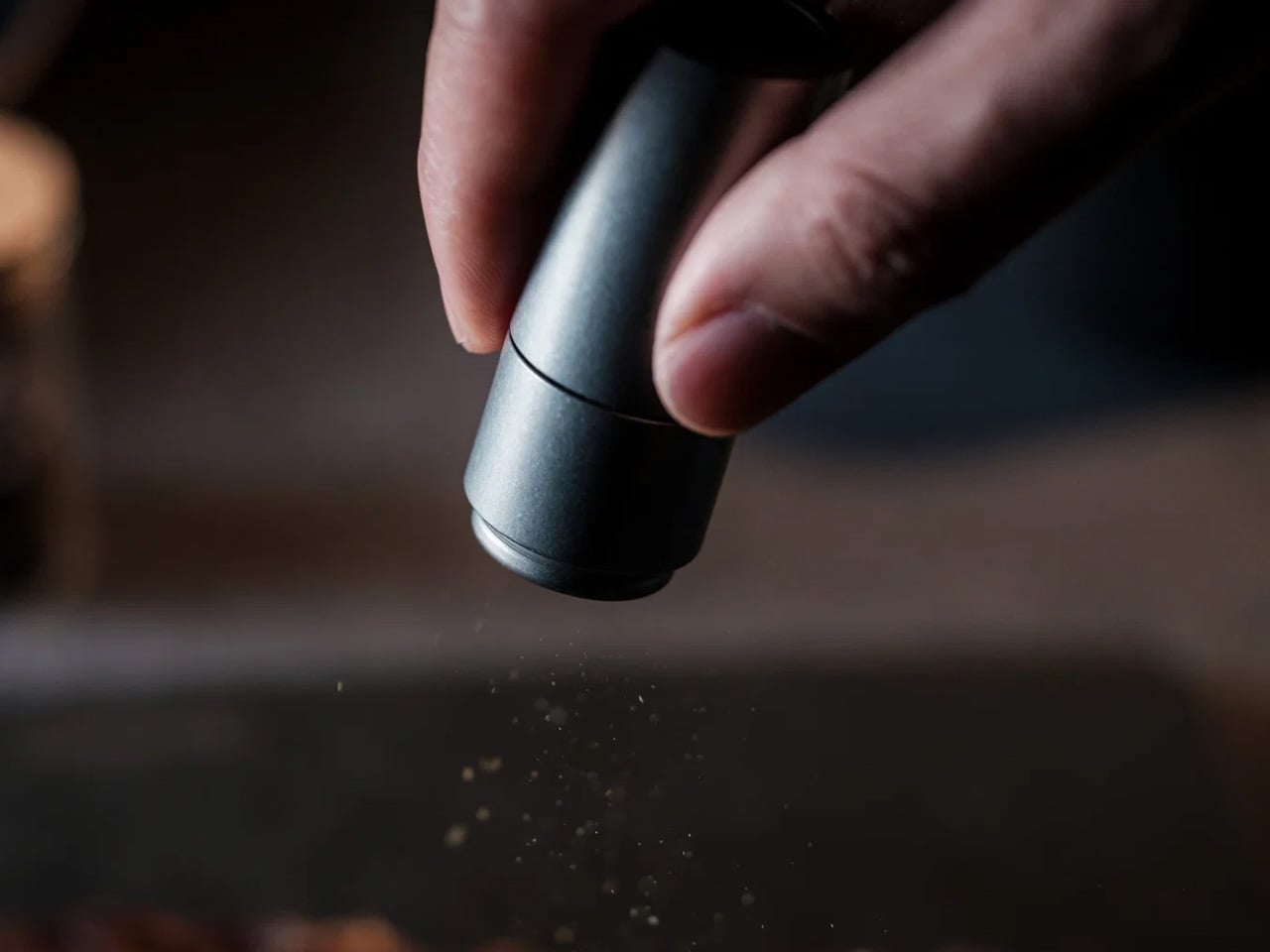
The Impact Spice Mill doesn’t twist. You shake it. An internal weight moves with each motion, pounding and crushing a small amount of spice to release more of its natural aroma just before it reaches the dish. The mechanism was designed by Wataru Imura for SUWADA, a Japanese manufacturer refining cutting tools since 1926, and it translates the logic of a mortar and pestle into a form you hold between two fingers. Each shake produces a click you feel before you hear it.
The gesture is the adjustment. The more you shake, the finer the grind becomes, so control lives in your hand rather than a numbered setting. At 65 by 27 millimeters, the stainless-steel body is small enough to sit among plates and glasses without demanding attention, and its form gives it a distinct presence on the table regardless. An included glass spice bottle keeps your choice of spice alongside the mill. It won the 2023 Good Design Award and an iF Design Award in 2024.
What we like
- The percussion mechanism releases more of a spice’s essential-oil aroma than blade grinding, which registers immediately in the finished dish
- Shaking controls both the crushing and the coarseness, so one motion does the work without a separate adjustment step
What we dislike
- Intentionally designed for small amounts at a time, which makes it a finishing tool rather than a substitute for a standard grinder when seasoning large batches
- The compact stainless-steel form has a minimal grip profile, which may take adjustment if you are used to larger, rubberized pepper mills
2. Mitsubishi Bread Oven


The name takes a moment. Mitsubishi, the Japanese conglomerate better known for precision electronics, applies the same engineering discipline to baking that its other divisions bring to everything they build. Controlled heat, precise internal timing, and a baking chamber environment that most Western countertop machines don’t manage produce a crust and crumb that reflect a genuine engineering investment in what bread should be, rather than what a consumer appliance at a comparable price usually delivers.
Fall is when bread makes sense again. The cooler mornings, the instinct toward something warm and unhurried – a good loaf is part of what makes the season worth the shift from summer. The Mitsubishi’s form is unmistakably Japanese in its restraint: white, minimal, without the button complexity that European bread makers at comparable prices tend to accumulate. It sits on the counter as an object with a clear visual point of view rather than a machine apologizing for its own presence.
What we like
- Precision heat management produces a crust and crumb structure that typical home bread makers cannot replicate, regardless of recipe
- The minimalist white form treats the machine as a considered design object rather than a utility box competing for counter space
What we dislike
- Sourcing outside Japan requires import channels, which adds cost and complicates any warranty or service process
- The price places this firmly in investment appliance territory, making it a deliberate purchase rather than a casual one
3. Iga-yaki Donabe Clay Pot
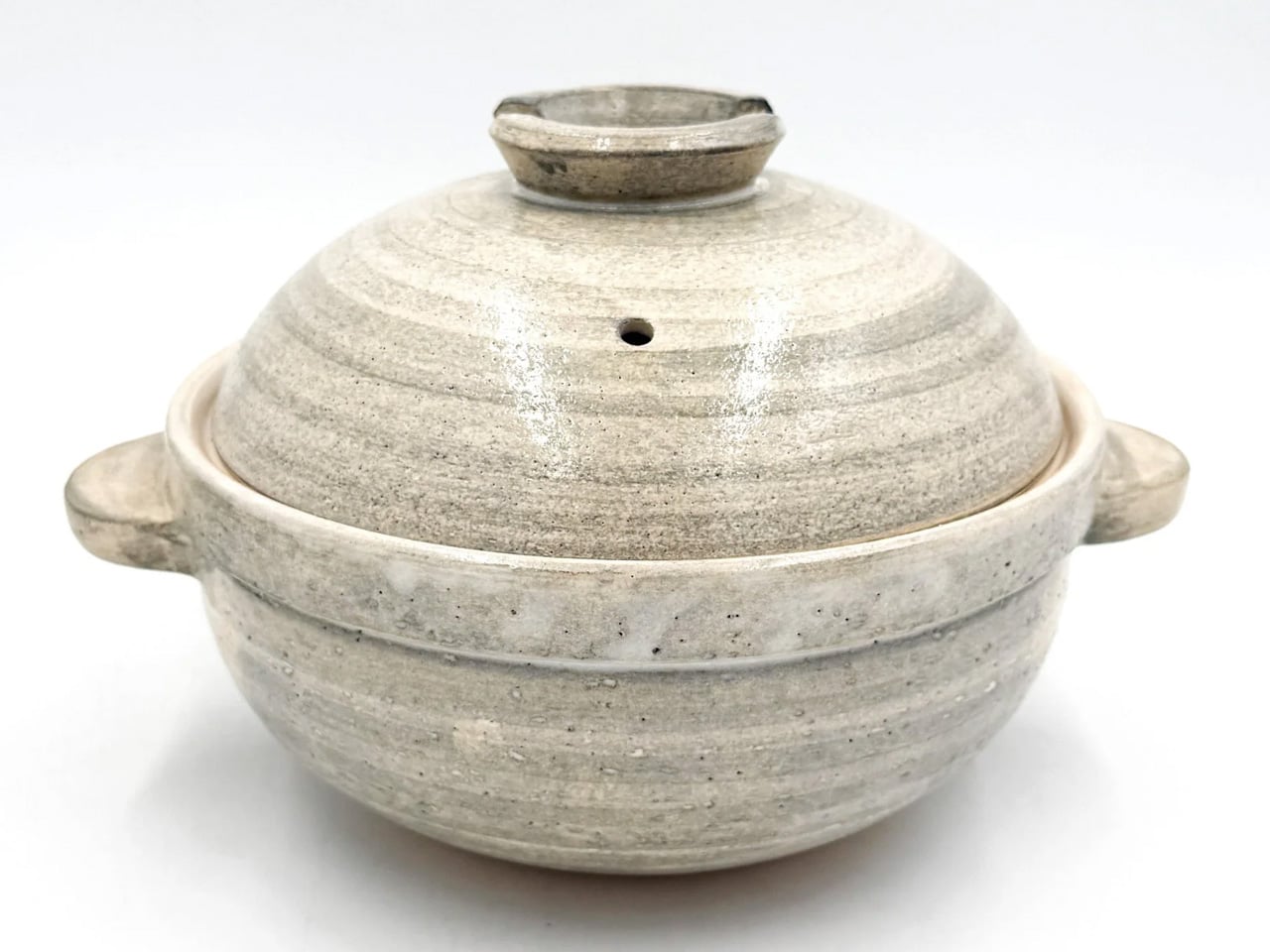
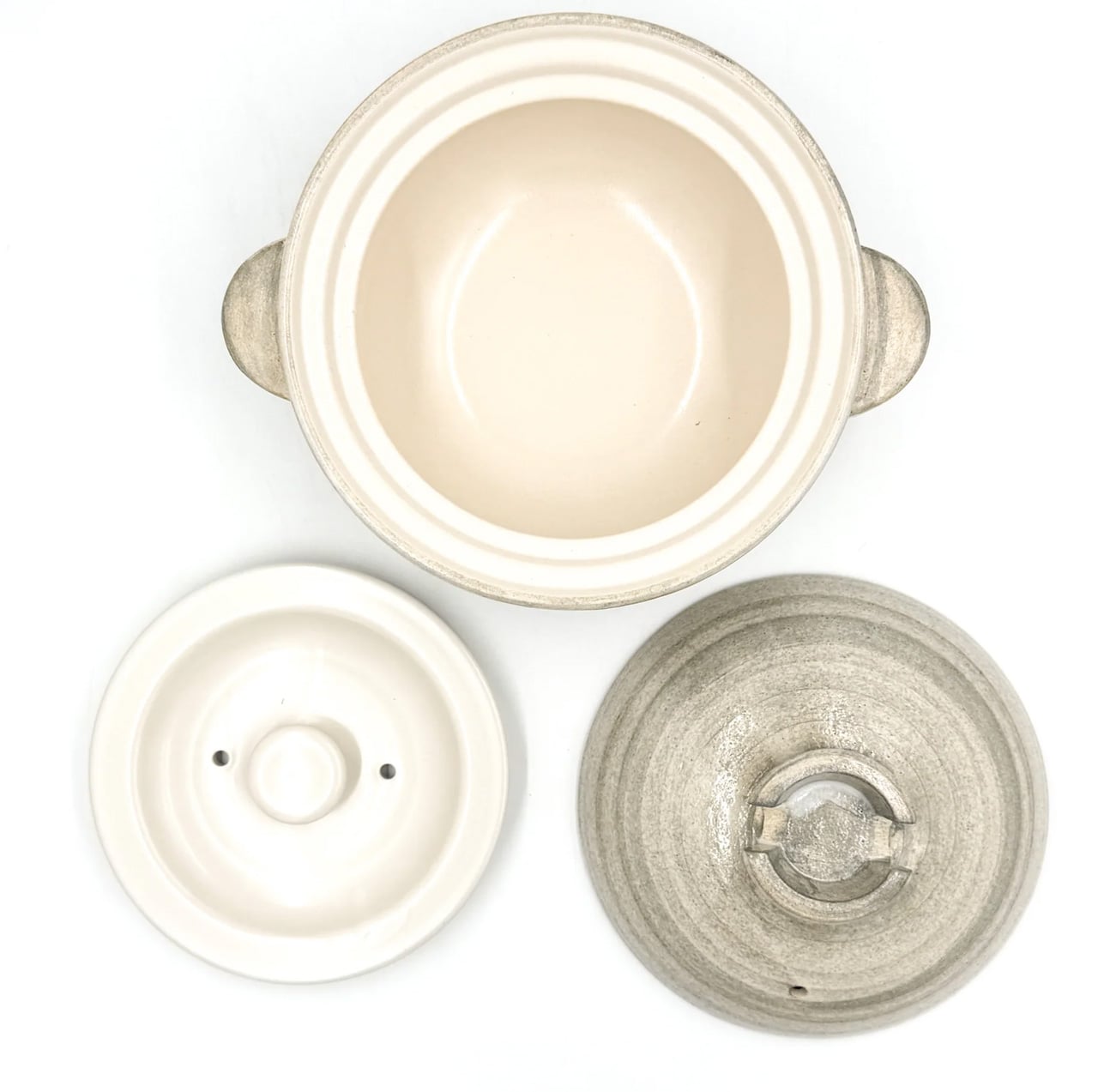

Iga clay comes from Mie Prefecture, where the local earth has been used for ceramics since at least the Kamakura period. The porous structure absorbs heat slowly and releases it with a consistency no metal pot can replicate. Rice cooked in it sweetens. Broth deepens over a lower flame than you would expect. The exterior stays rough and unfinished while the interior is glazed smooth: two surfaces on the same vessel, each doing precisely what the cooking requires.
Fall gives the donabe its best material. The vegetables are dense and worth their slow time, the broths have somewhere to go, and patience feels like a reasonable position to take in a September kitchen. Available from TOIRO Kitchen in several sizes, the pot handles rice, hot pot, steaming, and slow braising across all of them. Simmer rice water in it before the first use and store it with the lid off after washing. A vessel this well made works for decades when treated correctly.
What we like
- Iga clay’s heat retention produces results in rice and broth that no metal pot at any price point genuinely replicates
- Versatile across rice, hot pot, steaming, and slow cooking – one vessel quietly covers what several usually would
What we dislike
- Requires a seasoning step before first use that the packaging doesn’t always communicate clearly upfront
- The porous clay body absorbs strong cooking odors over time and should be stored with the lid off after each wash to stay fresh
4. Katakuchi Suribachi & Surikogi Set
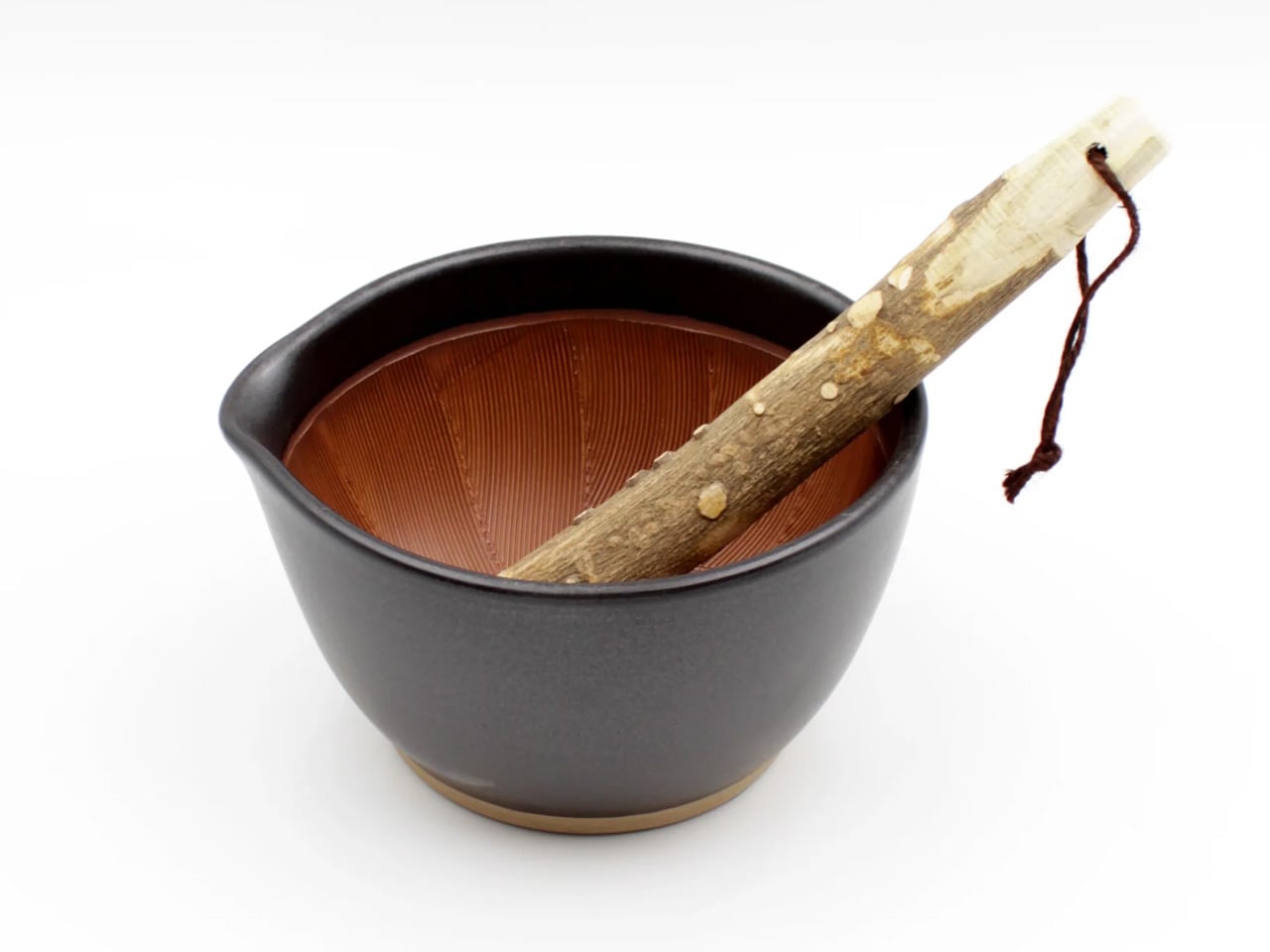
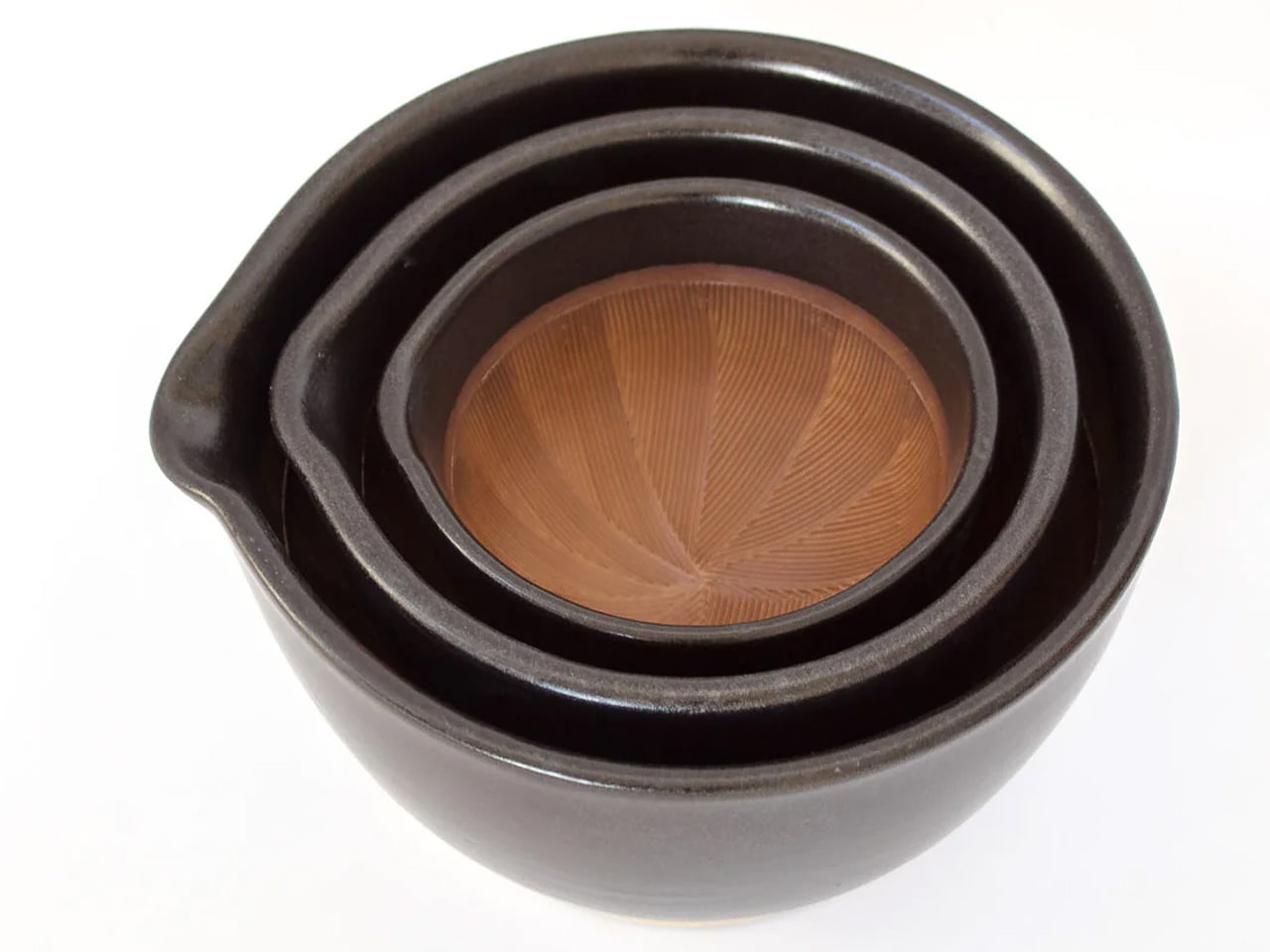
The suribachi is defined by its interior. A web of fine ridges grips seeds and fibers and pulls them apart through friction rather than crushing them flat. Unlike a smooth-walled mortar, this one grinds, and the difference in what it produces is immediate: a texture with more depth, an oil release with more presence, an aroma that reaches the kitchen before the pan is on. The katakuchi form adds a spout, so freshly ground sesame pours directly from the bowl without a transfer step.
The wood surikogi follows the exact curve of the bowl, and that pairing is the point. Working it through sesame or dried chili or sansho pepper in slow circles is a task that resets the pace of a Saturday evening in the kitchen without asking you to think about it. Available from TOIRO Kitchen in two colorways and priced between $36 and $63 depending on size, the set suits fall’s heavier flavors – ground sesame for noodles, miso base for soup – better than any other season gives it.
What we like
- The katakuchi spout makes grinding and pouring a single-vessel process, with nothing lost in a transfer step
- The ridged earthenware interior produces a texture and aroma from sesame and dried spices that a food processor simply cannot replicate
What we dislike
- The earthenware body is heavy and requires careful handling — not something to reach for quickly in the middle of an active cook
- Cleaning the grooved interior takes more attention than a smooth-walled mortar, particularly after working with oily seeds
5. Playful Palm Grater
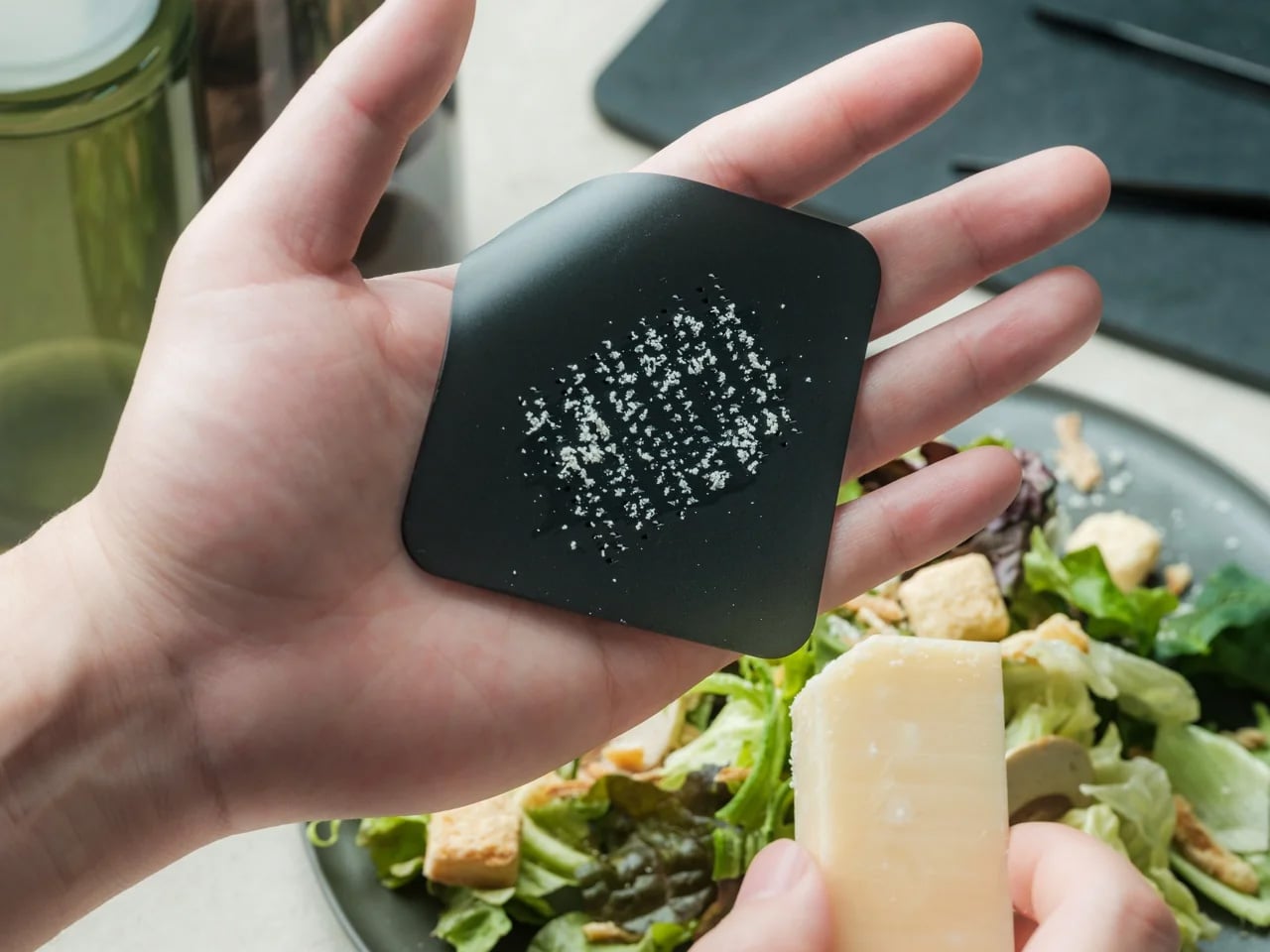
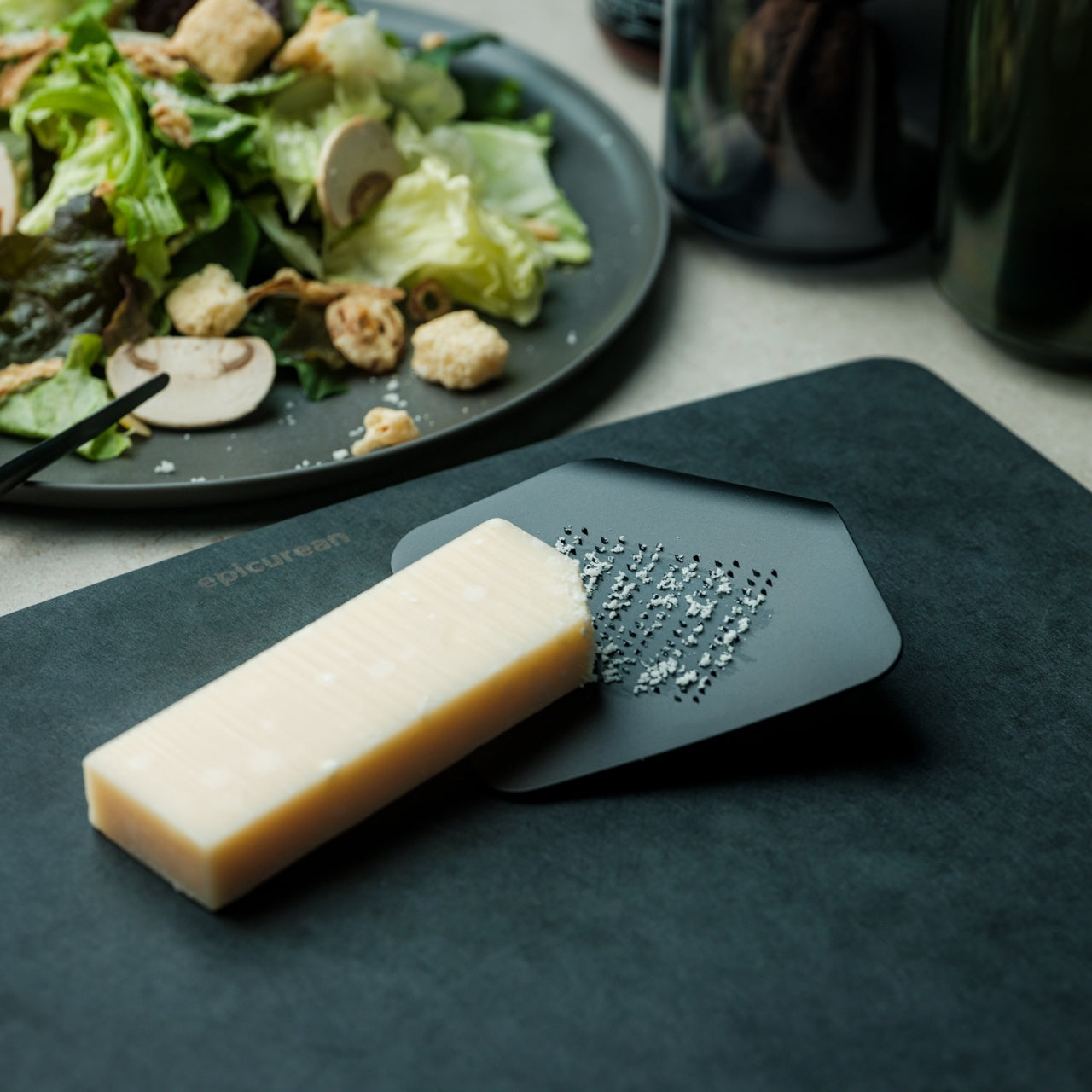

A single aluminum alloy plate, curled into the shape of a sheet of paper lifting at the corner, is the entire construction. That decision does more than look considered. Held in the palm, the curve keeps fingers clear of the grating surface and controls the angle naturally without any adjustment. The form removes the usual caution from grating, making it quick and clean enough to hand to someone at the table rather than keep behind the counter as something to be careful with.
Stamped from one plate with no joints and no separate parts, it rinses clean, dries in seconds, and stores flat without anything to find afterward. Its purpose is finishing: grating fresh ginger over miso soup, running daikon across it before a piece of seared fish, dusting a few strokes of citrus zest at the end of a dish. At $25, it earns counter space through form, color, and construction that most kitchen tools at any price don’t manage.
What we like
- The curled aluminum form positions the grating surface naturally in the palm, keeps fingers clear of the teeth, and removes the usual hesitation from the process entirely
- Single-piece construction means no joints to loosen, no parts to lose, and nothing to reassemble after washing
What we dislike
- One grating coarseness means no adjustment between a fine dusting and a coarser pass, which limits versatility for kitchens that regularly need both
- The palm-sized format is built for finishing and garnishing; volume grating requires more passes than a larger tool would
The Right Kitchen Feels Like Somewhere You Chose to Be
Japanese kitchen tools share a quality that is hard to name but easy to recognize. They were designed by people who cooked regularly and got quietly frustrated with what wasn’t working. That frustration, refined into object form, is what separates a mill that makes you reach for it from one you forget in a drawer, and a pot that changes what simmering produces from one that merely holds the heat.
Fall is the season these objects were made for. The spice mill that finishes the dish with a shake. The bread oven that turns the morning into something worth waking up for. The clay pot that asks you to wait. The grinding set that makes the sauce worth making. The palm grater that makes the garnish worth adding. Five objects, one season, and a kitchen that finally feels like somewhere you chose to be.