

Japanese design doesn’t arrive loudly. It earns attention through material weight, mechanical silence, or the way a surface catches light in a room you’ve stopped consciously decorating. August has produced seven objects that operate this way — products shaped by restraint, informed by craft, and released without fanfare. Some live in kitchens. Some belong in pockets. All of them communicate the same underlying conviction: that the best version of any object has nothing left to remove from it.
What makes a Japanese design worth living with rather than merely admiring is rarely visible at first glance. It is the decision to strip out the last superfluous element, the material chosen for how it will behave in ten years rather than ten minutes, the tolerance engineered so precisely that the mechanism disappears from awareness entirely. The seven designs here span kitchens, desks, blazer pockets, and bathroom shelves. What connects them is a refusal to negotiate with compromise, which has always been the engine of Japanese design at its most honest.
1. Paper Razor
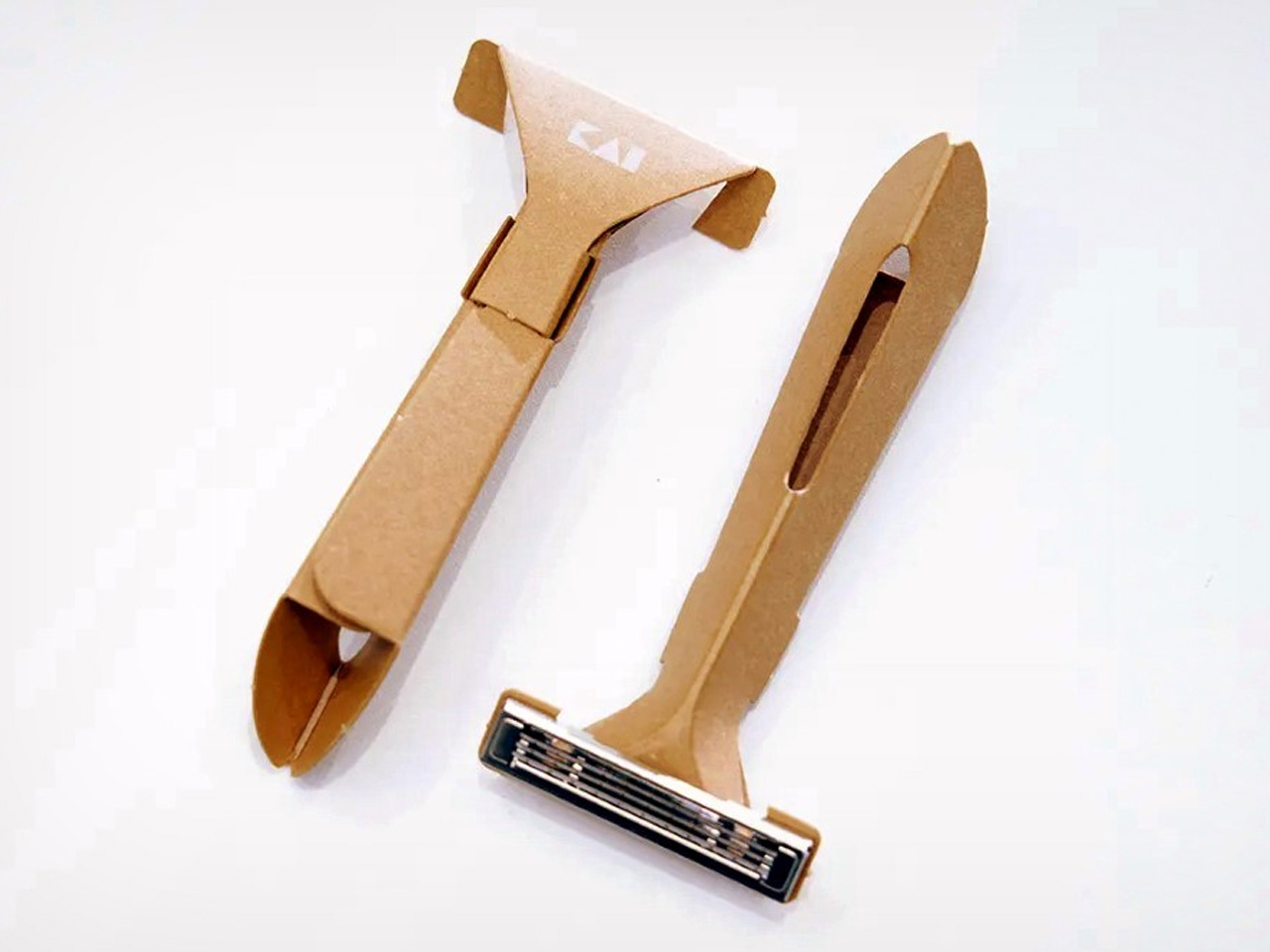
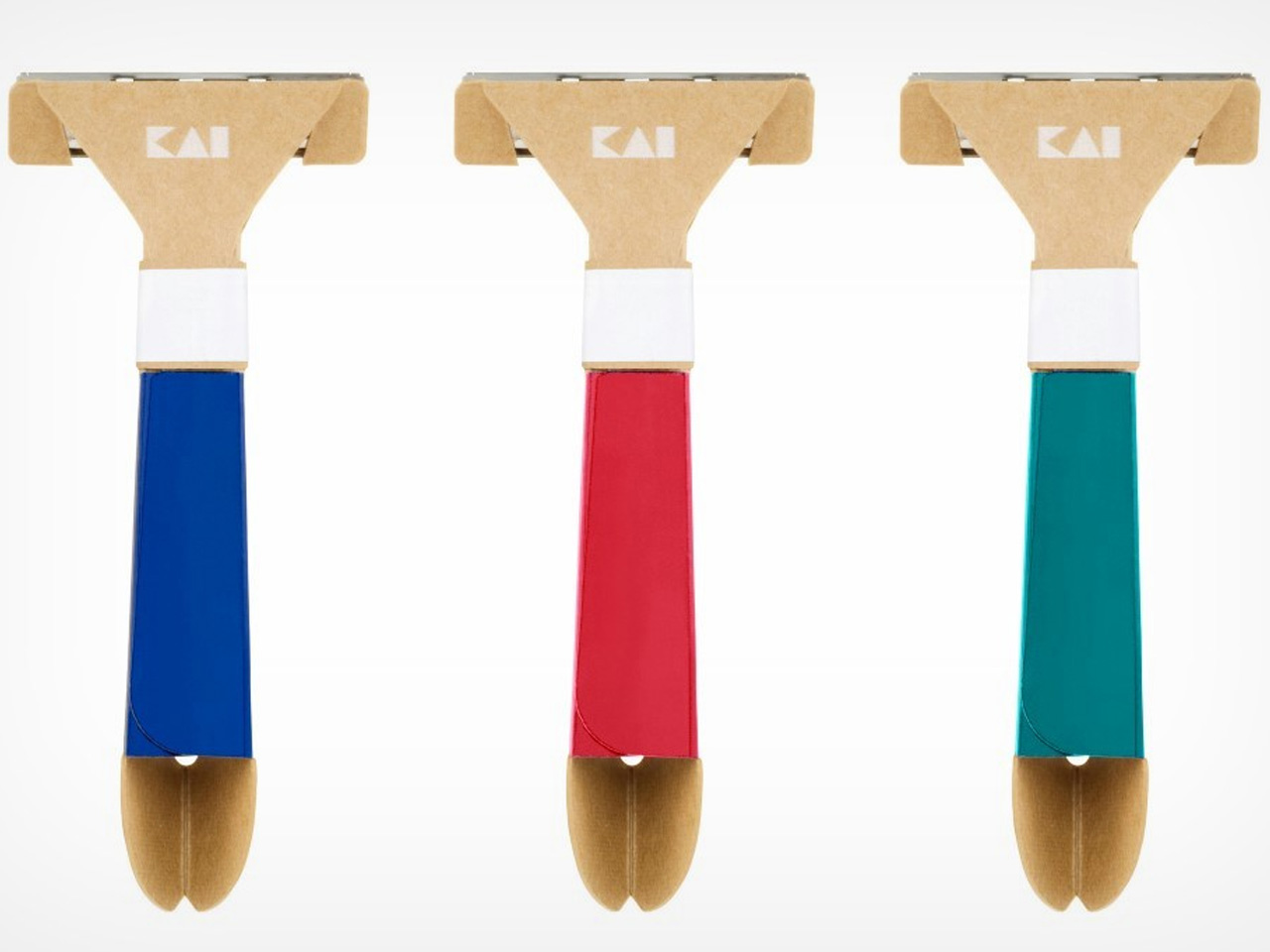
The Paper Razor from Japan’s Kai Group asks a question the shaving industry has been avoiding for decades: why does a disposable razor need to be made of plastic? The answer, it turns out, is that it doesn’t. Built almost entirely from water-resistant paper stock similar to milk carton material, the razor ships as a flat-pack five millimeters thick and snaps into a rigid ergonomic handle in seconds. It weighs four grams. It reduces plastic use by ninety-eight percent compared to a conventional disposable. The origami-inspired body assembles without instructions and holds together with the kind of quiet structural confidence that only arrives when someone has thought very carefully about a simple problem.
The paper body holds up to temperatures of 104°F, and the metal blade head features a notched channel on top for clean rinsing between strokes. It ships in five colorways — ocean blue, botanical red, jade green, sunny yellow, and sand beige — and was designed primarily for travelers who understand that what they carry makes a statement about what they believe. The Kai Group, one of Japan’s most respected cutlery manufacturers, didn’t produce a sustainable razor that performs adequately. They produced one that makes every plastic alternative look like an idea that was never quite finished.
What we like
- The 5mm flat-pack construction ships and stores in a fraction of the space required by any conventional disposable, making it genuinely suited to a travel kit, carry-on pouch, or gym bag
- Reducing plastic by ninety-eight percent without compromising ergonomics or shave quality treats sustainability as a design outcome rather than a marketing position, which is a meaningful distinction
What we dislike
- Single-use by design, which creates real tension for anyone building a long-term shaving routine around reusable hardware and reduced lifetime waste
- Water resistance caps at 104°F, meaning very high-temperature showers may begin to compromise the paper body’s structural integrity before a shave is completed
2. Infinite Solas Lamp
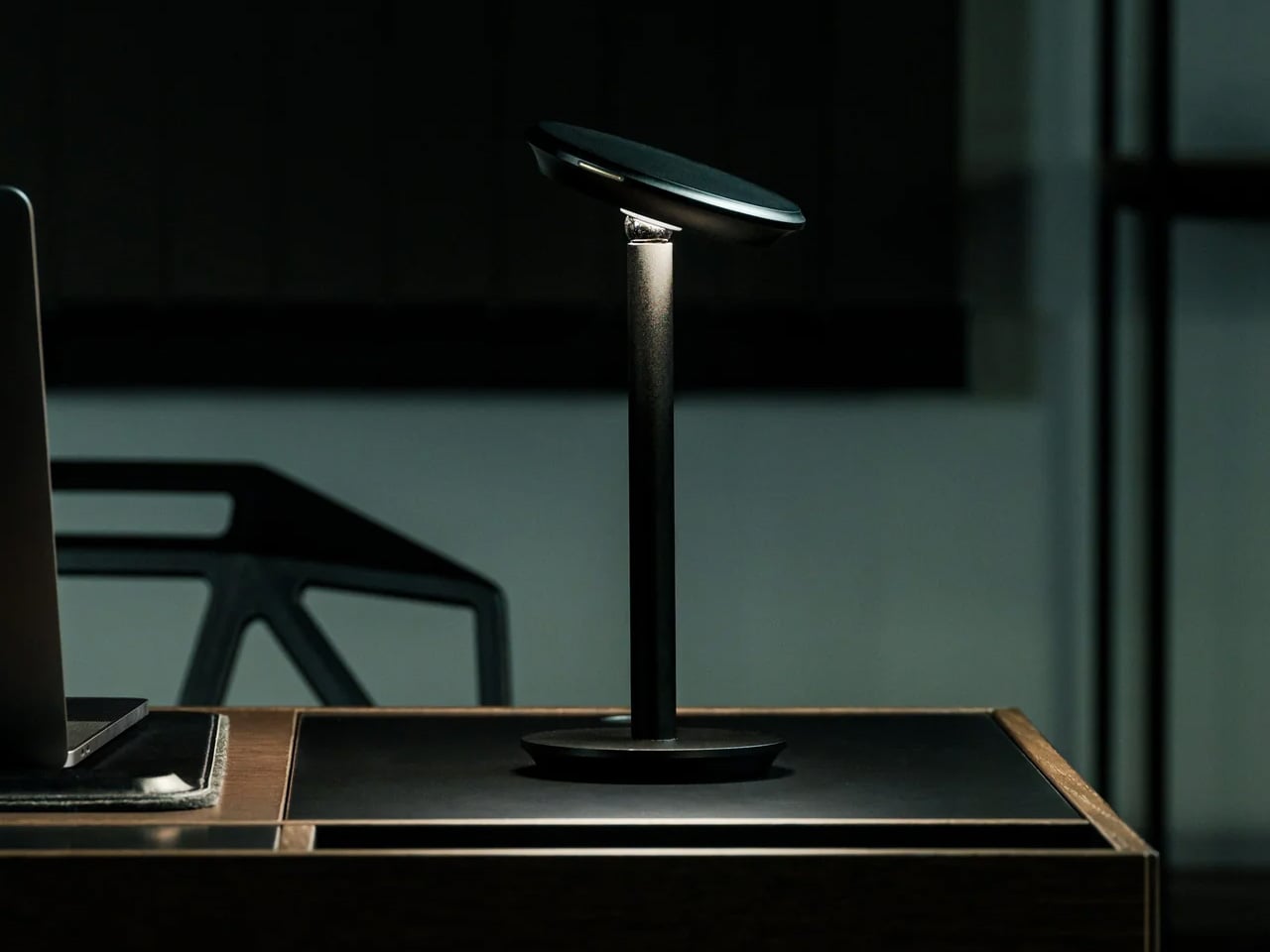
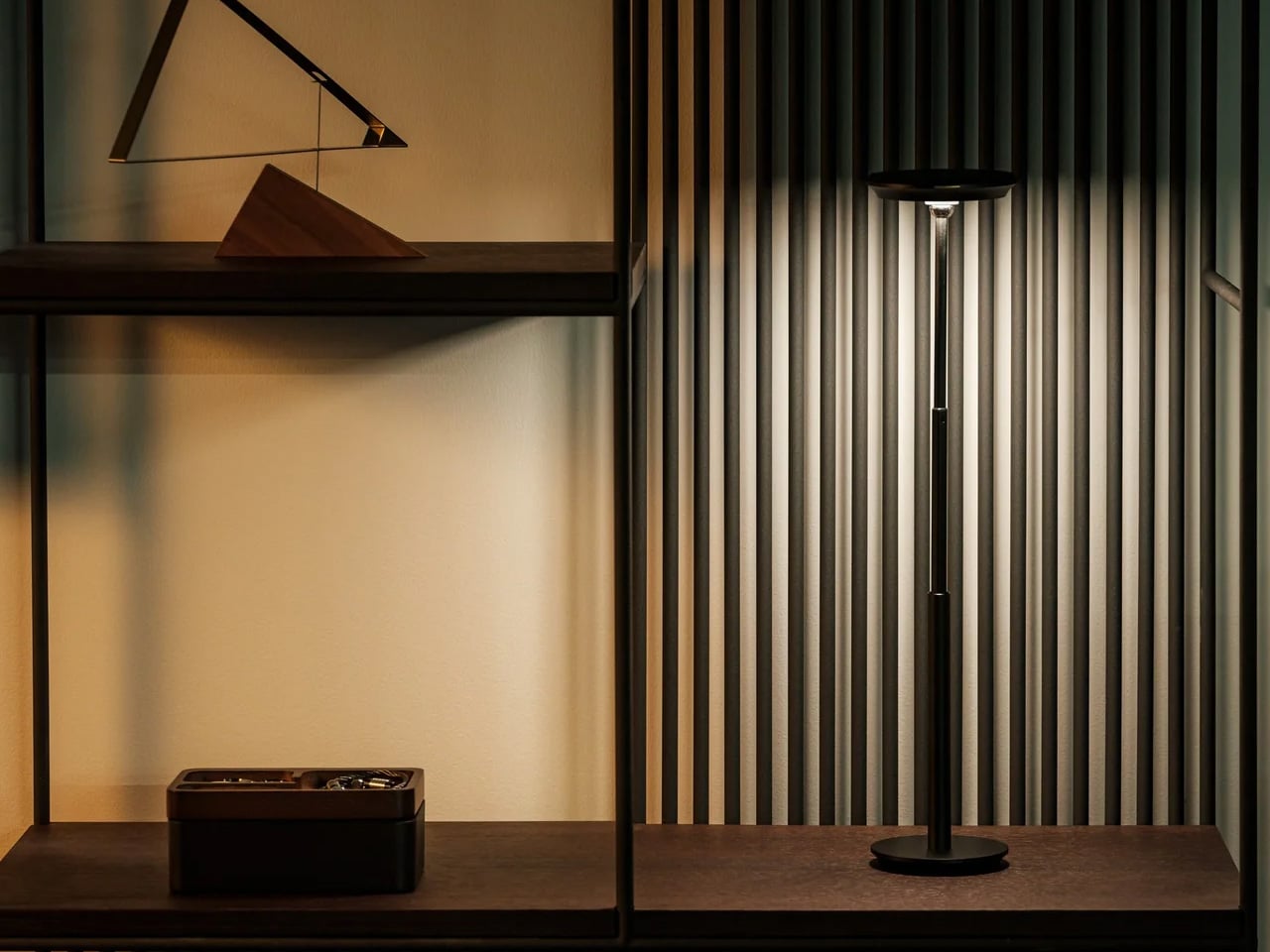
Koki Sato began the Infinite Solas with a single observation: the quality of light a person needs changes throughout the day, and almost no lamp accounts for that in its design. The response is a cordless, height-adjustable lamp whose column extends continuously from 8.9 to 19.7 inches with no fixed stops or preset notches to settle for, whose magnetic ball-joint head redirects freely in any direction without moving the lamp itself, and whose single-touch control shifts color temperature from 4000K focused and cool down to 2500K soft and warm. It is not a smart lamp. It is a considered one.
The detachable magnetic head lifts away from the column and functions as a fully independent portable light — set it on a surface, attach it magnetically to compatible steel, or reach for it during a power outage. At full brightness, the built-in battery sustains six to seven hours of use. At ten percent, it runs for up to seventy hours. USB-C brings it back to full charge in roughly four hours. Sato holds the German Design Award Gold, the iF Design Award, and the Good Design Award, and serves as a specially appointed associate professor at Chiba University’s Design Research Institute. The lamp makes a convincing case for all three distinctions.
Click Here to Buy Now: $325.00
What we like
- Continuous height adjustment with no fixed stops means the lamp adapts to precisely how you are working rather than to the nearest available preset notch, which changes how the lamp actually fits into daily use
- The detachable magnetic head lifts cleanly away to become a self-contained portable light, expanding the lamp’s usefulness across contexts without adding any additional complexity to the form
What we dislike
- At $325, the entry price is commensurate with the pedigree behind the design, which makes it a deliberate, considered purchase rather than an impulse one for most budgets
- A four-hour recharge window means some planning is needed if the lamp will be in heavy use across a full day without access to its USB-C cable
3. Mitsubishi Bread Oven


Most toasters heat bread. The Mitsubishi Bread Oven treats it with something closer to respect. Built around a sealed thermal-insulated structure that borrows directly from the company’s rice cooker engineering, this oven traps moisture inside the bread rather than driving it out during cooking. Two heated plates seal around a single slice and reach temperatures of up to 500°F, transferring heat evenly and producing toast that stays genuinely fluffy at the center while finishing correctly at the crust. The retro veneer-brown exterior looks like it arrived from the 1980s and settled in because it had no reason to leave.
Four cooking settings – Toast, Frozen Toast, Topping, and French Toast – cover the full range of morning intentions. Four thickness options running from 15mm to 30mm accommodate everything from a standard sandwich slice to a thick-cut brioche. Five baking preferences, from Fluffy through Light, Normal, Dark, and Crisp, give this a resolution that most kitchen appliances reserve for far more complex tasks. “We wanted to focus on the single slice, and treat it with respect,” said Akihiro Iwahara, who led technical development at Mitsubishi Electric’s home-appliances division. One slot, no shortcuts, no compromise on the one thing it was built to do.
What we like
- The sealed thermal-insulated structure keeps the bread’s natural moisture intact throughout the entire cooking process, producing a result that a conventional radiant-heat toaster physically cannot replicate regardless of setting
- Five texture preferences represent a level of breakfast-specific precision that the rest of the toaster category has never thought necessary, and the difference between Fluffy and Crisp is not cosmetic
What we dislike
- One slice per cycle makes this a slow proposition for households cooking breakfast for more than one person at a time, and there is no workaround built in
- The deliberately retro veneer-brown exterior is a confident aesthetic choice that will sit naturally in some kitchens and at odds with others
4. Oblica Card Holder
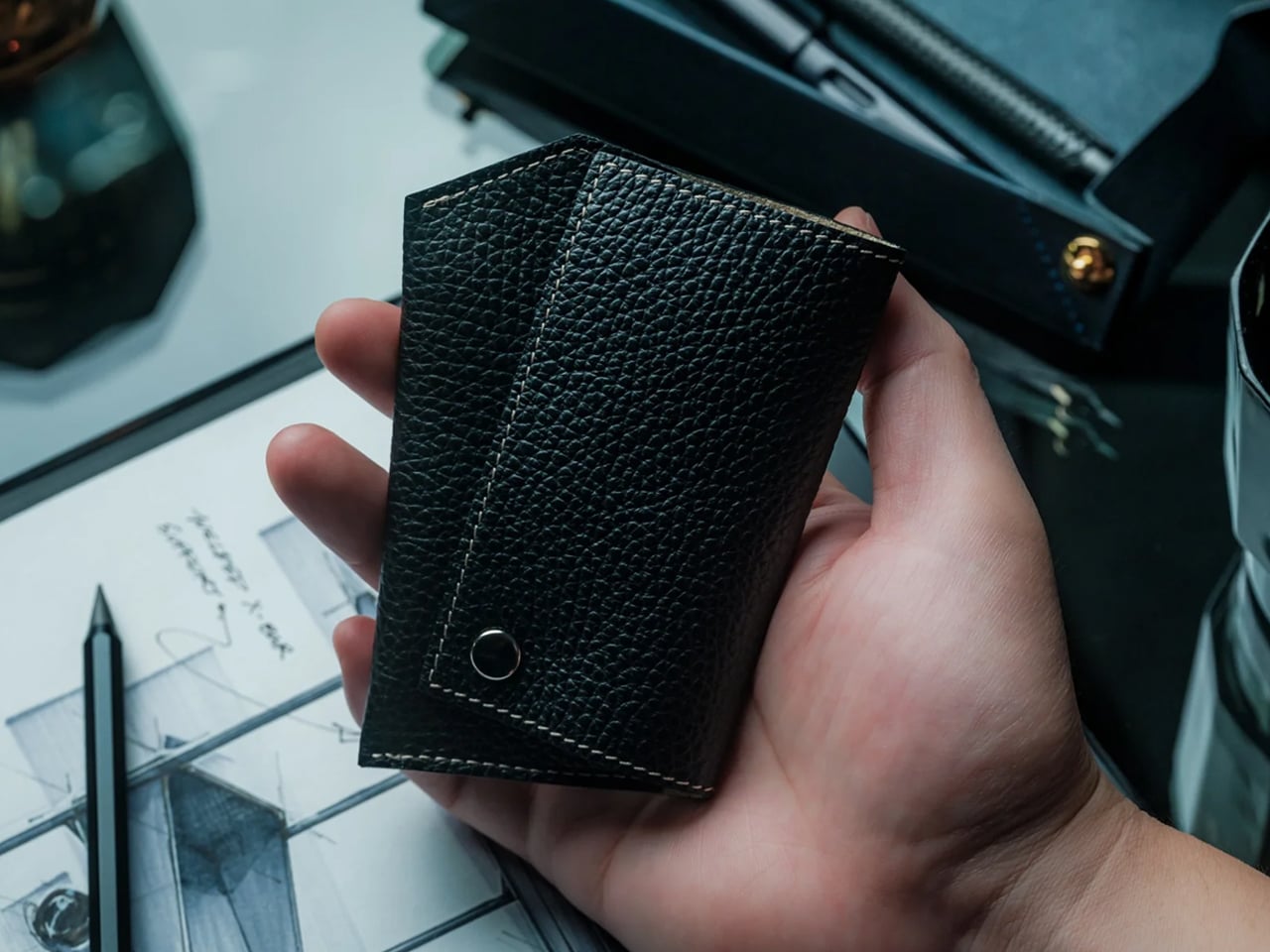
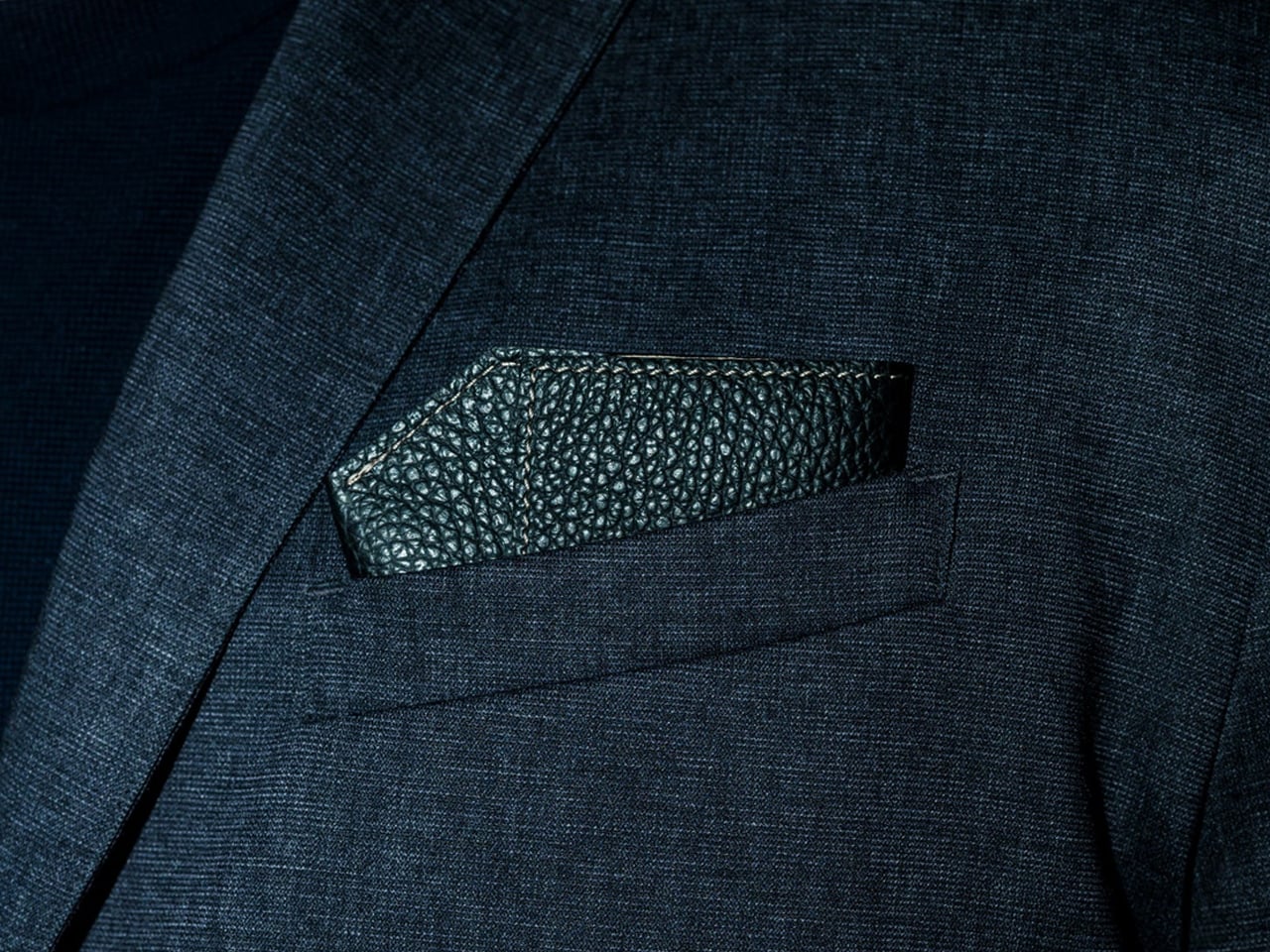
Business card holders tend to fall into two categories: the forgettable and the overwrought. The Oblica, handmade in Kyoto by Sudaku, belongs to neither. Its defining characteristic is a diagonal profile that positions it inside the breast pocket of a blazer so convincingly that it reads from the outside as a folded pocket square. That is not a secondary benefit – it is the entire brief the designers set themselves. An accessory that disappears into a well-dressed person’s silhouette is a more demanding design problem than any object built to be noticed, and Sudaku approached it accordingly.
Inside, the Oblica holds more than thirty business cards and allows you to select the card you need rather than separating a single compressed stack with your thumb. The handmade construction from Kyoto communicates in the hand before it communicates to the eye, in the way materials meet each other and in the precision with which the diagonal holds its geometry under daily use. In a category saturated with objects that announce themselves, the Oblica does the opposite. It performs its function without drawing attention to the fact that it is performing a function, which is the oldest and most demanding principle in Japanese craft.
What we like
- The diagonal profile reads convincingly as a folded pocket square from outside a blazer breast pocket, making this the only card holder that genuinely integrates into formalwear rather than sitting alongside it as an accessory
- Handmade in Kyoto, with a construction quality that communicates itself in the hand before any visual inspection confirms it
What we dislike
- At $160, this positions itself firmly as a long-term considered purchase rather than a casual utility item someone picks up without weighing the decision
- The diagonal format is designed with a specific context in mind – a jacket or blazer breast pocket – and feels less resolved when carried any other way
5. Corcelain Modular Porcelain Cups


Designer Kosuke Takahashi arrived at 224 Porcelain’s studio in Ureshino City, Saga Prefecture, carrying a question the ceramics world hadn’t thought to ask: what if a cup was a platform rather than a finished object? The result is Corcelain, the first modular porcelain system, where each vessel – made in the Hizen-Yoshidayaki tradition that stretches through centuries of the region’s tea culture and meticulous clay work – accepts 3D-printed attachments through a precision mounting system built directly into the ceramic surface during production. Feet, handles, lids, and decorative elements attach, detach, and evolve with whoever is using them.
The implications are quieter than the concept initially suggests. These cups don’t accumulate the way most tableware does. When preferences or needs shift, you download a new component from MakerWorld, print it, and swap it in – the ceramic underneath remains unchanged. 224 Porcelain was founded by ceramist Satoshi Tsuji in 2012, and operates in a region where porcelain has been refined across generations of deliberate practice. Takahashi brought digital fabrication into a conversation that craft had been having with itself for centuries. The system that emerged produces a cup that changes alongside the person drinking from it, which no other tableware on the market currently attempts.
What we like
- Open-source attachments available through MakerWorld mean the design continues to evolve long after purchase without requiring the ceramic base to be replaced or discarded
- The Hizen-Yoshidayaki tradition from Saga Prefecture grounds a genuinely forward-looking modular concept in centuries of regional craft that gives the porcelain itself real weight and credibility
What we dislike
- Full modularity requires access to a 3D printer or a printing service to realize, which limits the full experience for those who cannot easily produce their own components
- The precision mounting points are engineered to close tolerance and require careful handling to prevent wear from frequent component changes, particularly for anyone who rotates configurations regularly
6. Kuroi Hana Knife Collection


Every Kuroi Hana blade begins with AUS-10 steel sourced from Aichi Steel Corporation, selected specifically for its combination of toughness, sharpness, and corrosion resistance at a hardness rating of 58 to 60 HRC. Sixty-seven layers of high-carbon steel build the Damascus structure that defines the collection both visually and in performance. Then the artisan submerges each blade into an etching solution that penetrates those layered surfaces and draws the pattern outward – a dark, floral form that emerges from within the steel rather than being printed or applied to its exterior. Kuroi Hana translates to black flower. The name earns its keep from the first blade you hold.
Because the etching process is carried out entirely by hand and each blade’s internal layered structure is unique, no two knives in the collection share the same pattern. The kitchen has accumulated a significant number of beautiful Japanese-influenced knives over the past decade, many of them built on borrowed visual language without the material substance underneath to justify the aesthetic. The Kuroi Hana knives don’t borrow. The Damascus etching process and the AUS-10 steel specification are the real thing, and the distinction shows the moment a blade meets a board. A knife worth picking up before you’ve decided what to cook changes the relationship between a cook and their kitchen in ways that are difficult to fully articulate until you’ve experienced the shift.
What we like
- Every blade carries a dark floral Damascus pattern drawn from within the steel by hand, making each knife genuinely one of a kind rather than a variation on a manufactured aesthetic finish
- AUS-10 steel rated at 58–60 HRC delivers professional-grade sharpness and material durability that performs as convincingly during prep as it looks mounted on a magnetic strip above the counter
What we dislike
- The artisanal hand-etching process positions these knives at a premium investment level that places them firmly outside casual kitchen knife territory in terms of price and commitment
- The striking dark floral aesthetic is polarizing for cooks who prefer clean, unmarked blade surfaces in a working kitchen environment, where the pattern is never quite the point
7. Sento 2 Zero-Twist Towel
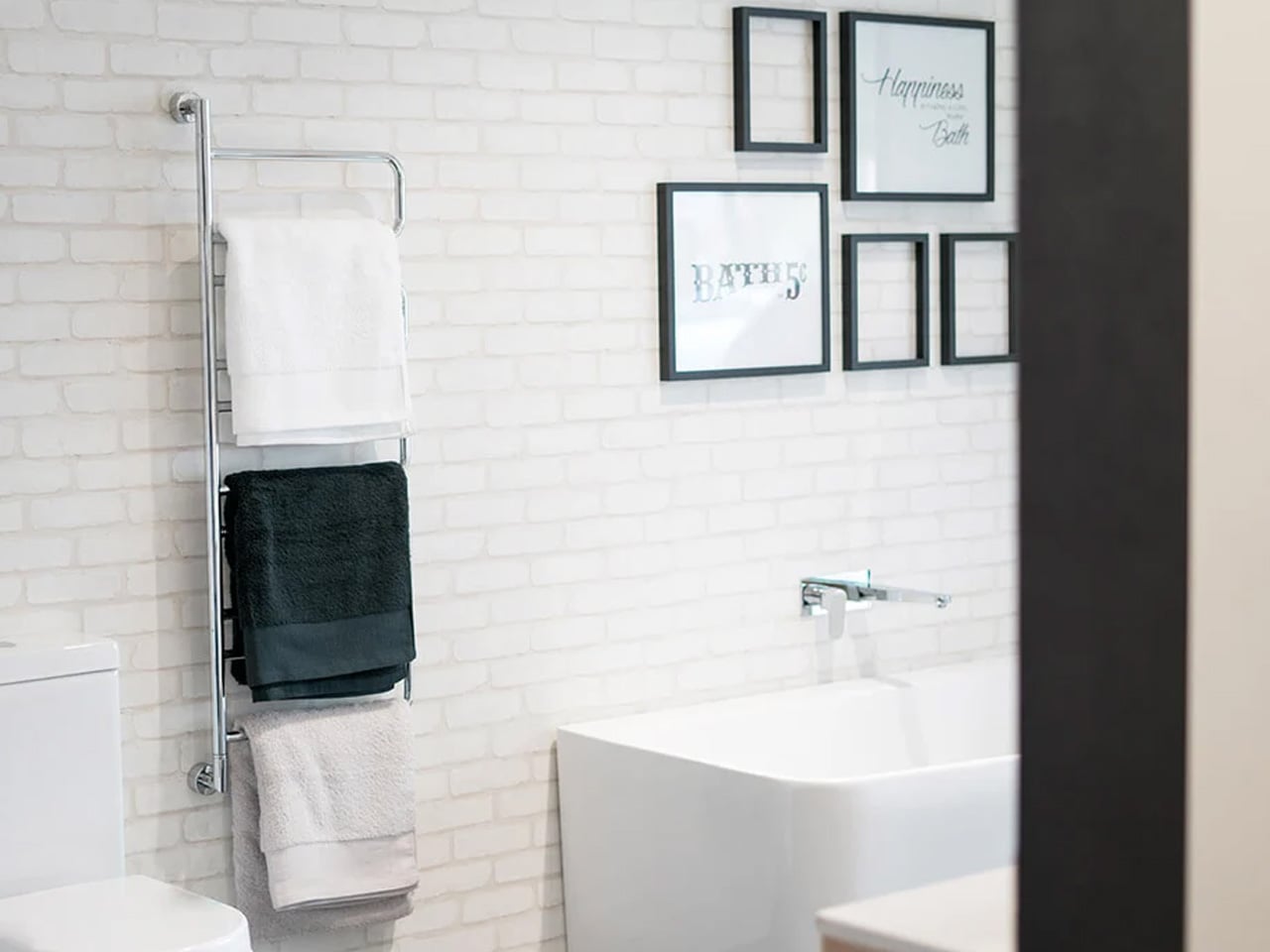
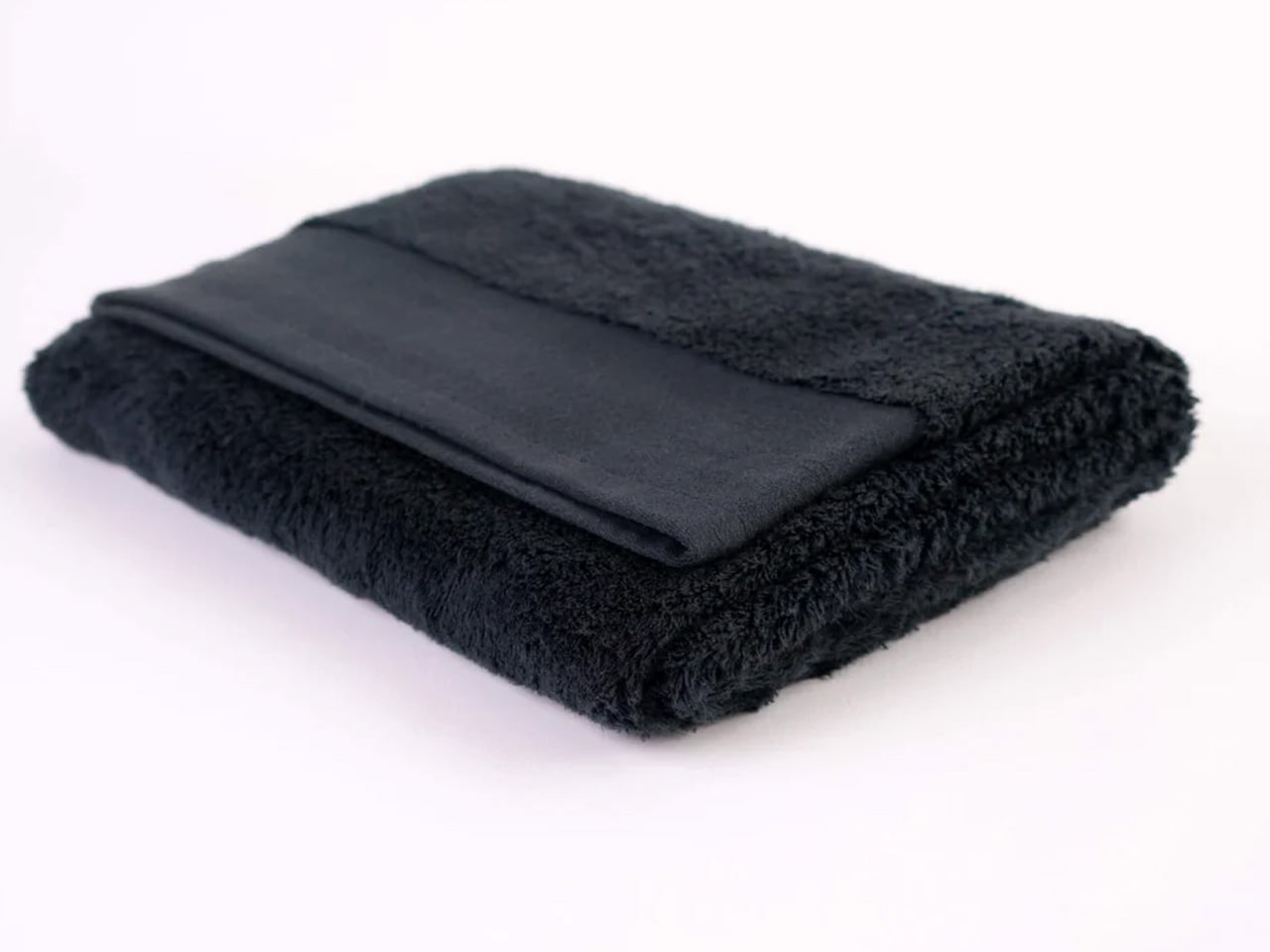
Standard towels are manufactured by twisting cotton fibers into dense, tightly wound loops – a production method built around throughput and cost, not around the quality of what gets produced. The Sento 2 takes the opposite approach. Through zero-twist manufacturing techniques developed and refined in Japan, the natural cotton fibers are left entirely loose and uncompressed, producing a towel that is measurably softer, more absorbent, and faster-drying than anything made through the conventional looped method. The process is slower and more demanding on the production side. Every bit of that consideration is apparent on first contact.
Zero-twist cotton in this state feels fundamentally unlike mass-produced terry cloth in a way that becomes obvious within the first few seconds of use. Light enough in the hand to feel like almost nothing, absorbent enough that the task is finished before the body is consciously aware of having started it. There is a quality to the whole experience that resists adequate description and is immediately apparent in practice. It is a towel, and it is also a quiet argument for buying fewer things, choosing them with real intention, and understanding that the finest version of an everyday object repays the investment in ways that accumulate over time rather than arriving all at once.
What we like
- Zero-twist construction produces a softness and absorbency level that conventional terry cloth cannot replicate – the difference registers immediately on first use rather than after a break-in period of repeated washes
- The quick-drying design makes this a legitimate daily-use towel rather than a shelf-display luxury that performs better as a photograph than it does after a shower
What we dislike
- Zero-twist fibers are inherently more delicate than tightly looped terry cloth and require more attentive laundering to preserve their structure and softness across many repeated washing cycles
- The premium construction comes at a price that compounds meaningfully when buying multiples to properly outfit a full bathroom rather than a single hook on the back of a door
Japan Has Always Known When to Stop
Japanese design keeps returning to the same place regardless of the category it enters. It asks what the object needs to do, removes everything that fails to serve that function, and applies the best available material and craft to what remains. These seven products come from kitchens, lamp studios, razor manufacturers, ceramics workshops, and Kyoto ateliers. The category changes with each one. The underlying philosophy is identical across all of them – and it is not fashionable restraint, which is performed. It is earned restraint, which is a different thing entirely.
What each of these objects asks of the person buying it is not admiration but use. A knife that changes a cook’s relationship to the board, a lamp that adjusts its character as the day does, a towel that transforms an experience done without thinking every morning. August 2026 has been a strong month for objects built this way. The evidence is in the products themselves – each one quietly demonstrating that restraint and ambition are not opposites, only differently expressed, and that the most considered design rarely needs to raise its voice to make itself heard.

