
Plastic has long been the default choice for packaging because of its durability, flexibility, and low cost. Today, however, designers are proving that high-performance packaging does not have to come at the expense of the environment. Advances in renewable materials, circular design, and biodegradable alternatives are reshaping the industry. The result is they’re replacing conventional plastics with solutions that are just as functional while generating far less waste.
By 2026, sustainable packaging design has moved beyond prototypes and niche applications into everyday retail. Seaweed packaging films, molded pulp, mono-material packaging, compostable foams, and dissolvable packaging are protecting everything from food and cosmetics to consumer goods without relying on single-use plastics. These seven innovative packaging concepts showcase how thoughtful material choices and intelligent engineering are creating plastic-free packaging products and biodegradable packaging 2026 that are durable, practical, and designed with their entire lifecycle in mind.
1. Seaweed and Mono-Material Paper Finally Reach Store Shelves
The biggest shift in sustainable packaging design isn’t a futuristic material, but its accessibility. In 2026, innovations such as seaweed packaging films and mono-material packaging have moved beyond experimental concepts into mainstream retail. These next-generation materials deliver the durability and shelf life brands expect while significantly reducing their environmental impact.
Instead of relying on complex multi-layer plastic composites that are difficult to recycle, designers are using simplified material systems that can be recycled, composted, or naturally dissolve after use. Sustainable packaging design is no longer driven by marketing claims alone but by thoughtful engineering that minimizes waste throughout a product’s lifecycle. The result is packaging that combines functionality, visual appeal, and circular design principles while leaving little to no trace once its purpose has been fulfilled.
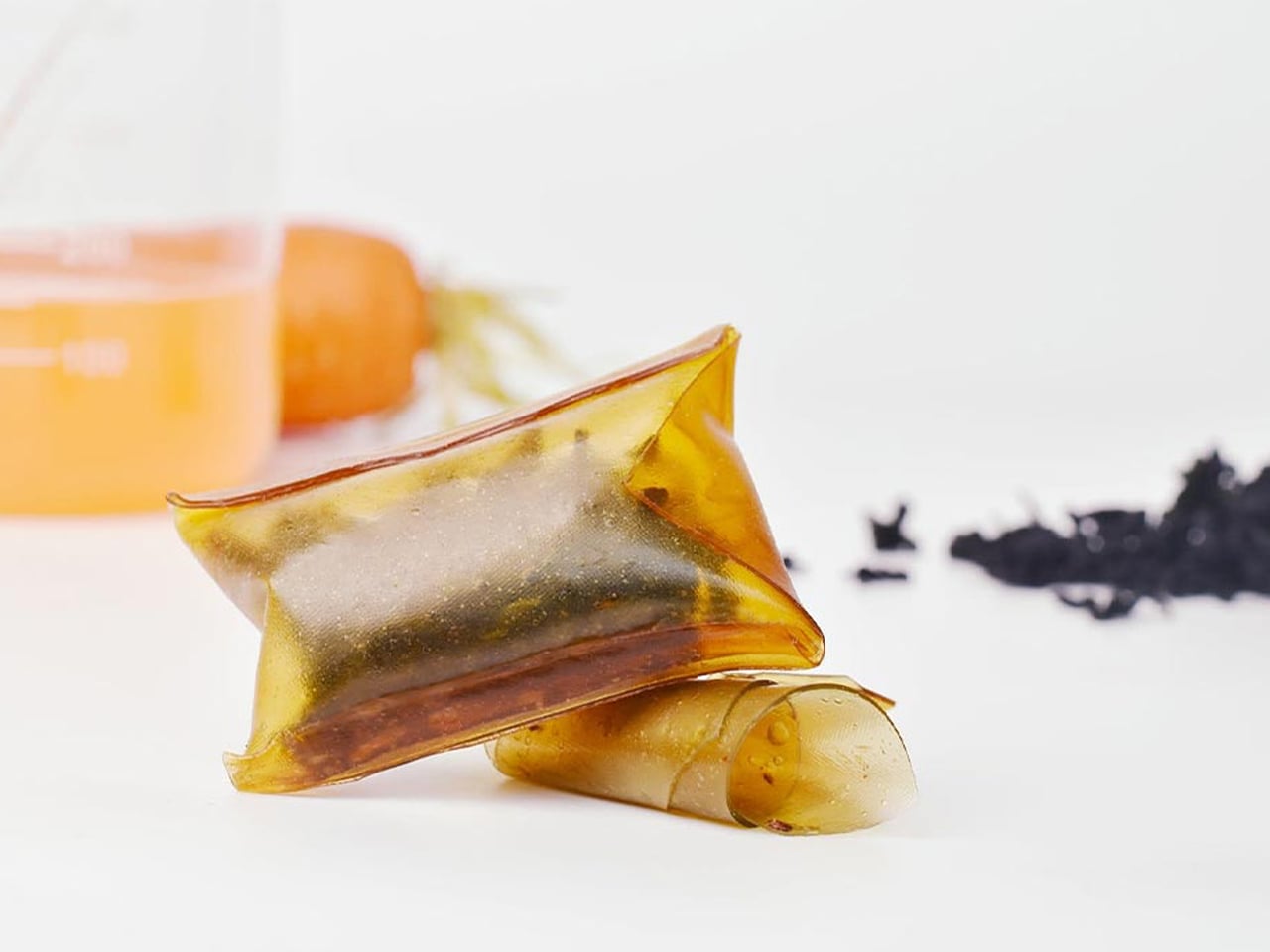
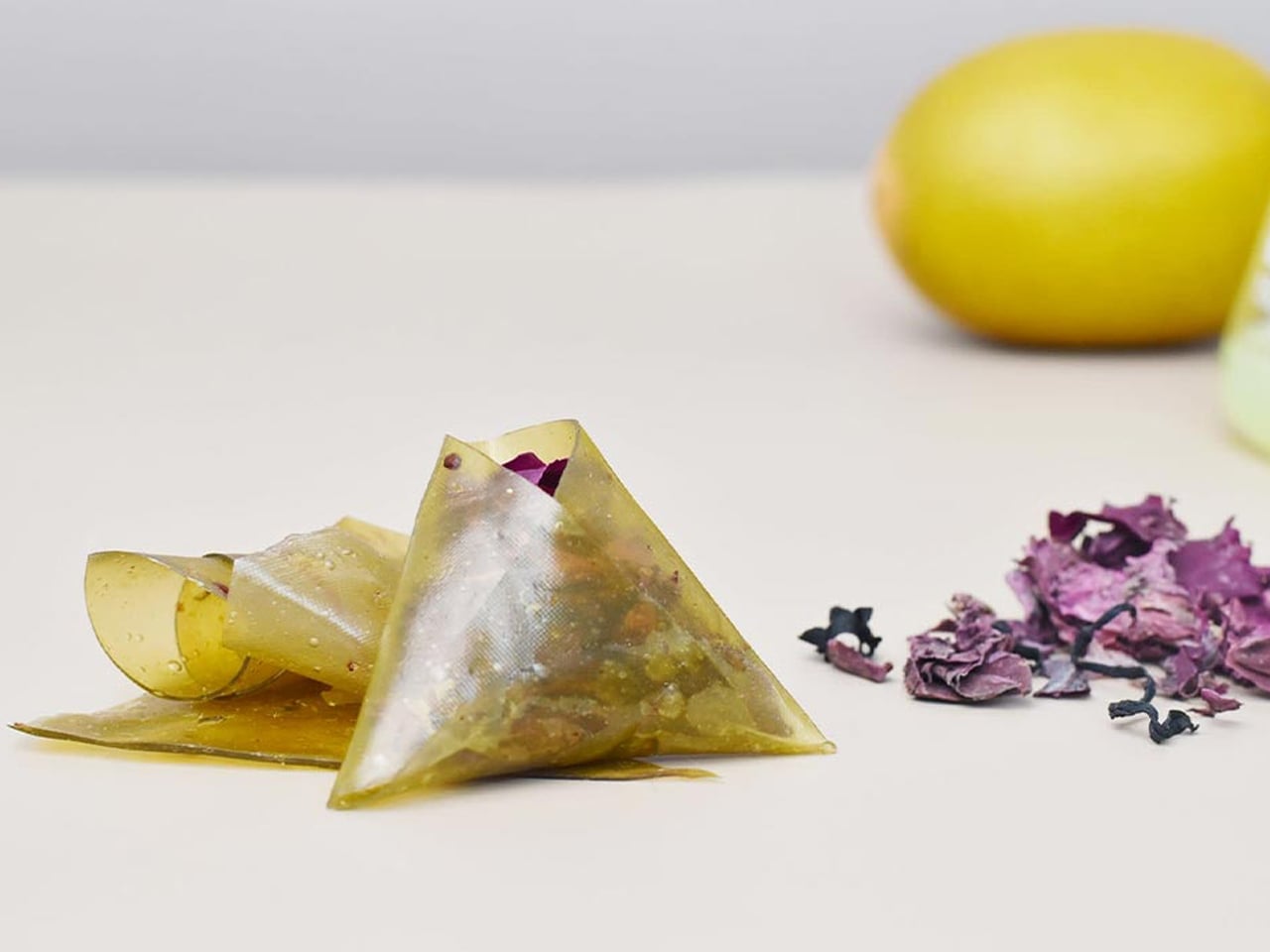
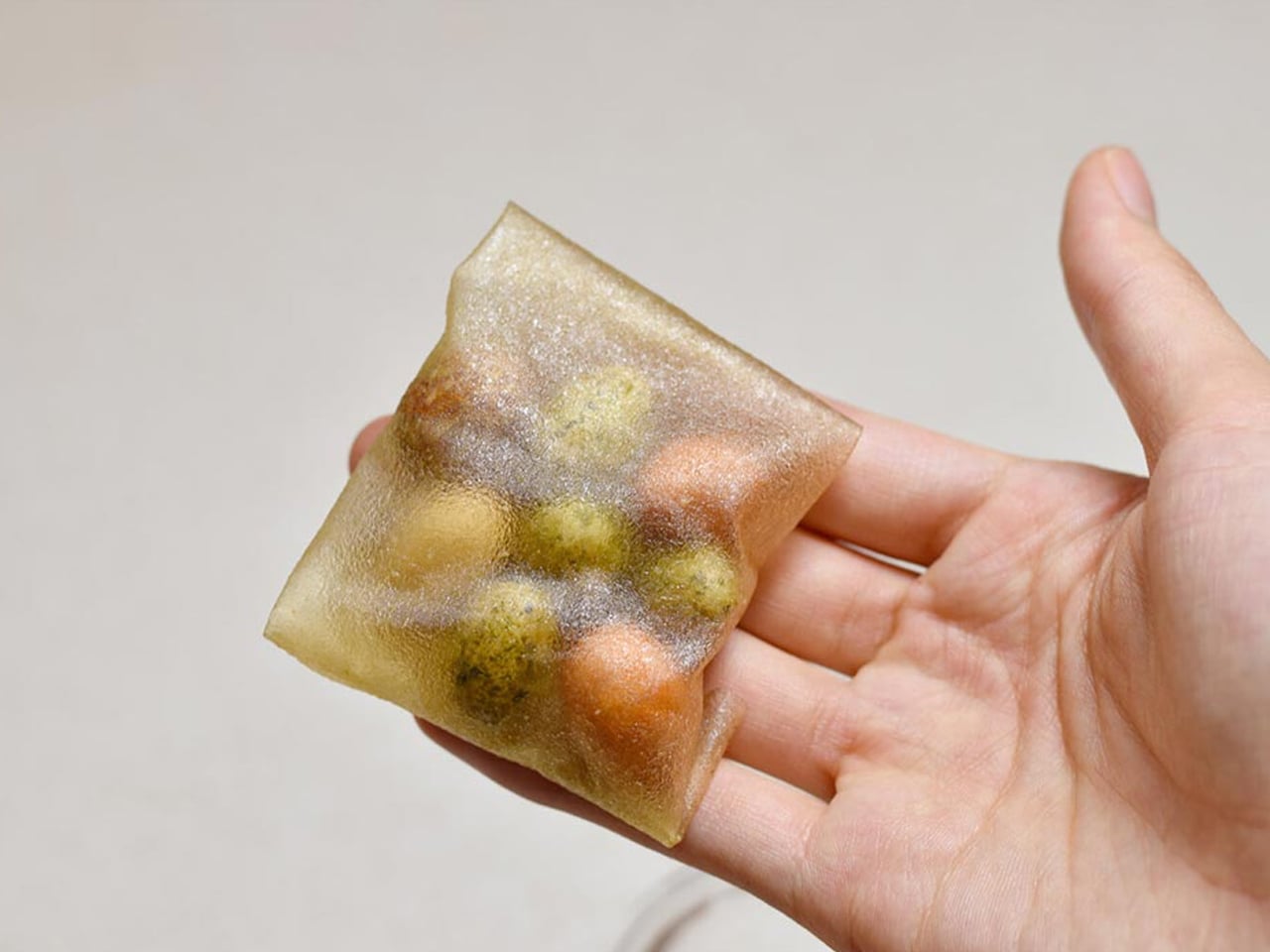
Seaweed packaging is proving to be a practical alternative to single-use plastic, and Seaweed U showcases its potential through edible food packaging. Crafted from seaweed extracts and plant-based ingredients, the wrappers and dissolvable pouches protect snacks while becoming part of the meal itself. Instead of generating waste, the packaging delivers vitamins, minerals, and gut-friendly polysaccharides. The material is dehydrated and tested for durability, temperature resistance, and water resistance, ensuring it performs as a functional, sustainable replacement for conventional plastic packaging.
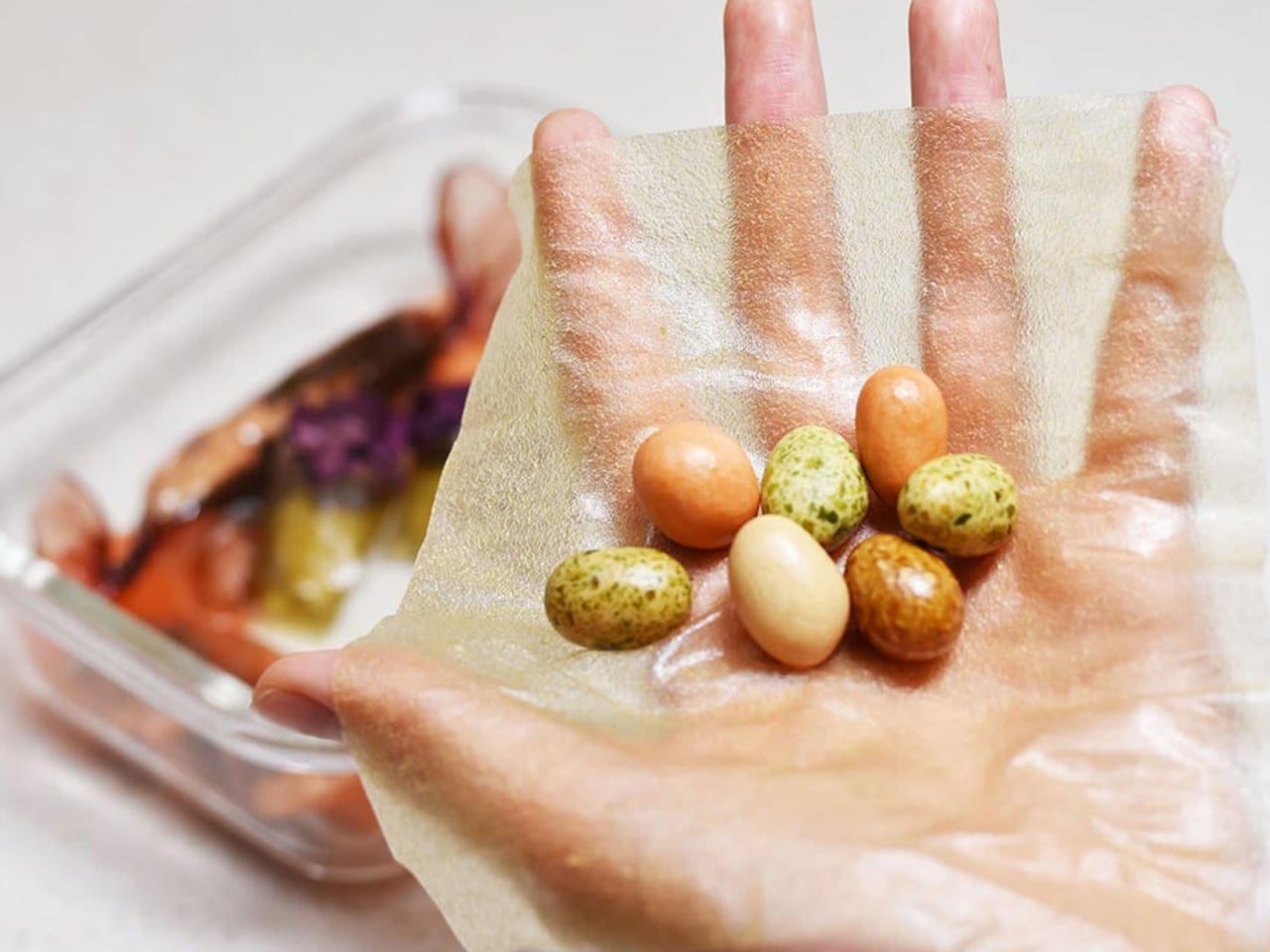
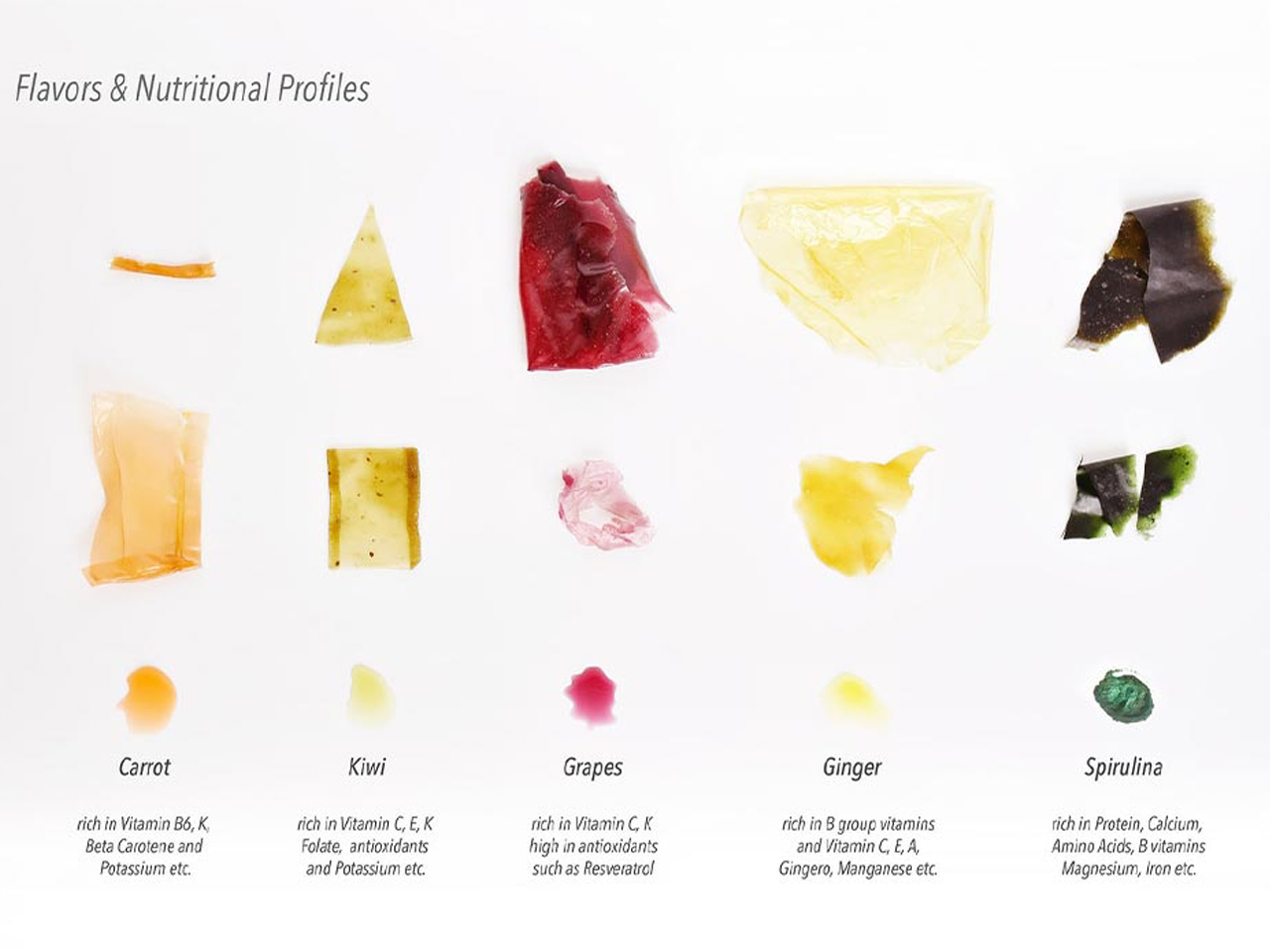
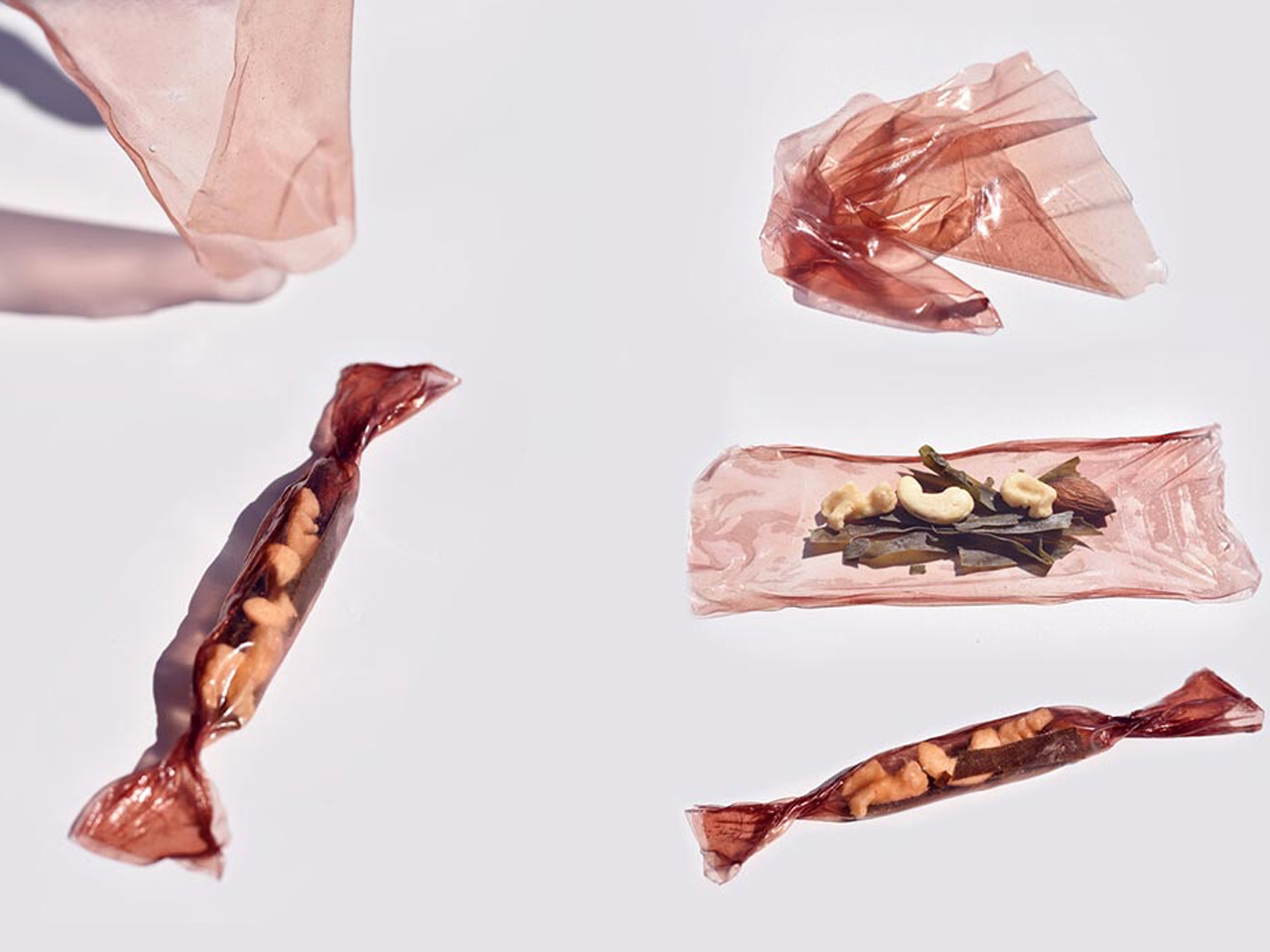
Seaweed U goes beyond replacing plastic by transforming packaging into an interactive food experience. Its range includes fruity edible snack wrappers, dissolvable meal pouches, and versatile sheets that inspire creative cooking. By blending convenience with nutrition, the product makes seaweed more approachable for everyday consumption while eliminating unnecessary waste.
2. Seaweed Packaging Replaces Plastic Without Looking Fragile
Among the most exciting innovations in sustainable packaging are seaweed-based films developed by companies like Notpla and Sway. Made from marine algae, these materials offer a fresh alternative to conventional plastic while maintaining the flexibility needed to wrap food, sachets, and everyday consumer products. They have a soft, silky feel yet remain durable enough to protect their contents.
What makes these sustainable packaging designs stand out is what happens after use. Some dissolve safely in water, while others naturally decompose in compost within a matter of weeks, leaving behind no long-lasting plastic waste. Their translucent finish and subtle organic texture reflect the material’s natural origins, resulting in packaging that feels honest, thoughtfully designed, and perfectly aligned with the growing demand for environmentally responsible products.

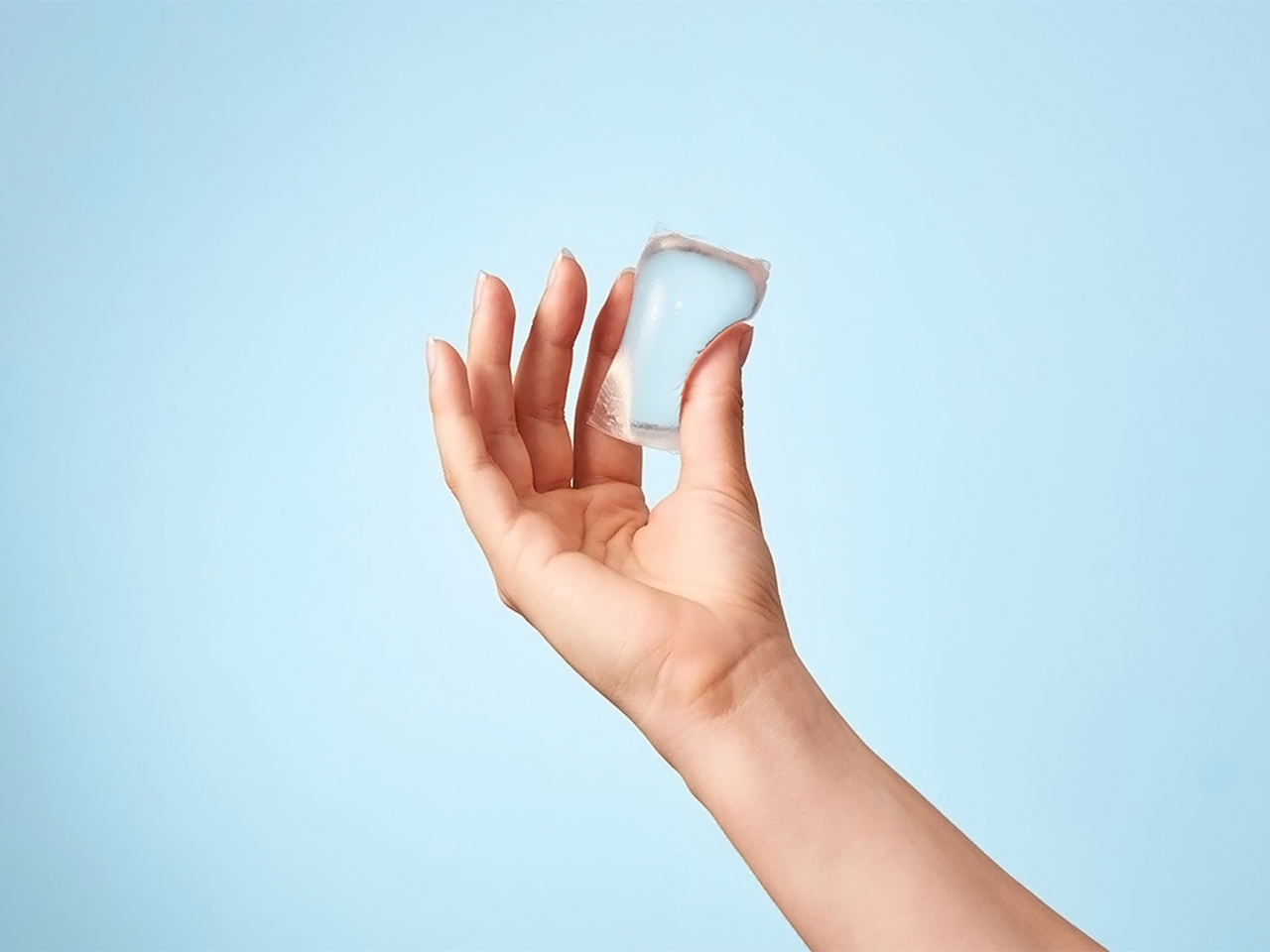
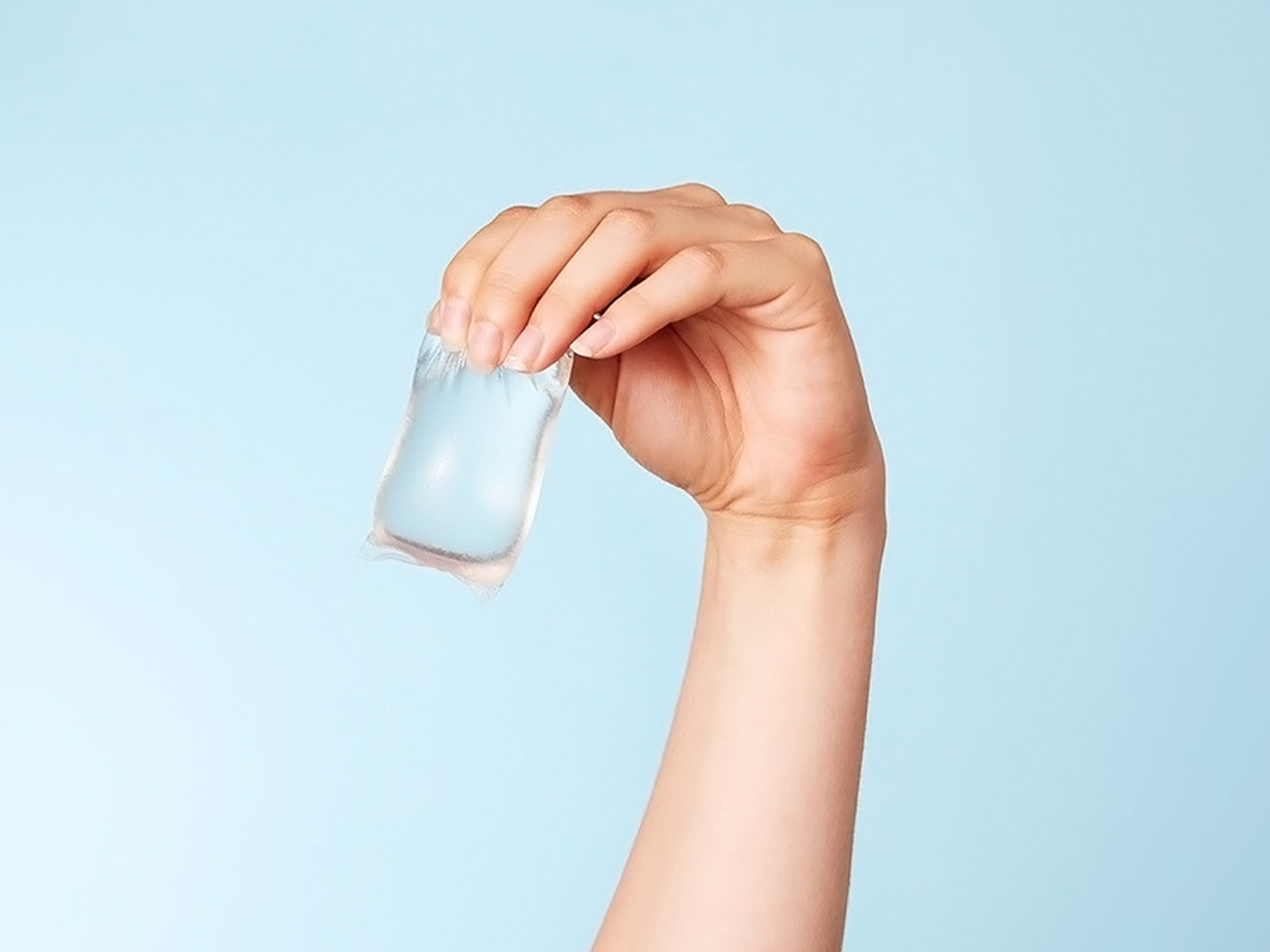
Plastic pollution continues to threaten ecosystems worldwide, making sustainable packaging more important than ever. Notpla offers a compelling alternative by replacing single-use plastic with a biodegradable material made from brown seaweed and plants. Strong enough for food packaging, condiment sachets, cups, thin films, and paper coatings, the material performs like conventional packaging without leaving behind centuries of waste. Since seaweed grows rapidly without freshwater, fertilizer, or agricultural land, it is a renewable resource that supports a more sustainable production cycle while reducing dependence on fossil-fuel-based plastics.
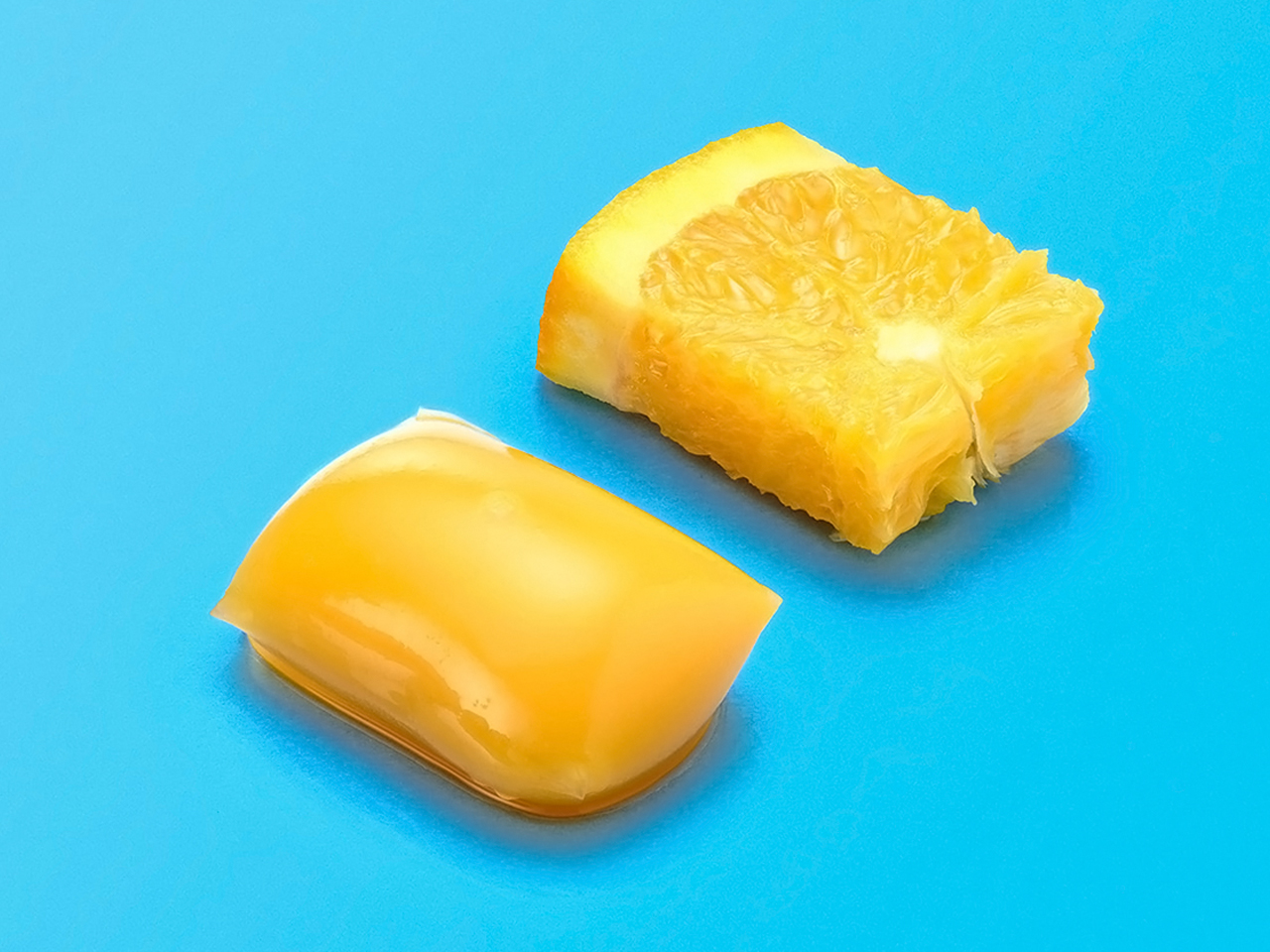
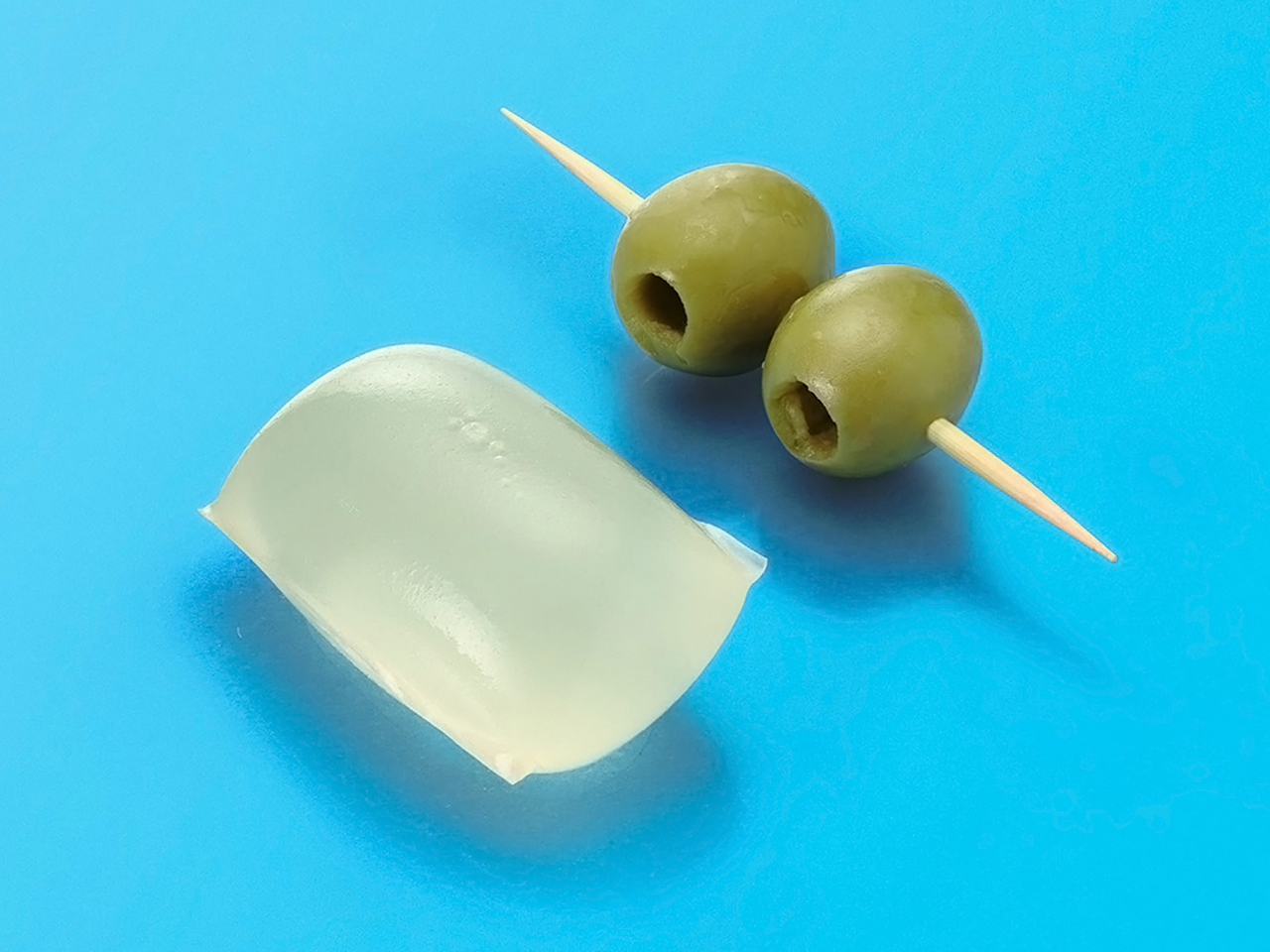
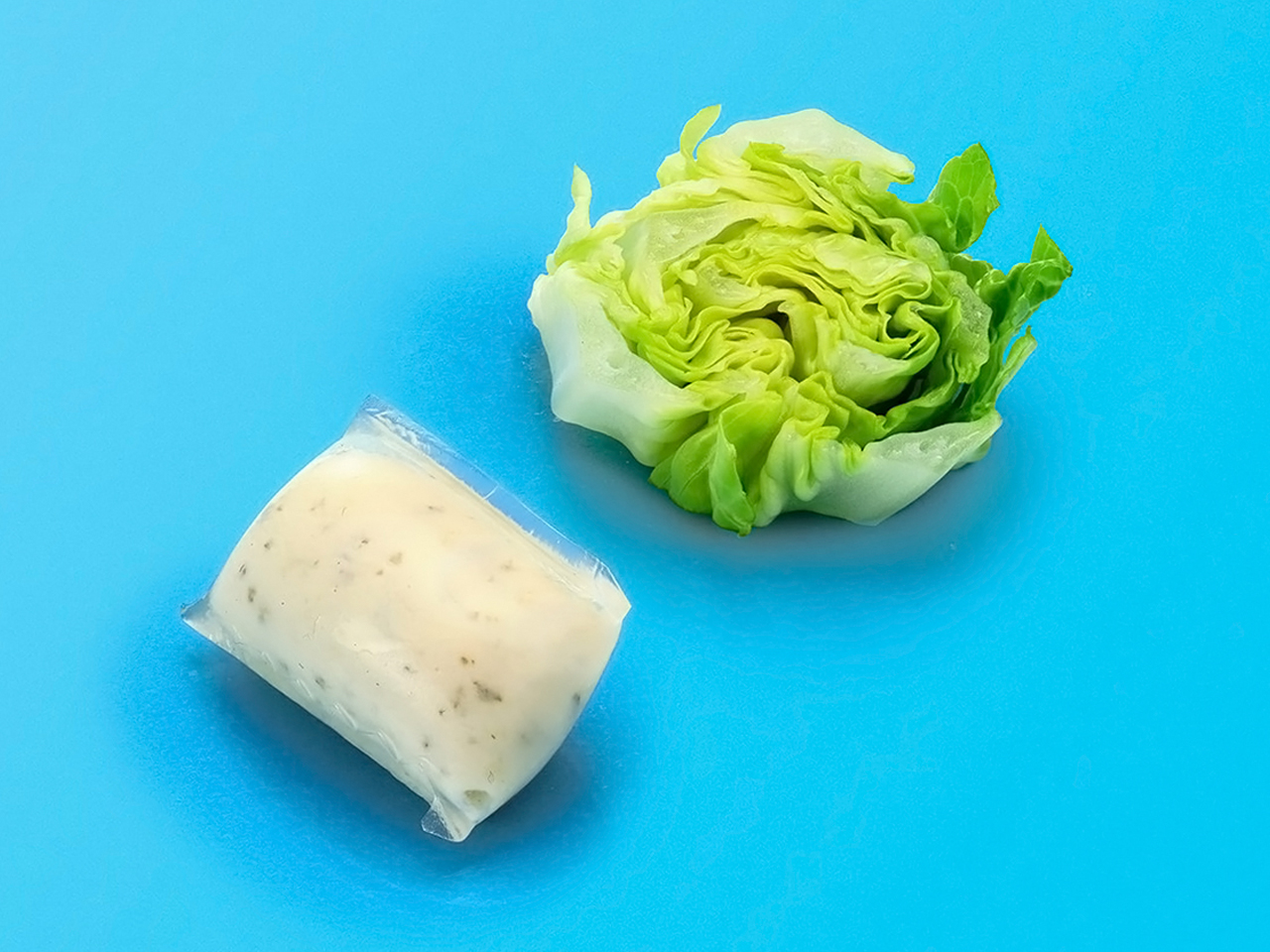
What sets Notpla apart is its end of life. Instead of lingering in landfills or breaking into harmful microplastics, the material naturally decomposes within four to six weeks and can be composted at home. It has already been used at major sporting events and by food delivery and consumer brands looking to reduce their environmental footprint.
3. Molded Pulp Has Become Precision Packaging
Molded pulp has quietly evolved from humble egg cartons into one of the most sophisticated forms of plastic-free packaging available today. Engineered fiber structures now protect electronics, cosmetics, and premium products with precisely molded forms that eliminate the need for foam inserts. The material has a warm, matte finish with a subtle texture that feels more refined than expanded polystyrene while providing impressive impact absorption during shipping and handling.
Advances in fiber molding have enabled greater precision, allowing molded pulp trays to achieve tight tolerances and elegant structural details. Clean edges, sculpted contours, and carefully engineered forms elevate the material beyond its recycled origins, giving it a premium appearance without compromising sustainability. Instead of simply replacing plastic, molded pulp offers a packaging solution that combines protection, functionality, and understated aesthetics in a single renewable material.
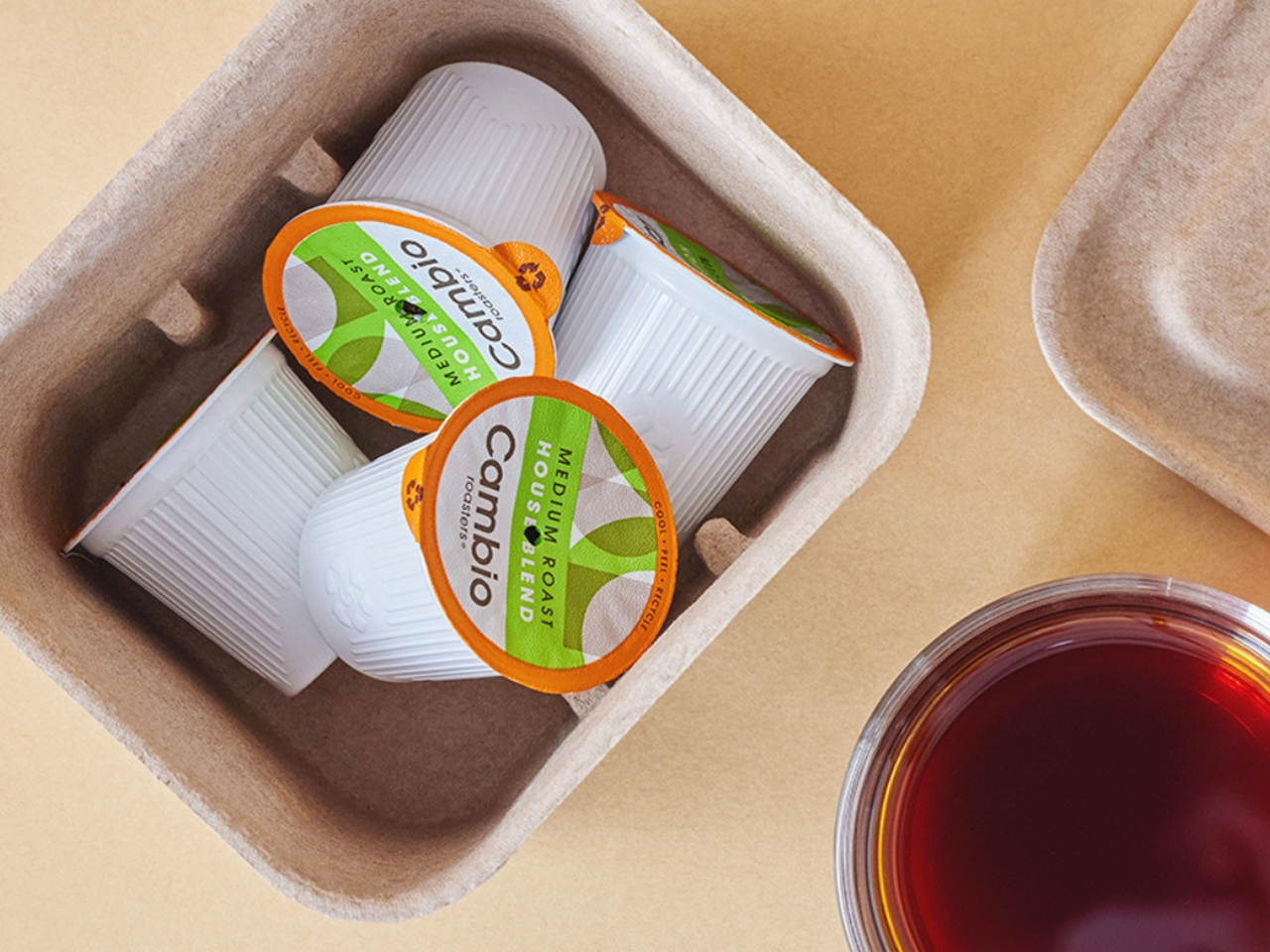
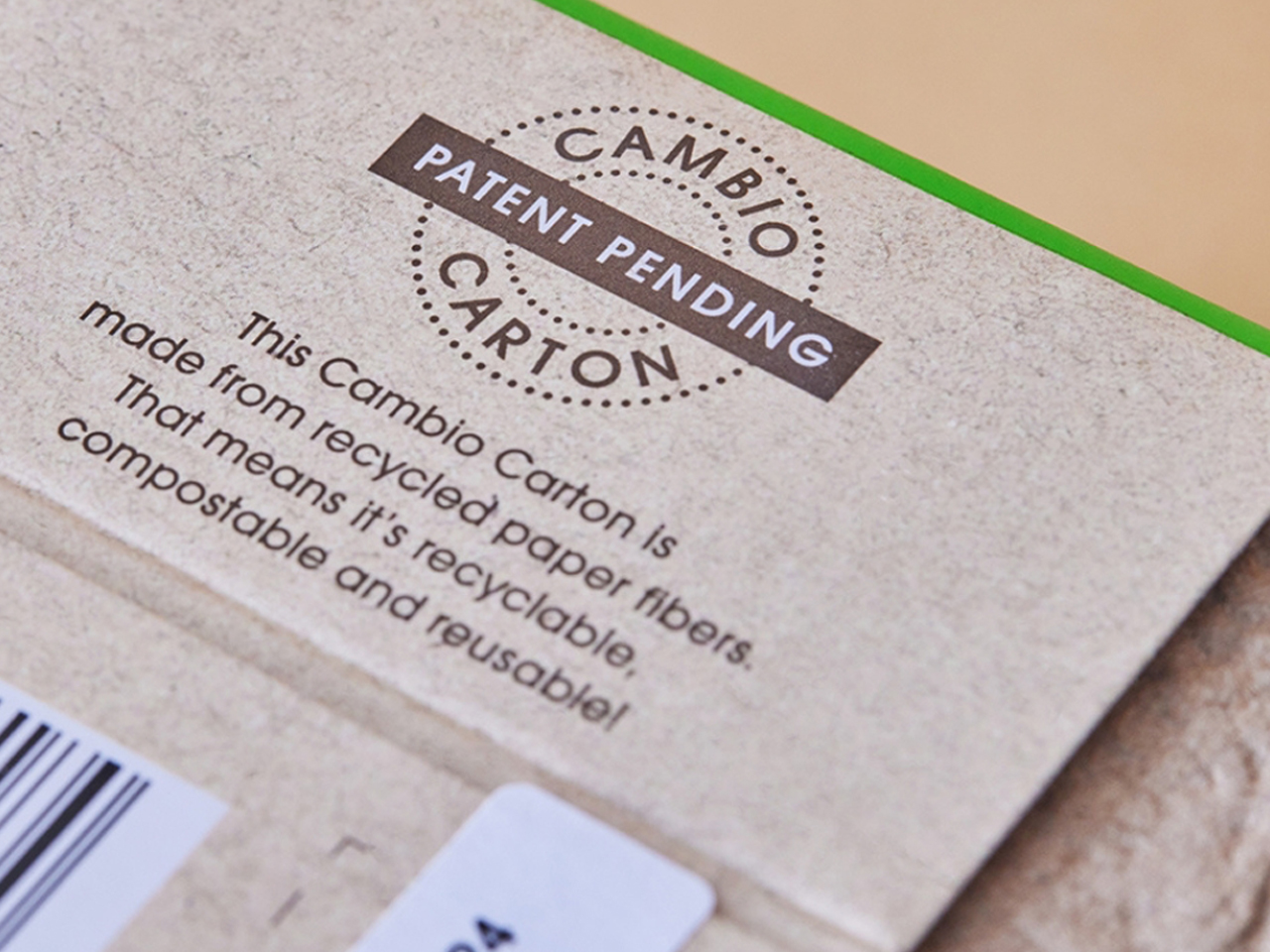
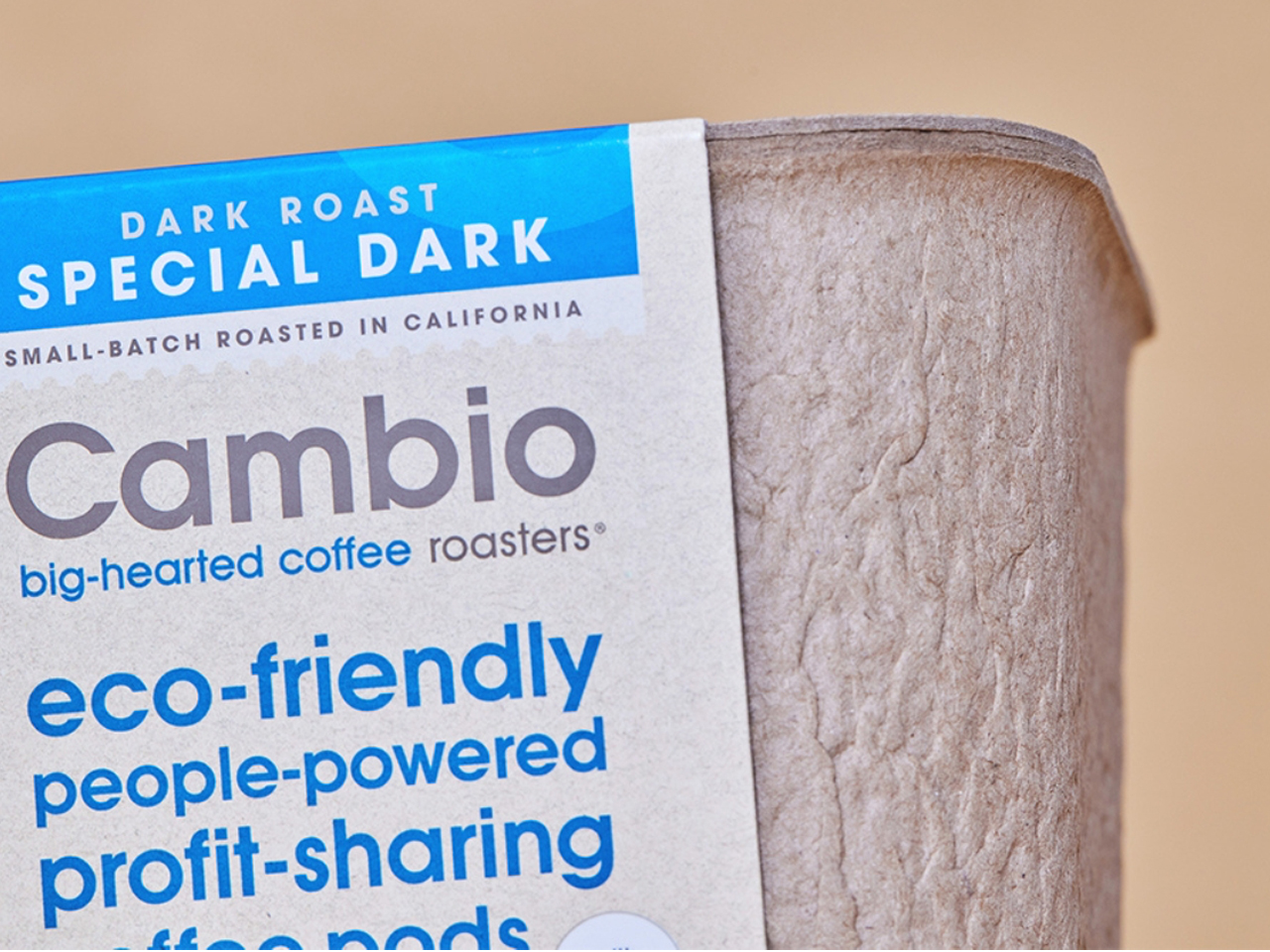
Created for Cambio Roasters, this molded pulp packaging transforms a simple coffee pod container into a practical, waste-reducing product. Made entirely from renewable fiber, the lightweight yet sturdy container features vertical ribs that strengthen its structure while securely holding up to ten coffee pods during transport and storage. A glue-free paper belly band replaces conventional adhesive labels, making every component easier to recycle. The clean, minimal design keeps material use to a minimum while delivering the durability expected from modern food packaging.
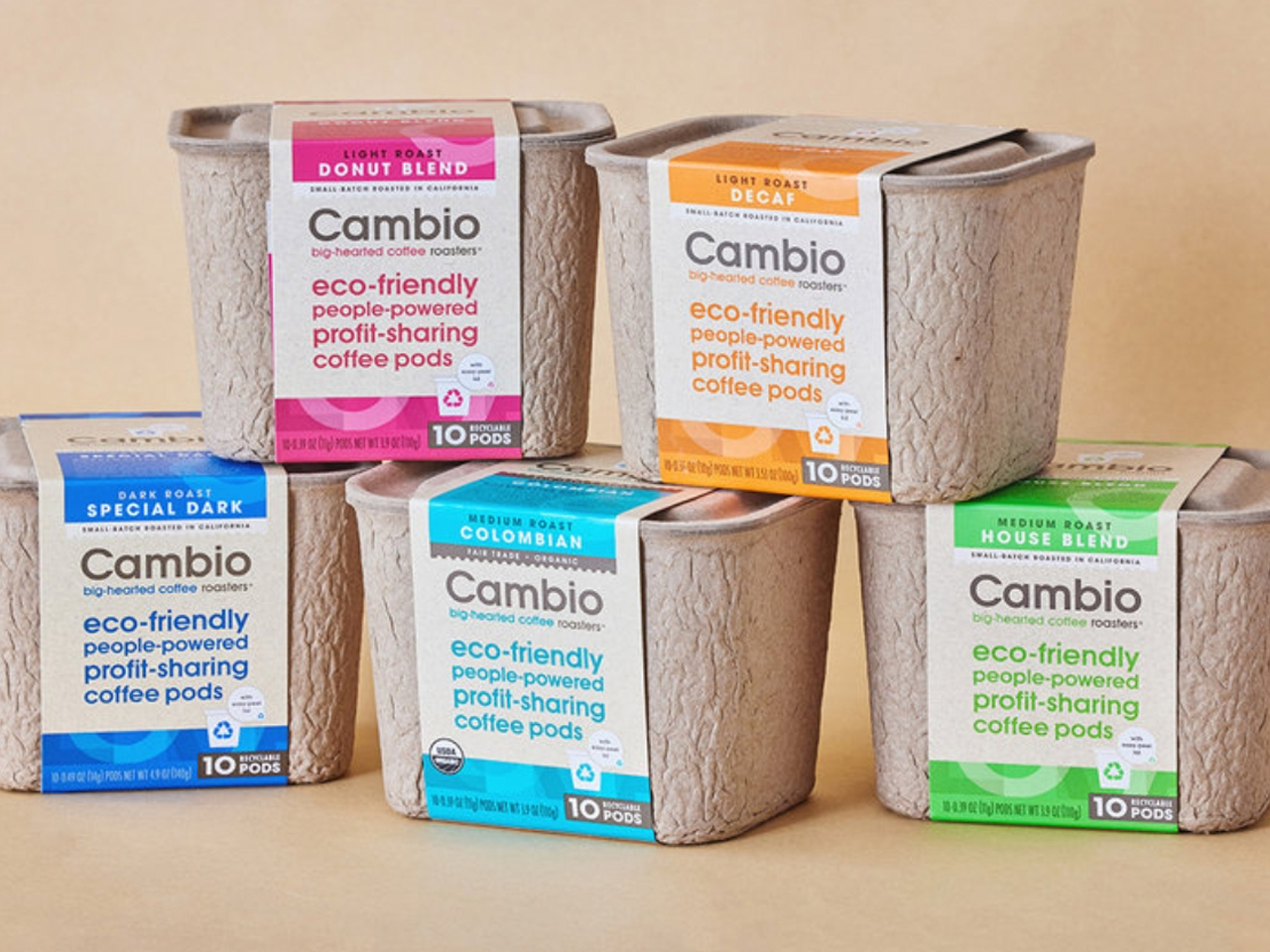
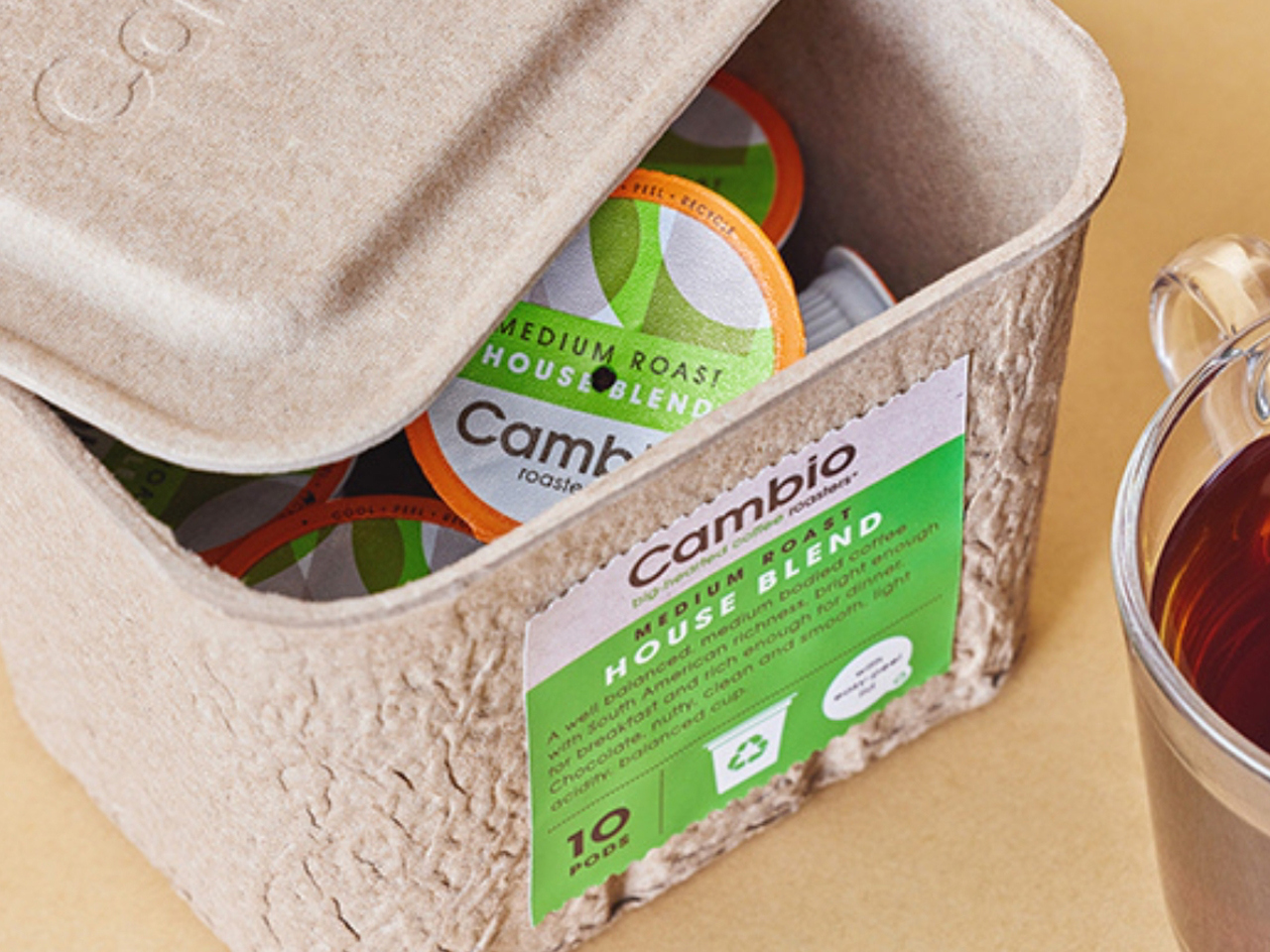
The sustainable packaging design continues to serve a purpose even after the coffee pods have been used. It functions as a convenient storage bin for collecting spent pods before recycling and can also be reused as a small compost container for coffee grounds and other kitchen scraps. By combining renewable molded pulp with thoughtful multi-use functionality, the product reduces unnecessary waste and encourages more sustainable everyday habits without sacrificing convenience or practicality.
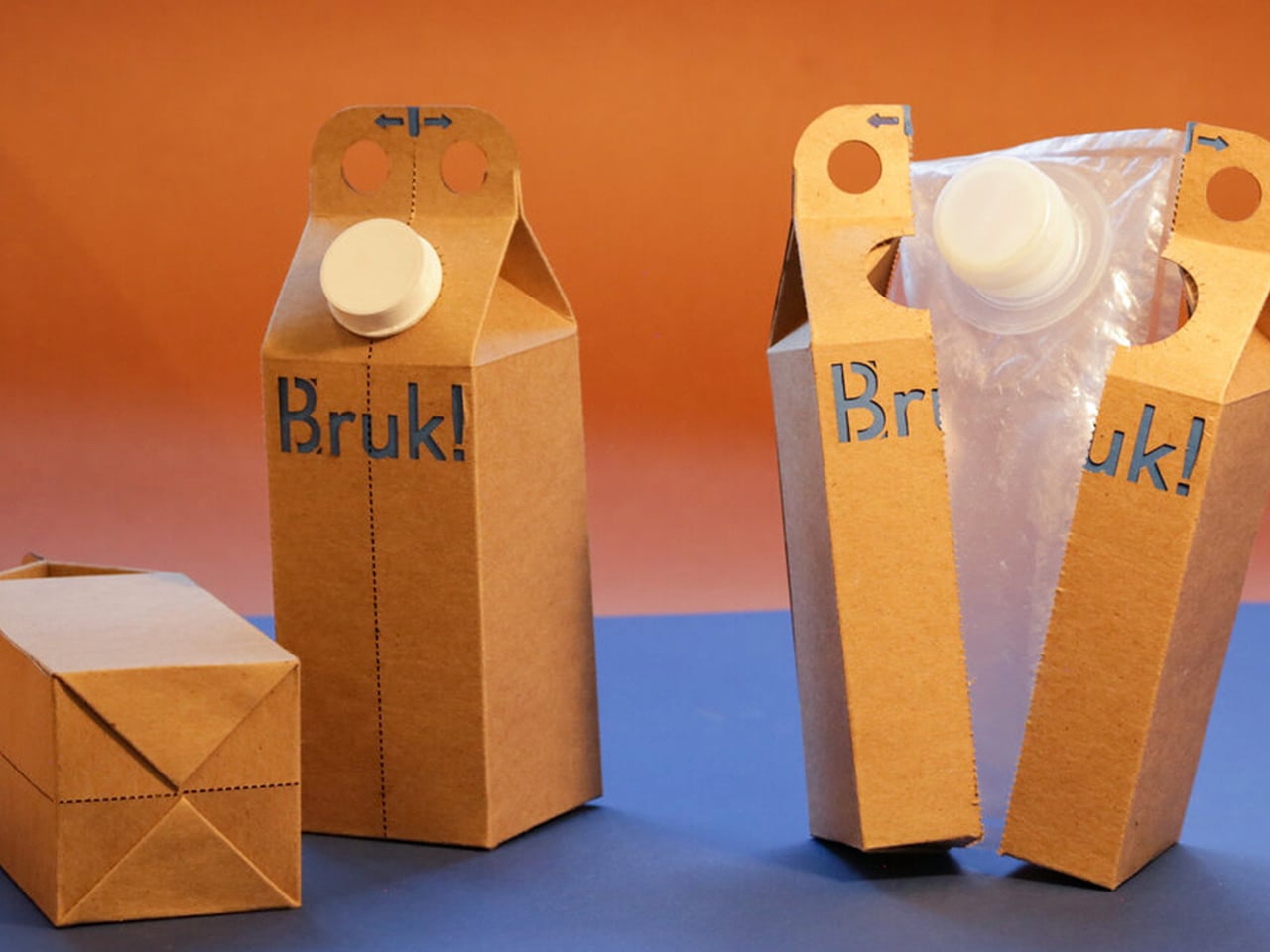
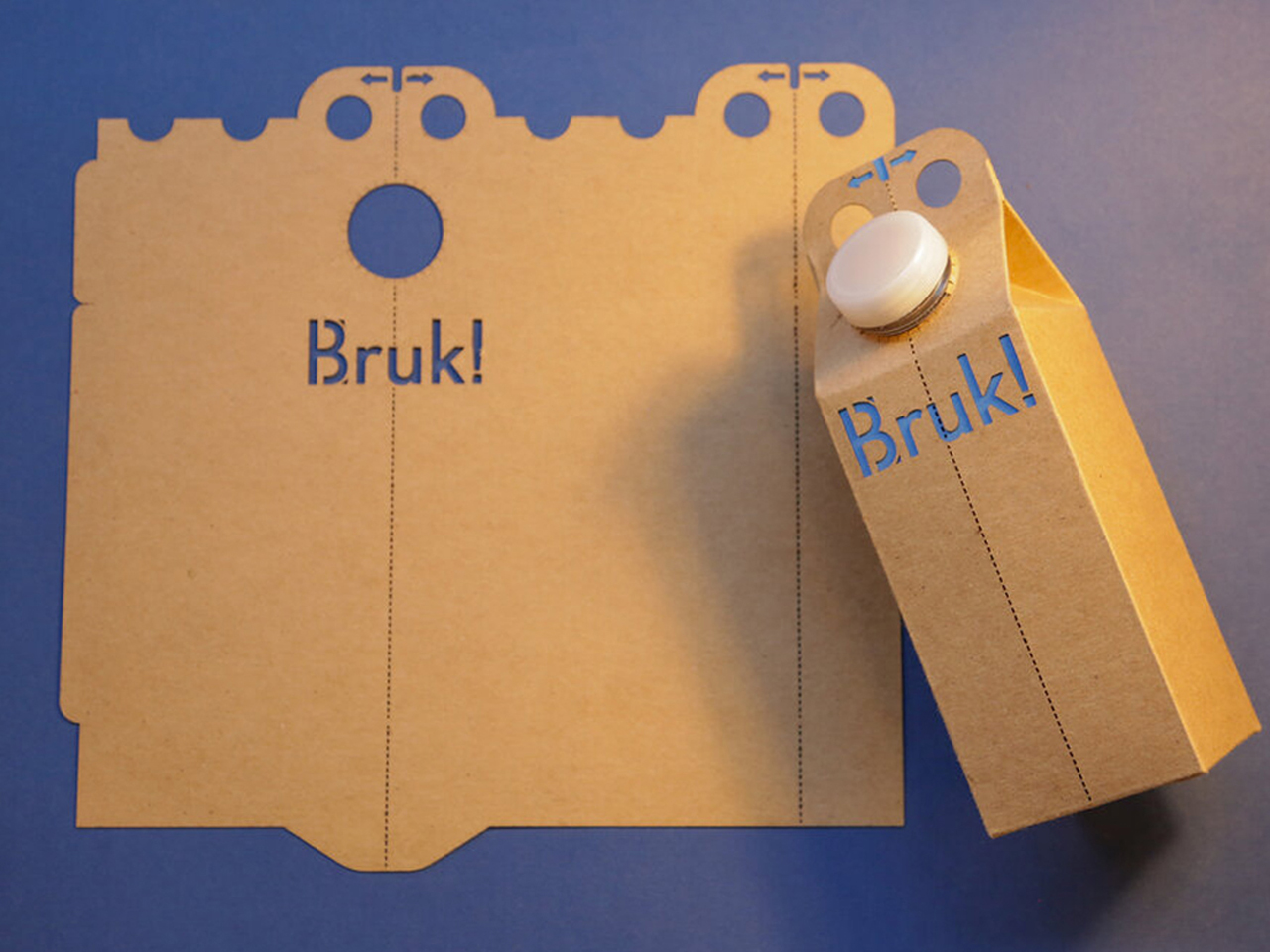
Conventional paper beverage cartons may appear eco-friendly, but their layered construction makes recycling far more complicated than most consumers realize. Typically, they combine paper with a thin plastic lining, requiring specialized facilities to separate the two materials before they can be recycled. Since this infrastructure is limited, recycling rates remain low despite the widespread use of paper cartons.
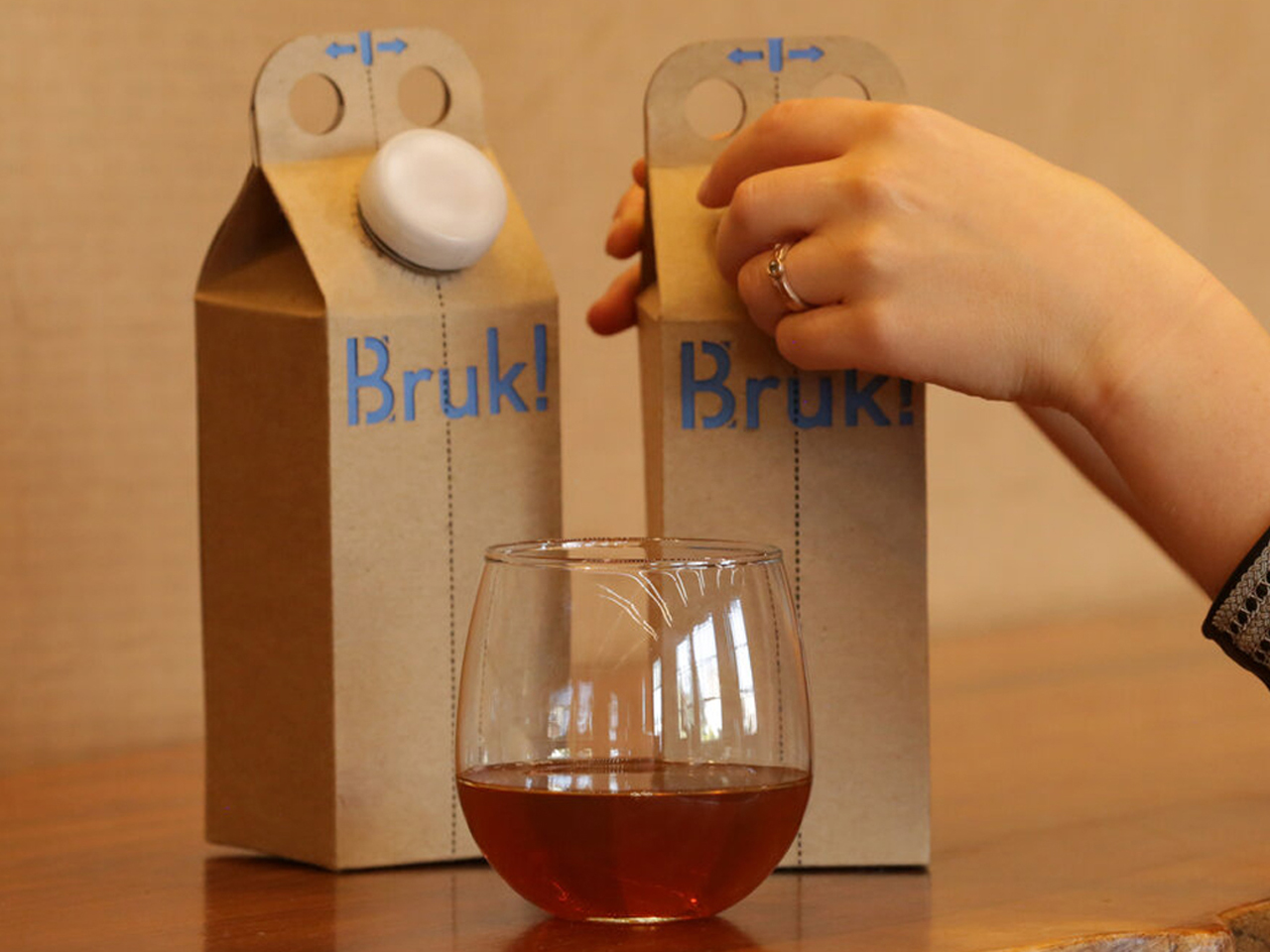
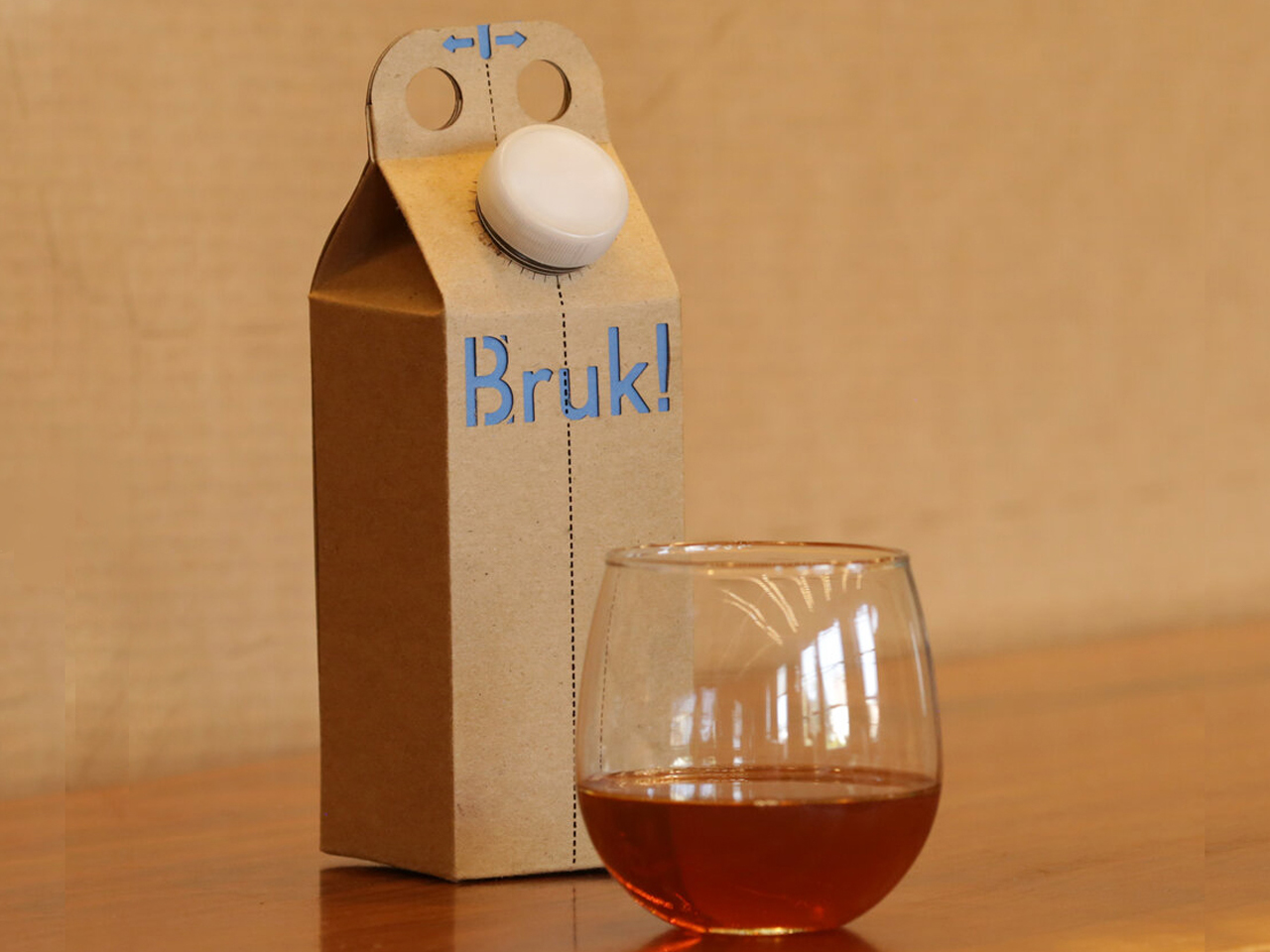
Designed by Pushan Panda, Bruk addresses this challenge with a simple yet intuitive solution. The sustainable packaging concept allows users to split the carton open from the top, much like peeling a banana, easily separating the paper shell from the HDPE liner. By enabling materials to be recycled independently using conventional equipment, Bruk simplifies the recycling process while using less plastic than traditional plastic bottles and eliminating the need for complex separation systems.
4. Mono-Material Paper Laminates Make Recycling Easier
Traditional flexible packaging often combines plastic, foil, and adhesives into complex structures that are difficult for recycling systems to separate. Mono-material packaging changes that equation by relying almost entirely on engineered paper. Recent paper laminate innovations deliver impressive durability while remaining compatible with kerbside recycling infrastructure, making them a more sustainable alternative to conventional flexible packaging.
Under compression, these paper-based packs feel firmer than standard paper while retaining the flexibility needed for folding and sealing without cracking. The absence of hidden plastic layers creates an authentic material expression, allowing the natural texture, fibers, and color of the paper to become part of the design language.
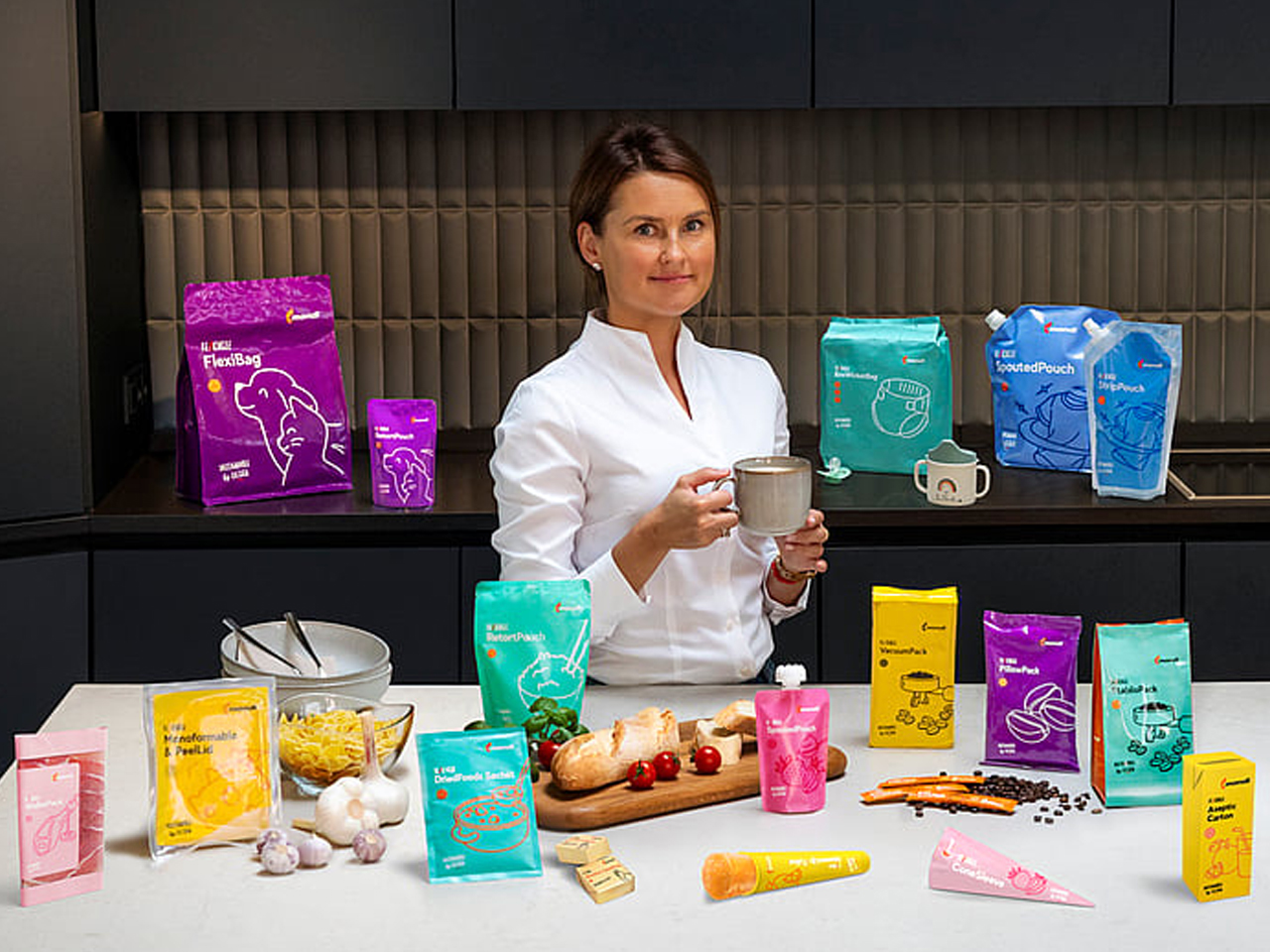
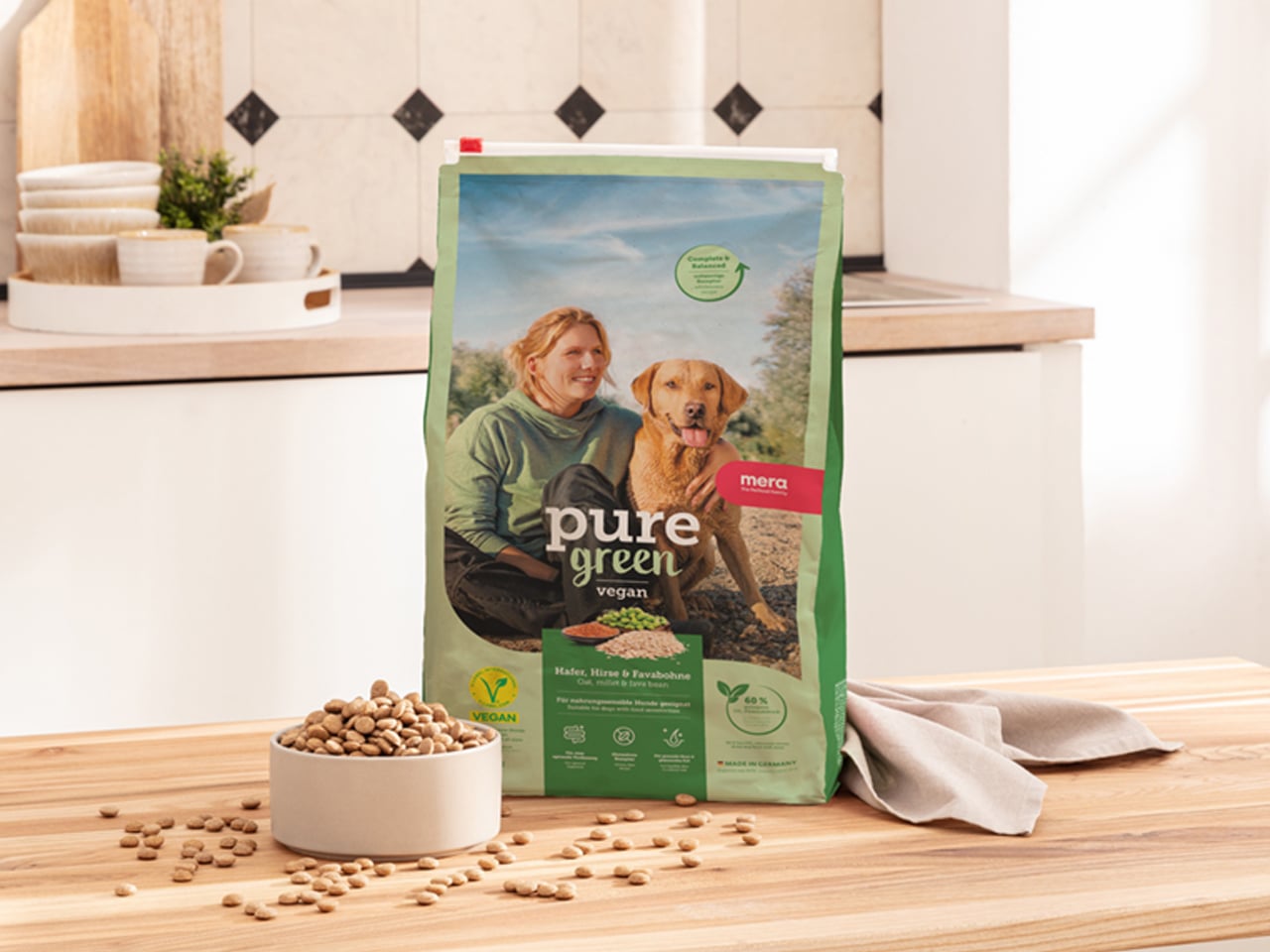
FlexiBag Reinforced is Mondi’s latest recyclable pre-made packaging solution made from mono-polyethylene (mono-PE), designed to deliver enhanced strength and performance. The bag features improved puncture resistance, increased stiffness, and superior sealability, making it suitable for demanding packaging applications. Its customizable barrier properties provide medium to high protection against moisture, oxygen, and grease, helping maintain product freshness while remaining recyclable where PE film collection and recycling systems are available.

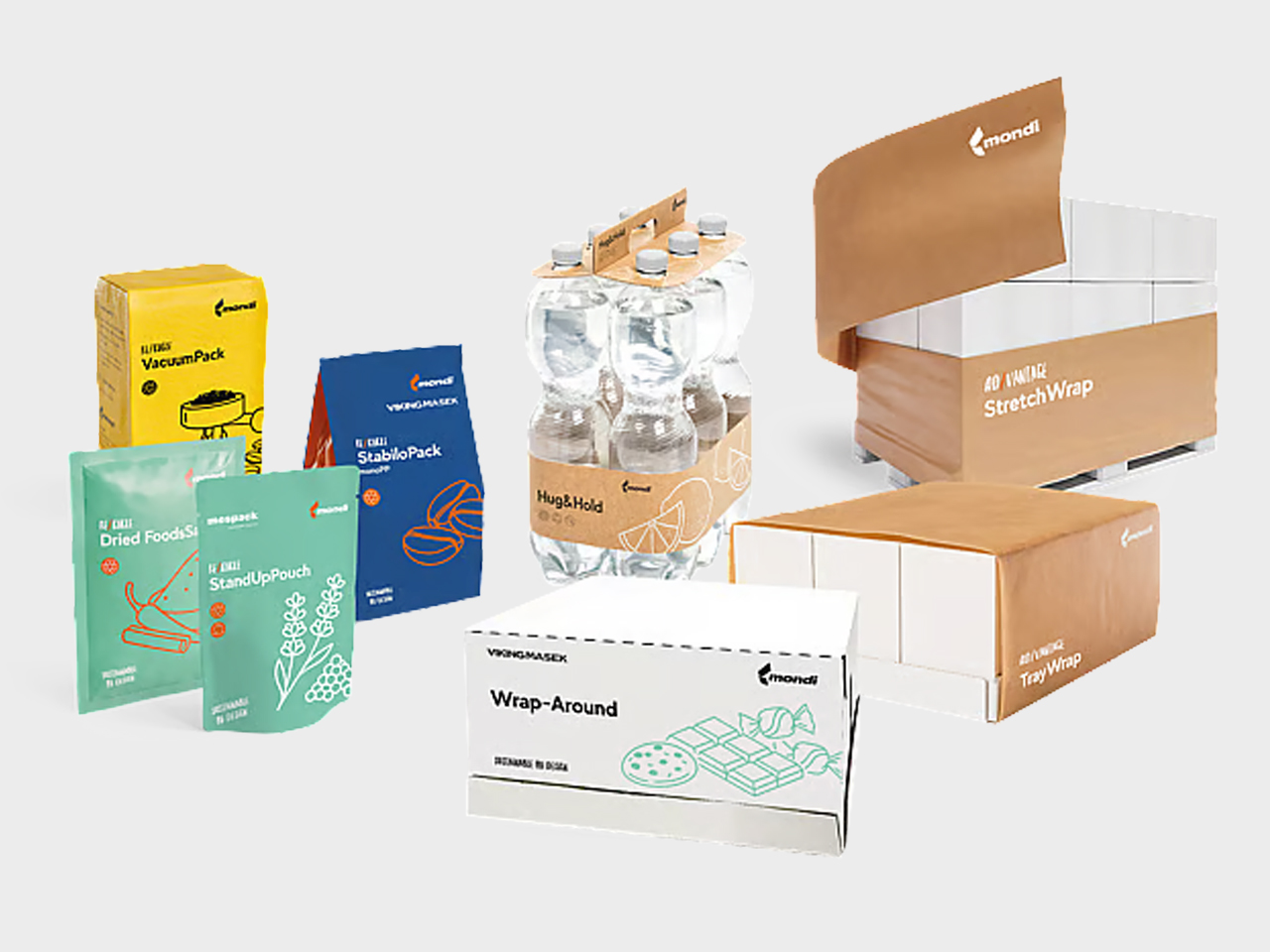
FlexiBag Reinforced can be tailored to specific customer requirements and incorporates customizable levels of post-consumer recycled (PCR) content through a mass-balance approach. By combining recyclable mono-material construction with high mechanical performance and flexible barrier protection, the packaging offers a sustainable alternative to conventional multi-material plastic bags
5. Mycelium and Paper Foam Add Texture to Sustainable Design
Some of the most compelling biodegradable packaging innovations of 2026 are grown or molded from natural materials rather than manufactured from fossil fuels. Mycelium, cultivated from fungal roots, forms lightweight protective shells that naturally replace expanded foam, while PaperFoam, made from renewable starch and natural fibers, offers a lightweight, molded alternative for protective trays, food packaging, and delicate consumer products. Both materials bring distinctive tactile qualities that set them apart from conventional plastics. Mycelium has a soft, velvety surface with naturally irregular textures, while PaperFoam feels smooth, airy, and gently resilient despite its strength.
Neither material nor paper products tries to imitate plastic perfectly. Instead, both celebrate their organic appearance and texture, transforming packaging into a sensory experience. By engaging consumers through touch as much as visual design, these materials reinforce sustainability in a way that feels authentic rather than relying solely on environmental messaging.
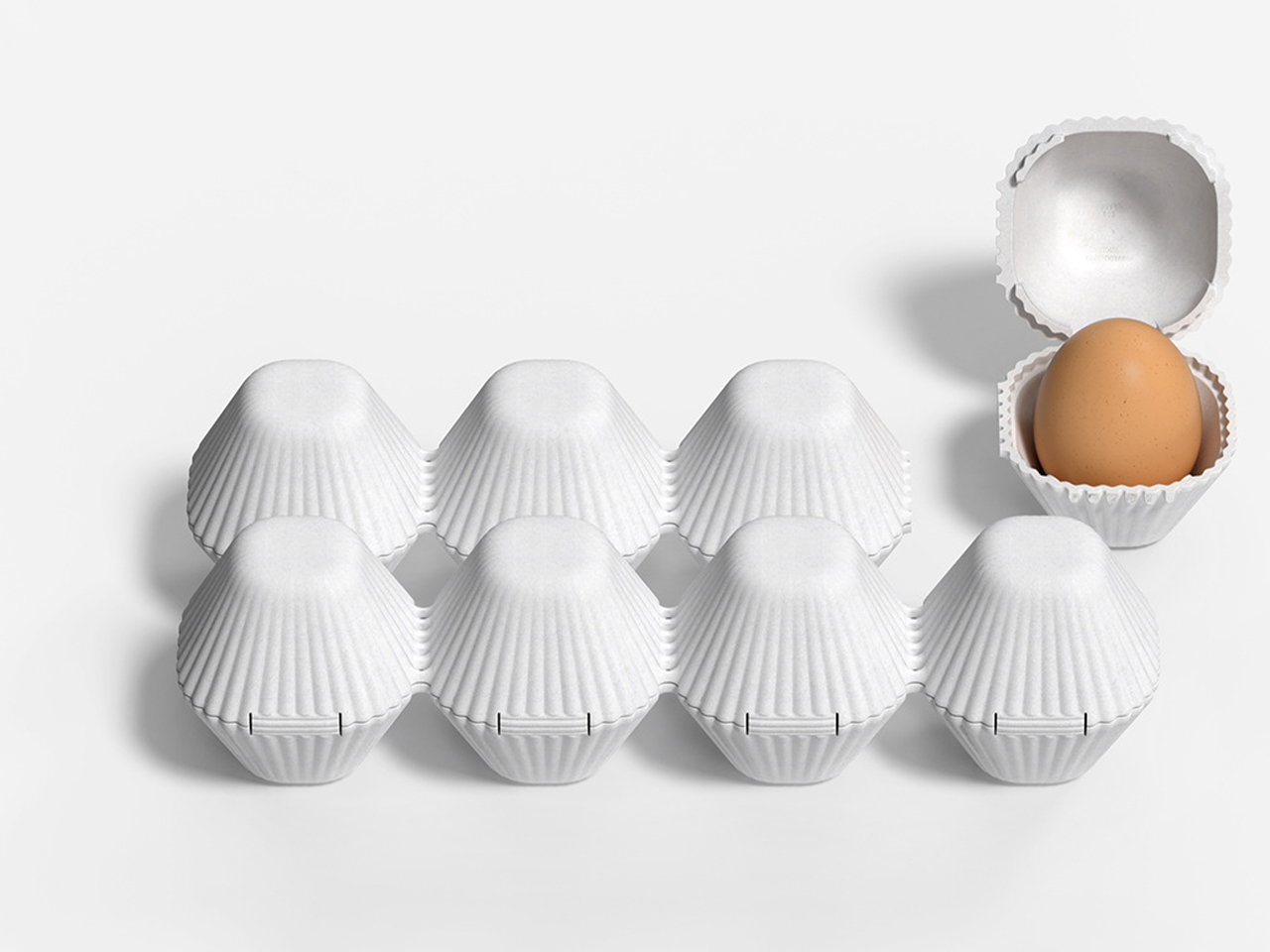
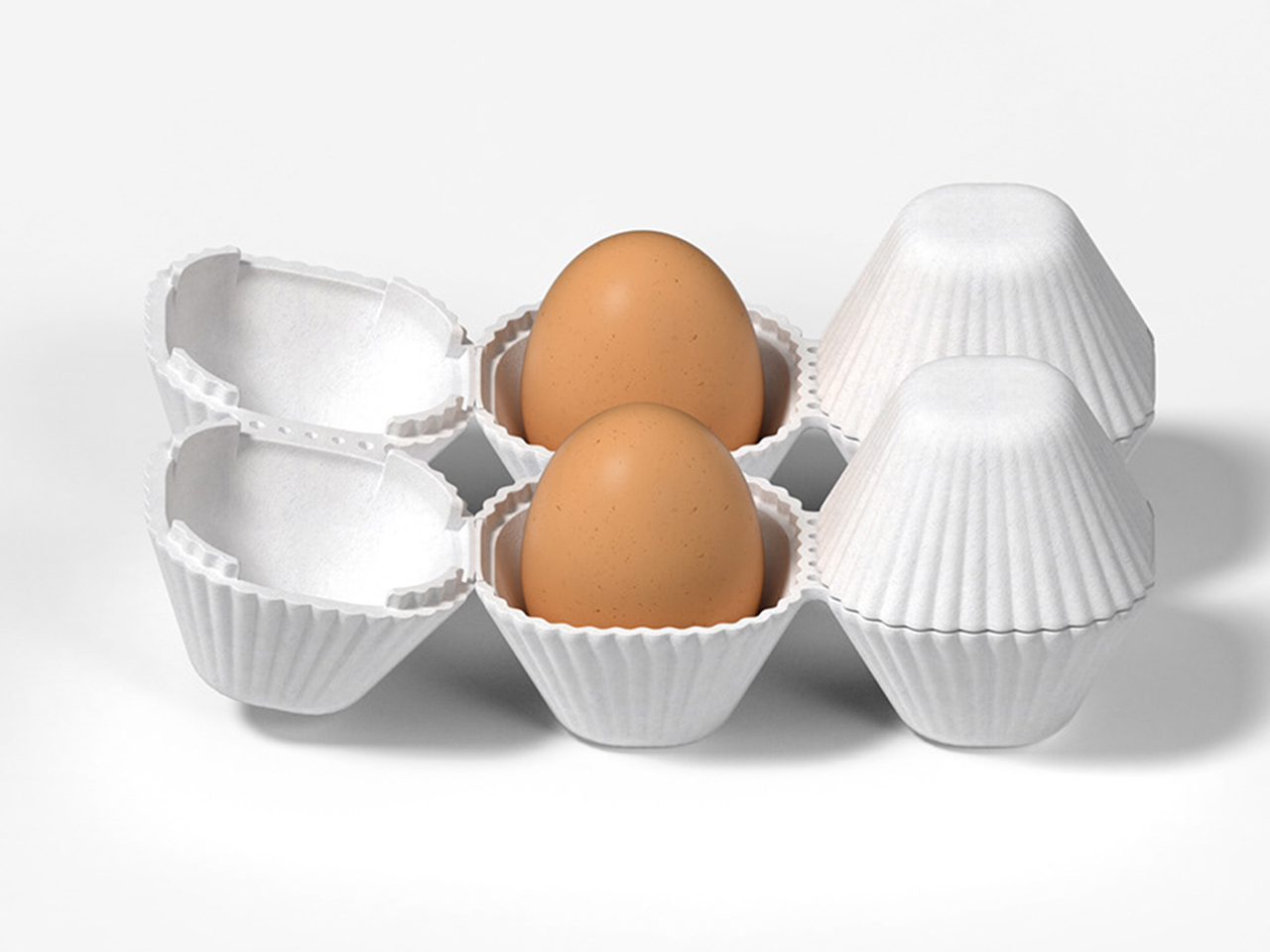
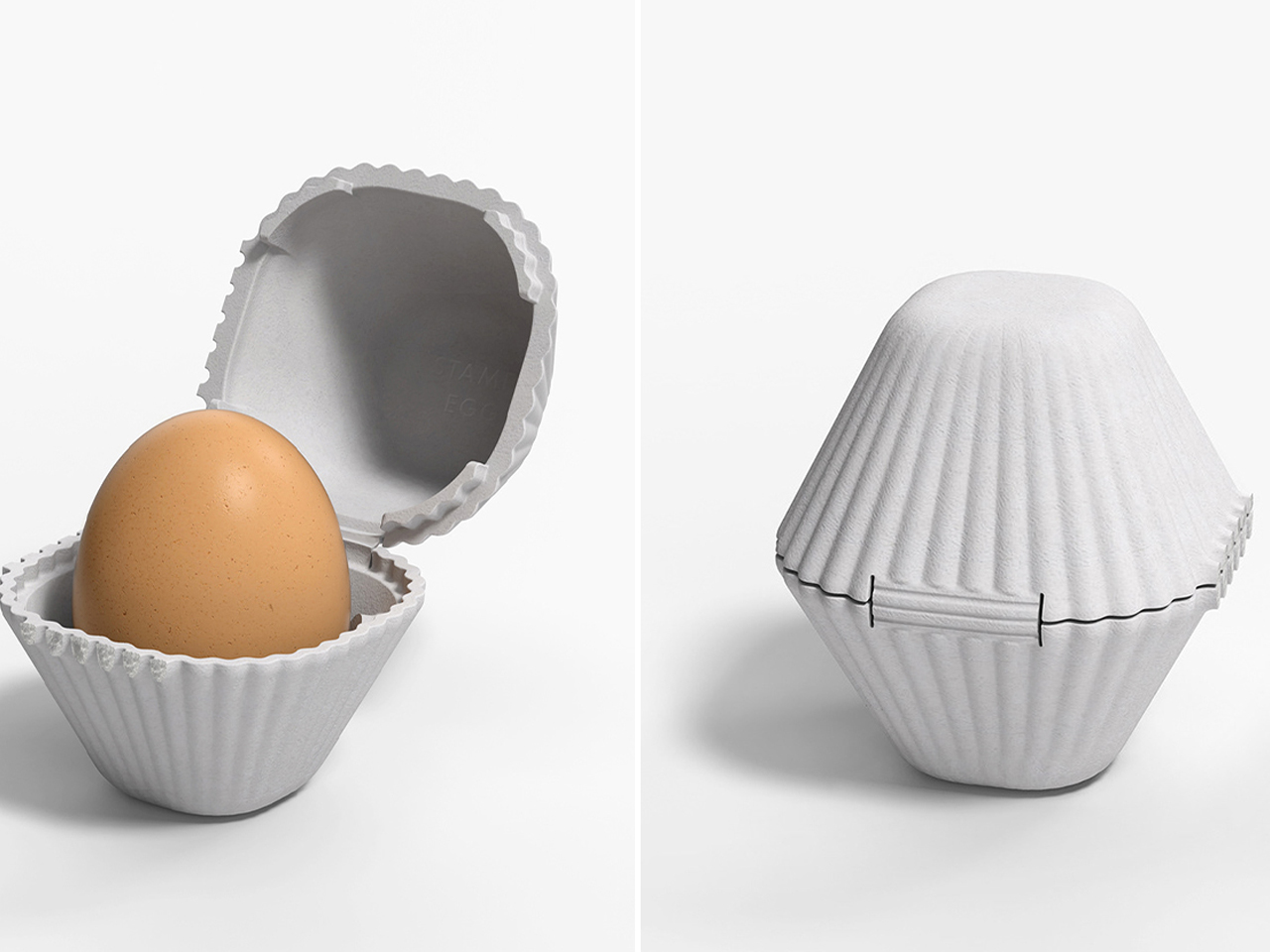
Stamp Egg is a thoughtfully designed egg packaging concept that reimagines the traditional carton using PaperFoam, a bio-based material made from starch, cellulose fibers, and water. Lightweight, highly recyclable, and home-compostable, the packaging offers a low-carbon alternative to plastic and pulp trays without compromising protection. Inspired by the perforated layout of postage stamps, the detachable design allows each egg compartment to be separated into individual protective pods. The stackable structure makes storage more efficient, simplifies transport, and enables users to carry single eggs for lunches or picnics while keeping them securely protected.
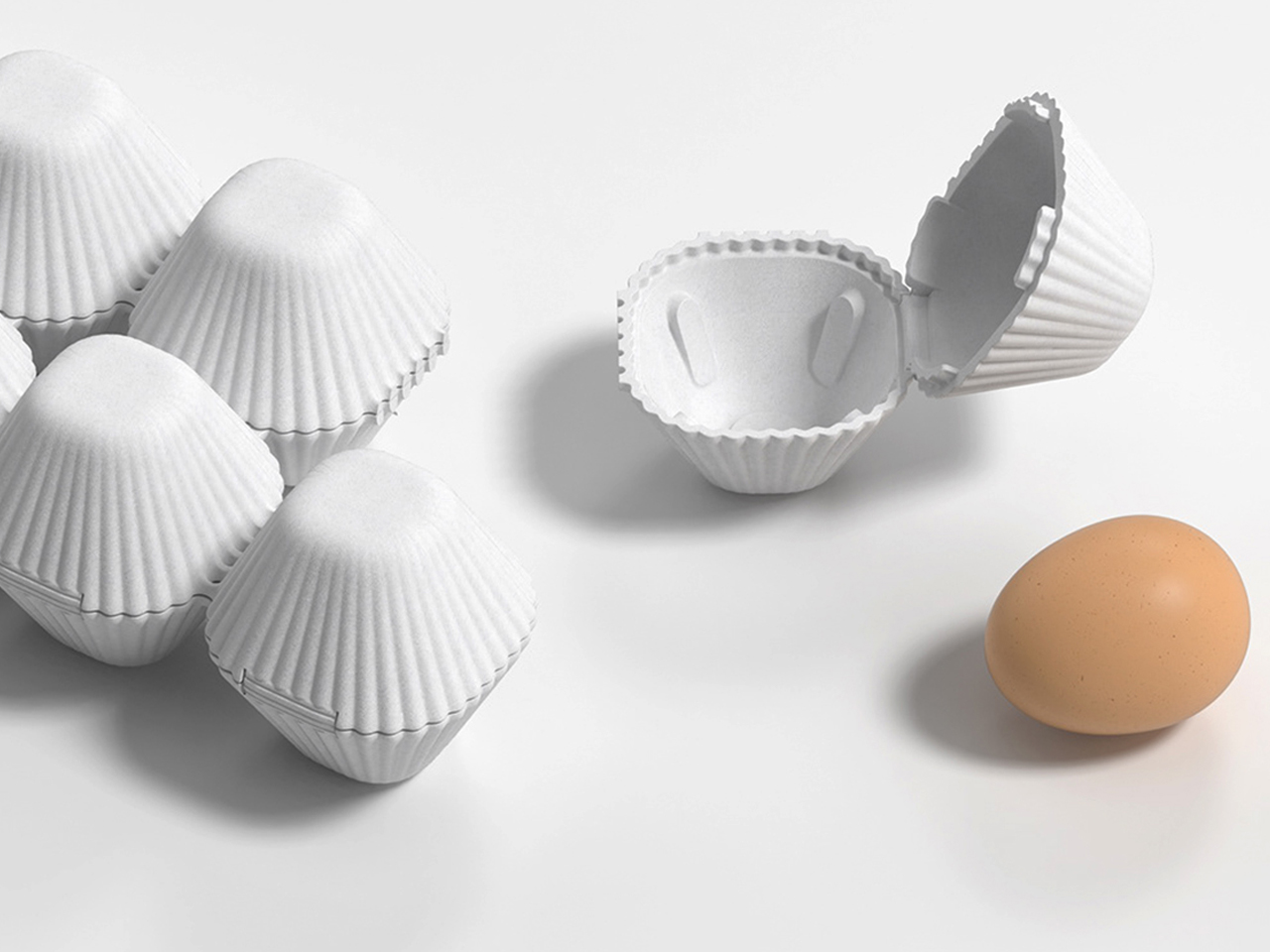
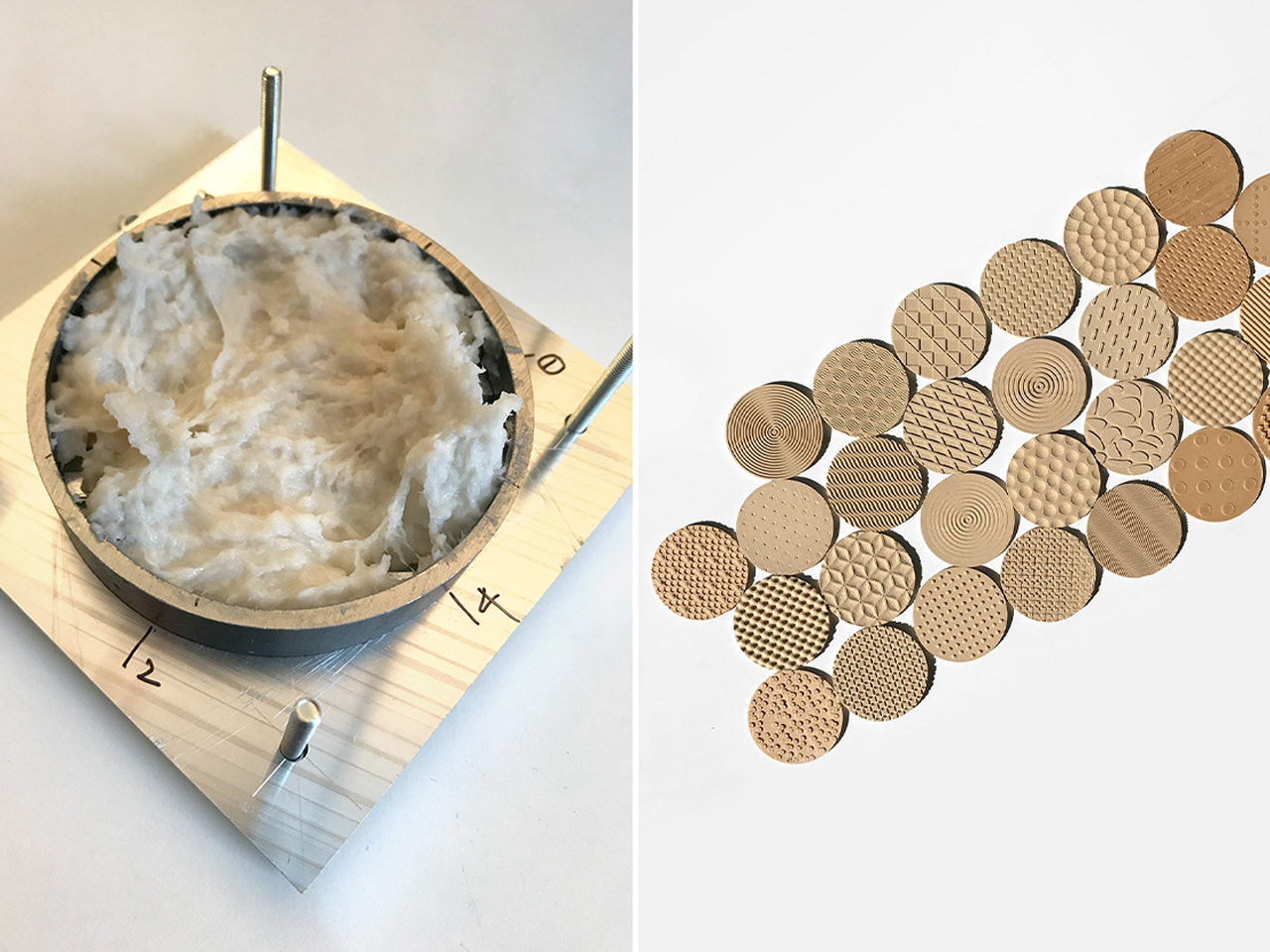
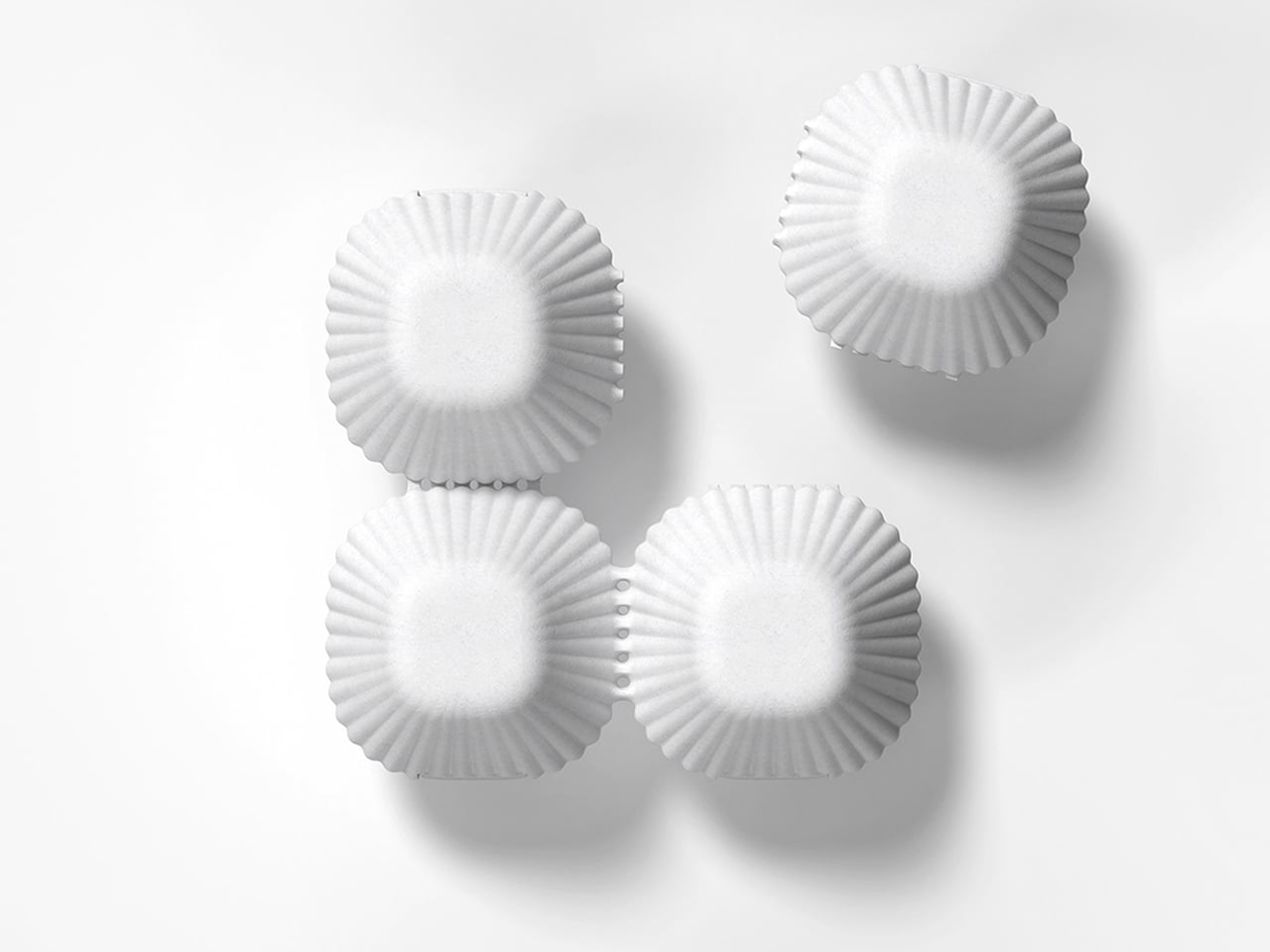
The molded PaperFoam construction provides the strength needed to cushion eggs while maintaining a lightweight profile. Its dimpled form prevents eggs from touching each other, while an improved hinge makes each compartment easy to detach without reducing durability. The natural material can be embossed directly with branding and product information, eliminating the need for additional labels and simplifying recycling. Combining practical functionality with sustainable materials, Stamp Egg demonstrates how innovative packaging can reduce waste while enhancing convenience, product protection, and overall user experience.
6. Packaging That Is Designed to Disappear
Perhaps the most radical innovation in sustainable packaging isn’t the material itself but its intended end-of-life behavior. Designers are increasingly engineering packages that actively encourage disassembly, separation, or disappearance after use. Water-soluble films dissolve intentionally, peel-apart constructions separate materials for easier recycling, and compostable wraps break down into natural matter without leaving synthetic residues behind. Every interaction after opening has become part of the design brief.
Instead of creating objects that persist indefinitely, these systems are carefully planned to vanish efficiently once their protective function ends. The result is packaging whose final act is just as thoughtfully designed as its first.
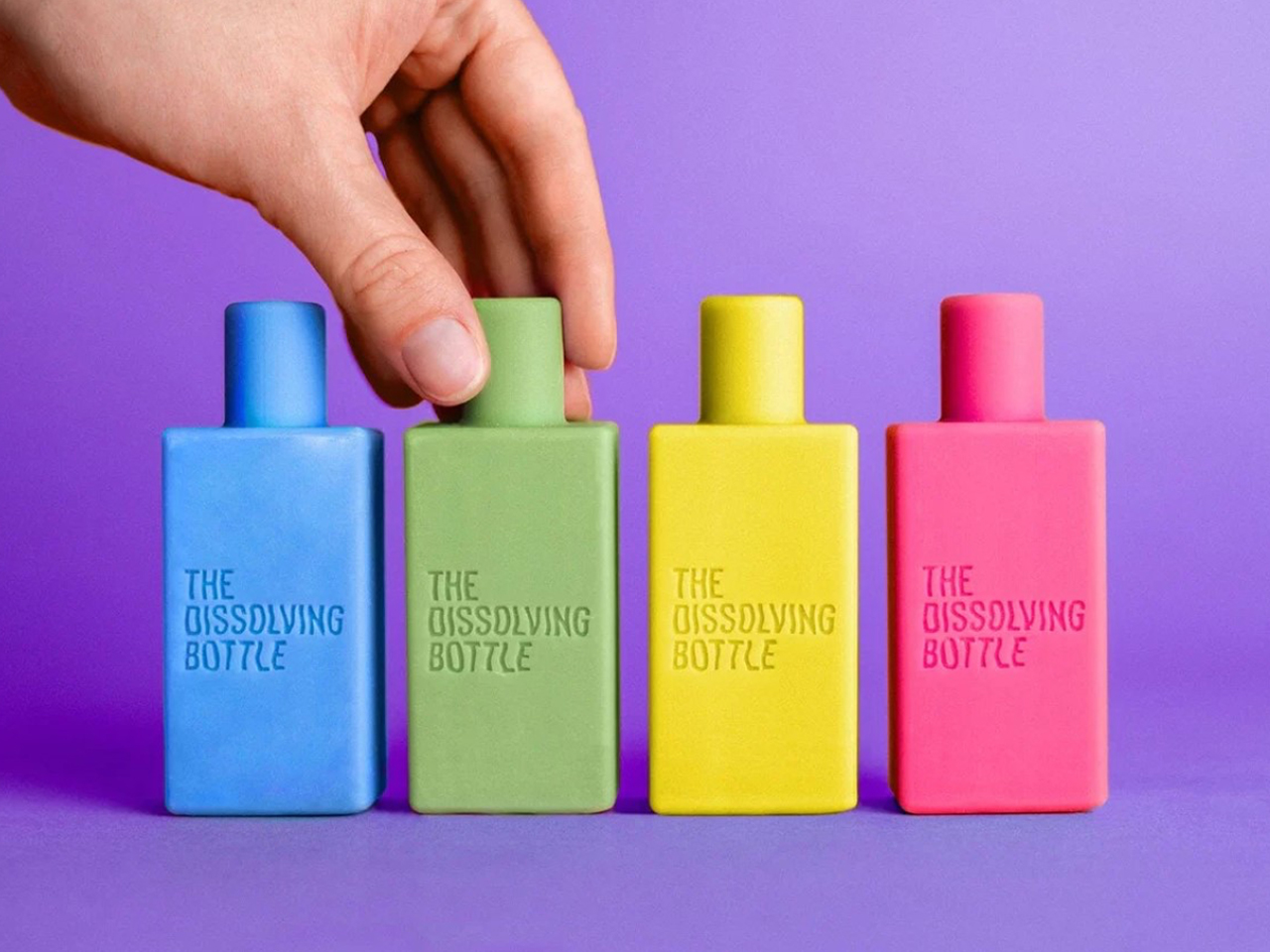
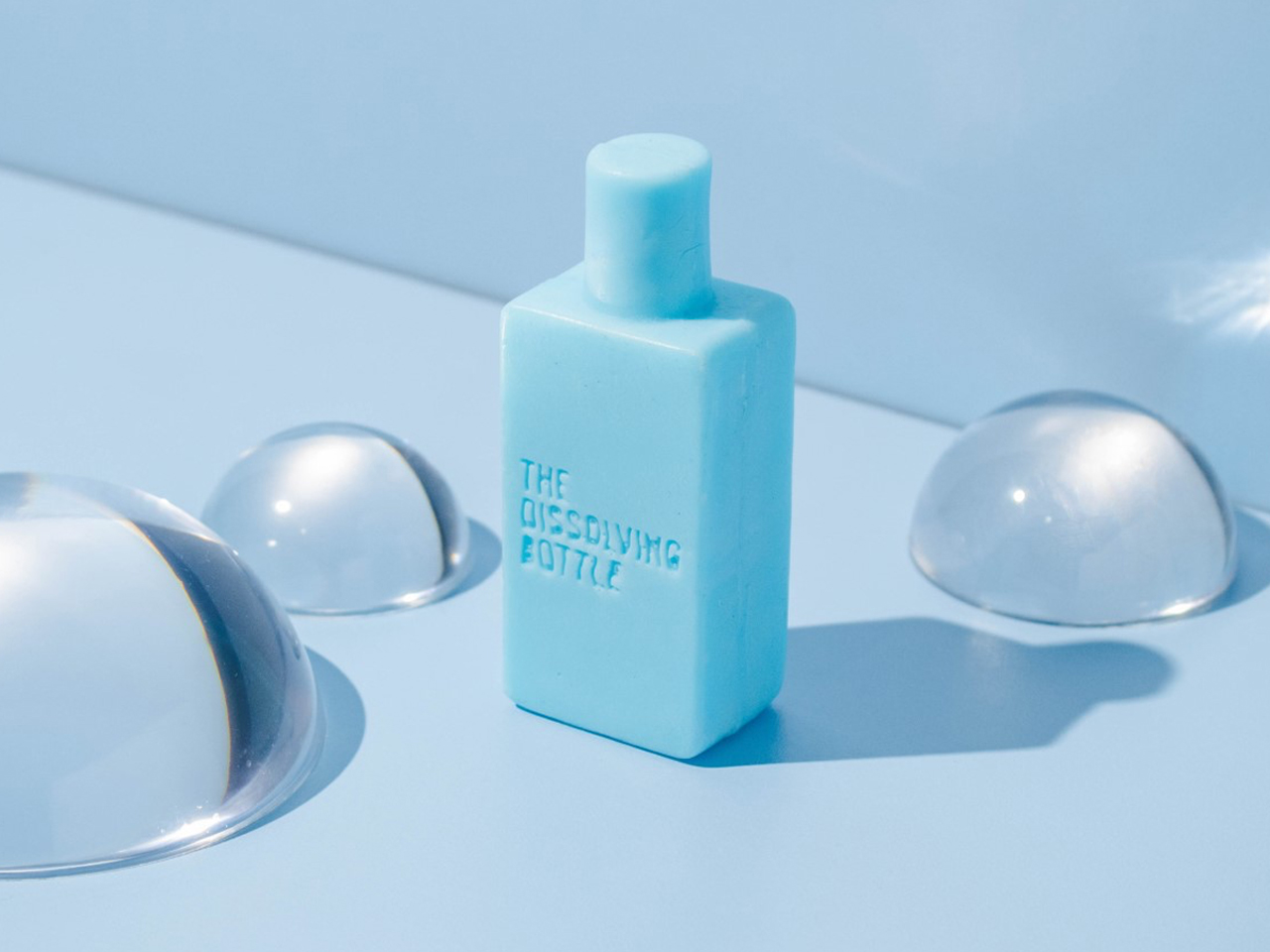
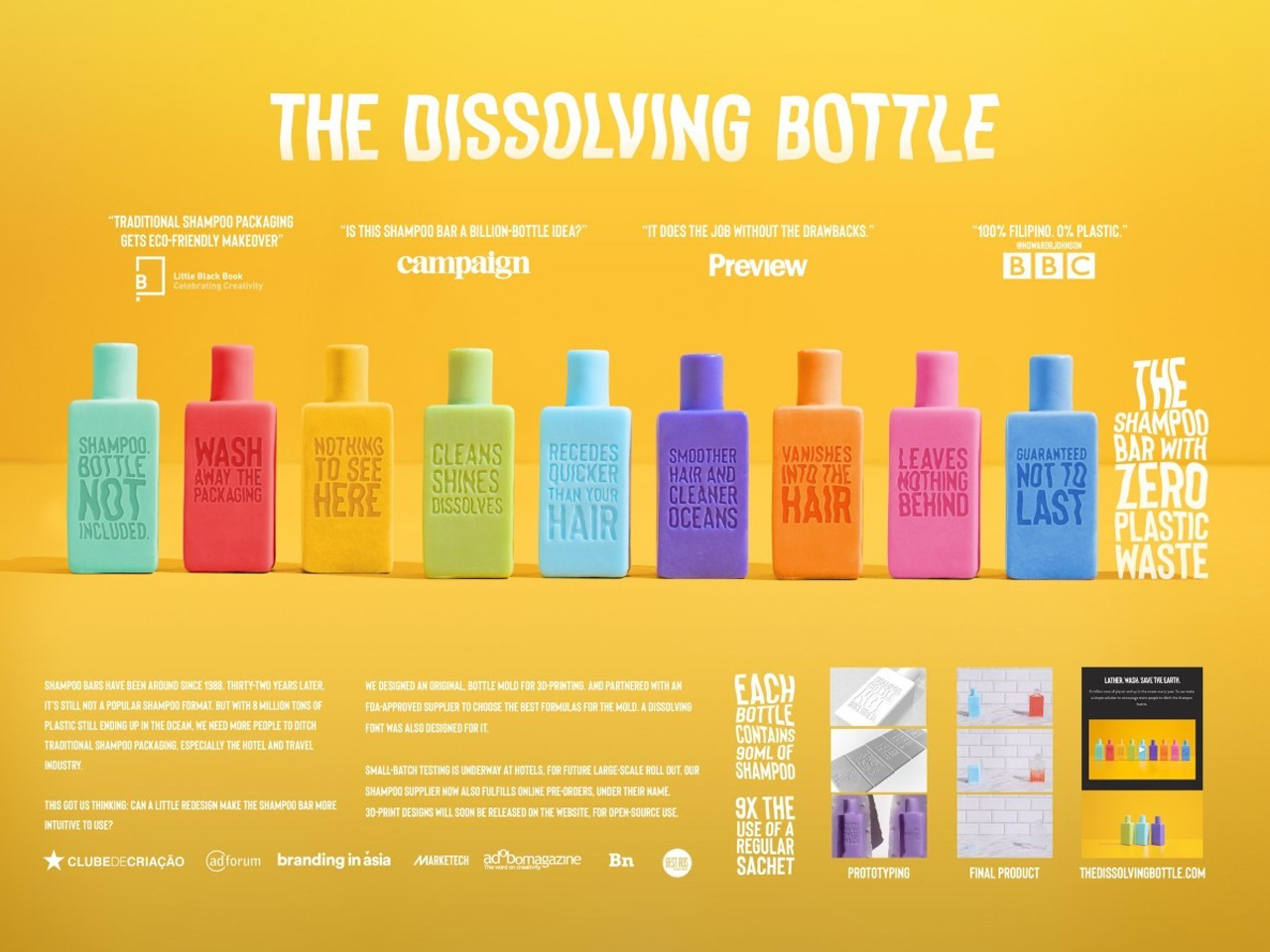
The Dissolving Bottle reinvents shampoo packaging by transforming the container itself into the product. Created as a bottle-shaped solid shampoo bar, it eliminates the need for single-use plastic packaging by gradually dissolving with every wash until nothing remains. Sculpted to resemble a conventional shampoo bottle, the design makes the transition from liquid shampoos to solid bars more familiar while offering a practical, plastic-free alternative for everyday hair care. Made to leave zero packaging waste behind, the product combines daily functionality with an innovative approach to sustainable personal care.
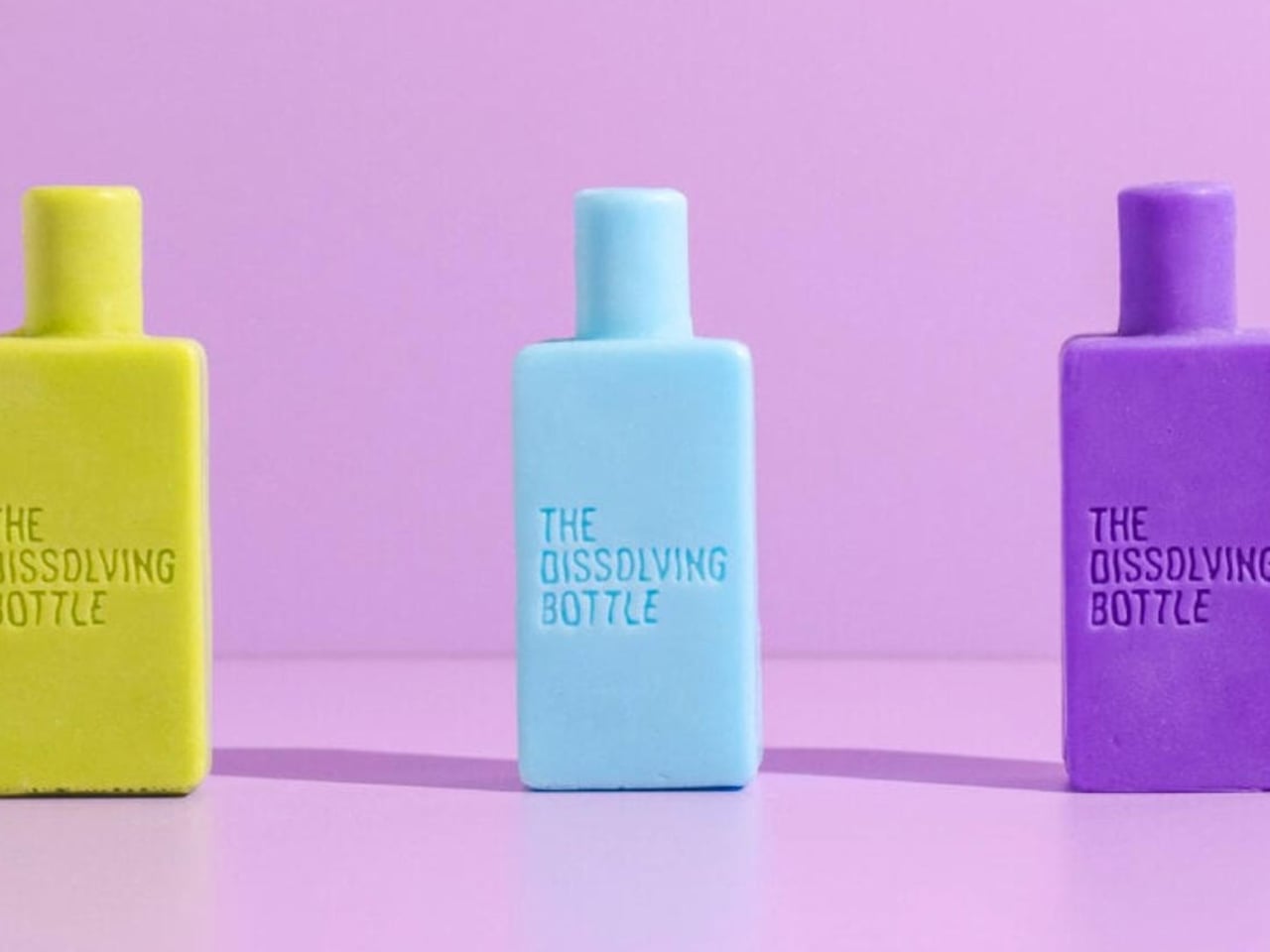
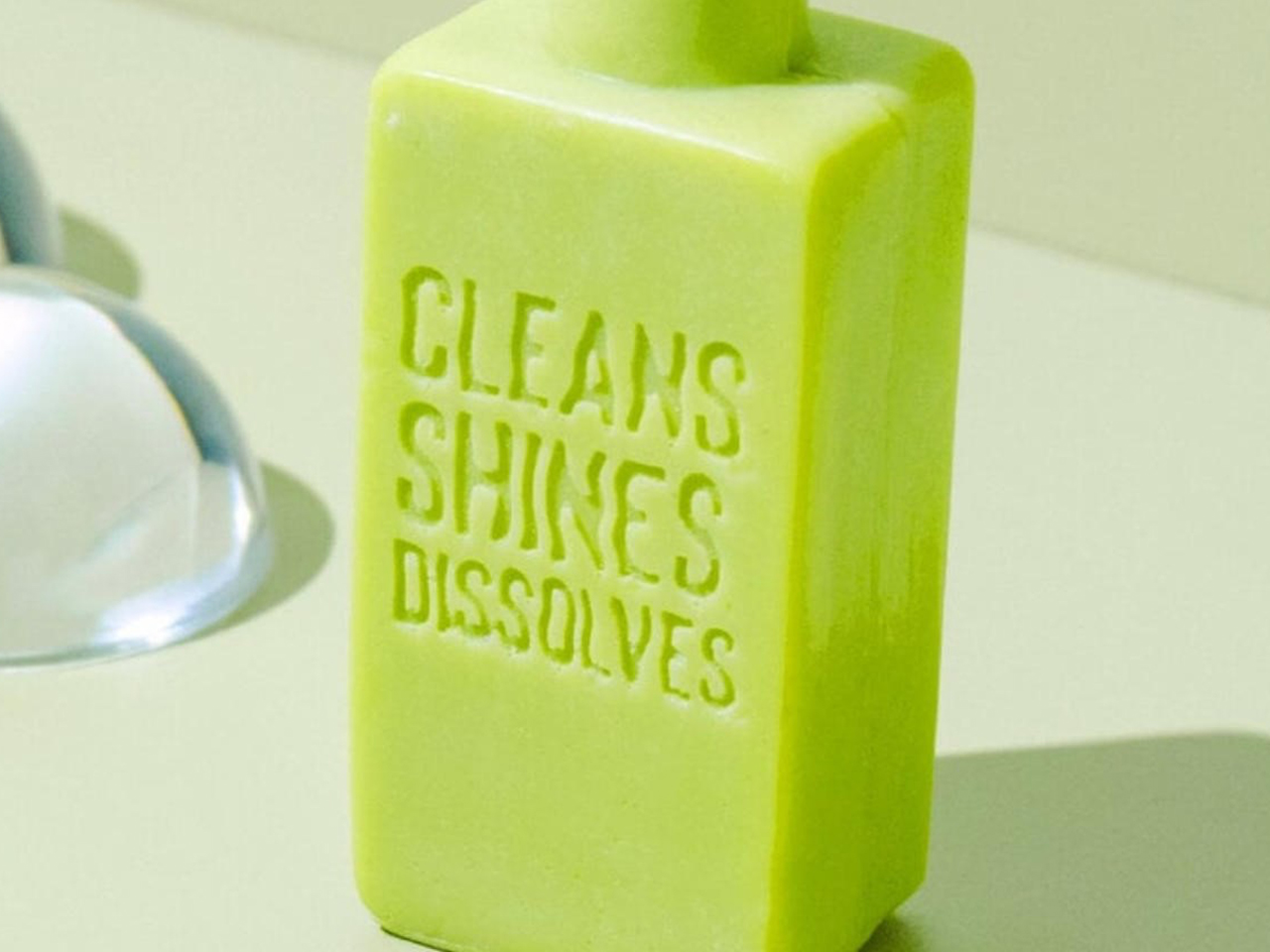
Designed by Philippine creative agency BBDO Guerrero, the Dissolving Bottle balances environmental responsibility with user-friendly design. The solid shampoo bar is embossed with playful messages directly onto its surface, removing the need for additional labels or plastic sleeves. Its compact, all-in-one format simplifies storage and travel while encouraging consumers to rethink disposable packaging.
7. Focus on Honest Industrial Design
In 2026, seaweed films and mono-material paper packs have moved beyond pilot projects into mainstream retail. Brands are choosing materials that naturally decompose without compromising shelf life or visual appeal. Instead of layered plastic composites that linger in landfills for centuries, designers are embracing simplified material systems that can be recycled, composted, or dissolved with minimal intervention.
Sustainable packaging design has become less about marketing claims and more about engineering packaging that performs efficiently while leaving almost nothing behind after its job is done.
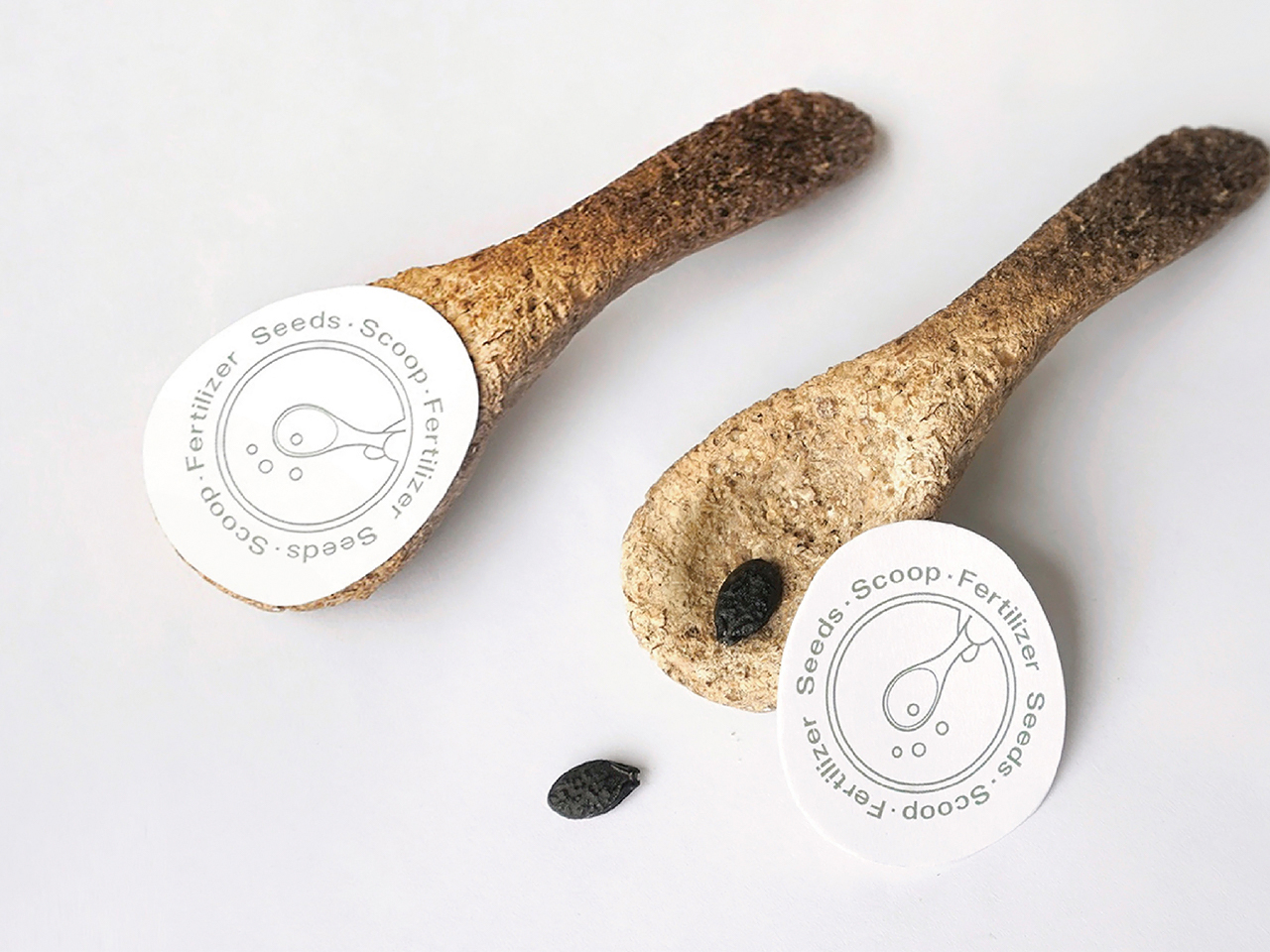
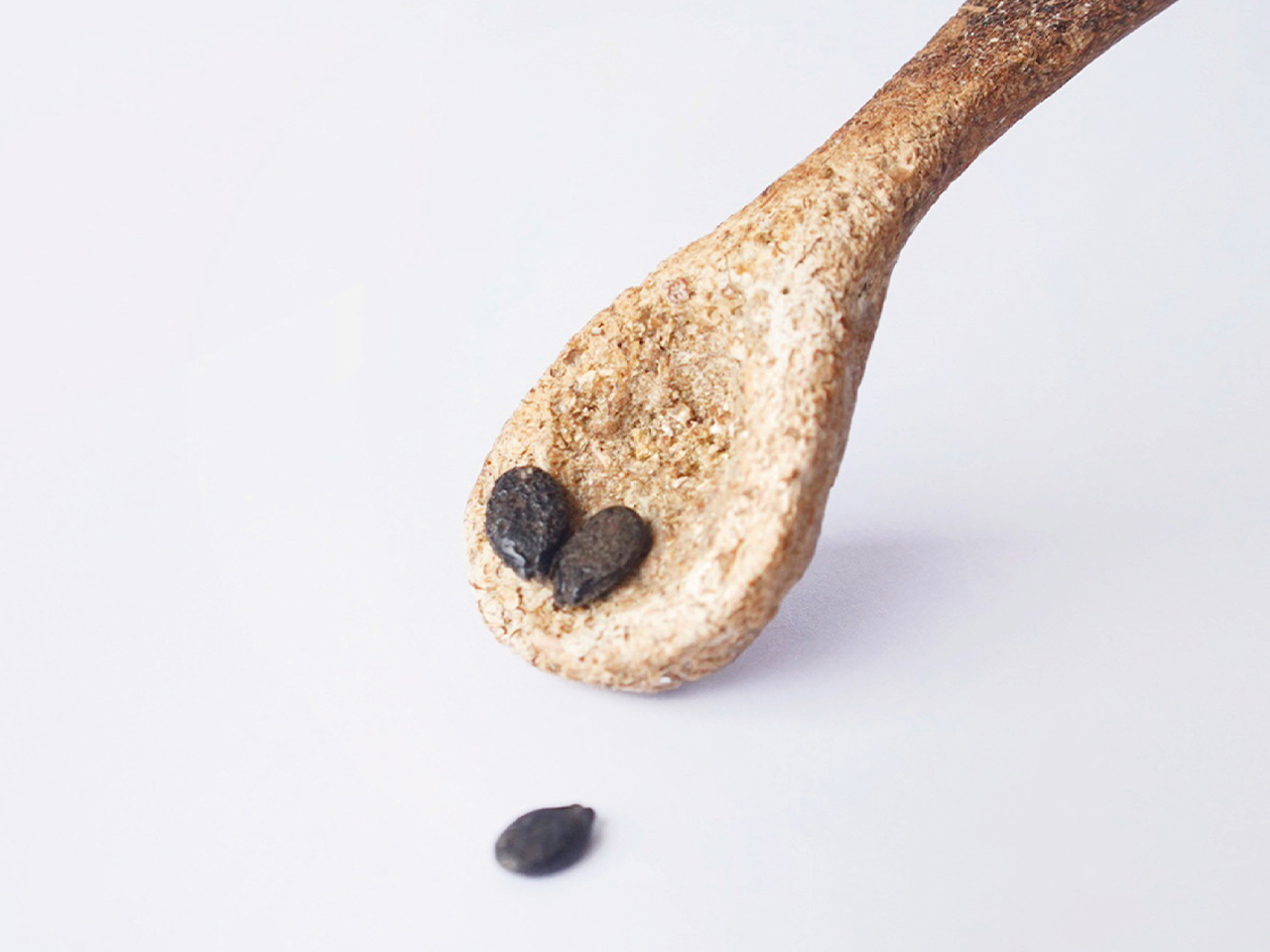
Seed Scoop Fertilizer is an innovative packaging concept that combines seed storage, a planting tool, and fertilizer into a single zero-waste product. Designed by students from the Royal College of Art, the package includes a scoop made from nutrient-rich peanut shell material that protects the seeds during storage while serving as a practical gardening tool. Users first remove the seeds, then use the scoop to dig the soil and plant them, allowing every component of the package to serve a functional purpose before disposal.
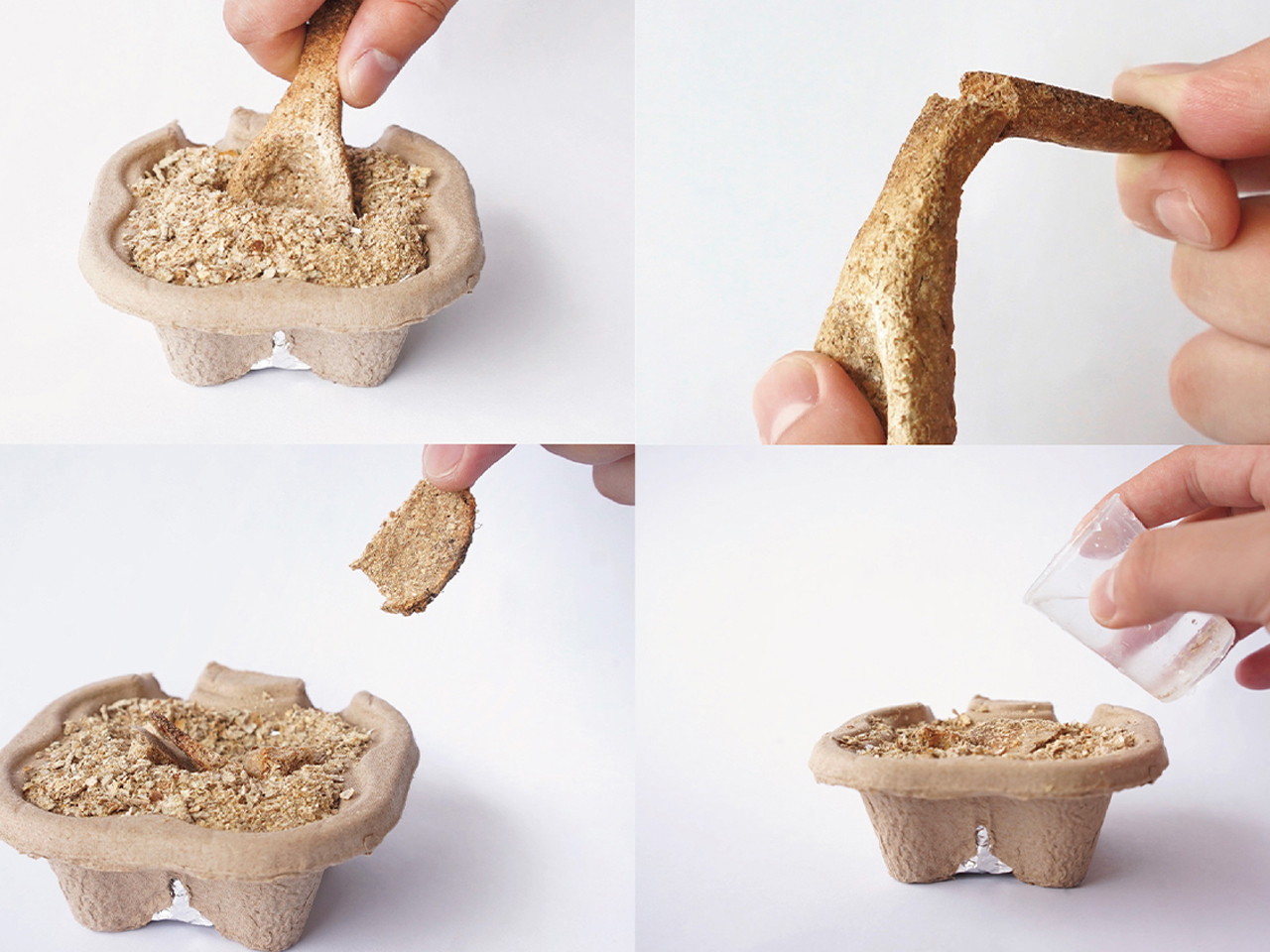
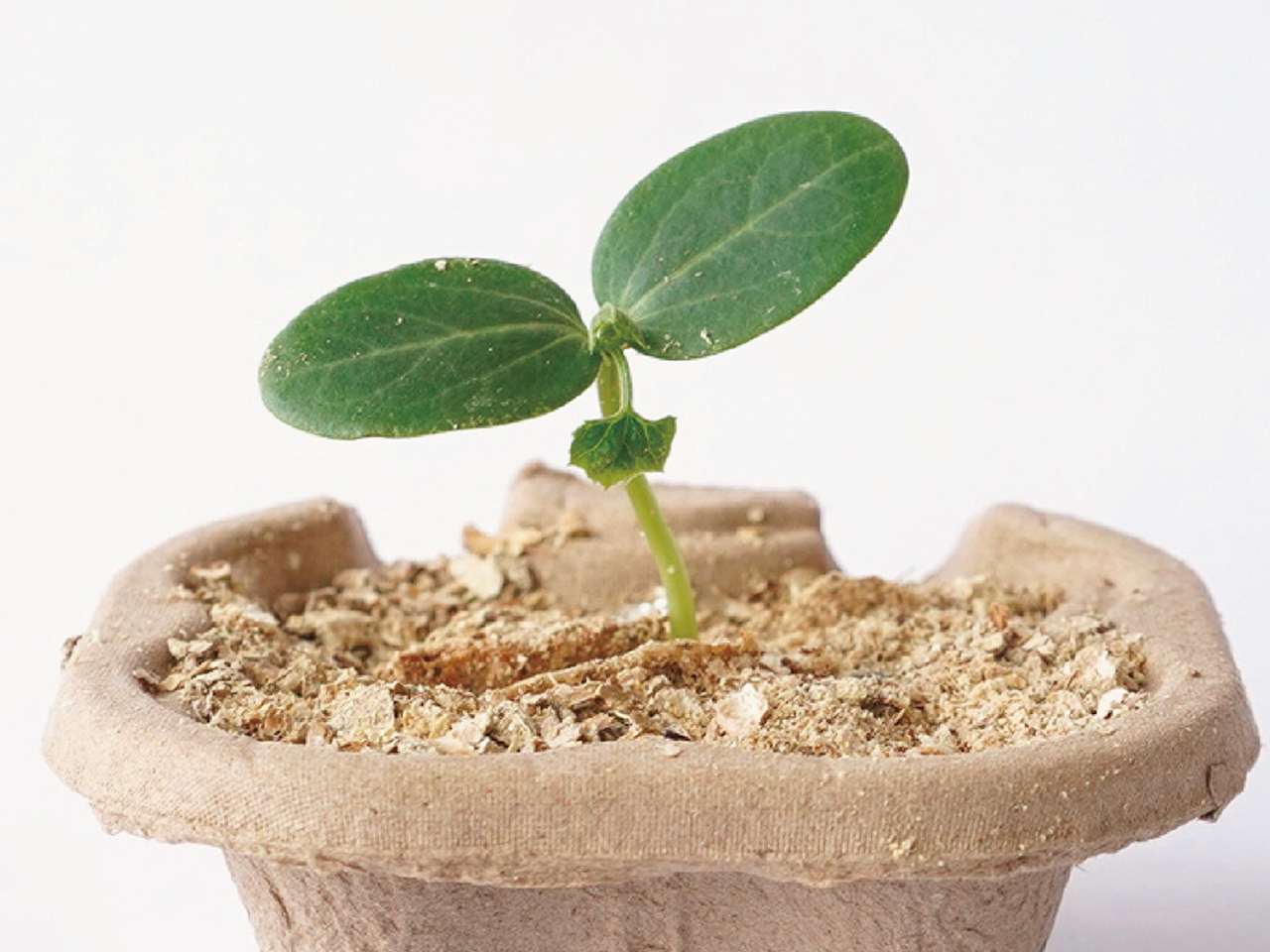
Once planting is complete, the biodegradable scoop can be broken into pieces and mixed into the soil, where it gradually decomposes into a natural fertilizer. Made from discarded peanut shells, the material repurposes agricultural waste into a nutrient-rich resource that supports plant growth instead of ending up in a landfill.
These sustainable packaging designs and biodegradable packaging 2026 show that the future of design is becoming more human, intuitive, and environmentally conscious. Together, these packaging innovations show that the future of packaging isn’t just plastic-free, but it’s designed to perform well, minimize waste, and leave a lighter footprint long after the product has been used.

