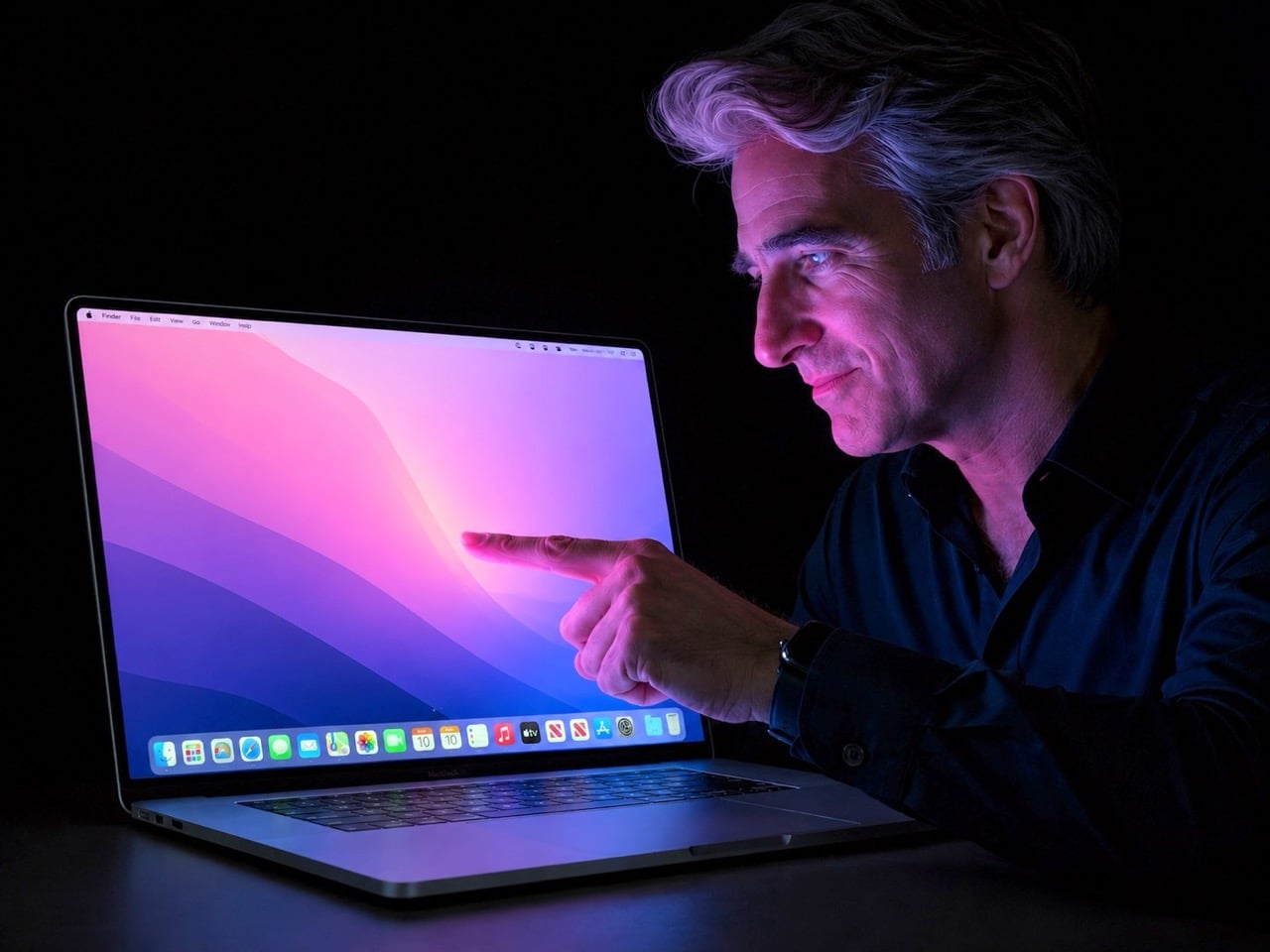
Every major Apple hardware shift leaves a paper trail in someone else’s factory first. Samsung Display’s decision to begin shipping hybrid tandem OLED panels to Apple this month is that kind of trail, and it points toward something Apple fans have speculated about for years: a MacBook with a screen built for touch.
What Samsung is shipping isn’t just any old OLED, either. This is a dual-layer architecture that stacks two emissive panels, a trick that lets them crank up the brightness and improve longevity. It’s the kind of high-end, durable tech you’d want for a machine reportedly being called the MacBook Ultra. The most reliable analyst in the game, Ming-Chi Kuo, is pegging mass production for late 2026. In the world of hardware, when the screens start moving, the rest of the machine usually isn’t far behind.
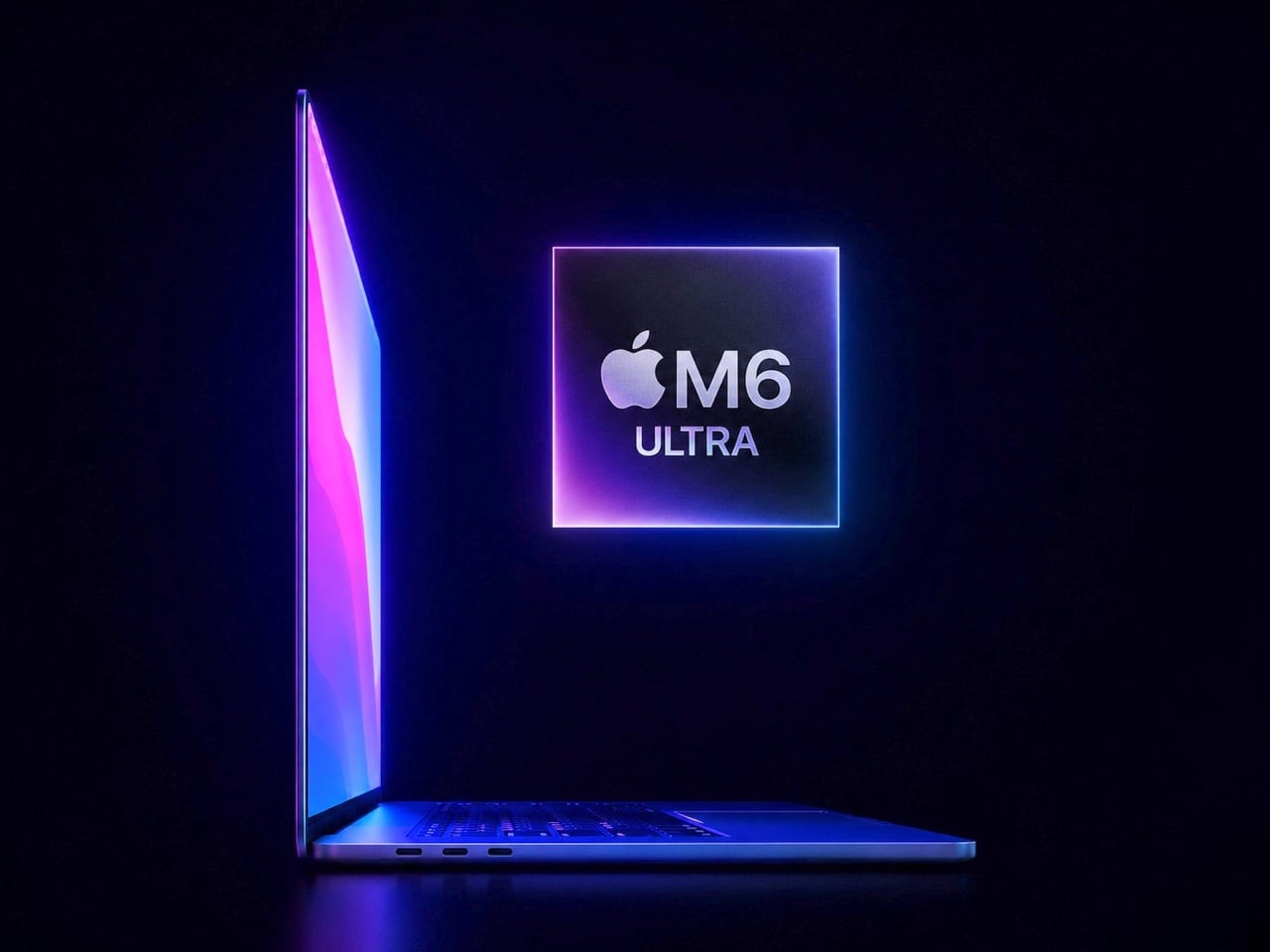
I get it, we’ve all grown a little tired of the yearly touchscreen MacBook rumors. But this feels different. What separates this moment from all the others is the sheer physicality of the evidence. We’re moving past analysts reading tea leaves and into the realm of logistics. A company like Samsung doesn’t build out a custom, high-spec panel production line for a product that might not happen. This is hardware, in motion. It’s the kind of supply-chain event that turns a long-running prediction into a production schedule.
But here’s the part of the story that most rumor pieces tend to gloss over. Adding a touchscreen isn’t like adding a new port; it forces a complete rethink of the laptop’s physical design. A MacBook is engineered with the assumption that you’ll never push on the screen. Introduce touch, and suddenly you have to solve for hinge wobble, for chassis stiffness, for the simple ergonomics of reaching up to poke at a vertical display. It’s a design problem Apple has deliberately avoided for over a decade.
Remember Steve Jobs’ whole “gorilla arm” argument? The term itself came from the iPad launch in 2010, and the underlying logic is pretty intuitive. When you use a touchscreen on a phone or tablet, your arm is resting. Touch a vertical laptop display repeatedly, and your arm is out in front of you, elevated, working against gravity the whole time. The fatigue that builds up is what Jobs called the gorilla arm, that tired, heavy feeling that sets in faster than you’d expect. He argued it made touchscreen laptops fundamentally uncomfortable, and for anyone who has used a Windows touch laptop for more than a few minutes, the assessment is spot-on.
There’s also a telling piece of Mac history that doesn’t get brought up enough here. Apple introduced the Touch Bar in 2016, a slim OLED strip that replaced the physical function keys with a context-sensitive touch surface. The idea was interesting on paper, but in practice, most users found it awkward, and app support never really materialized. By 2021, Apple quietly killed it on the new MacBook Pros, bringing physical function keys back. That retreat matters because it shows Apple will walk back a touch-related Mac experiment when it fails. The difference this time is that a full touchscreen is a much more compelling proposition than a strip of shortcuts nobody knew what to do with.
You have to imagine that a big part of what changed their minds has been staring them in the face for years: the iPad Pro. Apple successfully built and sold a pro-grade computing device where direct manipulation is the entire point. They proved people will pay a premium for a brilliant screen they can interact with. After a while, the argument that this experience has no place on their other pro-grade device starts to wear a little thin.
And if that “MacBook Ultra” name sticks, you can bet it’ll have an Ultra price tag. Apple seems to be positioning this not as the next MacBook Pro, but as a new tier above it. That strategy would frame the touchscreen as an exclusive, high-end feature, at least for the first generation. It gives them a way to introduce the concept to the Mac lineup without having to immediately solve it for every price point.
Of course, there’s still a ton we don’t know. Will macOS get a subtle facelift to better accommodate fingers? Will the hinge be radically different? Is Apple Pencil support on the table? With some sources pointing toward a fall event, we might not have to wait too long for the first real answers. Until then, those OLED panels are the most solid clue we have. That’s what makes this whole cycle feel so much more concrete. When components from one of the world’s biggest display makers are in transit, you’re not really talking about a rumor anymore. You’re talking about a timeline.