Consumer tablets have gotten remarkably thin and capable, but the categories of people who actually use tablets on a job site, in a warehouse, or out in the field have largely been served by a different and considerably more expensive tier of hardware. Most rugged tablets come either from enterprise-only brands with steep price points, or from consumer devices pressed into duty they weren’t really designed for. The gap between those two extremes has rarely been addressed cleanly.
The Lenovo ThinkTab X11 is an attempt to close that gap. It’s the first device to carry the ThinkTab name, extending Lenovo’s Think portfolio into rugged Android territory for frontline workers in logistics, manufacturing, construction, transportation, and energy. Starting at $499, it lands well below what comparable enterprise-grade rugged tablets typically cost while bringing credentials that those environments actually require.
Designer: Lenovo

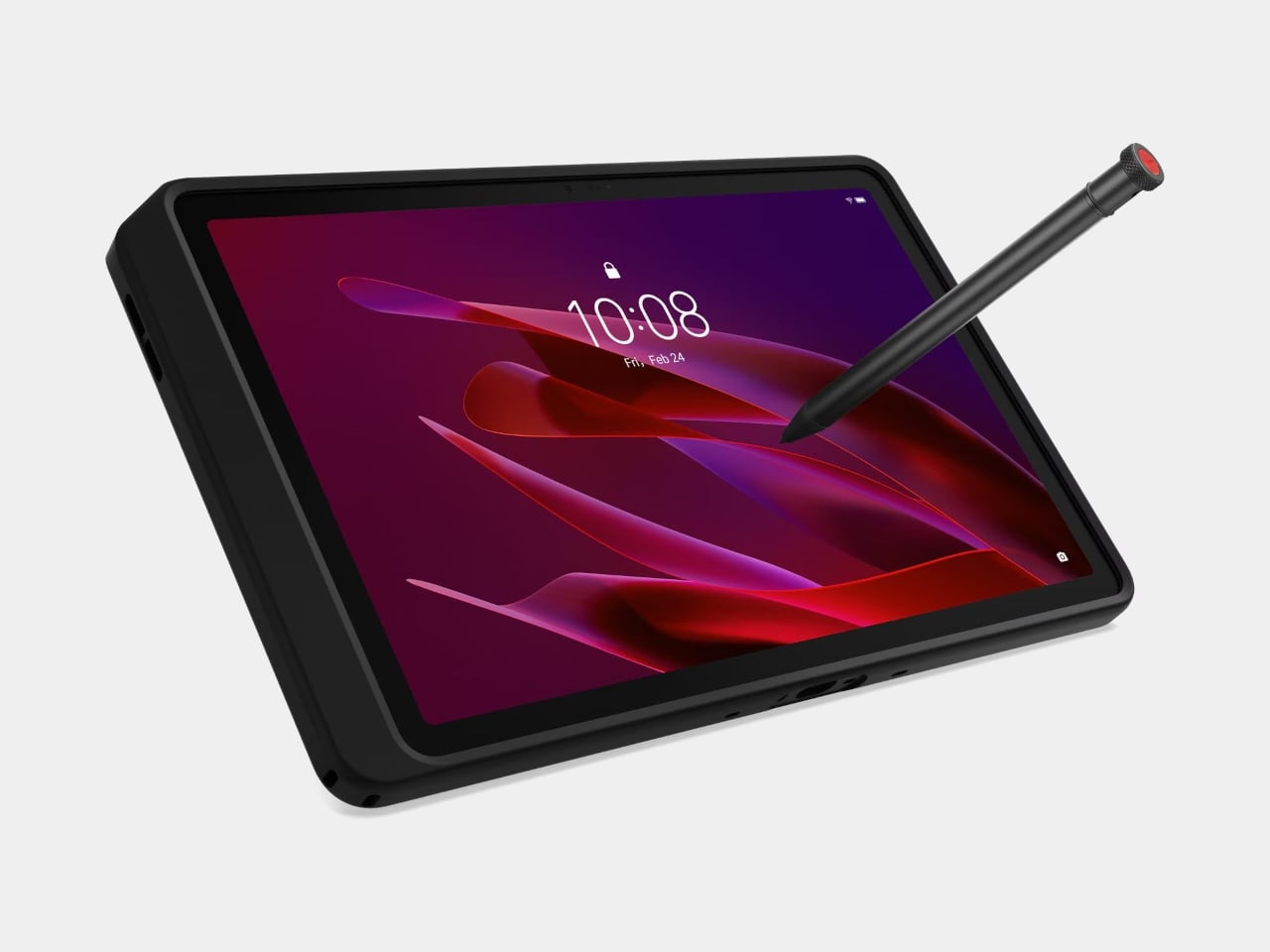
The most unusual thing about the ThinkTab X11 isn’t its durability ratings, which are genuine rather than decorative, but rather its battery design. The 10,200 mAh cell removes without tools, using a screwless mechanism that lets a worker swap a depleted pack for a fresh one mid-shift and keep going. That’s a design decision that most tablet makers abandoned years ago in pursuit of thinner profiles, and it matters enormously when a dead device means halting an entire workflow.
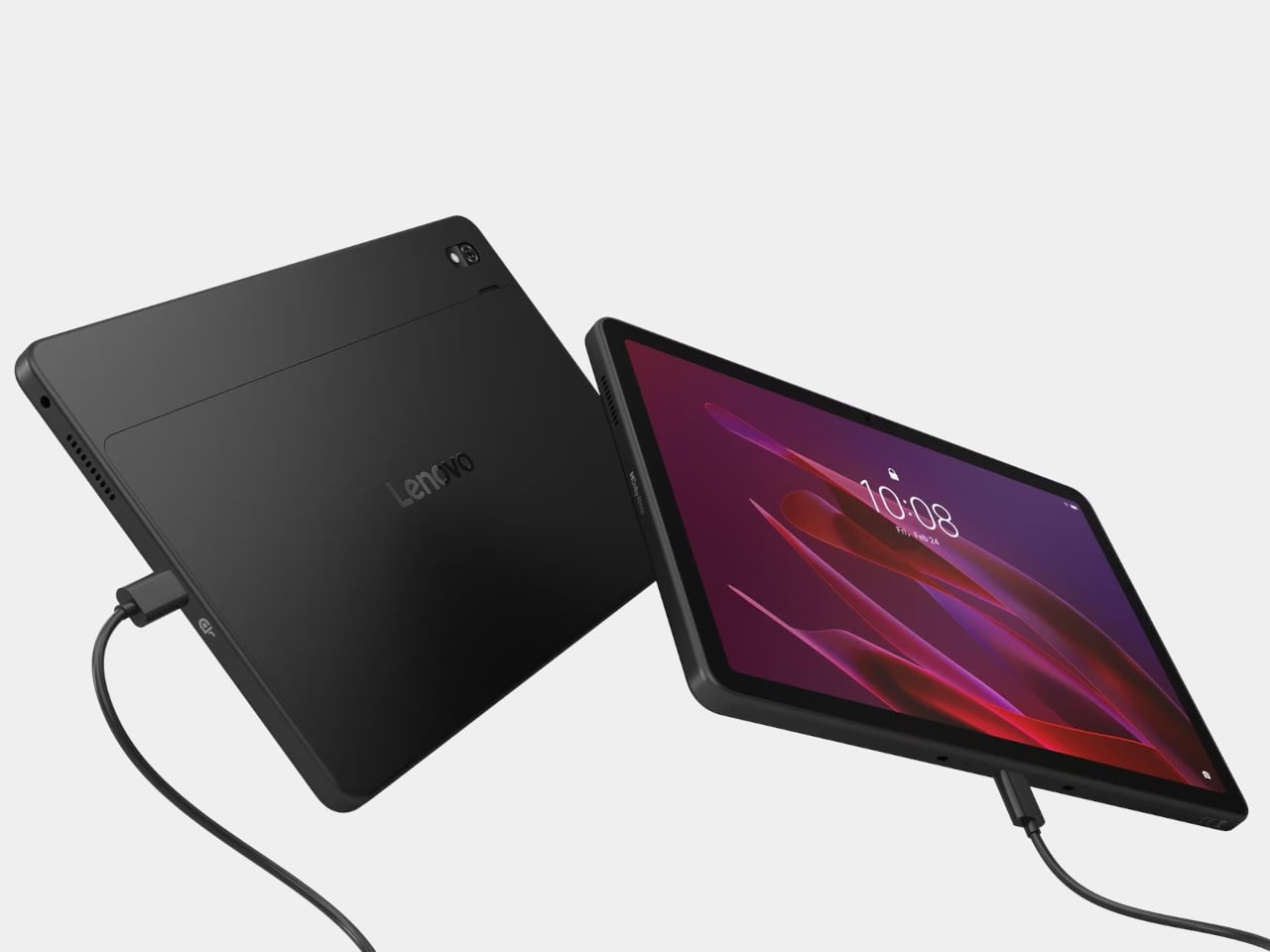
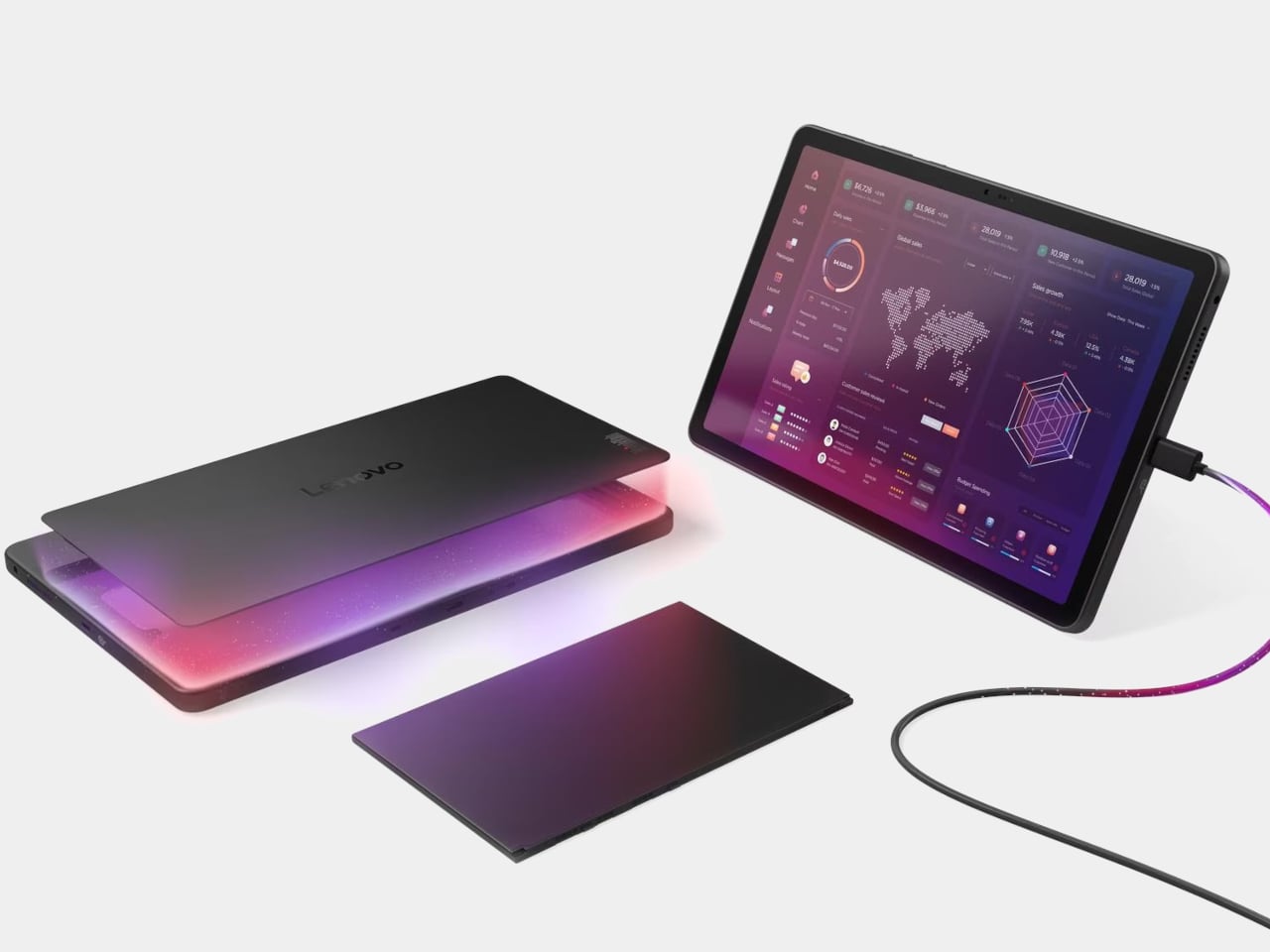
It goes further with a battery-less operating mode. When the tablet is mounted in a vehicle or bolted to a fixed workstation, it can run directly from DC power with no battery installed at all. This reduces heat buildup during continuous use, extends the long-term health of the device, and removes the battery’s natural degradation from the equation entirely for fixed deployments. Dual USB-C ports handle simultaneous charging and peripheral connectivity alongside all of that.
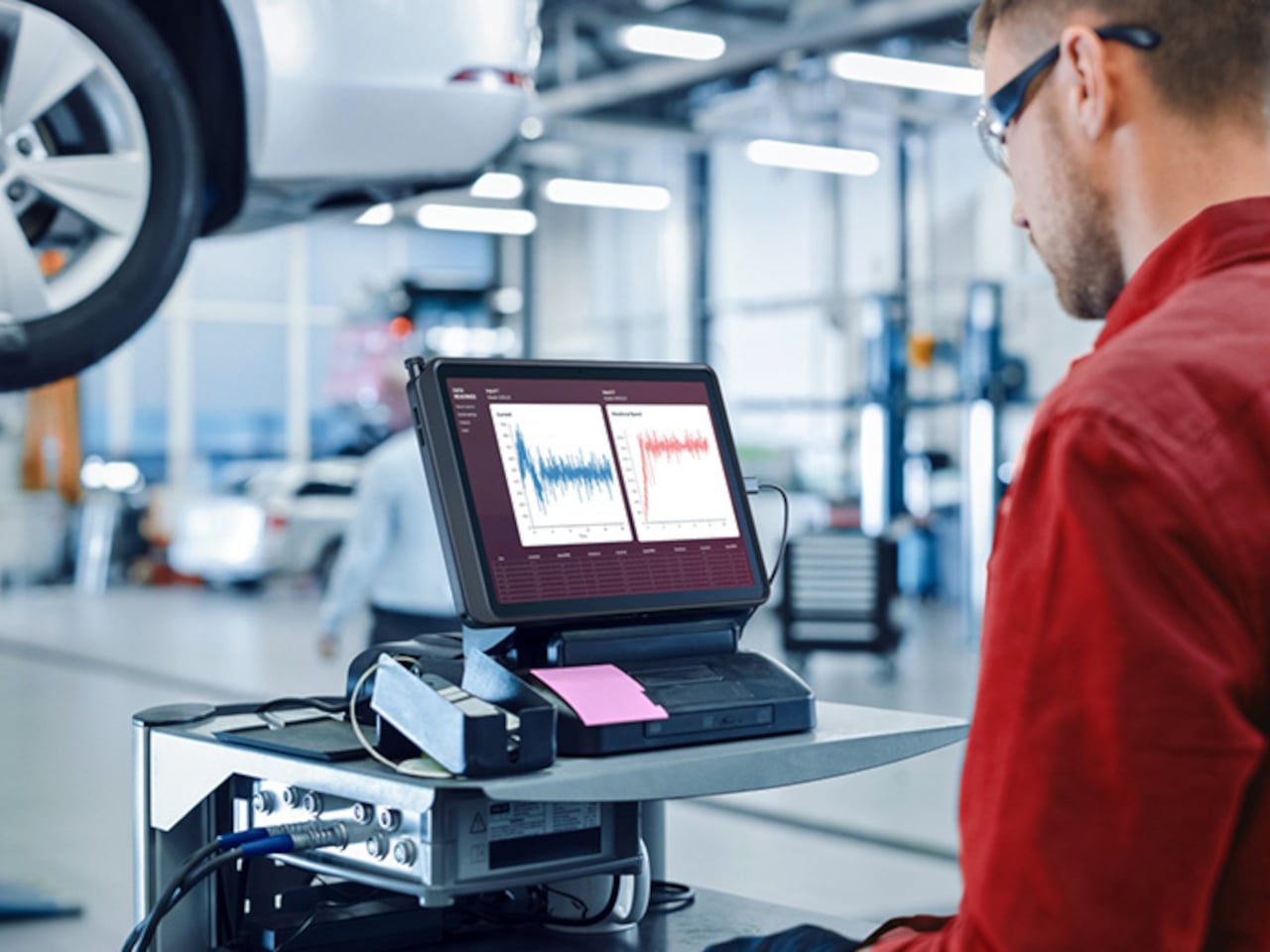
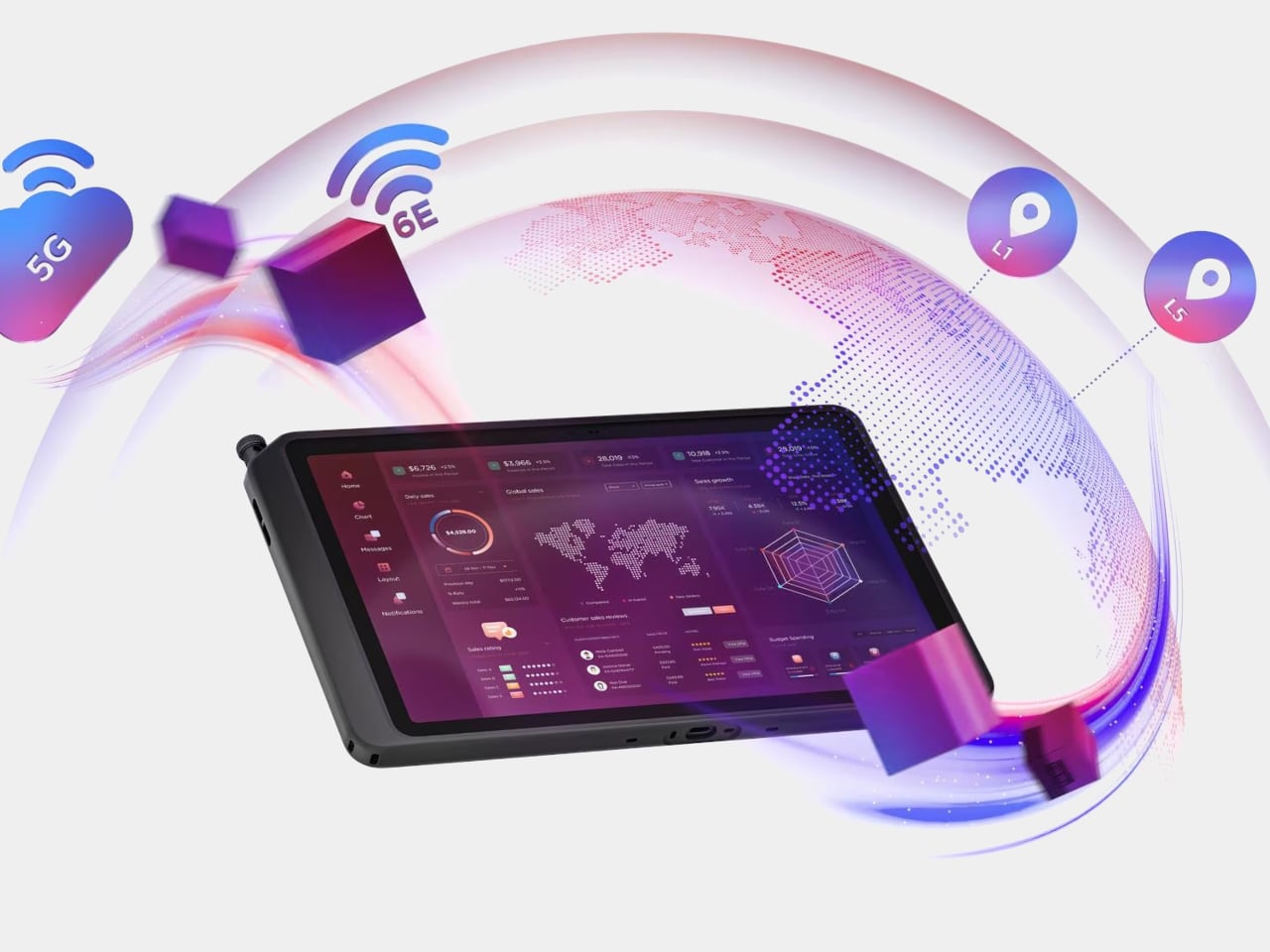
The rest of the hardware is built around the same operating logic. The 10.95-inch display runs at 90 Hz with up to 800 nits of peak brightness under high brightness mode, and it’s coated with Corning Gorilla Glass. The touch layer is calibrated to work with gloved hands and wet fingers, which matters on a construction site or loading dock more than any raw spec comparison might suggest. The Snapdragon 7s Gen 3 handles processing, with up to 12 GB of RAM and up to 512 GB of UFS 3.1 storage available.
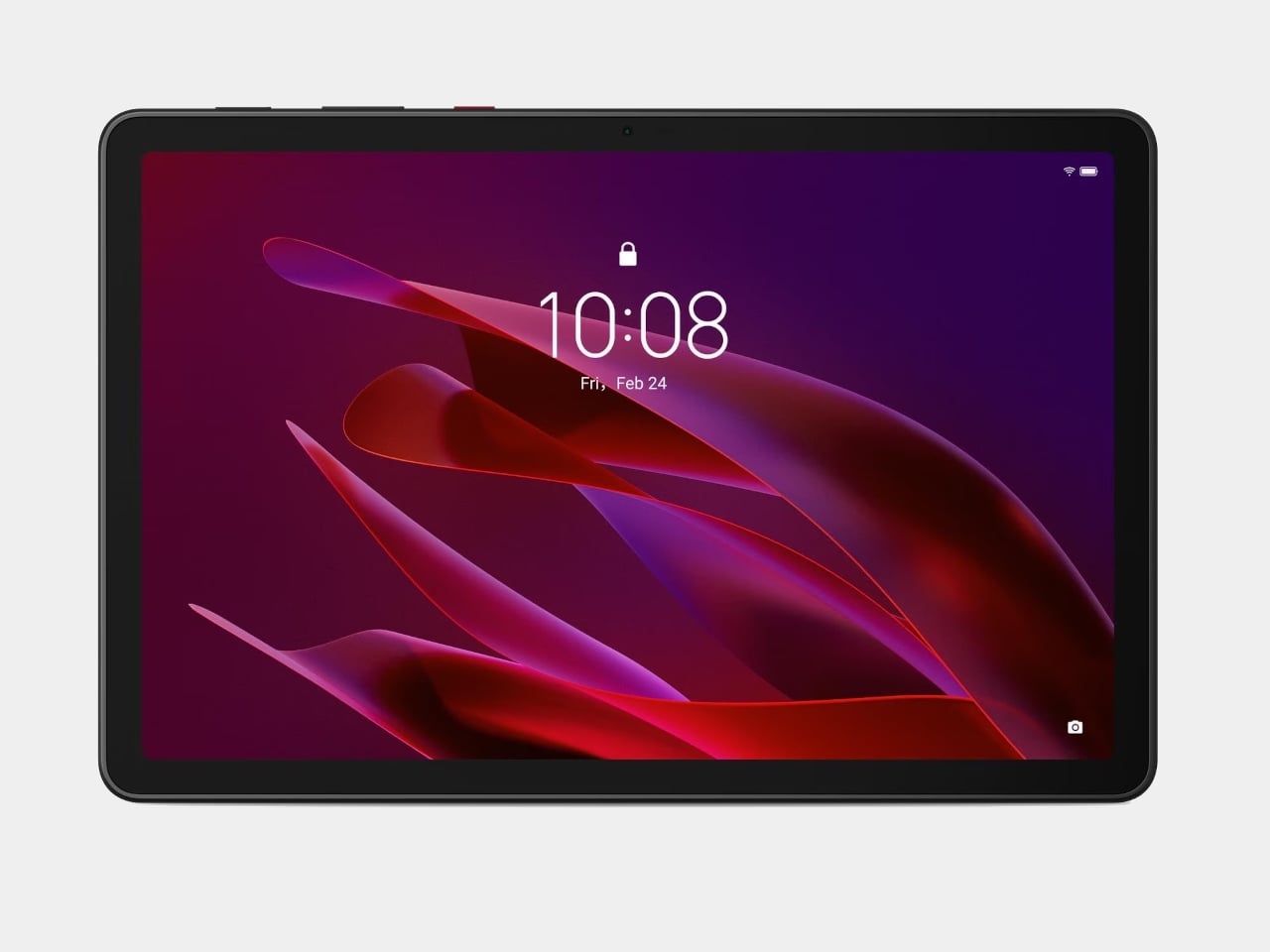
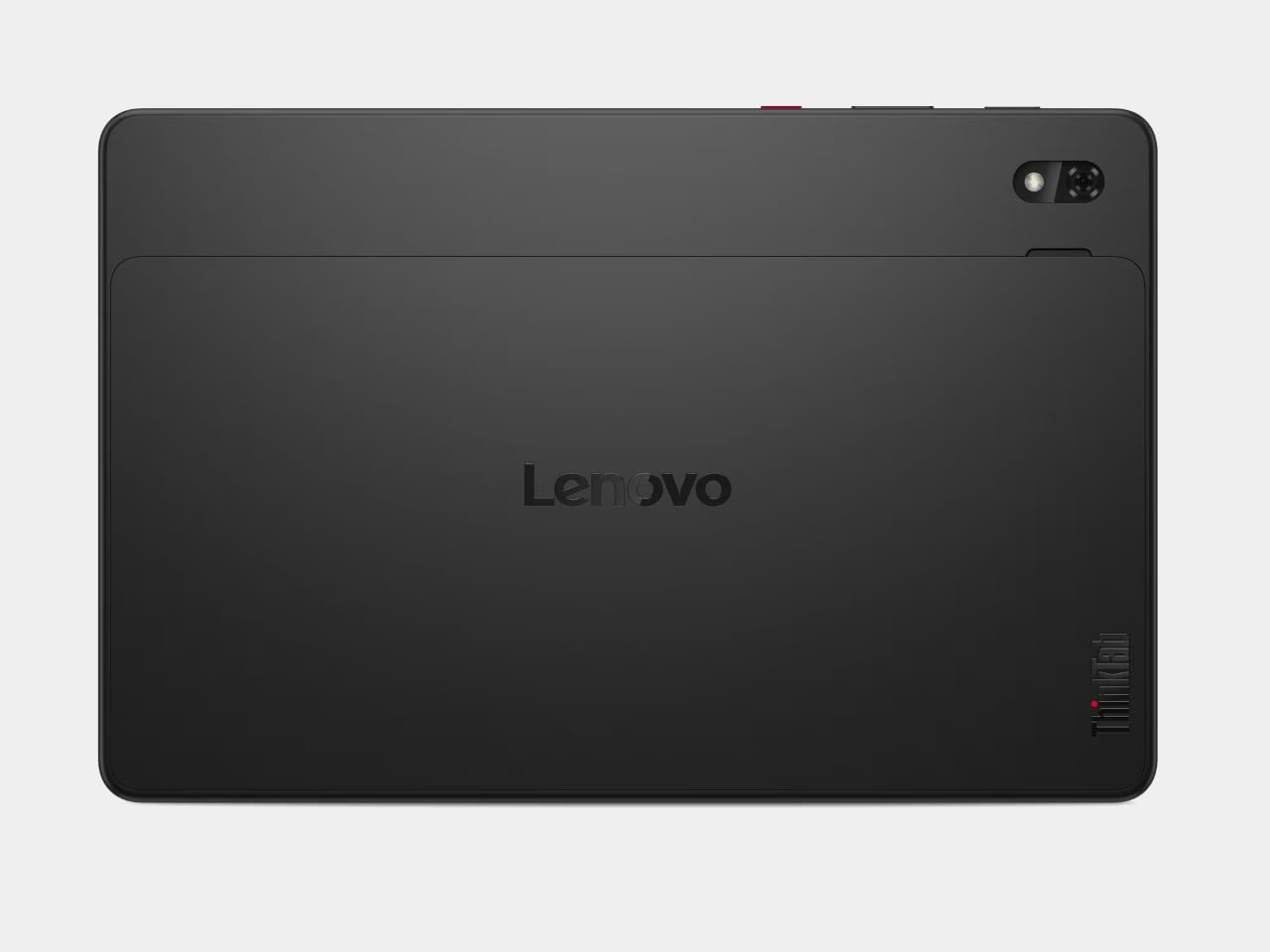
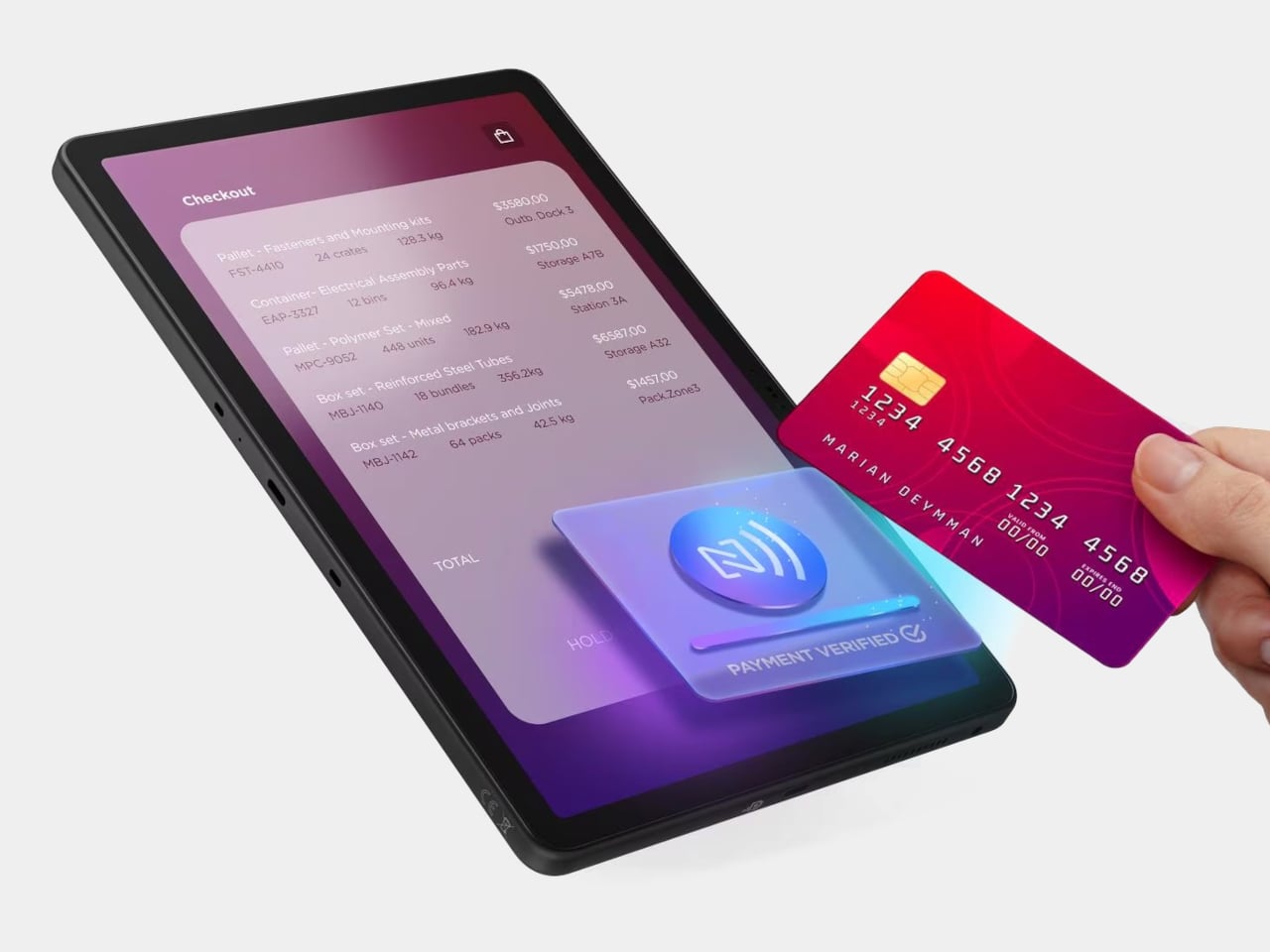
The included rugged case brings MIL-STD-810H certification for drops and vibration, while the device itself carries an IP68 rating for dust and water resistance. The case can be swapped out for a plain back panel when the environment is less demanding, which keeps the device from feeling like overkill in lighter contexts. Front-mounted NFC handles inventory scanning, access control, and field authentication without requiring the tablet to be flipped over.

The ThinkTab X11 ships with Android 16, guaranteed to receive two major OS upgrades reaching Android 18, along with four years of security patches. Lenovo’s ThinkShield security layer sits underneath the consumer-facing OS, giving IT departments the kind of centralized device management tools they already use for ThinkPads. An organization that runs the Think ecosystem at the desk can now extend the same infrastructure to the field, with the 256 GB model available at $579.