AR display glasses have spent years trying to convince a narrow audience that the experience is worth the money. The XREAL One starts at $450. The ROG XREAL R1 pushes past $800. For a category that promises a personal big screen you can carry anywhere, the entry cost has stayed high enough that most curious buyers talk themselves out of a first pair before they’ve had a reason to try one.
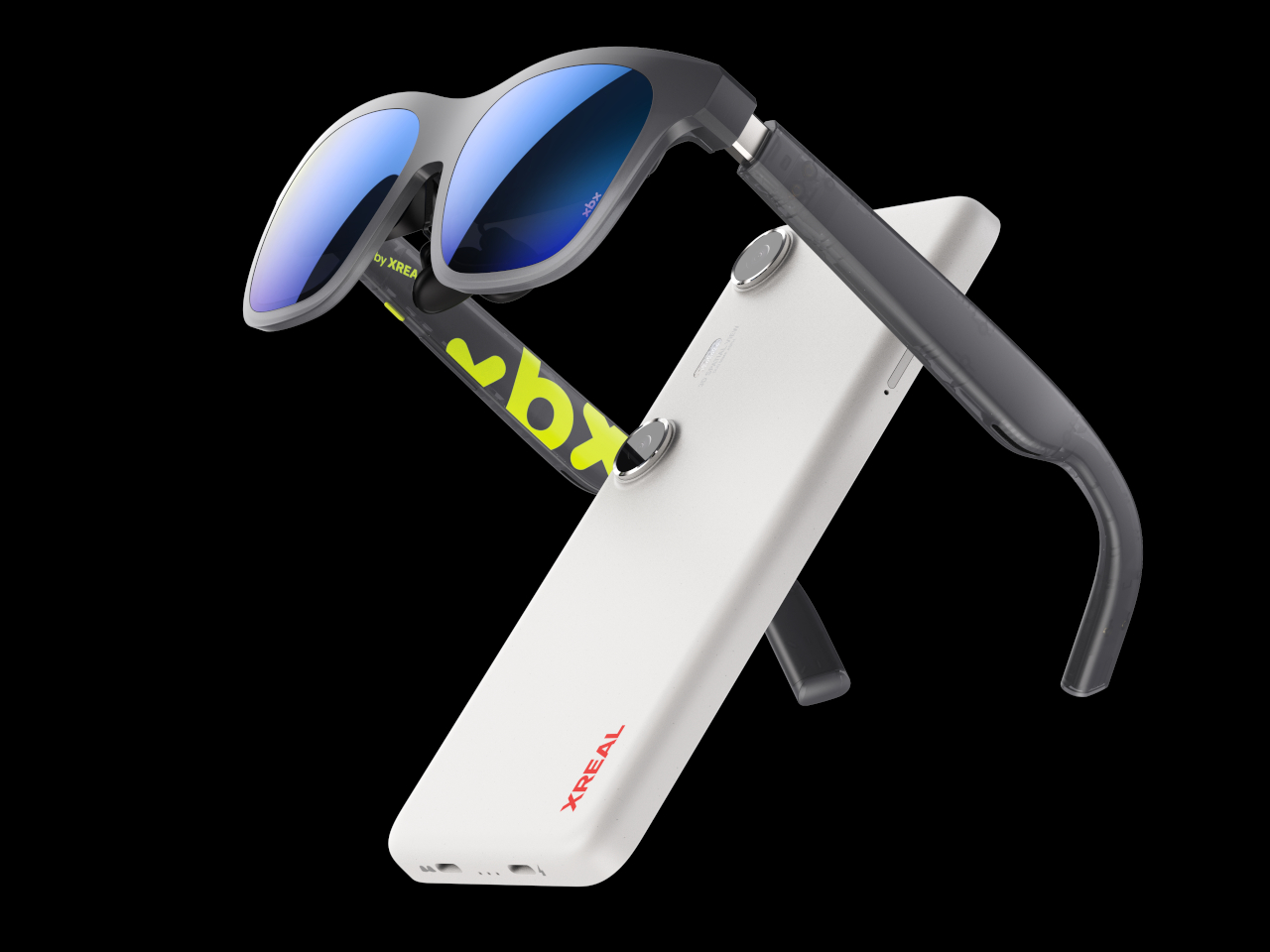
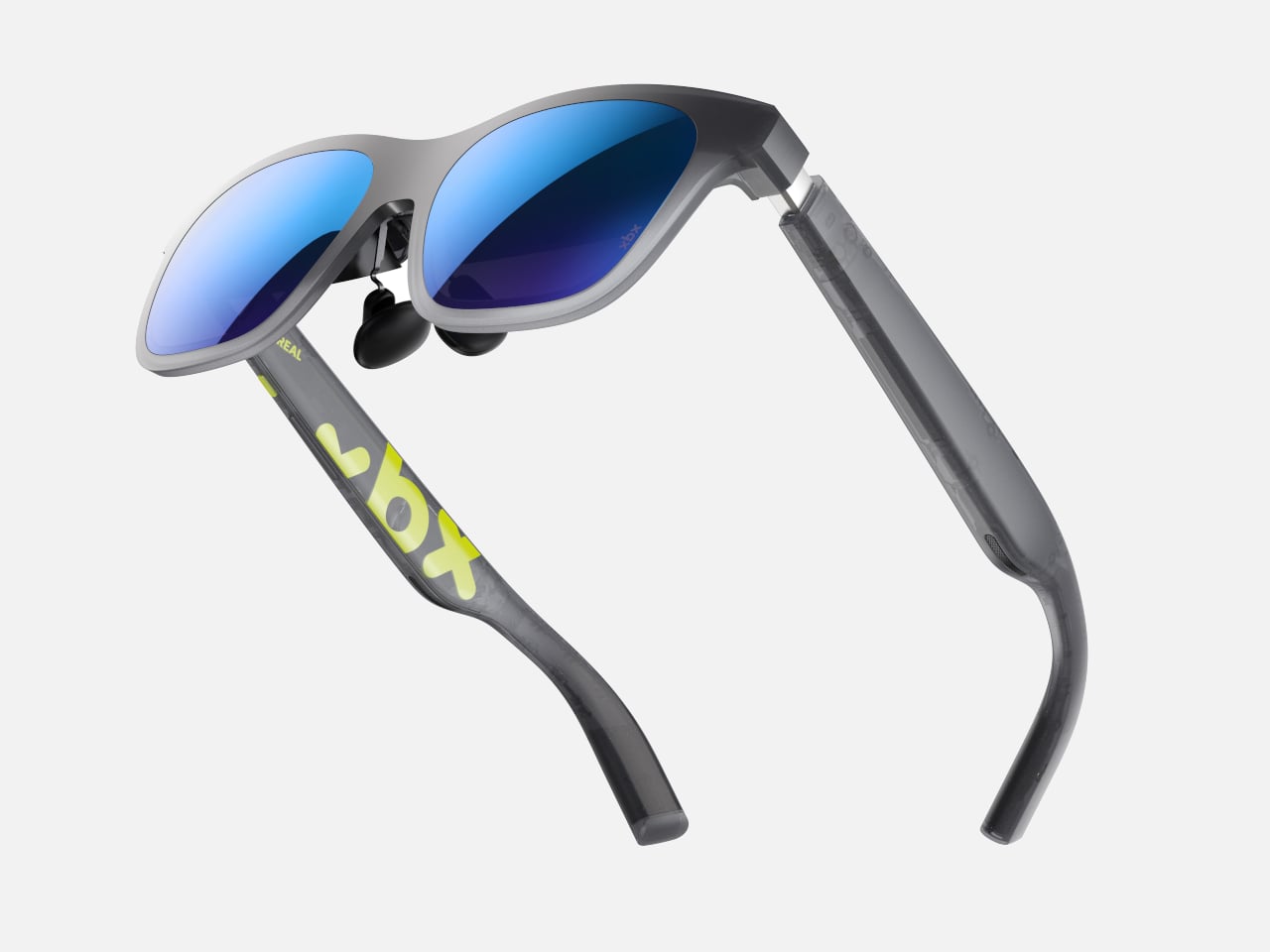
XREAL’s answer to that is xbx, a new sub-brand aimed at the hesitant first buyer, and its opening product, the a01, comes to the US in July at $299. The company is quick to note that the lower price didn’t come from cutting specs. The a01 holds two category records simultaneously: the lightest AR display glasses on the market at 62g, and the brightest at 1,600 nits, both beating the XREAL One it slots below.
Designer: XREAL

The 20g difference between the a01 and the XREAL One might sound minor, but it adds up over a long flight or a late-night watch session. XREAL reached that figure through a custom ultra-light nylon body, reduced lens thickness, and a redesigned hinge and temple-tip structure. Three nose pad sizes, adaptive elastic hinges, and flexible temples distribute pressure evenly across different face shapes.
Display performance is where the a01 goes further than a $299 product typically would. Dual-layer MicroOLED panels deliver 1,600 nits of perceived brightness across 1.07 billion colors with full HDR10 support, backed by a dedicated image enhancement chip that pushes every frame through real-time AI SDR-to-HDR conversion. The 50° field of view gives you the equivalent of a 147-inch screen from four meters away, which covers most rooms.
The most technically interesting addition is the spatial anti-shake algorithm, which XREAL claims is a category first. Earlier stabilization approaches reduced blur at the cost of image sharpness and washed-out colors, an acceptable trade-off in some contexts but not when you’re midway through a film. The a01’s algorithm preserves clarity and color fidelity while keeping the image steady, so a rattling subway car or a turbulent flight doesn’t turn a crisp picture into a smear.
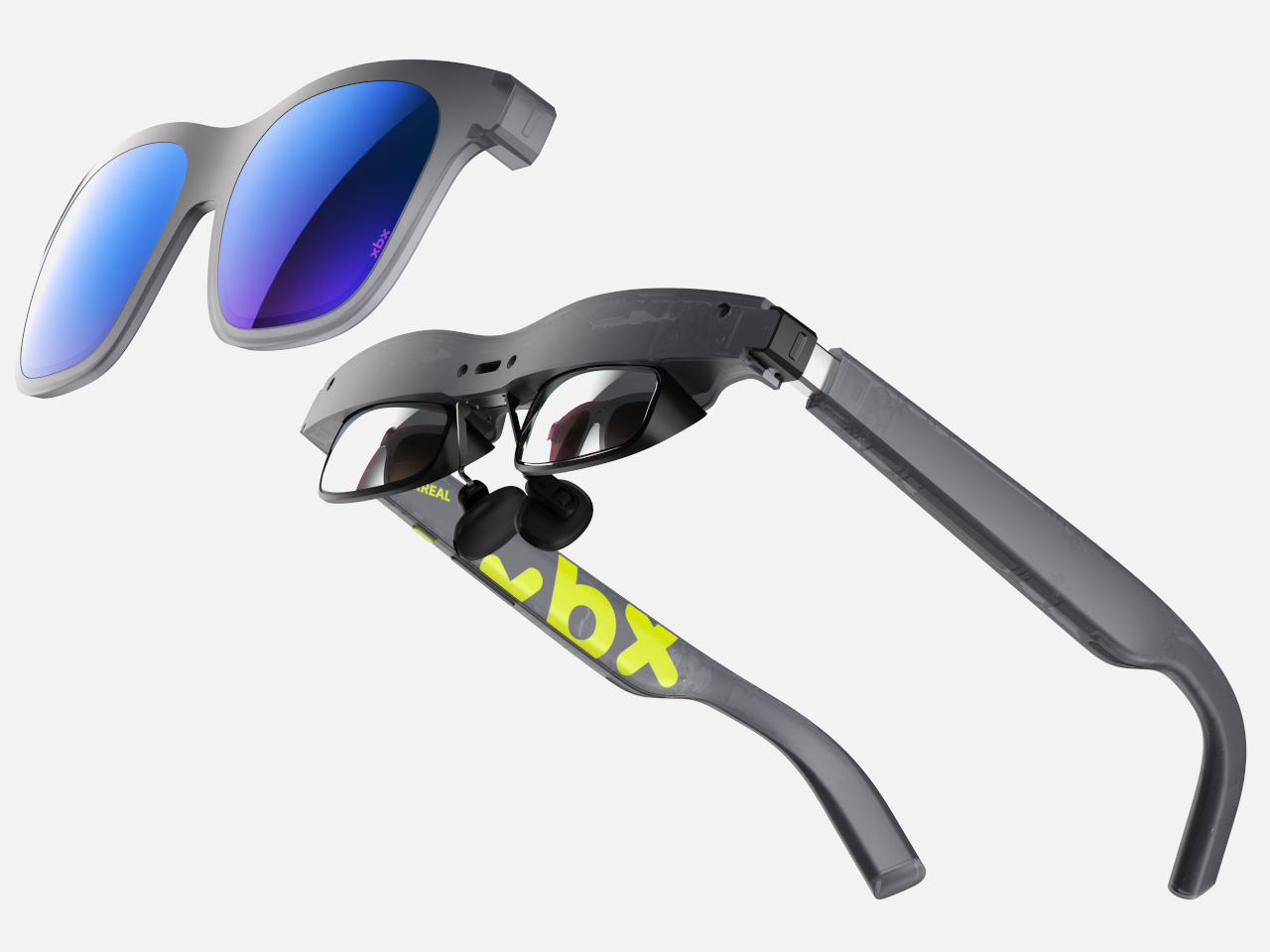
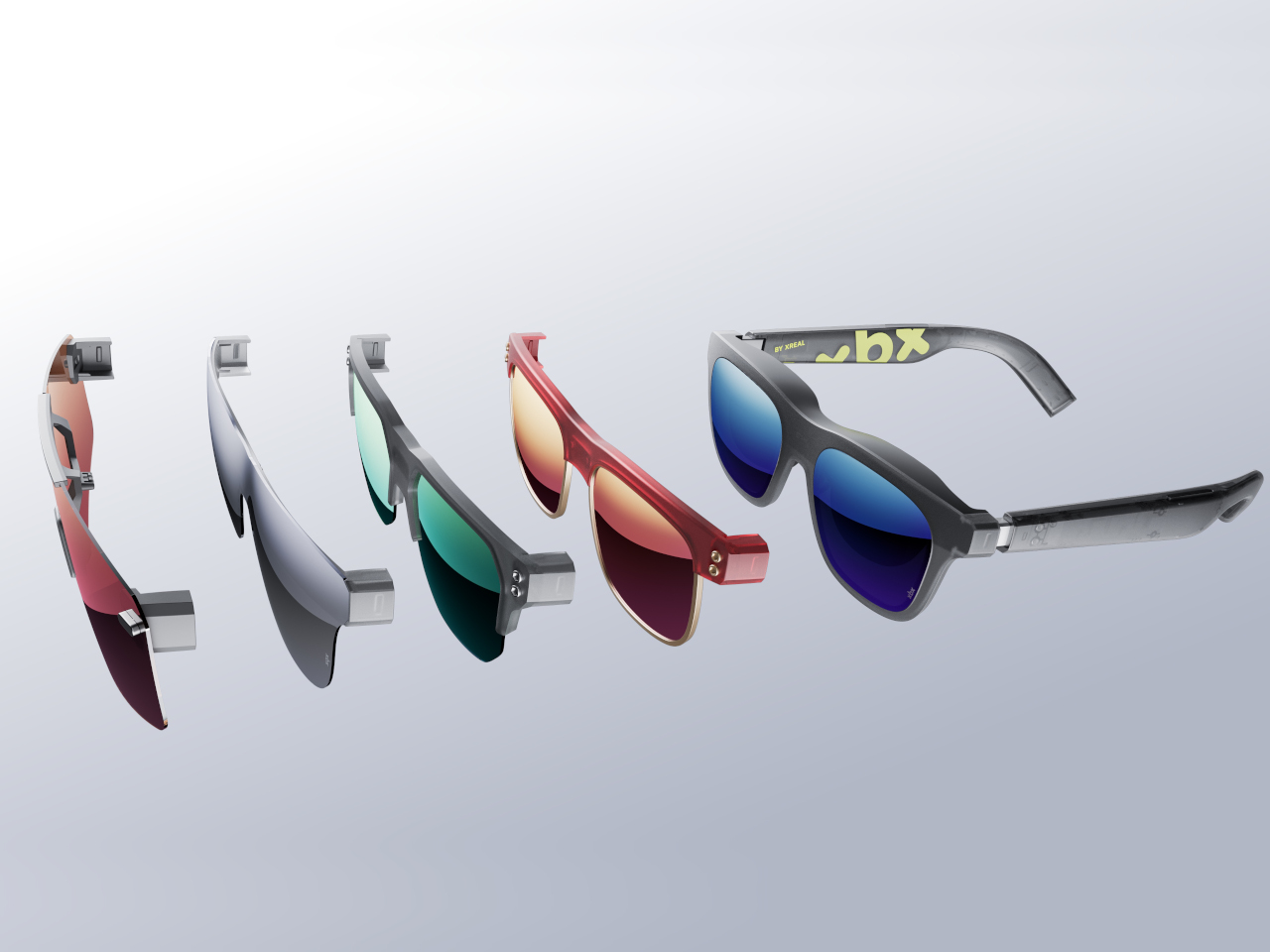
The interchangeable front frames add a layer of personalization that most display glasses skip. The semi-transparent body uses chromatic dimming to shift between transparent and immersive viewing depending on whether you want to stay aware of your surroundings or shut them out. Swap the front frame to match an outfit or a mood, and if you’re the tinkering type, XREAL has opened the design up for 3D printing your own.
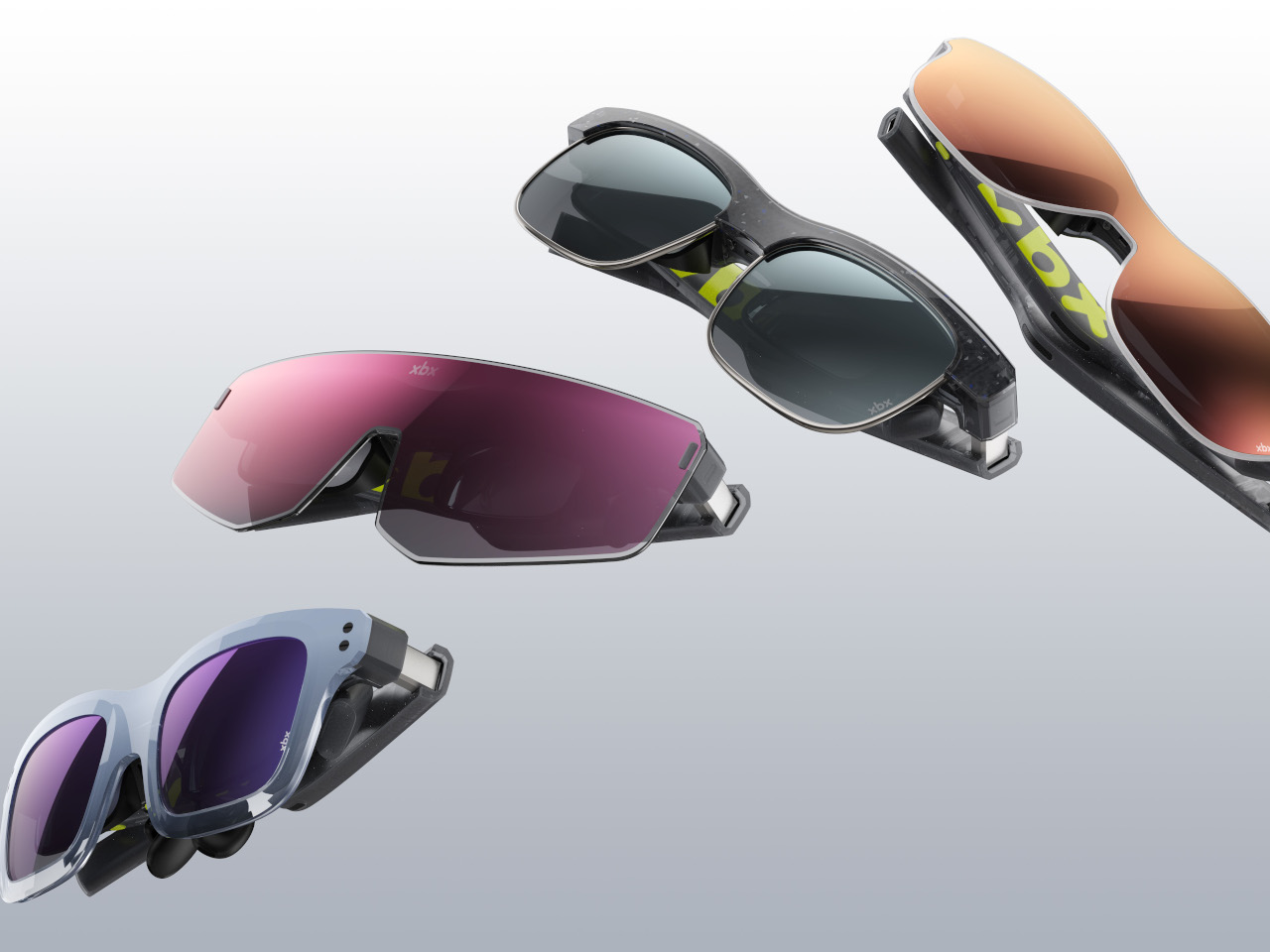
Someone catching up on a show during a forty-five-minute commute, a gamer who wants a massive screen from their handheld without dragging a TV along, or someone watching a film alone in a shared hotel room all find a more credible device here than anything currently available at this weight and brightness level. The a01 doesn’t need a dedicated ecosystem either; connect it to a phone, a tablet, or a laptop, and it works.
The a01 is already on sale in China and hits the US in July at $299, sitting $151 below the XREAL One at comparable or better specs by the numbers that matter most: weight and brightness. For a category that’s been waiting for its mass-market moment, a product that leads on both counts at a genuinely accessible price makes a fairly hard case to ignore.