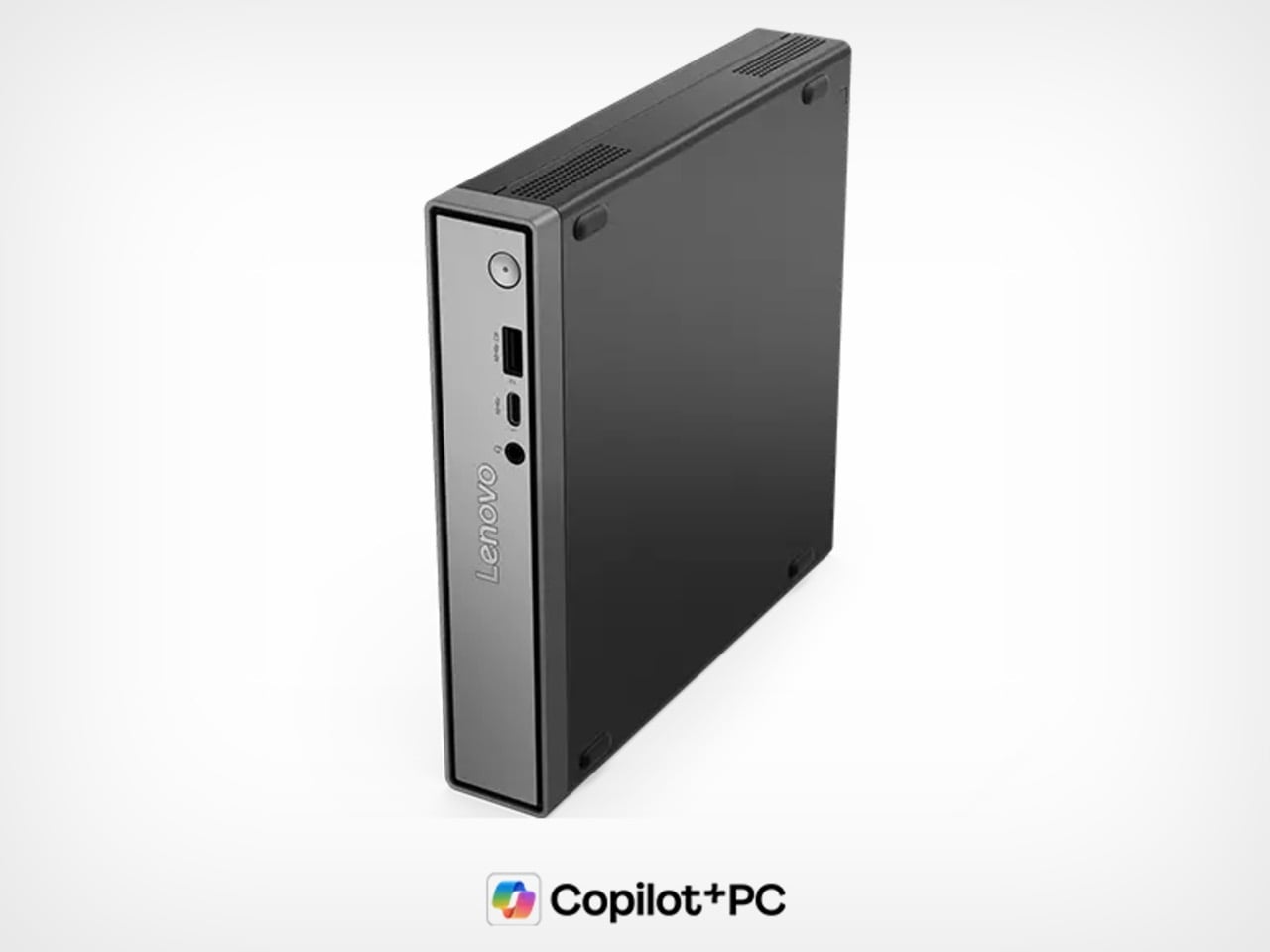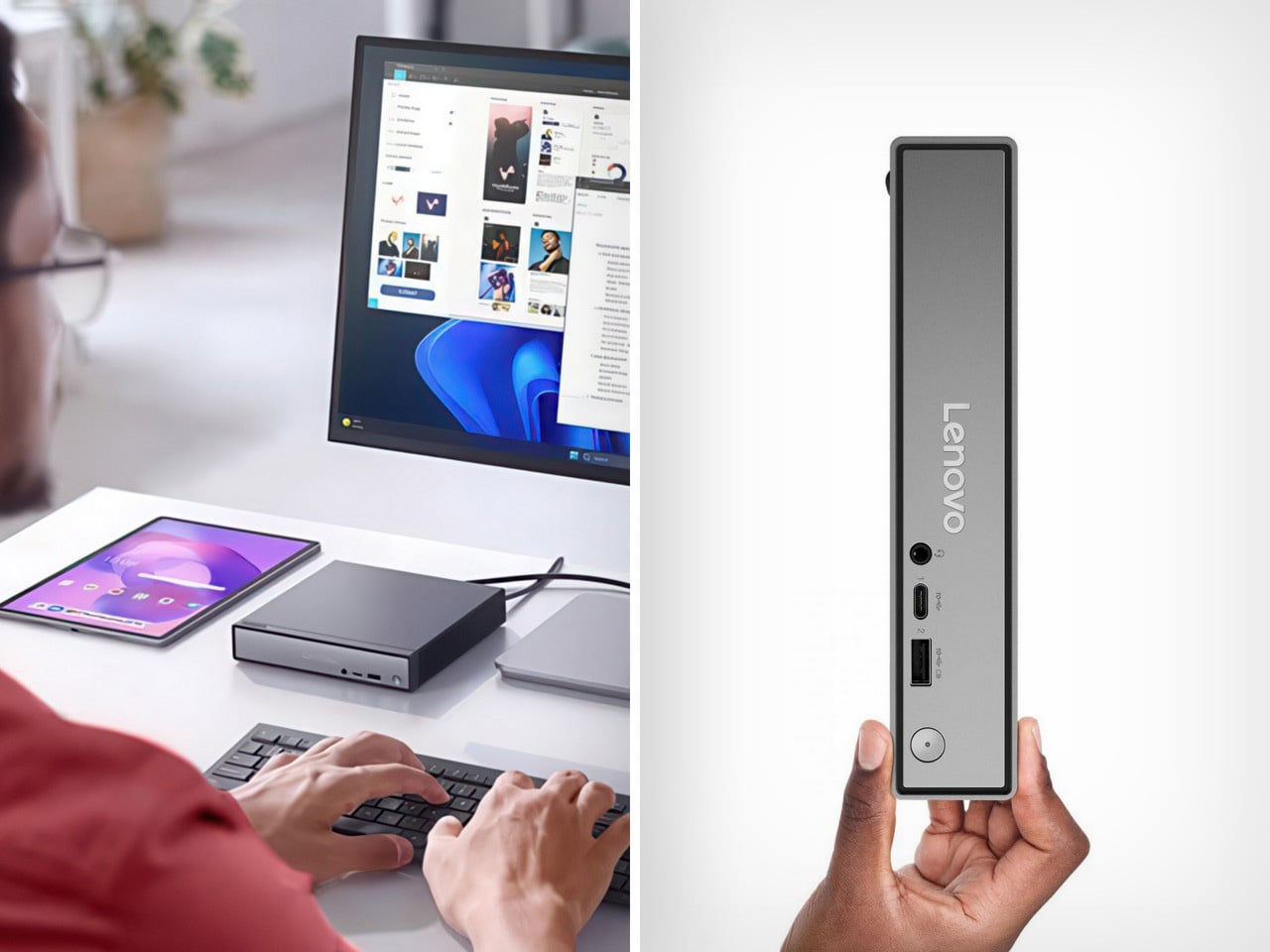
Here’s a business plan Lenovo isn’t charging me for. Take the ThinkCentre Neo 50q Gen 6, wrap it in a fake hardcover dust jacket, maybe something moody like a Wes Anderson film still or a Rothko print, and suddenly you’ve got a Windows PC that looks like Design Within Reach decor instead of IT department surplus. The dimensions practically beg for it already, a 7 by 7 inch footprint with the thickness of an actual coffee table book sitting on your shelf. Nobody’s ever accused a mini PC of being aspirational furniture before, but this one has the bone structure for it. Every competitor in this category is still shipping matte black rectangles that scream “asset tag pending,” while Lenovo accidentally built something you’d want visible on a shelf. All that’s missing is the marketing team connecting the dots.
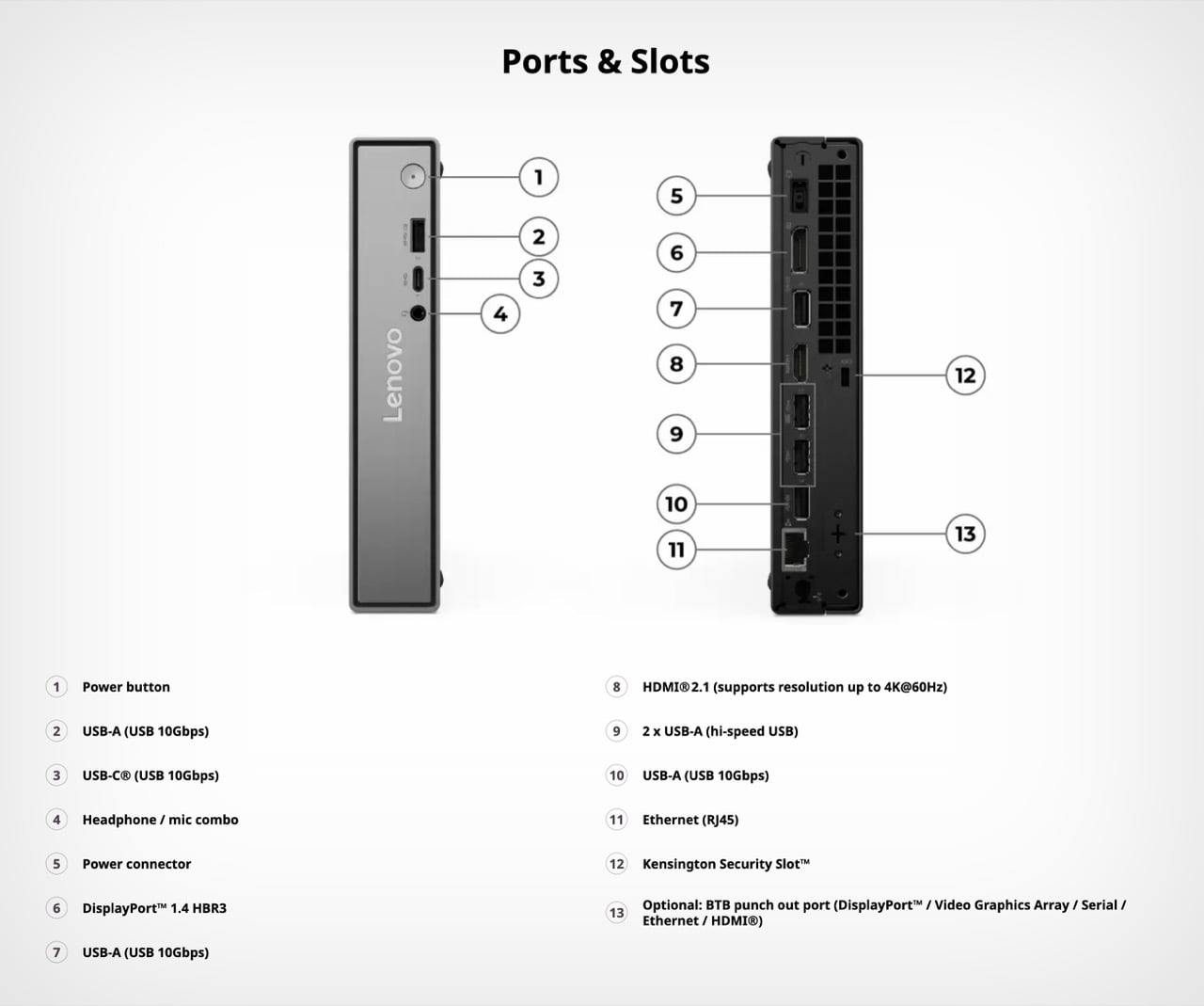
Underneath the cosplay, the Neo 50q Gen 6 (Intel) starts at $1,179 with a Core Ultra 5 226V, 16GB of soldered LPDDR5X-8533 RAM, and a 512GB SSD, replacing the Snapdragon X1-26-100 that powered the previous version of this exact chassis. That base chip brings 8 cores, clock speeds up to 4.5 GHz, a 40 TOPS NPU for local AI tasks, and Intel Arc 130V graphics, which is a lot of silicon to hide behind a fake book cover. Stepping up to the Core Ultra 7 256V for $1,619 doubles storage to 1TB and adds a faster NPU with Arc 140V graphics. Ports hold steady across both configurations, including a 10Gbps USB-C port, Wi-Fi 6, Bluetooth 5.1, HDMI 2.1, DisplayPort 1.4, and Gigabit Ethernet. At 5.27 lbs, this thing has actual heft to it, further selling the illusion that you’ve got a hardback sitting there instead of a full Windows desktop.
Designer: Lenovo
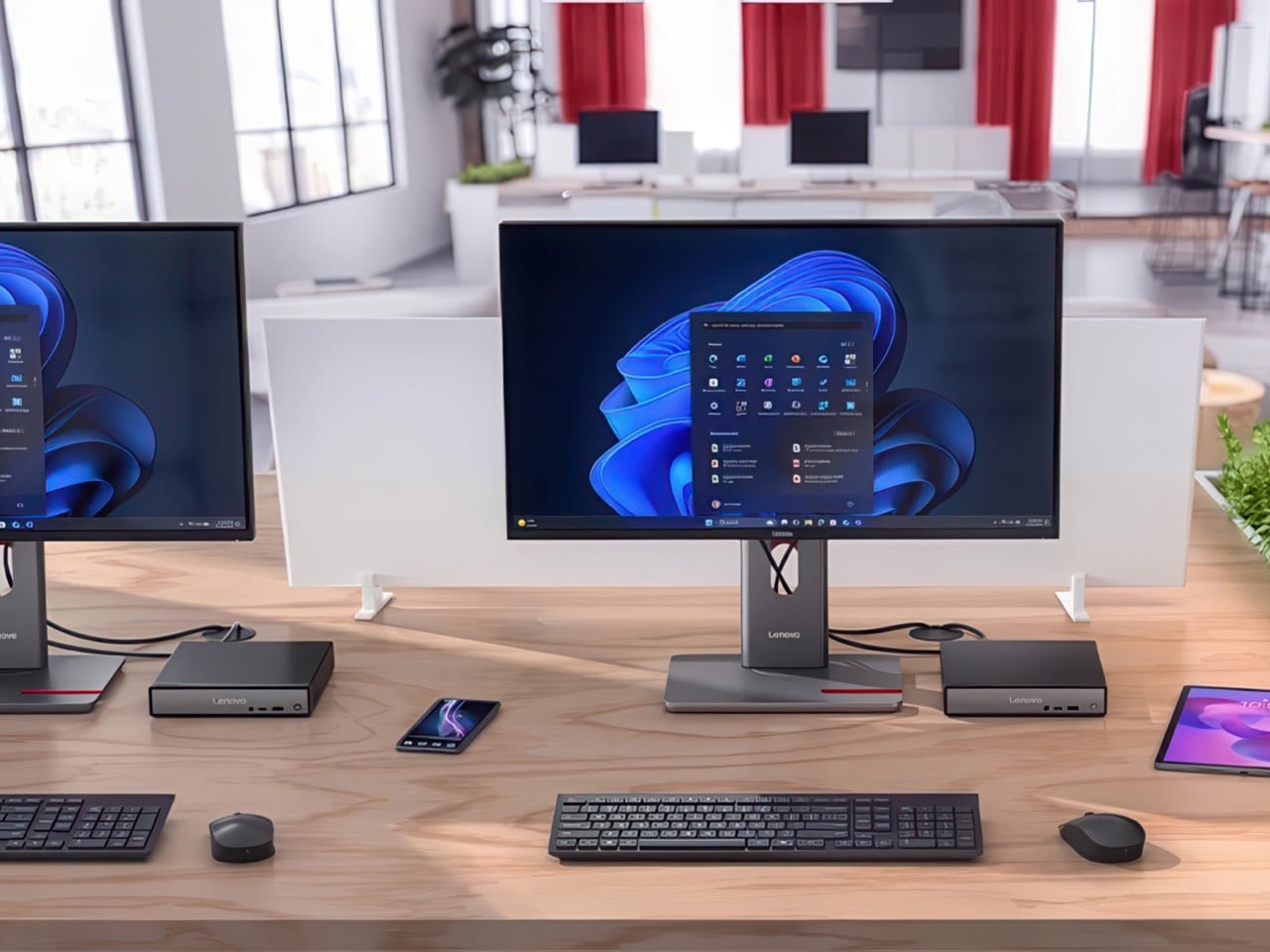
Swapping Snapdragon for Lunar Lake says something about how the ARM-on-Windows experiment is actually going. Qualcomm’s chip inside the original Neo 50q promised efficiency and always-on connectivity, the same pitch Microsoft has been making since Windows on ARM first launched. Lenovo clearly wanted an Intel option sitting right next to it on the shelf rather than retiring the ARM version outright, which suggests demand for x86 compatibility hasn’t disappeared just because Copilot+ PCs got a marketing push. Lunar Lake specifically brings a 40 TOPS NPU into a category that rarely got AI acceleration until recently, putting a genuinely modern chip inside a chassis that hasn’t changed its footprint at all. That’s the quiet story buried under the spec sheet, a company hedging its bets on which architecture actually wins the office desktop in 2026.
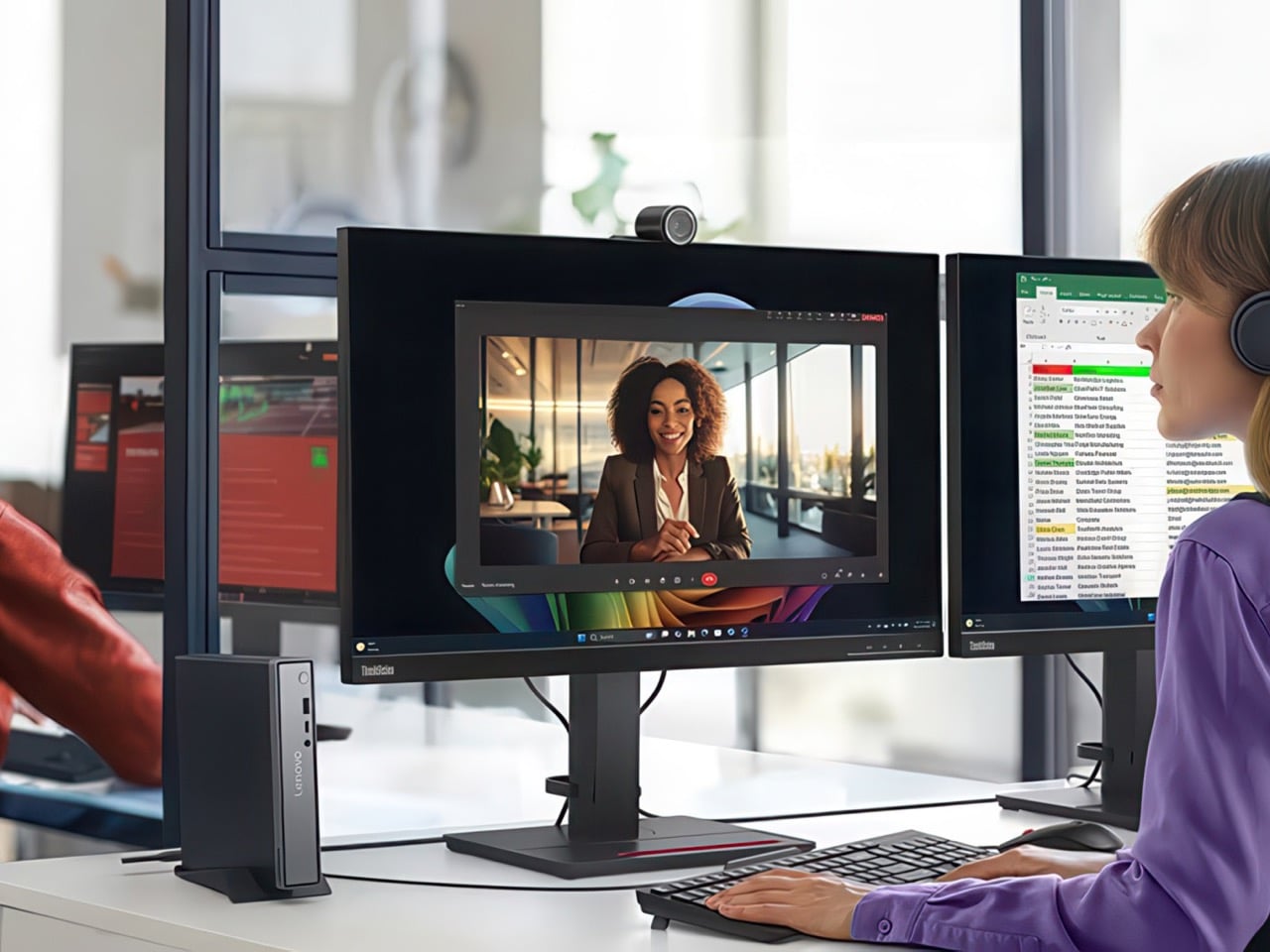
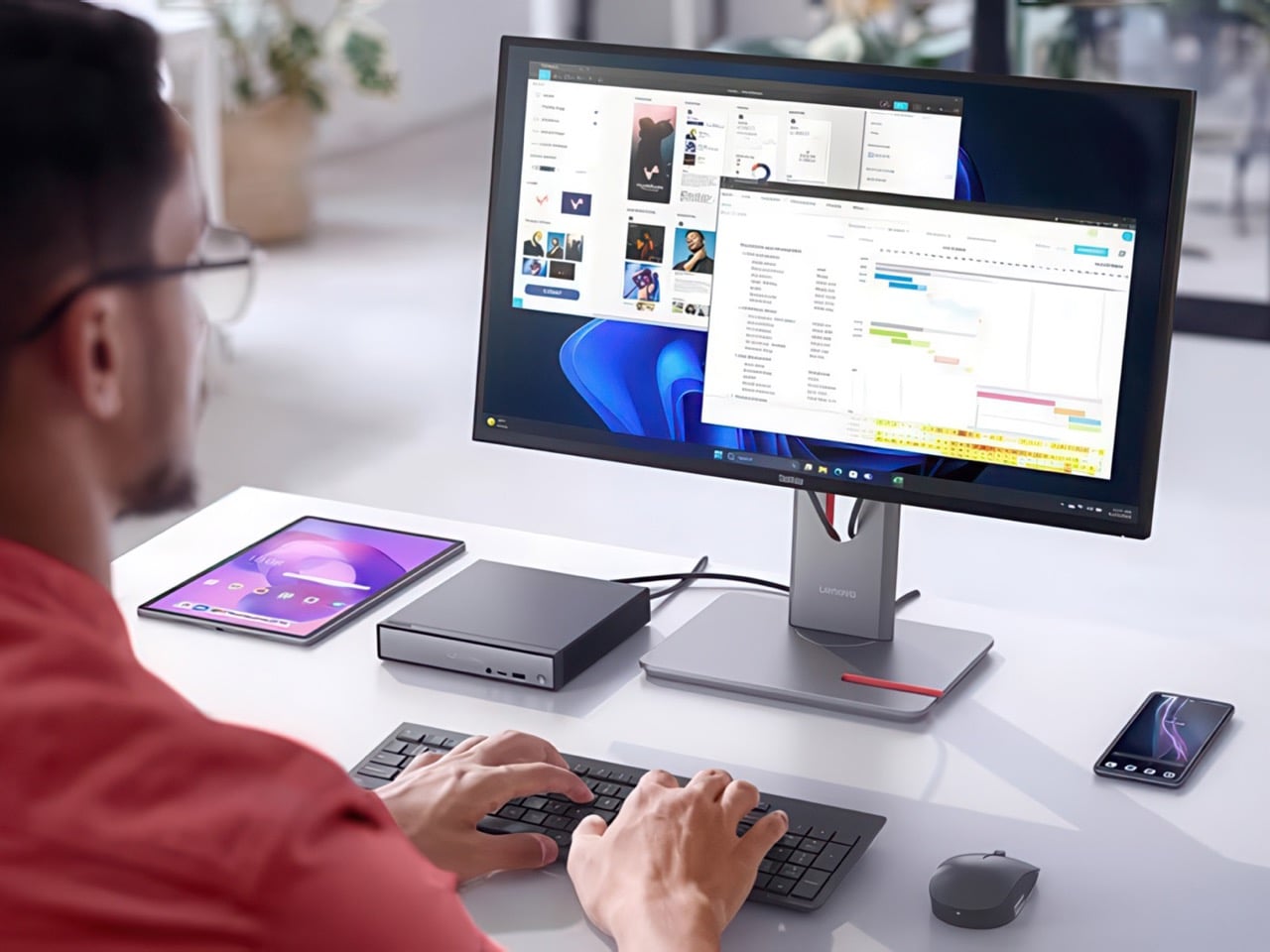
Positioned against the rest of the mini PC market, the pricing lands in a strange middle ground. Intel NUC successors and Beelink boxes routinely undercut this by a few hundred dollars while offering comparable specs, though usually without Lenovo’s enterprise support and warranty backing. Mac mini buyers get more raw performance per dollar from Apple silicon, but obviously lose Windows compatibility entirely, which matters for any office still running legacy software. The ThinkCentre badge itself carries weight here too, since IT departments buying in bulk care more about fleet management and driver support than they do about a machine’s coffee table book cosplay. Lenovo isn’t trying to win on raw value against the Beelinks of the world. It’s selling reliability with a side of, apparently, unintentional interior design cred.
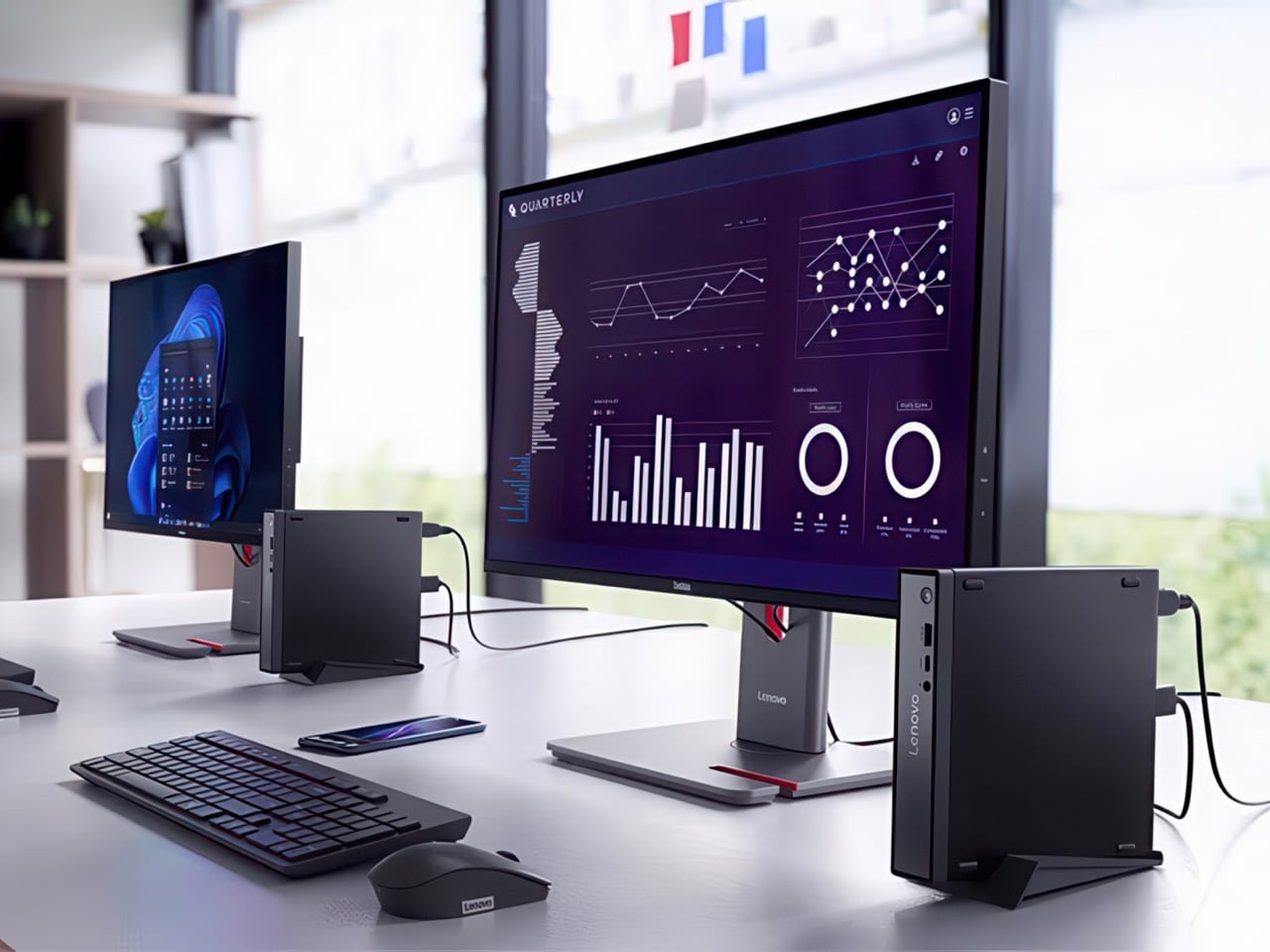
Whether Lenovo ever leans into the aesthetic angle on purpose remains the real open question here. Right now the ThinkCentre Neo 50q Gen 6 is being sold purely on specs and price, with nobody at Lenovo seemingly aware that they’ve built something small and handsome enough to just leave out in the open. Somebody in an office is going to genuinely mistake this for a book at some point, and honestly, that’s a better problem to have than another beige box nobody wants to look at. Until Lenovo catches on, you’ll just have to buy the sleeve yourself.